
Top 12 Best Outdoor Hunting Boots That Hunters Swear By
Finding the right pair of best outdoor hunting boots can mean the difference between hours of discomfort and a day spent focused on the hunt. Cheap boots often fail quickly; they might leak after the first creek crossing or start rubbing your ankles raw before noon. Blisters, soggy socks, and cold feet are common complaints from those who settled for boots that looked good but didn’t hold up in rough terrain.
Good hunting boots usually have thick waterproof materials like full-grain leather combined with a breathable membrane to keep feet dry without overheating. The sole needs enough grip to handle wet, uneven ground, typically a lug depth around 5 millimeters works well. Fit is critical too, with sizing that accommodates thick socks and provides solid ankle support to prevent sprains.
Easy cleaning is a bonus since mud and debris pile up fast in the backcountry.
Need a Quick Check?
| Image | Product | Price |
|---|---|---|
Our Top Picks 1  | TIDEWE Hunting Boots | Check Price |
Our Top Picks 2  | ROCKY Sport Utility Boots | Check Price |
Our Top Picks 3  | XPETI Thermator Hiking Boots | Check Price |
Our Selected Top 12 Outdoor Hunting Boots for Every Budget
This list features a variety of outdoor hunting boots designed for different needs and budgets. Each review explains how the boots perform, highlights their strengths and weaknesses, and identifies the type of hunter or environment they are best suited for.
1. TIDEWE Rubber Hunting Boots
Perfect for winter hunting and outdoor work, these camo rubber boots stand out for their durability and weather protection. They are tailored for anyone needing solid waterproof boots that can handle cold, wet conditions without sacrificing comfort or grip.
Putting them on is straightforward with their round toe design and flat heel, which provides stable footing throughout the day. The 800g insulation keeps feet warm on chilly mornings, and the camouflage pattern helps blend into wooded environments. Their rain boot style means cleanup is as easy as a quick rinse after muddy days.
Built with thick rubber aimed at withstanding tough outdoor conditions, the boots deliver reliable waterproofing and warmth during winter hunts. Reviews frequently highlight how well they keep feet dry and insulated, while some mention they can feel a bit stiff at first.
The overall construction feels solid, designed more for function than flexibility.
The boots are praised for their excellent waterproofing and warmth in cold conditions but commonly noted to feel stiff when first worn. The rubber’s durability helps with protection against wetness and cold but can restrict ankle movement initially.
Anyone needing reliable winter hunting boots with strong waterproofing and insulation will appreciate them. Those prioritizing flexibility or looking for lighter footwear in milder weather might want to consider other options.
Pros
- Warm 800g insulation for cold weather
- Waterproof rubber construction
- Camouflage pattern blends well with environment
- Flat heel offers solid stability
Cons
- Boots feel stiff in early use
- Limited flexibility due to rubber build
| Specification | Details |
|---|---|
| Color | 800g Next Camo G2 |
| Toe Style | Round Toe |
| Boot Form Type | Rain Boot |
| Heel Type | Flat |
| Seasons | Winter |
| Pattern | Camouflage |
2. ROCKY Sport Utility Waterproof Insulated Boot
Keeping feet dry and warm during long outdoor hunts is a challenge. This boot is built to handle wet conditions with its waterproof and insulated design. It suits anyone who spends all-day outside in cold, damp environments and needs reliable protection against the elements.
Putting them on is straightforward with a classic work boot fit that feels snug without being tight. The round toe provides comfort for extended wear, while the Mossy Oak Break Up pattern blends well into natural surroundings.
The western heel adds stable footing on uneven terrain, making every step more secure during day-to-day use.
Durability stands out with solid construction typical of work boots, making them tough for rugged conditions. Most people praise how well they keep water out and heat in on chilly days. A common downside is the boots can feel a bit heavy when worn for long distances, which may slow down more active hunters.
These boots excel at keeping moisture out while providing solid insulation, which makes them very reliable in wet and cold environments. The main complaint is their heaviness, which some find tiring during long treks or fast-paced movement.
Hunters who prioritize warmth and waterproof protection in varied weather will appreciate these boots. Those seeking lighter, more nimble footwear might want to explore other options better suited to speed and agility.
Pros
- Waterproof design keeps feet dry in wet conditions
- Insulation provides warmth for cold weather hunts
- Mossy Oak Break Up pattern aids natural camouflage
- Western heel offers added stability on rough terrain
Cons
- Heavier weight can cause fatigue over long distances
- Could feel bulky for those used to lighter boots
| Specification | Details |
|---|---|
| Color | Mossy Oak Break Up |
| Toe Style | Round Toe |
| Boot Form Type | Work Boot |
| Heel Type | Western Heel |
| Seasons | All |
| Pattern | MOSSY OAK BREAK UP |
3. XPETI Thermator Mid-Rise Hiking Boots
Camouflage pattern and mid-rise design make these hiking boots perfect for hunters needing reliable outdoor footwear. They offer solid support without the bulk, suited for anyone who spends time trekking through varied terrain. The standout feature is their balance between comfort and durability tailored for the outdoors.
Putting these boots on feels secure thanks to the mid-rise build, which covers the ankle but stays flexible. The round toe gives ample space without feeling loose, good for long walks. Daily use involves plenty of movement across rough trails where grip and protection are important, and their flat heel keeps you steady on uneven ground.
Performance centers on steady footing and wear resistance. The build uses sturdy materials combining a hiking boot form with camouflage style. Reviews find them dependable for tracking and walking, with most praising their comfort over long periods.
The frequent downside mentioned is a bit of stiffness during break-in, requiring some time before they soften up.
The boots receive praise for their reliable comfort and support during extended hikes in rough conditions. Most reports note initial stiffness, which users overcome after wearing them in. This setup is sturdy but not instantly soft.
Hunters and trail walkers who want a balanced boot with camouflage styling will find these suitable. Anyone needing immediate softness out of the box or full waterproof guarantees might prefer looking at other options.
Pros
- Camouflage pattern blends well with outdoor environments
- Mid-rise design offers good ankle protection
- Flat heel aids stability on uneven terrain
- Comfortable round toe fit for long wear
Cons
- Requires break-in period for stiffness
- Lacks detailed waterproofing info
| Specification | Details |
|---|---|
| Color | Camouflage |
| Toe Style | Round Toe |
| Boot Form Type | Hiking Boot |
| Heel Type | Flat |
| Pattern | Camouflage |
| Style Name | Hiking Boots |
| Occasion | Hiking |
4. NORTIV 8 Mens Waterproof Hiking Boots
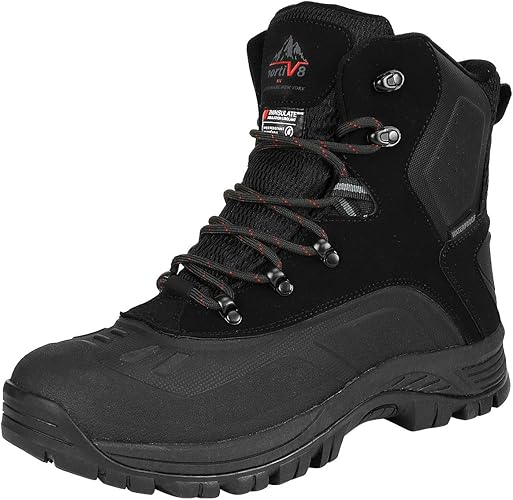
Great for winter hunters who need reliable footing in snowy conditions, these boots stand out for their waterproof design. Low-top style keeps them lightweight and easy to move in while still protecting against wet environments. They suit those looking for solid protection without bulk.
Putting these boots on involves a simple slip-in fit with a closed-toe design that hugs the feet comfortably. The waterproof material means you don’t have to worry about soggy socks or wet feet during extended periods outdoors.
Daily hikes through snow or damp terrain feel manageable thanks to the low heel and firm support around the foot.
Built as snow boots, they perform well in wet, cold conditions. They keep the feet dry and warm, which is a big plus for long winter treks. Most users say they handle water well, though some mention a bit of stiffness breaking them in.
The build quality feels durable, though some might find better insulation in heavier boots.
Waterproofing is the standout feature, keeping feet dry even in tough winter terrain. Many appreciate the lightweight feel but note an initial stiffness that requires breaking in. Users find it generally reliable in snowy conditions but acknowledge it may not suit extreme cold without extra layering.
Hunters spending time in wet winter environments will appreciate the dryness and comfort these boots provide. Those facing very low temperatures or needing heavy insulation might want to explore alternatives better suited for extreme cold protection.
Pros
- Waterproof for wet, snowy conditions
- Low-top style reduces weight
- Closed toe adds solid protection
- Good for winter wear
Cons
- Some stiffness when first worn
- Not heavily insulated for extreme cold
| Specification | Details |
|---|---|
| Color | Black/1 |
| Toe Style | Closed Toe |
| Boot Form Type | Snow Boot |
| Heel Type | No Heel |
| Seasons | Winter |
| Style Name | Low-top |
5. TIDEWE Rubber Waterproof Work and Hunting Boots

Waterproof protection combined with heat retention makes these boots ideal for anyone needing reliable warmth and comfort during outdoor hunting or work in cold, wet conditions. Their standout feature is the CR Flex-Foam material that keeps feet dry while flexing naturally with each step.
Wearing the boots is straightforward but measuring carefully before ordering is important because the sizing runs from 11 to 14 in men’s standard sizes. The lightweight rubber neoprene keeps the boots flexible and prevents foot fatigue over long periods.
Inside, the heat-resistant insulation traps body heat, so the boots stay comfortable in temperatures as low as -4°F/-20°C.
These boots perform well in wet and snowy environments, managing to keep feet dry without feeling heavy or stiff. The round toe and flat heel suit rough terrain and uneven ground. A common compliment highlights how some warmth is retained, while a frequent critique notes the sizing chart must be carefully checked to avoid fit issues.
Praise often centers on the boots’ ability to keep feet warm and dry for long periods, even in snow. The fit is praised when size is correct, but many mention sizing confusion as a downside, making measurement crucial before buying.
Ideal for hunters and outdoor workers needing durable warmth and water resistance in cold climates. Those with smaller or larger feet outside listed sizes should consider alternative boots with a wider size range.
Pros
- Fully waterproof CR Flex-Foam rubber
- Returns up to 90% of body heat
- Lightweight with flexible neoprene
- Comfortable in subzero temperatures
Cons
- Must carefully follow size chart
- Sizing available only for men’s 11-14
| Specification | Details |
|---|---|
| Waterproof Material | 100% waterproof CR Flex-Foam |
| Insulation | Heat-resistant, returns up to 90% body warmth |
| Comfort Rating | -4°F/-20°C to 50°F/10°C |
| Boot Form Type | Snow Boot |
| Toe Style | Round Toe |
| Colors | Black |
6. Mens Waterproof Insulated Hunting Boots

Mens Waterproof Insulated Hunting Boots provide reliable waterproofing and insulation, perfect for hunting in cool to cold weather. Their camouflage design suits outdoor enthusiasts who need durable, functional footwear that stands up to wet conditions and keeps feet warm during long days in the field.
Getting them on takes a bit of effort since the fit is snug, which actually helps keep moisture out. The round toe shape gives enough wiggle room without feeling bulky.
The lack of a heel means you get a flat, steady footing on uneven terrain. Daily use across fall, spring, and winter feels comfortable thanks to the insulation and the waterproof material holding up well against mud and dew.
Performance-wise, these boots do a solid job keeping feet dry and warm, which is the main goal. The strong build offers durability for rough outdoor use.
A common highlight is how well the insulation works without overheating. Some people mention that the boots are a bit stiff when new, requiring some breaking-in time before full comfort arrives.
The boots are praised for excellent insulation and waterproofing, keeping feet comfortably warm and dry. Some users note stiffness at first, which improves after a few wears but might challenge those wanting immediate softness.
Hunters and outdoor workers in cooler seasons will find these boots fit the bill well. Those needing more flexibility or using boots in warmer weather may want to consider other options better suited to those conditions.
Pros
- Waterproof and insulated for cold, wet conditions
- Camouflage pattern suitable for hunting
- Snug fit keeps moisture out effectively
- Flat sole provides steady footing outdoors
Cons
- Initial stiffness requiring breaking in
- Not suitable for hot weather use
| Specification | Details |
|---|---|
| Color | Brown |
| Toe Style | Round Toe |
| Boot Form Type | Hiking Boot |
| Heel Type | No Heel |
| Seasons | Fall, Spring, Winter |
7. ROCKY Retraction Waterproof Insulated Boot

Wearing these boots feels solid and reliable from the start, perfect for anyone who spends long hours outdoors in all kinds of weather. Their biggest strength lies in waterproof insulation paired with the Realtree Xtra camouflage, making them a strong choice for serious hunters who need warmth without sacrificing concealment.
Putting them on is straightforward, with a comfortable round toe and western heel that fits well over thicker socks. The Realtree Xtra pattern blends in nicely with natural surroundings, and the waterproof barrier keeps feet dry during wet or muddy conditions.
These boots stay practical for casual use while offering toughness for rugged terrain.
They handle wet environments impressively thanks to sealed waterproofing and insulation designed for all seasons. The build feels durable with quality materials, holding up well through rough use. The most praised aspect is how dry feet stay even in heavy moisture.
On the downside, some find the break-in period a bit stiff before they fully soften.
The pack appreciates the boots for keeping feet dry and warm under heavy moisture, though initial stiffness during break-in is a common drawback. These boots hold up well to outdoor elements with their all-season design and real-camo pattern.
Hunters needing warmth and waterproofing in rugged environments will find these boots fitting well with their gear. Those prioritizing lightweight footwear for extensive hiking might want to explore other options.
Pros
- Effective waterproof insulation for cold, wet days
- Camouflage pattern works well in natural settings
- Comfortable round toe with secure western heel
- Suitable across all seasons
Cons
- Requires a break-in period to soften the fit
- Feel a bit heavy for long hikes
| Specification | Details |
|---|---|
| Color | Realtree Xtra |
| Toe Style | Round Toe |
| Boot Form Type | Work Boot |
| Heel Type | Western Heel |
| Seasons | All |
| Pattern | REALTREE XTRA |
8. Irish Setter Elk Tracker 12 Hunting Boot

Irish Setter Elk Tracker 12 is a solid hunting boot made for colder fall and winter seasons. It offers dependable comfort and protection during long treks, especially for hunters who prefer knee-high coverage and need a boot that handles tough terrain without unnecessary weight.
Putting these boots on is easy thanks to their combat-style fit and round toe shape, which provides enough room without feeling bulky. Wearing them day to day in wet or rough conditions is straightforward since they offer a balance of warmth and support without a heel to cause pressure points. The brown color blends well in outdoor settings, making them practical for blending into the environment.
Performance is consistent when walking through forests and rocky grounds; the knee-high design keeps debris out, and the materials resist cold weather fairly well. Solid build quality ensures durability over time, though some mention they take a bit of breaking in. Complaints mainly revolve around the lack of heel and the boots feeling stiff initially, but the overall sturdiness gets good marks.
Strong points include dependable protection from the cold and practical knee-high design, while many users note the need for a break-in period due to initial stiffness. The no-heel build is praised for simplicity but also criticized for limiting arch support over time.
This boot suits hunters focused on fall and winter treks who value coverage and durability. Those needing extra arch support or a softer break-in should consider other options with more cushioning and heel support.
Pros
- Good protection for cold seasons
- Knee-high guards against debris
- Comfortable round toe fit
- Durable construction for rough terrain
Cons
- Boots feel stiff at first
- Lack of heel can affect foot support
| Specification | Details |
|---|---|
| Color | Brown |
| Toe Style | Round Toe |
| Boot Form Type | Combat |
| Heel Type | No Heel |
| Seasons | Fall, Winter |
| Style Name | Knee-high |
9. MUCK Mossy Oak Break up Country Woody Max Boot

Constructed with a durable work boot form in a classic Mossy Oak pattern, these boots are perfect for casual outdoor use in fall. Their biggest strength lies in their reliability and comfort for long days on your feet while blending naturally into woodland settings.
Slipping into these boots feels straightforward thanks to their round toe shape and lack of a heel, which makes them easy to wear for extended periods. The sturdy materials handle the typical challenges of outdoor environments without much fuss. They keep feet comfortable during everyday tasks outside, from walking through rough terrain to standing for hours.
The boots manage to deliver solid protection and comfort together, handling fall weather and casual use efficiently. Their no-heel design aids stability, while the Mossy Oak pattern supports camouflage.
The build is tough but not overly heavy, which is a positive for most users. Some feedback mentions the need for a more breathable material in warmer conditions as a drawback.
The strongest praise focuses on comfort and reliable protection during fall outdoor activities. The most common complaint is that breathability can be an issue when the temperature rises, making the boots less comfortable in warmer environments.
Those looking for a tough, comfortable boot for casual fall use and natural camouflage will appreciate this choice. Individuals needing boots for hot conditions or heavy winter wear might want to look elsewhere for specialized features.
Pros
- Durable with effective fall season protection
- Comfortable round toe fit
- No heel for stable walking
- Natural Mossy Oak camouflage pattern
Cons
- Limited breathability in warmer weather
- Not designed for heavy winter conditions
| Specification | Details |
|---|---|
| Color | Mossy Oak |
| Toe Style | Round Toe |
| Boot Form Type | Work Boot |
| Heel Type | No Heel |
| Seasons | Fall |
| Pattern | BROWN |
10. NORTIV 8 Mens Ankle Waterproof Hiking Boots

Waterproof and designed to handle all seasons, these boots are perfect for those spending long hours outdoors. Their biggest strength lies in keeping feet dry without feeling bulky, making them ideal for hiking and hunting in varied terrains.
Putting them on is straightforward due to the mid-top style, offering ankle support without restricting movement. The round toe shape provides comfort during long walks, while the solid color options keep them looking natural in outdoor settings.
They work well over repeated days thanks to their balance of protection and breathability.
The waterproof feature performs as expected, helping to keep feet dry even in damp conditions. These boots are well-constructed, blending durable materials with a design focused on comfort and grip.
Most praise revolves around their reliable waterproofing and comfort, whereas occasional comments mention the absence of a heel can affect traction on uneven surfaces.
Reliable waterproofing is the standout feature, keeping feet dry during extended outdoor use. Most find them comfortable and supportive, though the design without a heel can make traction on rocky or slippery surfaces less secure.
Those needing lightweight, all-season boots with decent ankle support will appreciate these. People venturing into very rugged environments requiring extra grip and rigid support might want to consider alternatives.
Pros
- Waterproof for protection in wet conditions
- Comfortable round toe design
- Mid-top style supports ankle without bulk
- Available in natural outdoor colors
Cons
- Lack of heel may reduce grip on uneven ground
- Some may prefer more rigid ankle support
| Specification | Details |
|---|---|
| Color | Brown/Black/Tan |
| Toe Style | Round Toe |
| Boot Form Type | Hiking Boot |
| Heel Type | No Heel |
| Seasons | All |
| Style Name | Mid-Top |
11. ROCKY Mens Camouflage Waterproof Side-Zip Boots

Offering reliable waterproof protection paired with a Mossy Oak Break Up camouflage design, these boots suit anyone spending long days tracking through varied terrain. Their side-zip feature is a standout for quick on-and-off, making them a convenient choice over standard lace-up hunting boots.
Wearing these boots daily involves minimal fuss due to the side-zip, which saves time getting ready. The round toe and no heel design keep the fit comfortable for extended periods, whether walking or standing still.
The MOBU color and camouflage pattern help you blend into natural environments during casual outdoor activities or serious hunting.
In terms of performance, these boots keep feet dry thanks to their waterproof build. The hiking boot form supports rugged outdoor use, though some note the boots can feel a bit bulky.
The construction balances durability with comfort, yet a few reviews mention the fit may run a bit snug for wider feet.
The waterproof feature stands out, effectively keeping feet dry in wet conditions. Side-zip convenience makes these boots practical for repeated use. However, the fit might feel tight for those with wider feet, and bulkiness can be a factor during long treks.
Individuals prioritizing ease of use and camo style will appreciate these boots. Those needing a roomier fit or lightweight option might explore alternatives better suited to those needs.
Pros
- Waterproof construction keeps feet dry
- Side-zip allows quick on and off
- Mossy Oak Break Up helps with camouflage
- Comfortable round toe design
Cons
- Fit can be snug for wider feet
- Some find them bulkier than expected
| Specification | Details |
|---|---|
| Color | MOBU |
| Toe Style | Round Toe |
| Boot Form Type | Hiking Boot |
| Heel Type | No Heel |
| Seasons | All |
| Pattern | MOSSY OAK BREAK UP |
12. Waterproof Neoprene Insulated Rubber Hunting Boots

Long hours outdoors can get miserable without the right boots, especially in wet or cold conditions. Waterproof Neoprene Insulated Rubber Hunting Boots suit anyone who hunts or works outside and needs footwear that keeps feet dry and warm through tough weather.
Their waterproof neoprene material is the standout feature that makes them reliable.
Putting the boots on is easy thanks to their round toe and flat heel design which offers a comfortable fit all day. The camouflage pattern works well for blending into natural surroundings during hunting trips.
They hold up well in all seasons, so switching from damp fall mornings to snowy winter days doesn’t require another pair. Cleaning mud off the rubber is straightforward after a long day in the field.
The boots perform solidly for water resistance and insulation, providing enough warmth and dryness to stay comfortable outside. The snow boot form offers extra protection from cold ground and moisture. Some users mention the fit can run a bit snug around wider feet, which might require sizing up.
The build feels sturdy, though a few note the boots are heavier than some other hunting boots on the market.
The strongest praise about these boots is their effective waterproof and insulated design keeping feet warm and dry in cold, wet conditions. The most common complaint mentions that the fit can be tight, especially for wider feet, and the boots come off as heavier than alternatives. Cleaning after use is usually easy because of the rubber material.
Anyone spending long hours in wet, cold environments will value the protection and warmth offered here. For those needing a lighter boot or with wider feet, exploring other options might be preferable for comfort and ease of movement. Performance in multiple seasons makes these boots versatile for most outdoor work or hunting needs.
Pros
- Waterproof neoprene keeps feet dry
- Insulated for cold weather comfort
- Camouflage design suits hunting
- Flat heel for stable footing
Cons
- Can feel snug for wider feet
- Heavier than some other hunting boots
| Specification | Details |
|---|---|
| Color | Next G2 Camo |
| Toe Style | Round Toe |
| Boot Form Type | Snow Boot |
| Heel Type | Flat |
| Seasons | All |
| Pattern | Camouflage |
Best Outdoor Hunting Boots Comparison Table
| Product | Seasons | Boot Form Type | Pattern | Occasion |
|---|---|---|---|---|
| TIDEWE Hunting Boots | Winter | Rain Boot | Camouflage | work |
| ROCKY Sport Utility Boots | All | Work Boot | MOSSY OAK BREAK UP | Casual |
| XPETI Thermator Hiking Boots | – | Hiking Boot | Camouflage | Hiking |
| NORTIV 8 Waterproof Hiking | Winter | Snow Boot | Solid | – |
| TIDEWE Work Hunting Boots | All | Snow Boot | Solid | outdoor, winter |
| Mens Insulated Hunting Boots | Fall, Spring, Winter | Hiking Boot | Camouflage | work |
| ROCKY Retraction Insulated Boots | All | Work Boot | REALTREE XTRA | Casual |
| Irish Setter Elk Tracker | Fall, Winter | Combat | – | – |
| MUCK Mossy Oak Woody Max | Fall | Work Boot | BROWN | Casual |
| NORTIV 8 Ankle Hiking | All | Hiking Boot | Solid | – |
| ROCKY Camouflage Side-Zip | All | Hiking Boot | MOSSY OAK BREAK UP | Casual |
| Neoprene Insulated Hunting Boots | All | Snow Boot | Camouflage | work |
- SeasonsWinter
- Boot Form TypeRain Boot
- PatternCamouflage
- Occasionwork
- SeasonsAll
- Boot Form TypeWork Boot
- PatternMOSSY OAK BREAK UP
- OccasionCasual
- Seasons–
- Boot Form TypeHiking Boot
- PatternCamouflage
- OccasionHiking
- SeasonsWinter
- Boot Form TypeSnow Boot
- PatternSolid
- Occasion–
- SeasonsAll
- Boot Form TypeSnow Boot
- PatternSolid
- Occasionoutdoor, winter
- SeasonsFall, Spring, Winter
- Boot Form TypeHiking Boot
- PatternCamouflage
- Occasionwork
- SeasonsAll
- Boot Form TypeWork Boot
- PatternREALTREE XTRA
- OccasionCasual
- SeasonsFall, Winter
- Boot Form TypeCombat
- Pattern–
- Occasion–
- SeasonsFall
- Boot Form TypeWork Boot
- PatternBROWN
- OccasionCasual
- SeasonsAll
- Boot Form TypeHiking Boot
- PatternSolid
- Occasion–
- SeasonsAll
- Boot Form TypeHiking Boot
- PatternMOSSY OAK BREAK UP
- OccasionCasual
- SeasonsAll
- Boot Form TypeSnow Boot
- PatternCamouflage
- Occasionwork
How to Choose the Best Hunting Boots
Comfort, durability, waterproofing, and proper fit are essential when selecting hunting boots to ensure long-lasting use and protection in various terrains. Choosing the right features prevents discomfort, injuries, and frequent replacements, ultimately saving time and money during outdoor adventures.
Fit and Comfort
Wearing boots that aren’t the right size quickly turns a long day outdoors into an uncomfortable ordeal. Boots that are too tight cause pressure points and restrict movement, while loose boots lead to blisters and instability. Proper fit means having enough room in the toe box without excessive slipping at the heel.
Ankle support plays a key role in avoiding twists and strains, especially on uneven ground. Look for firm padding around the ankles and cushioning underfoot to reduce fatigue over many hours of walking or standing.
Breathability is often overlooked but crucial in preventing sweaty, damp feet that invite blisters. Materials with mesh panels or moisture-wicking linings help keep moisture away.
Some boots use Gore-Tex or similar membranes to allow sweat to escape while blocking water. Managing moisture well means fewer broken-in days and better comfort during long hunts.
Waterproofing and Weather Resistance
Effective waterproofing starts with a quality membrane or treatment that stops water from entering but allows vapor to escape. Boots treated with waterproof coatings alone often lose effectiveness after extended use or heavy rain. Gore-Tex and other membranes maintain dryness without sacrificing breathability, which keeps feet from feeling clammy.
Insulation levels vary considerably depending on climate. Thin linings or none at all suit mild seasons, while insulated boots with Thinsulate or wool works for cold weather.
The right balance prevents overheating but keeps feet warm when temps drop. Durable uppers made from full-grain leather or tough synthetics stand up better against brush and rough terrain, protecting boots from damage during hunts.
Traction and Sole Design
Traction is essential across slippery roots, wet mud, snowy patches, and rocky surfaces. Deep lug patterns with multidirectional tread tend to offer solid grip in variable conditions.
Softer rubber compounds often provide better bite on slick surfaces but wear faster. Stiffer soles give stability on uneven ground but can reduce comfort over time.
Some soles have added puncture-resistant layers beneath for protection against sharp rocks or thorns, which extends the life of the boots. Balancing sole stiffness and flexibility is key; too rigid makes walking tiring, while too soft can sacrifice support. Finding a sole design that matches the typical terrain encountered makes a significant day-to-day difference.
Noise Level
The materials and design of a boot impact how much noise they generate during walking. Hard, stiff soles clacking on rocks or dry leaves signal movement to wildlife easily. Boots with softer rubber soles and quieter tread patterns reduce footstep noise noticeably.
The outer material also matters; smooth leathers sound less noisy than stiff synthetics rubbing on brush.
Weight ties into noise since heavier boots tend to thud harder, drawing attention. Lighter boots often mean less sound but may lack support or protection. For hunting, boots that balance quietness with enough structure to protect feet work best to avoid alerting animals during approach.
Durability and Maintenance
Boots constructed with reinforced stitching and thicker layers in high-wear zones like the toe box and heel usually last longer under rugged use. Materials that resist scuffing and tearing delay visible wear and maintain support and waterproofing. Boots that break down quickly require more frequent replacements, adding to long-term costs.
Cleaning boots promptly after use and allowing them to dry thoroughly helps prevent mold and material breakdown. Smooth surfaces and fewer seams make dirt and mud easier to wash off, speeding up maintenance.
Leather can be conditioned occasionally to keep it supple. Choosing designs that balance durability with manageable upkeep results in footwear that serves well season after season.
Proper Maintenance and Care to Extend the Life of Your Hunting Boots
Outdoor hunting boots endure mud, water, rough terrain, and long hours in the field. Regular cleaning after each use prevents dirt buildup, which can degrade the materials and stitching over time. Using a soft brush to remove dried mud and debris before drying is important for preserving leather and fabric.
Avoid placing boots near direct heat sources like radiators or campfires, as excessive heat can cause cracking or warping.
Waterproofing treatments play a key role in maintaining boots’ performance. Applying a suitable waterproofing spray or wax according to the manufacturer’s instructions keeps moisture out, prolonging comfort and structural integrity.
Inspecting the soles for wear or damage is necessary to ensure good traction and support. Replacing insoles periodically helps maintain cushioning for long days on your feet.
- Clean boots with mild soap, not harsh chemicals
- Dry naturally at room temperature
- Store in a cool, dry place
- Reapply waterproofing every few hunts or after heavy use
Safety Considerations When Choosing and Using Outdoor Hunting Boots
Choosing hunting boots requires attention to safety features that protect against environmental hazards. Look for boots with reinforced toe caps to prevent injury from rocks or branches.
Ankle support is crucial to avoid sprains when walking on uneven ground, especially under wet or slippery conditions. Boots with slip-resistant soles provide better traction on wet leaves, snow, or mud.
The right fit reduces the risk of blisters and foot fatigue, which can lead to accidents during long hunting sessions. Properly sized boots should allow some wiggle room for toes without being loose.
Waterproofing is another safety factor, preventing cold feet that impair mobility and decision-making. Some boots include insulation to maintain warmth in colder weather, but overheating can be an issue in milder climates, so consider detachable liners or breathability features.
- Check for durable, protective materials
- Test sole grip on different surfaces
- Prioritize comfort and support to avoid fatigue
- Ensure adequate waterproofing and insulation for your hunting environment
Comparing Hiking Boots and Hunting Boots: Which Is Better for Your Adventure?
Hiking boots and hunting boots are designed for outdoor use but serve different needs. Hiking boots focus on general trail walking, offering lightweight designs and flexible soles for long treks.
Hunting boots are built for rougher terrain and prolonged exposure to damp or muddy conditions, often using tougher, waterproof materials with higher ankle coverage.
Weight is a major difference; hunting boots often weigh more due to added protection and insulation. This investment benefits hunters since they need boots that withstand thorns, moisture, and temperature changes without losing durability.
Hiking boots tend to prioritize breathability and speed, while hunting boots emphasize stealth and resilience.
- Hiking boots suit well-maintained trails and warmer weather
- Hunting boots handle wetlands, dense brush, and colder climates better
- Hunting boots typically offer more insulation and waterproofing
- Hiking boots provide more flexibility and lighter weight for fast movement
The choice depends on terrain, weather, and activity length. Hunters may find hiking boots less protective, while hikers may find hunting boots unnecessarily heavy for casual trail use.
People Also Asked
How Do I Properly Size Outdoor Hunting Boots for a Comfortable Fit?
Proper hunting boot sizing means trying them on with the same type of socks you plan to wear during hunting. Make sure there is about a thumb’s width of space between your longest toe and the boot tip to allow for foot expansion during long treks. Walk around indoors to check for any pinching or slipping before buying.
What Are the Best Ways to Clean and Care for Hunting Boots?
Clean hunting boots by brushing off dirt and mud once dry, then wiping with a damp cloth. Apply leather conditioner or waterproof treatment regularly to maintain material flexibility and repel moisture. Avoid soaking boots or using harsh detergents to prevent damage to materials and seams.
How Long Do Outdoor Hunting Boots Typically Last with Regular Use?
Hunting boots usually last between three to five years under regular use, depending on terrain and maintenance. Rotating boots and applying waterproofing agents can extend their life. Keep an eye on sole wear and waterproofing integrity as signs it might be time to replace them.
Are Hunting Boots Safe and Effective for Wet or Slippery Terrain?
Proper hunting boots designed for wet or slippery terrain offer good traction and waterproofing, which keeps feet dry and helps prevent slips. Check that the soles have deep lugs and the upper materials resist water penetration. Be prepared to reapply waterproofing treatments after heavy use in wet conditions.
What Common Problems Should I Expect with Outdoor Hunting Boots?
Common issues with hunting boots include sole separation, loss of waterproofing, and discomfort from poor fit or worn insoles. Blisters may form during break-in if boots are too tight or socks are insufficient. Regular inspection and care help catch these problems before they cause bigger issues during a hunt.
Conclusion
Durability, comfort, and water resistance are the key factors to consider when choosing outdoor hunting boots. The boots should also provide good traction for various terrains and support for long hours of walking or standing. Prioritizing these features helps ensure the boots will hold up during hunting trips and keep your feet protected and comfortable.
Choose boots that suit the environment where you’ll be hunting and your budget. Boots used frequently may require higher quality and more durable materials, while occasional hunters might opt for simpler designs. Check the comparison table and detailed reviews above to find the best option that fits your needs and conditions.