
Legalities of Armor-Piercing Ammo
Many gun enthusiasts and collectors often wonder about the legalities of armor-piercing ammo. It’s a topic that can feel confusing and overwhelming, especially with all the restrictions out there.
If you’re trying to navigate what’s legal and what’s not, you’re definitely not alone.
If you’re wondering about the legalities of armor-piercing ammo, you’ll find that federal and state laws heavily restrict its manufacture, sale, and possession.
Typically, only law enforcement, military, or licensed manufacturers can legally access it, while civilians face strict bans or licensing requirements.
Penalties for illegal possession can include hefty fines or jail time.
To understand your specific state’s rules and what options might be available, keep exploring, as the regulations can be complex.
Key Takeaways
- Federal laws restrict the manufacture, sale, and possession of armor-piercing ammunition. You need special approval to own it legally.
- Most states either ban or heavily regulate these rounds. Penalties for illegal possession or sale can be pretty severe.
- Access is usually limited to law enforcement, military personnel, or licensed contractors. Civilians face very strict restrictions.
- If you violate armor-piercing ammo laws, you could face hefty fines, felony charges, or even jail time.
- International regulations control the export and trafficking of armor-piercing ammunition. However, there’s no global ban on it.
What Is Armor-Piercing Ammunition and How Does It Work?
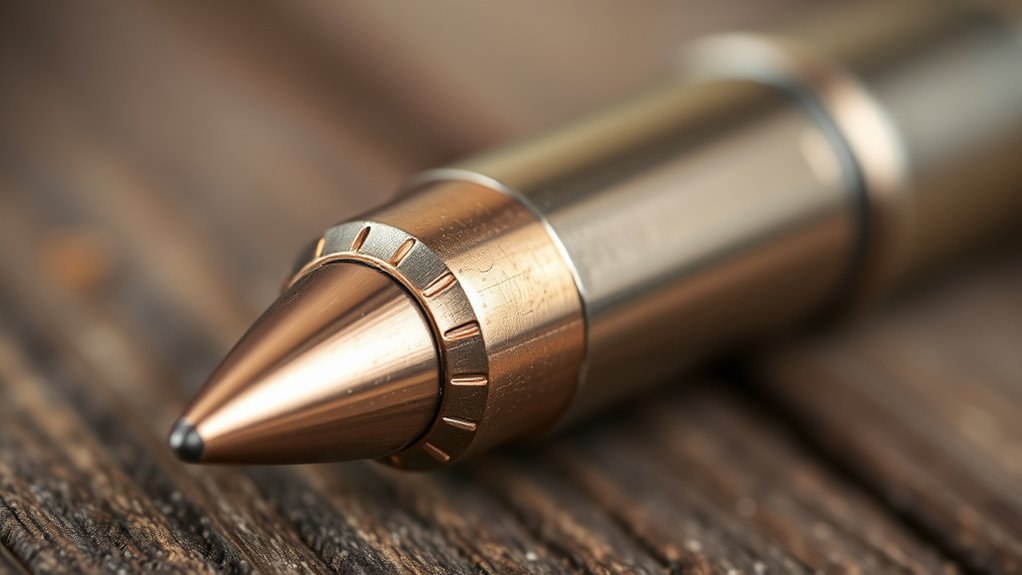
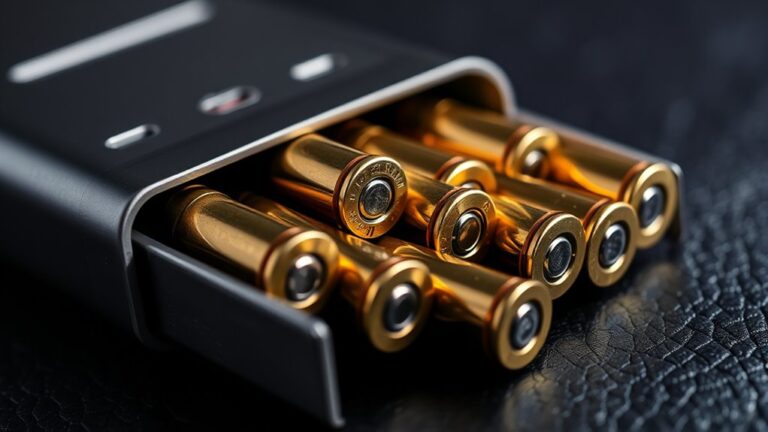
Armor-piercing ammunition is specially designed to penetrate body armor and other hardened targets. You’ll notice these rounds have a core made of dense metals like steel, tungsten, or uranium, which helps them cut through protective materials that standard bullets can’t.
When fired, the high-velocity projectile keeps its shape and energy, allowing it to punch through tough surfaces. These rounds often have a pointed tip to focus force on a small area, boosting penetration.
The core material’s density and shape help the bullet stay momentum and pierce armor without breaking apart. This design makes armor-piercing rounds especially effective against protective gear and reinforced targets, giving the shooter a big advantage in penetrating defenses.
Are Armor-Piercing Rounds Legal in the United States?
You might wonder if armor-piercing rounds are legal to own or use in the U.S. because regulations vary between federal and state levels.
Federal laws generally restrict these rounds, but some states have additional bans or restrictions.
Violating these laws can lead to serious legal penalties, though there are specific exceptions for certain uses.
Federal Regulations Overview
Federal regulations strictly control the sale and possession of armor-piercing ammunition in the United States. The Bureau of Alcohol, Tobacco, Firearms, and Explosives (ATF) oversees these rules.
Under federal law, armor-piercing rounds are classified as armor-piercing ammunition, and their manufacture, sale, or transfer is heavily restricted. You can’t legally buy or own these rounds unless you have explicit federal approval, which is rare.
The law aims to prevent misuse and limit access to materials that can penetrate body armor. The ATF maintains a detailed list of approved ammunition types and imposes strict licensing requirements.
If you’re considering purchasing or possessing armor-piercing rounds, you must follow these federal regulations to avoid serious legal consequences.
State-Level Restrictions
While federal regulations set a baseline, state-level restrictions on armor-piercing rounds vary widely across the United States, reflecting different priorities and concerns. Some states ban these rounds entirely, citing safety and crime prevention, while others have no specific laws, leaving regulations up to local authorities.
For example, California and New York prohibit the sale, possession, or transfer of armor-piercing ammunition without proper licensing. On the other hand, states like Texas and Florida don’t have explicit laws, making it easier to buy or own such rounds legally.
These differences can significantly impact your ability to purchase, carry, or use armor-piercing ammunition depending on where you live. Always check your state’s specific laws before attempting to buy or possess armor-piercing rounds.
Legal Penalties and Exceptions
The legality of armor-piercing rounds in the United States carries serious legal penalties. The consequences depend on the jurisdiction and specific circumstances.
If you’re caught illegally possessing or selling these rounds, you could face hefty fines, prison time, or both. Federal law generally bans manufacturing, importing, or selling armor-piercing ammunition, but some exceptions exist for law enforcement and military use.
Some states have stricter rules, making possession illegal altogether. Here’s a quick overview:
| Situation | Penalty or Exception |
|---|---|
| Possession without permit | Heavy fines and potential jail time |
| Selling armor-piercing ammo | Felony charges and prison time |
| Law enforcement use | Allowed under specific circumstances |
| Military use | Exempt from general restrictions |
| State-specific laws | Penalties vary, often stricter than federal law |
Always check your local regulations before acquiring or using armor-piercing rounds.
How Do Federal Laws Regulate Armor-Piercing Ammo?
Congress has put various regulations in place to control the sale and possession of armor-piercing ammunition, aiming to prevent it from falling into the wrong hands. The Firearm Owners Protection Act (1986) bans the manufacture, sale, or transfer of armor-piercing ammunition that can be used in common firearms, with certain exceptions.
The Bureau of Alcohol, Tobacco, Firearms, and Explosives (ATF) enforces these laws, requiring background checks for buyers and regulating the commercial sale of such ammo. Federal law classifies armor-piercing ammunition as a firearm accessory, making it illegal for civilians to import, manufacture, or possess without proper authorization.
These regulations aim to restrict access, reducing the risk of armor-piercing rounds being used in crimes or by unauthorized individuals.
What Are the State-By-State Rules on Armor-Piercing Ammunition?
State laws vary widely, with some banning or heavily restricting armor-piercing ammo entirely.
You’ll also find different rules about how you can legally purchase and possess it, often involving background checks or permits.
Penalties for violations can range from fines to criminal charges, so it’s important to understand your state’s specific regulations.
State Bans and Restrictions
Many states have put bans or restrictions on armor-piercing ammunition to control its sale and possession. Some states completely ban it, making it illegal to buy, sell, or own such rounds within their borders.
Other states limit access to law enforcement or military personnel, or require special permits. States like New York and California have broad bans, while others restrict certain types or calibers.
Enforcement varies, but violations can lead to hefty fines or criminal charges. Always check your state’s laws to understand the exact rules and any recent updates.
Keep in mind that even if your state doesn’t have specific bans, federal regulations may still apply. Staying informed helps you stay compliant and avoid legal trouble.
Legal Purchase Requirements
Understanding the rules for legally purchasing armor-piercing ammunition varies a lot from state to state. Some states ban all sales outright and require special permits or licenses. Others allow civilians to buy with certain restrictions.
In states where it’s allowed, you often need to pass background checks similar to those for firearms. Some states also require you to be at least 21 years old or provide proof of firearm ownership. There are even states that restrict sales to law enforcement or military personnel.
Always check your state’s specific regulations before trying to buy armor-piercing rounds. Penalties for breaking these rules can be severe. Knowing your state’s laws helps you stay within legal boundaries and avoid unintended violations.
Enforcement and Penalties
Enforcement of armor-piercing ammunition laws varies widely across the country, with each jurisdiction setting its own penalties for violations. Some states impose strict criminal charges, including hefty fines and jail time, while others treat violations as misdemeanors or administrative infractions.
If you’re caught possessing or selling armor-piercing ammo unlawfully, you could face felony charges that come with serious consequences. Enforcement agencies actively monitor compliance, especially in areas with strict gun control laws.
Penalties often depend on the intent, quantity involved, and whether other illegal activities were part of the violation. It’s really important to understand your state’s specific laws so you can avoid legal trouble.
When Is Using Armor-Piercing Ammo Legal?
Using armor-piercing ammunition is generally legal only under specific circumstances, such as for law enforcement, military, or authorized commercial activities. If you’re a law enforcement officer or military personnel, you may use this ammo in the scope of your duties.
Certain government agencies or licensed contractors might also have legal access for specialized purposes. Moreover, some manufacturers and collectors can possess or use armor-piercing rounds if they adhere to strict regulations and licensing requirements.
Outside these contexts, using armor-piercing ammo is typically illegal. State and federal laws heavily restrict its use, sale, and possession to prevent misuse or criminal activity. Always verify you’re complying with applicable laws before acquiring or using armor-piercing ammunition.
What Are the Penalties for Possessing or Using Armor-Piercing Rounds Illegally?
If you illegally possess or use armor-piercing rounds, you could face serious legal consequences.
Criminal charges may lead to hefty fines, jail time, or both, depending on your jurisdiction.
Understanding these penalties can help you avoid actions that could jeopardize your freedom.
Legal Consequences and Penalties
Possessing or using armor-piercing ammunition illegally can lead to serious legal consequences, including hefty fines and potential jail time. Laws differ by area, but violations are often considered felonies.
If you’re caught, you could face significant fines that increase with the severity of the offense. Jail sentences vary from several years to decades, depending on the situation.
Authorities treat these violations very seriously because of how dangerous armor-piercing rounds are. Legal penalties might also include losing your firearms license or other privileges.
Courts may also order probation or community service as part of the punishment. Overall, illegal possession or use of armor-piercing ammo can seriously impact your freedom and future.
Criminal Charges and Penalties
When authorities find out you’re illegally possessing or using armor-piercing rounds, you could face serious criminal charges with hefty penalties. These can include big fines, probation, or even jail time.
The exact penalties depend on your intent, your previous convictions, and where you’re located. They can range from fines to felony charges that might affect your rights permanently.
Here’s a quick look at the potential consequences:
| Offense | Penalties | Possible Sentences |
|---|---|---|
| Illegal possession of armor-piercing rounds | Heavy fines, jail time | Up to 10 years or more |
| Using armor-piercing rounds in a crime | Felony charges, longer sentences | 10+ years in prison |
| Selling or distributing armor-piercing ammo | Federal charges, fines | 5-20 years in prison |
| Prior convictions for related crimes | Increased penalties | Life imprisonment |
How Do International Laws Regulate Armor-Piercing Ammunition?
International laws regulate armor-piercing ammunition mainly through treaties and export controls designed to prevent its spread and misuse. Countries participate in agreements like the Hague Convention and others that limit the transfer and sale of such weapons.
These rules help keep unauthorized groups like criminals or terrorists from getting hold of armor-piercing ammo. Export controls, managed by national agencies, require licenses and strict oversight of shipments crossing borders.
International organizations such as INTERPOL and the UN monitor and enforce compliance. They share intelligence to help stop illegal arms trafficking. While there’s no worldwide ban, these measures together create a legal framework that restricts the production, distribution, and transfer of armor-piercing ammunition globally.
Your country might follow these international standards or have additional restrictions of its own.
Are There Exceptions for Law Enforcement or Military Use?
While international laws restrict the general sale and transfer of armor-piercing ammunition, exceptions are often made for law enforcement and military agencies. These groups usually need such ammunition for specific purposes like training or specialized missions, and they operate under strict regulations.
Law enforcement agencies generally require approval from relevant authorities to access armor-piercing rounds, which helps ensure proper oversight. Military use is similarly regulated, with armor-piercing ammunition playing a key role in certain defense strategies.
These exceptions are granted because of the important roles these agencies play in national security and public safety. However, civilian access remains heavily restricted, highlighting the clear difference between authorized government use and civilian possession.
How Can You Legally Buy and Sell Armor-Piercing Ammunition?
Wondering how you can legally buy or sell armor-piercing ammunition? The first step is understanding federal and state laws.
Under federal law, most civilians cannot purchase or sell armor-piercing rounds unless they have special permits or if the ammunition is exempted, such as for certain sporting or collectible purposes.
You must also verify if your state has additional restrictions or licensing requirements. To stay compliant, buy from licensed firearms dealers who follow strict regulations and ensure all transactions are properly documented.
Selling armor-piercing ammo often requires a background check and adherence to local laws. Keep in mind that illegal transactions can lead to severe penalties.
Always consult legal experts or authorities to confirm your compliance before buying or selling.
What Are Your Options for Legally Keeping Armor-Piercing Rounds?
If you want to legally keep armor-piercing rounds, your options are limited and heavily regulated. Generally, civilians cannot possess these rounds without special authorization.
In most cases, you need a federal firearms license (FFL) or be part of law enforcement or the military. Some states also have additional restrictions, making it even harder to keep such ammunition legally.
If you’re a collector, you might be able to get a permit or register your rounds through specific channels. But this process is strict and often takes a long time.
Usually, owning armor-piercing rounds requires showing a legitimate reason, like research or historical collection, and following federal and state laws.
Without proper authorization, possessing armor-piercing ammunition can lead to serious legal penalties.
What Future Changes Could Impact Armor-Piercing Ammunition Laws?
Looking ahead, legislative and technological developments could significantly change the laws around armor-piercing ammunition. Governments might tighten restrictions, possibly banning new production or imports, due to worries about misuse or rising firearm violence.
At the same time, advances in material science could lead to new types of armor-piercing rounds that challenge current laws, prompting lawmakers to update regulations. Public safety concerns and increased awareness about firearm laws could push for stricter controls.
On the flip side, some areas might loosen restrictions to encourage responsible ownership or because of shifting political priorities. Staying informed about these potential changes helps you understand how future legal shifts could affect your rights and ownership options regarding armor-piercing ammunition.
Frequently Asked Questions
Can Civilians Legally Own Armor-Piercing Ammunition in Private Collections?
You generally cannot legally own armor-piercing ammunition in private collections without following strict federal and state rules.
Federal law bans most armor-piercing rounds, and some states have additional restrictions or require special permits.
If you’re interested, you should check your specific state’s laws and possibly get federal approval.
Always stay updated on regulations because breaking them can lead to serious penalties like fines or jail time.
Are There Specific Licensing Requirements for Purchasing Armor-Piercing Rounds?
Imagine you’re stepping into a 1920s speakeasy—things are a bit clandestine. You’ll typically need a federal license to purchase armor-piercing rounds, as they’re regulated under federal law.
This license requires background checks, registration, and a valid reason for ownership. State laws might add extra restrictions, so it’s good to check those too.
Before you try to buy, verify you meet all federal and state licensing requirements, or you could face serious legal trouble.
How Do International Treaties Influence U.S. Armor-Piercing Ammo Laws?
International treaties influence U.S. armor-piercing ammo laws by setting global standards and encouraging cooperation to prevent misuse.
When the U.S. signs or ratifies these treaties, it often adopts regulations that align with its international commitments. This can mean restrictions on manufacturing, selling, or owning armor-piercing ammunition.
It’s important to stay informed about these treaty obligations because they can lead to stricter domestic laws. These changes could impact your ability to legally purchase or own such rounds.
What Safety Measures Are Recommended for Handling Armor-Piercing Ammunition?
An ounce of prevention is worth a pound of cure. When handling armor-piercing ammunition, always wear protective gear like gloves and eye protection.
Keep it in a secure, locked container away from children and unauthorized persons. Handle it in a well-ventilated area, and avoid any sources of sparks or heat.
Always follow manufacturer instructions, and never attempt to disassemble or modify the rounds. Proper safety measures protect you and those around you.
Are Armor-Piercing Rounds Used in Civilian Self-Defense Legal?
Using armor-piercing rounds for civilian self-defense is generally illegal in most places. These rounds are made to go through body armor, so they’re heavily restricted or banned for civilians.
You should definitely check your local laws before considering any type of ammunition. If you’re caught using or possessing armor-piercing ammo illegally, you could face serious penalties like fines or even jail.
Always choose legal and safe options when it comes to self-defense.
Conclusion
As laws surrounding armor-piercing ammunition continue to evolve, you must stay informed. Will future regulations tighten restrictions or relax some limits? The decision could dramatically impact your rights and safety.
Stay vigilant because the next update might change everything you thought you knew about legal firearm use. Are you prepared for what’s coming? Keep watching—your choices today could shape your freedom tomorrow.
Remember, understanding the legalities of armor-piercing ammo is crucial as regulations shift. Staying informed helps you make smarter decisions and protect your rights.