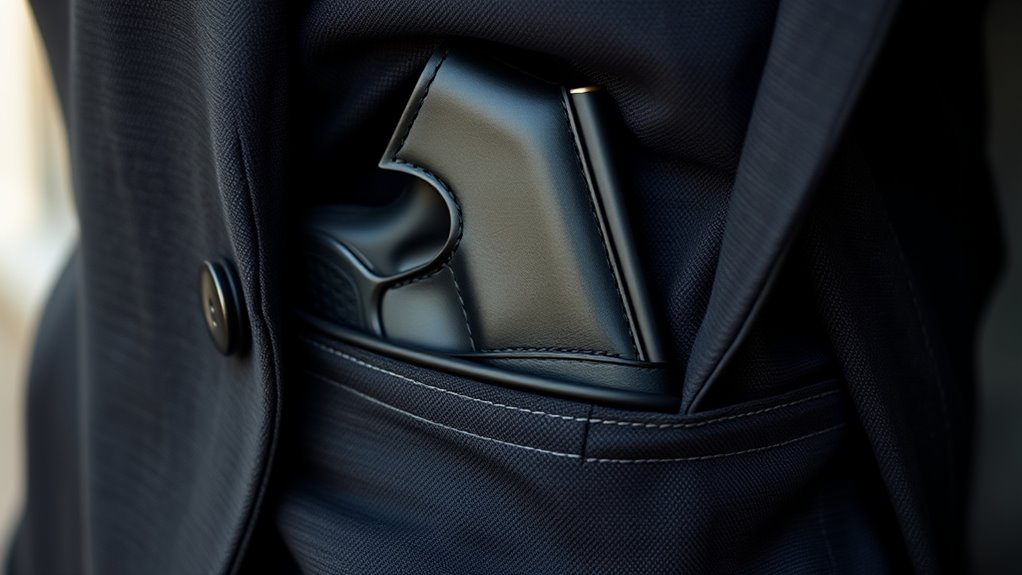
Do You Need a Holster for Concealed Carry?
Are you tired of feeling unsure about how to carry your firearm discreetly and safely? You’re not alone—many people struggle with finding the right setup for concealed carry.
Yes, you do need a holster for concealed carry to guarantee your firearm stays secure, accessible, and safe. A holster helps prevent accidental discharges, keeps the gun in proper position, and reduces the risk of loss or theft.
It also makes drawing smoothly easier in high-stress situations.
Choosing the right holster depends on your preferences and local laws. Continue exploring to learn how to select the best holster for your needs and stay safe.
Key Takeaways
- A holster keeps your firearm secure, helping prevent accidental discharges. It also makes handling your gun safer during concealed carry.
- It helps your gun stay in the right position, so it doesn’t shift around or print through your clothing.
- Using a holster reduces the risk of your gun falling, shifting, or accidentally exposing itself.
- Many places actually require you to have a holster if you’re carrying concealed. It’s important to follow these laws.
- Plus, a good holster gives you quick and consistent access to your firearm when you need it most. That can boost your safety and confidence in stressful situations.
Why You Need a Holster for Concealed Carry
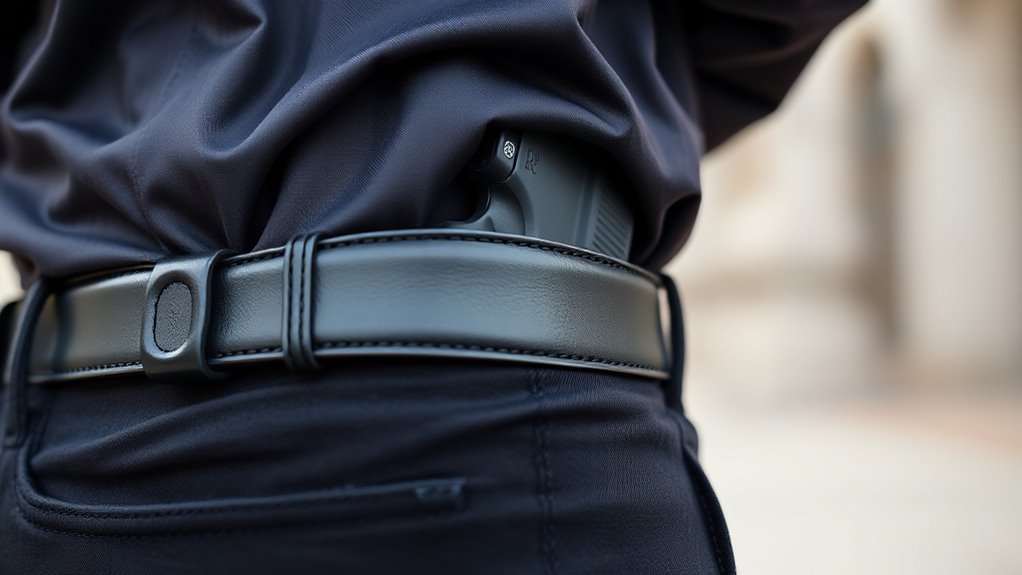
Having a holster is essential for concealed carry because it keeps your firearm secure and easily accessible when you need it most. Without one, your gun can shift, fall, or move into unsafe positions, which increases the risk of accidents.
A good holster prevents your weapon from moving around during your daily activities, so it stays in place and is ready to draw when needed. It also helps conceal your firearm effectively, reducing the chance of alarming others or drawing unwanted attention.
Plus, a holster protects the trigger by covering it completely. This helps prevent accidental discharges and promotes responsible firearm handling by giving your weapon a designated, safe spot.
Do You Really Need a Holster to Carry Safely?
While a holster offers many safety benefits, some might wonder if it’s truly necessary for carrying securely. The truth is, carrying without a holster can be risky. Without one, your firearm might shift or fall, increasing the chance of an accidental discharge or exposing it unintentionally.
A holster keeps the gun stable, properly positioned, and covered, reducing risks. It also prevents the trigger from being accidentally engaged if the firearm bumps or presses against other objects.
Even if you feel confident carrying without a holster, you’re more vulnerable to safety hazards. Ultimately, a good holster isn’t just about convenience; it’s an essential safety tool that helps guarantee your firearm stays secure and ready, minimizing accidents and keeping you safer.
Different Holster Styles for Comfort and Accessibility
Choosing the right holster is all about balancing comfort and quick access. Whether you prefer inside-the-waistband (IWB) or outside-the-waistband (OWB) styles, it’s about what works best for you.
Your material choice and fit are also really important. They can make a big difference in how comfortably and securely you carry your firearm.
Think about your daily activities and what feels best for you. Finding a holster that suits your lifestyle will help you carry confidently and comfortably.
IWB vs. OWB Options
When choosing a holster, it’s important to understand the differences between IWB (Inside the Waistband) and OWB (Outside the Waistband) options. This helps you pick what’s most comfortable and accessible for you.
IWB holsters sit inside your waistband, offering better concealment and a sleek profile. They’re popular for concealed carry because they keep your firearm close to your body, which can improve stability and control.
OWB holsters attach outside the waistband, making it easier to access your gun and draw quickly. They tend to be more comfortable for long wear and are often preferred for open carry or range use.
Your choice depends on how much you prioritize concealment versus quick access and comfort. Both styles have their benefits, so think about your daily activities and clothing preferences when making a decision.
Comfort vs. Accessibility Balance
Balancing comfort and accessibility is a key consideration when choosing a holster style. If quick access is your priority, an outside-the-waistband (OWB) holster might be the way to go. It offers faster draw times but can be less discreet and comfortable for all-day wear.
On the other hand, an inside-the-waistband (IWB) holster provides better concealment but may feel less accessible and more uncomfortable against your skin. Hybrid holsters aim to strike a balance, making it easier to access your firearm while still keeping it concealed.
Your choice depends on your daily activities and what feels comfortable for you. If you need a quick draw, accessibility is probably more important. But if you wear your holster for long hours, comfort should take priority.
Finding the right balance helps you carry confidently and comfortably, no matter your needs.
Material Choices and Fit
The material and fit of a holster directly impact both comfort and accessibility, making them essential factors in your selection process. Leather holsters offer durability and a comfortable fit as they mold to your body over time, but they can be heavier and less breathable.
Kydex or polymer holsters are lightweight, rigid, and provide a secure fit, guaranteeing quick access when needed. The right fit keeps your firearm securely in place while allowing smooth draws.
Consider adjustable holsters for a customizable fit, especially if you carry different guns. Proper fit prevents discomfort and reduces printing, helping keep your weapon concealed effectively.
Choosing the right material and fit balances comfort with ease of access, making your concealed carry experience safer and more comfortable.
Factors to Consider When Choosing a Holster
Choosing the right holster requires careful consideration of several key factors to guarantee comfort, safety, and accessibility. First, think about your daily activities—will you be sitting, moving a lot, or standing? The holster should stay secure yet be easy to draw from.
Consider the type of clothing you wear; some holsters work better with loose or tight garments. Safety is paramount, so make sure the holster covers the trigger guard completely.
Comfort is also essential—look for options with adjustable retention and good ventilation. Finally, think about the firearm size and weight. A well-chosen holster fits your body, suits your lifestyle, and allows quick, safe access to your firearm when needed.
Legal Regulations and Laws for Holster Carry
Understanding the legal landscape is crucial before carrying a firearm in a holster, since laws about concealed carry can vary a lot by state and city. You need to find out if you need a permit, which areas are off-limits, and whether open or concealed carry is allowed.
Some states have specific rules for holsters, like requiring retention devices or certain covering materials. Not following these laws can lead to fines, confiscation, or even criminal charges.
Always check your state’s firearm laws and local rules thoroughly before carrying. It’s your responsibility to stay informed and compliant.
Can Tucking or Pocket Carry Be Safe Without a Holster?
Carrying your firearm without a holster, whether tucked in or in your pocket, increases the risk of accidental discharge and makes quick access more difficult.
Without proper retention, your gun can shift or fall out, especially with certain clothing or movement.
You need to evaluate whether your clothing choices and concealment needs justify the safety trade-offs of tucking or pocket carry without a holster.
Risk of Accidental Discharge
Tucking or pocket carrying without a holster greatly increases the risk of accidental discharge because the gun isn’t secured properly. Without a holster, the firearm can shift, catch on clothing, or accidentally press the trigger during everyday movements. This danger isn’t just theoretical; it can lead to serious injury or unintended harm.
Your safety depends on controlling your firearm, and a holster helps prevent slips and misfires.
| Without Holster | With Holster |
|---|---|
| Gun can shift, exposing trigger | Gun stays secured and covered |
| Increased risk of snagging | Safe, stable retention |
| Higher chance of accidental discharge | Reduced risk, peace of mind |
Choosing a holster isn’t just about convenience. It’s about protecting yourself and those around you.
Accessibility and Speed
While avoiding a holster might seem like a quick and easy way to carry your firearm, it often compromises both safety and efficiency. Without a holster, accessing your gun quickly can be tough, especially in high-stress situations.
Pocket or tuck carry might seem convenient, but without proper retention, your firearm can shift or fall out. This increases the risk of accidental discharge or theft.
Draw speed is also affected because you may need to fumble or dig through clothing to find your weapon. A holster keeps your firearm secure, accessible, and ready to draw smoothly.
It ensures your firearm stays in a predictable position, allowing for faster, safer access when needed. Without it, you sacrifice both control and speed.
Clothing and Concealment
Even if you prefer tucking or pocket carry, doing so safely without a holster can be tough because your clothing plays a key role in concealment and retention. Tight, well-fitted clothing helps prevent the firearm from printing or shifting, which reduces the risk of accidental exposure.
Loose or baggy garments can cause the gun to move around or fall out, especially when you’re moving. Tucking without a dedicated holster increases the chance of the firearm shifting, which can be unsafe.
Pocket carry also needs secure clothing to prevent the gun from falling out or being visible. Overall, while you can carry without a holster, your clothing choices become really important.
Choosing clothing that offers stability and concealment is essential for safe and effective tucking or pocket carry.
How to Find the Perfect Fit for Your Body and Carry Style
Finding the perfect fit for your body and carry style is key to being comfortable and effective with concealed carry.
Start by considering your body type and how you naturally carry weight. If you’re slim, a compact holster might be your best bet, while a larger frame could need more support.
Think about your daily activities and clothing choices. If you wear loose clothes, IWB holsters might be more comfortable, but tighter attire could make OWB options better.
Try out different positions—hip, appendix, or back—to see what feels most natural for you. Adjust the holster’s tightness and angle so your firearm stays secure while remaining accessible.
What Materials Make the Best Holsters?
Choosing the right materials for your holster is key to ensuring durability, comfort, and reliable performance. Leather is a popular choice because it molds to your body over time and offers a classic look.
Selecting the right holster materials ensures durability, comfort, and reliable firearm performance.
Kydex, a type of rigid plastic, provides excellent retention and a quick draw, making it highly durable. Nylon holsters are lightweight and affordable, with some models offering moisture resistance.
Hybrid holsters combine leather and Kydex for a balance of comfort and durability. Consider your daily activities and environment when choosing materials.
For example, if you carry in wet conditions, look for moisture-resistant options like nylon or Kydex. Ultimately, your choice should match your carry style, comfort preferences, and the level of protection you need for your firearm.
How a Holster Improves Your Firearm Security and Control
The right holster not only holds your firearm but also greatly boosts your security and control. When properly equipped, you can:
- Prevent accidental discharges by keeping the gun securely in place.
- Minimize the risk of loss or theft, ensuring your firearm stays with you.
- Achieve quick, consistent access in high-stress situations.
- Maintain better posture and balance, reducing fatigue during extended wear.
A good holster keeps your firearm stable, reducing movement that could cause slips or misfires. It also allows you to draw smoothly without fumbling, giving you confidence in your ability to respond effectively.
Pros and Cons of Using a Holster vs. Tucking Your Gun
While tucking your gun into your waistband or pocket might seem quick and discreet, using a holster has clear advantages that can boost safety, security, and quick access. Holsters keep your firearm securely in place, reducing the chance of accidental discharges or the gun shifting unexpectedly.
They also protect the trigger from snagging or accidental engagement, which tucking often doesn’t prevent. Plus, drawing your gun from a holster is usually faster and more consistent, especially in stressful situations.
However, holsters can be bulkier and might take more effort to put on or remove. Tucking is more convenient and sometimes more comfortable in certain situations, but it often sacrifices security and safety.
In the end, choosing between the two depends on your lifestyle, comfort level, and how committed you are to safe concealment.
Safe Techniques for Drawing and Reholstering Your Firearm
Mastering safe techniques for drawing and reholstering your firearm is crucial for staying in control and avoiding accidents. To keep yourself safe, follow these steps:
Master safe drawing and reholstering to stay in control and prevent accidents.
- Keep your finger off the trigger until you’re ready to shoot.
- Stay aware of your surroundings during the draw and reholster.
- Draw smoothly and steadily, avoiding jerky movements that could cause a misfire.
- Reholster carefully, making sure the firearm points in a safe direction and the holster covers the trigger guard.
Practicing these steps regularly helps build muscle memory and reduces the risk of accidental discharge or injury. Always prioritize control and safety, especially when handling your firearm in everyday situations.
Maintaining and Caring for Your Holster Over Time
To keep your holster working well, you should clean it regularly and store it properly.
Proper storage helps prevent damage and keeps its shape and durability intact.
Following these simple steps will make sure your holster stays reliable when you need it most.
Regular Cleaning Practices
Regular cleaning is key to keeping your holster in good shape and making it last longer. Regular maintenance stops dirt, sweat, and debris from damaging the material or affecting how your firearm draws.
Here’s what you should do:
- Take the holster off your belt and firearm regularly.
- Wipe it with a damp cloth to get rid of surface dirt.
- For stubborn grime, use mild soap or a gentle cleaner—avoid harsh chemicals.
- Let it air dry completely before using or storing it.
Proper Holster Storage
Proper storage of your holster helps preserve its shape and material integrity over time. When you’re not using it, store your holster in a cool, dry place away from direct sunlight and extreme temperatures.
Avoid placing heavy objects on top of it, as this can deform the shape. If your holster is leather, consider using a leather conditioner periodically to prevent cracking and drying out.
For synthetic holsters, simply wiping them down and keeping them dry is usually enough. Make sure your holster is clean and dry before storage to prevent mold or mildew.
Hanging it on a hook or storing it in a dedicated drawer helps maintain its form and guarantees it’s ready for quick access when needed. Proper storage extends the lifespan of your holster and keeps it functional.
Frequently Asked Questions
Can I Carry Multiple Firearms With One Holster?
You generally can’t carry multiple firearms with one holster because most holsters are designed to fit a specific firearm model and size. Trying to use a single holster for different guns can be unsafe and uncomfortable.
If you want to carry more than one firearm, it’s best to get separate holsters made for each weapon. This ensures a proper fit, safety, and easy access when you need it.
Using the right holsters keeps your firearms secure and makes sure you can access them when needed without hassle.
Are There Specific Holsters for Women’s Concealed Carry?
Yes, there are holsters specifically designed for women’s concealed carry. You might think one size fits all, but these holsters are tailored for comfort, fit, and style, fitting your curves and needs perfectly.
They often come with discreet designs and versatile options, blending seamlessly under clothing. So, while it seems obvious, choosing the right holster guarantees your firearm stays hidden without sacrificing comfort or confidence.
How Does Climate Affect Holster Choice and Comfort?
Climate heavily influences your holster choice and comfort. In hot, humid weather, go for lightweight, breathable materials like neoprene or leather to help prevent sweating and chafing.
In colder climates, a thicker, insulated holster might be better to keep your firearm protected and concealed comfortably under bulky clothing. Always think about moisture resistance and breathability to keep your holster comfortable and secure no matter the weather.
Can I Customize My Holster for Better Concealment?
Absolutely, you can customize your holster for better concealment. Think of it like tailoring a suit to fit just right.
You can add adjustable clips, modify the retention strap, or even shape the holster itself for a snugger fit against your body.
Using concealment-enhancing accessories or choosing a hybrid or tuckable holster can also help.
Customization guarantees your firearm stays hidden while staying comfortable and accessible.
What Are the Signs That My Holster Needs Replacing?
You should replace your holster if it shows signs of wear like fraying, cracking, or loose stitching.
If it no longer securely holds your firearm or shifts during wear, it’s time for a new one.
Also, if the material has become brittle or faded, it might compromise safety and concealment.
Regularly inspecting your holster helps keep it reliable and effective for concealed carry.
Conclusion
Wearing a holster isn’t just about comfort; it’s about safety and legal compliance. Studies show that concealed carriers are 60% less likely to be involved in an accidental firearm discharge.
Choosing the right holster improves your control, security, and quick access. It’s an essential part of responsible concealed carry.
Remember to stay informed about laws and maintain your gear to guarantee you’re always prepared and protected. Using a holster for concealed carry is key to staying safe and legal.