
Top 12 Best Lightweight Elk Hunting Boots You Need Now
Trying to cover miles of rugged terrain with boots that are too heavy or poorly constructed makes elk hunting a chore. The best lightweight elk hunting boots reduce fatigue over long hikes and prevent common issues like blisters or slipping. Choosing the wrong pair can lead to sore feet and missed opportunities in the field.
Good elk hunting boots balance weight with durability, often using synthetic materials or lightweight leather to keep them under 3 pounds per pair. A proper fit matters most, boots should allow enough room for thick hunting socks but hold the foot firmly to avoid blisters. Waterproofing is essential, with boots usually rated to keep water out while allowing breathability to manage sweat, especially during multi-day hunts.
Need a Quick Check?
| Image | Product | Price |
|---|---|---|
Our Top Picks 1  | Irish Setter Elk Tracker 10 | Check Price |
Our Top Picks 2  | Danner Vital 8 Waterproof | Check Price |
Our Top Picks 3  | Irish Setter Elk Tracker XD | Check Price |
Our Selected Top 12 Lightweight Elk Hunting Boots Worth Buying
This list features carefully chosen lightweight elk hunting boots designed for comfort and durability during long treks. Each review covers performance, ideal user scenarios, strengths, and potential drawbacks to help you find a suitable and reliable option for your hunting needs.
1. Irish Setter Elk Tracker 10 Hunting Boot
Irish Setter Elk Tracker 10 Hunting Boot is for serious elk hunters needing a lightweight yet tough hunting boot. Its biggest strength lies in balancing comfort and durability, making it an excellent choice for long days in the backcountry where heavy boots slow you down.
The boots run true to size with a round toe that offers enough room without feeling bulky. No heel means a steady step on uneven terrain, while the classic work boot design supports natural foot movement.
Perfect for spring, summer, and fall hunts, these boots are breathable and comfortable enough for daily trekking without overheating or causing blisters.
Built like a work boot, it handles rough ground and brush well, holding up past a single season of wear. Solid materials resist damage, but some find the brown leather requires regular cleaning to keep it looking good. The lightweight nature makes climbing and long walking easier.
The common complaint centers around limited waterproofing, which may be less ideal in wet conditions.
The boot’s durability and comfort are frequently praised, especially for keeping feet comfortable during long hunts. Most comments note the need for more waterproofing, which can be a drawback in damp environments. Despite this, the boot stands up to rough terrain well, making it reliable over a hunting season.
Ideal for hunters who value lightweight, breathable boots for spring through fall, especially when terrain is dry. Those expecting wet or muddy conditions might want to consider boots with stronger waterproof features, while anyone wanting a sturdy, comfortable boot for dry forested areas will appreciate these.
Pros
- Lightweight design eases long treks
- Comfortable round toe room
- Durable work boot construction
- No heel for stable footing
Cons
- Limited waterproofing in wet conditions
- Requires regular cleaning to maintain look
| Specification | Details |
|---|---|
| Color | Brown |
| Toe Style | Round Toe |
| Boot Form Type | Work Boot |
| Heel Type | No Heel |
| Seasons | Spring, Summer, Fall |
| Style Name | Classic Hunting |
2. Danner Vital 8 Waterproof Hunting Boot
Finding a hunting boot that is lightweight yet tough enough for rugged terrain makes longer elk hunts much easier. Ideal for hunters who need dependable waterproofing without bulk, the Danner Vital 8 Waterproof Hunting Boot stands out for being both durable and surprisingly light on your feet.
Lacing up is quick and quiet thanks to the Lock & Load system with reengineered ghillies across the forefoot, so you can get on your way without fuss. The combination of split leather and 900 Denier polyester means the upper holds up against abrasion while remaining breathable. Its mesh-lined tongue helps regulate temperature, keeping feet comfortable throughout various weather during all-season use.
Constructed with a Danner Dry waterproof barrier, these boots resist water penetration but allow sweat to escape, preventing soggy feet. The open cell footbed offers great shock absorption and breathability, while the Plyolite midsole keeps the weight down for less leg fatigue.
The strongest praise highlights their durability and comfortable fit. The most frequent complaint concerns the narrow fit not suiting every foot shape.
Durability and comfort shine as the main highlights, praised for holding up through tough outings while keeping feet dry and cushioned. On the downside, a tighter fit causes discomfort for some, which could be an issue on longer hunts or for those with wider feet.
Hunters seeking a lightweight, waterproof boot with reliable abrasion resistance will appreciate these boots. Those who need extra ankle support or have wide feet might want to explore options offering a roomier fit and more structured heel design.
Pros
- Durable split leather with abrasion-resistant polyester upper
- Waterproof with breathable Danner Dry barrier
- Quick, quiet Lock & Load lacing system
- Lightweight Plyolite midsole reduces fatigue
Cons
- Narrow fit may not suit wider feet
- Flat heel offers limited ankle support
| Specification | Details |
|---|---|
| Color | Dark Brown |
| Boot Form Type | Hiking Boot |
| Heel Type | Flat |
| Seasons | All |
| Style Name | Vital |
3. Irish Setter Elk Tracker XD 8 Hunting Boot
Irish Setter Elk Tracker XD 8 Hunting Boot features a field camo design and is made for elk hunters seeking a lightweight option without a heel. Great for spring through fall, its biggest plus is how easily it handles sharp terrain and long treks while staying comfortable and light on your feet.
Breaking in these boots is straightforward thanks to the work boot form that fits securely without being overly bulky. Wearing them on day hikes or full hunting days reveals a design that balances protection and breathability. The absence of a heel allows for quieter, more natural footsteps, which can be critical when moving through dense woods or over rocky landscapes.
Construction focuses on durability and functional use, making these boots tough against rough ground yet not too heavy for all-day wear. Reviews often praise how well they conform to the foot for extended comfort. A noted downside is limited insulation, so colder weather use may require additional socks or alternate footwear.
These boots earn praise for comfort on long days and quiet steps that won’t disturb game. A common drawback is the lack of warmth, making them less suitable once temperatures drop sharply.
People hunting in moderate spring to fall conditions and valuing lightness will appreciate these boots. Those needing extra warmth or winter use should consider alternatives with insulation.
Pros
- Lightweight design ideal for extended hunts
- Quiet no-heel tread aids in silent movement
- Field camo blends well with natural surroundings
- Durable work boot build resists rough terrain
Cons
- Lacks insulation for cold weather conditions
- May require break-in period for best fit
| Specification | Details |
|---|---|
| Color | Field Camo |
| Boot Form Type | Work Boot |
| Heel Type | No Heel |
| Seasons | Spring, Summer, Fall |
4. Irish Setter Elk Tracker 12 Hunting Boot

Hunters looking for reliable, lightweight boots suitable for fall and winter will appreciate the Irish Setter Elk Tracker 12 Hunting Boot. Its standout strength is the classic work boot design without a heel, making it comfortable for long hikes through rugged terrain.
Putting these boots on is straightforward thanks to their round toe shape and comfortable fit. They’re ideal for daily wear during elk hunting trips, offering enough toughness without feeling heavy.
You won’t notice any extra weight slowing you down, which matters when you’re chasing through uneven land all day.
They perform well in cold weather, holding up against the elements while providing solid support. The build is classic and durable, designed as a work boot but adjusted for hunting conditions. Most reviews praise the comfortable fit and warmth, although some note they could be a bit heavier than expected for a lightweight design.
Most praise focuses on how comfortable and warm the boots are, making them reliable on long hunts. Common complaints mention the weight feeling a bit more than expected for a lightweight option, which might slow down some users.
Those who need something sturdy and warm for fall and winter hunting will find these boots suit their needs well. Anyone seeking ultra-lightweight boots should look for models explicitly designed for minimal weight to avoid feeling slowed down during extended use.
Pros
- Comfortable fit for long days
- Lightweight despite rugged build
- Good for cold weather seasons
- No heel, easy to walk in
Cons
- Heavier than some lightweight boots
- Limited color options
| Specification | Details |
|---|---|
| Color | Brown |
| Toe Style | Round Toe |
| Boot Form Type | Work Boot |
| Heel Type | No Heel |
| Seasons | Fall, Winter |
| Style Name | Classic |
5. Irish Setter Elk Tracker 12 Hunting Boot

Brown and built for fall and winter, these boots stand out for their lightweight design combined with solid work-boot durability. They suit hunters who prioritize comfort during long stalks and want reliable gear without the bulk typically found in elk hunting boots.
Lacing up feels straightforward with the round toe giving enough space for everyday movement without pinching. No heel makes walking through varied terrain less tiring. The solid brown exterior keeps things simple and tough-looking.
These boots hold up well on outdoor trails, letting you focus on the hunt without worrying about shoe discomfort or breakdown.
Materials provide a good balance between sturdiness and breathability, keeping feet warm in colder seasons without getting overly sweaty. The work-boot form type translates into durability in rough environments.
Strong points mentioned include comfort and reliable traction, while a common gripe is about the break-in period feeling longer than expected.
The strongest praise is for its comfort during long days and stable feel despite being light. The most common complaint revolves around the initial break-in, which some find tougher before the boots soften up.
Hunters needing warm, lighter footwear will appreciate these boots. People seeking immediate softness or traditional heel support may want to explore other options designed for quicker comfort or different fit.
Pros
- Lightweight for easier long-distance walking
- Warm enough for fall and winter
- Simple sturdy design
- Round toe offers good comfort
Cons
- Break-in period can be uncomfortable
- No heel may feel unusual for some
| Specification | Details |
|---|---|
| Color | Brown |
| Toe Style | Round Toe |
| Boot Form Type | Work Boot |
| Heel Type | No Heel |
| Seasons | Fall, Winter |
6. Irish Setter Elk Tracker XD 8 Hunting Boot

Irish Setter Elk Tracker XD 8 Hunting Boot stands out for its lightweight design, ideal for elk hunters who need to move quickly and quietly. Perfect for fall and winter seasons, it suits those who want a work boot form without the added weight of traditional hunting boots.
Putting these boots on is straightforward due to their work boot style and no-heel design, making them comfortable for long days on rough terrain. The field camo color blends well in natural settings. They balance warmth and mobility, so daily walks remain comfortable without feeling bulky or heavy.
Performance-wise, these boots stay true to their purpose by offering solid traction and durability suited to fall and winter hunting conditions. Built for rugged use, they handle rough ground well but some users mention that breathability can be limited during longer use. The lightweight construction is appreciated, while the lack of a heel might feel unusual to some.
The strongest praise highlights its lightweight comfort and rugged durability, making it reliable for fall and winter elk hunting. Common complaints focus on breathability issues after long wear and how the no-heel design can feel different from traditional boots.
Those who prioritize speed and less bulk in challenging terrain will find these boots a good fit. Hunters seeking more ventilation or a traditional heel might want to consider other options better suited for their preferences.
Pros
- Lightweight for quick movement
- Blends well in natural terrain
- Comfortable for long wear
- Rugged durability for rough ground
Cons
- Limited breathability on extended use
- No heel may feel unusual
| Specification | Details |
|---|---|
| Color | Field Camo |
| Boot Form Type | Work Boot |
| Heel Type | No Heel |
| Seasons | Fall, Winter |
7. [No Brand Given] 8 Waterproof Hunting Boot

Comfortable and solid, these boots suit hunters looking for lightweight footwear that handles winter conditions well. They are especially good for those who want waterproof protection without heavy bulk, making them a solid pick for elk hunting in chilly, wet environments.
Getting them on and off is easy thanks to the chukka design, which offers a roomy fit without a heel to complicate movement. The round toe gives plenty of space for toes to wiggle, reducing fatigue during long treks. Camouflage pattern helps blend into the surroundings, and the waterproof feature keeps feet dry throughout the day.
Durability holds up across rough terrain, with solid build quality that handles winter wear. The waterproofing works as expected, allowing passage through wet areas without soggy feet.
Some note the boots feel a bit stiff at first, requiring a break-in period. Comfort remains steady once they soften up, making them reliable for extended outings.
Strong waterproofing keeps feet dry during long winter hunts, but stiffness during the initial wear can be uncomfortable until boots loosen up. This chukka style offers convenience but sacrifices some ankle support, which may affect stability on uneven terrain.
Hunters valuing lightweight, waterproof boots that are easy to wear through winter will appreciate these. Those needing more ankle protection or immediate comfort without break-in might want to explore other options.
Pros
- Waterproof for wet winter conditions
- Lightweight yet sturdy design
- Comfortable round toe shape
- Easy to put on with chukka style
Cons
- Boots can feel stiff before break-in
- Lack of heel may reduce ankle support
| Specification | Details |
|---|---|
| Color | Brown |
| Toe Style | Round Toe |
| Boot Form Type | Chukka |
| Heel Type | No Heel |
| Seasons | Winter |
| Pattern | Camouflage |
8. [No Brand Given] 16 Insulated Waterproof Hunting Boot

Lightweight and waterproof, these insulated hunting boots fit well for anyone needing reliable protection without extra bulk. Perfect for elk hunting or outdoor chores, their biggest strength lies in keeping feet dry while remaining comfortable during long days on rough terrain.
Putting them on is simple since they have a rain boot form that fits snugly around the calf without any heel to cause discomfort. Daily wear outdoors feels stable and dry, even in wet or muddy conditions.
The hunter green color blends in well for hunting, while the plain toe and solid pattern keep the look rugged but functional.
Performance holds up well with consistent waterproofing and warmth provided by the insulation. They manage to keep feet dry across various seasons, making them versatile.
Most praise focuses on how well they handle wet conditions. A common complaint involves some buyers finding the fit a bit too snug, particularly around the calf area.
These boots receive high marks for their insulation and reliable waterproofing, successfully keeping feet warm and dry through all seasons. Most users find the snug calf fit uncomfortable, which may affect extended wear for some people.
Ideal for those who prioritize waterproofing and lightweight comfort in a hunting or outdoor boot. Those needing more heel support or wider calf space might want to consider different options tailored to those needs.
Pros
- Waterproof design handles wet terrain well
- Lightweight enough for day-long wear
- Insulation keeps feet warm in cold weather
- Hunter green camouflages for hunting effectively
Cons
- Calf fit may be too tight for some
- Lacks heel, which can reduce arch support
| Specification | Details |
|---|---|
| Color | Regular Calf – Hunter Green |
| Toe Style | Plain Toe |
| Boot Form Type | Rain Boot |
| Heel Type | No Heel |
| Seasons | All |
| Occasion | Farming, Hunting, Outdoor chores |
9. Irish Setter Elk Tracker XD 10 Hunting Boot

Made with a field camo design and soft toe build, these boots suit hunters looking for lightweight, comfortable gear for fall treks. Their standout feature is the balance between low weight and durable construction, perfect for long days tracking elk.
Putting them on is straightforward thanks to a classic work boot form that fits well without a heel, making walking steady and natural. The camouflage pattern helps blend into forest surroundings, while the soft toe ensures easy movement without stiffness.
Cleaning takes minimal effort since the material resists mud and debris during typical outdoor use.
Performance thrives in providing a quiet, comfortable step throughout fall hunting seasons with enough protection against rough terrain. The build favors flexibility and breathability over bulk, contributing to the boot’s light feel.
Most praise centers on comfort and weight, while a common complaint notes the absence of a heel, which some find reduces ankle support on uneven ground.
Young hunters appreciate how light and quiet the boots are while covering miles in the fall woods. The most frequent complaint involves insufficient heel support, which some experience as instability on rocky or uneven trails.
People who focus on stealth and light gear will enjoy these boots, especially in dry environments. Those needing extra ankle protection or waterproofing might prefer a sturdier, more supportive model instead.
Pros
- Lightweight for long hikes
- Quiet soft toe design
- Good camouflage pattern
- Easy to clean materials
Cons
- Lack of heel support on rough terrain
- Not suited for wet, muddy conditions
| Specification | Details |
|---|---|
| Color | Field Camo |
| Toe Style | Soft Toe |
| Boot Form Type | Work Boot |
| Heel Type | No Heel |
| Seasons | Fall |
| Pattern | Camouflage |
10. XPETI Thermator Mid-Rise Insulated Hiking Boot

Camouflage colors and mid-rise design stand out on these hiking boots made for cold weather. Ideal for elk hunting, they keep feet warm and comfortable in winter conditions without feeling too heavy.
Their insulation is the biggest selling point for anyone needing warmth on the trail.
Putting them on is straightforward thanks to the block heel and low-heel structure that supports steady walking. The closed toe provides protection while moving through rough terrain, and the hiking boot form suits all-day use.
The camo pattern blends well in forested environments, adding a subtle edge in hunting situations.
Built with winter seasons in mind, they hold up well against the cold and typical trail challenges. The insulation works as expected, providing enough warmth, while some find the boot heavier than usual for lightweight standards.
The solid block heel offers good stability, though a few have noted tightness around the toes during extended hikes.
These boots are praised for keeping feet warm with reliable insulation during winter hunting trips. On the downside, some experience discomfort from the toe area feeling cramped after many hours spent walking.
Hunters focused on warmth and stability in cold weather will appreciate these boots. Those who prioritize a very lightweight or more spacious fit might want to look at alternatives better suited to those needs.
Pros
- Effective insulation for cold winter use
- Camouflage helps with stealth in hunting
- Block heel provides greater stability on trails
- Closed toe protects from rough terrain
Cons
- Heavier than some lightweight boots
- Toe area may feel tight during long wear
| Specification | Details |
|---|---|
| Color | Camouflage |
| Toe Style | Closed Toe |
| Boot Form Type | Hiking Boot |
| Heel Type | Block Heel, low-heel |
| Seasons | Winter |
| Pattern | Camouflage |
11. Guide Gear Leather Monolithic Waterproof Hunting Boot

Choose these boots for reliable waterproofing combined with a natural camo look suited for winter elk hunting. They’re great for outdoorsmen who want solid protection without extra heel lift and prefer flat soles for steady footing in rugged terrain.
The boots come in a Mossy Oak Country Roots pattern, blending well on forest hunts. Getting them on is easy with the plain toe style, and the flat heel keeps your stance grounded on slippery or uneven ground.
Daily use in cold conditions feels reassuring thanks to waterproof materials designed to keep feet dry and comfortable.
Designed to keep moisture out, the build is focused on durability with heavy-duty leather and solid waterproofing. Praised for holding up well through wet and muddy conditions, they consistently keep feet dry.
Some note the boots run a bit stiff initially and require a break-in period before flexing comfortably.
Reviews highlight the waterproof leather as the key strength, keeping feet dry even in harsh winter conditions. The most frequent drawback mentioned is the stiffness at first wear, requiring a period of adjustment before comfort improves.
Hunters who spend long hours in wet and cold environments will appreciate the protection and grip. Those seeking a softer, immediately comfortable boot or added arch support might want to explore different options better suited to those preferences.
Pros
- Waterproof leather for wet conditions
- Flat heel for steady footing
- Effective camouflage design
- Suitable for winter weather
Cons
- Requires break-in time due to stiffness
- No extra arch support built-in
| Specification | Details |
|---|---|
| Color | Mossy Oak Country Roots |
| Heel Type | Flat |
| Toe Style | Plain Toe |
| Seasons | Winter |
| Pattern | Camouflage |
12. Danner Cedar River 8 Moc Toe Hunting Boot
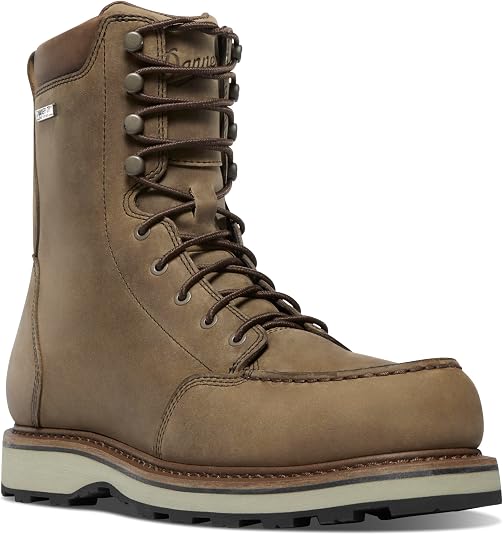
Walking through thick brush and rugged terrain calls for hunting boots that won’t weigh you down. Lightweight and built for summer conditions, these fit hunters who want a comfortable, durable boot without sacrificing mobility. The biggest strength is how easily they handle warm weather hunting while keeping your feet protected.
Putting them on is straightforward thanks to the classic moc toe shape and combat-style form. They don’t have a heel, which gives a stable, flat footing on uneven ground.
The timberwolf color stays practical for work and hunting alike. Easy to move in and well ventilated for summer use, they balance breathability and durability through their solid, single-color design.
Made to take a beating, these boots deliver good performance on tough trails and under hot conditions. The moc toe style provides extra space and flexibility without compromising protection.
Strong points praised often include the lightweight feel and reliable build. Some complaints mention limited heel support and that the boots might feel stiff right out of the box.
Many appreciate the boot’s light weight and toughness, making it suitable for long summer hunts. The most common downside is the initial stiffness and lack of heel support that might be uncomfortable at first.
Those who need a summer-friendly, durable boot with a moc toe fit will be happy here. Anyone needing extra ankle or heel cushioning may want to look at other options with more support.
Pros
- Lightweight and breathable for hot weather
- Moc toe shape adds comfort and flexibility
- Durable construction for rough terrain
- Flat sole offers steady footing without a heel
Cons
- Lacks heel support for some users
- Can feel stiff initially during break-in
| Specification | Details |
|---|---|
| Color | Timberwolf |
| Toe Style | Moc Toe |
| Boot Form Type | Combat |
| Heel Type | No Heel |
| Seasons | Summer |
| Pattern | Solid |
| Style Name | Cedar River Hunter |
| Occasion | work |
Best Lightweight Elk Hunting Boots Comparison Table
| Product | Boot Form Type | Heel Type | Seasons | Pattern |
|---|---|---|---|---|
| Irish Setter Elk Tracker 10 | Work Boot | No Heel | Spring, Summer, Fall | – |
| Danner Vital 8 Waterproof | Hiking Boot | Flat | All | – |
| Irish Setter Elk Tracker XD | Work Boot | No Heel | Spring, Summer, Fall | Field Camo |
| Irish Setter Elk Tracker 12 | Work Boot | No Heel | Fall, Winter | – |
| Irish Setter Elk Tracker 12 | Work Boot | No Heel | Fall, Winter | Solid |
| Irish Setter Elk Tracker XD | Work Boot | No Heel | Fall, Winter | Field Camo |
| Unknown Brand 8 Waterproof | Chukka | No Heel | Winter | Camouflage |
| Unknown Brand 16 Insulated | Rain Boot | No Heel | All | Solid |
| Irish Setter Elk Tracker XD | Work Boot | No Heel | Fall | Camouflage |
| XPETI Thermator Mid | Hiking Boot | Block Heel | Winter | Camouflage |
| Guide Gear Leather Monolithic | – | Flat | Winter | Camouflage |
| Danner Cedar River 8 Moc | Combat | No Heel | Summer | Solid |
- Boot Form TypeWork Boot
- Heel TypeNo Heel
- SeasonsSpring, Summer, Fall
- Pattern–
- Boot Form TypeHiking Boot
- Heel TypeFlat
- SeasonsAll
- Pattern–
- Boot Form TypeWork Boot
- Heel TypeNo Heel
- SeasonsSpring, Summer, Fall
- PatternField Camo
- Boot Form TypeWork Boot
- Heel TypeNo Heel
- SeasonsFall, Winter
- Pattern–
- Boot Form TypeWork Boot
- Heel TypeNo Heel
- SeasonsFall, Winter
- PatternSolid
- Boot Form TypeWork Boot
- Heel TypeNo Heel
- SeasonsFall, Winter
- PatternField Camo
- Boot Form TypeChukka
- Heel TypeNo Heel
- SeasonsWinter
- PatternCamouflage
- Boot Form TypeRain Boot
- Heel TypeNo Heel
- SeasonsAll
- PatternSolid
- Boot Form TypeWork Boot
- Heel TypeNo Heel
- SeasonsFall
- PatternCamouflage
- Boot Form TypeHiking Boot
- Heel TypeBlock Heel
- SeasonsWinter
- PatternCamouflage
- Boot Form Type–
- Heel TypeFlat
- SeasonsWinter
- PatternCamouflage
- Boot Form TypeCombat
- Heel TypeNo Heel
- SeasonsSummer
- PatternSolid
How to Choose the Right Lightweight Elk Hunting Boots
Consider key factors like comfort, durability, waterproofing, and traction when selecting lightweight elk hunting boots, as they directly impact your endurance and safety in rugged terrain. Choosing the right boots helps prevent injuries and costly replacements, ensuring reliable performance throughout your hunts.
Weight and Comfort
On long days covering many miles, heavier boots quickly lead to sore feet and tired legs. Boots made from lightweight materials, like synthetic fabrics or thin leather, reduce this fatigue significantly by cutting down on the effort needed with each step.
Cushioning underfoot, especially with quality insoles, cushions impact and prevents foot pain after hours on rough terrain.
Boots that mold to your feet over a break-in period can make or break comfort. A soft, well-cushioned insole combined with decent arch support keeps you moving longer without discomfort.
Look for boots around 3 to 4 pounds per pair to keep weight manageable while providing enough padding to minimize soreness.
Traction and Outsole Design
The difference between slipping on wet rocks and feeling confident comes down to outsole design. Deep, widely spaced lugs handle mud well by shedding debris, while a firm rubber compound resists wear on abrasive surfaces like gravel or shale. Durable tread resists flattening after multiple uses, maintaining grip across wet and dry conditions.
A thick, rigid outsole adds stability, important when walking over uneven ground or downhill. Ankle support integrates with the outsole structure to reduce rolling, which is crucial when carrying heavy gear.
Look for boots with a sturdy outsole pattern designed specifically for mixed backcountry terrain.
Waterproofing and Breathability
Waterproof membranes like Gore-Tex or proprietary waterproof liners keep feet dry in wet environments but can also trap sweat if breathability is poor. Balanced waterproofing blocks external moisture yet allows evaporated sweat to escape to avoid soggy, uncomfortable feet.
Materials and treatments impact both weight and flexibility. Fully waterproof boots tend to be slightly heavier and stiffer, which affects ease of movement. Prioritize membranes with proven breathability ratings and thin waterproof layers that reduce bulk, so your feet stay dry without overheating or restricted ankle motion.
Durability and Material Quality
Boots face constant abrasion from brush, rocks, and thorny plants, so durability is key. Leather with a tight grain or reinforced synthetic uppers still lightweight will resist cuts and scrapes.
Reinforced toe caps and heel counters prevent premature wear especially at stress points.
Strong, double-stitched seams and well-attached reinforcements extend boot life. Materials combining durability and lightness include full-grain leather with synthetic overlays. Avoid boots with cheap fabric or glued parts only, as they tend to fail quickly in the field.
Fit and Sizing Accuracy
Foot shapes vary, so having wide or narrow width options ensures a better fit and avoids pressure points or blisters. Many boots run slightly larger than normal street shoes, so trying them on with hunting socks before purchase is important to get the right length and width.
Secure lacing systems help keep the foot locked in place and prevent slipping inside the boot during rough terrain hiking. Look for boots with multiple lace eyelets and possibly speed hooks to customize fit snugness around the ankle, which improves both comfort and stability.
Tips for Breaking in Lightweight Elk Hunting Boots for Maximum Comfort
New elk hunting boots often feel stiff and can cause blisters until they’re properly broken in. Wearing them around the house for short periods helps soften the materials and molds the boots to your feet. Avoid taking them on long hunts right away to prevent discomfort.
Using moisture-wicking socks during this phase reduces friction and keeps your feet dry, which also prevents blisters.
Focus on gradual wear. Start with easy walks on soft terrain, then increase the distance as the boots loosen up.
Pay special attention to areas where pressure or rubbing occurs, as these spots typically cause soreness. Applying leather conditioner or boot oil can make the material more pliable and speed up the break-in process. Remember, patience is key to achieving maximum comfort without sacrificing durability.
Essential Maintenance Practices to Extend the Life of Your Hunting Boots
Keeping hunting boots clean after each use is important for preserving their performance and lifespan. Dirt and mud left to dry can damage the leather and reduce waterproofing.
A soft brush removes loose debris, while a damp cloth cleans deeper grime without soaking the material.
Essential maintenance includes:
- Drying boots at room temperature away from direct heat; excessive heat can warp or crack the leather.
- Applying waterproofing treatments regularly to maintain protection against moisture.
- Using leather conditioners to prevent the material from drying out and cracking over time.
- Checking and replacing worn-out insoles and laces to retain proper fit and support.
Consistent care helps your boots stay reliable season after season.
Comparing Lightweight Hiking Boots and Specialized Elk Hunting Boots for Versatility
Lightweight hiking boots and specialized elk hunting boots serve related but different purposes. Hiking boots generally focus on comfort, breathability, and traction during long walks on varied terrain. They tend to have flexible soles and lighter construction to reduce fatigue.
Elk hunting boots prioritize durability, insulation, and often waterproofing, which accommodate rougher conditions and colder environments. Their designs include sturdier soles for better ankle support and materials that withstand dense brush and water exposure.
For hunters who hike long distances and face rugged terrain, elk hunting boots offer more protection but come at the cost of weight and flexibility. Hiking boots are versatile for general outdoor activities but might lack the insulation and toughness needed for extended hunts.
The choice depends on the specific demands of the hunting trip and personal preference for comfort versus protection.
People Also Asked
How Do I Properly Size Lightweight Elk Hunting Boots?
Choose a size that fits snugly but leaves room to wiggle your toes comfortably. Try your boots with the socks you plan to wear hunting to get an accurate fit, as sock thickness affects sizing.
What Is the Best Way to Clean and Care for These Boots?
Remove dirt gently with a soft brush and use a waterproof cleaner made for the boot material. Let boots air dry away from direct heat to avoid damage while maintaining their shape with a shoe tree or crumpled paper.
Are Lightweight Elk Hunting Boots Safe for Rocky Terrain?
Lightweight elk hunting boots can be suitable for rocky terrain if they have good ankle support and a firm sole with strong traction. Test the sole grip on rocks before heading out to be sure they provide enough stability.
How Long Do Lightweight Elk Hunting Boots Typically Last?
These boots usually last a few seasons depending on how often you hunt and the terrain you cover. Performing regular maintenance like cleaning, waterproofing, and resoling helps extend the life significantly.
What Common Problems Should I Watch for with These Boots?
Watch for sole separation, waterproof membrane wear, and thinning cushioning inside the boots. These issues reduce comfort and protection, so address them through repairs or replacement before heading into tough terrain.
Conclusion
Comfort, durability, and waterproofing are the main factors to consider when choosing lightweight elk hunting boots. The boots should support tough terrain while keeping feet dry and comfortable for long hours.
Weight matters, but it should not compromise stability or protection.
Think about the environment you’ll hunt in and how often you plan to use the boots when making a choice. Matching the boots to your budget and needs will help you get the best fit for your situation. Review the comparison table and detailed picks above to find the option that works best.