
Top 12 Best Winter Mountain Hunting Boots You Need Now
A pair of boots that fail in the middle of a winter hunt can turn a promising day into a struggle against cold, wet feet and slipping steps. The best winter mountain hunting boots keep you dry and steady, even on steep, icy terrain.
Choosing boots that lack proper insulation or grip means risking frostbitten toes or a dangerous fall before you even spot game.
Durable materials like waterproof leather combined with breathable membranes prevent water from seeping in while allowing sweat to escape. Insulation levels around 400 to 600 grams of synthetic fill are typical for keeping feet warm without overheating. A good fit includes room for thick wool socks but also firm ankle support to avoid twists.
Lastly, the sole with deep, aggressive lugs and a rugged rubber compound makes all the difference on slippery rock and snow.
Need a Quick Check?
| Image | Product | Price |
|---|---|---|
Our Top Picks 1  | Kenetrek Mountain Extreme 400 | Check Price |
Our Top Picks 2  | Kenetrek Mountain Extreme 1000 | Check Price |
Our Top Picks 3  | MUCK Arctic Pro Boot | Check Price |
Our Selected Top 12 Winter Mountain Hunting Boots Worth Your Money
This list features carefully chosen winter mountain hunting boots designed for cold, rugged conditions. Each review covers performance, suitability for different hunters, and highlights key strengths and potential drawbacks to help you make an informed decision based on your specific needs.
1. Kenetrek Mountain Extreme 400 Insulated Hiking Boots
Designed for serious hunters facing harsh winter conditions, the Kenetrek Mountain Extreme 400 Insulated Hiking Boots stand out for their warmth and durability. They suit anyone needing reliable protection on rugged mountain terrain where staying warm and dry is critical.
Breaking these boots in involves a bit of patience due to their sturdy construction. The thick insulation keeps feet warm during long days outside, and the round toe offers plenty of room for comfort.
The block heel provides solid support on uneven ground, helping you maintain stability on slippery surfaces.
Built to handle tough mountain trails, these boots offer impressive insulation and solid build quality. The brown leather is tough and holds up well against moisture and abrasion.
The most common praise highlights their warmth, while a notable complaint mentions they can feel heavy during extended hikes.
Warmth receives the most praise, keeping feet comfortable for long hours in cold environments. The weight can be tiring on extended treks, which some find limiting for more agile movement.
Those who hunt in harsh winter mountain settings will appreciate the insulation and support. People seeking lighter footwear for faster or longer walks might want to explore other options.
Pros
- Exceptional insulation for cold weather
- Durable brown leather construction
- Comfortable round toe design
- Stable block heel for uneven terrain
Cons
- Heavier than some other hunting boots
- Requires break-in period
| Specification | Details |
|---|---|
| Color | Brown |
| Toe Style | Round Toe |
| Boot Form Type | Hiking Boot |
| Heel Type | Block Heel |
| Seasons | Fall, Winter |
| Style Name | Mountain Extreme 400 |
2. Kenetrek Mountain Extreme 1000 Insulated Hiking Boots
Kenetrek Mountain Extreme 1000 Insulated Hiking Boots are built for serious hunters and hikers tackling cold, rugged mountain terrain. Their standout feature is exceptional insulation, keeping feet warm and comfortable during fall and winter outings in challenging conditions.
Putting these boots on reveals a snug, supportive fit with a round toe and block heel designed for stability on uneven ground. The solid brown leather and hiking boot shape balance durability with comfort.
Wearing them through daily hikes or long hunting trips shows their ability to handle moisture and rough trails while maintaining warmth without feeling bulky.
Constructed to endure harsh mountain environments, the Mountain Extreme 1000 provides strong insulation suited for cold seasons. Reviews highlight how well they protect feet from the cold and rough terrain but occasionally mention the boots require a break-in period for maximum comfort.
Their build favors protection and warmth over weight, which some find a bit heavy.
The boots offer reliable warmth during cold hikes, praised for protecting feet in harsh conditions. Some users find the break-in period essential before they feel fully comfortable. The rugged build is appreciated but adds weight that can make extended walks tiring.
Those who hunt or hike in cold, mountainous areas will appreciate the insulation and durability. People looking for lightweight boots or immediate comfort may want to consider other options better suited for shorter, less intense outings.
Pros
- Excellent insulation for cold weather
- Strong, durable leather construction
- Supportive block heel for stability
- Suits rugged mountain terrain
Cons
- Requires break-in for optimum comfort
- Relatively heavy on long hikes
| Specification | Details |
|---|---|
| Color | Brown |
| Toe Style | Round Toe |
| Boot Form Type | Hiking Boot |
| Heel Type | Block Heel |
| Seasons | Fall, Winter |
| Style Name | Mountain Extreme 1000 |
3. MUCK Arctic Pro Insulated Boot
Wearing these boots on a brisk morning in the mountains feels reliable and sturdy. Designed for cold conditions, they suit hunters who need warmth and protection without fuss.
Their biggest strength lies in keeping feet dry and insulated during harsh winter outings.
Lacing up is straightforward, and the round toe work boot style provides plenty of room for comfort all day long. The tan/bark color blends well in natural surroundings, making them a casual yet practical choice. They handle snow and wet terrain well, letting you focus on the hunt rather than your footwear.
Built tough with waterproof materials, the boots hold up to long days in rugged terrain. They keep feet insulated throughout, a common point of satisfaction. Some mention the lack of a defined heel, which can affect traction on steep slopes.
The construction supports cold weather needs without getting overly bulky.
The strongest praise focuses on how well the boots maintain warmth and dryness despite wet, cold environments. The most frequent complaint involves the absence of a heel, which some find limits grip on challenging inclines.
Hunters prioritizing insulation and waterproof comfort will appreciate these boots. Those needing sharp traction for steep or slippery terrains might want to explore options with more aggressive soles and defined heels.
Pros
- Keeps feet warm and dry in cold conditions
- Comfortable round toe for all-day wear
- Durable waterproof work boot design
- Color blends well with outdoor terrain
Cons
- Lacks a defined heel for better traction
- Not ideal for steep or slippery mountain slopes
| Specification | Details |
|---|---|
| Color | Tan/Bark |
| Toe Style | Round Toe |
| Boot Form Type | Work Boot |
| Heel Type | No Heel |
| Seasons | All |
| Pattern | BROWN |
4. ROCKY Retraction Waterproof 800G Insulated Boot

ROCKY Retraction Waterproof 800G Insulated Boot fits well for hunters facing cold, wet mountain conditions. Its biggest strength lies in the 800G insulation, keeping feet warm during long winter outings.
Realtree Xtra camo makes it a strong choice for blending into wooded environments.
These boots slip on comfortably like a casual work boot with a round toe and flat heel, making daily movement steady and balanced. The waterproof aspect ensures dryness in varying weather, and the Realtree Xtra pattern adds a rugged outdoor style. Perfect for layering thick socks thanks to their roomy interior.
The insulation and waterproofing deliver dependable warmth and dryness in mountain terrain. Constructed as a work boot, it feels durable and ready for rugged use though some may find them a bit on the heavy side.
Strong heat retention meets flat, practical soles. A common note is that they aren’t the lightest for longer hikes.
The standout feature praised often is the warmth from the 800G insulation combined with solid waterproofing. The main drawback mentioned is the boots’ noticeable weight, which can slow down pace in long mountain treks.
Hunters needing warmth and dryness in winter mountain settings will find these boots reliable. Those who prioritize lightweight gear and aggressive sole traction on steep climbs may want to explore other options.
Pros
- Warm 800G insulation for cold weather
- Waterproof protection holds up well
- Comfortable round toe fit
- Realtree Xtra camo blends in outdoors
Cons
- Heavier than some hiking boots
- Flat heel limits grip on steep slopes
| Specification | Details |
|---|---|
| Color | Realtree Xtra |
| Toe Style | Round Toe |
| Boot Form Type | Work Boot |
| Heel Type | Flat |
| Seasons | All |
| Pattern | REALTREE XTRA |
5. Kenetrek Mountain Extreme Non-Insulated Hiking Boots
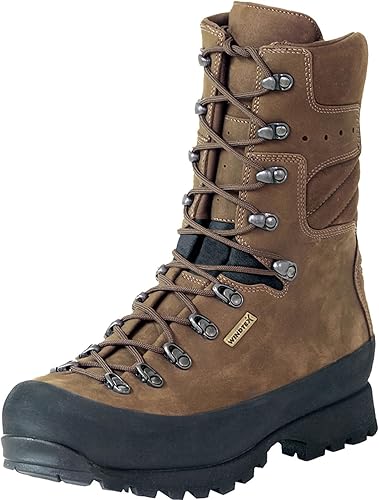
All-leather construction with a sturdy block heel makes these hiking boots ideal for mountain terrain, especially in cold weather. Designed for hunting and hiking, the Mountain Extreme Non-Insulated boots handle rough trails well and provide solid support without adding extra insulation weight.
Breaking them in takes a bit of effort, but once settled, they mold to your feet nicely. The round toe offers room for toe movement, important during long treks.
Since they’re non-insulated, layering thick socks is necessary in colder setups. Their weight feels balanced, avoiding fatigue over a long day on uneven ground.
Performance shines in durability and grip while climbing or walking on rocks. The full leather build feels tough, holding up against scrapes and mud. Most find them reliable for rough hunting trips, though some mention they could be warmer in freezing conditions.
Maintenance involves regular cleaning and conditioning to keep the leather in good shape.
Durability stands out as the strongest feature, with the boots holding up well on rough mountain trails, but most users find the lack of insulation a drawback during cold weather hunts. Regular cleaning is needed to preserve the leather and keep them performing well.
Hunters and hikers wanting a tough, all-leather boot for long trips will appreciate the fit and sole stability here. Anyone expecting built-in warmth for harsh winter conditions should consider boots with insulation instead.
Pros
- Sturdy leather construction for durability
- Round toe provides ample foot room
- Block heel offers solid stability on rough terrain
- Suitable for all seasons with proper sock layering
Cons
- Lack of insulation requires additional socks in cold
- Leather demands regular maintenance to stay waterproof
| Specification | Details |
|---|---|
| Color | Brown |
| Toe Style | Round Toe |
| Boot Form Type | Hiking Boot |
| Heel Type | Block Heel |
| Seasons | All |
| Occasion | Hiking, Hunting |
6. ROCKY Sport Utility 1000G Insulated Waterproof Boot

Mossy Oak camo immediately stands out on these boots, making them ideal for hunters who want to blend into dense, wooded environments. They are well insulated with 1000G insulation, making them perfect for cold winter days in the mountains where warmth is the main concern.
Putting them on each day is straightforward thanks to the round toe shape and work boot design, providing comfort and room for thick socks. The waterproof feature lets you trudge through snowy, wet terrain without worrying about soggy feet, while the western heel offers solid grip on uneven ground common during hunting trips.
The boots keep feet warm and dry throughout the day thanks to the 1000G insulation and waterproof construction. Crafted to hold up to rugged use, they handle the rough mountain trails well.
The main praise in the reviews focuses on warmth and waterproof reliability, while the most common complaint mentions the boots feeling heavy during longer hunts.
Warmth and waterproof capabilities are the strongest points of these boots, making them reliable in cold and wet conditions. Most users note the weight as a drawback, especially during longer hunts when every ounce counts.
Hunters who prioritize warmth and weatherproofing will appreciate these boots, especially in snowy mountain environments. Those looking for lighter, more streamlined footwear might want to consider other options better suited for extended mobility.
Pros
- 1000G insulation keeps feet warm
- Waterproof for wet mountain conditions
- Western heel for firm footing
- Mossy Oak camo pattern blends well
Cons
- Boots feel heavy after extended wear
- Fit may feel bulky for narrow feet
| Specification | Details |
|---|---|
| Color | Mossy Oak |
| Toe Style | Round Toe |
| Boot Form Type | Work Boot |
| Heel Type | Western Heel |
| Seasons | All |
| Pattern | MOSSY OAK BREAK UP |
7. Danner Pronghorn 8 400G Gore-Tex Hunting Boot

Designed for serious hunters facing winter terrain, these boots stand out for keeping feet dry and warm in harsh conditions. Ideal for anyone needing reliable insulation without sacrificing breathability, the Gore-Tex lining is the main reason to invest in these over cheaper alternatives.
Putting them on is straightforward thanks to the round toe and bootie design, which offer a comfortable fit with no extra heel to worry about. Day-to-day, the solid brown leather doesn’t just look good but protects against wear and tear.
The all-season rating means they aren’t just for deep winter, use them wherever you need tough, dependable footwear that handles moisture well.
Performance-wise, the boots excel in wet, cold environments thanks to Gore-Tex, which effectively blocks out water while allowing feet to breathe. The no-heel style fits securely and supports agility on uneven ground without adding bulk.
Most praise mentions how well they hold up during long hunts, though some note they can feel a bit heavy after extended use.
Waterproof Gore-Tex is praised for excellent moisture protection and warmth during cold hunts. The main drawback is the boot’s weight, which some find tiring over long periods. The bootie form provides comfort but lacks a heel, which affects traction on slippery slopes.
Hunters facing wet winter conditions who prioritize warmth and dryness will appreciate these boots. Those seeking a lighter shoe or enhanced heel support for steep climbs might want to explore other options better suited to those needs.
Pros
- Gore-Tex lining keeps feet dry in wet conditions
- Comfortable round toe design
- Durable leather suitable for rugged use
- All-season versatility
Cons
- Can feel heavy after long wear
- No heel may affect grip in some conditions
| Specification | Details |
|---|---|
| Color | Brown |
| Toe Style | Round Toe |
| Boot Form Type | Bootie |
| Heel Type | No Heel |
| Seasons | All |
| Style Name | Hunting Boot |
8. ROCKY Bearclaw Gore-Tex Waterproof 200G Insulated Boot

Hunting in winter mountain conditions demands boots that keep your feet warm and dry without slowing you down. Designed with rugged terrain in mind, these boots suit those who spend long hours outside in snow and wet conditions. Their standout feature is the Gore-Tex waterproofing paired with 200 grams of insulation for reliable warmth.
Putting them on is straightforward, and they feel sturdy from the start. The round toe gives enough room for comfort, and the block heel adds stability on uneven surfaces.
These boots handle snow and rough ground comfortably, and the brown color hides dirt well. They work well across seasons, though especially useful when temperatures drop and the ground is sloppy or snowy.
Waterproofing works effectively to keep moisture out, allowing them to perform well in snowy and wet environments. The build quality reflects durability, making them a solid choice for extended use. A common issue is that the fit can run a bit narrow, challenging those with wider feet, though most praise the warmth provided by the 200G insulation as sufficient for cold weather hunting.
The Gore-Tex membrane combined with 200 grams of insulation consistently keeps feet dry and warm through wet and snowy winter hunts. Some users find the fit a bit tight if their feet are wide, which can make extended wear uncomfortable without proper socks.
Hunters who need dependable waterproof protection and moderate insulation in cold weather will appreciate these boots. Those expecting very high insulation levels or who have wider feet might want to explore other options for better fit or greater warmth.
Pros
- Reliable Gore-Tex waterproofing
- Warm 200G insulation for cold days
- Stable block heel for rough terrain
- Comfortable round toe shape
Cons
- Tends to fit narrow for wider feet
- Not suitable for extremely cold conditions
| Specification | Details |
|---|---|
| Color | Brown |
| Toe Style | Round Toe |
| Boot Form Type | Snow Boot |
| Heel Type | Block Heel |
| Seasons | All |
| Pattern | BROWN |
9. ROCKY MTN Stalker Pro Waterproof Insulated Hiking Boots

Rocky MTN Stalker Pro Waterproof Insulated Hiking Boots are designed for cold-weather mountain hunts, offering solid waterproofing combined with insulation. Narrow toe style fits hunters who prefer a snug, precise feel, making these boots especially suitable for those needing warmth without bulkiness.
Putting on these boots is straightforward due to their work boot form, which provides a secure fit for long days on rugged terrain. The block heel adds stability during uphill climbs or uneven ground. Waterproof and insulated construction means your feet stay dry and warm whether crossing wet patches or snow, while the brown-black color keeps the look natural for outdoor use.
Performance-wise, the boots hold up well in cold and wet conditions, protecting feet against moisture and retaining heat throughout the day. The narrow toe adds comfort for people with slimmer feet but might feel tight for wider feet.
Most praise focuses on their durability and insulation, whereas the chief complaint tends to be the restrictive fit for some users.
Durability and insulation stand out as the biggest strengths, keeping feet warm and dry even on tough winter hunts. Many mention the narrow toe area as restrictive, which causes discomfort during extended use for some.
Hunters with narrow feet looking for reliable warmth in wet conditions will appreciate these boots. Those with wider feet or seeking a lighter feel might want to explore other options better suited to broader shapes or lighter cushioning.
Pros
- Waterproof and insulated for cold wet conditions
- Stable block heel supports uneven terrain
- Work boot form offers solid foot support
- Narrow toe fits snug on slimmer feet
Cons
- Narrow fit uncomfortable for wide feet
- Can feel bulky during long wear
| Specification | Details |
|---|---|
| Color | Brown Black |
| Toe Style | NARROW |
| Boot Form Type | Work Boot |
| Heel Type | Block Heel |
| Seasons | All |
| Style Name | Rks0529 |
10. Baffin CROSSFIRE Waterproof Insulated Winter Hunting Boots

Ideal for hunters facing cold and wet mountain conditions, these boots offer dependable warmth and waterproof protection. Their standout feature is the ability to keep feet dry in snowy terrain, making them great for fall and early winter outings in rugged environments.
Slipping these boots on is straightforward with a secure fit that feels comfortable during long days outside. The soft-toe design avoids unnecessary weight or stiffness, while the block heel provides solid footing on uneven ground. Brown color and solid pattern keep the look traditional and dirt-friendly.
They perform reliably in wet snow, showing excellent waterproofing that prevents water from seeping in. The insulation keeps feet warm without overheating during active movement.
Reviews often mention the boot’s durability, but some notice that the fit can run a bit narrow for wider feet, which might require careful sizing.
The boots offer excellent waterproof protection that consistently keeps feet dry during snowy hunting trips. Users find the insulation effective at maintaining warmth. The most frequently noted drawback is that the fit tends to be narrow, which could be uncomfortable for some foot shapes.
Those needing reliable warmth and dryness during early winter hunts will be pleased. Hunters with wider feet or those looking for boots for winter months beyond fall might want to explore other options better suited to wider fits and extended cold conditions.
Pros
- Waterproof design keeps feet dry in snow
- Soft-toe provides comfortable flexibility
- Block heel offers solid grip on rough terrain
- Warm insulation suitable for cold weather
Cons
- Fit can be narrow for wider feet
- Limited usage primarily for fall season
| Specification | Details |
|---|---|
| Color | Brown |
| Toe Style | soft-toe |
| Boot Form Type | Snow Boot |
| Heel Type | Block Heel |
| Seasons | Fall |
| Pattern | Solid |
11. Thermator Waterproof Hiking Boots

Camouflage design paired with reliable waterproofing makes these hiking boots a solid choice for mountain hunting in winter. They suit hunters who need dependable warmth and durability without fuss. Their standout feature is the waterproof capability that keeps feet dry in snowy conditions.
Putting them on is straightforward, thanks to the round toe and flat heel that offer comfort during long treks. The hiking boot form supports your foot while letting you move without restriction. Cleaning is manageable because of the materials used, even after dealing with mud or snow.
Waterproofing and fit play key roles in protecting feet against cold and wet terrain. The build focuses on combining camouflage style with practical function, catering specifically to hunting expeditions.
Most praise highlights the effective waterproof layer, while some note that they might feel a bit stiff at first.
The waterproofing keeps feet dry during wet conditions, the biggest strength users notice. The common complaint revolves around how stiff the boots feel when broken in, which might slow down the first few outings.
Hunters in moderate to cold wet conditions will appreciate these boots’ protection and style. Those facing extreme cold or seeking extra warmth might want to consider boots with added insulation instead.
Pros
- Waterproof for wet and snowy conditions
- Camouflage pattern for hunting environments
- Comfortable flat heel for long walks
- Easy to clean after use
Cons
- Initial stiffness can affect comfort
- No mention of insulation for extreme cold
| Specification | Details |
|---|---|
| Color | Camouflage |
| Toe Style | Round Toe |
| Boot Form Type | Hiking Boot |
| Heel Type | Flat |
| Seasons | All |
| Pattern | Camouflage |
12. Danner Vital 8 Waterproof Hunting Boots

Danner Vital 8 Waterproof Hunting Boots suit hunters facing tough winter terrains who need durable, waterproof footwear with reliable cushioning. The standout feature of these boots is their strong waterproofing paired with breathability, perfect for long days in cold, wet mountain conditions.
Getting these boots on is quick and simple thanks to the Lock & Load lacing system. The split leather combined with 900 Denier polyester means the upper is both tough and resistant to scuffs or tears. Inside, the mesh-lined tongue helps keep your foot from overheating, while the cushioned footbed and lightweight Plyolite midsole provide comfort during extended hikes.
They hold up well in wet, rough environments without letting water in, keeping feet dry and comfortable throughout the day. The tough materials make them hard to wear out quickly. Some users mention the boots feel a little stiff at first, requiring a break-in period, but once broken in, the silent lacing system and solid grip make them reliable for hunting quietly over rocky ground.
The boot’s durability and waterproof nature receive high praise, with many appreciating the breathable barrier that keeps moisture out but allows air flow. The most frequent complaint is the initial stiffness that requires breaking in for a comfortable fit.
Hunters who value waterproof protection and quiet lacing for winter mountain terrain will find these boots suitable. Those needing immediate soft comfort or specific insulation for extreme cold might want to explore other options.
Pros
- Waterproof with breathable Danner Dry barrier
- Durable upper with split leather and polyester
- Quick and quiet Lock & Load lacing system
- Lightweight cushioned midsole for shock absorption
Cons
- Stiff feel requiring break-in period
- No specific insulation rating listed for extreme cold
| Specification | Details |
|---|---|
| Boot Form Type | Hiking Boot |
| Seasons | All |
| Color | Dark Brown |
| Heel Type | Flat |
| Style Name | Vital |
Best Winter Mountain Hunting Boots Comparison Table
| Product | Boot Form Type | Heel Type | Seasons | Occasion |
|---|---|---|---|---|
| Kenetrek Mountain Extreme 400 | Hiking Boot | Block Heel | Fall, Winter | Hiking, Hunting |
| Kenetrek Mountain Extreme 1000 | Hiking Boot | Block Heel | Fall, Winter | Hiking, Hunting |
| MUCK Arctic Pro Boot | Work Boot | No Heel | All | Casual |
| ROCKY Retraction 800G Boot | Work Boot | Flat | All | Casual |
| Kenetrek Mountain Extreme Non-Insulated | Hiking Boot | Block Heel | All | Hiking, Hunting |
| ROCKY Sport Utility 1000G | Work Boot | Western Heel | All | Casual |
| Danner Pronghorn 8 400G | Bootie | No Heel | All | Work |
| ROCKY Bearclaw 200G Boot | Snow Boot | Block Heel | All | Casual |
| ROCKY MTN Stalker Pro | Work Boot | Block Heel | All | Casual |
| Baffin CROSSFIRE Winter Boot | Snow Boot | Block Heel | Fall | – |
| Thermator Waterproof Hiking | Hiking Boot | Flat | All | Hiking, Hunting |
| Danner Vital 8 Waterproof | Hiking Boot | Flat | All | – |
- Boot Form TypeHiking Boot
- Heel TypeBlock Heel
- SeasonsFall, Winter
- OccasionHiking, Hunting
- Boot Form TypeHiking Boot
- Heel TypeBlock Heel
- SeasonsFall, Winter
- OccasionHiking, Hunting
- Boot Form TypeWork Boot
- Heel TypeNo Heel
- SeasonsAll
- OccasionCasual
- Boot Form TypeWork Boot
- Heel TypeFlat
- SeasonsAll
- OccasionCasual
- Boot Form TypeHiking Boot
- Heel TypeBlock Heel
- SeasonsAll
- OccasionHiking, Hunting
- Boot Form TypeWork Boot
- Heel TypeWestern Heel
- SeasonsAll
- OccasionCasual
- Boot Form TypeBootie
- Heel TypeNo Heel
- SeasonsAll
- OccasionWork
- Boot Form TypeSnow Boot
- Heel TypeBlock Heel
- SeasonsAll
- OccasionCasual
- Boot Form TypeWork Boot
- Heel TypeBlock Heel
- SeasonsAll
- OccasionCasual
- Boot Form TypeSnow Boot
- Heel TypeBlock Heel
- SeasonsFall
- Occasion–
- Boot Form TypeHiking Boot
- Heel TypeFlat
- SeasonsAll
- OccasionHiking, Hunting
- Boot Form TypeHiking Boot
- Heel TypeFlat
- SeasonsAll
- Occasion–
How to Choose the Perfect Winter Hunting Boots
Choosing the right winter hunting boots means focusing on warmth, waterproofing, grip, and durability to handle harsh mountain conditions. Getting these factors right ensures comfort and safety while preventing costly replacements or injuries during your outdoor trips.
Insulation and Warmth
Walking for hours in freezing temperatures quickly reveals how important insulation is in footwear. Boots that rely heavily on Thinsulate or PrimaLoft tend to retain heat well, even in subzero conditions, thanks to their synthetic fibers trapping warm air close to the foot.
Some models use natural wool or shearling linings, which provide excellent warmth but can absorb moisture if not properly treated.
Good insulation balances heat retention with breathability. Moisture from sweat will soak into poorly ventilated boots, causing feet to feel colder once activity lessens. Look for boots rated around 200-400 grams of insulation for cold mountain days and features like mesh vents or moisture-wicking liners to keep feet dry and warm during prolonged exposure.
Waterproofing and Weather Resistance
Standing in slush or crossing a creek during a hunt tests how well boots keep moisture out. Durable waterproof membranes such as Gore-Tex or proprietary coatings that maintain their integrity after wear are key to preventing wet feet.
Some boots lose their waterproofing after a season, so checking the membrane’s reputability and the manufacturer’s waterproof rating can save discomfort later.
Good weather-resistant boots also resist ice and snow buildup on the upper surfaces. This avoids added weight and cold spots that develop as frozen moisture melts and refreezes.
Treatment with water-repellent sprays or boots constructed with tightly woven materials help prevent snow from sticking and keep feet dry longer.
Traction and Stability
Climbing icy rocks or uneven terrain reveals whether sole design actually delivers grip. Look for deep lugs made from sticky rubber compounds for traction across slippery surfaces. Soles that combine EVA midsoles with stiff shanks improve stability while buffering impact on rough ground.
A good heel brake helps prevent slips going downhill.
Some boots allow clipping on crampons or spikes. This compatibility matters on steep, frozen slopes. Check that the sole has appropriate grooves or attachment points if your hunts might require additional traction devices, so they fit securely without interfering with walking comfort.
Fit and Comfort
Wearing thick wool socks changes sizing significantly, and feet tend to swell on long treks. Boots that run true to size in store sometimes feel tight in the field.
Trying boots with the intended socks and noting any pressure points during shorter walks can prevent painful blisters or numbness later.
Comfortable boots have enough internal padding and firm ankle support to prevent chafing while stabilizing the foot. A boot with too stiff a sole or one requiring excessive breaking-in leads to fatigue quickly.
Models offering moderate flexibility and padded collars generally handle long-distance hikes without demanding long adjustment periods.
Durability and Construction Quality
Hitting rocks and brush tests the durability of any boot. Reinforced toes and heel caps protect against scuffing, and boots with double or triple stitching in stress areas last much longer than glued alternatives. Leather uppers tend to hold up better if well cared for, while synthetic materials dry faster but wear down sooner.
Closures such as speed laces or sturdy hooks also influence the product’s durability. A boot that loses eyelets or has fraying laces hampers quick on-the-go adjustments. After days outside, boots that can be cleaned with a brush and mild soap rather than specialized treatments simplify post-trip maintenance, extending their usable life without much hassle.
Maximizing Warmth and Comfort During Long Winter Hunts
Keeping feet warm during extended winter hunts means choosing boots with reliable insulation like Thinsulate or wool linings that prevent heat loss. The boots should also allow moisture to escape; trapped sweat leads to cold and discomfort over time. A snug but not tight fit supports blood circulation, essential for warmth in cold conditions.
Look for boots with padded ankle support and cushioned insoles to reduce fatigue on rough mountain terrain. Waterproof materials such as treated leather or synthetic membranes like Gore-Tex protect against snow and slush, keeping feet dry through variable winter weather.
A grippy sole with deep lugs improves stability on icy trails, reducing slips that could cause injuries. Wearing quality wool or synthetic socks designed for cold climates further preserves heat and wicks away moisture. Layering sock thickness smartly with the boot size ensures no pressure points develop, maintaining comfort during long hours outdoors.
Essential Maintenance Practices to Prolong Boot Lifespan
Consistent cleaning after hunts removes dirt and salt that can degrade leather and synthetic materials. Use a soft brush or damp cloth to clear mud and debris before applying conditioners or waterproofing treatments suited to the boot’s composition.
Avoid direct heat sources for drying; stuffing boots with newspaper and air drying at room temperature prevents cracking and material shrinkage. Inspect soles regularly for wear or separation and repair minor damage promptly using specialized adhesives or take the boots to a professional cobbler. Check stitching as loose threads reduce waterproofing and structural integrity.
Store boots in a dry, ventilated area away from direct sunlight to prevent fading and breakdown of materials. Rotating between two pairs of boots extends lifespan by allowing one pair to fully dry and recover between uses, preserving insulation and shape. Proper maintenance not only keeps performance intact but avoids costly replacements and ensures boots remain a reliable gear component.
Comparing Winter Mountain Hunting Boots with Alternative Footwear Options
Winter mountain hunting boots are specifically designed for insulation, waterproofing, and rugged terrain handling, whereas alternatives like hiking boots or snow boots often sacrifice one area for versatility. Hiking boots generally offer lighter weight and more breathability but lack the heavy insulation needed for subzero conditions, leading to cold feet on extended winter excursions.
Snow boots provide warmth and moisture resistance but usually have less ankle support and durability on rocky mountain trails. Rubber sled boots or casual winter boots may keep feet dry but do not provide the necessary traction or foot stability required for navigating uneven, snowy slopes. Winter hunting boots typically feature specialized soles designed to grip ice and mixed terrain, along with reinforced toe caps and sturdy construction that withstand rough use.
Choosing non-specialized footwear might reduce comfort and protection, increasing the risk of injury or frostbite during demanding hunts. Matching the right footwear to activity and environment remains essential for safety and effectiveness in mountain hunting.
People Also Asked
How Do I Properly Size Winter Mountain Hunting Boots?
Winter mountain hunting boots should fit snugly but allow enough room to wiggle your toes and wear thick wool socks comfortably. It helps to try them on at the end of the day when your feet are slightly swollen to avoid buying boots that will feel too tight during extended hikes.
What Is the Best Way to Care for Winter Hunting Boots?
Cleaning your boots with a soft brush to remove dirt and drying them naturally away from direct heat sources preserves the leather and waterproof membranes. Applying a conditioner or waterproofing treatment designed for winter boots can keep the materials from drying out and cracking.
Are These Boots Safe for Icy and Rocky Mountain Terrain?
Most winter mountain hunting boots feature soles with aggressive tread patterns that grip well on ice and rocky surfaces, providing decent traction and stability. Adding crampons or ice cleats is recommended if you expect very icy conditions for extra safety.
How Long Do Winter Mountain Hunting Boots Typically Last?
The lifespan of winter mountain hunting boots varies but generally lasts a few hunting seasons with regular use and proper care. Inspecting the soles and waterproof layers regularly helps you identify when the boots might need resoling or replacement to maintain performance.
What Common Problems Do Hunters Face with These Boots?
Common issues include moisture buildup inside, which can cause cold feet, and worn-out soles after extended use on rough terrain. Using moisture-wicking socks and replacing insoles as needed can alleviate some of these problems.
Conclusion
Choosing winter mountain hunting boots comes down to warmth, durability, and traction. The boots need insulation that holds up in cold, rugged conditions without compromising mobility. Solid construction and materials that resist water and rough terrain also matter a lot.
Good grip on ice and snow keeps you steady during long treks on challenging slopes.
Consider how frequently you’ll use the boots and the type of terrain you expect. Investing more makes sense for regular hunters in extreme areas, while casual users might opt for simpler models. Check the comparison table and options above to find boots that fit your budget and meet your specific needs.