
Top 12 Best Case Lubricant Hacks You Can’t Miss!
Struggling with a case that sticks, squeaks, or wears out too fast is a common frustration. The best case lubricant can keep moving parts smooth without attracting dirt or drying out quickly, problems often found with cheap or inappropriate lubricants. Using the wrong type can lead to parts grinding down or jamming, which wastes time and damages equipment.
A good case lubricant should resist temperature changes and have a consistency that stays in place without running off. Compatibility with materials like plastic or metal is crucial to avoid corrosion or swelling. Many professionals look for lubricants with low volatility to reduce airborne particles and those rated for a temperature range from -20°C to 150°C to handle most environments.
Ease of application and cleaning also matters since excess lubricant can collect dust and grime, causing more harm than good.
Need a Quick Check?
| Image | Product | Price |
|---|---|---|
Our Top Picks 1  | RCBS Liquid Lube | Check Price |
Our Top Picks 2  | Hornady One Shot Lube | Check Price |
Our Top Picks 3  | Frankford Non-Aerosol Lube | Check Price |
Our Selected Top 12 Case Lubricant Worth Considering
This selection features a variety of case lubricants that differ in performance, suitability, and key features. Each review highlights how well the product works, who it is best for, and its strengths and weaknesses to help you make an informed choice.
1. RCBS Case Lube-2 Liquid
Reloading cases smoothly without sticking or residue can be a hassle, especially outdoors. Perfect for shooters who need a practical and clean case lubricant, RCBS Case Lube-2 Liquid stands out for its excellent water solubility, making cleanup quick and simple while avoiding sticky leftovers.
Applying the lubricant is straightforward thanks to the liquid formula in a handy 2 oz bottle. It spreads evenly on cases and can be wiped off easily without any scrubbing, which helps maintain a clean workspace.
Its non-toxic nature also reassures those who prioritize safety during reloading sessions.
The lubricant holds up well in outdoor conditions, lasting through multiple uses without needing frequent reapplication. Its water solubility means it lifts off cleanly after lubrication. Reviews often highlight how it leaves no sticky residue.
Some mention the small bottle size requiring refills if used extensively.
Strong points include its water solubility and non-toxic composition, making cleanup fast and the working environment safe. The most common critique comes from users wanting a larger bottle to reduce the need for frequent replacement during heavy use.
Shooters working outdoors who value easy cleanup and safety will appreciate this lubricant. Those looking for larger quantities or a different consistency might want to consider alternatives better suited to their needs.
Pros
- Water soluble for easy cleanup
- No sticky residue after wiping
- Non-toxic and safe to handle
- Small bottle fits into any kit
Cons
- Limited volume requires frequent refills
- Liquid format might not suit all preferences
| Specification | Details |
|---|---|
| Container Type | Bottle |
| Volume | 2 oz |
| Lubricant Type | Water soluble liquid |
| Toxicity | Non-toxic |
2. Hornady One Shot Gun Cleaner and Case Lube
Cleans and lubricates in one step, making it ideal for shooters who want to avoid oily messes and buildup in their firearms. Its biggest strength lies in combining cleaning power with a dry lube that doesn’t attract grime, keeping guns and cases in optimal condition.
Using the spray is straightforward; one application removes grit, grease, old oils, and lead without extra products needed afterward. The dry lube leaves a thin coating, so there’s no sticky residue to worry about during regular handling or storage. It’s convenient for quick maintenance and fits well into any cleaning routine.
Performance-wise, it does an excellent job at breaking down old lubricants and grime while providing a heat- and cold-resistant lubrication that stays in place. The 10-ounce aerosol is easy to control and trusted for delivering consistent results. Common criticism focuses on the size being a bit heavier at 14.88 ounces, which might be bulky for some.
Many users appreciate how the spray eliminates grime and leaves a dry coating, which keeps guns running smoothly without oily residue. The main complaint is the relatively heavy and somewhat bulky can, making it less ideal for compact storage or travel.
Those looking for a combined cleaner and lube that won’t attract grime will be satisfied with this product. Shooters wanting smaller, lighter containers or multiple size options might want to consider alternatives better suited for portable use.
Pros
- Cleans and lubricates with one spray
- Leaves a dry, non-greasy lube
- Removes lead, grit, and old oils
- Resistant to heat and cold
Cons
- Heavier than some competing sprays
- Only available in a single 10-ounce size
| Specification | Details |
|---|---|
| Unit Count | 10 Ounce |
| Number of Items | 1 |
| Item Weight | 14.88 ounces |
| Size | 10 Ounce (Pack of 1) |
3. Frankford Arsenal Non-Aerosol Case Lube
Reloaders looking for a straightforward, non-aerosol case lubricant will find this a solid choice. Its biggest strength lies in eliminating stuck cases without messing up powder or primers, making it especially useful for those who value clean and safe reloading setups.
Applying it is simple thanks to the plastic, 8 oz spray bottle which offers precise and easy application. The fast-drying formula lets you move quickly through resizing without waiting long, and using a non-aerosol spray lowers environmental impact. The low to medium viscosity means it spreads evenly on cases without leaving excess residue to clean up later.
It performs well at its core task, preventing stuck cases during resizing, while not contaminating critical components like primers. The plastic container is practical, though some might miss having a higher temperature tolerance since it maxes out at 53 °C. Most praises come from how clean it keeps the process, while a common downside is that the upper temperature rating may limit use in hotter environments.
Clean application and fast drying time are the main pluses people note, helping to avoid stuck cases and contamination of primers or powder. On the downside, its limited upper temperature and plastic bottle design draw some criticism for durability and usage range.
Those who prioritize a safe, quick, and clean lube process will appreciate this one. Anyone needing a lubricant for high-heat environments or more rugged container options might want to explore other lubricants.
Pros
- Non-aerosol for environmentally-friendly use
- Fast-drying to speed up resizing
- Prevents stuck cases without contaminating powder
- Easy application from a plastic spray bottle
Cons
- Upper temperature rating limited to 53 °C
- Plastic container might feel less durable to some
| Specification | Details |
|---|---|
| Container Type | Bottle |
| Viscosity | Low to Medium |
| Upper Temperature Rating | 53 °C |
| Flash Point | 53 °C |
| Compatible Material | Plastic |
4. Dillon Precision Case Lubricant

Smoother case lubing makes all the difference during reloading, and this lanolin-based formula stands out for cutting down friction without any greasy mess. Great for anyone using brass cases who wants quick, consistent application and less wear on their press and dies. Its non-aerosol spray method speeds things up considerably.
Applying the lubricant is simple; just set out your brass cases and spray a couple of quick passes over them. No pads or wiping means saving time and avoiding extra cleanup.
It fits well in a bottle, letting you control how much you use without overdoing it. The low viscosity helps spread evenly, ensuring the sizing operation goes smoothly.
The product’s main strength is how well it reduces friction during sizing, leading to fewer stuck cases. The lanolin base makes it slip easily without affecting the brass.
It does exactly what’s expected without leaving a slippery residue. One occasional complaint is that some want a spray that covers larger batches faster, but most find the speed enough for dozens of cases at once.
The lubricant effectively reduces stuck cases and keeps reloading presses running smoothly with minimal friction. Most find the quick spray application easy to manage, though some wish it could cover bigger batches faster during busy reload sessions.
This product fits shooters looking for a reliable, fast, and clean case lube for brass cases. Those who process very large volumes at once may want a higher capacity spray option. Everyone else can expect consistent performance and less wear on their equipment.
Pros
- Lanolin-based for smooth case sizing
- Non-aerosol spray for fast, mess-free use
- Extends life of dies and press components
- Low viscosity spreads evenly on brass
Cons
- Spray could cover larger batches faster
- Only compatible with brass cases
| Specification | Details |
|---|---|
| Container Type | Bottle |
| Viscosity | 0w |
| Compatible Material | Brass |
| SAE J300 Viscosity Grade | 0W |
5. Imperial Sizing Die Wax Case Lube

Imperial Sizing Die Wax Case Lube makes resizing and case forming smooth and reliable for reloaders who handle frequent projects. Its biggest strength is the steady supply from a 2-ounce box, perfect for anyone regularly working on case preparations without worrying about running out of lubricant.
Applying the wax is straightforward and consistent, which helps keep resizing dies lubricated to prevent sticking or damage during case forming. The amount in the box ensures you won’t have to pause often to buy more, making it practical for high-volume reloading sessions. It integrates easily into the workflow and helps maintain consistent case sizing.
The wax performs its job well by reducing friction between the die and brass during resizing. Packaged in a simple box, it keeps the wax protected and ready to use whenever necessary.
Most praise highlights the generous supply, while occasional mentions note that the packaging could be more compact for storage convenience.
Most users find the steady supply of wax valuable for uninterrupted reloading, but some find the box size takes up more space than preferred. Its reliability in reducing case-die friction is clear from hands-on experience.
This wax suits reloaders handling high-volume case forming who want a dependable lubricant supply. Reloaders seeking a more compact or multi-purpose lubricant might look for alternatives.
Pros
- Generous 2-ounce supply for regular use
- Consistent lubrication during resizing
- Simple, easy-to-use packaging
Cons
- Box size may take more storage space
- Not specialized beyond case forming and resizing
| Specification | Details |
|---|---|
| Container Type | Box |
| Package Size | 2-ounce |
6. RCBS Case Slick Spray Lube

Case Slick Spray Lube feels smooth and controlled right out of the bottle, perfect for anyone who reloads brass regularly. Its biggest strength lies in delivering even coverage that prevents dents on the case shoulder, making it a practical solution for both beginners and seasoned reloaders.
Applying the lube is simple with the bottle design, allowing the fluid to flow evenly over the brass surface without leaving excess residue. It works well for quick setup times since it doesn’t require wiping off before resizing.
Consistent lubrication helps avoid damage and ensures cases slide smoothly through the press each time.
The product excels in protecting brass from corrosion while maintaining just the right amount of slickness. It’s built for brass material and keeps cases in good shape over repeated reloads. Most praise focused on how well it prevents shoulder dents, while some users noted occasional dripping during spray application as a minor inconvenience.
Case Slick Spray Lube is praised for its ability to prevent dents on the case shoulder consistently, with smooth application across cases. At the same time, some users experience dripping during spraying, which requires careful handling to avoid mess.
Reloaders seeking reliable brass protection and easier resizing will appreciate this lubricant. Those concerned about a low flash point or spray control might look for alternative options with higher safety margins or different delivery methods.
Pros
- Flows evenly over the brass surface
- Prevents case shoulder dents effectively
- Provides corrosion protection
- Suitable for all experience levels
Cons
- Spray can drip occasionally
- Flash point relatively low at 26.67 °C
| Specification | Details |
|---|---|
| Container Type | Bottle |
| Flash Point | 26.67 °C |
| Compatible Material | Brass |
7. Birchwood Casey Choke Tube Lube Grease

Birchwood Casey Choke Tube Lube Grease is ideal for shooters who want reliable protection against stuck choke tubes and corrosion. It stands out for handling high temperatures and preventing the common issue of choke tubes seizing up after repeated use in tough conditions.
Applying the grease is straightforward with the convenient tube packaging. Using it before and after shooting sessions ensures smooth removal of choke tubes and breech plugs.
The formula stays effective through rain, saltwater, and steel shot, which matter a lot when maintaining your gear regularly.
Performance wise, it offers solid lubrication that minimizes friction and locks out corrosion even under stress. The ability to tolerate up to 2000 °F suits intense trap and skeet shooting.
Reviews mention how well it prevents tubes from sticking, although some note the grease can be a bit thick to spread evenly.
Grease provides effective protection against corrosion and seizing, especially valued by those shooting in harsh conditions. The major complaint revolves around its thick consistency, which some find tricky to apply evenly on choke tubes.
Shooters regularly facing wet or salty environments will appreciate the rust protection and heat resistance. Those needing a lighter application or compatibility with non-steel parts might want to look for alternatives better suited to their specific gear.
Pros
- Prevents choke tubes from sticking
- Handles temperatures up to 2000 °F
- Resists corrosion from rain and saltwater
- Suitable for breech plugs too
Cons
- Grease can be thick and hard to spread
- Only compatible with steel materials
| Specification | Details |
|---|---|
| Container Type | Tube |
| Upper Temperature Rating | 2000 °F |
| Compatible Material | Steel |
| SAE J300 Viscosity Grade | 75W-140 |
8. Door Hinge Needle Oiler Lubricant

Metal surfaces get reliable protection with this 5w-30 viscosity lubricant designed specifically for door hinges. Ideal for anyone wanting to quickly fix squeaks and protect hinges against rust and corrosion. Its ability to bond tightly and block moisture sets it apart as a strong option for lasting maintenance.
Applying just a few drops into the hinge gaps is straightforward thanks to the needle oiler bottle design. The formula penetrates tiny spaces easily, so no strong rubbing or complex steps are needed. It keeps doors sliding easily without sticking or squeaking, making day-to-day door use smoother and quieter without frequent reapplications.
The lubricant works immediately after application, eliminating squeaks and sticking in locks and sliding doors. Its waterproof quality prevents dampness and rust buildup, helping hinges perform longer without wear. The packaging is simple but effective, although some users mention the bottle tip could be more precise during application.
The product gets frequent praise for quickly eliminating door squeaks and lasting a long time without reapplication. A common complaint is that the bottle tip can be a little imprecise, making exact drop control tricky during use.
Anyone dealing with metal door hinges looking for a reliable fix against squeaks and corrosion will find this lubricant valuable. Those needing lubricant for non-metal parts or expecting an ultra-fine applicator might want to look for alternatives.
Pros
- Penetrates tiny hinge gaps precisely
- Long-lasting protection from rust and wear
- Invisible and waterproof after application
- Works immediately, stops squeaks fast
Cons
- Bottle tip could allow more controlled drop application
- Limited to metal surfaces only
| Specification | Details |
|---|---|
| Container Type | Bottle |
| Viscosity | 5w-30 |
| Compatible Material | Metal |
9. Hornady Case Sizing Lube

Easy to apply and designed specifically for lubricating cases during the sizing process, Hornady Case Sizing Lube suits reloaders looking for a straightforward, no-frills lubricant. Its biggest strength lies in its very thin viscosity, allowing smooth operation without excess build-up or mess.
Handled in a small 2 oz plastic bottle, it’s convenient to store and use in a workbench setup. The viscosity rating of 0W means it spreads thinly across metal cases, avoiding over-lubrication. Applying just a small dab works well as it lubricates efficiently without requiring frequent reapplication, making it practical for daily reloading.
It performs its key job of lubricating metal cases smoothly through the sizing process. The thin, oil-like consistency helps prevent cases from sticking or sticking less in resizing dies.
The sturdy plastic bottle makes it easy to dispense, though some users mention the small size runs out faster than expected. Most praise the clean application; a few wish the bottle held more lubricant.
Many find it provides a clean and effective lubrication without over-applying, which helps keep the sizing process smooth. A common complaint is the limited volume of 2 oz, which means heavy users might need multiple bottles sooner than expected.
This lubricant fits well for hobby reloaders and those handling metal cases who appreciate precise, low-viscosity oils. Reloaders in need of larger quantities or longer sessions might look for bulk options elsewhere.
Pros
- Very thin viscosity for precise lubrication
- Compact 2 oz plastic bottle
- Designed specifically for metal case sizing
- Easy to apply with minimal waste
Cons
- Small bottle size runs out quickly
- Some users desire a larger container option
| Specification | Details |
|---|---|
| Function | Lubricate Cases during the Sizing Process |
| Container | 2 oz |
| Container Type | Bottle |
| Viscosity | 0w |
| Compatible Material | Metal |
| SAE J300 Viscosity Grade | 0W |
10. RCBS Case Slick Spray Lube

Choosing a lube that makes resizing brass cases easier can save time and effort. Suited for outdoor use, this spray stands out by cutting down the force needed to resize while spreading evenly over the brass for consistent coverage.
Application is straightforward with a bottle that lets you spray a fine, even layer on each case. It flows smoothly over the surface without leaving any heavy buildup, so the cases slide easily through resizing dies. The formulation works well for both rifle and pistol brass, making daily case preparation more manageable and less straining on your hands and brass.
Performance shines through its ability to reduce the force needed to resize metal cases, making the resizing process feel lighter and less abrasive. The formulation is designed specifically for brass, ensuring compatibility and reliable protection. The bottle is convenient to use outside or in the workshop.
A common complaint is that it may require reapplication for long sessions, but many find its lubricity lasting enough for typical tasks.
The spray provides excellent lubrication that makes resizing brass cases noticeably easier, reducing strain on your hands and cases. Users often note its even coverage but mention having to spray again for extended case preparation sessions. The formula stands up well outdoors, avoiding quick drying or uneven patches.
Those working with brass rifle or pistol cases regularly and valuing less effort in resizing will appreciate this product. Users preparing large volumes at once may want to consider more durable lube options, but anyone needing dependable flow and coverage in typical reloading setups will find it a solid choice.
Pros
- Reduces force needed to resize cases
- Flows evenly over brass surface
- Suitable for rifle and pistol cases
- Long lasting and outdoor-ready formula
Cons
- May need reapplication for long workloads
- Limited to brass-compatible cases only
| Specification | Details |
|---|---|
| Container Type | Bottle |
| Compatible Material | Brass |
| SAE J300 Viscosity Grade | 5W-20 |
11. Klotz Chain Case Lube

Keeping your bike chain and case properly lubricated can make all the difference in smooth rides and longer hardware life. Designed for those who value reliable protection and efficiency, Klotz Chain Case Lube stands out mainly for its dependable lubrication that minimizes friction and wear.
Applying the lube is straightforward thanks to the bottle container, allowing precise control without overdosing. On regular rides, it keeps the chain and case smooth, reducing noise and stiffness.
The formula doesn’t attract excessive dirt, which helps maintain cleanliness to a fair degree between applications.
The lubricant performs consistently well, offering steady protection against wear and tear during rides. The container’s design ensures no mess when dispensing, though some mention the bottle could be a bit sturdier.
The lube’s effectiveness in extending chain life is well appreciated, but occasional reapplication is needed to keep everything running smoothly.
Strongest praise notes the lube’s ability to protect the chain and case well without gathering too much dirt. The most common complaint points to the bottle’s fragility, which can be inconvenient during use. Regular maintenance is necessary to maintain optimal lubrication.
Those who ride frequently and want solid chain protection will appreciate this lube’s performance. Riders wanting fewer applications or a tougher container might want to explore other options. It suits anyone prioritizing function over packaging strength.
Pros
- Easy to apply with controlled bottle dispenser
- Reduces chain and case wear effectively
- Does not attract excessive dirt
Cons
- Bottle could be more durable
- Requires regular reapplication for best results
| Specification | Details |
|---|---|
| Container Type | Bottle |
12. Echo Gear Case and Cable Lubricant
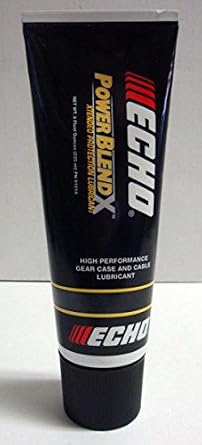
Light application through a tube makes Echo Gear Case and Cable Lubricant a great fit for anyone looking to reduce friction in cables and cases without mess. Ideal for those who want precision and control while ensuring their components stay well-lubricated and free from buildup.
Applying it is straightforward thanks to its tube container, which allows you to control how much lubricant you use. It spreads smoothly on cables and into tight spaces without overdoing it. Maintenance involves just a small dab, so it lasts a good amount of time, making daily or regular upkeep simple and efficient.
The lubricant softens and protects cables effectively, keeping them moving freely during use. Built for consistent performance, it doesn’t drip or run, making it a tidy option. Positive feedback highlights its ease of use and effectiveness, while some complaints mention that the small tube size means frequent repurchasing is needed for larger projects.
The best feature praised is how easy it is to apply with no mess, providing steady lubrication where needed. The most common downside is the relatively small quantity given and the need to replace it often for bigger tasks.
Those who want a neat, easy-to-use lubricant for daily small-to-medium cable and case care will find this product suits their needs well. People requiring larger volumes or working on bigger projects might want to look for a lubricant available in bigger containers.
Pros
- Precise application from a controlled tube
- Reduces friction on cases and cables
- Non-messy, does not drip or run
Cons
- Small tube size requires frequent refills
- Limited quantity for extensive use
| Specification | Details |
|---|---|
| Container Type | Tube |
Best Case Lubricants Comparison Table
| Product | Container Type | Viscosity | Compatible Material | Upper Temperature Rating |
|---|---|---|---|---|
| RCBS Liquid Lube | Bottle | – | – | – |
| Hornady One Shot Lube | – | – | – | – |
| Frankford Non-Aerosol Lube | Bottle | Low to Medium | Plastic | 53 °C |
| Dillon Precision Lube | Bottle | 0w | Brass | – |
| Imperial Die Wax Lube | Box | – | – | – |
| RCBS Slick Spray | Bottle | – | Brass | – |
| Birchwood Casey Choke Grease | Tube | 75W-140 | Steel | 2000 °F |
| Door Hinge Needle Oiler | Bottle | 5w-30 | Metal | – |
| Hornady Case Lube | Bottle | 0w | Metal | – |
| RCBS Slick Spray 2 | Bottle | 5W-20 | Brass | – |
| Klotz Chain Lube | Bottle | – | – | – |
| Echo Gear Case Lube | Tube | – | – | – |
- Container TypeBottle
- Viscosity–
- Compatible Material–
- Upper Temperature Rating–
- Container Type–
- Viscosity–
- Compatible Material–
- Upper Temperature Rating–
- Container TypeBottle
- ViscosityLow to Medium
- Compatible MaterialPlastic
- Upper Temperature Rating53 °C
- Container TypeBottle
- Viscosity0w
- Compatible MaterialBrass
- Upper Temperature Rating–
- Container TypeBox
- Viscosity–
- Compatible Material–
- Upper Temperature Rating–
- Container TypeBottle
- Viscosity–
- Compatible MaterialBrass
- Upper Temperature Rating–
- Container TypeTube
- Viscosity75W-140
- Compatible MaterialSteel
- Upper Temperature Rating2000 °F
- Container TypeBottle
- Viscosity5w-30
- Compatible MaterialMetal
- Upper Temperature Rating–
- Container TypeBottle
- Viscosity0w
- Compatible MaterialMetal
- Upper Temperature Rating–
- Container TypeBottle
- Viscosity5W-20
- Compatible MaterialBrass
- Upper Temperature Rating–
- Container TypeBottle
- Viscosity–
- Compatible Material–
- Upper Temperature Rating–
- Container TypeTube
- Viscosity–
- Compatible Material–
- Upper Temperature Rating–
How to Choose the Right Case Lubricant
Choosing the right case lubricant depends on factors like effectiveness, ease of application, and compatibility with your equipment. A good lubricant reduces wear and prevents buildup, saving money on repairs and cleaning time. Selecting the right one ensures smoother operation and longer-lasting components.
Viscosity and Consistency
Lubricants that are too thick often struggle to penetrate tight spots, while those that are too thin can wear off quickly and leave surfaces exposed. For everyday use, a medium viscosity strikes the best balance, allowing easy application along with decent staying power. A product that’s too runny tends to drip or run out, requiring frequent touch-ups.
Look for a consistency that clings without becoming gummy or sticky. This affects both how well it spreads and how long it lasts before needing reapplication. A thicker formula generally offers more protection against wear and corrosion but might be trickier to apply in small crevices.
The right choice depends on whether you are working with tight tolerances or more open surfaces.
Material Compatibility
Some lubricants can cause plastic parts to swell or rubber seals to degrade, turning a simple maintenance job into a bigger repair. A lubricant suited to diverse materials avoids this issue, maintaining integrity without causing discoloration or brittleness. Compatibility with seals and gaskets is critical since these often fail first when exposed to harsh chemicals.
Choosing a product safe for metal, plastic, and rubber ensures it won’t react negatively with the parts it comes into contact with. Always check the label or manufacturer specs for material compatibility, especially if working with delicate or mixed-material assemblies.
Temperature Resistance
Extreme temperatures pose a real challenge for many lubricants. At high heat, some formulas break down or evaporate too quickly, leaving parts dry and vulnerable. Cold temperatures can cause thicker products to stiffen or freeze, reducing their lubricating ability drastically.
A lubricant that can hold its properties over a wide temperature range performs reliably regardless of outside conditions.
Consistency under thermal stress means fewer failures and longer intervals between maintenance. Seek out products that specify their safe operating temperature range and stay stable without separating or drying out.
Application Method and Ease
Applying lubricant to tiny or awkward spots can get messy without the right tool. A well-designed dispenser allows for targeted application without excessive waste or drips. Without this, excess lubricant builds up and attracts dirt, causing more harm than good.
Packaging such as precision nozzles or tubes with fine tips helps control the amount and placement. Clean application also reduces the risk of contaminating other parts or surfaces.
Products come in varied sizes to match the job scale, from small pens for tight spots to larger tubes for broader areas.
Durability and Longevity
Frequent reapplication can become a maintenance hassle, especially if the lubricant washes off easily under exposure to water or dust. Longevity is measured by how well it adheres amid contaminants and movement.
A durable lubricant keeps parts protected longer, reducing downtime and effort.
Look for products mentioning resistance to washout or dust contamination. The ability to maintain lubrication over weeks or months before a new coat is needed makes a significant difference in reliability and upkeep convenience.
Proper Application Techniques for Optimal Performance
Before applying any lubricant to your firearm’s case, make sure the surface is clean and free of residue. Use a lint-free cloth to wipe the area, removing any dirt or old lubricant.
A little goes a long way; applying too much lubricant can attract dust and debris, which can affect performance. Use the tip of the applicator or a small brush to place the lubricant precisely where it’s needed, especially on moving parts or tight spaces. Spread it evenly, but avoid coating the entire case with a thick layer.
Regularly inspect the case for dryness or buildup and reapply as necessary after cleaning or firing sessions.
Tips for applying case lubricant effectively:
- Clean the case surface thoroughly before lubricating.
- Apply a thin, even layer using a precision tool.
- Focus on areas with friction or movement.
- Remove excess lubricant to prevent dirt accumulation.
- Reapply following cleaning or heavy use.
Maintaining and Storing Lubricants to Extend Shelf Life
Lubricants generally last longer when stored in a cool, dry place away from direct sunlight. High temperatures can cause some formulas to separate or degrade over time, reducing their effectiveness. Keep the container tightly sealed to prevent contamination and evaporation.
Avoid introducing dirt or moisture by using clean tools when handling the lubricant. Some lubricants may settle or thicken after long storage periods; stirring or shaking the bottle can restore consistency.
Regularly check for changes in smell, texture, or color, which could indicate spoilage or reduced performance. Storing lubricants properly helps ensure reliable function during critical use.
Storage guidelines for extending lubricant shelf life:
- Choose a stable, cool environment for storage.
- Keep containers tightly closed.
- Avoid exposure to sunlight and heat sources.
- Use clean applicators to prevent contamination.
- Inspect lubricants periodically for changes.
Comparing Different Lubricant Types for Various Use Cases
Different lubricants serve distinct purposes depending on the application and environment. Petroleum-based lubricants are common for general use, providing good protection but can attract dust more easily.
Synthetic lubricants tend to resist breakdown under heat and offer cleaner application, which helps in precision firearms or higher rate firing. Dry lubricants like graphite or molybdenum disulfide are ideal where you need minimal residue and less grime buildup, though they may require more frequent reapplication. Grease lubricants provide thicker coverage for high-friction parts but are not well-suited for delicate mechanisms.
Choosing the right lubricant depends on conditions such as temperature, exposure to dirt, and the specific type of firearm or case being maintained.
Comparison of common lubricant types:
- Petroleum-based: easy to apply, may attract dirt.
- Synthetic: heat resistant, cleaner, longer lasting.
- Dry (graphite/moly): low residue, frequent application needed.
- Grease: thick, durable, better for heavy friction.
People Also Asked
How Do I Apply Case Lubricant Properly for Best Results?
Apply a small amount of lubricant to the moving parts of the case, such as hinges or threads. Spread it evenly with a clean cloth or finger, then wipe off any excess to avoid attracting dirt or debris.
Is Case Lubricant Safe to Use on All Types of Materials?
Case lubricant is generally safe on metals like steel and aluminum but can degrade some plastics or rubber parts over time. Test a small area first on non-metal components to ensure compatibility.
How Long Does a Typical Case Lubricant Last After Application?
A good case lubricant typically lasts for several weeks under normal use before needing reapplication. Factors like humidity, dust, and frequency of use can cause it to wear off sooner.
Can I Use Case Lubricant with Different Types of Cleaning Solvents?
Case lubricant can be used alongside many cleaning solvents but avoid mixing it directly with harsh chemicals like acetone, which can break down the lubricant and reduce its effectiveness.
What Common Problems Occur If I Over-Lubricate My Case?
Over-lubricating can cause the case to become slippery, lose grip, or attract dirt that clogs moving parts. It may also create a buildup that interferes with smooth operation rather than helping it.
Conclusion
Choosing the right case lubricant mainly depends on how long it lasts, how easy it is to apply, and whether it works well with the materials in your cases. Consistency matters too, some lubricants are thicker and better for heavier use, while others are thinner for fine details.
Think about how often you’ll use the lubricant and pick one that fits your budget and the space you have for storing it. Check back at the comparison table and detailed picks above to find the best fit for your needs based on these points.


