Top 12 Best Cop Scanner You Can’t Miss Right Now
Many people trying to keep up with local radio traffic know how frustrating it is to miss important transmissions due to a poor cop scanner. The best cop scanner provides clear reception without constant dropouts, which can ruin the whole point of monitoring police, fire, or emergency channels. Cheap models often struggle with limited frequency coverage and weak antenna sensitivity, leaving critical updates unheard or distorted.
A good cop scanner excels in three main areas: frequency range, sensitivity, and usability. It should cover a wide range of frequencies, typically from 25 MHz up to around 1.3 GHz, to intercept various public safety signals.
Sensitivity matters for picking up faint transmissions in urban or congested areas, usually measured in microvolts, with lower values indicating better performance. A scanner that’s easy to program and use also saves time on the go, especially when you need to switch channels quickly during fast-moving situations.
Need a Quick Check?
| Image | Product | Price |
|---|---|---|
Our Top Picks 1  | Uniden R3 Radar Detector | Check Price |
Our Top Picks 2  | Uniden Bearcat BC125AT Scanner | Check Price |
Our Top Picks 3  | Uniden BC365CRS Scanner | Check Price |
Our Selected Top 12 Cop Scanner for Different Needs
This list features a variety of cop scanners designed to meet different user needs and preferences. Each review covers key features, performance details, suitability for various users, and highlights both strengths and potential drawbacks to help you make an informed choice.
1. Uniden R3 Laser Radar Detector
Drivers looking for the best protection against speeding tickets will appreciate the unmatched range and sensitivity of the Uniden R3 Laser Radar Detector. It suits those who want advanced false alert filtering to reduce distractions and reliable GPS technology for smart alert muting.
Setup involves mounting the detector and letting its GPS learn common false alerts along your usual routes. Each time you drive, it mutes repetitive false alerts like those from automatic doors. The preloaded red light and speed camera locations keep you informed without the need for constant updates, though free firmware updates are available to stay current.
The detector does an excellent job of picking up radar and laser signals well in advance, giving timely warnings. Its multi-color OLED display provides clear, easy-to-read information.
The build quality feels solid, though some users mention the weight at 1.7 pounds making it a bit heavier than their previous devices.
The strongest praise centers on the detector’s advanced false alert filtering and long detection range, which greatly reduces annoying warnings while giving plenty of time to react. The most common complaint involves its weight, which some find a bit bulky for continuous windshield mounting.
People who frequently drive familiar routes and want fewer false alerts will find this device very helpful. Those prioritizing a lighter detector or a simpler device might prefer exploring smaller or more basic models instead.
Pros
- Unsurpassed range and sensitivity for early warnings
- Advanced GPS technology mutes common false alerts
- Multi-color OLED display is easy to read
- Preloaded camera alerts with free updates
Cons
- Heavier at 1.7 pounds compared to some detectors
- Can require occasional firmware updates for latest locations
| Specification | Details |
|---|---|
| Brand | Uniden |
| Model Number | R3 |
| Item Weight | 1.7 pounds |
| Item Type Name | UNIDEN LONG RANGE RADAR/LASER DETECTOR |
| Warranty Description | 1 Year Manufacturer |
2. Uniden Bearcat BC125AT Analog Handheld Scanner
Trying to stay on top of nearby radio chatter requires a reliable and easy-to-use scanner. Perfect for those tracking analog signals, this handheld device handles a wide range of frequencies.
Its strongest feature is the Close Call RF capture technology that automatically tunes to nearby transmissions.
Setting it up is straightforward with 500 alpha-tagged channels available, helping you organize stations efficiently. Daily use benefits from the compact design that fits comfortably in hand.
The Do Not Disturb mode stops unwanted interruptions when you’re already listening to a transmission, making monitoring less annoying throughout the day.
It performs well picking up analog signals across a broad frequency range, although it cannot handle digital systems. The build is solid and compact but not water-resistant, so care around moisture is necessary. Most praise centers on its quick and accurate Close Call feature, while the main complaint involves the lack of digital signal support, which limits its use in some areas.
Close Call RF capture technology stands out for quickly locking onto nearby transmissions, making the scanning experience efficient and responsive. Some users find the inability to receive digital signals a significant limitation, especially in cities moving toward digital trunking systems.
Anyone focusing on analog frequencies in less urban or mixed signal areas will appreciate this scanner’s capabilities. Those needing access to digital or trunked radio systems should consider alternatives that support those formats better.
Pros
- Instant tuning to nearby signals with Close Call
- Compact handheld design for easy portability
- 500 alpha-tagged channels for organization
- Long battery life up to 10 hours
Cons
- Does not support digital radio systems
- Not water resistant, avoid wet conditions
| Specification | Details |
|---|---|
| Number of Channels | 500 |
| Frequency Range | 25-54 MHz, 108-174 MHz, 225-380 MHz, 400-512 MHz (UHF) |
| Tuner Type | UHF |
| Battery Average Life | 10 hours |
| Number of Batteries | 2 AA batteries required (included) |
3. Uniden BC365CRS 500 Channel Scanner
500 channels make the Uniden BC365CRS a solid choice for anyone wanting a wide range of scanning options. It suits those who want to stay informed on police, fire, weather, and other emergency communications while also using it as a radio and alarm clock.
The channel presets help you jump right into relevant frequencies without fuss.
Setup takes just a few minutes thanks to the desktop design and preset searches for popular channels. Switching between the scanner, FM radio, and alarm clock is straightforward with push buttons.
You can save up to 30 FM stations, which makes tuning into your favorite broadcasts quick. It runs on corded power with a backup of 3 AA batteries, so it’s easy to keep it going during power interruptions.
Scanning quality meets what you’d expect for analog signals, picking up non-digital emergency and other common bands clearly. The build feels solid enough for daily use, with a tabletop mount to keep it steady. People often praise its ease of use right out of the box, though some mention the push button controls could be more responsive or better spaced.
The scanner’s biggest advantage is how easy it is to start using right away with a wide array of presets covering emergency and public bands. Most users find it clear and reliable for analog channels, but some find the control buttons a bit fiddly when flipping through menus or channels.
Anyone wanting a budget-friendly scanner that doubles as a radio and alarm clock will appreciate this unit. It works best for people focused on analog channels and local broadcasts, but those needing digital scanning or more advanced controls might want a different model.
Pros
- 500 channels with popular presets ready to go
- Includes FM radio and alarm clock features
- Can save up to 30 FM stations
- Runs on both corded electric and batteries
Cons
- Push buttons can feel cramped or less responsive
- Only supports non-digital analog signals
| Specification | Details |
|---|---|
| Power Source | Corded Electric |
| Number of Channels | 500 |
| Battery Description | Alkaline |
| Number of Batteries | 3 AA batteries required |
| Control Method | Push Button |
| Audible Noise | 50 db |
4. Whistler WS1025 Analog Desktop Scanner
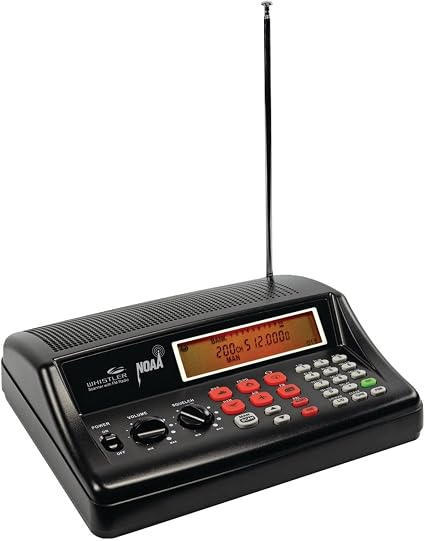
Experienced users looking for a reliable analog desktop scanner will find the Whistler WS1025 fits well into their setup. It’s designed to focus on specific channels with features like priority channel scanning, making it best for those who want detailed control over frequency monitoring.
Setting up involves connecting via Bluetooth, which stays steady through daily use. Priority channel lets you listen to one channel closely by scanning every two seconds. Scan Delay gives you time to catch replies on a channel before moving on.
The Tune feature helps find new frequencies starting from any point you specify, which is handy for uncovering unlisted channels.
Performance in picking up analog signals is solid, with the scanner regularly locking onto priority channels without disruption. Its build feels sturdy enough for desktop use, though the 200 dpi resolution reflects its focus on audio scanning rather than image quality.
Most positive notes are about how focused the priority and delay features are, while some find the Bluetooth connection setup a bit fiddly at times.
The scanner’s priority channel and scan delay features provide clear, focused monitoring, praised for capturing replies effectively. On the downside, some experience difficulties connecting via Bluetooth at first, which may require extra patience during setup.
Those deeply into analog scanning and comfortable with technical setups will enjoy the detailed control this scanner offers. People less familiar with Bluetooth or looking for high-resolution document scanning might want to explore other options.
Pros
- Priority channel scans every two seconds
- Scan Delay allows hearing replies clearly
- Tune finds new and unlisted frequencies
- Bluetooth connection for flexible placement
Cons
- Bluetooth setup can be tricky initially
- Resolution suited more to audio than print quality
| Specification | Details |
|---|---|
| Scanner Type | Radio |
| Connection Type | Bluetooth |
| Resolution | 200 dpi |
| Optical Sensor Technology | CCD, CMOS |
| Standard Sheet Capacity | 300 |
| Light Source Type | LED |
5. Long Range 360° Radar Detector for Cars

Long Range 360° Radar Detector for Cars stands out with its ability to detect radar and laser signals from as far as 1,100 yards. Ideal for frequent highway drivers and commuters, it alerts well in advance, helping users stay aware of traffic enforcement without constant distractions.
Setting up is straightforward thanks to the compact DC12V car mount kit. Day-to-day use is simplified by voice alerts and false alert filters, which cut down on annoying triggers from automatic doors or traffic sensors.
City and highway modes adjust sensitivity, making daily driving smoother and less stressful in different environments.
Detection covers all common traffic radar bands like X, K, Ka, Ku, ST, CT, plus laser signals from every direction thanks to the 360-degree sensing. The build quality feels solid, matching its no-nonsense performance. Voice alerts are clear, though some mention occasional false alerts remain despite filtering.
Users often highlight the long detection range and multi-band support as major advantages, providing early warnings on varied roads. Commonly noted is the persistence of occasional false alerts, which can be distracting despite the built-in filtering and modes.
Drivers who frequently travel highways or need broad radar coverage will appreciate this unit’s features. Those mostly in heavy urban settings or requiring completely silent operation might prefer models with stricter false alert elimination.
Pros
- Detects radar and laser signals up to 1,100 yards
- Supports a broad range of radar bands
- Voice alerts keep you informed without distraction
- City mode reduces false alerts in urban settings
Cons
- Some false alerts still occur despite filters
- Mounting kit may feel small for some vehicles
| Specification | Details |
|---|---|
| Detection Range | up to 1,100 yards |
| Radar Bands Supported | X, K, Ka, Ku, ST, CT plus laser |
| Alert Types | Voice Alerts |
| Modes | City/Highway |
| Mount Kit | Compact DC12V car mount |
| Warranty | 1 Year Manufacturer |
6. Uniden R7 Laser Radar Detector

Uniden R7 Laser Radar Detector is built for drivers who want the best protection against speed and red light cameras. Its biggest strength lies in the full 360° defense and advanced false alert filtering, making it perfect for anyone serious about staying ahead of radar detection.
Setup is straightforward, with the dual antennas mounted for front and rear coverage. Day-to-day use benefits from the GPS tech that mutes repetitive false alerts, like those from automatic doors on familiar routes.
Directional arrows clearly show where threats come from, while voice alerts keep you updated without taking your eyes off the road.
Performance shines in its ability to detect signals from all directions, providing ample time to react. The build is solid yet lightweight at 6.72 ounces, making it easy to install without adding bulk.
Positive feedback often highlights its accuracy and useful display, while a common complaint revolves around occasional false alerts despite filtering.
The strongest point of this radar detector is its 360° detection with clear direction indicators, making it easier to identify threats quickly. The advanced filtering helps reduce false alerts, though some users still notice occasional signals that shouldn’t trigger warnings.
Drivers who frequently travel familiar routes with many false alert sources will appreciate the GPS-based muting feature. Those seeking a simpler setup or fewer alerts might want to explore less feature-heavy options.
Pros
- 360° threat detection with directional arrows
- Advanced false alert filtering
- Built-in GPS with repeat alert muting
- Lightweight and easy to mount
Cons
- Some false alerts still appear occasionally
- Complex interface may take time to learn
| Specification | Details |
|---|---|
| Brand | Uniden |
| Item Weight | 6.72 ounces |
| Number of Items | 1 |
| Built-in GPS | Yes, with real-time alerts |
| Antennas | Dual – front and rear |
| Display | OLED with directional arrows and signal strength |
7. Long Range Radar Detector with Voice Alert

Using this radar detector feels like having an extra set of eyes on the road. Suited for drivers who want early warnings of speed traps and laser signals, it shines with its long range detection capability, alerting you from up to 1,100 yards away.
It’s especially helpful for those frequently on highways or busy city streets.
Setup is straightforward, with the detector ready to work as soon as it’s powered on. You’ll notice how the voice alerts keep you informed without needing to glance down often.
The device monitors a broad range of radar bands from every direction, making it practical for continuous driving without missing signals from different police radar bands or traffic monitoring systems.
Performance matches the device’s promise by detecting signals at a considerable distance, giving enough time to adjust your speed. Built with sensors that cover multiple bands entirely around the vehicle, it handles busy signal environments well. Most praise revolves around its reliable long-range alerts, though some mention occasional false alarms as a downside.
The strongest feature lies in its long-range detection and voice alert system, providing clear warnings well in advance. A common drawback is that the detector sometimes triggers false alarms, possibly causing unnecessary caution. Despite that, it remains navigable for its core function throughout daily drives.
Drivers seeking comprehensive radar band coverage and early alerts will find this detector reliable and helpful. Those highly sensitive to occasional false alerts or wanting multiple units for backup should explore other options before committing.
Pros
- Alerts at long range up to 1,100 yards
- 360-degree full-band signal monitoring
- Voice alerts improve driving focus
- Covers modern traffic flow monitoring systems
Cons
- Occasional false alarms reported
- One unit only, no extras included
| Specification | Details |
|---|---|
| Brand | FeeOlsa |
| Number of Items | 1 |
| Unit Count | 1 Count |
| Detection Range | 330 to 1,100 yards |
| Signal Bands Monitored | X, K, Ka, KU, ST, CT |
| Warranty Description | 1 Year Manufacturer |
8. Full-Band 360° Radar Detector with Voice Alerts

Full-Band 360° Radar Detector with Voice Alerts by XINGZUAN suits drivers who want reliable, wide-range detection. Its biggest strength lies in catching signals from all directions, helping you stay aware of speed traps and road hazards well in advance.
Setup is straightforward and doesn’t require much adjustment once mounted. Voice alerts keep you informed without pulling your attention from driving.
Multi-band support means it picks up signals across X, K, Ka, and Ku frequencies, so you get broad coverage regardless of where you drive. The 360° sensing keeps you covered from any angle, useful for busy city streets as well as highways.
Performance is consistent with long detection range and clear voice notifications. The DSP digital processing significantly cuts down false alerts from things like automatic doors or other cars’ electronics.
Build quality feels solid, made for daily use without feeling fragile. Strongest praise mentions reliable detection; some note it lacks a warranty, which could worry certain buyers.
The radar detector’s voice alerts and full 360° coverage are praised for boosting awareness and road safety during daily use. A common concern is the lack of warranty which makes some hesitant about long-term reliability.
Drivers looking for broad frequency support and solid interference reduction will find this suitable. People wanting guaranteed service or warranty might want to consider other options with official support.
Pros
- Detects multiple radar bands including X, K, Ka, Ku
- 360° detection coverage around vehicle
- Voice alerts keep you informed while driving
- Reduces false alarms with DSP processing
Cons
- No warranty offered by manufacturer
- Some false alerts still possible in high-interference areas
| Specification | Details |
|---|---|
| Brand | XINGZUAN |
| Number of Items | 1 |
| Unit Count | 1 Count |
| Manufacturer | XINGZUAN |
| Warranty Description | no |
9. Uniden Bearcat BCD160DN Digital Handheld Scanner
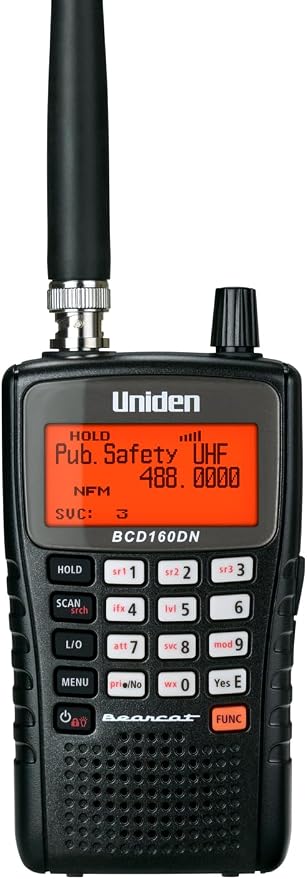
Built with durable materials and a digital handheld design, the Uniden Bearcat BCD160DN suits anyone focused on digital and conventional radio scanning. Its single biggest strength lies in quick, clear decoding of a variety of signals, making it easier to pick up and understand transmissions in digital formats like DMR and NXDN.
Setting it up requires connecting via USB and installing the free firmware update to unlock full decoding potential, including APCO P25 Phase 1 & 2. The rapid detection of CTCSS and DCS codes simplifies scanning adjustments on the go. The range of search options and band scope feature lets you find elusive signals without excessive manual tuning.
The device excels at decoding digital signals with clarity, and the build feels solid and portable for handheld use. Most praise centers on the fast and accurate tone decoding.
Some frustration arises because it does not support trunking, limiting use on certain systems, and it cannot decode encrypted transmissions.
The scanner is praised for its rapid and reliable tone decoding, which dramatically speeds up finding signal information. The most frequent limitation mentioned is the absence of trunking support, which restricts use with some systems and networks. It performs best in environments where non-trunked digital and conventional systems are involved.
Enthusiasts focusing on digital conventional signals and those who need portable scanning will appreciate the BCD160DN. Those looking to monitor trunked radio systems or encrypted transmissions should consider alternative models designed for those features.
Pros
- Quick detection of CTCSS and DCS tones
- Supports popular digital formats out of the box
- Durable handheld design for portability
- Includes comprehensive search and band scope features
Cons
- No trunking system support
- Cannot decode encrypted signals
| Specification | Details |
|---|---|
| Scanner Type | Radio Scanner |
| Connection Type | USB |
| Digital Decoding | DMR, NXDN, APCO P25 Phase 1 & 2 with update |
| Tones Detection | DCS/CTCSS Rapid Decode |
| Trunking Support | Not supported |
10. Whistler WS1065 Digital Trunking Desktop Scanner

Multi-color LED alerts grab attention instantly, making it easy to see important transmissions at a glance. Best for those who want a clear and customizable way to monitor police channels and digital systems without fiddling with complex settings. Its standout feature adjusts quickly to signal changes in real-time.
Setup involves connecting via Wi-Fi, and the scanner adapts automatically to changing signals more than 50 times a second, so you don’t have to tweak anything manually. The programmable audible alarms and customizable LED colors help you stay on top of relevant signals, while digital AGC adjusts sound levels automatically for clarity during daily listening sessions.
Performance is solid, with smooth P25 decoding that keeps signals clear even when they fluctuate. The build feels durable for desktop use and alerts come through clearly thanks to its advanced filtering. The most praised aspect is how well it handles multipath fading, while some users mention the LED color options can be a bit overwhelming to set up.
Users find the adaptive real-time P25 decoding impressively reliable, ensuring clear reception without manual adjustments. The multi-color LED alert system, while highly customizable, can be tricky to configure exactly the way users want. Paper media is standard but may require some upkeep over extended use.
People wanting a scanner that handles digital signals automatically and allows for detailed alert customization will appreciate this model. Those who prefer simpler alert systems or dislike manual setup might want to explore alternatives with fewer customization steps.
Pros
- Customizable multi-color alert LED
- Automatic signal tracking with no manual tuning
- Digital AGC for consistent audio levels
- Network Access Code filtering for focused scanning
Cons
- LED setup can be complicated
- Uses paper media, which might require replacement
| Specification | Details |
|---|---|
| Scanner Type | Radio |
| Connection Type | Wi-Fi |
| Resolution | 200 |
| Media Type | paper |
11. Uniden SDS100 True I/Q Digital Handheld Scanner

Picking a scanner that can handle digital signals and weak transmissions makes a big difference, and the Uniden SDS100 fits that bill perfectly. It’s ideal for people looking for a handheld model that works well in tough reception areas, with its True I/Q receiver being its standout feature for clear, reliable scanning.
Programming the scanner is straightforward, just by entering your zip code to grab the local radio systems from the built-in HomePatrol database. Daily use involves browsing through a customizable color display that shows exactly the info you want, and updates via USB keep the system current.
The MicroSD card slot lets you expand storage or back up data easily, making it flexible for ongoing use.
Performance is strong, especially when picking up digital transmissions or signals from simulcast trunked systems. The build feels solid and handheld enough for long sessions without fatigue. A frequent compliment is its impressive digital performance in challenging RF environments.
The main downside some note is that programming options beyond the HomePatrol might feel limited or complex.
Users note that the digital performance excels in tough signal environments, making it reliable for weak or simulcast transmissions. The setup is easy with zip code programming, but advanced customization might require more effort and patience.
People wanting straightforward use with great digital reception will appreciate this scanner. Those needing extensive manual programming or more physical documentation might want to look for alternatives.
Pros
- True I/Q receiver improves digital signal clarity
- Simple setup using zip code entry
- Regular updates from HomePatrol database
- Customizable color display for easy data viewing
Cons
- Programming beyond zip code can be tricky
- Only one standard sheet capacity limits physical references
| Specification | Details |
|---|---|
| Scanner Type | Digital Handheld Scanner |
| Connection Type | USB |
| Resolution | 24 Bits |
| Color Depth | 24 |
| Media Type | MicroSD Card |
| Standard Sheet Capacity | 1 |
12. Uniden SDS200 True I/Q Digital TrunkTracker Scanner

Catching digital and analog police radio transmissions can be tricky, but this scanner handles both with ease. Perfect for anyone wanting a reliable way to monitor local law enforcement channels, it shines in decoding complex simulcast digital signals thanks to advanced technology and a user-friendly interface.
Setup involves connecting via USB and using the HomePatrol database, which covers every known radio system in the US and Canada. The database updates weekly, so channel info stays current.
Day-to-day use is simple, with a bright 3.5 color screen that you can customize completely to show as much detail as you like or keep it minimal. The scanner’s LED backlight makes it easy to see in various lighting conditions.
It excels at picking up difficult digital simulcast signals, making monitoring smoother where other scanners struggle. The build feels solid, designed to last through regular use.
One big plus mentioned in reviews is how user-friendly it is despite its advanced features. The most common issue is that the scans can sometimes be complex to fully master if you want to dive deep into settings.
The scanner’s ability to capture tough digital simulcast signals stands out as its strongest feature and makes it reliable for serious monitoring. Most people find the setup and daily use straightforward but note that mastering detailed functions takes some extra effort.
Anyone wanting a dependable scanner that covers a wide range of channels and stays current with database updates will appreciate this model. Those needing a simpler, more basic device with physical controls might want to look elsewhere.
Pros
- Handles digital simulcast signals well
- 3.5″ customizable color display
- Includes extensive HomePatrol database
- Regular weekly database updates
Cons
- Steeper learning curve for detailed settings
- Limited physical controls, relies on USB connection
| Specification | Details |
|---|---|
| Scanner Type | Radio Scanner |
| Connection Type | USB |
| Resolution | scanner |
| Light Source Type | LED |
| Media Type | USB |
| Standard Sheet Capacity | 10 |
Best Cop Scanners Comparison Table
| Product | Channels | Power Source | Connectivity | Warranty |
|---|---|---|---|---|
| Uniden R3 Radar Detector | – | – | – | 1 Year Manufacturer |
| Uniden Bearcat BC125AT Scanner | 500 | 2 AA batteries | – | – |
| Uniden BC365CRS Scanner | – | 3 AA batteries | – | – |
| Whistler WS1025 Desktop Scanner | – | – | Bluetooth | – |
| Long Range 360° Radar Detector | – | – | – | 1 Year Manufacturer |
| Uniden R7 Radar Detector | – | – | – | – |
| Long Range Voice Radar Detector | – | – | – | 1 Year Manufacturer |
| Full-Band 360° Voice Detector | – | – | – | no |
| Uniden Bearcat BCD160DN Scanner | – | – | USB | – |
| Whistler WS1065 Trunking Scanner | – | – | Wi-Fi | – |
| Uniden SDS100 IQ Scanner | – | – | USB | – |
| Uniden SDS200 IQ TrunkTracker | – | – | USB | – |
- Channels–
- Power Source–
- Connectivity–
- Warranty1 Year Manufacturer
- Channels500
- Power Source2 AA batteries
- Connectivity–
- Warranty–
- Channels–
- Power Source3 AA batteries
- Connectivity–
- Warranty–
- Channels–
- Power Source–
- ConnectivityBluetooth
- Warranty–
- Channels–
- Power Source–
- Connectivity–
- Warranty1 Year Manufacturer
- Channels–
- Power Source–
- Connectivity–
- Warranty–
- Channels–
- Power Source–
- Connectivity–
- Warranty1 Year Manufacturer
- Channels–
- Power Source–
- Connectivity–
- Warrantyno
- Channels–
- Power Source–
- ConnectivityUSB
- Warranty–
- Channels–
- Power Source–
- ConnectivityWi-Fi
- Warranty–
- Channels–
- Power Source–
- ConnectivityUSB
- Warranty–
- Channels–
- Power Source–
- ConnectivityUSB
- Warranty–
How to Choose the Right Cop Scanner
Choosing a good cop scanner depends on factors like frequency coverage, ease of use, and portability to ensure it meets your communication needs. Picking the right features prevents buying unnecessary extras or incompatible devices, saving both money and frustration in the long run.
Frequency Coverage
Trying to listen in on police and emergency channels means needing access to a broad variety of frequencies. Some scanners only cover basic analog bands, which quickly becomes frustrating as many services have moved to digital transmission. Missing out on digital compatibility cuts you off from a lot of important traffic.
Also, certain scanners that support location-specific frequencies and trunked radio systems offer a more complete picture of activity in your area.
A good unit covers VHF and UHF ranges, including 25 to 512 MHz or wider, to catch most common services. Support for APCO P25 or other digital modes is essential now. Users dealing with trunked systems should look for models capable of decoding those complex frequency hopping signals.
Without these features, many transmissions simply won’t come through at all, making the scanner far less useful.
Portability and Size
Carrying a scanner every day or on trips quickly reveals how bulk and weight affect convenience. Heavy, bulky units tend to stay home or clutter your bag, while compact, lightweight options fit easily in a pocket or small case.
Handheld models under 10 ounces work well for daily carry. For vehicle use, slightly larger scanners with mounting brackets provide a stable setup, but make movement less practical.
Mounting ease varies widely. Some come with adhesive mounts or suction cups that secure firmly without tools, ideal for cars or desks. Others require dedicated mounts or brackets that take more effort and space.
The best setups balance a manageable size with a solid installation method that keeps the scanner where you need it without sacrificing accessibility.
User Interface and Ease of Use
Reading the screen outdoors or in dimly lit rooms is critical. Units with backlit LED or LCD screens and adjustable brightness offer clear visibility in a range of conditions. Dull or small displays make tuning channels or checking statuses frustrating, especially under sunlight.
An intuitive menu system reduces the learning curve, letting you program channels or switch functions without constant reference to manuals.
Having preset channels or favorites speeds up scanning through commonly monitored frequencies. Quick scan buttons can save time, helping you zero in on active communications fast. Complex interfaces often slow down operation and add unnecessary hassle during active listening, so clear labeling and straightforward navigation are key for practical everyday use.
Reception Quality and Sensitivity
Picking up distant or weak signals depends largely on reception sensitivity and antenna quality. Tricky urban environments or remote locations often produce static or dropouts with cheaper or less sensitive models.
A scanner with strong signal amplification and filtering provides much cleaner audio, reducing background noise that interferes with understanding transmissions.
Many scanners support external antennas, which can make a significant difference if indoor reception is poor. Options for attaching a higher-gain antenna or using a magnetic mount outside allow you to customize setup based on surroundings. Without good reception hardware, even a scanner with many features will perform poorly, making this factor crucial for reliable use.
Power Source and Battery Life
Battery life varies dramatically between models and use cases. Long listening sessions outdoors require a power source that lasts several hours without recharge. Rechargeable lithium-ion batteries are common and convenient, but not all units offer easy swapping.
Some rely solely on replaceable AA or AAA batteries, which can be handy but add ongoing cost and waste.
Power-saving modes that dim the screen or reduce scanning speed help extend battery life. Reliable indicators for remaining charge prevent surprises during extended use.
AC adapters offer constant power for home or vehicle setups but aren’t practical on the go. Choosing according to your usage pattern ensures the scanner stays active when you need it most.
How to Maximize Signal Reception for Your Cop Scanner
Placement of the scanner significantly affects the quality of signal reception. Position the device near a window or in an open area free from obstructions like thick walls or electronic interference. An external antenna often improves reception dramatically compared to the built-in antenna, especially in locations with weak signals.
Additional steps to boost performance include:
- Keep the antenna vertical and away from metal objects that can block signals.
- Adjust the scanner’s frequency or scan range to focus on the most relevant channels.
- Use software updates to access the latest frequency databases for your area.
- Test different antenna positions to find the spot with the clearest reception.
Consistent attention to these factors can result in clearer, uninterrupted audio from your scanner’s feed.
Essential Maintenance Tips to Keep Your Scanner Functioning Smoothly
Routine cleaning can prevent dust buildup that might block buttons or screen displays on your scanner. Use a soft cloth and avoid chemical cleaners that could damage the plastic or electronic components.
Storing the scanner in a protective case keeps it safe from drops and scratches when not in use.
Other maintenance steps to consider:
- Check and replace batteries regularly to avoid power issues during use.
- Ensure firmware is up to date to fix bugs and improve functionality.
- Inspect antennas and connectors for damage or looseness.
- Test the device occasionally by scanning known local frequencies.
Simple upkeep helps extend the life of the scanner and maintains consistent performance over time.
Comparing Traditional Cop Scanners with App-Based Alternatives
Traditional cop scanners are standalone devices designed specifically for scanning police and emergency frequencies. They usually offer better reception and more dedicated controls for fine-tuning frequency scans. These units often include features like built-in antennas and memory channels tailored for radio scanning.
App-based alternatives run on smartphones or tablets and rely on internet streams to provide access to scanner audio. These apps do not depend on local radio signals and can access feeds from other areas around the world. That makes them flexible but also dependent on internet connectivity.
Key differences include:
- Hardware scanning units provide direct radio signal reception without internet.
- Apps offer more convenience and portability but at the cost of potential network delays.
- Traditional scanners often allow for more detailed manual adjustments.
- Apps frequently update automatically with new frequency feeds but might have limited channel customization.
Choosing between the two depends on the level of control, portability, and signal source you prefer.
People Also Asked
How Do I Properly Use a Cop Scanner for Beginners?
Start by programming the scanner with frequencies for your local police departments. Use the manual or a scanning app to find the right channels, and adjust the squelch to reduce background noise. Keeping the scanner near a window can improve reception in buildings.
Are Cop Scanners Compatible with All Police Radio Frequencies?
Most cop scanners cover a wide range of police frequencies but may not include encrypted or digital-only channels. Checking the scanner’s frequency range and the type (analog or digital) helps ensure compatibility with your local signals. Updates or firmware upgrades can add new frequencies.
What Safety Precautions Should I Take When Using a Cop Scanner?
Use the scanner in public places and avoid distractions to stay aware of your surroundings. Never operate while driving unless you have a hands-free setup and local laws allow it. Keep volume at a safe level to maintain situational awareness and avoid disturbing others.
How Long Does the Battery Typically Last on a Cop Scanner?
Battery life for handheld cop scanners typically lasts between 8 to 12 hours with moderate use. Using power-saving modes or lowering screen brightness can extend usage time. Always carry a backup battery or charger for longer outings.
What Are Common Problems Users Face with Handheld Cop Scanners?
Common issues include weak reception due to poor antenna placement or interference, difficulty programming frequencies, and software glitches. Regularly updating the firmware and using an external antenna can solve many problems. Practicing with the scanner helps reduce frustration.
Conclusion
Choosing a cop scanner mainly depends on clear reception, ease of use, and the frequency of updates to the scanner’s database. Good reception ensures you catch the signals that matter, while a simple interface helps during fast-paced moments. Regular updates keep you in step with changing frequencies and scanners become less useful if they can’t receive the channels you need.
Match the scanner to the environment where you’ll use it most and how often. Spending more makes sense if scanning is a regular activity, but a simpler model works for occasional use. Review the comparison table and earlier sections to find a scanner that fits your space and budget before making a choice.