
Top 10 Best Primer Flipper You Didn’t Know You Needed!
Cheap or poorly made primer flippers often bend or break the brass shell during use, causing jams or inconsistent primer seating. Finding the best primer flipper can save time and reduce frustration in the reloading process, especially when dealing with large batches.
A reliable primer flipper quickly and cleanly removes spent primers without damaging the case, making reloading smoother and more precise.
An effective primer flipper should be made of hardened steel or similarly durable material to withstand repeated pressure. The size and fit are critical to match the shell diameter it will be used on, usually aligning with standard calibers. Ease of cleaning is another factor because spent primers and residue build up quickly, and a simple design with few moving parts helps maintain functionality over time.
Need a Quick Check?
| Image | Product | Price |
|---|---|---|
Our Top Picks 1  | Lyman Primer Tray | Check Price |
Our Top Picks 2  | Dillon Primer Flip Tray | Check Price |
Our Top Picks 3 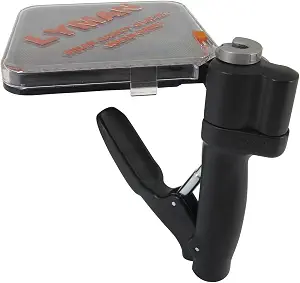 | Lyman Gunsmithing Tools | Check Price |
Our Selected Top 10 Primer Flipper Worth Buying
This list features carefully chosen primer flippers designed for reliability and ease of use. Each review covers performance, ideal users, strengths, and weaknesses to help you find the tool that best fits your reloading needs and preferences.
1. Lyman Primer Tray
Handling primers feels straightforward and controlled with this tray. It suits anyone who needs a compact and lightweight solution for primer handling.
Its biggest strength is in offering a simple and reliable way to organize primers during ammunition reloading.
Setting up the tray involves just placing primers into its compartments, with no complicated steps involved. The tray’s lightweight design makes it easy to carry around or store without taking up much space.
Daily handling becomes convenient thanks to its small dimensions, allowing it to fit comfortably on a reloading bench or in a gear bag without causing clutter.
Performance-wise, the tray keeps primers well-organized and accessible, reducing the chance of mixing or spilling. Made with a basic plastic construction, it does the job without unnecessary bulk. Users have praised its practicality, though some have noted the tray feels a bit fragile.
It performs adequately for its intended use but doesn’t offer extra durability beyond basic expectations.
This primer tray is praised for its practicality and ease of use, helping keep primers organized without extra fuss. A common complaint is the fragility of the plastic, which may not hold up well under rough handling.
Reloaders needing a straightforward and light tray for everyday primer handling will find it suitable. Those looking for a more durable or larger capacity tray might want to consider other options.
Pros
- Compact size fits well on reloading benches
- Lightweight for easy transport and storage
- Simple setup with clear primer compartments
- Includes one primer tray per package
Cons
- Plastic feels somewhat fragile during handling
- Only one tray included, may need multiples
| Specification | Details |
|---|---|
| Brand Name | Lyman |
| Model Number | 7728053 |
| Item Package Dimensions | 9.906 L X 10.668 W X 1.27 H (Cm) |
| Item Package Weight | 0.05 Pounds |
| Unit Count | 1 Count |
| Manufacturer Warranty Description | 1-year manufacturer |
2. Dillon Precision Primer Flip Tray
Great for anyone who reloads often, the Dillon Precision Primer Flip Tray offers reliable primer flipping with minimal fuss. Its standout feature is a sturdy design that holds primers securely, making the reloading process smoother and less time-consuming.
Setting it up is pretty straightforward, fitting snugly on a compatible Dillon press. Regular use involves flipping primers quickly by leveraging its tube-style design, which keeps primers organized and easy to access. The size and shape work well for handling primers without jamming or spills during daily loading sessions.
It flips primers consistently and without damaging them, which is key in reloading. The build feels solid, reflecting the brand’s reputation for durability.
Users appreciate the simplicity and reliability, but some mention that cleaning primer residue can take a bit of extra effort due to its construction.
Users find the primer flip mechanism smooth and dependable, boosting reloading speed. The most frequent downside involves cleaning since primer debris tends to build up, requiring extra attention during maintenance.
A great choice for reloaders using compatible Dillon presses who prioritize dependability. Those looking for a primer flip tray with universal fit or easier cleaning might want to consider other options.
Pros
- Secure primer holding reduces misfeeds
- Compact tube design fits well on presses
- Simple to set up and use daily
- Durable build quality for repeated use
Cons
- Requires occasional detailed cleaning
- Only compatible with specific Dillon presses
| Specification | Details |
|---|---|
| Brand Name | Dillon Precision |
| Package Type Name | Tube |
| Number of Items | 1 |
| Manufacturer | Dillon Precision |
| Model Number | 13606 |
| Manufacturer Part Number | 13606 |
3. Lyman Gunsmithing Tools
Crafted with durable materials and designed to fit standard shell holders, this primer flipper works well for anyone looking to switch primer sizes quickly. Its standout feature is the ability to change between large and small primers instantly without fumbling with loose parts.
Setting it up is straightforward since it accepts standard shell holders. Two primer trays come included, each housing their own built-in punch for large or small primers. Changing primer sizes involves sliding a tray with a shut-off gate that holds primers in place, so there’s no risk of spills.
The ergonomic shape helps reduce hand fatigue during repetitive use, which is a blessing on longer reloading sessions.
Performance feels reliable with the built-in trays ensuring primers stay put during swaps. It carries a solid build typical of Lyman’s quality. The main praise centers around its convenient no-fuss design, while the common complaint is the tool’s size which can feel bulky for some users aiming for a compact setup.
The main positive is how the built-in trays keep primers secure during changes, avoiding spills and frustration. The frequent downside noted is the somewhat bulky size, which can be unwieldy for those wanting a minimalist setup or limited bench space.
Reloaders handling multiple primer sizes and needing fast swaps will appreciate this design. Those who want something more compact or ultra-minimal might want to explore other options that fit smaller work areas more comfortably.
Pros
- Instant changeover between primer sizes
- No small parts to lose or fuss with
- Ergonomic design reduces hand fatigue
- Works with standard shell holders
Cons
- Tool can feel bulky for compact setups
- Size may not suit all workspaces
| Specification | Details |
|---|---|
| Brand Name | Lyman |
| Model Number | 7777810 |
| Included Components | Lyman 7777810 “E-ZEE Prime” Hand Priming Tool |
| Tray Type | Integrated |
| Recommended Uses For Product | Reloading ammunition, Hunting, Tactical activities, Sport shooting, Hobbyist use |
| Manufacturer Part Number | 4011617 |
4. Hornady Handheld Priming Tool

Easy grip and compact size stand out right away. Suitable for anyone who reloads and needs a reliable handheld priming tool. Its biggest strength lies in the solid aluminum build combined with a design that feels comfortable and practical for everyday use.
Setup includes just unpacking and loading primers into the tool. The handheld design makes it simple to operate without extra bulk or complex parts.
The weight is light, and its size fits well in one hand, making it easy to prime cases steadily and with control.
Priming is consistent and smooth due to the sturdy aluminum construction. The tool works exactly as it should with minimal fuss. Strongest points: reliable primer seating and lifetime warranty.
Common downside: some find it a bit bulky compared to smaller models.
Durability and ease of use are noted positively with the aluminum body and clear design helping make priming straightforward. The main negative point is that its size can feel large for those looking for a smaller tool, which can affect handling.
Reloaders focused on a solid, dependable handheld priming tool will appreciate its build and function. Anyone seeking the lightest or smallest possible tool might want to explore alternatives that better fit smaller hands or pocket-sized needs.
Pros
- Lightweight aluminum construction
- Comfortable handheld size
- No-Risk, Lifetime Warranty
- Simple, straightforward use
Cons
- Somewhat bulky for small hands
- No additional components included
| Specification | Details |
|---|---|
| Item Dimensions LxWxH | 8 x 7 x 3 inches |
| Package Weight | 16 ounces |
| Material | Aluminum |
| Model Name | 0500021 |
| Included Components | Hand held priming tool |
5. Flipper Zero Multitool Starter Pack

Flipper Zero Multitool Starter Pack is a compact and versatile gadget designed for anyone interested in interacting with digital systems in daily life. Its biggest strength lies in its open-source nature, allowing users to customize and expand its capabilities according to their needs, making it more than just a standard tool.
Setting it up involves protecting the device with the included official screen protector, ensuring durability right from the start. The device itself is built for everyday carry with a sturdy case and intuitive buttons designed to avoid wear from pins. Its shape fits comfortably in hand, allowing you to use it easily on various projects without fuss or discomfort.
Performance-wise, the device handles interactions with digital systems smoothly and encourages a fun approach to development projects. The build quality is solid, protecting it well from minor scratches and impacts.
The strongest praise centers on its playful yet practical design, while the most common complaint revolves around the learning curve for new users exploring its many features.
The playful design and sturdy build make daily digital interaction enjoyable, but exploring its full potential may require some time and effort. Its durable case and screen protector help keep the device safe through constant use.
Those looking for a customizable and compact multitool will appreciate its open-source flexibility. Users new to these types of devices might find it challenging initially, so simpler options could be better suited for them.
Pros
- Open-source and fully customizable
- A durable protective case is included
- Comfortable shape with intuitive buttons
- Includes an official screen protector
Cons
- Learning curve can be steep for beginners
- Only one device included in the pack
| Specification | Details |
|---|---|
| Brand Name | Flipper |
| Included Components | User Manual |
| Manufacturer Warranty Description | 1 year |
| Unit Count | 1 Count |
| Manufacturer | Flipper Devices Inc |
6. Retique It Woodn Primer Dark Wood

Bringing out the true grain and warmth of wood without the usual blotchiness can be tricky, especially when working with different stains. Retique It Woodn Primer Dark Wood suits anyone eager to prep wood effectively for darker stain finishes, with a standout ability to promote deeper, more natural-looking tones.
Applying the primer is straightforward, thanks to its water-based, liquid form that spreads easily over both interior and exterior surfaces. It dries quickly in about two hours, letting you continue with your staining project without long waits.
Compatibility with nearly any stain brand means setup involves less guesswork and mixing, making it a practical choice for those who switch between types of stains.
Performing well as a base, this primer’s patented formula really helps stains absorb like raw wood, creating a finish that feels and looks authentic. The build quality comes from its design to work with dark wood tones, giving excellent depth and contrast. Praise mainly focuses on the natural finish and strong adhesion.
Some note the coverage of 25 square feet per 8 oz as a bit limited for larger projects.
Its ability to mimic raw wood absorbency provides a realistic stained finish that many appreciate when working on wood projects. The common downside relates to the coverage, as some find 25 square feet per 8 oz not enough for larger surfaces.
Anyone working on smaller to medium-scale projects or seeking a dependable primer for dark wood stains will find this product useful. Those needing to cover extensive areas regularly might look elsewhere for more economical coverage options.
Pros
- Stronger adhesion for long-lasting stain hold
- Compatible with nearly any stain brand
- Mimics raw wood absorbency to create a natural-looking finish
- Dries in just two hours for quick project turnaround
Cons
- Coverage limited to 25 square feet per 8 oz
- Only available in dark wood primer option
| Specification | Details |
|---|---|
| Dry Time In Hours | 2 |
| Coverage | 25 square feet per 8 oz |
| Paint Type | Water Based |
| Specific Uses For Product | Interior/Exterior |
| Included Components | 8 oz Wood’n Primer – Dark Wood |
7. TAC Vanes Primer Pen

Fast-setting formula is the best part of this primer pen, ideal for anyone who bonds vanes to carbon, aluminum, or wooden shafts. Meant to speed up your fletching process, it suits both beginners and those with more experience aiming for reliable adhesion.
Applying the adhesive each day is simple thanks to the precision applicator tip, which helps avoid mess and waste. The tube design makes it easy to hold and control, while the fast-drying nature keeps you moving quickly through setup and use. Compatible with practically any shaft material, handling this pen feels straightforward and convenient without extra clean-up hassles.
Strong, long-lasting adhesion lives up to expectations, holding up well even through intensive shooting. Its build is solid, centered on functional design rather than flash, with an emphasis on professional-grade bonding.
Most appreciate how fast it dries, though some mention that the amount dispensed can require careful handling to avoid excess glue.
Strong, fast adhesion and ease of application earn praise, making fletching quicker and cleaner. Common drawbacks focus on needing a steady hand to avoid squeezing out too much glue, which can lead to stickiness or waste.
Those who want quick, durable vane attachment across different shafts will find this pen reliable. Expect to manage the flow carefully for best results. Users preferring slower drying or different adhesives may look elsewhere.
Pros
- Speeds up bonding process with fast-setting formula
- Precision applicator reduces mess and waste
- Works on many shaft materials without issues
- Tube design easy to handle and control
Cons
- Glue amount needs careful control to avoid excess
- Not designed specifically for fluids other than TAC Vanes adhesive
| Specification | Details |
|---|---|
| Item Form | Cylindrical |
| Compatible Material | Carbon, Aluminum, Wood |
| Container Type | Tube |
| Drying Time | Fast |
8. RAM Priming Unit

People who reload their own ammunition and need a reliable tool for switching primers will find the RAM Priming Unit useful. It suits those looking for a durable, precision-crafted primer flipper that can handle regular use. Its biggest strength is the sturdy build that ensures it lasts over time.
Setup is straightforward, as it comes in one size and is easy to integrate with your reloading station. The unit’s compact dimensions, measuring roughly 1 by 2.25 by 2 inches and weighing just 8.2 ounces, make it convenient to handle without feeling bulky. The brushed black finish offers a classic look that fits right into typical reloading kits.
Power comes from a standard AC source, which keeps it running reliably without the fuss of batteries.
The priming unit is precise and consistent when flipping primers, helping maintain safety and efficiency during reloading. Its blend of materials, designed with a solid rectangular shape, ensures durability and long life. Most users praise how well-built and long-lasting it is.
Some find the need for an AC power source a slight limitation, as it isn’t cordless.
The RAM Priming Unit earns strong praise for its durability and consistent priming performance, which most find reliable for frequent use. The most frequent issue mentioned is the reliance on an AC power source, limiting portability compared to battery-powered alternatives. Handling and setup remain easy due to its compact size and familiar design.
Reloading enthusiasts seeking a heavy-duty, steady tool for home use will appreciate what it offers. Those who need a portable or cordless primer flipper might want to look at other options. Its single size and classic style suit standard reloading benches well but might not fit specialized requirements.
Pros
- Durable and long-lasting construction
- Compact size fits most reloading setups
- Consistent and precise priming action
- Classic black brushed finish looks professional
Cons
- Requires AC power, no battery operation
- Only one size available, may not fit all needs
| Specification | Details |
|---|---|
| Manufacturer | RCBS Precisioneered Reloading LLC |
| Item Weight | 8.2 ounces |
| Product Dimensions | 1 x 2.25 x 2 inches |
| Power Source | AC |
| Finish | Brushed |
9. Flipper Folding Pocket Knife

Flipper Folding Pocket Knife features a durable DC53 steel blade designed for anyone who needs a reliable everyday cutter. Its strength lies in holding a sharp edge over time, making it ideal for those who use a knife frequently for daily tasks.
Opening the knife is smooth and the straight blade design suits detailed cutting tasks well. Using it for opening packages, peeling fruit, or trimming ropes feels solid and controlled in the hand. Carrying it around doesn’t add much bulk, and it’s ready to use whenever a quick, precise cut is needed.
Made from high-quality DC53 steel with a hardness rating between 59 and 61 HRC, this knife retains its edge even after lots of use. The blade is strong and resists wear, perfect for a range of everyday jobs.
Most praise highlights how well it holds its sharpness. A frequent downside mentioned is the blade’s design may not suit heavy-duty tasks or tougher cutting jobs.
Edge retention is the standout feature, keeping the blade sharp through frequent use without much wear. Most people find the blade shape practical for daily tasks, though some note it isn’t designed for tougher jobs where stronger cutting angles might be needed.
A good match for those who want a dependable, exact cutting tool in daily life. Those who frequently need to cut thicker or tougher materials might prefer a knife designed specifically for high-impact or heavy-duty work.
Pros
- Sharp edge holds well through repeated use
- Straight blade suits precise push-cuts
- Versatile for many everyday tasks
- Lightweight and easy to carry
Cons
- Not ideal for heavy-duty cutting
- Blade shape limits some cutting styles
| Specification | Details |
|---|---|
| Steel Type | DC53 tool steel |
| Blade Hardness | 59-61 HRC |
| Uses | Everyday cutting / EDC |
| Included Components | Folding Knife |
| Manufacturer | FORESAIL |
10. Dexter Russell Slotted Fish Turner

Dexter Russell Slotted Fish Turner is designed to lift and flip delicate fish fillets with precision. It suits anyone who cooks fragile seafood or thin fillets regularly and wants a tool that handles these tasks with minimal tearing or breaking.
Its flexible metal blade is its biggest strength for controlled flipping.
Using this fish turner requires no setup beyond standard kitchen prep. The 6½ x 3 flexible slotted blade slides easily under food, making it easier to lift fragile pieces off the pan without damage. The slotted design helps drain excess oil or grease while serving, keeping dishes less greasy and more presentable.
It performs very well for flipping fish and similar delicate foods, thanks to its gently upturned blade that provides good leverage. The metal construction feels sturdy yet flexible enough to prevent sticking and tearing.
Most praise focuses on its precision and control, while some mention it could be slightly larger for bigger fillets.
Precision flipping and gentle handling of fragile fillets are consistent highlights. Ease of draining excess oil while serving adds to its appeal. On the downside, some users feel the spatula could be larger to accommodate bigger pieces of fish better.
Those frequently cooking delicate seafood will find this turner helpful for preserving food shape during plating. Those needing a larger or more general-purpose spatula should consider other options suited for heavier or larger foods.
Pros
- Flexible metal blade for delicate flipping
- Slotted design drains excess oil and grease
- Gently upturned blade aids controlled lifting
- High-heat resistant and durable construction
Cons
- Blade size might be small for larger fillets
- Limited to fish and delicate food use
| Specification | Details |
|---|---|
| Brand Name | Dexter Outdoors |
| Included Components | 6½” x 3″ slotted fish turner, high-heat |
| Model Number | 19673H |
| Manufacturer Warranty Description | Limited Lifetime manufacturer |
| Number of Packs | 1 |
Comparison of Top Primer Flippers Reviewed
| Product | Brand | Recommended Uses | Warranty | Material |
|---|---|---|---|---|
| Lyman Primer Tray | Lyman | Ammunition | 1-year manufacturer | – |
| Dillon Primer Flip Tray | Dillon Precision | – | – | – |
| Lyman Gunsmithing Tools | Lyman | – | – | Integrated tray |
| Hornady Handheld Primer Tool | Hornady | Reloading Equipment | Lifetime Warranty | Aluminum |
| Flipper Zero Starter Pack | Flipper Devices Inc | – | 1 year | – |
| Retique It Woodn Primer | Retique It | Interior/Exterior | – | Liquid |
| TAC Vanes Primer Pen | TAC Vanes | – | – | Tube |
| RAM Priming Unit | RCBS Precisioneered Reloading | – | – | Blend |
| Flipper Folding Knife | FORESAIL | EDC | – | – |
| Dexter Russell Fish Turner | Dexter Outdoors | – | – | – |
- BrandLyman
- Recommended UsesAmmunition
- Warranty1-year manufacturer
- Material–
- BrandDillon Precision
- Recommended Uses–
- Warranty–
- Material–
- BrandLyman
- Recommended Uses–
- Warranty–
- MaterialIntegrated tray
- BrandHornady
- Recommended UsesReloading Equipment
- WarrantyLifetime Warranty
- MaterialAluminum
- BrandFlipper Devices Inc
- Recommended Uses–
- Warranty1 year
- Material–
- BrandRetique It
- Recommended UsesInterior/Exterior
- Warranty–
- MaterialLiquid
- BrandTAC Vanes
- Recommended Uses–
- Warranty–
- MaterialTube
- BrandRCBS Precisioneered Reloading
- Recommended Uses–
- Warranty–
- MaterialBlend
- BrandFORESAIL
- Recommended UsesEDC
- Warranty–
- Material–
- BrandDexter Outdoors
- Recommended Uses–
- Warranty–
- Material–
How to Choose the Right Primer Flipper
Choosing the right primer flipper involves considering durability, ease of use, and compatibility with your specific equipment. Selecting a reliable and well-made tool prevents malfunctions and saves time, effort, and money on replacements or repairs in the long run.
Flipping Mechanism Quality
Flipping action that feels stiff or catches can slow down the whole priming process and even damage primers. A smooth, reliable flipping mechanism makes a big difference in daily use, reducing hand fatigue and ensuring consistent performance.
Durability of the flipping arm is crucial; cheaper materials like brittle plastics can break after repeated flexing, while solid metals like steel or hardened aluminum provide long-lasting strength.
Consistency in flipping speed and angle affects how evenly primers are seated. An arm that moves too fast or too slow, or varies in its arc, leads to inconsistent primer seating depth. Look for mechanisms with smooth pivot points and a solid return spring that maintain the same motion over thousands of cycles.
Size and Capacity
Some devices only work reliably with small or standard primers, while others accommodate large rifle primers as well. Matching the tool’s specifications to your ammunition type avoids frustrating misfeeds or jams. A compact size helps when working on a cluttered bench, saving space for other tools and supplies without sacrificing functionality.
Capacity is another factor. Devices that hold multiple primers at once minimize refilling interruptions, speeding up the reloading process.
For example, a tray or magazine holding 10 to 20 primers is a practical middle ground, balancing bulk handling with manageable size.
Build Material and Durability
Metals like stainless steel or anodized aluminum endure repeated use better than standard alloys or plastics, which can soften or crack over time. The best tools use materials that resist deformation and stress to keep the parts aligned and functional through thousands of priming cycles.
Corrosion resistance deserves attention, especially if primers are stored or used in humid environments. Components finished with coatings or made from inherently rust-proof metals last longer and maintain smooth operation without sticky or seized parts.
Ease of Cleaning and Maintenance
Residue buildup inside tight spaces causes binding or inconsistent flipping, so easy access to these areas speeds cleaning and keeps the tool working properly. Devices designed for easy disassembly save time and effort when deeper maintenance is necessary.
Compatibility with common cleaning solvents and tools matters. Avoid tools with delicate plastics or finishes that worsen with standard primers’ residue removers.
A tool that withstands routine cleaning without damage helps avoid downtime.
Safety Features
Handling live primers comes with a risk, so a tool that securely holds them reduces accidental ignition chances. Finger guards or enclosures around the flipping arm protect the user while loading and operating, especially during faster work.
Stability in operation is important too. A solid base or options for mounting prevents slipping or tipping, which could cause dropped primers or unsafe handling. This steadiness also helps maintain consistent primer seating angles throughout prolonged use.
Tips for Proper Maintenance and Longevity of Your Primer Flipper
Keeping a primer flipper in good condition depends largely on regular upkeep. After each session, it’s important to wipe down the flipper to remove powder residue and dirt that can clog moving parts. A small brush works well for cleaning the crevices where primers sit.
Lubrication is another key factor. Use a light oil or lubricant designed for small mechanical tools to keep hinges and joints operating smoothly without sticking. Avoid excessive oil, which can attract more dirt and cause buildup.
Storage is often overlooked but crucial. Keep the tool in a dry, dust-free environment to prevent rust and corrosion. Using a protective case can shield it from impacts or moisture.
Simple maintenance steps like these will:
- Prevent misfeeds and jams
- Extend the tool’s functional life
- Ensure reliable performance during reloading
Common Mistakes to Avoid When Using a Primer Flipper
A common mistake is applying too much force when operating the primer flipper. This can damage the tool’s delicate parts or deform primers, leading to misfires. Always use a confident but gentle motion.
Failing to properly align primers before flipping presents another issue. Primers that are not seated correctly might fail to flip or could jam the mechanism.
Checking alignment saves time and frustration.
Skipping cleaning after use allows residue to build up, which impedes smooth action and causes feeding problems. Consistent cleaning prevents these problems.
Finally, using primers that are not compatible with the flipper model is a frequent oversight. Always check manufacturer guidelines to ensure primer sizes and types match the tool’s specifications.
Comparing Primer Flippers to Traditional Hand Priming Tools: Pros and Cons
Primer flippers are faster than traditional hand priming tools because they flip multiple primers simultaneously. This can improve efficiency during bulk reloading.
Traditional hand priming tools, however, offer more control for individual primer placement. This reduces the risk of primer deformation, which can happen if a flipper is not used correctly.
Primer flippers tend to have more moving parts, so they require more maintenance and care. The simplicity of hand priming tools means fewer mechanical issues over time.
Cost is another consideration. Hand priming tools are generally less expensive and easily available, while primer flippers may have a higher upfront cost but save time.
Choosing between the two depends on your priorities: speed and volume versus precision and simplicity.
People Also Asked
How Do I Properly Care for My Primer Flipper?
Keep your primer flipper clean by wiping off dirt and residue after each use. Lubricate the pivot point occasionally to maintain smooth operation. Store it in a dry place to prevent rust and damage. Avoid dropping or bending it to prolong its life.
What Size Primer Flipper Should I Choose for My Needs?
Choose a primer flipper size that fits comfortably in your hand and matches the size of the primers you use most often. Larger flippers provide better leverage but might be bulky. Smaller ones are easier to carry but may require more effort for tough primers.
Is Using a Primer Flipper Safe for Beginners?
Primer flippers are generally safe for beginners as long as you handle them carefully and follow safety instructions. Keep fingers clear from the moving parts during use. Practicing on spent primers first can help build confidence before working with live primers.
How Long Does a Typical Primer Flipper Last with Regular Use?
A well-made primer flipper can last several years with regular use if maintained properly. Regular cleaning and occasional lubrication prevent wear. Avoid applying excessive force which can bend or break the tool prematurely.
What Are Common Problems When Using a Primer Flipper?
Common issues include primers getting stuck or the flipper jaw not gripping well. This often results from dirt buildup or using the wrong flipper size for the primer. Make sure to clean the flipper regularly and replace it if the grip wears out.
Conclusion
Choosing a primer flipper comes down to how comfortable it feels in your hand, how easily it flips primers, and how reliably it works without jamming. A tool that’s easy to use and won’t wear out quickly often makes the difference during reloading sessions.
Also, consider the size and weight, especially if you handle many primers at once.
Think about your workspace and how often you’ll use the flipper before making a purchase. Matching the tool to your budget and space can save you trouble later. Take another look at the comparison table and the detailed picks above to find the one that fits your needs best.

