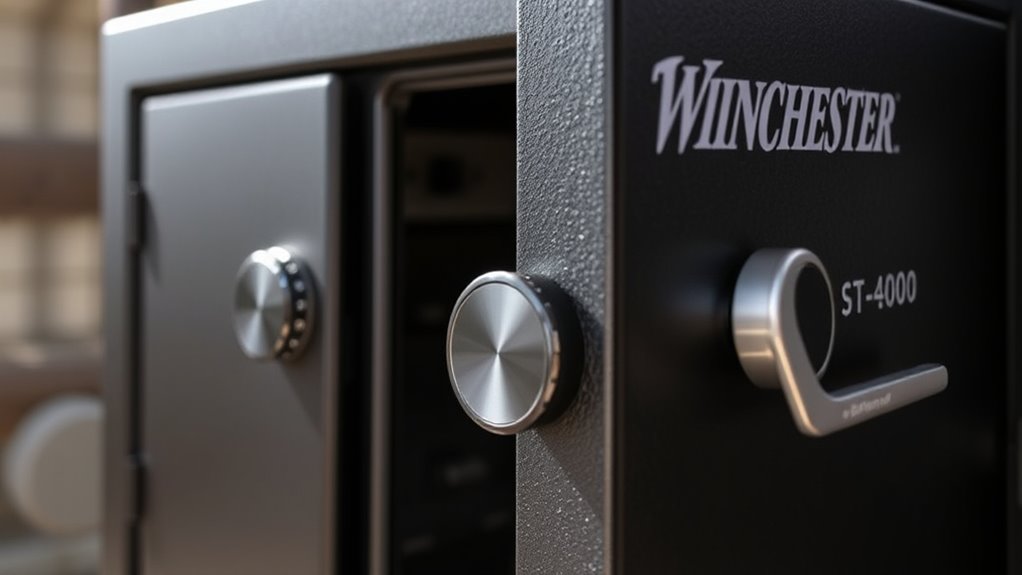
Open a Winchester Gun Safe: A Step-by-Step Guide
Many people struggle with opening their Winchester gun safe when they need it most. Whether it’s a new safe or one that’s seen some wear, gaining quick access can sometimes be frustrating. You’re not alone in facing these challenges, but don’t worry — with a little patience, you can get your safe open and secure your valuables again.
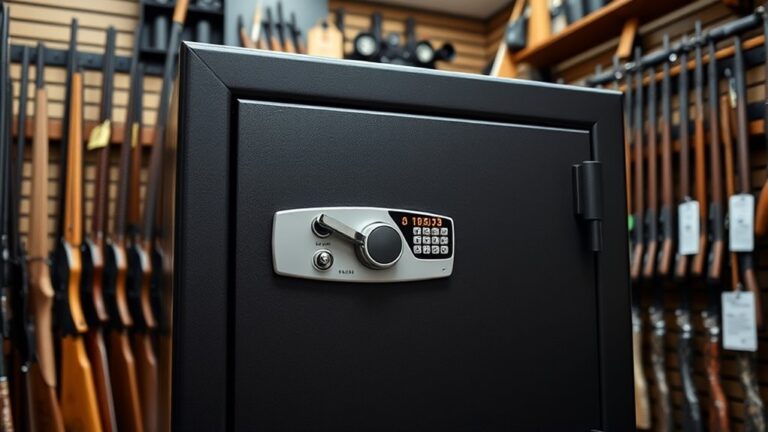
To open your Winchester gun safe, start by ensuring the batteries are fresh and entering your code on the keypad. If it doesn’t open, try using the mechanical key or check for a manual override inside the safe.
For stubborn jams, inspect for debris, replace batteries, or gently lubricate lock parts. If you still can’t access it or suspect damage, getting professional help is wise.
Keep going for detailed steps to gain entry to your safe with confidence.
Key Takeaways
- Identify the type of lock: electronic keypad, mechanical dial, or biometric scanner.
- Check and replace batteries if the electronic lock isn’t responding.
- Use the correct code or key to unlock, following the manual instructions.
- If the safe jams, inspect for debris and try applying some graphite lubricant.
- If it still won’t open or is stuck, it’s a good idea to contact a locksmith for help.
How Do Winchester Gun Safes Lock and Unlock?
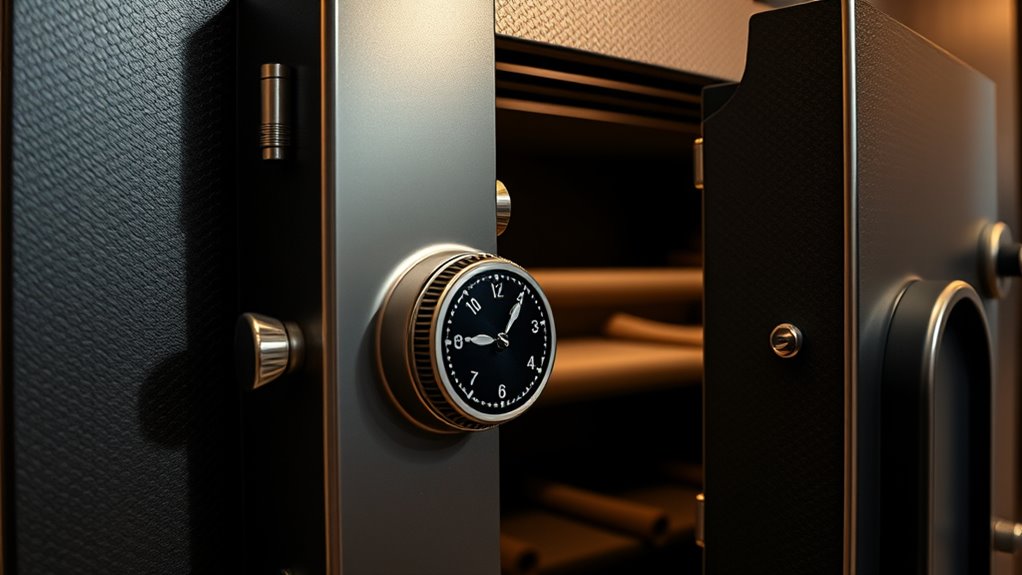
Winchester gun safes usually lock and unlock with a mix of mechanical and electronic parts. When you enter your code or set the combination, the electronic keypad talks to the lock’s motorized system, which then releases the bolt.
Some models also have mechanical backup locks, like keys or manual turn bolts, in case the electronic system stops working. To open the safe, you start by typing your code on the keypad, which electronically disengages the locking bolts.
If your safe has a mechanical key backup, you’ll need to insert the key into the designated lock to open it manually. This dual system ensures you can access your safe reliably while keeping it secure from unauthorized users.
Finding Your Winchester Safe’s Manual and Key Parts
To open your Winchester safe, you first need to find its manual and identify the key parts. The manual gives you the important instructions you’ll need.
Knowing key components like the lock mechanism and keypad helps you understand how your safe works. Recognizing these parts makes opening it easier.
Having these basics ready will make the process smoother and less frustrating.
Locating the Manual
Finding the manual for your Winchester gun safe is an important first step to understanding how to operate and troubleshoot your lock. Check your original packaging or purchase receipt, as the manual often comes with the safe.
If you didn didn’t keep it, visit Winchester’s official website or contact their customer service. They often provide downloadable PDFs of manuals. Local locksmiths or safe dealers might also have copies or be able to help you find one.
Sometimes, manuals are stored inside the safe itself, especially if you’ve already used it. Having the manual on hand gives you detailed instructions, diagrams, and safety info that can save you time and frustration when opening or servicing your safe.
Identifying Key Components
Locating the manual and key parts of your Winchester safe is essential for proper operation and troubleshooting.
First, identify the lock mechanism, which could be a keypad, dial, or biometric scanner.
Check inside or outside the safe for labeled parts like the handle, bolt, and hinge points.
The door latch and locking bolts are important components you’ll need to understand.
Look for a diagram or parts list in your manual that labels these clearly.
Familiarize yourself with the location of the key override, if your safe has one, and the battery compartment, often hidden inside the door or at the back.
Knowing where these key components are will make opening, maintaining, and troubleshooting your Winchester safe much easier.
How to Use the Mechanical Key to Open Your Winchester Safe
Using the mechanical key is simple and allows you to open your Winchester safe quickly and securely. First, find the keyhole, usually on the front of the safe door.
Insert the mechanical key fully into the lock cylinder. Turn the key clockwise until you feel it stop, which means the lock has disengaged.
Once the lock is released, gently pull the safe door open. If it resists, don’t force it—double-check that the key is fully turned and properly inserted.
Keep the key in the lock while opening to ensure it stays released. After you’ve opened the safe, store the key somewhere safe and accessible for next time.
This easy method gives you reliable access when electronic options aren’t working or aren’t available.
What to Do When Your Winchester Safe Won’t Open?
If your Winchester safe won’t open, start by checking the battery power if it’s electronic. Low batteries can prevent the lock from working properly.
If the batteries seem fine, try resetting the lock according to the manufacturer’s instructions.
If these steps don’t do the trick, it’s best to call in a professional. They can help avoid damaging the lock or safe.
Check Battery Power
When your Winchester safe won’t open, check the battery power first. Low or dead batteries can stop the electronic lock from working properly.
Open the battery compartment, usually located inside the keypad or on the door. Remove the old batteries and replace them with fresh, high-quality alkaline batteries.
Make sure you insert the batteries correctly, matching the positive and negative terminals. After replacing them, try entering your code again.
If the safe still won’t open, double-check that the batteries are seated firmly and making good contact. Weak batteries can cause intermittent issues, so replacing them often fixes the problem and gets your lock working again.
Reset Lock Mechanism
Sometimes, the lock mechanism inside your Winchester safe can become misaligned or stuck, preventing it from opening even with the correct code. To reset the lock, first, make sure the safe is powered on and the keypad responds.
If needed, turn off the safe and disconnect the power source. Wait a few minutes, then reconnect and turn it back on.
Enter the reset mode by pressing a specific sequence, often detailed in your safe’s manual. This might involve pressing and holding certain buttons.
Follow the prompts to recalibrate or reset the lock mechanism. If the lock stays unresponsive, gently wiggle the keypad or dials to realign internal parts.
Resetting the lock can fix minor sticking issues, but be careful not to use too much force.
Seek Professional Assistance
Despite your best efforts, your Winchester safe might not open sometimes, and trying to force it can cause more damage. It’s usually best to get professional help in these situations. Locksmiths or safe technicians have the right tools and experience to open stubborn safes without messing up the lock.
They can identify issues like jammed locks, broken parts, or electrical problems that might be out of your skill level. Forcing the safe yourself could also void your warranty or lead to costly repairs down the line.
Reach out to a reputable professional who specializes in gun safes. Be ready to show proof of ownership and provide any relevant codes or keys. Getting professional help ensures your valuables and the safe stay safe and intact.
How to Open a Jammed Winchester Safe Safely
A jammed Winchester safe can be frustrating, but staying safe and patient is the best approach. Avoid forcing the handle or trying aggressive methods, as this can cause damage.
Start by checking for obstructions or debris in the lock or hinges. Use a flashlight to carefully inspect the locking mechanism so you can spot any issues.
If the lock seems to be malfunctioning, gently apply a lubricant like graphite powder to the keyhole or dial. Avoid using oil or excessive force, which could make the jam worse.
Don’t try to force the dial or handle if resistance increases. Work slowly and gently to free the jam, stopping if you feel significant resistance.
If these steps don’t work, it’s best to call a professional locksmith. They have the tools and expertise to resolve the problem safely.
Here’s a quick reference:
| Step | Action | Caution |
|---|---|---|
| Inspect the lock | Look for debris or obstructions | Avoid forcing parts |
| Lubricate the mechanism | Use graphite or silicone spray | Don’t use oil |
| Gently turn the dial/handle | Slowly work to free the jam | Stop if resistance increases |
| Call a locksmith | When unsure or persistent issue | Professional help recommended |
How to Reset or Change Your Winchester Safe’s Combination
Resetting or changing your Winchester safe’s combination is pretty simple and something you can do yourself if you follow the right steps.
First, find the reset lever or switch inside the safe, usually near the keypad or behind the door panel. Turn on the safe’s power, then press and hold the reset button or switch.
While holding it, enter your new combination on the keypad. Release the reset button once you’ve entered the new code. If your safe uses a different method, check your user manual for specific instructions.
Don’t forget to test the new combination several times to make sure it works smoothly. Keep your new code secure and don’t share it with others.
This simple process helps you stay in control of your safe’s access.
Troubleshooting When the Power or Electronics Fail
If your Winchester safe isn’t responding after resetting the combination or trying to access it, the problem might be due to a power or electronic failure.
First, check the batteries since weak or dead batteries often cause malfunctions. If replacing them doesn’t help, inspect the power supply connections for damage or loose wires.
Sometimes, a reset or power cycle can fix electronic glitches. If the safe still won’t open, review the troubleshooting table below:
| Issue | Possible Cause | Solution |
|---|---|---|
| No response after input | Dead batteries | Replace batteries |
| Keypad not responding | Power connection issue | Reconnect or replace wiring |
| Safe locked but power on | Electronic glitch | Perform a reset or call support |
| Audible beeping or errors | Faulty electronic components | Contact professional repair |
Tips for Maintaining Your Winchester Safe for Reliable Access
Regular maintenance is key to making sure your Winchester safe stays reliable and ready whenever you need it. Start by inspecting the lock and keypad regularly for dust or debris that could interfere with its operation.
Keep the locking mechanism clean and lubricated with a graphite-based lubricant. Avoid oil-based products because they can attract dirt and cause problems over time.
Use graphite lubricant on locks; avoid oil-based products to prevent dirt buildup and future issues.
Test the electronic keypad periodically to make sure it responds correctly. Remember to replace the batteries at least once a year to prevent unexpected power failures.
Check the hinges and door seals for any signs of wear. Clean the interior with a soft cloth to prevent rust and corrosion.
Finally, keep your safe in a stable environment, avoiding extreme temperatures or humidity. Proper upkeep ensures smooth access, extends the safe’s lifespan, and reduces the chances of lockouts or malfunctions.
When to Contact a Locksmith for Winchester Safe Issues
Even with proper maintenance, sometimes issues with your Winchester safe need a professional touch. If you can’t open it despite entering the correct combination or key, it’s a good idea to call a locksmith.
Likewise, if the lock mechanism is jammed or damaged beyond your repair skills, a locksmith can fix it safely without causing more damage. If you hear strange noises, notice slow response times, or can’t access your safe at all, don’t try to force it open.
Forcing it could make the problem worse. Also, if you suspect someone has tampered with your safe or if there’s a security breach, a locksmith can evaluate and improve your safe’s security.
When you’re unsure about how serious the issue is, calling a professional is always the safest choice. It helps keep your valuables protected and ensures the problem gets handled right.
Preventative Tips to Avoid Future Lockouts
Taking proactive steps can greatly reduce the chances of locking yourself out of your Winchester safe. First, always keep an up-to-date record of your combination or access code in a secure location separate from the safe.
Consider using a digital lock with a backup keypad or biometric access for added security and convenience. Regularly test your lock’s functionality to catch potential issues early.
Avoid sharing your code with others unless necessary, and change it periodically for extra safety. Keep a spare key or backup combination stored securely, such as in a safe deposit box.
Finally, familiarize yourself with your safe’s locking mechanism and maintenance requirements so you’re confident in its operation when needed. These simple steps help prevent accidental lockouts and guarantee quick access when it matters most.
Quick Tips for Immediate Access in Emergencies
When an emergency happens and you need quick access to your Winchester safe, knowing fast methods to open it can really make a difference. Stay calm and try these tips.
| Method | Quick Tip | Best Use Case |
|---|---|---|
| Override Key | Keep your backup key in a secure spot | Lost code or digital failure |
| Reset Code | Use the emergency reset feature | Forgetting the combination |
| Manual Lock Release | Check if there’s a manual release lever | Mechanical malfunction |
| Phone Assistance | Call Winchester support for guidance | When other methods don’t work |
| Regular Drills | Practice opening your safe regularly | Preparing for real emergencies |
These tips help you act quickly, ensuring safety and access when every second counts.
Frequently Asked Questions
Can I Open My Winchester Safe Without the Key or Code?
You can’t open your Winchester safe without the key or code because they’re made for security. If you’ve lost both, try reaching out to Winchester’s customer service for help or see if you have a backup key or override option.
Avoid forcing the lock because that could cause damage. If nothing works, it’s best to call a professional locksmith who specializes in safes. They can open it safely without causing any harm.
What Should I Do if the Keypad Is Unresponsive?
When your keypad acts like a stubborn mule, try disconnecting the battery temporarily; this can reset the system.
Check for loose wires or corrosion, and make sure you’re entering the correct code.
If it’s still unresponsive, consult your user manual or contact Winchester customer support.
Sometimes, your safe just needs a little coaxing, like a gentle nudge, to wake up and work smoothly again.
How Often Should I Change the Battery in My Winchester Safe?
You should change the batteries in your Winchester safe at least once a year, or whenever you notice the keypad is slow or unresponsive.
Regularly checking the battery indicator, if available, helps you understand when it’s time to replace them. Using high-quality, fresh batteries ensures your safe operates reliably.
Don’t wait until the safe won’t open. Proactive maintenance keeps everything running smoothly and prevents unexpected lockouts.
Is It Safe to Force Open a Stuck Winchester Safe?
No, it’s not safe to force open a stuck Winchester safe. Doing so could damage the locking mechanism or the safe itself, making it harder to open later or compromising its security.
Instead, try checking the batteries, using the backup key, or reaching out to a professional locksmith or Winchester customer support. Forcing it open risks costly repairs and could void your warranty.
Can I Install Additional Locks or Security Features?
Yes, you can add extra locks or security features to your Winchester gun safe. First, check your safe’s manufacturer guidelines to make sure it’s compatible.
You might consider adding a secondary lock, like a padlock or biometric lock, to boost security. You could also install alarms or surveillance systems for extra protection.
It’s usually a good idea to talk to a professional locksmith. They can ensure proper installation and help keep your safe’s integrity and warranty intact.
Conclusion
So, next time you find yourself locked out or facing a jam, remember that your Winchester safe is more manageable than it seems. Sometimes, just a simple step or two is all you need.
Keep your manual nearby, stay calm, and follow these tips. Knowing how to open your Winchester gun safe can turn a stressful moment into a quick fix.
Just like finding a forgotten key in your pocket when you need it most, understanding how to open your safe makes all the difference.