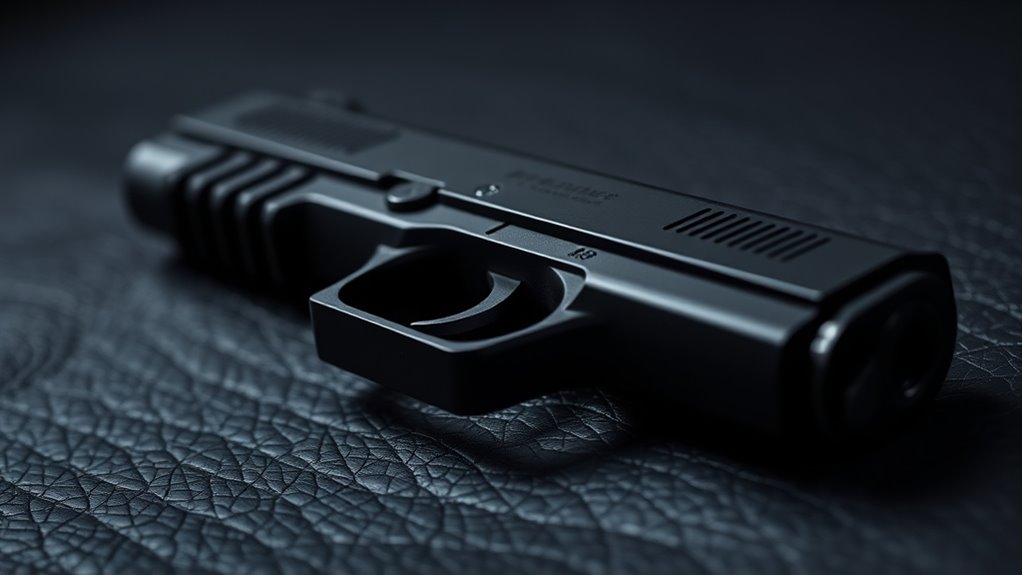
What Makes Striker Fired Guns Safe?
Many gun enthusiasts and new shooters alike worry about safety when handling firearms. It’s a common concern—especially with the variety of gun types out there. If you’re considering a striker-fired gun, you’re not alone in wanting to understand what makes these pistols safe to use.
Striker-fired guns are safe because they incorporate multiple safety features like trigger safeties that require firm pressure, firing pin block systems that prevent accidental discharge, and drop safety mechanisms that activate during falls.
These internal safeties, combined with proper handling practices and user-friendly design, help prevent unintended shots.
If you keep exploring, you’ll uncover how these features work together to make striker-fired pistols safer to handle and carry.
Key Takeaways
- Multiple internal safety mechanisms, like trigger safeties and firing pin blocks, help prevent accidental discharges.
- Drop safety features make sure the gun won’t fire if it’s dropped or hit accidentally.
- Heavier trigger pulls and carefully designed triggers also reduce the chance of unintentional firing.
- Proper handling practices are key—keeping your finger off the trigger and storing the gun safely makes a big difference.
- User-friendly features like ergonomic grips and safety indicators encourage responsible firearm use.
Understanding Safety Features in Striker-Fired Pistols
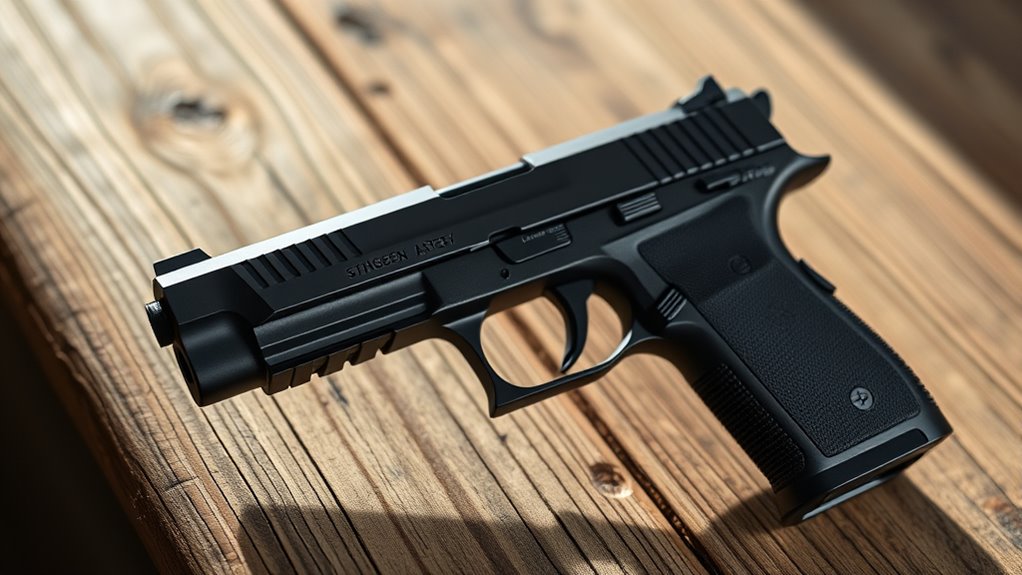
Understanding the safety features in striker-fired pistols is crucial for responsible firearm use. These pistols have multiple safety mechanisms to prevent accidental discharges.
Many models include internal safeties like trigger safeties, which need firm pressure to fire, and firing pin safeties that block the pin from moving unless the trigger is fully pressed.
Some pistols also have drop safeties to prevent discharge if the gun is dropped. External safety levers or switches are less common but may be found on certain models.
Getting familiar with these features helps ensure safe handling and reduces the risk of unintentional firing.
How Trigger Safety Stops Unintentional Discharges
Trigger safety mechanisms are key to stopping unintentional discharges in striker-fired pistols. They act as a barrier, making sure the gun only fires when you intentionally press the trigger. When you grip the pistol correctly, your finger naturally stays outside the trigger guard, helping prevent accidental pulls.
Here are four ways trigger safety stops help avoid accidental firing:
- Trigger shoes or pads: They give a textured surface, making it harder to squeeze accidentally.
- Trigger safeties: They require deliberate pressure, stopping accidental presses.
- Reset mechanisms: They ensure the trigger is fully released before you can fire again.
- Trigger pull weight: Heavier pulls make accidental discharges less likely during handling.
All these features work together as a layered safety system, giving you peace of mind in different situations.
What Firing Pin Block Systems Do for Your Safety
Firing pin block systems are key safety features that help prevent accidental discharges if your gun is dropped or mishandled. They lock the firing pin in place until you intentionally pull the trigger, which reduces the chance of an unintended shot.
This mechanism acts as an extra layer of security, especially in high-stress situations or if you accidentally bump the firearm. It’s designed to keep you safe when handling your gun.
| Benefit | Explanation |
|---|---|
| Prevents accidental discharge | Locks firing pin until you deliberately pull the trigger |
| Improves safety | Adds a safeguard during handling or if the gun falls |
| Boosts confidence | You can handle your gun more securely knowing it’s protected |
Why Drop Safety Features Are Critical
Drop safety features are essential because they prevent accidental discharges if your firearm is dropped or knocked over. Without these features, a simple fall could cause your gun to fire unintentionally, risking injury.
Imagine your firearm tumbling off a table, falling from your holster, or slipping from your grip. Drop safety mechanisms guarantee that such incidents don’t lead to dangerous discharges.
Picture a gun bouncing off the floor without firing, with the trigger remaining inactive during a fall. Internal safeties engage instantly to block the firing pin, keeping you safe.
The firearm lands safely without a discharge, even if it hits the ground hard. These features are critical for keeping you and those around you safe, especially in unpredictable situations.
They add an important layer of security, preventing tragic accidents from everyday mishaps.
Grip Safety: How Your Hand Keeps the Gun Safe
Your grip plays an essential role in keeping your gun safe. Proper hand placement ensures the safety mechanism activates correctly.
When you hold the gun firmly and correctly, your hand helps engage the grip safety as intended.
Proper Hand Placement
Proper hand placement is essential for safety when handling a striker-fired gun. Your grip affects how securely you control the firearm and helps prevent accidental discharges. To stay safe, focus on these key points:
Wrap your dominant hand firmly around the grip, making sure your fingers are high on the frame.
Place your support hand’s fingers against the front of the trigger guard, avoiding any contact with the trigger.
Keep your thumbs aligned along the frame, not wrapping around the gun.
Maintain a firm, consistent grip to prevent slipping during firing.
Activation of Safety Mechanism
Since grip safety depends on your hand’s position, it’s important to keep the right pressure and placement. This helps ensure the firearm only fires when you intend it to.
When you hold the gun correctly, your grip activates the safety mechanism. This prevents accidental discharges and keeps things safe.
Consistent grip pressure keeps the safety engaged until you deliberately pull the trigger. An improper grip can deactivate the safety, which increases the risk of accidental firing.
To put it simply, here’s a quick comparison:
| Proper Grip | Risks of Improper Grip |
|---|---|
| Activates safety | Safety might turn off unintentionally |
| Ensures control | Raises chances of accidental discharge |
| Promotes safe handling | Reduces your control and safety |
| Consistent pressure | Leads to inconsistent safety activation |
Best Handling Practices for Safe Shooting
Practicing best handling techniques is essential for safe shooting with striker-fired guns. Focus on control, awareness, and responsibility at all times. Always keep your finger off the trigger until you’re ready to shoot. Point the gun in a safe direction, making sure there’s no risk of accidental discharge.
Before firing, confirm your target and what’s beyond it. This helps prevent accidents and ensures you’re shooting safely. Handle your gun with respect, knowing its power and potential risks.
Here are four key practices to keep in mind:
- Keep your finger outside the trigger guard until you’re ready to shoot.
- Always assume the gun is loaded and handle it carefully.
- Use a firm grip to maintain control during firing.
- Store your gun securely when you’re not using it.
Following these habits guarantees safe, responsible handling every time you shoot.
Regular Maintenance Tips to Keep Your Gun Safe
Regular maintenance is essential to keep your striker-fired gun safe and reliable. Make sure to clean your firearm regularly, removing residue and debris that could cause malfunctions.
Check for wear or damage, paying close attention to the firing pin, extractor, and springs. Lubricate moving parts sparingly to prevent rust and keep everything operating smoothly.
Store your gun in a safe, dry place to avoid corrosion and unauthorized access. Proper storage is key to keeping everyone safe.
| Keep It Safe | Feel Confident |
|---|---|
| Regular cleaning | Trust your firearm’s safety |
| Routine checks | Stay prepared in critical moments |
| Proper storage | Protect loved ones |
| Timely repairs | Maintain peace of mind |
Choosing a Safe Striker-Fired Pistol: What to Look For
When choosing a striker-fired pistol, make sure it has reliable safety features to prevent accidental discharges. You want to feel confident that the gun won’t go off unless you intend it to.
A consistent trigger pull is important for shooting accurately and confidently. It helps you develop better control and makes shooting more predictable.
User-friendly handling is key for safe operation. A pistol that’s easy to manage reduces the chance of mistakes and makes the whole experience more comfortable.
Keep these points in mind to pick a firearm that’s both safe and easy to handle.
Reliable Safety Mechanisms
Choosing a striker-fired pistol with reliable safety mechanisms is key to making sure you handle and operate it safely. You want features that prevent accidental discharges and give you confidence with every shot.
Look for these important safety features:
- Manual safety switch – a lever or button you can engage to lock the trigger and stop it from firing.
- Trigger safety – a built-in lock that needs deliberate pressure to fire, helping reduce accidental pulls.
- Firing pin block – a safety that stops the firing pin from moving forward unless you intentionally pull the trigger.
- Drop safety – a mechanism that prevents the gun from firing if dropped, so it won’t go off unexpectedly.
Prioritize these safety features to improve your firearm’s safety and give you peace of mind.
Consistent Trigger Pull
A consistent trigger pull is key for safe and accurate shooting because it helps you stay in control and be precise. It also reduces the chance of accidental discharges or missing your shot.
When the trigger feels the same every time, you can develop a smooth, predictable pull. This minimizes surprise and hesitation, making shooting more comfortable and confident.
This consistency lets you focus on your aim instead of adjusting your grip or anticipating the shot. Look for a striker-fired pistol with a trigger that has a clean break and minimal stacking, which shows good design.
A trigger with a short, crisp pull allows for faster response times and boosts your confidence in handling the firearm safely. Overall, a consistent trigger pull improves both safety and shooting accuracy.
User-Friendly Handling
Selecting a striker-fired pistol that’s easy to handle can really boost your safety and confidence. When choosing one, look for features that make it simple and comfortable to operate.
Think about these key points:
- Ergonomic grip – gives you a secure hold and helps prevent slips.
- Lightweight design – keeps fatigue away during longer use.
- Smooth trigger pull – makes firing precise without jerks.
- Clear safety indicators – let you quickly check if the gun is ready or safe to carry.
A pistol with these features feels natural in your hand. It’s less likely to be mishandled, which reduces accidents. Plus, user-friendly handling makes carrying and using your firearm safer overall.
Common Myths About Striker-Fired Gun Safety
Many people think striker-fired guns are unsafe or more likely to accidentally go off, but that’s actually a misconception. These guns have a consistent trigger pull and strong safety features that make them safer when used properly.
The idea that they’re easier to accidentally fire often comes from misunderstanding how their safety mechanisms work. In reality, striker-fired guns usually have internal safeties that stop them from firing unless the trigger is intentionally pulled.
If you handle the firearm correctly and understand its safety features, these guns are just as safe as other types. The key is knowing how your gun works and respecting its safety mechanisms, not fearing the gun itself.
Education and proper handling are what really ensure safe use.
Training and Education: The Key to Safe Gun Use
To stay safe with striker-fired guns, you need to master proper handling techniques and keep your skills sharp through ongoing training.
Regular practice helps you respond confidently and reduces the risk of accidents. Investing in education guarantees you remain responsible and prepared in any situation.
Proper Handling Techniques
Proper handling techniques are essential for ensuring safety when using striker-fired guns, and this begins with thorough training and education. You need to understand how to handle your firearm confidently and responsibly.
Focus on these key practices:
- Keep your finger off the trigger until you’re ready to shoot, preventing accidental discharges.
- Always point the gun in a safe direction, avoiding any unintended harm.
- Maintain a firm grip and proper stance to control recoil and follow-through.
- Regularly check that the firearm is unloaded when not in use, and handle it with respect.
Mastering these techniques helps prevent accidents and promotes safe gun use, making your experience both secure and responsible.
Continuous Skill Development
Continuously developing your skills through ongoing training and education is essential for maintaining safe gun use. Regular practice keeps your techniques sharp and reinforces safety habits, which helps reduce the risk of accidents.
Enroll in certified courses, attend workshops, and stay updated on best practices. Practice proper handling, aiming, and shooting in controlled environments to build confidence and competence.
Educating yourself about the mechanics and safety features of your striker-fired gun helps you use it responsibly. Remember, skills can fade without consistent effort, so make training a routine.
Developing good habits through continuous learning guarantees you’re prepared for real-life situations. Ultimately, ongoing education empowers you to handle your firearm safely, confidently, and responsibly at all times.
Frequently Asked Questions
How Do Striker-Fired Guns Compare to Other Pistol Safety Mechanisms?
Striker-fired guns are generally safer than some other pistols because they rely on a consistent trigger pull and often include internal safeties that prevent accidental discharge.
Unlike hammer-fired guns, they don’t have external hammers that can snag or catch, which reduces the risk of accidental firing.
However, they still need careful handling since their safety depends on proper trigger discipline.
Are There Specific Brands Known for Higher Safety Standards?
Some brands are known for higher safety standards in striker-fired guns. You should look into Glock, Smith & Wesson M&P, and Sig Sauer because they incorporate advanced safety features like trigger safeties, internal safeties, and manual safeties.
These brands prioritize user safety through rigorous testing and quality control. When choosing, consider models with multiple safety mechanisms and always follow proper handling procedures to guarantee maximum safety.
Can Safety Features Be Easily Overridden or Disabled?
Safety features in striker-fired guns are designed to be secure, but sometimes they can be overridden or disabled. It’s like a lock that’s just a little too easy to pick. Manufacturers include multiple safeguards, but determined users might find ways to get around them.
Still, these guns aren’t inherently unsafe. They depend on responsible handling and proper maintenance. Always follow safety protocols and never try to disable safety features on purpose.
What Role Does User Training Play in Safety Beyond the Gun’s Features?
You play an essential role in safety through proper training. When you understand how your firearm works, including trigger discipline and handling procedures, you reduce accidental discharges.
Regular practice builds your confidence and reflexes, helping you respond correctly under stress. Training also emphasizes safe storage and transportation, preventing unauthorized access.
Ultimately, your knowledge and habits are key to maintaining safety, even with advanced safety features on your striker-fired gun.
How Do Environmental Conditions Affect the Safety of Striker-Fired Pistols?
In the age of steam and smartphones, environmental conditions greatly impact striker-fired pistols’ safety. Moisture, dirt, or extreme temperatures can cause malfunctions or accidental discharges.
You need to keep your firearm clean and dry and avoid exposing it to harsh environments. Always inspect your pistol before use, especially after harsh weather, to make sure it functions properly.
Proper maintenance and awareness help prevent accidents, regardless of your surroundings.
Conclusion
Understanding the safety features of striker-fired guns is like having a reliable safety net—trustworthy and there when you need it.
By knowing how trigger safety, firing pin blocks, drop safety, and grip safety work, you can handle your firearm confidently and responsibly.
Remember, regular maintenance and proper training are your best tools. Think of them as the anchor that keeps everything steady.
Stay informed and safe, just like a seasoned pro steering through a busy street. Main keyword: striker-fired guns.