Why Is Steel Case Ammo Considered Bad?
If you’re into shooting, you’ve probably heard some folks say steel case ammo is a no-go. Many shooters struggle with reliability issues and worry about their guns taking a hit. You’re not alone in this—these concerns are pretty common.
Steel case ammo is often considered bad because it can cause reliability issues, like jams and failures to chamber, especially in older or less robust firearms.
It also wears down chambers and internal parts faster due to its hardness, potentially reducing your gun’s lifespan. Moreover, steel cases may lead to increased fouling and reduced accuracy over time.
Keep exploring to uncover how these factors could impact your shooting experience even further.
Key Takeaways
– Steel cases can cause feeding and extraction issues, which might lead to jams and malfunctions in your firearm.
They tend to accelerate chamber wear and can potentially damage your gun over time.
Plus, steel ammo may reduce accuracy because of increased fouling and inconsistent performance.
Cleaning also becomes more difficult due to higher residue buildup, so you’ll need to do more maintenance.
Steel cases are less flexible, which increases the risk of firearm damage, especially in older or less robust guns.
What Is Steel Case Ammo, and Why Is It Cheaper?
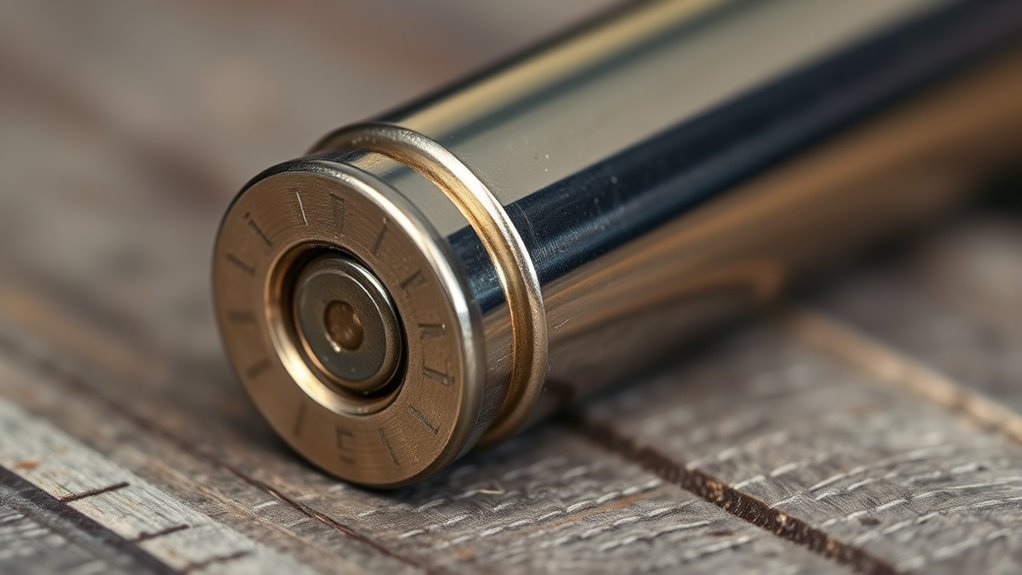
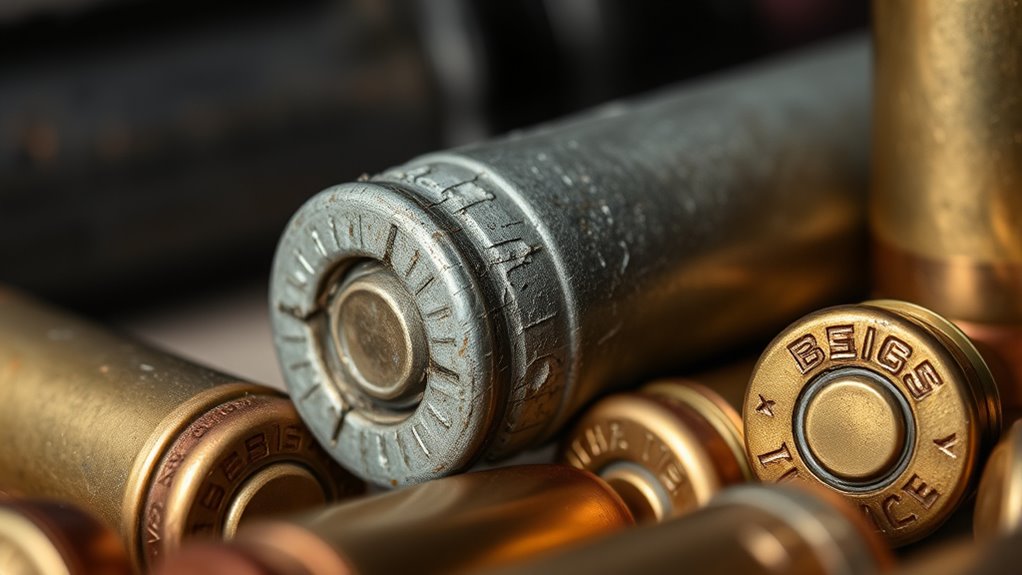
Steel case ammo is a type of ammunition where the shell casing is made mainly from steel instead of the more common brass. Steel casings are cheaper to produce because steel costs less than brass, which takes more processing. Manufacturing steel casings also needs less energy, helping to cut costs further.
This cost efficiency makes steel case ammo an attractive choice for shooters wanting to save money, especially when shooting a lot. Plus, steel cases are often made in countries with lower manufacturing costs, which keeps prices down.
While they might have some downsides, their affordability is a big reason many shooters prefer steel case over brass. Overall, the lower production costs make steel case ammo a more budget-friendly option for your shooting needs.
Do Shooters Consider Steel Case Ammo Less Reliable?
Many shooters worry that steel case ammo might cause feeding or extraction problems in their firearms. They also notice increased barrel wear over time and wonder if reliability varies between brands.
These concerns lead some to question whether steel cases can match the dependability of traditional brass ammo.
Feeding and Extraction Issues
Feeding and extraction issues are common concerns for shooters using steel case ammunition. Steel cases are usually less flexible than brass, which can cause feeding problems.
You might notice jams or failures to chamber rounds smoothly. Extraction can also be tricky because steel grips the chamber more tightly, making it harder to eject spent cases.
This increased resistance can lead to stovepipes or failures to eject, especially in firearms not designed for steel cases. Plus, some guns may experience more wear or damage over time due to the harder steel surface.
While many modern firearms handle steel case ammo well, older or less robust guns are more prone to these issues. Being aware of these potential problems helps you decide if steel case ammo fits your shooting needs.
Increased Barrel Wear
While steel case ammo can cause feeding and extraction issues, many shooters worry about how it affects their barrel’s lifespan. Steel cases are generally harder than brass, which can speed up wear on your firearm’s barrel over time.
The increased friction during firing creates more rapid erosion of the barrel’s rifling, which can lead to decreased accuracy and a shorter lifespan. This wear isn’t usually immediate but builds up with frequent use.
If you shoot often or regularly use steel cases, you might notice the rifling starting to become less distinct. While steel cases are cheaper, they can compromise your gun’s long-term reliability by accelerating barrel degradation.
Over time, this increased wear can shorten your firearm’s effective service life, making it less reliable and accurate in the long run.
Variability in Reliability
Shooters often wonder if steel case ammo can be trusted to perform consistently, especially compared to brass casings. Variability in reliability is a common concern, as steel cases can sometimes cause inconsistent chambering, misfeeds, or failures to fire.
You might notice that some steel rounds cycle perfectly, while others jam or don’t ignite properly. This inconsistency can come from differences in manufacturing quality, coating thickness, or even how tightly the rounds fit your firearm.
Imagine these scenarios: a round that fails to chamber smoothly, a misfire due to inconsistent primer seating, or variations in extraction and ejection performance. These issues make steel case ammo seem less dependable, especially in high-stakes or high-volume shooting situations.
How Does Steel Case Ammo Affect Your Gun’s Wear and Longevity?
Steel case ammo can cause increased chamber wear over time because of its harder material. The abrasive contact between steel and your gun’s parts might speed up erosion, especially if you shoot a lot.
Knowing these effects helps you decide whether saving money is worth the potential long-term damage to your firearm.
Increased Chamber Wear
Steel case ammo can speed up chamber wear because its harder construction creates more friction and pressure when firing. This extra friction puts more stress on your gun’s chamber during each shot, gradually wearing down the metal.
Over time, this wear can cause the chamber to become looser, which may affect accuracy and reliability. You might notice deep gouges or scratches inside the chamber, slight expansion or deformation of the chamber walls, or a rougher, more resistant feel when chambering rounds.
These signs show your firearm is taking more abuse from steel cases. Firing steel ammo regularly accelerates wear, reducing your gun’s lifespan and possibly leading to costly repairs or replacements.
Abrasive Steel Contact
The abrasive nature of steel cases means they can cause more wear on your firearm’s internal parts over time. Steel is harder than brass, so it doesn’t expand as much during firing. That can lead to increased friction against the chamber walls and other moving parts.
This constant rubbing speeds up wear on your gun’s extractor, ejector, and chamber surfaces. Over many rounds, this can cause loose-fitting parts, misfeeds, or failures to chamber rounds properly. You might notice your firearm becoming less reliable sooner than with brass cases.
While steel cases are often cheaper, their abrasive qualities mean you could need more maintenance. Shooting large volumes regularly might even shorten your gun’s lifespan.
Potential Barrel Erosion
Although steel case ammo is often praised for its affordability, it can speed up barrel erosion over time. The harder steel cases cause more friction and heat when firing, which wears down the barrel’s rifling faster. This increased wear can lead to decreased accuracy and the need for sooner barrel replacements.
As you shoot more, you might notice the rifling starting to smooth out, which reduces bullet stability. Heat buildup can also cause micro-cracks in the barrel lining. Plus, residue from steel cases can accelerate metal fatigue.
Over many rounds, this erosion weakens the barrel’s structure, shortening its lifespan. If you shoot often, steel case ammo can impact your gun’s longevity, leading to costly repairs or replacements sooner than with traditional brass cases.
Are Steel Cases More Prone to Causing Malfunctions?
While steel cases are often praised for their durability, they can be slightly more prone to causing malfunctions compared to brass ones. Steel’s rigidity makes it less flexible, which can lead to extraction issues, especially if the chamber is tight or dirty.
You might notice more failures to eject or stove-piping, where spent casings get stuck in the chamber. Steel cases also tend to resize less consistently, causing irregular chamber fit and potential feeding problems.
Additionally, the harder steel can cause more wear on your firearm’s extractor and ejector parts over time. While these issues don’t happen with every shot, they’re more common than with brass cases, especially during long shooting sessions or with lower-quality steel ammo.
How Does Steel Case Ammo Impact Bullet Performance and Accuracy?
Steel case ammo can lead to reduced muzzle velocity, which may affect your shot’s energy and impact. It also tends to increase chamber fouling, making cleaning more frequent and challenging.
As a result, you might notice decreased shooting accuracy over time, especially during extended firing sessions.
Reduced Muzzle Velocity
Steel case ammo often results in a slightly reduced muzzle velocity compared to brass cases, mainly because of differences in the materials and how they interact with firearm chambers. This decrease can mean less energy transfer to the bullet, which can impact overall performance.
You might notice slightly slower bullet speeds, which can affect your shot placement. It also reduces ballistic efficiency, especially over longer distances. Trajectory and drop rates can vary, making long-range shooting more challenging.
These factors can influence your shooting experience, especially if you depend on consistent velocity for precision. While the differences seem small, they can add up and affect your target acquisition and accuracy, especially in competitive or tactical situations.
Increased Chamber Fouling
Increased chamber fouling is common when using steel case ammo because residues from the steel primer coatings and the case material itself tend to build up faster inside the chamber. This buildup can interfere with proper extraction and chambering of rounds, leading to malfunctions and more frequent cleaning.
Steel cases often leave behind more carbon, metallic deposits, and primer residue, which accumulate quicker than brass cases. Over time, this fouling can make the chamber sticky or hard to clean thoroughly, affecting your firearm’s reliability.
You might notice that your gun needs more maintenance and that cleaning takes more effort. While fouling doesn’t directly reduce bullet performance, it can cause issues with consistent operation and the overall lifespan of your firearm.
Decreased Shooting Accuracy
Fouling from steel case ammo can also impact your shooting accuracy. When residues build up in your barrel, they disrupt the bullet’s smooth passage, reducing precision. Steel cases often leave more fouling than brass, which makes shot placement less consistent.
You might notice slight shifts in your point of impact from shot to shot, or less tight groupings. It can also become harder to keep your accuracy over longer shooting sessions.
This fouling can cause your firearm to operate less smoothly, affecting how the bullet exits the barrel. Over time, these small deviations add up, making your shots less predictable. So, if precision matters, the fouling from steel cases could be a big obstacle to maintaining your accuracy.
Does Steel Case Ammo Make Your Gun Harder to Clean and Maintain?
While steel case ammo is often praised for its affordability and durability, many gun owners wonder if it complicates cleaning and maintenance. Steel cases tend to leave more fouling and residue in your firearm compared to brass, making cleaning a bit more involved. This buildup can require more frequent scrubbing and the use of stronger solvents.
| Feature | Impact on Maintenance |
|---|---|
| Residue Buildup | Increased, requires thorough cleaning |
| Bore and Chamber Cleaning | Slightly more difficult, needs extra attention |
| Cleaning Frequency | Slightly higher |
| Tool Wear | Less, but cleaning tools may see more use |
Proper cleaning tools and techniques help keep your firearm in top shape when using steel case ammo.
Can Steel Cases Damage Chamber and Bore Over Time?
Many gun owners wonder if shooting steel case ammo can cause long-term damage to their firearm’s chamber and bore. While steel cases are generally durable, concerns about potential harm still exist.
Over time, repeated firing may cause scratches and wear on the chamber walls because the harder steel rubs against softer metals. This can also lead to increased fouling in the bore, making cleaning more difficult.
There’s also a chance that steel cases may deform, which could cause chambering issues. But if your firearm is well-maintained and properly lubricated, damage isn’t guaranteed.
The steel’s hardness can wear down after many rounds, and reputable firearms usually handle steel cases without significant harm. Still, frequent use might speed up wear in some firearms.
Which Firearms Handle Steel Case Ammo Better?
Certain firearms are better equipped to handle steel case ammo because of their design and materials. Typically, guns with robust, chrome-lined chambers and barrels manage steel cases more effectively.
Modern pistols like Glock, Smith & Wesson M&P, and SIG Sauer models are often compatible because their chamber designs reduce stress on the steel cases. Rifles with sturdy, corrosion-resistant barrels, especially those made from durable alloys, also handle steel cases well.
On the other hand, guns with tight chambers or older firearms with softer metals may experience increased wear or feeding issues. If you plan to shoot steel case ammo regularly, choosing firearms built for high-volume or rugged use can help extend your gun’s lifespan and improve reliability.
Always check your firearm’s specifications before using steel case ammunition.
Are There Hidden Costs When Using Steel Cases?
Using steel case ammo might seem cheaper upfront, but there are often hidden costs to consider. One big concern is increased wear on your firearm’s chamber and extractor, which can lead to more frequent maintenance or repairs.
You might also need to do more cleaning because steel cases tend to leave behind more residue and fouling in your gun. Plus, some ranges charge extra fees or have restrictions because steel casings can damage their equipment or cause sparks, which increases safety risks.
These hidden costs can add up, eating into your initial savings and possibly costing you more in the long run.
How Does Steel Case Ammo Perform in Different Weather Conditions?
Steel case ammo’s performance can change a lot depending on the weather. In cold weather, the steel might become more brittle, which could lead to feeding jams or cracks.
In hot and humid environments, moisture can cause rust if you don’t store the rounds properly. This rust can affect how reliable the ammo is.
In wet conditions, steel cases tend to corrode faster than brass. Over time, this can cause feeding issues.
Here’s a quick comparison:
| Weather Condition | Performance Impact | Recommended Action |
|---|---|---|
| Cold | Increased brittleness | Store in insulated containers |
| Hot & Humid | Rust and corrosion | Keep dry and use desiccants |
| Wet | Faster corrosion | Use waterproof storage |
Knowing these factors helps you understand how steel case ammo might perform in different climates.
Does Using Steel Cases Void My Firearm’s Warranty?
Many gun owners wonder if firing steel case ammo will void their firearm’s warranty. Usually, manufacturers don’t explicitly ban steel cases, but some warranties can be affected if damage happens.
Using steel ammo might cause increased wear on extractors, which can lead to malfunctions. The ejector could also be damaged by the harder steel cases striking components. Over time, the chamber or barrel might even get scored from the harder material.
Steel ammo can cause increased wear and potential damage to firearm components over time.
Some manufacturers approve steel case use, but others warn against it. If damage occurs and it’s linked to steel ammo, your warranty could be at risk. It’s important to read your firearm’s warranty policy or check with the manufacturer before shooting steel cases.
If damage happens, your warranty might be voided, especially if steel ammo is proven to be the cause. Always consider these risks before choosing steel cases for your firearm.
Is Steel Case Ammo Suitable for Beginners and Experienced Shooters?
Is steel case ammo a good choice for both beginners and experienced shooters? For beginners, it’s affordable and easy to find, making it great for practice sessions.
However, steel cases can sometimes cause more wear on your firearm’s chamber and extractor, which might lead to malfunctions over time.
Experienced shooters, who understand their gun’s mechanics, may appreciate the cost savings but often prefer brass case ammo for its reliability and fewer extraction issues.
Steel case rounds can sometimes jam or cause feeding problems, especially with less tolerant firearms.
If you have a high-quality, modern firearm, steel case ammo might work for casual shooting. But for consistent performance and firearm longevity, many recommend sticking with brass cases.
Frequently Asked Questions
Is Steel Case Ammo Legal to Use in All Firearms?
Steel case ammo is generally legal to use in most firearms, but it’s a good idea to check your firearm’s manufacturer guidelines first.
Some guns, especially older or highly precise rifles, might have feeding issues or experience more wear with steel cases. While it’s usually safe and legal, using steel case ammo in certain firearms could void warranties or cause malfunctions.
Always double-check your firearm’s compatibility before shooting steel case ammunition to avoid any problems.
How Does Steel Case Ammo Affect Firearm Resale Value?
Steel case ammo can really hurt your firearm’s resale value, almost like it’s cursed! Potential buyers worry about more wear and tear, thinking it’ll turn their prized gun into a rusty relic.
They see steel cases as cheap and unreliable, which makes your firearm less appealing. So, if you want top dollar when selling, steer clear of steel ammo. Your gun’s future value will thank you!
Are There Environmental Concerns With Steel Case Disposal?
Yes, there are environmental concerns with steel case disposal. Steel casings don’t break down easily, and if they aren’t recycled properly, they can end up in landfills, contributing to waste.
Some steel cases are coated with paints or lacquers that contain chemicals. Over time, these chemicals can leach into the soil or water, which isn’t great for the environment.
Proper disposal or recycling helps reduce this impact. So, you’re doing the right thing by managing your steel cases responsibly.
Can Steel Case Ammo Be Recycled Safely?
Yes, steel case ammo can be recycled safely. You just need to remove the steel cases from the spent cartridges and separate them from the primers and bullets.
Most recycling centers accept steel, but it’s a good idea to check with your local facility first. Recycling steel helps reduce waste and conserves resources.
Make sure the cases are clean and free of contaminants to avoid any issues during the recycling process.
Does Steel Case Ammo Produce More Noise When Fired?
They say “actions speak louder than words,” and when firing steel case ammo, you’ll notice it produces slightly more noise compared to brass. The louder bang comes from the steel’s increased resonance and the different friction inside the barrel.
While not drastically louder, it’s enough to notice, especially in indoor ranges. So, if quiet shooting matters, steel cases might not be your best choice, but the difference isn’t huge.
Conclusion
So, next time you’re tempted by the cheap steel case ammo, remember—it’s not just about saving a few bucks. Sure, it might seem like a smart choice, but you could end up paying more in wear, malfunctions, and frustration.
Sometimes, the old adage holds true: you get what you pay for. Steel case ammo is often less reliable, which means more jams and cleaning for you.
Ironically, that bargain might just cost you more in the long run. When it comes to ammo, choosing quality steel case ammo is usually the smarter, more reliable option.