How to Tell if Ammo Is Bad: a Quick Guide
Are you tired of worrying about whether your ammo is still safe to use? You’re not alone—many shooters struggle with knowing if their cartridges are still reliable.
It’s essential to ensure your ammo is in good condition to keep your shooting safe and effective.
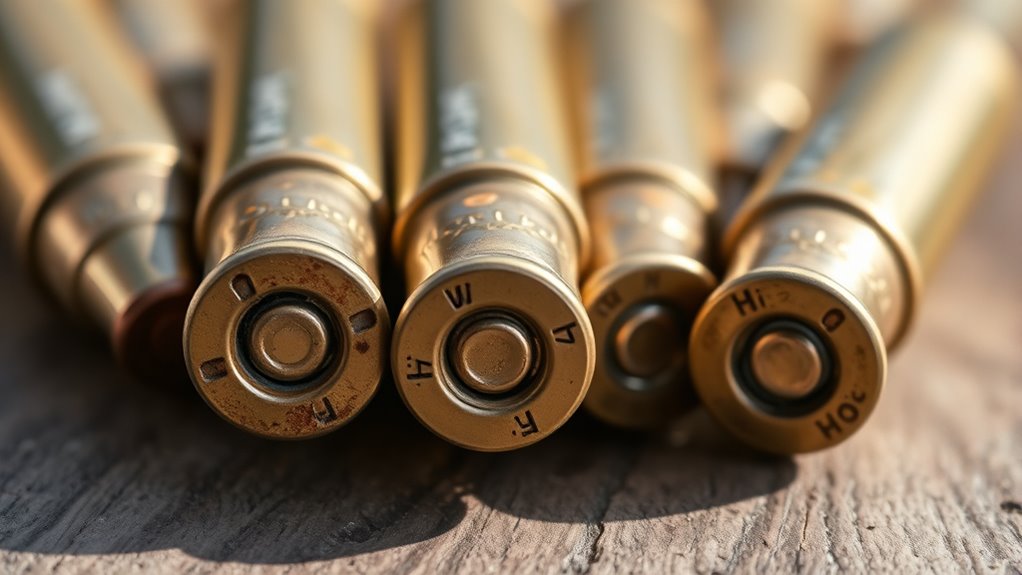
To tell if ammo is bad, carefully inspect each cartridge for visible damage like dents, cracks, corrosion, or rust.
Check primers for being pushed in, cracked, or missing, and verify the casing is intact and undamaged.
Watch for any discoloration or residue that could indicate moisture.
If you notice any signs of deterioration, avoid using it, as it may cause malfunctions or safety hazards.
For a complete guide, investigate more effective tips and safety precautions.
Key Takeaways
- Visually inspect your cartridges for any damage, corrosion, discoloration, or bulges. Take a close look at each one to catch any issues early on.
- Check the primers for dents, cracks, or if any components seem missing. A primer in good condition is key to reliable firing.
- Look for signs of moisture, rust, or residue on the ammo. These can be indicators that the cartridges might not be safe or effective.
- Also, pay attention to any unusual odors or chemical smells coming from the cartridges. If it smells off, it’s best to handle with caution.
- If you experience firearm malfunctions like misfires or jams, it could be a sign that the ammo is bad. Always prioritize safety and double-check your cartridges.
How Can You Recognize Physical Signs of Bad Ammo?
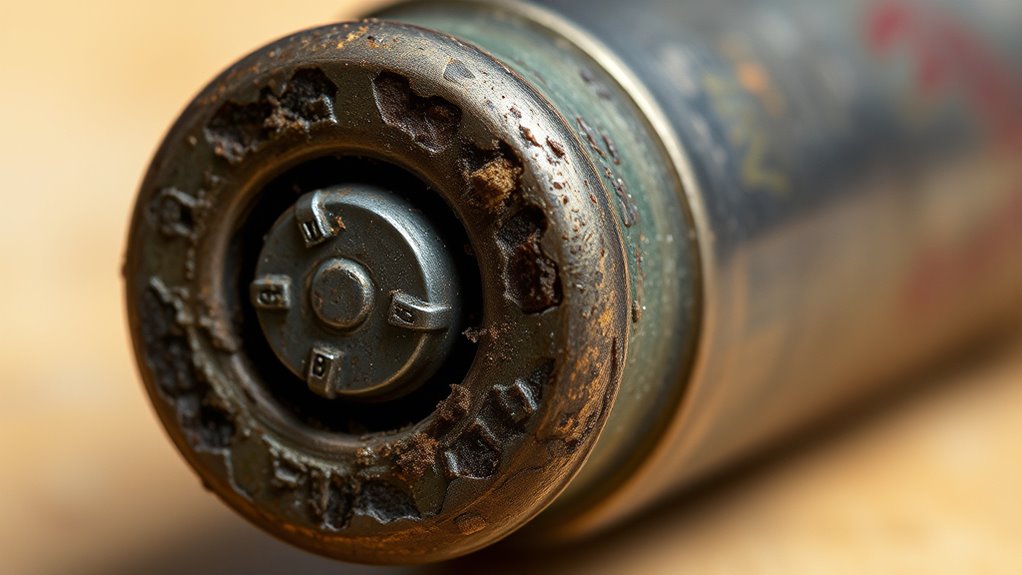
Physical signs are the clearest indicators that your ammo may be bad. When handling cartridges, inspect for any visible damage. Look for dents, cracks, or bulges in the casing—these suggest the ammo has been compromised and could malfunction or pose safety risks.
Check the primer at the base. If it’s pushed in, cracked, or missing, it’s a sign of potential issues. Discoloration, corrosion, or rust on the metal surface also indicate deterioration, which can weaken the cartridge.
Also, avoid cartridges with loose or missing components. While these signs don’t always guarantee the ammo’s safety, they’re reliable visual cues that it’s best to discard or test further before use.
Always prioritize safety by thoroughly inspecting your ammunition before firing.
What Are the Common Indicators of Damaged or Corroded Cartridges?
You should look for visible corrosion or rust on the cartridge, as these can be signs it might be damaged.
Warped or misshapen shells are also a red flag, indicating potential damage that could lead to malfunctions.
Additionally, keep an eye out for unusual odors or residue around the cartridge, which might mean it’s deteriorating or contaminated.
Visible Corrosion or Rust
Visible corrosion or rust on ammunition is a clear sign that the cartridges may be compromised and unsafe to use. Rust appears as reddish-brown patches, while corrosion can look like powdery or flaky deposits on the surface. These signs indicate that moisture has penetrated the casing, weakening the metal and potentially affecting accuracy or safety.
Rusted or corroded cartridges are more likely to misfire, jam, or cause dangerous failures when fired. If you notice any rust or corrosion, it’s best to discard those rounds. Using damaged ammunition can lead to dangerous malfunctions, including barrel obstructions or unpredictable firing.
Always inspect your ammo closely, and when in doubt, err on the side of safety by replacing compromised cartridges.
Warped or Misshapen Shells
Three common signs of damaged or corroded cartridges are warped or misshapen shells, which can affect safety and performance. If you see a cartridge with dents, bulges, or unusual shapes, it might be compromised.
Warping can happen from improper storage or exposure to extreme heat, weakening the shell’s structure. Misshapen shells might not fit properly in your firearm, causing jams or misfires.
Always check your cartridges carefully. Look for shells that are bent, cracked, or have any deformities. Damaged shells can cause dangerous failures when fired, increasing the risk of injury.
If you notice any signs of warping or misshapen shells, it’s safest to discard the cartridge and replace it with a new one. Proper inspection helps ensure safe, reliable shooting.
Unusual Odors or Residue
Have you ever noticed a strange smell or unusual residue around your cartridges? These can be signs of damage or corrosion. A foul, sour, or metallic odor suggests chemical changes or deteriorating primers.
If you smell strong chemicals or rotten odors, it’s best not to use that ammo. Residue is another warning—look for rust, powdery film, or sticky spots on the casing or bullet.
Corrosion can weaken the cartridge, making it unsafe to fire. Unusual odors and residue usually mean moisture exposure or chemical breakdown, both of which compromise the cartridge’s integrity.
Always inspect your ammo carefully. If you notice strange smells or residues, it’s safest to discard the cartridge and replace it with fresh, reliable ammunition. Safety should always come first.
How Do Firearm Malfunctions Signal Ammo Issues?
How can you tell if a firearm malfunction is pointing to bad ammo? One clear sign is frequent misfires or failure to fire, especially if the gun shoots fine with other rounds.
If your firearm jams or the slide locks back prematurely, bad ammo might be the culprit. You might notice inconsistent cartridge ejection or stovepipes, where spent cases hang in the chamber.
Sometimes, the primer may appear flattened or damaged after firing. These malfunctions often indicate compromised ammunition, like defective primers, weak powder loads, or damaged casings.
If you experience multiple malfunctions with the same batch of ammo, it’s a strong sign that the ammunition itself is the issue, not your firearm. Always stop shooting and inspect both weapon and ammo thoroughly.
Why Do Ammo Age and Storage Conditions Matter?
Your ammo’s age and how you store it directly affect its reliability and safety.
High humidity and temperature fluctuations can cause corrosion or primer failures, making your rounds less effective or dangerous.
Using proper storage techniques, like keeping ammo in a cool, dry place in sealed containers, helps maintain its quality over time.
Effects of Humidity and Temperature
Humidity and temperature play crucial roles in determining the lifespan and reliability of your ammunition. Excess moisture causes corrosion, leading to rust that weakens the casing and can cause misfires or jams.
High temperatures accelerate chemical reactions inside the cartridge, increasing the risk of primer or powder degradation. Conversely, very cold conditions can make powder less stable, affecting firing accuracy.
Fluctuations between hot and cold environments expand and contract metal components, stressing the integrity of the ammo over time. Keeping ammunition in a stable, controlled environment minimizes these risks.
If you notice corrosion, rust, or powder clumping, it’s likely due to improper humidity or temperature exposure. Proper storage conditions help preserve your ammo’s performance, safety, and shelf life.
Proper Storage Techniques
Proper storage techniques are essential to guarantee your ammunition remains reliable and safe over time. When you store ammo correctly, you minimize exposure to elements that cause deterioration, like moisture, heat, and sunlight.
Keep your rounds in a cool, dry place, ideally in a locked container or safe. Use airtight containers with desiccants to control humidity, preventing corrosion or mold.
Store different calibers separately to avoid mix-ups and accidental discharge. Avoid storing ammo in garages, attics, or places prone to temperature swings and humidity.
Regularly inspect your storage area for signs of moisture or damage. Proper storage extends the shelf life of your ammunition, ensuring it functions correctly and safely when you need it.
Following these techniques protects your investment and your safety.
How Can You Safely Test Old or Suspect Ammo?
Testing old or suspect ammunition requires caution and proper technique to ensure safety. First, visually inspect the cartridge for corrosion, cracks, or deformities.
Next, perform a gentle, tactile check by feeling for any abnormal bumps or dents. Use a safe, controlled environment, and consider using a chamber or dummy gun designed for testing.
| Inspection Step | What to Look For | Safety Tip |
|---|---|---|
| Visual Check | Corrosion, cracks, dents | Wear gloves and eye protection |
| Tactile Check | Unusual bumps, deformation | Handle gently, avoid force |
| Testing Equipment | Dummy gun or chamber | Use non-live testing tools |
Always prioritize safety and avoid firing suspect ammo unless you are sure it’s safe to do so.
When Should You Dispose of Damaged or Expired Ammo?
Knowing when to dispose of damaged or expired ammo is essential for safety.
If you notice corrosion, cracks, dents, or a compromised casing, it’s time to get rid of it. Ammo past its expiration date may not work properly, risking misfires or dangerous malfunctions.
Discard any rounds that fail basic tests, such as not firing after proper chambering or showing signs of deterioration. Never try to shoot damaged or expired ammo; it can cause jams, damage firearms, or lead to injuries.
Store such ammo separately and dispose of it responsibly through a local hazardous waste facility or a professional disposal service. Always prioritize safety—if you’re unsure, it’s best to err on the side of caution and dispose of questionable rounds.
How Can You Properly Store Ammo to Prevent Damage?
Storing ammo correctly is essential to prevent damage and guarantee safety. Keep your ammunition in a cool, dry place away from direct sunlight, moisture, and extreme temperatures.
Use airtight containers or the original packaging to protect against humidity and dust. Avoid storing ammo near chemicals, cleaning supplies, or heat sources, which can degrade the cartridges over time.
Consider using silica gel packs to control moisture levels inside storage containers. Keep your ammo organized and off the floor to prevent accidental damage or falls.
If you have multiple calibers, store each type separately to avoid mix-ups. Regularly check your storage area for signs of corrosion or moisture.
Proper storage not only prolongs the shelf life but also guarantees your safety when you need to use your ammunition.
What Are the Best Practices for Ammo Inspection and Safety?
Regularly inspecting your ammunition is key to making sure it stays safe and effective. Start by looking at each round for visible damage, rust, corrosion, or dents.
Check the casings for cracks or bulges, as these can show the ammo might be compromised. Make sure the primers are flush, undamaged, and look for any signs of leakage or discoloration.
Handle each round carefully and avoid using damaged ammo. Store your ammunition in a cool, dry place, away from heat and moisture, to keep it in good shape.
Always wear eye and ear protection when handling or inspecting ammo, especially if you notice anything unusual. Following these practices helps prevent accidents and ensures your ammo performs reliably when you need it.
Regular inspection keeps your gear safe and ready for use.
Frequently Asked Questions
Can You Identify Bad Ammo Just by Visual Inspection Alone?
Yes, you can often spot bad ammo just by looking at it. Keep an eye out for corrosion, rust, dents, or cracks on the casing, as these are signs something’s wrong.
Check the primer for any bulges or cracks, which could mean internal issues. Also, make sure the bullets are seated properly and aren’t loose.
If anything looks suspicious or damaged, it’s best to discard that ammo. Always use fresh rounds for safety and reliability.
Does Wearing Gloves Help When Inspecting Old or Suspicious Ammo?
Wearing gloves while inspecting old or suspicious ammo does help. Handling ammunition with bare hands can transfer oils and dirt, which might cause corrosion or deterioration over time. Gloves act as a barrier, protecting both you and the rounds from contamination.
They also help prevent accidental ignition if the ammo is unstable. So, always wear gloves for safety and to keep the ammunition in good shape during inspection.
How Often Should You Inspect Your Ammo for Safety?
You should inspect your ammo at least once a year, especially if it’s stored for long periods.
Check for corrosion, dents, or cracks in the casings, and make sure the primers are intact.
If you notice any signs of damage or deterioration, dispose of the ammo safely.
Regular inspections help prevent accidents and ensure your ammunition stays reliable when you need it most.
Keeping safety as your top priority is always the best approach.
Are There Specific Storage Conditions to Extend Ammo Shelf Life?
You should store your ammo in a superhero-level fortress of dryness and stability! Keep it in a cool, dry place—think basement or closet—and avoid temperature swings that could turn your rounds into tiny time bombs.
Use airtight containers with silica gel packs to absorb moisture, and keep away from sunlight and humidity. This way, your ammo stays fresh, reliable, and ready to perform like a champion whenever you need it!
What Are the Legal Considerations for Disposing of Unsafe Ammo?
You should never dispose of unsafe ammo yourself because of legal and safety risks. Instead, contact local law enforcement, a licensed ammunition dealer, or hazardous waste disposal services to handle it properly.
Laws about disposal vary by region, but doing it without proper authorization can lead to legal penalties. Always follow official guidelines to ensure safe and legal disposal.
This helps prevent accidents or environmental harm. Choosing professional disposal methods protects both you and your community.
Conclusion
Regularly inspecting your ammo is key to safe shooting. Did you know that improperly stored ammunition can degrade by up to 50% within a year?
By following proper storage and inspection practices, you reduce the risk of malfunctions or accidents. Always discard damaged or suspect rounds promptly.
Staying vigilant about your ammo’s condition not only keeps you safe but also guarantees reliable performance.
Protect yourself and others by making safety your top priority with every shot. Regular checks help you spot bad ammo before it causes trouble.