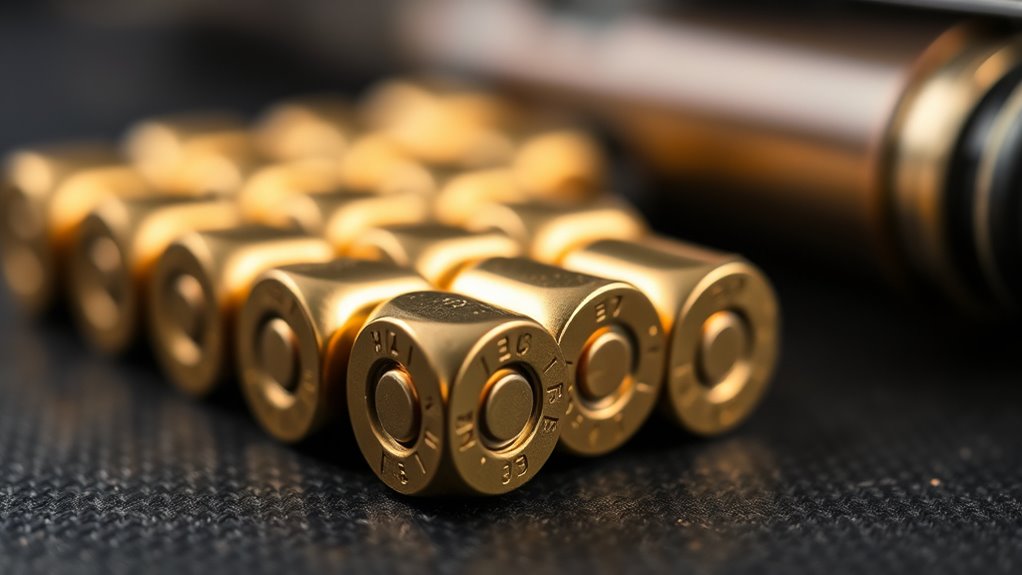
What Does Ammo Mean in Firearms?
Are you feeling overwhelmed trying to pick the right ammo for your firearm? You’re not alone—many gun owners struggle with understanding the different types and what suits their needs best.
Finding the right ammunition is key to reliable and accurate shooting.
Ammo, or ammunition, is what powers your firearm by providing the energy needed to launch projectiles like bullets, shells, or slugs. It includes different types for handguns, rifles, and shotguns, each suited for specific purposes like self-defense, hunting, or sport shooting.
Choosing the right ammo guarantees your firearm performs reliably and accurately.
To understand the different types, labels, and safety tips, keep exploring what ammo can do for your shooting needs.
Key Takeaways
- Ammo, or ammunition, includes the cartridges that fire projectiles from firearms.
- It provides the necessary energy to propel bullets or shells toward a target.
- Ammo consists of components like bullets, casings, powder, and primers.
- Proper ammo matches firearm specifications for safety, performance, and accuracy.
- It is essential for self-defense, hunting, sport shooting, and training activities.
What Is Ammo and Why Is It Essential for Firearms?
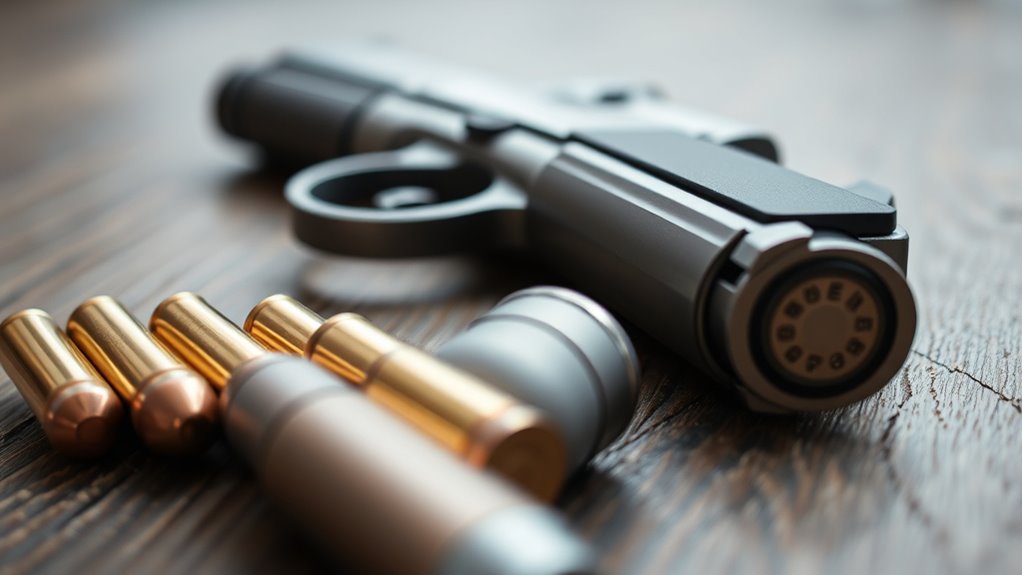
Ammo, also known as ammunition, is the crucial component that powers firearms. It provides the necessary force to propel a projectile out of the barrel, allowing you to hit your target. Without ammo, a firearm is useless—it’s just a metal tube.
Ammo comes in various types, but its core purpose remains the same: to deliver energy into the target. You need it for self-defense, hunting, or sport shooting.
Ammo’s main role is to deliver energy to the target for defense, hunting, or sport shooting.
Properly maintained ammo guarantees reliable performance and safety. When you load your firearm, you’re effectively preparing it for action.
The right ammo matches your firearm’s specifications, ensuring accuracy and efficiency. Without it, your firearm can’t fulfill its purpose, making ammo an indispensable part of any shooting activity.
How Do Bullets, Cartridges, and Shells Differ?
Understanding the differences between bullets, cartridges, and shells helps you get a better grasp of how firearms work.
Cartridges include all the main components—bullet, casing, powder, and primer. Shells, on the other hand, are used in shotguns and contain multiple projectiles.
Knowing whether you’re dealing with a shell or a bullet makes it easier to understand their parts and what they do in firearm ammunition.
Components of Ammunition
The terms bullet, cartridge, and shell are often used interchangeably, but they each refer to a different part of ammunition. The bullet is the projectile that leaves the barrel to hit your target.
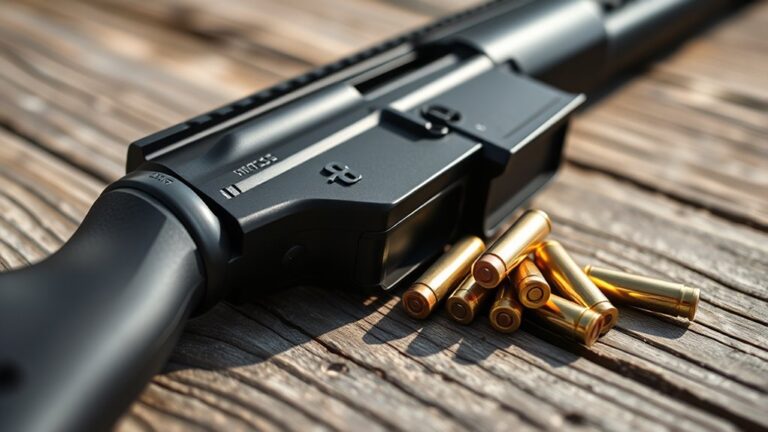
The cartridge is the complete unit that contains the bullet, gunpowder, and casing. It’s what you load into a firearm to fire.
The shell, or casing, is the metal container that holds everything together and houses the gunpowder and primer. When fired, the primer ignites the gunpowder, creating pressure that propels the bullet forward.
The casing then ejects from the firearm, ready to be reloaded or discarded. Understanding these differences helps you see how ammunition works and how each part contributes to firing a shot.
Types of Firearm Cartridges
Different types of firearm cartridges are designed to serve various purposes, and they differ mainly in size, shape, and the type of bullet they use. Handgun cartridges tend to be smaller and more compact, making them great for self-defense or target shooting.
Rifle cartridges are larger, offering higher velocity and greater range. Shotgun shells are unique—they contain multiple pellets or a slug and are used for hunting or sport shooting.
The shape of the cartridge influences how it feeds and chambers in your firearm. Different calibers also determine power and recoil, which affect your shooting experience.
Understanding these differences helps you choose the right ammunition for your firearm’s purpose, ensuring safety, accuracy, and effectiveness.
Shells Versus Bullets
While bullets, cartridges, and shells are often used interchangeably, they actually refer to different parts of firearm ammunition. A bullet is the projectile fired from a gun, usually made of lead or a metal alloy.
The cartridge is the complete package that contains the bullet, powder, and casing. The shell, often used in shotguns, is the entire cartridge assembly, including the shot or slug and wad.
| Part | Description |
|---|---|
| Bullet | The projectile that hits the target |
| Cartridge | Complete unit with bullet, powder, casing |
| Shell | Shotgun cartridge, including shot or slug |
What Are the Main Types of Ammunition for Handguns and Rifles?
Understanding the main types of ammunition for handguns and rifles helps you choose the right rounds for your firearm and purpose. The most common types include jacketed hollow points, full metal jackets, soft points, wadcutters, and tracer rounds.
Each type serves a specific function, whether for target shooting, self-defense, or hunting. Jacketed hollow points expand upon impact, reducing over-penetration and increasing stopping power.
Each ammunition type is designed for specific uses like target shooting, self-defense, or hunting.
Full metal jackets penetrate deeply and are suitable for target practice and military use. Soft points offer controlled expansion, making them ideal for hunting larger game.
Wadcutters create clean holes in paper targets and are perfect for precision shooting. Tracer rounds emit light when fired and are used for training or signaling.
When and Why Are Shotshells Used?
Shotshells are mainly used in shotguns for different situations like hunting, self-defense, and sport shooting. They’re great when you need broad coverage or a spread of projectiles, making them perfect for close-range targets like birds or small game.
They’re also effective for self-defense, especially when you want to stop an intruder quickly and reliably. In sports like skeet or trap shooting, shotshells provide the spread and power needed to hit moving targets.
The beauty of shotshells is you can load them with different shot sizes, buckshot, or slugs, depending on what you need. This makes them versatile for situations that call for a wide shot pattern or a powerful impact at close to medium ranges.
How Does Ammo Impact Gun Performance and Accuracy?
Ever wonder how the type and quality of ammo you choose can influence your firearm’s performance and accuracy? The right ammo guarantees consistent power, reduces misfires, and improves shot precision.
Poor-quality or mismatched ammo can cause jams, decrease accuracy, and even damage your firearm over time. Factors like bullet weight, primer quality, and casing material all play a role in how well your gun performs.
Using mismatched or low-quality ammo can cause jams, accuracy loss, and firearm damage over time.
Using ammo suited to your firearm’s specifications maximizes reliability and accuracy. Consistent bullet weight helps predict the trajectory, while proper primer quality ensures reliable ignition.
Casing material can affect recoil and cycling, and the right ammunition fit influences chamber pressure. High-quality ammo reduces misfires and jams, keeping your shooting smooth and accurate.
What Are the Key Safety Tips for Handling and Storing Ammo?
Handling and storing ammo safely is essential to prevent accidents and damage. You should always follow proper storage practices, like keeping ammo in a cool, dry place away from heat sources and moisture.
Practicing safe handling procedures helps ensure you avoid mishaps during use or transportation. Being cautious and prepared can make all the difference in keeping everyone safe.
Proper Storage Practices
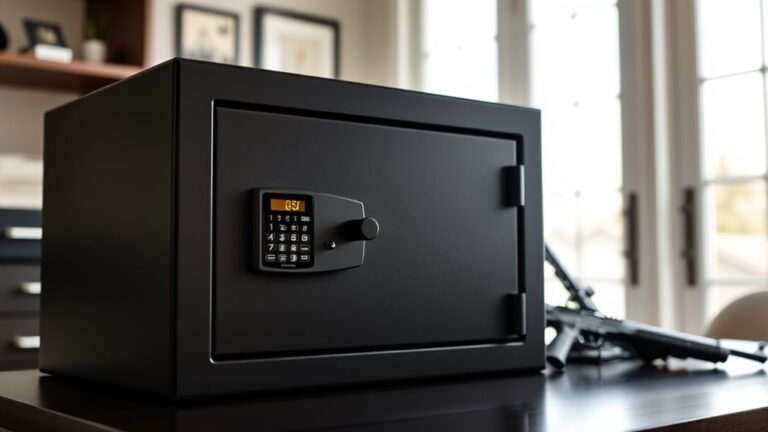
To guarantee safety when dealing with ammunition, it’s essential to follow proper storage practices. Store your ammo in a cool, dry place away from direct sunlight and moisture to prevent corrosion. Keep it in a locked, secure container out of children’s reach.
Use clearly labeled containers to avoid accidental mix-ups. Avoid storing ammo near heat sources, chemicals, or flammable materials. Regularly inspect your storage area for leaks or damage and verify the environment stays stable.
Proper storage minimizes risks of accidental discharge, theft, or deterioration. Use sturdy, locking storage containers and store in a temperature-controlled environment. Keep ammunition away from firearms when not in use.
Label containers clearly for quick identification and check regularly for signs of corrosion or damage. Following these practices helps keep everyone safe and your ammunition in good condition.
Safe Handling Procedures
Proper storage sets the foundation for safety, but how you handle ammunition day-to-day is just as crucial. Always keep ammo pointed in a safe direction when handling it, and avoid rushing.
Wear eye and ear protection if you’re at the range or working on guns. Keep your fingers off the trigger until you’re ready to shoot, and handle ammo carefully to prevent accidental discharges.
Use only the correct ammunition for your firearm, and double-check labels before loading. When storing or transporting ammo, keep it in a secure, dry container away from children and unauthorized persons.
Don’t carry loose rounds in pockets or bags where they can be damaged or accidentally discharged. Following these safety procedures helps prevent accidents and keeps everyone safe during routine handling.
How to Choose the Right Ammo for Your Firearm?
Ever wondered how to pick the best ammo for your firearm? The key is matching it to your gun’s specifications and your purpose. Start by checking your firearm’s manual for recommended calibers and bullet types.
Think about what you’ll use it for — target shooting, hunting, or self-defense — since each needs different ammo. Pay attention to the ammo’s brand reputation and reviews to ensure reliability.
Also, make sure the ammo’s weight and grain size suit your firearm’s performance. Finally, always verify the ammo’s compatibility with your gun before firing.
How Does Ammo Quality Affect Your Shooting Experience?
Have you ever noticed how the quality of your ammo can really affect your shooting? Low-quality ammo often causes misfires, inconsistent velocities, and unreliable performance, which can throw off your aim.
Low-quality ammo leads to misfires, inconsistent shots, and unreliable performance, compromising your accuracy and safety.
Poorly made rounds might jam or even damage your firearm, making shooting frustrating and unsafe. On the flip side, high-quality ammo offers consistent power and reliable ignition, helping you hit your target more accurately.
It also reduces the chances of malfunctions and keeps your firearm running smoothly. Better ammo can boost your overall shooting experience by giving you more confidence with every shot.
When you choose quality rounds, you’re investing in better performance, safety, and enjoyment every time you pick up your firearm.
What Do Ammunition Labels and Specifications Tell You?
Ammunition labels and specifications are your best tools for understanding what you’re getting before you fire a single shot. They give you essential details about the cartridge’s size, power, and compatibility, helping you pick the right ammo for your firearm.
By reading these labels carefully, you can ensure safety and get the best performance. Key elements to look for include the caliber, which must match your firearm to avoid dangerous mismatches.
Bullet weight is also important — it influences accuracy, recoil, and velocity. The brand and load type can tell you about the quality and intended use of the ammo.
Velocity indicates how fast the bullet travels, affecting both accuracy and power. Box markings show the quantity, lot number, and sometimes recommended usage, helping you maintain consistency and safety.
When and How Should You Recycle or Dispose of Ammo?
Knowing when and how to recycle or dispose of ammo is important for safety and protecting the environment. If your ammunition is expired, damaged, or you don’t need it anymore, proper disposal is essential.
Never throw bullets in the trash or pour powder down the drain, as this can cause accidents or harm the environment. Instead, contact your local law enforcement or recycling center—they often have specific days or drop-off locations for ammo.
Never dispose of bullets in the trash or drain; contact local authorities or recycling centers instead.
Some areas also provide hazardous waste disposal services. If you have live rounds that are damaged or corroded, wrap them securely in non-flammable material before taking them to a certified disposal facility.
Always follow local regulations and avoid handling damaged ammo unnecessarily to prevent accidents. Proper disposal keeps everyone safe and helps protect the environment.
What Are the Latest Trends and Innovations in Ammunition Technology?
What are the latest trends and innovations shaping ammunition technology today? You’ll notice advancements aiming to improve performance, safety, and environmental impact. Manufacturers are focusing on increasing accuracy and consistency through precision manufacturing.
Lead-free and environmentally friendly materials are gaining popularity to reduce toxicity and pollution. Innovations include reducing firearm recoil with specialized propellants, making shooting more comfortable.
Smart ammunition with integrated tracking or data capabilities is emerging, enhancing security and training. Additionally, new coatings and composite casings boost durability and help reduce barrel wear.
These trends are pushing the industry toward safer, cleaner, and more effective ammo options. They’re also aligning with modern needs and evolving regulations.
FAQs: Common Questions About Ammo and Firearm Safety
Have questions about firearm safety and ammo that you’re unsure about? You’re not alone. Many gun owners want to handle firearms responsibly.
First, always treat every firearm as if it’s loaded. Store ammo separately from firearms in a secure location. When handling or cleaning your gun, confirm it’s unloaded before starting.
Be aware of the type of ammunition your firearm uses. Using the wrong ammo can cause malfunctions or damage. Always follow manufacturer guidelines for ammunition and firearm maintenance.
Keep your finger off the trigger until you’re ready to shoot. Regularly check your firearm and ammo for damage or corrosion.
Frequently Asked Questions
What Does “Ammo” Stand for in Firearm Terminology?
“Ammo” is short for ammunition, which refers to the projectiles, cartridges, or shells used in firearms. When someone says “ammo,” they’re talking about bullets, shotgun shells, or other shooting supplies you need to operate your gun.
Knowing this helps you understand conversations about shooting, hunting, or firearm safety. It also makes sure you’re prepared with the right type of ammunition for your firearm.
How Does Different Ammo Calibers Affect Firearm Compatibility?
Different ammo calibers greatly impact firearm compatibility. For example, over 90% of handguns are designed for specific calibers, so using the wrong one can cause malfunctions or even damage.
You need to match the caliber on your firearm with the correct ammunition. Otherwise, it might not chamber properly or could be unsafe to shoot.
Always check your firearm’s specifications to confirm you’re choosing the right caliber. Doing so ensures safety and the best performance from your firearm.
Can Ammo Be Reused After Firing?
Yes, ammo can sometimes be reused after firing, but it depends on its condition. You should carefully inspect the casings for cracks, dents, or deformation, as these can affect safety and performance.
Reloading spent brass casings is common among enthusiasts. It allows you to reuse them with new primers, powder, and bullets. Just make sure the reloaded ammo meets safety standards.
Always verify that the reloaded ammo is appropriate for your firearm before using it. Safety should always come first when handling and reusing ammunition.
What Are the Signs of Damaged or Defective Ammo?
You’ll notice damaged or defective ammo if it shows visible cracks, dents, or corrosion. Bulging cases, flattened or pierced primers, or inconsistent primer seating also indicate problems.
If the rounds don’t chamber smoothly or if they jam or misfire, these are signs of defects. Always inspect your ammo carefully before use and avoid firing any round that looks compromised.
This helps ensure safety and proper firearm function.
How Does Environmental Exposure Impact Ammo Stability?
Environmental exposure can really affect ammo stability. If you leave your ammunition in humid or wet conditions, moisture can get in and cause corrosion or rust. This might lead to misfires or jams.
Extreme heat can break down the powder, making it less effective. Cold temperatures can also make the gunpowder less responsive.
To keep your ammo reliable and safe, store it in a cool, dry place. Avoid exposing it to elements that could damage its integrity.
Conclusion
Understanding ammo is more than just knowing your bullets; it’s about mastering the power and precision behind each shot.
But as technology advances and new types of ammunition emerge, the future of firearms holds secrets yet to be uncovered.
Will your next choice of ammo enhance your performance or challenge your safety?
Stay informed, stay prepared because the true impact of ammo goes far beyond the trigger.
The next chapter in your shooting journey is just ahead.