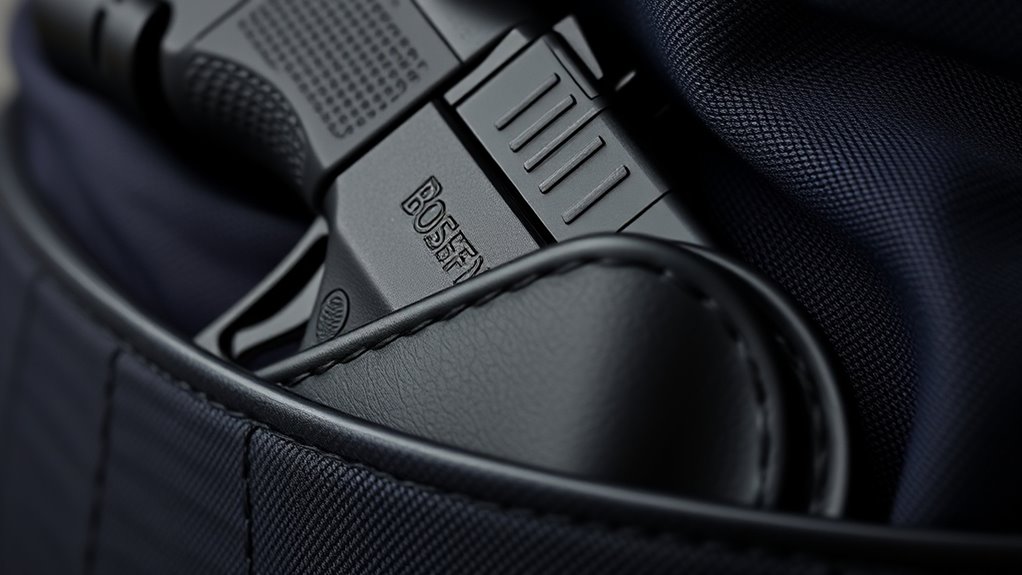
What Do You Need to Know to Carry a Glock 17 Concealed?
Carrying a Glock 17 concealed can feel overwhelming, especially if you’re new to concealed carry or unsure about the rules. You’re not alone—many people struggle with knowing what’s required for safe and legal concealed carry.
Finding the right gear and staying informed is key to carrying confidently and responsibly.
To carry a Glock 17 concealed, you need to understand your local laws, including permit requirements and restrictions. Choose a comfortable, secure holster that minimizes printing, and dress in clothing that easily conceals your firearm.
Practice safe handling, stay aware of your surroundings, and get proper training to build confidence and responsibility. Staying informed on legal updates and safety tips helps you carry more effectively—stick around to learn everything you need to stay responsible and prepared.
Key Takeaways
- Understand and follow your state’s laws about carrying a concealed firearm. This includes getting the necessary permits, passing background checks, and knowing any restrictions.
- Pick a holster that’s comfortable and secure. It should help prevent printing and match your clothing style.
- Practice safe gun handling all the time. Focus on muzzle discipline and being aware of your trigger.
- Choose clothing that makes concealing your Glock 17 easier. Loose layers and darker colors often work well.
- Keep training regularly with dry-fire and live-fire drills. This helps you build your skills and confidence.
What Are the Legal Requirements for Carrying a Glock 17?
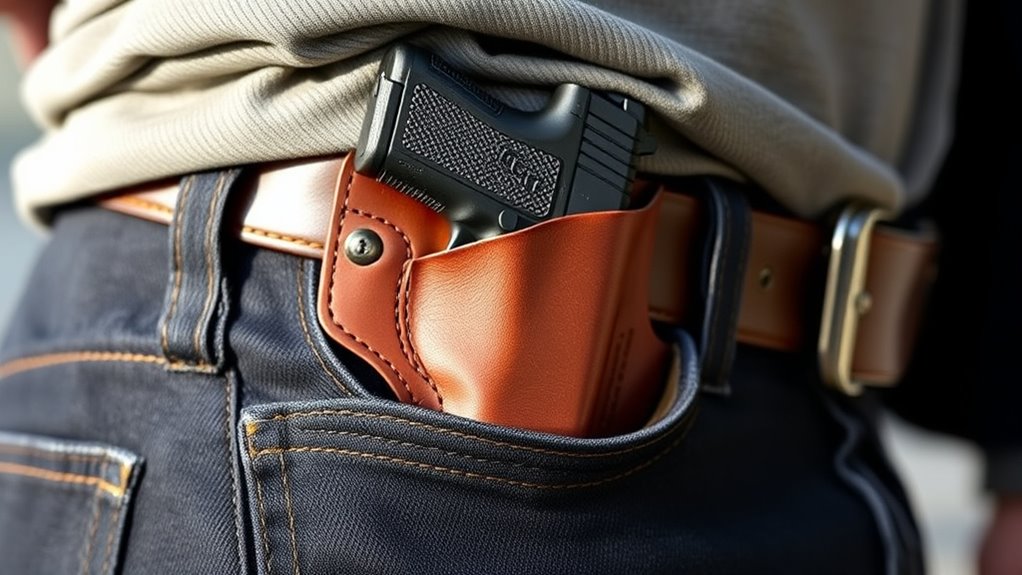
Before you carry a Glock 17 concealed, it’s important to know the legal requirements in your state or jurisdiction. Laws can vary a lot; some states need permits, while others don’t require any for open or concealed carry.
You might also have to go through background checks, fingerprinting, or safety training courses before carrying. Many places have restrictions on carrying in certain areas like schools, government buildings, or private property.
In some locations, you’re required to notify law enforcement if asked. Not following these rules can lead to serious penalties, such as fines, confiscation, or even criminal charges.
Always take the time to research your local laws thoroughly before carrying a firearm. Consulting with legal experts or local authorities can help ensure you’re fully compliant, so you avoid legal trouble and promote responsible firearm ownership.
How to Choose the Best Holster for Concealed Carry
Choosing the right holster means prioritizing comfort and a secure fit, so you can carry all day without discomfort. You want a holster that feels good and stays in place.
It should also help conceal your Glock 17 effectively, avoiding printing or unwanted exposure. A good holster keeps everything hidden and secure.
Focusing on these points guarantees your holster supports both your safety and confidence. After all, feeling comfortable and confident makes carrying much easier.
Comfort and Fit
Finding a holster that offers both comfort and proper fit is essential for effective concealed carry. You want a holster that feels secure without causing discomfort during extended wear.
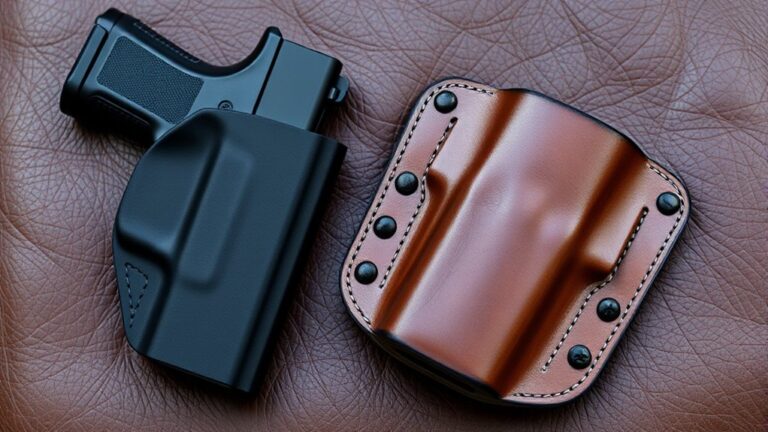
Look for one that matches your body shape and clothing style, ensuring it sits close to your body without pinching or rubbing. Material choice matters—leather, kydex, or hybrid options each offer different comfort levels and flexibility.
Proper fit means your Glock 17 should sit snugly without excess movement, reducing printing and noise. Adjustable retention and cant also help you customize how the firearm sits for comfort.
Concealment Effectiveness
A holster’s ability to conceal your Glock 17 effectively depends a lot on its design and how well it fits your clothing and body type. A good holster minimizes printing and bumps, making your firearm less noticeable.
Consider holsters that sit close to your body, like inside-the-waistband (IWB) options. These tend to offer better concealment than larger, bulkier styles.
Material also plays a role—leather or Kydex can mold to your body over time, giving you a smoother profile. Proper positioning is key; try different locations to see where the gun stays hidden and feels comfortable.
A snug, discreet fit prevents the firearm from shifting, which helps keep it concealed. Ultimately, the best holster balances concealment, comfort, and security all in one.
Safety Tips for Handling and Carrying Your Glock 17 Safely
Handling and carrying your Glock 17 safely is key to preventing accidents and being a responsible gun owner. Always keep the muzzle pointed in a safe direction and avoid touching the trigger until you’re ready to shoot.
Regularly check your firearm to make sure it’s in good working order. Use a secure holster designed specifically for the Glock 17 to prevent accidental discharges and keep it close for quick access.
How to Conceal Your Glock 17 With Different Clothing Styles
Your clothing choices are key to hiding your Glock 17 effectively. Choose looser fits and layered outfits to keep the firearm concealed, no matter your style.
With some simple style tips for discreet carry, you can stay comfortable and prepared without drawing unwanted attention. It’s all about blending practicality with your personal look.
Clothing Choices for Concealment
Choosing the right clothing is key to effectively hiding a Glock 17. Tight or clingy fabrics can print your firearm, so go for looser, thicker materials like casual shirts, sweaters, or jackets that help hide the outline. Layering is your friend—wear a lightweight undershirt under your outer layer to create a barrier.
Avoid tight pants; instead, pick relaxed-fit jeans or trousers that give enough room for your holster. Long, untucked shirts or loose tops are great for covering the gun without revealing its shape. Also, consider clothing with patterns or darker colors, which help disguise the firearm’s silhouette and reduce printing.
Good clothing choices ensure your Glock remains discreet while keeping you comfortable and stylish.
Style Tips for Discreet Carry
Different clothing styles can really affect how easy it is to hide a Glock 17, so choosing the right look makes a big difference. Go for loose-fitting shirts or jackets that hang over your waistband to hide the outline of your gun.
Layering works well too—try wearing a lightweight jacket or vest over your shirt to add extra concealment. Avoid tight or clingy fabrics because they can show the shape of your firearm.
Holsters designed for appendix or IWB carry help keep your gun close and discreet, no matter what you’re wearing. Dark colors and patterns can also help minimize printing, making your weapon less noticeable.
In the end, picking clothing that allows you to move freely while hiding your Glock 17 is key to comfortable, discreet carry.
Training Tips to Improve Your Concealed Carry Skills
Practicing regularly is essential to sharpening your concealed carry skills and building confidence in real-life situations. Consistent training helps develop muscle memory, making drawing, aiming, and firing instinctive.
Start with dry-fire drills at home, focusing on smooth draws and a proper grip. Then move on to live-fire sessions at the range to improve accuracy and shot placement.
Incorporate realistic scenarios to simulate stress and decision-making under pressure. Practice with your actual concealed carry gear to ensure comfort and familiarity.
Regular training also helps you identify and correct bad habits early. Consider taking advanced courses or tactical training to expand your skill set.
The more you practice deliberately, the more natural and reliable your responses will become when it counts most.
Troubleshooting Common Concealed Carry Challenges
Even with regular training, concealed carry can throw unexpected challenges your way that need quick thinking. You might find your firearm uncomfortable, or your holster could shift unexpectedly. To troubleshoot, consider these common issues:
Concealed carry challenges can arise unexpectedly; quick troubleshooting keeps you confident and prepared.
- Holster discomfort: Adjust your position or switch to a different style to prevent irritation.
- Difficulty drawing: Practice your draw stroke regularly, and make sure the holster allows smooth access.
- Clothing interference: Wear fitted, unobstructive clothing that won’t snag or hide the gun.
- Retention problems: Check your holster’s retention settings. It should secure the weapon but still allow quick access.
Being prepared to identify and fix these issues keeps you confident and ready in any situation.
How to Maintain Your Glock 17 and Stay Up-to-Date on Laws
Maintaining your Glock 17 properly is key to ensuring it works reliably and safely, especially with regular use. After each shooting session, give it a good cleaning to remove dirt, debris, and residue that could affect performance.
Use the right cleaning tools and lubricants, and always follow the manufacturer’s instructions. Check for worn or damaged parts and replace them promptly to keep everything in top shape.
Staying up-to-date on laws is just as important. Firearm regulations change often, and ignorance isn’t an excuse. Regularly review local, state, and federal laws about concealed carry, permits, and restrictions.
Subscribe to official channels or legal updates so you’re always informed. Knowing how to maintain your gun and stay compliant helps you carry responsibly and confidently.
It also minimizes risks and keeps you on the right side of the law at all times.
Frequently Asked Questions
What Are the Best Ways to Prevent Printing When Carrying a Glock 17?
To prevent printing when carrying a Glock 17, choose a slim, form-fitting holster that contours to your body.
Pick a high-quality, concealment-specific holster designed for your preferred carry position.
Wear clothes that are appropriately sized to cover your firearm securely and reduce printing.
Make sure your belt fits snugly to minimize movement of the holster and firearm.
You might also want to carry in a position that naturally conceals the gun, like appendix or strong side carry.
How Do I Discreetly Access My Glock 17 Quickly in an Emergency?
When seconds count, you want quick access to your Glock 17. Keep your firearm in a well-designed, accessible holster that allows for a smooth, one-handed draw.
Practice drawing under stress regularly so it becomes second nature. Stay calm, and don’t fumble.
With consistent training and a reliable holster, you’ll be able to access your weapon quickly and confidently in an emergency.
This way, you’ll be ready to turn the tables when it matters most.
Can I Carry a Glock 17 in All Weather Conditions?
Yes, you can carry a Glock 17 in all weather conditions. Its durable polymer frame and stainless steel slide make it resistant to rust and corrosion, even in rain, snow, or humidity.
Just make sure you regularly clean and maintain it to prevent any moisture buildup. Using weather-resistant holsters also helps protect your firearm from the elements, ensuring reliable performance whenever you need it.
What Are the Most Common Concealment Methods for a Glock 17?
Like a secret agent’s gear, your Glock 17 can be discreetly concealed using various methods. The most common are inside-the-waistband (IWB) holsters, which hug your body for comfort and concealment.
Appendix carry, placed at the front for quick access, is also popular. Ankle holsters and shoulder rigs are options too, but IWB and appendix carry remain top choices for their balance of accessibility and concealment.
How Does Body Type Influence Concealed Carry Techniques for a Glock 17?
Your body type really affects how you carry a Glock 17 concealed. If you’re slim, you might want to go with inside-the-waistband (IWB) holsters at the appendix or hip for comfort and concealment.
If you’re broader, a shoulder holster or appendix carry could work better because it distributes the weight more evenly. Try different options to see what feels best for your body.
Adjust your clothing and holster position so that it’s comfortable, accessible, and keeps the gun well concealed based on your physique.
Conclusion
Remember, carrying a Glock 17 concealed isn’t just about the gear or laws. It’s about responsibility and awareness. When you stay informed and prepared, it’s like the universe aligns, reminding you that safety and confidence go hand in hand.
Keep honing your skills and respecting your surroundings. You’ll find that what once felt like a challenge becomes second nature. Sometimes, it’s the smallest steps that lead to the greatest peace of mind, especially when carrying a Glock 17 concealed.