Top 10 Best Police.Scanners That Will Blow Your Mind!
Many people who rely on police scanners find themselves frustrated by devices that drop signals or struggle to pick up critical frequencies, especially in busy urban areas. The best police.
scanners deliver clear audio and maintain stable reception, helping listeners stay informed without constant fiddling or signal loss. Poor-quality units often suffer from weak antennas and limited tuning capabilities that make it tough to catch all relevant communications.
Key factors that distinguish a good police scanner include frequency range, scanning speed, and antenna quality. Most effective models cover at least 25 to 512 MHz to capture a wide array of channels. Scanning speed matters for quickly moving through frequencies without lag, often measured in channels per second.
Antennas with higher gain improve reception, particularly in fringe areas. A well-built scanner also has straightforward controls and a durable case, since these devices often get moved around or used outdoors.
Need a Quick Check?
| Image | Product | Price |
|---|---|---|
Our Top Picks 1  | Uniden Bearcat BC125AT | Check Price |
Our Top Picks 2  | Uniden BC365CRS Scanner | Check Price |
Our Top Picks 3  | Uniden SDS100 Scanner | Check Price |
Our Selected Top 10 Police.scanners Worth Buying
This selection features a variety of police scanners designed for different needs and experience levels. Each review explains how the scanner performs, who it is best suited for, and highlights its strengths and weaknesses to help you make an informed choice.
1. Uniden Bearcat BC125AT Analog Handheld Scanner
Compact and straightforward, the Uniden Bearcat BC125AT suits those who want a reliable analog handheld scanner with plenty of channels. It’s ideal for users who focus on analog transmissions and value easy access to nearby signals through Close Call RF capture technology.
Setting it up involves loading up to 500 alpha-tagged channels, which is plenty for covering different frequencies. The digital display makes navigating the scanner clear, while Do Not Disturb Mode stops interruptions during ongoing transmissions. Powered by two included AA batteries, it can run around 10 hours, making it ready for extended listening sessions without constant battery swaps.
Signal reception is solid within the frequency ranges it covers, and the Close Call feature really helps catch nearby communications instantly. The build is compact and portable but lacks water resistance, so it’s best used in dry conditions. Users appreciate how clear it is for analog signals, though the lack of digital system support limits use in places moving toward digital trunking.
The scanner effectively picks up analog signals across wide frequency bands and makes switching channels simple with the alpha tags and digital display. Common complaints focus on its inability to monitor digital radio systems and the lack of water resistance.
Those sticking to analog communications will find this scanner reliable and easy to use. Anyone needing digital or trunking capabilities or who plans to use the scanner outdoors in wet weather should consider alternative models.
Pros
- 500 alpha-tagged channels for easy identification
- Close Call RF capture detects nearby signals instantly
- Clear digital display simplifies tuning
- Battery life lasts about 10 hours on included AA batteries
Cons
- No digital system compatibility (analog only)
- Not water resistant, limits outdoor use in wet conditions
| Specification | Details |
|---|---|
| Number of Channels | 500 |
| Frequency Range | 25-54 MHz, 108-174 MHz, 225-380 MHz, 400-512 MHz (UHF) |
| Battery Average Life | 10 hours |
| Voltage | 3 volts |
| Number of Batteries | 2 AA batteries required (included) |
2. Uniden BC365CRS 500 Channel Scanner
Built with a sturdy desktop design, the Uniden BC365CRS suits anyone wanting easy access to a variety of channels without fuss. Its biggest strength is packing 500 channels with presets for police, fire, weather, and more, making it practical for casual listeners and hobbyists alike.
Setting up takes just a few minutes thanks to the pre-programmed popular searches. Daily use is straightforward with push-button controls and an integrated FM radio where you can save up to 30 stations.
It runs on corded electric power, with 3 AA batteries supporting backup, so you won’t lose your place in case of power interruptions.
Listening clarity is solid for an analog device, handling various communication bands well. The build feels durable on a tabletop, making it stable during operation. Most praise it for covering multiple emergency and public service channels.
A common complaint is the corded power source that limits portability and placement options.
Many appreciate how easy it is to find and listen to important public safety and emergency channels right away. The setup is simple and straightforward. Users mention the main downside is the need to stay near a power outlet since the unit is corded, which restricts where it can be used.
This scanner fits well for those wanting a reliable, fixed-location scanner on a desk or countertop. People who need a portable or rechargeable unit might want to look for options that don’t rely on corded electricity.
Pros
- Built-in FM radio with 30 presets
- Pre-sets for popular emergency channels
- Simple push-button operation
- Stable tabletop design
Cons
- Requires constant corded power
- Limited portability due to power setup
| Specification | Details |
|---|---|
| Channels | 500 |
| Power Source | Corded Electric |
| Battery Description | Alkaline |
| Number of Batteries | 3 AA batteries required |
| Control Method | Push Button |
| Mounting Type | Tabletop Mount |
3. Uniden SDS100 Digital Handheld Scanner
Known for its exceptionally clear digital reception, the Uniden SDS100 Digital Handheld Scanner is a solid choice for anyone serious about picking up police and other radio communications. It really shines in tough signal areas, making it great for both beginners and experienced hobbyists looking for reliable scanning.
Setup is straightforward, mainly because you can start just by entering your zip code, which loads local radio systems from the built-in HomePatrol Database. Updating is simple through the Sentinel software, ensuring you always have current information. Its color display is customizable, showing the details you want without clutter, and the MicroSD card slot provides extra storage for extensive scanning lists.
The scanner’s True I/Q receiver offers impressive digital performance, especially with weak signals and in simulcast environments where signal overlap can be a problem. Construction feels sturdy enough for handheld use, and the interface is intuitive once you get past the initial menu navigation. Common praise highlights its crisp digital reception, while some users find the interface a little complex at first.
The strongest praise centers on the scanner’s ability to pick up digital signals clearly even in tricky RF environments. The most frequent complaint focuses on the initial complexity of the interface, which some find challenging without prior experience.
Those who want up-to-date, reliable digital scanning with easy database updates will appreciate this model. Users looking for a simpler, more straightforward scanner might look for alternatives with a less steep learning curve.
Pros
- Highly accurate digital reception in weak signal areas
- Easy programming with zip code entry
- Customizable color display for user-friendly info
- Regular updates via Sentinel software
Cons
- Interface can be complicated for beginners
- Limited sheet capacity of 1 standard sheet
| Specification | Details |
|---|---|
| Scanner Type | Digital Handheld Scanner |
| Resolution | 24 Bits |
| Color Depth | 24 |
| Media Type | MicroSD Card |
| Connection Type | USB |
| Standard Sheet Capacity | 1 |
4. Uniden SDS200 TrunkTracker X Base/Mobile Scanner

Advanced radio scanning that fits both base and mobile use makes it perfect for serious enthusiasts who want detailed, customizable monitoring. Its biggest strength is handling complex digital simulcast systems with impressive clarity and ease.
Setup involves loading the HomePatrol database, which covers all known US and Canadian radio systems and updates weekly via the Sentinel software. The large 3.5 color display can be customized to show exactly what you want, from channel names to signal strength.
Day-to-day tuning and controlling the scanner feels straightforward, thanks to the intuitive interface combined with USB connectivity for easy updates and power.
Performance stands out by tackling tricky digital signals without major drops or interference. The build feels solid and well-made, suitable for both stationary and mobile environments.
Praise often highlights the clarity and detailed display options, while some find the initial software setup a bit complex for casual listeners unfamiliar with scanning technology.
Many appreciate the scanner’s ability to clearly capture and display complex digital simulcast signals, making monitoring detailed and readable. On the downside, the initial software and database setup takes patience and some technical know-how, which can slow down first-time use.
Those looking for advanced scanning with excellent digital handling and customization will find this a solid choice. Casual listeners or those wanting a simpler, plug-and-play scanner might prefer a less complex model better suited to quick start and use.
Pros
- Accurate digital simulcast signal reception
- Customizable 3.5″ color display
- Includes comprehensive HomePatrol database
- Weekly updates via Sentinel software
Cons
- Software setup can be unintuitive for beginners
- Database updates require USB connection
| Specification | Details |
|---|---|
| Scanner Type | Radio Scanner |
| Connection Type | USB |
| Resolution | scanner |
| Standard Sheet Capacity | 10 |
| Light Source Type | LED |
| Media Type | USB |
5. Whistler WS1025 Analog Desktop Scanner
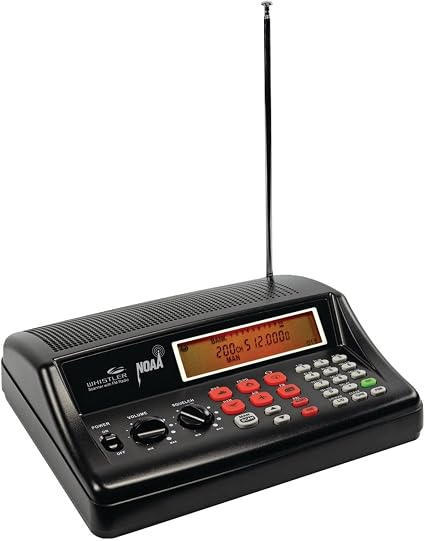
Catching every police channel without constant manual tuning can be tricky, but this desktop scanner suits those comfortable with technical settings. Its main strength lies in its priority channel feature, keeping a close listen on one channel while scanning others.
Setting it up involves connecting via Bluetooth for ease, then customizing scan features like priority channel, which checks one frequency every two seconds. The scan delay helps by pausing before switching channels to catch replies.
The tune function searches for new frequencies starting from your chosen spot, which is useful for finding unlisted channels.
Radio scanning works reliably through this device, with well-designed controls for detailed frequency work. The physical unit is solid, built for steady desktop use.
Praise mainly points to the scanner’s clever delay and priority channel features, while some find the experience best suited to those with some background due to complexity.
Priority channel and scan delay features allow capturing conversations without missing responses, making it highly reliable for serious scanning. Most users note that the scanner’s learning curve limits its appeal to those unfamiliar with desktop radios. It can feel complicated at first.
Anyone used to desktop scanners or comfortable with tech settings will benefit most here, especially those wanting fine control over frequency monitoring. People new to radio scanning should consider simpler models before investing in this one.
Pros
- Priority channel checks one frequency every two seconds
- Scan delay captures replies before moving on
- Tune feature finds unlisted frequencies easily
- Bluetooth connection for wireless use
Cons
- Best suited for experienced users only
- Setup complexity may overwhelm beginners
| Specification | Details |
|---|---|
| Scanner Type | Radio |
| Connection Type | Bluetooth |
| Resolution | 200 dpi |
| Standard Sheet Capacity | 300 |
| Optical Sensor Technology | CCD, CMOS |
| Light Source Type | LED |
6. Uniden Bearcat SR30C Analog Handheld Scanner

Covering over 32,000 frequencies, the Uniden Bearcat SR30C is a compact handheld scanner ideal for anyone wanting to listen in on various emergency, marine, weather, and other radio bands. Its biggest strength is the preset service banks that make finding popular channels quick and straightforward.
Getting started requires minimal effort since the scanner comes with pre-programmed banks including Police/Fire/Emergency, NOAA Weather, and more. Regular use involves simple tuning through these banks or using the Turbo Search feature, and it can be powered by AA batteries or USB. Connecting it to a PC for programming allows customization of channels suited to your interests, and it supports earphone or headphone use for private listening.
Reception delivers clear analog signals across supported bands, with Close Call RF Capture helping catch nearby transmissions effectively. The compact design fits well in hand but build quality tends to lean toward basic plastic, which some find less durable. Most users appreciate the wide frequency support and convenience, though a common drawback is the mono audio output rather than stereo sound.
The scanner stands out for its broad frequency coverage and useful preset service banks that make tuning quick and easy. Many appreciate its compact size and the option to program channels via PC, but the mono sound output and basic plastic build do limit the audio experience and durability slightly.
The SR30C is great for someone who wants an affordable, simple analog scanner with lots of channel options ready to go. It is less suitable for those needing stereo audio or a more rugged device built for rough outdoor use.
Pros
- Presets for 10 popular service banks
- Supports over 32,000 frequencies
- PC programming for easy customization
- Powered by USB or AA batteries
Cons
- Mono audio output only
- Plastic construction not very rugged
| Specification | Details |
|---|---|
| Frequency | 32000 MHz |
| Channels | 500 |
| Power Source | USB, Battery-Powered (AA batteries required) |
| Additional Features | Close Call RF Capture, Turbo Search, PC Programming |
| Hardware Interface | Radio Frequency |
| Audio Output Mode | Mono |
7. Uniden SDS150 Digital Radio Scanner

Perfect for radio enthusiasts and professionals needing reliable signal tracking, this scanner’s standout feature is its enhanced sensitivity that cuts through interference clearly. It suits those who want a lightweight yet tough scanner for field use, delivering both portability and advanced digital scanning capabilities.
Getting started is straightforward since the control layout is simplified and the digital display is easy to read. Daily operation is easier with the built-in GPS receiver and Bluetooth connectivity, allowing smooth location-based scanning and smartphone support. The extended battery life also means fewer interruptions during long outdoor or on-the-go sessions, while the included charge cradle keeps it powered up without fuss.
Signal reception is strong and filtering effectively removes background noise, allowing sharp, clear monitoring of APCO P25, Motorola, and other digital trunked systems. The unit feels rugged yet remains quite light, handling daily professional wear without issue. Users praise the enhanced sensitivity the most, but some note the single nonstandard battery limits quick replacement options.
The strongest praise highlights the scanner’s enhanced sensitivity that delivers clear reception across multiple digital systems without interference. Common frustrations revolve around the use of a single nonstandard battery, which complicates quick swaps during extended use.
People who need accurate digital trunked system scanning and appreciate portability will find it well suited to their needs. Those seeking simpler battery management or fewer system compatibility details might want to consider other options.
Pros
- Improved signal sensitivity reduces interference effectively
- Lightweight yet durable design for daily use
- Built-in GPS receiver adds location features
- Bluetooth connectivity with smartphone compatibility
Cons
- Requires 1 nonstandard battery, limiting replacements
- Some users find the interface takes adjustment
| Specification | Details |
|---|---|
| Tuner Type | TrunkTracker X, APCO P25 Phase I & II, Motorola, EDACS, LTR DMR Tier III*, Hytera XPT*, Single-Channel DMR* NXDN 4800/9600*, EDACS ProVoice* |
| Power Source | Battery Powered |
| Connectivity Technology | Bluetooth |
| Frequency | 1300 MHz |
| Radio Bands Supported | AM, NFM, FM, WFM, or FMB |
| Display Type | digital |
8. Uniden BCD996P2 Digital Mobile TrunkTracker Scanner

Featuring TrunkTracker V technology and NOAA weather alerts, the Uniden BCD996P2 excels at keeping you on top of public safety and weather updates. Perfect for serious scanner enthusiasts, it covers a vast range of channels and captures nearby radio transmissions without interrupting your current listening.
Setup involves connecting it to a 12-volt DC power source, and it pairs with your smartphone for added convenience. Day-to-day use highlights its Close Call RF Capture, which detects local transmissions even when off your main frequency, and the S.A.M.E. weather alerts that warn about severe conditions timely. The location-based scanning automatically adjusts scanning depending on whereabouts, so you stay informed no matter where you go.
Handling a whopping 25,000 channels, the scanner delivers sharp and reliable reception across a wide frequency band. Its LCD display keeps information clear, though some find the unit itself not water-resistant and wish for better weather durability.
The build feels solid, but occasional interference issues come up. It balances advanced tech and dependable performance well in a mobile setup.
Reviewers praise the scanner’s ability to detect nearby radio transmissions without disrupting what you’re currently listening to. Common complaints revolve around its lack of water resistance and occasional signal interference during use. The balance between advanced scanning and weather alert features makes it stand out in everyday environments.
People needing comprehensive weather and radio scanning paired with mobile use will appreciate this model. Those who often operate in outdoor, wet, or rugged conditions might want to look for a more durable, weather-resistant option.
Pros
- S.A.M.E. weather alerts keep you aware of severe conditions
- Close Call technology detects nearby transmissions smartly
- Supports up to 25,000 channels
- Pairs conveniently with smartphones
Cons
- Not water resistant
- Interference issues reported by some users
| Specification | Details |
|---|---|
| Close Call RF Capture Technology | Yes, with Do-Not-Disturb function |
| TrunkTracker V Technology | Included |
| Power Source | 12 volts Direct Current (DC) |
| Radio Bands Supported | 1-Band |
| Number of Channels | 25,000 |
| Compatible Devices | Smartphone |
9. Whistler WS1065 Digital Trunking Desktop Scanner

Whistler WS1065 Digital Trunking Desktop Scanner is designed for those who want a reliable way to follow digital police and emergency communications. It shines with its automatic adaptive digital tracking, which keeps up with changing signals without any need for manual tuning.
Setup involves connecting through Wi-Fi, and once running, the scanner handles shifting frequencies quickly thanks to its real-time P25 decoding that updates multiple times per second. Programmable audible alarms alert you to important channels, and the multi-color LED can be customized with up to eight distinct colors, making it easy to know what’s happening at a glance.
Performance stays consistent with digital AGC, which adjusts for low audio levels automatically and filters transmissions using Network Access Code support. The build centers around a desktop form factor with a clear display resolution of 200. Most praise focuses on how smoothly it tracks signals, though some mention it can take a moment to lock onto very faint transmissions.
The scanner’s main advantage is its advanced real-time tracking that constantly adapts to signal changes without user intervention. Many find the adjustable alerts helpful for staying informed, but some note that very weak signals may require patience to be decoded fully. The paper media also stands out as a dated feature in an otherwise modern device.
Those who want a stable scanner that requires minimal adjustments and offers customizable alerts will appreciate this model. People frequently dealing with very faint signals or preferring newer digital displays might want to consider other options.
Pros
- Automatic adaptive tracking for stable signal reception
- Customizable multi-color LED alerts
- Digital AGC adjusts audio levels instantly
- Wi-Fi connection allows flexible setup
Cons
- Lock-on can be slow with weak signals
- Uses paper media, which may feel outdated
| Specification | Details |
|---|---|
| Scanner Type | Radio |
| Connection Type | Wi-Fi |
| Resolution | 200 |
| Media Type | paper |
10. Uniden Bearcat BCD160DN Handheld Digital Scanner
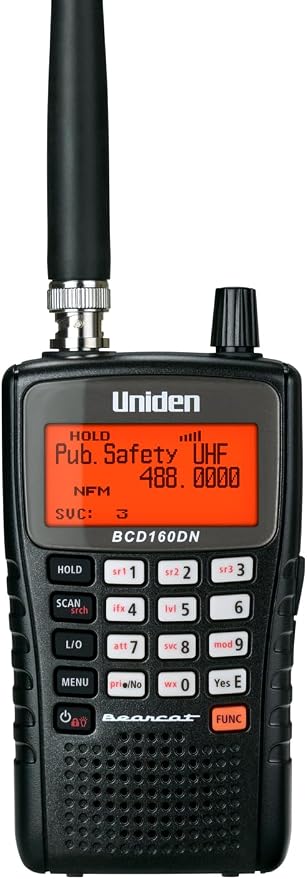
Feeling solid in your hand and straightforward to operate, this digital scanner suits anyone serious about picking up a wide range of frequencies. Its standout feature is how quickly it tags and decodes signals, making it easier to catch what you want without hunting endlessly.
Setting it up is a practical process as it connects via USB, and the interface helps you identify tones and codes immediately with RAPID DECODE. Searching channels or systems is less time-consuming thanks to the band scope and tagging options, which come in handy for daily monitoring of different frequencies.
Performance-wise, it handles digital decoding like DMR and NXDN out of the box, with an option to add APCO P25 through firmware updates. Build quality feels sturdy, suited for regular handheld use.
High marks go to how fast it picks up codes; a frequent gripe is the lack of trunking support, limiting its range in some setups.
Most users praise how quickly the scanner detects and displays system codes, making signal identification efficient. One recurring complaint is the absence of trunking capability, which restricts its usefulness in certain professional environments that rely on trunked radio systems.
This scanner suits hobbyists or professionals who need solid digital decoding and fast scanning of conventional signals. Those requiring full trunking support or encrypted communications will want to look at models designed specifically for those features.
Pros
- Instantly detects CTCSS tones and DCS codes
- Supports multiple digital decoding formats
- Band Scope helps find frequencies quickly
- USB connection for easy setup and updates
Cons
- No support for trunking systems
- Cannot decode encrypted signals
| Specification | Details |
|---|---|
| Scanner Type | Radio Scanner |
| Connection Type | USB |
| Decoding Support | DMR, NXDN, APCO P25 (firmware update) |
| Exclusive Features | Band Scope, Rapid System/Channel Number Tagging |
| Rapid Decode | DCS/CTCSS |
Best Police Scanners Comparison Table
| Product | Power Source | Connectivity | Frequency Range | Additional Features |
|---|---|---|---|---|
| Uniden Bearcat BC125AT | 2 AA batteries included | – | 25-54,108-174,225-380,400-512 MHz | Digital Display |
| Uniden BC365CRS Scanner | 3 AA batteries required | – | – | Ultrasonic Sensor |
| Uniden SDS100 Scanner | – | USB | – | Digital Handheld Scanner |
| Uniden SDS200 TrunkTracker | – | USB | – | LED, TrunkTracker |
| Whistler WS1025 Desktop | – | Bluetooth | – | LED, CCD, CMOS |
| Uniden Bearcat SR30C | USB, Battery Powered | USB | 32000 MHz | Close Call RF Capture |
| Uniden SDS150 Scanner | Battery Powered | Bluetooth | – | Weather Alert, TrunkTracker X |
| Uniden BCD996P2 Mobile | 12V DC | IR | 25 MHz | Close Call RF Capture |
| Whistler WS1065 Trunking | – | Wi-Fi | – | – |
| Uniden Bearcat BCD160DN | – | USB | – | Radio Scanner |
- Power Source2 AA batteries included
- Connectivity–
- Frequency Range25-54,108-174,225-380,400-512 MHz
- Additional FeaturesDigital Display
- Power Source3 AA batteries required
- Connectivity–
- Frequency Range–
- Additional FeaturesUltrasonic Sensor
- Power Source–
- ConnectivityUSB
- Frequency Range–
- Additional FeaturesDigital Handheld Scanner
- Power Source–
- ConnectivityUSB
- Frequency Range–
- Additional FeaturesLED, TrunkTracker
- Power Source–
- ConnectivityBluetooth
- Frequency Range–
- Additional FeaturesLED, CCD, CMOS
- Power SourceUSB, Battery Powered
- ConnectivityUSB
- Frequency Range32000 MHz
- Additional FeaturesClose Call RF Capture
- Power SourceBattery Powered
- ConnectivityBluetooth
- Frequency Range–
- Additional FeaturesWeather Alert, TrunkTracker X
- Power Source12V DC
- ConnectivityIR
- Frequency Range25 MHz
- Additional FeaturesClose Call RF Capture
- Power Source–
- ConnectivityWi-Fi
- Frequency Range–
- Additional Features–
- Power Source–
- ConnectivityUSB
- Frequency Range–
- Additional FeaturesRadio Scanner
How to Choose the Right Police Scanner
Look for police scanners with clear reception, easy programming, and wide frequency coverage to ensure reliable monitoring. Choosing the right features prevents compatibility issues and frustration, saving time and money on returns or upgrades. Durability and portability also contribute to long-term satisfaction.
Frequency Coverage
Trying to catch all relevant emergency broadcasts can be frustrating when a scanner only supports a narrow range of frequencies. Units that cover both analog and digital transmissions across local, state, and federal levels save you from missing important communications. This broad frequency coverage means you don’t have to switch devices or worry about compatibility issues.
Many scanners provide access from around 25 MHz to over 1 GHz, including both common analog bands and trunked digital systems.
The ability to handle both signal types is key since many agencies still use analog, while others have moved to digital formats like P25. Missing one means gaps in monitoring.
Typical models supporting digital decoding and analog scanning prevent those blind spots. Look for wide frequency ranges and digital protocol support if you want consistent reception across different jurisdictions and emergency services.
Scanning Speed and Performance
Fast scanning saves time and improves the chance you’ll hear transmissions in crowded or rapidly changing environments. A scanner that moves slowly through channels leaves you stuck waiting, potentially missing short broadcasts. Models scanning several hundred channels per second noticeably improve responsiveness.
Memory is equally important since it lets you store multiple presets and favorite frequencies for quick access instead of rescan cycles.
Scanners with larger memory banks can hold thousands of channels, useful for users covering multiple types of services or wide regions. Responsiveness during heavy activity depends on processor speed and internal software. Cheaper or older units may lag when jumping between busy frequencies or complex trunked systems, delaying access to critical transmissions.
Both scan speed and memory capacity deserve attention for reliable every-day use.
User Interface and Ease of Use
A cluttered interface may leave you guessing which button to press or how to read a transmission’s details. Clear, well-labeled controls and a backlit display improve usability especially in dim conditions. Scanners with simple menus and intuitive navigation reduce frustration during quick tuning or program adjustments.
Some offer multiple programming options, including keyboard control, PC software, or smartphone apps, making setup more flexible.
Manual programming lets you enter frequencies on the device itself but can be slow. PC-based and app controls speed this up and allow saving profiles. Backlighting and clear font sizes matter during nighttime or outdoor use.
Scan models that feature user-friendly operation avoid repeated reference to manuals and save time when swapping channels or updating lists.
Portability and Power Options
Heavier or bulky models quickly become tiresome to carry, especially for users monitoring events outside the home. Lightweight, compact designs that fit comfortably in a bag or pocket improve portability. Battery life directly impacts how long you can stay connected on the go; units with at least 8 to 12 hours on rechargeable batteries provide full-day monitoring without interruptions.
Flexibility to use either rechargeable or replaceable batteries comes in handy during long field sessions or power outages. The option to plug into external power sources or USB charging lets you recharge without specialized equipment.
Models weighing less than a pound with options for multiple power inputs offer the best balance between convenience and runtime for active use.
Audio Quality and Connectivity
Reception clarity is essential when distinguishing between important transmissions and background noise, especially in noisy or crowded settings. A scanner with adjustable volume controls helps tailor audio levels to the environment.
Many units include noise filtering technologies that reduce static and interference for clearer sound.
Connectivity features such as headphone jacks, external speaker ports, or Bluetooth support add versatility. Using headphones can improve focus and block distracting ambient noise, while external speakers help when sharing incoming transmissions with others. Models with built-in noise reduction and flexible audio output options create a more usable and comfortable listening experience in varied situations.
Maximizing Reception: Tips for Optimal Police Scanner Placement
Strong signal quality depends heavily on where the scanner is placed. For best results, position the scanner near a window, away from metal objects and electronics that can cause interference. Higher locations often improve reception, such as a second-story shelf or mounted on a wall.
Use an external antenna if possible. Many scanners have ports for antennas that significantly boost range and clarity compared to the built-in antennas. Experiment with antenna orientation and placement to find the clearest signal.
- Avoid crowded electronic areas like near Wi-Fi routers or microwaves
- Steer clear of large metal filing cabinets or metal window frames
- Enable the scanner’s AFC (Automatic Frequency Control) to lock onto signals better
Adjusting these factors can often improve clarity without changing the scanner itself. Proper placement is key for catching distant police and emergency radio traffic reliably.
Essential Maintenance Practices to Prolong Your Scanner’s Lifespan
Keeping a police scanner working well means regular upkeep. Dust buildup can block vents and cause the device to overheat, so gently cleaning the exterior with a dry cloth is necessary. Avoid using water or solvents that might damage the internal circuits.
Check antenna connections periodically. Loose or corroded contacts lead to poor reception. Tighten connectors and replace cables that show wear.
Storing the scanner in a dry, cool place prevents moisture damage and corrosion over time.
- Power off and unplug before cleaning
- Inspect cables and connectors quarterly
- Keep firmware updated if the scanner allows it
Routine checks and proper storage can extend the scanner’s lifespan, saving the cost and hassle of replacement down the road.
Comparing Police Scanners to SDRs and Mobile Apps: Pros and Cons
Traditional police scanners capture signals directly from local radio frequencies using dedicated hardware. Software Defined Radios (SDRs) and mobile apps often provide similar functions but operate differently.
SDRs require a computer and an external dongle to receive signals, offering broad frequency coverage but depend on user setup and a stable computer.
Mobile apps stream scanner audio over the internet, providing access to many locations without requiring physical hardware. However, they rely on a stable internet connection and might have scanning delays or limited channels compared to dedicated scanners.
- Hardware scanners offer instant, reliable reception without internet
- SDRs are flexible but need more technical know-how and accessories
- Mobile apps are convenient but depend on network quality
Choosing between them depends on needs for portability, signal reliability, and willingness to manage hardware versus software setups.
People Also Asked
How Do I Program a Police Scanner for Local Frequencies?
You program a police scanner for local frequencies by entering the specific frequency numbers manually or by using software to download preloaded frequency lists. Scanners often have keypad input or can connect to a computer for easier programming.
Are Handheld Police Scanners Safe to Use Around Children?
Handheld police scanners themselves pose no inherent safety risk to children, but their small parts or batteries can be hazards. Supervise children to avoid swallowing batteries or damaging the device.
What Is the Battery Life of a Typical Police Scanner?
The battery life of a typical police scanner ranges from 8 to 12 hours with continuous use. Carrying extra batteries or a portable charger helps avoid interruptions during extended listening sessions.
Can Police Scanners Pick up Encrypted or Digital Signals?
Police scanners cannot pick up encrypted or some digital signals because these are specifically designed to prevent interception. Many agencies use encryption to protect sensitive communications from public scanners.
How Do I Troubleshoot Common Issues with Police Scanners?
To troubleshoot common issues, start by checking the antenna connection and battery level. Resetting the scanner to factory settings often resolves software glitches or misconfigurations.
Conclusion
Choosing a police scanner comes down to a few clear factors: reception range, ease of scanning different channels, and how you prefer to operate the device, like handheld or base unit. Battery life can also make a big difference if you plan to use it on the go.
These details affect your daily use more than fancy extras.
Consider where you will mostly use the scanner and how often. A compact model might work better for occasional use or travel, while a bigger setup suits stationary use and multiple channels.
Review the comparison table and the earlier picks to find a scanner that fits both your space and budget without paying for features you won’t need.