Best Steel Gauge for Your Gun Safe?
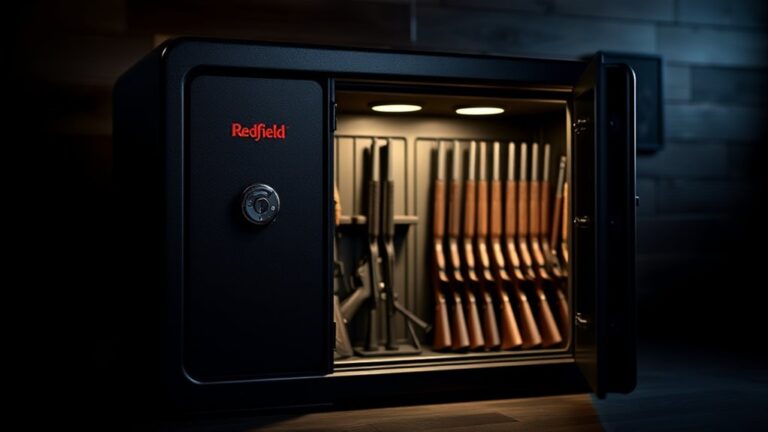
Finding the right gun safe can be overwhelming, especially with so many options out there. Many people struggle with choosing a safe that’s both secure and manageable. You’re not alone—getting the perfect balance isn’t always easy.
For ideal security, choose a gun safe with steel gauges between 10 and 12, as these offer the best balance of strength and durability. Thicker steel provides better resistance against forced entry, dents, and punctures, but it also adds weight, making installation and relocation more challenging.
While thinner gauges are easier to handle, they may compromise your protection. To guarantee you’re making the right choice, you’ll uncover key details that help you pick the best gauge for your needs.
Key Takeaways
- Opt for steel gauges between 10 and 12 for the best combination of security and durability against forced entry.
- Thicker gauges like 10-12 add weight, so keep in mind installation and handling when choosing your safe.
- It’s more important to focus on high-quality steel with proper alloying and manufacturing standards rather than just the gauge thickness.
- Remember, thicker steel can reduce your safe’s interior space, so find a good balance between strength and storage capacity.
- Don’t rely solely on gauge size to judge security. Also, consider steel treatment, material quality, and the overall construction of the safe.
What Are Steel Gauges and Why Do They Matter for Gun Safes?
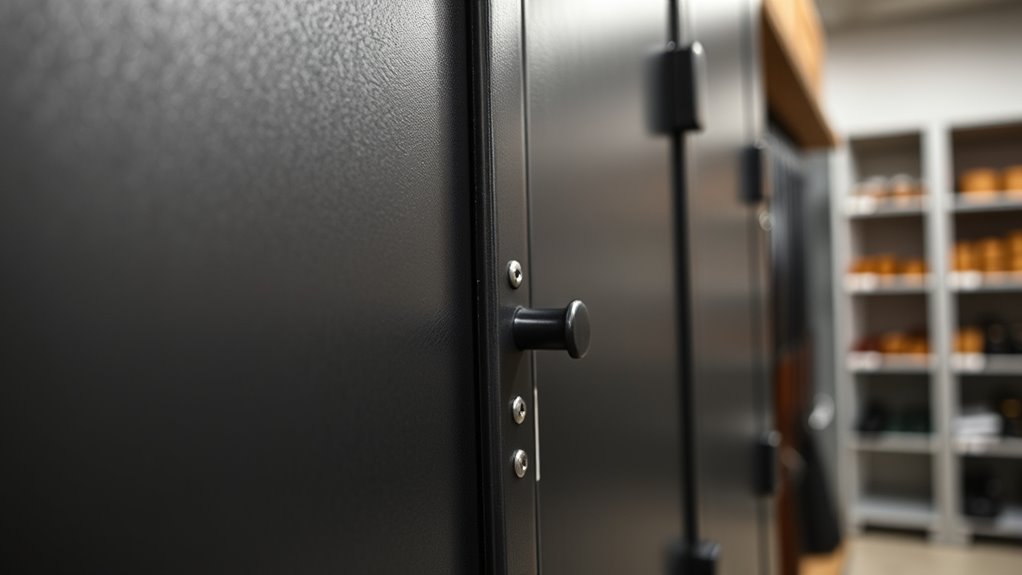
Steel gauge measures the thickness of a safe’s steel panel, with lower numbers indicating thicker, more durable steel. This measurement helps you understand a safe’s strength and resistance to forced entry.
Thicker steel makes it harder for thieves to pry open or cut through the safe, giving your valuables better protection. Gauge sizes are standardized, so knowing the gauge helps you compare safes effectively.
A lower gauge number, like 10 or 12, means the steel is thick and sturdy, ideal for high-security needs. Conversely, higher gauges, like 16 or 18, are thinner and more suitable for basic protection.
Understanding steel gauge guarantees you choose a safe that offers the right balance of strength, affordability, and weight for your specific security requirements.
What Are the Common Steel Gauge Sizes in Gun Safes?
Most gun safes use steel gauges ranging from 10 to 14, with thicker gauges offering more durability.
Standard steel thicknesses vary, but 12 gauge is common for sturdy safes, while some manufacturers use lighter or heavier options.
Keep in mind, gauge sizes can differ between brands, which impacts the overall strength of the safe.
Typical Steel Gauge Range
When evaluating the strength of a gun safe, you’ll find that the steel gauge size plays a crucial role. Typically, steel gauges in gun safes range from about 7 to 12.
Thicker steel generally corresponds to a lower gauge number, meaning more durable protection. Most high-quality safes use steel gauges between 10 and 12, offering a good balance of strength and weight.
Lower gauges like 7 or 8 are thicker and provide improved security but also add weight, making the safe harder to move or install. Thinner gauges, such as 14 or 16, are less common for serious security safes, though they might be used in lighter, portable models.
Understanding this range helps you assess the durability and security level of your safe.
Standard Steel Thicknesses
Knowing the typical steel gauge range is helpful, but understanding the specific thicknesses used in gun safes gives you a clearer picture of their security. Standard steel gauges in safes usually fall between 10 and 14, with each number indicating a different thickness.
For example, gauge 10 offers about 0.134 inches of steel, providing high durability and resistance against attempted breaches. Gauge 12 is roughly 0.105 inches thick, striking a balance between strength and weight.
Gauge 14 measures around 0.075 inches, making safes lighter but potentially less resistant to forced entry. These thicknesses reflect the level of protection you can expect, helping you assess which safe best fits your security needs.
Variations by Manufacturer
Manufacturers often vary in the steel gauges they use for gun safes, reflecting different priorities in security and weight. Some brands opt for thicker steel to maximize durability, while others choose lighter gauges to reduce weight for easier handling.
Common gauges include 10, 12, and 14, but the actual thickness can differ by manufacturer. Here’s a quick comparison:
| Manufacturer | Typical Steel Gauge | Focus |
|---|---|---|
| Brand A | 10 gauge | Heavy-duty security, more weight |
| Brand B | 12 gauge | Balanced security and weight |
| Brand C | 14 gauge | Lighter, easier to move |
| Brand D | 11 gauge | Slightly thicker, improved durability |
| Brand E | 13 gauge | Moderate security, weight compromise |
Choosing the right gauge depends on your security needs and portability preferences.
How Steel Gauge Thickness Affects Safe Security
Thicker steel gauge makes your safe more durable and resistant to break-ins. It’s tougher for intruders to force it open.
But keep in mind, it also adds weight, which can make handling and installation trickier.
Finding the right balance between steel thickness and practicality is key. You want a safe that’s both secure and easy to manage.
Impact on Durability
The thickness of steel gauge directly affects a gun safe’s ability to withstand forced entry and resist damage. Thicker steel offers greater durability, making it tougher for intruders to break into your safe. When considering steel gauge, keep these points in mind:
- Resists dents and punctures. Heavier gauges absorb impacts better, protecting your valuables.
- Enhances structural integrity. Thicker steel keeps its shape under stress, preventing collapse.
- Prolongs lifespan. Increased durability means your safe stays secure over years, even with rough handling.
Ultimately, choosing a lower gauge number (which means thicker steel) ensures your safe remains resilient. It gives you peace of mind that your firearms and valuables are protected against both accidental damage and intentional attacks.
Resistance to Break-Ins
Steel gauge thickness is crucial for a safe’s ability to resist break-ins because it directly affects how hard it is for intruders to penetrate the walls. Thicker steel gauges, like 11 or 12 gauge, offer better resistance against prying, drilling, or cutting tools.
On the other hand, thinner gauges such as 16 or 14 are easier to breach, which makes your safe less secure. Remember, a higher steel gauge number means thinner steel, so choosing a lower gauge gives you stronger protection.
But steel thickness isn’t the only factor to consider. Reinforced doors, complex locking mechanisms, and internal security features also improve resistance. Overall, going for thicker gauge steel significantly boosts your safe’s ability to withstand forced entry attempts.
Weight and Handling
While thicker steel gauges make a safe more durable against break-ins, they also significantly increase the weight of the unit. This added weight affects handling and installation, making it harder to move or reposition your safe. Consider these factors:
- Ease of Installation: Heavier safes may need professional help or special equipment, which can impact setup time and cost.
- Portability: If you need to move the safe often, lighter gauges make transportation much easier.
- Placement Stability: Heavier safes are less likely to be tipped over or stolen, giving you peace of mind once it’s installed.
Balancing steel gauge thickness with your ability to handle the safe ensures you don’t sacrifice security for convenience. Choose a gauge that’s secure but manageable for your space and needs.
Pros and Cons of Thinner vs. Thicker Steel Gauges
Choosing between thinner and thicker steel gauges for gun safes depends on your priorities, as each option has its own pros and cons. Thinner steel, like 14 or 16 gauge, makes the safe lighter and easier to move or install.
But it may compromise strength, making it more vulnerable to drilling or forced entry. Thicker steel, such as 10 or 12 gauge, offers better durability and resistance to attacks, providing increased security.
However, it also adds more weight, which can make installation and relocation more challenging. Thinner steel is usually less expensive but might need extra reinforcement.
On the other hand, thicker steel provides superior protection but comes at a higher cost. Think about your security needs and how easily you might need to move the safe when choosing the right gauge.
Which Steel Gauge Offers the Best Balance of Durability and Affordability?
Finding the right steel gauge is all about balancing strength and cost, so you get solid protection without overspending.
You should consider material quality since higher-grade steel often offers better durability at a higher price.
Ultimately, choosing the best gauge depends on weighing these factors to meet your security needs and budget.
Strength Versus Cost
Balancing strength and cost in steel gauges for gun safes means you need to think carefully. Thicker steel usually offers better security but also costs more.
To find the best value, consider these factors:
- Security Needs: Thicker steel, around 11-14 gauge, gives more durability. It’s great if you’re storing high-value or high-risk items.
- Budget Constraints: Thinner steel, about 16-18 gauge, helps save money but may reduce some security.
- Long-term Investment: Choosing a slightly thicker gauge can prevent costly repairs or replacements down the line.
The key is to pick a gauge that provides enough protection without overspending. Make sure your safe’s security matches your budget and needs.
Material Quality Considerations
While thicker steel gauges generally offer better protection, not all steel is created equal in durability and affordability. The quality of the steel affects its strength, ductility, and resistance to impacts or drilling.
High-quality steel, like boron or hardened steel, provides superior durability without necessarily increasing thickness. This makes it a smart choice for buyers who want to save money.
Cheaper steels might be more prone to cracking or denting, which can reduce your safe’s security over time. When evaluating steel, look for specifications like alloy composition and manufacturing standards.
Opting for slightly thinner but higher-grade steel can give you the right balance of strength and affordability. Investing in quality materials ensures your safe stays secure without breaking your budget.
How to Choose the Right Steel Gauge for Your Security Needs
Choosing the right steel gauge for your gun safe depends on understanding how thickness impacts security. Thicker steel generally offers better resistance to tampering, but it also adds weight and cost.
To select the best gauge, consider these factors:
- Threat level: If you’re facing higher threats, you’ll want thicker steel to prevent forced entry.
- Installation space: Keep in mind that thicker steel may limit interior space, so find a good balance between security and storage needs.
- Budget constraints: Heavier and thicker steel safes tend to cost more, but they also provide increased protection.
How Steel Quality and Manufacturing Influence Safe Strength
The quality of steel and how it’s manufactured play essential roles in determining a gun safe’s strength and durability. High-quality steel has a consistent composition, tight grain structure, and fewer impurities, making it more resistant to impacts and tampering.
Manufacturing processes like hot rolling or cold forging also influence strength. Cold forging aligns the metal’s grain, which increases toughness and makes the steel more durable.
Adding alloying elements such as chromium or nickel can improve corrosion resistance and overall resilience. Precision in manufacturing ensures uniform thickness and solid welds, reducing weak points.
When steel is produced with care and precision, it offers better protection against forced entry and environmental damage. Investing in a safe made from high-quality, well-manufactured steel helps keep your valuables secure longer.
Common Mistakes When Selecting Steel Gauge for Your Gun Safe
Many buyers make the mistake of focusing solely on the steel gauge without considering its actual strength and quality. Choosing a lower gauge isn’t enough if the steel isn’t durable or properly manufactured.
Here are common pitfalls to avoid:
- Assuming a thinner gauge automatically means weaker security. Manufacturing quality matters just as much.
- Overlooking steel treatment processes that improve strength, like hardening or layering.
- Ignoring how steel thickness interacts with design features such as reinforcements or welds.
Focusing only on gauge can lead to a false sense of security. Instead, evaluate the overall quality, manufacturing standards, and how the steel’s properties contribute to your safe’s durability.
Prioritize quality and manufacturing standards over gauge for true security and durability.
A well-made, slightly thicker steel often provides better security than a thinner, poorly produced one.
Does a Higher Steel Gauge Always Mean Better Security?
Is a higher steel gauge always the best indicator of security? Not necessarily. A lower gauge number means thicker steel, which can provide better resistance to tampering and forced entry.
But steel thickness isn’t the only factor that affects security. The quality of the steel, how it’s reinforced, and the overall design of the safe all matter too.
For example, a well-constructed safe with slightly thinner steel can sometimes be more secure than one with thicker but weaker material.
Locking mechanisms, fireproofing, and hinges also play a big role in safety.
Comparing Steel Gauge Options in Popular Gun Safe Brands
When comparing steel gauge options across popular gun safe brands, you’ll notice some big differences that can affect security and durability. Different brands often use different gauges for similar levels of protection, so it’s important to understand these differences.
For example, thicker steel gauges like 11 or 12 gauge usually provide better resistance against forced entry. But some brands might use thinner steel and still offer strong protection by adding advanced locking mechanisms or reinforcements.
Plus, variations in steel quality and how it’s made can also impact overall strength, no matter the gauge. Recognizing these differences helps you choose a safe that balances steel thickness with other security features.
In the end, knowing how brands differ in steel gauge options helps you make a smarter choice that fits your security needs.
Tips to Maintain the Steel Strength of Your Gun Safe
Maintaining the steel strength of your gun safe is essential to ensure it keeps providing reliable security over time. Regular inspections help you catch signs of wear or corrosion early, so you can prevent vulnerabilities.
Keep the safe in a dry, temperature-controlled environment to avoid rust. Lubricate hinges and locking mechanisms with quality oils to keep everything running smoothly and prevent rust from forming.
Avoid impacts or heavy loads that could weaken the steel. Proper placement reduces stress on the safe, helping it stay strong and secure for years to come.
Frequently Asked Questions
How Does Steel Gauge Impact Fire Resistance in Gun Safes?
Steel gauge directly impacts fire resistance by affecting the safe’s durability and insulation. Thicker steel, which has a lower gauge number, provides better structural strength and helps contain heat. This can reduce fire damage to your firearms.
But steel gauge isn’t the only thing that matters. The quality of insulation and seals also play a big role in how well the safe can withstand a fire.
If you want the best fire protection, look for a safe with a sturdy steel gauge and high-quality insulation. That combo will help keep your firearms safe during a blaze.
Are Thicker Steel Gauges More Resistant to Drilling or Cutting?
Thicker steel gauges are more resistant to drilling and cutting because they provide a tougher barrier. For example, a 1/4-inch steel sheet can withstand more force than a 16-gauge sheet.
As you increase the gauge thickness, your safe becomes harder for intruders to breach with cutting tools or drills. So, choosing a thicker gauge boosts your safe’s security and makes it much more difficult for thieves to penetrate.
Can Steel Gauge Differences Affect the Safe’s Weight and Portability?
Yes, steel gauge differences do affect your safe’s weight and portability. Thicker steel, which has lower gauge numbers, makes the safe heavier. This can make it more secure but harder to move around.
On the other hand, thinner steel with higher gauge numbers reduces weight. That makes the safe easier to transport but might also make it less resistant to tampering.
You need to find a balance between your security needs and how often you’ll need to relocate or access the safe.
What Is the Relationship Between Steel Gauge and Overall Safe Lifespan?
Think of your safe as a fortress; the steel gauge acts as its armor. Thicker steel (lower gauge number) usually means a longer lifespan, helping it resist dents, corrosion, and wear over time.
As you choose a lower gauge, you’re strengthening your safe’s ability to last. This means it can better withstand the test of time and daily use.
Do Specific Steel Gauges Provide Better Protection Against Forced Entry?
Yes, specific steel gauges do offer better protection against forced entry. Generally, thicker steel like 10 or 12 gauge provides stronger resistance to tools and brute force, making it harder for intruders to breach your safe.
Thinner gauges, like 14 or 16, are easier to cut or pry open. So, choosing a safe with a lower gauge number means better protection, especially if you’re concerned about security.
Conclusion
Choosing the right steel gauge can make or break your gun safe’s security. Don’t settle for flimsy metal that’s as strong as paper! Think of your safe as an impenetrable fortress, where the steel’s thickness is your ultimate shield.
Pick wisely, and you’ll have a vault that laughs in the face of thieves. Remember, the right gauge isn’t just about protection. It’s about peace of mind so absolute, nothing short of a nuclear explosion could compromise it!
When selecting steel gauge, aim for thicker material—generally, a lower gauge number means thicker steel. For most gun safes, 11 to 14 gauge steel provides solid security without being too heavy or expensive.