7 Essential Steps to Move a Gun Safe Safely
Moving a gun safe can be a real challenge, especially if you’ve never done it before. Many people struggle with figuring out the best way to transport such a heavy and bulky item safely. You’re not alone—it’s a common concern for those wanting to keep their valuables secure without damaging their home or risking injury.
To move a gun safe safely, first assess its weight and size, clear obstacles, and check for fragile parts. Select sturdy equipment like dollies, straps, and sliders with help from at least 2-3 people.
Plan the route carefully, protect the safe with blankets, and secure it during transport. Position the safe securely in its new spot, ensuring it’s level.
Want to know more about each step? Keep going for detailed guidance.
Key Takeaways
- Assess the safe’s weight, size, and surroundings. This helps you plan the move and spot any obstacles in the way.
- Gather the right equipment like dollies, straps, and protective gear. Having these ready makes handling the safe safer and easier.
- Clear the route of obstacles and secure the path. This prevents accidents during transportation and keeps everyone safe.
- Protect the safe with blankets and secure it with straps. This prevents damage and shifting while moving.
- Carefully position and secure the safe in its new spot. Make sure it’s stable and safe before letting go.
Assess Your Gun Safe and Surroundings Before Moving
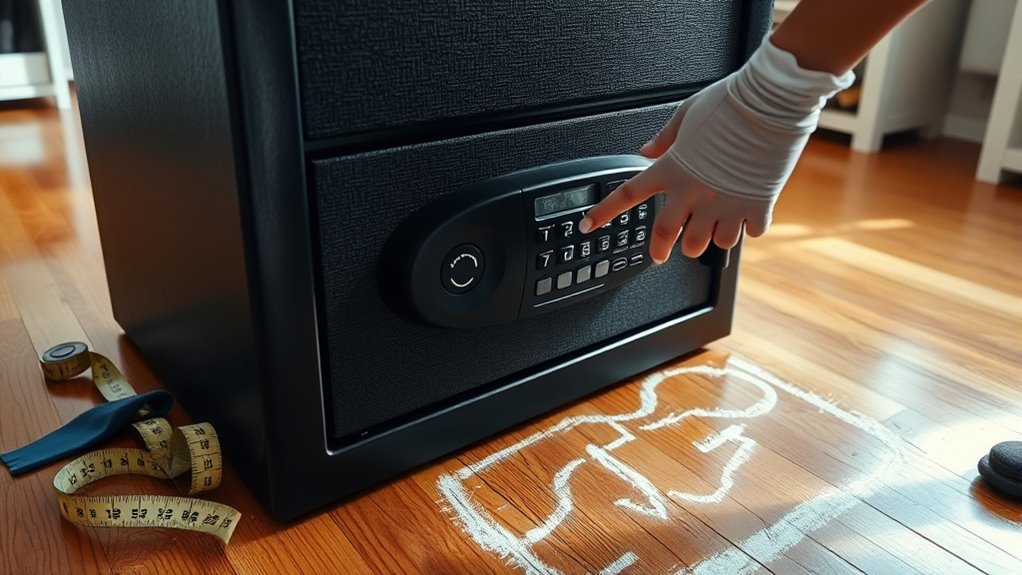
Before you start moving your gun safe, it’s important to evaluate both the safe itself and the environment around it. Check the weight and size of the safe to see if you need extra help or equipment.
Look for obstacles like furniture, narrow doorways, or tight hallways that could make the move harder. Clear a path to prevent accidents or damage along the way.
Inspect the safe for any loose parts or fragile components that might break during transit. Make sure the route is free of debris, spills, or tripping hazards.
If the safe has a combination lock or electronics, think about how to secure or remove these before moving. Taking these steps helps you plan better and makes the move safer and smoother.
Choose the Right Equipment for Moving Your Gun Safe
Selecting the right equipment is essential to move your gun safe safely and efficiently. Start with sturdy dollies designed for heavy loads, preferably with straps to secure the safe during transport.
Use moving straps or ropes to stabilize the safe and prevent shifting. If your safe is particularly heavy, consider furniture sliders to reduce friction and make sliding easier.
Protective gear like gloves and back braces can help prevent injuries. If stairs are involved, equipment like hand trucks with straps or specialized stair-climbing dollies are invaluable.
Verify you have enough manpower—at least two or three people—to lift and maneuver safely. Proper equipment minimizes risks, protects your safe, and makes the moving process smoother.
Always double-check that all tools are in good condition before starting.
Plan the Safest Route and Moving Technique
Start by checking your route for obstacles like narrow doorways or stairs that could cause trouble.
Make sure you pick the right equipment to handle the safe’s weight and size, and coordinate with others to move it smoothly.
Planning ahead helps you avoid hazards and move efficiently and safely.
Assess Path Obstacles
When planning to move a gun safe, it’s important to carefully check the path ahead for obstacles. Look out for tight corners, low ceilings, narrow doorways, or uneven flooring that could make moving difficult.
Removing any objects blocking the route helps reduce risks and prevents damage. Think about the weight and size of your safe to see if the path is practical.
Here’s a quick checklist to help you visualize potential issues:
| Obstacle Type | Potential Hazard | Solution |
|---|---|---|
| Narrow doorways | Difficult to maneuver | Remove doors or disassemble parts |
| Low ceilings | Bumping or scraping | Plan an alternative route |
| Uneven floors | Tipping or slipping | Use ramps or stabilizers |
| Stairs | Higher injury risk | Use a dolly or lift method |
| Overhead obstacles | Damage to safe or ceiling | Clear or move objects out of the way |
Choose Proper Equipment
To guarantee a safe move, you need to choose the right equipment and plan your route carefully. Start by gathering moving tools like dollies, straps, and furniture sliders to make the load easier.
Use a heavy-duty dolly designed for large, bulky items, making sure it can handle the weight of your safe. Straps keep the safe secure during transportation, preventing slips or falls.
Furniture sliders help move the safe across floors with less effort and reduce floor damage. Before lifting, make sure you have gloves for grip and proper footwear for stability.
Measure doorways and hallways to confirm the equipment fits. Proper gear minimizes injury risk, protects your property, and makes the process more efficient.
Always double-check your equipment before starting to guarantee safety.
Coordinate Moving Efforts
Once you’ve gathered the proper equipment, it’s time to plan the safest route and figure out the best moving techniques. Walk the path beforehand to spot obstacles, narrow doorways, or stairs that could slow you down.
Clear the area of any tripping hazards and measure doorways to make sure your safe can pass through easily. Decide who will help and assign roles like lifting, guiding, or steering.
Communicate clearly with everyone involved so movements are coordinated smoothly. Use proper lifting techniques to avoid injury and keep the safe balanced.
Consider using straps or dollies for better control. Planning your route and techniques helps reduce risks, lessen strain, and makes your move safer and more efficient.
Protect Your Gun Safe and Your Space During the Move
Protecting your gun safe and your space during the move is key to avoiding damage and keeping everyone safe. Before you start, clear the path to prevent tripping hazards and make sure there’s enough room to maneuver.
Use protective blankets or moving pads around the safe to prevent scratches and dents, especially when navigating tight corners or doorways. Secure the safe with straps or ropes to keep it stable during transport.
If possible, block off the area to keep pets or children away, which helps reduce accidents. Also, protect your floors by laying down plywood sheets or moving blankets to spread out the weight evenly.
Taking these simple precautions makes the move safer and smoother for everyone involved, and helps prevent damage to your safe and your property.
Gather Help and Handle Your Safe Carefully
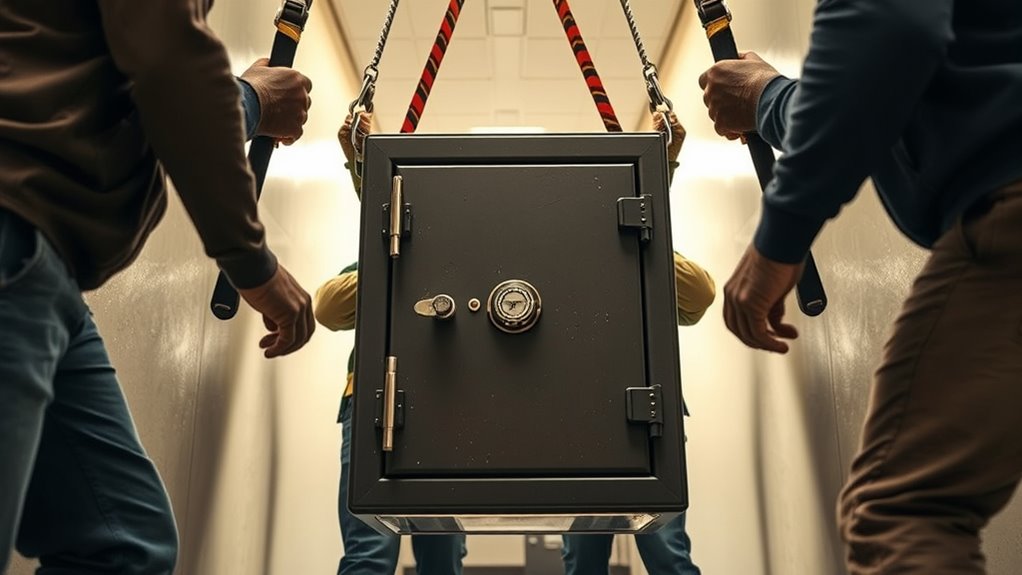
Because gun safes can be heavy and awkward to handle, it’s important to gather enough help to make the move safe and smooth. Get at least two or three strong, capable people to assist you.
Before lifting, communicate your plan clearly and assign specific roles so everyone knows what to do. Always lift with your legs, not your back, and keep the safe close to your body to stay balanced.
Use proper lifting techniques to avoid injuries or damaging the safe. Handle it gently, avoiding sudden drops or jerky movements. Take your time and don’t rush the process.
If you can, use straps or a dolly to help distribute the weight evenly. Working together carefully reduces risks and helps ensure your safe reaches its new spot intact.
Secure Your Gun Safe During Transit
To keep your gun safe secure during transit, you need to properly immobilize it so it doesn’t shift or fall. Use thick blankets or moving pads around the safe to cushion it and prevent scratches.
Secure the safe with durable straps or ratchet tie-downs, making sure they’re tight but not damaging the surface. Place the safe against the truck’s walls or secured to the floor to minimize movement.
Avoid overloading the vehicle or stacking heavy items on top. Double-check all straps and padding before starting your move. Keep the safe upright and stable throughout transit, avoiding sudden stops or sharp turns.
Properly securing your safe reduces the risk of damage and keeps it safe from shifting, ensuring a smooth and secure move.
Unload and Position Your Safe in Its New Location
Carefully remove the straps and padding used during transit, then slowly maneuver the safe into its designated spot. Make sure the area is clear of obstacles, and the floor is level to prevent tipping.
If the safe is heavy, use a dolly or lifting straps to help move it. Once you have it in place, gently tilt the safe to access the door and unload any internal contents if needed.
Check that the safe is resting securely and evenly on the floor. Take your time with this step; proper placement is key for safety and stability.
Before finishing, confirm that the safe is fully closed and locked. Make sure it’s positioned correctly to avoid damage or injury.
Frequently Asked Questions
How Do I Determine if My Safe Is Too Heavy to Move Alone?
To figure out if your safe is too heavy to move alone, start by looking at its weight label or the manufacturer’s specs. If it weighs more than 150 pounds, it’s a good idea to ask for help.
Try lifting the front just a little. If it’s really hard or you feel strain, don’t attempt to move it on your own. Remember, trying to move a heavy safe without help can cause injuries or damage.
It’s safer to get friends or professional movers involved for heavier safes. Moving safely is always better than risking injury or breaking your safe.
What Insurance Options Are Available for Moving a Gun Safe?
Did you know that specialized moving insurance can cover up to $100,000? For your gun safe, consider options like moving company insurance, which often includes coverage for damages or loss.
You can also purchase standalone moving insurance or add rider coverage to your homeowner’s policy. Be sure to review policy limits and exclusions, and document your safe’s condition before the move to ensure proper claims processing if needed.
Are There Specific Permits Required for Transporting Gun Safes Across State Lines?
Yes, you typically need permits when transporting a gun safe across state lines, especially if it contains firearms.
Check federal and state regulations, as some states require additional documentation or permits for firearms or large safes.
It’s a good idea to contact local law enforcement or transportation authorities beforehand to make sure you’re following all the legal requirements.
Failing to do so could lead to fines or legal issues, so it’s best to verify all necessary permits before you move.
How Can I Prevent Damage to My Floors During the Move?
You can prevent floor damage by placing thick blankets, moving pads, or cardboard sheets under the safe’s contact points.
Use furniture sliders or a dolly with wide wheels to distribute the weight evenly and reduce pressure.
Talk to your movers about your flooring concerns and plan your route carefully to avoid sharp turns or obstacles.
Moving slowly and steadily also helps prevent accidental scratches or dents.
What Should I Do if My Safe Gets Stuck or Stuck During the Move?
If your safe gets stuck during the move, stop and carefully assess what’s going on. Don’t try to force it, as that could cause damage or even injury.
Try to see what might be blocking the safe. You can use a pry bar or pulling straps to gently help free it.
If you can’t move it safely on your own, it’s best to call professional movers who have experience handling heavy safes. They have the right tools and know-how to do the job safely.
Conclusion
Moving a gun safe may seem intimidating, but with the right steps, you can do it safely and smoothly. Think of it like guiding a gentle giant—you need patience, care, and a steady hand.
By evaluating your safe, choosing proper equipment, planning your route, and gathering help, you guarantee everyone’s safety.
Stay cautious, take your time, and soon your safe will be settled securely in its new home, just like a trusted friend.
Remember, following these steps ensures a safe gun safe move and keeps everyone involved protected.