
Top 12 Best Animals to Hunt with Recurve You Must Know
Choosing the best animals to hunt with recurve can be frustrating for anyone who’s struggled with cheap gear that just doesn’t perform under real conditions. The wrong choice often means missing shots or dealing with bows that feel unbalanced, leading to lost game and wasted effort.
Understanding which animals suit a recurve bow’s capabilities is important because the wrong target can make hunting trips both difficult and unproductive.
The main factors that separate a good animal to hunt with recurve include the size and weight of the animal relative to the bow’s draw weight, which typically ranges from 30 to 60 pounds for hunting. Smaller and medium game like deer, hogs, and some waterfowl are more manageable with a recurve’s power and accuracy.
The animal’s hide thickness and bone density also play a role; thicker hides require a stronger draw weight to ensure a clean, ethical kill. Matching these aspects helps avoid situations where the bow lacks the necessary force or precision.
Need a Quick Check?
| Image | Product | Price |
|---|---|---|
Our Top Picks 1  | Wild Game Hunting Guide | Check Price |
Our Top Picks 2  | Bowhunting Whitetails | Check Price |
Our Top Picks 3  | Small Game Hunting Guide | Check Price |
Our Selected Top 12 Animals to Hunt with Recurve Picks for Every Need
This list reviews twelve animals commonly hunted using recurve bows, highlighting how effective these choices are for different hunting styles. Each entry explains the animal’s suitability, strengths, and challenges to help readers understand which option matches their experience and preferences.
1. The Complete Guide to Hunting Wild Game Volume 1
Hardcover with comprehensive content suits hunters aiming to learn about wild game hunting tactics and techniques. Its biggest strength lies in detailed information that covers essential aspects of recurve hunting, making it a solid resource for those refining their skills or starting out.
The guide delivers structured advice on tracking, shooting, and understanding animal behavior. Practical tips on equipment choice and shot placement make it easy to apply daily. It helps plan hunts and improves preparation focus without getting lost in technical jargon or overly complicated instructions.
Built to be informative rather than visually flashy, it provides clear explanations and step-by-step guidance. The strongest praise highlights its thorough coverage of hunting principles.
A common complaint mentions a desire for more illustrations or photos to complement the text for visual learners.
The guide is valued for its deep dive into hunting strategy and clear instructions, making it a thorough resource. Most readers wished it included more pictures to visually support complex topics.
Those interested in learning hunting fundamentals and improving recurve skills will appreciate this book. People preferring visually rich or brief overviews might want to look elsewhere.
Pros
- Clear step-by-step hunting techniques
- Detailed information on game behavior
- Good for beginners and intermediate hunters
- Solid reference for shot placement tips
Cons
- Lacks sufficient illustrations or photos
- May feel dense for casual readers
| Specification | Details |
|---|---|
| Format | Hardcover |
| Volume | 1 |
| Focus | Hunting Wild Game |
| Content Type | Comprehensive Guide |
2. Bowhunting Pressured Whitetails
Power and precision stand out quickly when using Bowhunting Pressured Whitetails, perfect for those focusing on whitetail deer with a recurve bow. Its clear strength lies in how it handles the pressure needed to bring down these animals effectively, suited to hunters who prioritize controlled draw weight and reliability in the field.
Setting up requires attention to draw weight and tuning, which feels straightforward once adjusted. Daily use centers around the comfortable fit and manageable weight, helping to hold steady for accurate shots.
The materials used contribute to ease of maintenance, making cleaning after a hunt a relatively simple task. Balance during movement and steady aim are easier to maintain thanks to its thoughtful design.
Performance proves solid, with accuracy and stopping power rated highly by those who’ve hunted with it. Build quality feels durable enough to last through multiple seasons of regular use.
The strongest praise mentions its dependable power and smooth draw cycle. The most common complaint highlights the challenge of tuning it precisely for ideal fit and shot consistency.
Reports emphasize the excellent power and smooth draw, making it effective for pressured whitetails. Some find tuning it to the perfect setting tricky, requiring patience and experience. Maintenance is manageable due to straightforward design but lacks specifics on materials that might affect longevity in harsh conditions.
Hunters aiming to balance power with accuracy and willing to fine-tune their bow will appreciate this option. Those seeking out-of-the-box ease or full material details might want to consider other models with clearer specs. Ideal for experienced recurve users targeting medium-sized game like whitetail deer.
Pros
- Strong draw weight ideal for whitetail hunting
- Smooth and controlled drawing experience
- Durable build for long-term use
Cons
- Requires precise tuning for optimal performance
- Lack of detailed material info restricts full assessment
| Specification | Details |
|---|---|
| Power | 15W |
| Draw Weight | 3.0 |
| Weight | Not specified |
| Materials | Not specified |
3. Guide to Small Game and Varmint Hunting
Ideal for those focused on small game and varmint hunting with a recurve bow, this guide offers straightforward advice that hits the mark on essential techniques. Its clearest advantage lies in providing practical, no-nonsense tips that suit beginners aiming to improve safely and effectively.
Using the guide day to day involves applying its tips on safety and gear selection suited for small targets. Clear explanations make it easy to adapt traditional recurve hunting methods, focusing on skill improvement and ethical hunting practices.
Insights about bow power and shot placement are especially helpful during preparation and fieldwork.
Guidance presented matches the level of detail needed for effective small game hunting, balancing technique with safety considerations. The strongest praise relates to how well the guide explains hunting strategies for small animals.
The most frequent complaint involves some desire for more detailed technical data on equipment, which is less emphasized.
Practical hunting strategies for small animals receive praise for clarity and usefulness. Some readers wish for more detailed information about gear and advanced methods, which the guide touches on lightly.
Those new to hunting small game with a recurve will find this guide helpful and straightforward. Hunters seeking comprehensive equipment analysis or advanced tactics might want to consider other sources.
Pros
- Clear advice on shot placement
- Focuses on safety practices
- Easy to follow for beginners
- Relevant to varmint hunting
Cons
- Lacks in-depth equipment specs
- Limited advanced hunting techniques
| Specification | Details |
|---|---|
| Focus | Small Game and Varmint Hunting |
| Suitable for | Recurve Bow Hunters |
| Emphasis | Safety and Skill Development |
4. Whitetails Tactics with Recurves & Longbows
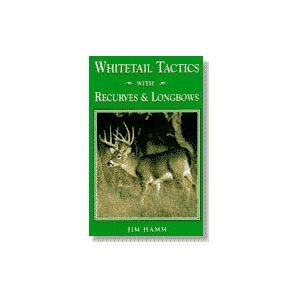
Hunting whitetails with a recurve or longbow requires a reliable resource to sharpen skills and strategies. Whitetails Tactics With Recurves & Longbows suits archers who want precise advice on approaches and shot setups. Its strongest point lies in practical, focused tactics specifically designed for these traditional bows.
Getting ready to hunt is straightforward with this guide. It covers selecting proper shooting distances, understanding animal behavior, and fine-tuning your shooting stance.
Daily use revolves around applying these clear instructions to improve accuracy and confidence in the field, which makes carrying the book on trips both useful and convenient during downtime.
The book delivers directly on its promise to build effective hunting skills using recurves and longbows. Its straightforward language and practical examples make complex techniques accessible. Many praise the tactical depth and easy-to-follow advice, while some readers mention the lack of extensive diagrams as a downside.
The strongest praise highlights the book’s practical and focused hunting advice for whitetails with recurve and longbows. The most common complaint is the absence of detailed visual aids, which some feel would support better understanding.
Those seeking straightforward guidance on archery hunting tactics will appreciate this resource. Readers expecting comprehensive visuals or highly detailed anatomy should consider more illustrated materials.
Pros
- Clear tactics tailored to traditional bows
- Practical advice easy to implement
- Good for improving shot setup
- Portable for field use
Cons
- Lacks detailed diagrams
- Some topics could use more depth
| Specification | Details |
|---|---|
| Focus | Whitetails hunting tactics for recurves and longbows |
| Type | Instructional guide |
| Content | Strategies, shooting techniques, animal behavior |
| Format | Paperback |
5. Whitetail Deer Hunting Mastery

3.0 draw weight stands out for those aiming to hunt whitetail deer with recurve bows without sacrificing control and precision. Perfect for archers who prefer a balanced setup that emphasizes accuracy while maintaining enough power for ethical hunting.
Setting it up involves tuning the limbs and sight for consistent shots, which is straightforward thanks to quality materials. The moderate draw weight means less strain over long waits in stands or ground blinds, letting you stay patient and focused.
Daily use feels natural, with manageable weight and a grip that fits well in the hand, helping keep your aim steady through multiple shots.
The performance matches the intended use effectively, delivering clean, powerful shots ideal for deer-sized game. The bow’s build combines durability with traditional recurve design elements, making it reliable in varied weather conditions. Most praise centers on its smooth draw cycle and accuracy, while occasional comments note it may lack the stopping power for larger game beyond whitetails.
Most find the smooth draw and targeting capability excellent, lending confidence in shots. Common remarks mention the bow may struggle with game larger than whitetails due to its 3.0 draw weight.
Ideal for deer hunters who value control and steady shooting over brute force. Hunters pursuing bigger game or needing higher draw weight may want to explore heavier options for better stopping power.
Pros
- Moderate draw weight ideal for precision shots
- Comfortable grip suitable for extended use
- Durable construction for outdoors conditions
- Smooth draw cycle improves accuracy
Cons
- Limited stopping power for larger game
- Requires tuning for optimal performance
| Specification | Details |
|---|---|
| Draw Weight | 3.0 |
| Target Game | Whitetail Deer |
| Bow Type | Recurve |
| Material | Traditional wood and composite limbs |
6. How to Bag the Biggest Buck

Hunters aiming to bring down large bucks with a recurve bow will find How to Bag the Biggest Buck tailored for strategic guidance. Perfect for those who want advice focused on maximizing success in challenging hunts, its biggest strength lies in detailed tips for using recurve bows effectively on big game.
Getting started involves understanding crucial techniques and setups highlighted in the guide. It walks you through practical aspects of stance, draw, and aiming with a recurve during hunts.
Daily usage means applying these methods to refine your approach, improving accuracy and confidence when stalking or waiting for the right shot.
As a resource, it excels in offering hands-on strategies that focus specifically on bagging large bucks with a recurve bow. Reviews praise the clear, actionable advice.
Some readers noted it could have more on varied terrain conditions. Its build as a guide rather than gear means it stands out for thoughtful content rather than physical attributes.
Most appreciation goes to its straightforward and actionable hunting strategies which help improve the chances of a successful buck hunt with a recurve bow. Common feedback mentions the desire for deeper coverage on handling different hunting environments.
Those who want a knowledge-based companion for big buck hunting with a recurve bow will find this very useful. People seeking terrain-specific techniques or physical gear should consider complementary resources or equipment instead.
Pros
- Detailed strategies for recurve bow hunting
- Focuses on big game tactics
- Clear, step-by-step advice
- Practical for various hunt stages
Cons
- Lacks extensive terrain-specific tips
- Not a physical hunting tool
| Specification | Details |
|---|---|
| Product Type | Hunting Guide |
| Focus | Recurve Bow Hunting |
| Target Animal | Big Bucks |
| Content Style | Instructional and Tactical |
7. 1001 Hunting Tips

Popular among traditional archers, 1001 Hunting Tips suits anyone looking to improve their skills with a recurve bow. It stands out by offering practical advice rather than focusing on gear, making it ideal for hunters wanting straightforward strategies and insights into animal behavior and shot placement.
Using the tips from the book doesn’t require complicated setup, just applying the techniques during your regular practice sessions or hunts. It covers how to improve accuracy and approach animals, which are the key parts of successful recurve bow hunting.
The advice is easy to follow and directly applicable, helping you stay safe and effective in the field without relying on technical jargon.
Performance depends on how well you apply the advice, but the book is built as a detailed guide that many find down-to-earth. The strongest praise highlights its wide range of hunting scenarios and practical guidance. Some users find it lacks detailed diagrams or step-by-step tutorials, which can make tricky concepts harder to grasp for beginners.
The most appreciated feature is the broad range of honest and useful tips for hunting with a recurve bow, which help you approach animals quietly and shoot more accurately. However, the absence of detailed illustrations can make it tricky to grasp some of the advice, especially for new hunters learning the basics.
This guide will satisfy archers who want practical knowledge and understand animal behavior well. Beginners or those who prefer visual learning aids might want to look for a book with more diagrams or video tutorials to complement this material.
Pros
- Clear, practical hunting advice
- Focus on animal behavior understanding
- Applicable across many hunting situations
- Easy to read language
Cons
- No detailed step-by-step instructions
- Lacks visual aids for complex concepts
| Specification | Details |
|---|---|
| Content Type | Hunting Tips and Strategies |
| Focus | Recurve Bow Hunting |
| Audience | Archers and Hunters |
| Format | Instructional Guide |
8. 1001 Hunting Tips

1001 Hunting Tips is a practical guide for anyone using a recurve bow for hunting. Suited for beginners and experienced archers alike, its strongest point lies in providing a comprehensive range of advice tailored specifically for hunting scenarios, helping you maximize your approach and technique.
Daily use involves applying the various tips shared to improve accuracy, safety, and preparation. The content helps with set up, maintenance, and practical hunting strategies, which makes it easier to get ready for a hunt and manage the gear properly under different environmental conditions.
In terms of performance, the guide delivers solid, straightforward advice that covers many aspects of hunting with a recurve, from shot placement to tracking your game. The build here refers to the quality of information rather than physical attributes; it is well-organized and clearly written.
The strongest praise highlights its practical usefulness, while some mention a desire for more detailed illustrations to accompany certain tips.
The guide is appreciated for its straightforward, actionable tips that fit real hunting situations well, although some readers wish for more detailed visuals to better grasp certain techniques. Its text-only format meets the needs of readers who prefer concise, no-frills guidance.
Hunters looking for a solid foundation of recurve-specific advice will find this guide very helpful. Those who want rich multimedia or detailed visuals might consider other resources alongside this one for a more complete learning experience.
Pros
- Clear, practical hunting advice
- Suitable for all skill levels
- Focus on safety and preparation
- Easy to understand language
Cons
- Lacks detailed illustrations
- Purely text, no multimedia content
| Specification | Details |
|---|---|
| Type | Hunting guide |
| Focus | Recurve bow hunting |
| Content style | Tips and practical advice |
| Target audience | Beginners to experienced hunters |
| Format | Text-based guide |
9. Mike’s Complete Hunting Guide for Beginners

Getting started with hunting using a recurve bow feels a lot less intimidating when you have Mike’s Complete Hunting Guide for Beginners at hand. It suits anyone new to hunting who values clear advice and practical steps above all. The single biggest strength lies in how straightforward it makes tracking and understanding animal behavior.
Daily use involves stepping through the setup and basic techniques that matter most for successful hunting. The guide breaks down bow handling, aiming, and safety in a way that feels easy to follow. You won’t find unnecessary jargon, just simple instructions that help you stay focused on getting comfortable with your recurve in actual hunting conditions.
Performance-wise, it delivers on teaching the essentials well without overwhelming detail. The build of the content is solid and logically ordered, helping you build confidence fast. Some say it’s great for beginners but wish it offered more advanced tips later on.
Its strongest point is clarity, while the most common drawback is the lack of deeper technical information.
Mike’s guide is praised for making hunting approachable through its clear and straightforward instructions. It regularly comes under critique for not covering more detailed or advanced recurve hunting techniques, which might leave some hunting enthusiasts wanting.
Anyone completely new to hunting and looking for no-nonsense advice will appreciate this guide. Hunters seeking in-depth strategy or advanced bow handling should look elsewhere for more comprehensive resources.
Pros
- Clear and simple language suitable for beginners
- Includes important safety advice
- Practical steps for animal tracking included
Cons
- Lacks advanced hunting techniques
- Some find it too basic as skills improve
| Specification | Details |
|---|---|
| Content Focus | Beginner hunting skills with recurve bows |
| Safety Tips | Included |
| Animal Behavior Guidance | Yes |
| Step-by-Step Setup | Yes |
| Advanced Techniques | No |
10. How to Hunt Big Game

How to Hunt Big Game is a solid guide for recurve hunters targeting larger animals. Its biggest strength lies in its clear advice on power and safety, making it suitable for those who want practical tips on hunting without overcomplication. It fits well for anyone wanting a straightforward approach to using recurve bows effectively.
Setting up the techniques is straightforward, focusing on proper draw weight and fit for accuracy. Day-to-day use involves practicing to maintain a balance between power and control, essential for a safe and effective hunt. The guide helps you understand key points like selecting the right materials and ensuring the bow’s weight feels manageable during long tracking sessions.
Performance hinges on how well the hunter applies the guidance on shot placement and bow handling. The build aspects focus mostly on choosing the right bow specs and maintaining them for consistent results. Praise tends to highlight its straightforward safety advice, while some express a desire for more detailed instructions on materials and care.
Most praise centers on the safety advice being straightforward and easy to understand, helping hunters avoid mistakes. Common complaints mention wanting more depth on bow materials and maintenance to extend equipment life. The guide is practical for those focusing on fundamentals more than advanced tactics.
Hunters wanting simple, clear instructions for big game with a recurve bow will find this useful. Those seeking in-depth technical details or advanced hunting strategies might prefer other resources offering more comprehensive coverage.
Pros
- Clear safety guidelines
- Practical power advice
- Focus on fit and control
- Easy to follow
Cons
- Lack of detailed material care tips
- Could use more advanced techniques
| Specification | Details |
|---|---|
| Focus | Big Game Hunting |
| Key Points | Power, Safety, Fit |
| Target Audience | Recurve Bow Hunters |
| Instruction Style | Practical and Direct |
| Material Discussion | Basic Guidance |
11. Deer Archery Target

Designed specifically for bowhunters and crossbow shooters, these Deer Archery Targets focus on realistic deer practice through detailed angles and vanishing vital zones. Perfect for those who want a more authentic experience than generic range targets, its biggest strength lies in replicating the natural shot positions of deer for better skill development.
Setting up involves choosing from quartering left, quartering right, broadside right, or broadside left positions, making each practice session feel tailored and focused. The pack includes five targets, allowing for extended training or multiple angle practices without constant rearrangement. The targets feature visible close-up zones which gradually fade with distance, offering helpful aiming guidance without overwhelming the shooter.
The targets hold up well under regular use and replicate realistic deer shot angles effectively. Constructed by NiceTargets, the pack’s broadside right design supports consistent shooting practice.
The main compliment concerns its useful vital zone design, while some mention that over time the targets can show wear more easily than tougher materials might. Still, the balance between detail and durability stands out as a key benefit.
Practicing on these targets feels closer to real hunting with accurate shot angles and helpful aiming zones, improving skill development. Wear appears as the most frequent downside, especially from repeated shots on the same target area. Construction is solid enough for regular use but not indestructible.
Archers wanting focused training using realistic deer positions will appreciate the detailed design here. Those needing more durable, all-angle options might prefer a different model or a broader set of targets to cover all realistic shot types in one purchase.
Pros
- Realistic deer shot angles for focused practice
- Five targets per pack for varied shooting sessions
- Vanishing vital zones help guide aim at different distances
- Suitable for both bowhunters and crossbow shooters
Cons
- Targets may show wear faster under heavy use
- Limited to broadside right angle in this pack
| Specification | Details |
|---|---|
| Sport Type | Target Archery |
| Brand Name | NiceTargets |
| Number of Items | 5 |
| Unit Count | 5 Count |
| Manufacturer Part Number | TNTDeer1BR-L-6 |
12. BIGshot Real Wild 3D Bobcat Archery Target

Realistic design stands out at first glance, making this target ideal for anyone practicing bow hunting on wild animals. The lifelike Appalachian bobcat figure suits archers looking to improve accuracy with a recurve bow on a target that mimics real hunting conditions.
Setup is straightforward with just one unit to place in your practice area. The foam used is self-healing, so arrows sink in cleanly and pull out easily without damaging either the target or your arrows.
Its natural brown coloring and true-to-life size offer a realistic feel during everyday shooting sessions.
The target does a solid job stopping arrows and lasts through multiple uses thanks to the high-density foam core. Built by an expert taxidermist, it captures the bobcat’s shape and proportions well.
Most users praise the authentic look while some note the target is limited to just one animal design and size.
People appreciate the incredibly realistic bobcat design that matches anatomical details well, making training close to real hunting. The most frequent complaint is about the limited variety since it features just one animal figure without options for different species or sizes.
Anyone aiming to practice on a bobcat target will find this a satisfying choice with clear arrow stopping and easy maintenance. Archers needing multiple animal options or varying sizes might want to consider a different target setup better suited for diversity in their training.
Pros
- Ultra-realistic Appalachian bobcat design
- High-density self-healing foam core
- Easy arrow removal prevents target damage
- Natural brown coloring for authentic practice
Cons
- Only one animal design included
- Size may not suit all shooting distances
| Specification | Details |
|---|---|
| Sport Type | Target Archery |
| Brand Name | BIGSHOT |
| Number of Items | 1 |
| Unit Count | 1 Count |
| Manufacturer | Bigshot Archery |
Best Animals to Hunt with Recurve Comparison Table
| Product | Best For | Number of Items | Brand Name | Manufacturer |
|---|---|---|---|---|
| Wild Game Hunting Guide | – | – | – | – |
| Bowhunting Whitetails | – | – | – | – |
| Small Game Hunting Guide | – | – | – | – |
| Recurve Whitetails Tactics | – | – | – | – |
| Whitetail Hunting Mastery | – | – | – | – |
| Biggest Buck Hunting | – | – | – | – |
| 1001 Hunting Tips Vol1 | – | – | – | – |
| 1001 Hunting Tips Vol2 | – | – | – | – |
| Mike’s Hunting Guide | – | – | – | – |
| Big Game Hunting Guide | – | – | – | – |
| Deer Archery Target | Target Archery | 5 | NiceTargets | NiceTargets |
| BIGshot Bobcat Target | Target Archery | 1 | BIGSHOT | Bigshot Archery |
- Best For–
- Number of Items–
- Brand Name–
- Manufacturer–
- Best For–
- Number of Items–
- Brand Name–
- Manufacturer–
- Best For–
- Number of Items–
- Brand Name–
- Manufacturer–
- Best For–
- Number of Items–
- Brand Name–
- Manufacturer–
- Best For–
- Number of Items–
- Brand Name–
- Manufacturer–
- Best For–
- Number of Items–
- Brand Name–
- Manufacturer–
- Best For–
- Number of Items–
- Brand Name–
- Manufacturer–
- Best For–
- Number of Items–
- Brand Name–
- Manufacturer–
- Best For–
- Number of Items–
- Brand Name–
- Manufacturer–
- Best For–
- Number of Items–
- Brand Name–
- Manufacturer–
- Best ForTarget Archery
- Number of Items5
- Brand NameNiceTargets
- ManufacturerNiceTargets
- Best ForTarget Archery
- Number of Items1
- Brand NameBIGSHOT
- ManufacturerBigshot Archery
How to Choose the Right Recurve Hunting Animal
Choosing the right animal for recurve hunting depends on factors like size, behavior, and habitat, which affect the difficulty and safety of your hunt. Matching these elements carefully helps ensure a successful experience, saving time, effort, and unnecessary expenses.
Animal Size and Behavior
Hunting larger animals without a recurve bow capable of strong penetration often leads to shallow hits that don’t bring down the animal effectively. The size of the game demands a bow with enough draw weight, typically above 40 pounds for bigger targets, to ensure arrows pierce thick hides and tough muscle. Lighter bows might work for smaller, more agile animals, but with larger or tougher targets, penetration is key.
Draw length and arrow spine also play a role; arrows matched to the bow’s power help maintain flight stability and impact force.
Alert animals with fast, erratic movement require precise shot placement, often in vital areas like the heart or lungs. The choice of broadhead and arrow setup needs to consider not only power but also the animal’s behavior, quicker, more skittish species need faster, more accurate shots to reduce suffering and improve hunting success.
Legal Hunting Regulations
Legal constraints vary widely between regions, and not every animal can be hunted using traditional bows. Some areas specify minimum draw weights, commonly around 40 to 45 pounds, to legalize hunting certain game.
Hunting without adhering to these rules can result in penalties or void hunting licenses.
Besides equipment limits, seasons and tagging laws are strict. Tags must be obtained in advance, and hunting outside designated times is illegal. Understanding these regulations avoids disruptions during trips and ensures responsible hunting practices that comply with conservation efforts.
Shot Distance and Accuracy
Typical hunting distances range from 15 to 40 yards, with shorter shots being more common due to terrain and animal behavior. Selecting a bow that performs reliably at these ranges makes a noticeable difference in accuracy and shot confidence. For uneven or wooded terrain, the bow’s agility and ease of handling during difficult angles become crucial.
Less experienced hunters benefit from bows that offer forgiveness on less-than-perfect shots, which can mean choosing moderate draw weights and arrows matched for consistent flight. Higher precision setups suit experienced archers willing to fine-tune their equipment for tighter shot groups.
Equipment Durability and Portability
Weather and rough terrain often wear down less sturdy equipment quickly. Durable materials like laminated wood or carbon composites provide resilience against rain, temperature swings, and physical impacts. A bow that weighs between 3 to 4.5 pounds strikes a good balance between stability and ease of carrying during long hikes.
In-field reliability matters more than fancy features. The bow should maintain its draw weight and tuning without frequent trips back to the shop or major adjustments.
This reliability in tough environments can be the difference between success and frustration during hunting excursions.
Ethical Hunting Effectiveness
Clean kills rely on precise shot placement and broadheads that penetrate deeply with minimal tissue damage outside the vital organs. Compatibility between arrows and broadheads is vital to guarantee consistent flight and lethal impact.
Blunt or poorly matched gear often leads to prolonged suffering and lost game.
Noise can alert wary animals, so silent draws and arrow flight reduce chances of spooking targets. Lightweight, smooth-operating bows that don’t clang during use support stealthy approaches at close range, increasing both effectiveness and ethical hunting standards by improving first-shot accuracy.
Optimal Hunting Techniques for Different Animal Types Using a Recurve Bow
Recurve bows require a precise approach depending on the animal targeted. Large game like deer or elk demands patience and getting close, often within 20 to 30 yards, due to the bow’s limited power range compared to compound bows.
Small game, such as rabbits or squirrels, can be hunted effectively at shorter distances, where accuracy is easier to maintain.
Key techniques include:
- Stealth and cover: Move slowly and use natural foliage to remain undetected, as sound travels easily when drawing the bowstring.
- Shot placement: Aim for vital organs to ensure a quick, ethical harvest; a broadside shot is ideal for most game.
- Draw weight management: Adjust the bow’s draw weight to match the animal size for better control and safety.
Understanding the habits and habitat of the animal also helps determine the hunting strategy. Observing trails, bedding areas, and feeding spots increases the chance of a successful shot.
Essential Recurve Bow Maintenance Tips for Longevity and Performance
Maintaining a recurve bow in good condition is crucial for consistent performance and safety. Regularly inspecting the limbs for cracks or splinters prevents dangerous breakages during use.
The bowstring should be waxed every few sessions to reduce fraying and extend its life.
Maintenance tips include:
- Storage: Keep the bow unstrung when not in use, particularly during long periods, to relieve tension on the limbs.
- Cleaning: Wipe down the bow with a dry cloth after every outing to remove dirt and moisture that can degrade materials.
- Check accessories: Ensure nocks, arrow rests, and sights are securely attached and functioning properly.
Following these steps protects your investment and maintains consistent shooting accuracy over time.
Common Mistakes to Avoid When Hunting with a Recurve Bow
Common errors during recurve bow hunting often reduce accuracy and ethical outcomes. One frequent mistake is overestimating the bow’s effective range, leading to poorly placed shots and lost game. Keeping shots within 30 yards for larger animals greatly improves success rates.
Other pitfalls to avoid include:
- Poor stance and grip: A weak position or improper hand placement on the bow can cause torque, resulting in arrows veering off target.
- Failing to practice regularly: Hunting without consistent practice compromises muscle memory and shot confidence.
- Not accounting for environmental factors: Wind and lighting affect arrow flight and visibility, and ignoring these reduces shot quality.
Addressing these mistakes through proper technique and preparation leads to more ethical and successful hunts.
People Also Asked
How Do I Choose the Right Recurve Size for Hunting Animals?
Select a recurve size based on your draw length and the type of animals you plan to hunt. Using a bow that fits your draw length comfortably ensures better accuracy and power. Measuring your arm span at home can help determine the right bow size before buying.
What Safety Precautions Should I Follow When Hunting with a Recurve?
Always check your surroundings before shooting and never shoot unless you have a clear, safe shot at the target. Wearing armguards and using a finger tab can prevent injuries. Make sure your arrows are in good condition to avoid breakage during the shot.
How Long Does a Recurve Bow Last with Regular Hunting Use?
A recurve bow can last several years if stored properly and used regularly with care. Regularly inspecting the limbs and strings for wear can prevent unexpected failures. Replacing the string annually helps maintain performance and safety during hunts.
What Are Common Problems Faced When Hunting Animals with Recurve Bows?
Losing arrows and misjudging distances are common problems for recurve hunters. Practice shooting at various distances to improve accuracy. Arrows can get stuck or broken in tough terrain, so carrying spare arrows is important.
How Do I Properly Care for My Recurve After Hunting Trips?
Wipe down the bow with a dry cloth to remove dirt and moisture after hunting. Loosening the string slightly can help relieve tension on the limbs, preserving the bow’s integrity. Store the bow in a cool, dry place away from direct sunlight.
Conclusion
Choosing the best animals to hunt with a recurve mostly depends on the size and strength of the bow, the type of game you plan to hunt, and your level of experience. Make sure the bow you pick suits the weight of the animals you plan to pursue and feels comfortable for steady aiming and shooting.
Durability and ease of maintenance also matter since hunting gear takes a beating in the field.
Match your choice to your available space for practice and your budget to avoid overspending on features you won’t use. Consider how often you’ll take the bow out to keep maintenance practical.
For a clear view of each option’s strengths and limitations, check the comparison table and detailed picks above. They’ll help you find what fits your hunting style best.