
Top 12 Best Carbon Fibre Cello Bow You Can’t Miss!
Playing with a cheap cello bow often leads to frustration: uneven tone, difficulty maintaining grip, or a bow that warps after a few months. The best carbon fibre cello bow solves these issues by offering consistent performance and durability without the delicate care that wooden bows require.
This is a practical choice for players who want reliability during practice and performances.
A good carbon fibre cello bow balances stiffness and flexibility to produce a clear, stable sound. The quality of the carbon fibre itself influences its weight, usually ranging between 60 to 70 grams, which affects control and fatigue during long sessions.
Attention to the frog’s fit and screw mechanism is important for ease of hair tension adjustment and safe handling. These factors combined make a noticeable difference in playability and the bow’s lifespan.
Need a Quick Check?
| Image | Product | Price |
|---|---|---|
Our Top Picks 1  | Viotti Carbon Fiber Bow | Check Price |
Our Top Picks 2  | Generic Carbon Fiber Bow | Check Price |
Our Top Picks 3  | Standard Carbon Fiber Bow | Check Price |
Our Selected Top 12 Carbon Fibre Cello Bow You Can Trust
This list features carefully chosen carbon fibre cello bows known for their durability and playability. Each review covers performance details, suitability for different players, and highlights key advantages and drawbacks to help you find the best match for your needs.
1. Viotti Carbon Fiber Cello Bow
Offering a well-balanced feel and quick response at an affordable price, the Viotti Carbon Fiber Cello Bow stands out for its strength and bright, focused sound. It fits well for cellists wanting durability and quality without stretching their budget.
Setup is straightforward thanks to expertly crafted design elements. The ebony frog and white Mongolian horsehair ensure a smooth, reliable grip and bowing experience. Daily use brings confidence knowing the bow is supremely stiff yet comfortable, providing consistent tension that holds up after repeated playing.
The hard, sturdy case makes transport safe and worry-free.
Its main job of producing clear, focused tones is handled excellently due to the premium carbon fiber and attention to detail from hand craftsmanship. The build combines high-grade materials like mother-of-pearl and nickel trim, enhancing both durability and style.
Reviews praise its sound quality and balance, while some note the stiffness may feel firm to those used to softer bows.
The brightest point about the bow is its superb sound quality that combines brightness and focus, crafted by skilled professionals. A frequent comment concerns the stiffness, which might require some adjustment for players accustomed to softer bows. The handmade quality ensures reliability and durability in daily use.
Cellists seeking a durable, responsive bow with quality materials and balanced feel will appreciate this model. Those preferring a softer, more flexible bow or wanting detailed specs on weight may want to consider other options.
Pros
- Bright, focused sound quality
- Strong and stiff construction
- Handmade by expert bow makers
- Protective hard, sturdy case included
Cons
- Stiffness could feel too firm for some
- No detailed weight specs provided
| Specification | Details |
|---|---|
| Brand Name | Viotti |
| Instrument | Cello |
| Included Components | Hard, sturdy case |
| Material | Carbon Fiber |
| Frog | Ebony |
| Hair | White Mongolian horsehair |
2. Carbon Fiber 4/4 Cello Bow
Fiddlerman’s Carbon Fiber 4/4 Cello Bow offers professional-level playability with a focus on balance and durability. It suits players seeking a resilient bow that keeps its shape and performance across different climates. Its biggest strength lies in staying unaffected by humidity and temperature fluctuations, making it great for travel.
Setting up the bow is straightforward, and its hand-made build ensures consistent response during play. The balance and weight distribution provide comfort during long sessions, while the Siberian horsehair and ebony frog contribute to the smooth articulation of sound.
Cowhide leather wrap adds a reliable grip, holding up well even after frequent use.
Performance-wise, the bow delivers a clean bounce and strong resonance thanks to its high carbon composite hollow stick. The build quality makes it sturdy yet responsive.
The common praise highlights its excellent action and rebound, while some users mention the weight may not suit those looking for very lightweight bows.
The bow earns strong praise for its excellent action and consistent rebound, maintaining reliable playability no matter the environment. The most common drawback is its weight, which might not satisfy cellists looking for something lighter and more delicate feeling.
Traveling cellists or those needing a bow resistant to weather changes will appreciate this model. Players wanting a very lightweight option or more size variety might want to consider other bows better suited to their preferences.
Pros
- Unaffected by humidity and temperature
- Great balance and weight distribution
- High-quality Siberian horsehair
- Durable cowhide leather wrap
Cons
- May feel heavy to those preferring lighter bows
- Only one size available: 4/4
| Specification | Details |
|---|---|
| Brand Name | Fiddlerman |
| Model Name | Cello |
| Set Name | 4/4 |
| Material | High carbon composite hollow stick |
| Hair | Siberian horsehair |
| Frog Material | Ebony |
3. Carbon Fiber 4/4 Cello Bow
Playing with this carbon fiber cello bow feels lively and responsive, making it well-suited for advanced players looking for a bold, powerful tone. Its standout feature is the use of black Mongolian horsehair, which delivers a surprisingly wild and resonant sound that stands out in performance.
Setting it up is straightforward thanks to its lightweight stick at around 80g and a length of approximately 71.5cm including the screw. The natural black horsehair is thicker than the typical white, so applying rosin is easier and it holds well over time.
The nickel silver mountings and genuine leather grip add comfort and durability during extended play sessions.
The bow excels at producing a loud, wild tone thanks to the skill of its experienced bow-maker and the quality carbon fiber construction. The stick offers a good bounce and flexibility rarely found in bows at this price point. Although some might find the black hair a bit unconventional, it provides a unique tonal character.
A common note is that beginners might find it less suited to delicate or subtle playing styles compared to Pernambuco bows.
The bow is praised for its loud, powerful tone and strong flexibility thanks to expert craftsmanship and quality carbon fiber. Some find the thicker black hair a challenge for soft playing styles. The balance and resilience make it stand out among carbon bows.
Advanced cellists who want a strong, wild tone and a durable, lightweight bow will appreciate this choice. Players aiming for very delicate or nuanced sounds might prefer a traditional Pernambuco bow instead.
Pros
- Natural black Mongolian horsehair for strong tone
- Lightweight and flexible carbon fiber stick
- Good balance point for control
- Durable materials including nickel silver mountings
Cons
- Black hair may not suit subtle playing
- Designed mainly for advanced players
| Specification | Details |
|---|---|
| Brand Name | VINGOBOW |
| Instrument | Cello |
| Item Highlight | Black Horsehair |
| Weight | Approx. 80g |
| Length | Approx. 71.5cm including screw |
| Warranty | 1-year manufacturer warranty, 2-year warranty on stick |
4. Carbon Fiber 4/4 Cello Bow with Ebony Frog
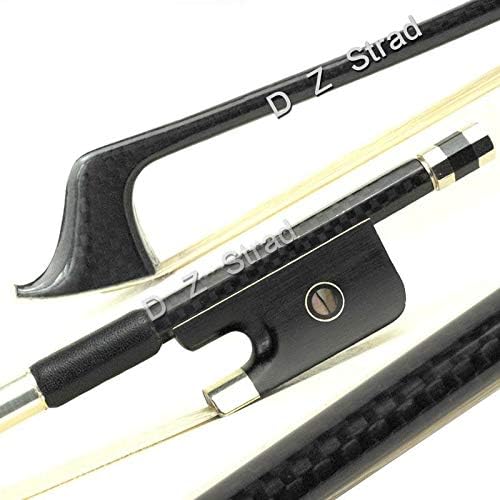
A carbon fiber cello bow designed for players wanting durability and consistent performance. Suits cellists who often face changing environmental conditions, with its biggest strength being resilience compared to traditional wooden bows.
Setup feels straightforward; the bow comes balanced for even playing response, which helps maintain smooth control during practice or performance. Its braided carbon fiber stick resists warping or moisture damage, so daily adjustment is minimal. The premium ebony frog adds a touch of classic feel without sacrificing modern reliability, and the unbleached Mongolian horsehair is ready for a good grip on the strings.
When played, the bow delivers a powerfully dynamic sound running from soft tones to full volume, handling a wide range of repertoire. The nickel/silver lining around the stick adds to the bow’s toughness and weight stability.
Most praise points to its lasting balance and sound projection, while commonly noted drawbacks mention a slight weight that may feel different compared to wooden models.
The bow is praised for its durability and consistent balance that make sound production powerfully dynamic. Some users find the slight extra weight noticeable, especially if they’re used to lightweight wooden sticks.
Players who need a dependable bow under varying humidity or temperature will appreciate this carbon fiber option. Those seeking the traditional weight and feel of wooden bows might want to look elsewhere.
Pros
- Resists environmental changes better than wood
- Well balanced for even playing response
- Durable braided carbon fiber stick
- Traditional polished premium ebony frog
Cons
- Slightly heavier than some wooden bows
- Not ideal for players preferring classic wooden feel
| Specification | Details |
|---|---|
| Brand Name | D Z Strad |
| Instrument | Cello |
| Material | Braided carbon fiber, nickel/silver-lined |
| Frog | Polished Premium Ebony |
| Hair | Genuine white, unbleached Mongolian horsehair |
| Model Number | 4334267349 |
5. JYR Carbon Fiber 4/4 Cello Bow

Carbon fiber construction makes this bow more resistant to humidity and temperature changes than traditional wood options. Suitable for daily cello players and travelers alike, its biggest strength lies in maintaining consistent playability in various environments without warping or damage.
Setup is straightforward with a standard 4/4 size. The bow arrives ready with quality unbleached Mongolian horsehair and is housed in a protective case. The soft lamb leather wrap adds comfort, helping manage grip during longer sessions.
Its balanced weight between 80 and 82 grams feels natural and doesn’t tire the arm quickly.
Performance delivers smooth and responsive strokes due to its carefully shaped camber, which aids in control across every string. The fully mounted ebony frog with an abalone slide adds both durability and a classic look.
Most praise centers on its balance and consistent response, while occasional remarks mention personal preferences for wood tones over carbon fiber sound.
Praise focuses on stability and control thanks to the carbon fiber’s resistance and expertly shaped camber. The most common drawback is related to tonal preference, as some find it lacks the traditional warmth of wooden bows.
Players seeking a durable, travel-ready bow with consistent performance will find satisfaction here. Those who prioritize traditional sound characteristics or volume may want to explore wooden alternatives instead.
Pros
- Resistant to humidity and temperature changes
- Balanced and lightweight for ease of handling
- Quality ebony frog with abalone slide
- Comfortable soft lamb leather wrap
Cons
- Sound quality differs from traditional wooden bows
- Limited appeal for purists preferring wood material
| Specification | Details |
|---|---|
| Brand Name | JYR |
| Instrument | Cello |
| Weight | 80-82 grams |
| Balance | 26-28 cm balance joint |
| Hair | Unbleached Mongolian horsehair |
| Model Number | CFC-301 |
6. MI&VI CB-720 Carbon Fiber 4/4 Cello Bow

Lightweight with excellent balance, the MI&VI CB-720 Carbon Fiber 4/4 Cello Bow stands out for how comfortably it feels during long playing sessions. Ideal for cellists who want a durable, well-crafted bow without the fragility of wood, it excels in combining old-world craftsmanship with modern materials.
Setting up the bow is straightforward since it comes hand-strung with real Mongolian horsehair by professional luthiers. The weight distribution feels just right, making it easy to control movements and execute precise techniques. With 100% carbon fiber construction, it demands minimal maintenance and holds up well to frequent use without warping or cracking.
The bow delivers consistent, clear tones and responds well to subtle dynamics in playing. Its handcrafted build follows traditional bow-making standards but benefits from carbon fiber’s toughness. Most praise its reliable balance and durability, though some mention a learning curve adjusting to the bow’s feel compared to wooden versions.
Players praise its durability and balance for sustained playing, appreciating the blend of modern materials with handmade quality. The most frequent complaint involves getting used to the different tactile sensation compared to wooden bows, which some find less familiar at first.
Musicians seeking a reliable, long-lasting bow with traditional craftsmanship will find it suitable. Those who prefer the classic feel and subtle nuances of wood might want to explore wooden options instead.
Pros
- 100% carbon fiber construction
- Hand-strung with real Mongolian horsehair
- Well-balanced weight distribution
- Handmade using traditional bow-making techniques
Cons
- Adjusting feel differs from wooden bows
- Limited model variations available
| Specification | Details |
|---|---|
| Brand Name | MI&VI |
| Instrument | Cello |
| Model Number | VN-730 |
| Number of Items | 1 |
| Included Components | Case, Warranty Card |
7. Pegasus Carbon Fiber Cello Bow
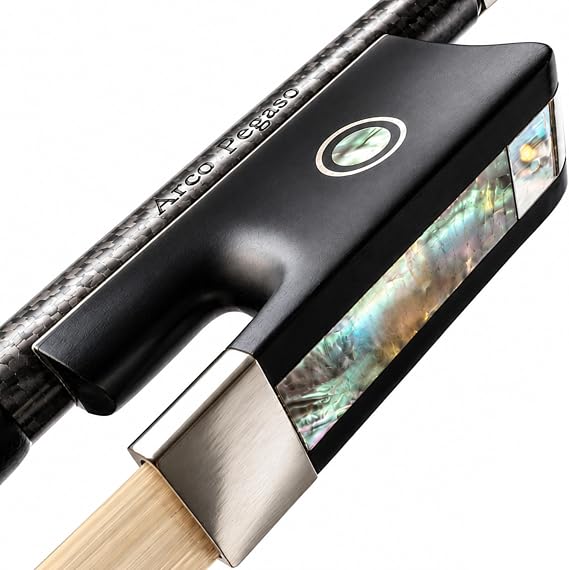
Choosing a cello bow that never needs rehairing is a major convenience for serious players. Designed for full-size cellos, the Pegasus Carbon Fiber Cello Bow stands out by combining durability with a warm and clear tone, ideal for those seeking a reliable and low-maintenance option.
Setting up the bow is straightforward since the hair does not stretch or break, meaning no loosening or tightening after playing. The hollow carbon fiber stick feels balanced and lightweight, contributing to a responsive touch. Daily use benefits from its reinforced keratin hair, which stays consistent under varying tension, so there’s no hassle with constant adjustments or unexpected repairs.
Performance delivers a resonant and lively sound thanks to the more energetic hair compared to traditional bows. The Francois Xavier Tourte style head contributes to classical playing techniques with good rebound and tone clarity.
The strongest praise notes the hair’s durability and tonal quality, while some might find the tone slightly different from natural horsehair bows they’re used to.
The most praised aspect is the hair’s absolute durability, no breakage or stretching during playing. Common feedback mentions the tonal character as being different from what players expect from natural horsehair, which might require some adjustment.
Players valuing low-maintenance use and consistent tone over time will appreciate this bow. Those preferring a more classic sound with traditional horsehair may want to consider other options.
Pros
- Hair never breaks while playing
- No need to loosen hair after use
- Produces clearer and warmer tone
- Lifetime warranty included
Cons
- Tone differs from traditional horsehair bows
- Full-size only, no smaller options
| Specification | Details |
|---|---|
| Instrument | Cello |
| Item Highlight | 4/4, Full Size, Hollow Shaft, Clearer Warmer Tone |
| Model Name | Pegasus Cello Bow |
| Manufacturer Part Number | PB-CLO-4 |
| Warranty Description | Lifetime manufacturer |
8. VINGOBOW Carbon Fiber 3/4 Cello Bow
Finding a cello bow that combines durability with a bold sound can be a challenge, especially for players needing a smaller size. The VINGOBOW Carbon Fiber 3/4 Cello Bow suits advanced players and younger musicians who want a powerful tone and a lightweight bow that’s easy to handle. Its biggest strength lies in delivering a strong and wild sound thanks to its black Mongolian horsehair.
Preparation for playing is straightforward with this bow; the black horsehair is resilient and takes rosin easily, making it ready to use quickly. Weighing close to 76g and measuring about 67cm, it feels light in hand, allowing smooth handling during practice or performance.
The carbon fiber stick holds its shape and flexibility well, contributing to consistent performance day to day while standing up to regular wear, especially for smaller hands.
Soundwise, the bow produces a loud and rich tone that leans towards the wild side, which might not suit every musical style but benefits expressive playing. Crafted by an experienced bow-maker, the design offers durability that surpasses many wooden alternatives.
Some comments point out that the intense tone can sometimes feel overwhelming, but most value how the stick bounces and flexes appropriately. The overall build is strong enough for younger players needing durability without heavy weight.
The bow’s loud and wild tone is praised for its power, while some find it overwhelming for all music types. Its durability and light weight make it popular among players needing strength without bulk.
Advanced young players or those wanting a strong sound in a smaller size will appreciate this bow. Those needing a more subtle or traditional tone should consider other options.
Pros
- Powerful and wild tone from black horsehair
- Lightweight and suitable for younger players
- Strong, durable carbon fiber stick
- Good flexibility and bounce in play
Cons
- Wild tone may not suit all playing styles
- 3/4 size limits use to smaller hands
| Specification | Details |
|---|---|
| Brand Name | VINGOBOW |
| Instrument | Cello |
| Size | 3/4 |
| Weight | Approximately 76g |
| Length | About 67cm including the screw |
| Horsehair | Natural black Mongolian horsehair |
9. Model 505 Carbon Fiber 4/4 Cello Bow

Braided carbon fiber makes the Model 505 Carbon Fiber 4/4 Cello Bow stand out for resilience and sound power. Designed for cellists who want a durable bow that withstands changing environments, it offers a reliably balanced feel with an ebony frog that suits traditional sensibilities.
Playing with it day to day, the bow stays consistent despite humidity or temperature shifts thanks to its carbon fiber stick. The genuine Mongolian horsehair grabs the strings nicely, allowing for clean articulation and controlled dynamics. The round stick and silver-lined design help with grip and comfort during longer sessions.
Sound projects dynamically with a strong response thanks to the well-balanced build. The polished premium ebony frog complements the carbon fiber shaft in durability and aesthetics.
Strong points include sturdy construction and consistent playability. A noted drawback is the relatively short 3-month warranty period, which may concern some buyers.
The bow is praised for its durable, weather-resistant carbon fiber stick that maintains consistent sound and feel over time. Common concern revolves around the limited 3-month warranty, leaving some unsure about long-term support.
Cellists seeking a low-maintenance, sturdy alternative to wood will appreciate this bow. Those preferring classic wooden feel or longer warranty options might look elsewhere.
Pros
- Resistant to environmental changes
- Genuine unbleached Mongolian horsehair
- Balanced for even playing response
- Polished premium ebony frog
Cons
- Only 3-month warranty period
- May feel different than traditional wood bows
| Specification | Details |
|---|---|
| Brand Name | D Z Strad |
| Model Number | 505 |
| Instrument | Cello |
| Number of Items | 1 |
| Manufacturer Part Number | 505 |
| Warranty Description | 3 month |
10. Prodigy Carbon Fiber 4/4 Cello Bow

Cellists looking for a reliable full-size bow will appreciate the Prodigy Carbon Fiber 4/4 Cello Bow. It suits players who want a durable yet responsive bow with a traditional feel.
Its biggest strength lies in combining a classic design with modern carbon fiber durability and consistent playability.
Setting up the bow is straightforward since it comes with a brown tint and graphite diamond weave finish that resists wear. The traditional frog design with Xebony engineered ebony and white mother-of-pearl slide offers a familiar grip. The Moroccan leather grip provides comfort during extended sessions, and the nickel silver fittings add a polished look.
The 5-year warranty ensures confidence in its build.
The bow performs well in delivering a warm, balanced tone thanks to its blended acoustic core. Its handcrafted quality stands out in the careful detailing, including sterling silver winding and traditional hand-cut wood wedges.
Most praise mentions reliability and good response, while some note it can feel slightly heavier than wooden counterparts in fast passages.
The bow receives strong praise for its reliability and consistent tone, supported by the blended acoustic core and carbon fiber build. A common complaint revolves around its weight, which some find a bit heavy for quick technical pieces.
Those who prioritize durability and classic looks with stable performance will find satisfaction here. Cellists seeking the lightest possible bow for very agile playing might want to consider other options.
Pros
- Durable graphite diamond weave finish
- Traditional frog with Xebony ebony
- Comfortable Moroccan leather grip
- 5-year limited warranty included
Cons
- Can feel heavier than wooden bows in fast playing
- Only available through authorized CodaBow dealers
| Specification | Details |
|---|---|
| Brand Name | CodaBow |
| Instrument | Cello |
| Model Name | Prodigy |
| Manufacturer Part Number | CB61C4 |
| Finish | Graphite Diamond Weave |
11. Yamaha CBB-301 Carbon Fiber Cello Bow

Hand-finished carbon fiber construction makes the Yamaha CBB-301 stand out for cellists seeking durability combined with a lightweight design. It suits both students and intermediate players who want a solid bow with consistent feel and a balanced weight that doesn’t tire the arm quickly.
Setting up the bow involves the usual tension adjustment, and the carbon fiber material takes care of common issues like warping or sensitivity to humidity. The bow’s 7.4-ounce weight feels steady in hand, providing a good balance that helps maintain control during long practice sessions or performances without feeling cumbersome.
Performance delivers a smooth tone with reliable power across the four strings. The stainless steel fittings provide durable build quality that complements the strong-feeling carbon fiber frame. Reviews praise its lightweight nature and dependable playability while some mention the grip can feel less traditional compared to wooden bows.
The bow’s lightweight carbon fiber build earns praise for ease of use and durability, while some players find the grip less familiar compared to wooden bows. It handles different environments well without the common issues of warping or moisture damage.
Musicians looking for a reliable, low-maintenance bow will appreciate its steady weight and balanced feel. Those who prefer a classic wooden bow’s heft or traditional grip textures might want to explore other options to match their style better.
Pros
- Lightweight at 7.4 ounces
- Durable carbon fiber design
- Balanced for comfortable handling
- Resistant to humidity and warping
Cons
- Grip lacks traditional wooden feel
- May not suit players preferring heavier bows
| Specification | Details |
|---|---|
| Item Weight | 7.4 ounces |
| Product Dimensions | 29.05 x 2.05 x 1.05 inches |
| Back Material | Carbon Fiber |
| Top Material | Carbon Fiber |
| Material Type | Stainless Steel |
| Number of Strings | 4 |
12. VINGOBOW Golden Diamond Carbon Fiber 4/4 Cello Bow

VINGOBOW Golden Diamond Carbon Fiber 4/4 Cello Bow stands out for blending elasticity and hardness in a carbon fiber stick, making it well-suited for professional players seeking a lightweight and responsive tool with great balance.
Setting up the bow is straightforward, thanks to its 4/4 size and about 81g weight. The premium natural horsehair accepts rosin easily and lasts longer, which helps keep the bow ready for practice or performance without frequent rehairing concerns. Its length of 71.5cm including the screw provides a comfortable fit for full-sized cellos.
The bow delivers solid control and responsiveness on the strings, aided by the golden diamond carbon fiber and traditional craftsmanship. It feels well balanced in the hand with a shiny stick and a hidden diamond pattern.
A common point of feedback focuses on how some players might want a different stick stiffness, but most praise its comfortable weight and durability.
Reviewers appreciate the bow’s lightweight feel and excellent responsiveness that makes it easy to play. A common comment relates to the stiffness, which some feel could be softer depending on personal style. The horsehair is noted for durability and quick rosin acceptance, which many find convenient during longer sessions.
Those who want a professional-quality bow that balances durability with playability will find this a strong choice. Players seeking a softer or different stiffness might want to explore other bows to match their technique better. The bow works best with full-sized cellos and serious musicians.
Pros
- Good balance between elasticity and hardness
- Lightweight and comfortable to hold
- Premium natural horsehair for durability
- Shiny surface with subtle diamond pattern
Cons
- Stiffness may not suit all playing styles
- Some may prefer different weight distribution
| Specification | Details |
|---|---|
| Brand Name | VINGOBOW |
| Instrument | Cello |
| Model Number | 140C |
| Weight | Approx 81g |
| Length | 71.5cm including the screw |
Comparison of Top Carbon Fibre Cello Bows
| Product | Brand | Size | Included Components | Warranty |
|---|---|---|---|---|
| Viotti Carbon Fiber Bow | Viotti | – | Hard, sturdy case | – |
| Generic Carbon Fiber Bow | Fiddlerman | 4/4 | Bow only | – |
| Standard Carbon Fiber Bow | VINGOBOW | – | Case not specified | – |
| Carbon Fiber Ebony Frog Bow | D Z Strad | – | Bow only | – |
| JYR Carbon Fiber Bow | JYR | – | Case included | – |
| MI&VI CB-720 Bow | MI&VI | – | Case, Warranty Card | – |
| Pegasus Carbon Fiber Bow | Pegasus Bows | 4/4 full size | – | – |
| VINGOBOW 3/4 Carbon Bow | VINGOBOW | 3/4 | – | 1-year warranty |
| Model 505 Carbon Bow | D Z Strad | – | – | 3 months |
| Prodigy Carbon Fiber Bow | CodaBow | – | – | – |
| Yamaha CBB-301 Bow | Yamaha | – | – | – |
| VINGOBOW Golden Diamond Bow | VINGOBOW | – | – | 1-year/2-year bow stick |
- BrandViotti
- Size–
- Included ComponentsHard, sturdy case
- Warranty–
- BrandFiddlerman
- Size4/4
- Included ComponentsBow only
- Warranty–
- BrandVINGOBOW
- Size–
- Included ComponentsCase not specified
- Warranty–
- BrandD Z Strad
- Size–
- Included ComponentsBow only
- Warranty–
- BrandJYR
- Size–
- Included ComponentsCase included
- Warranty–
- BrandMI&VI
- Size–
- Included ComponentsCase, Warranty Card
- Warranty–
- BrandPegasus Bows
- Size4/4 full size
- Included Components–
- Warranty–
- BrandVINGOBOW
- Size3/4
- Included Components–
- Warranty1-year warranty
- BrandD Z Strad
- Size–
- Included Components–
- Warranty3 months
- BrandCodaBow
- Size–
- Included Components–
- Warranty–
- BrandYamaha
- Size–
- Included Components–
- Warranty–
- BrandVINGOBOW
- Size–
- Included Components–
- Warranty1-year/2-year bow stick
How to Choose the Best Carbon Fibre Cello Bow
Choosing a good carbon fibre cello bow involves considering balance, weight, and flexibility to ensure smooth playability and durability. Getting these factors right helps avoid discomfort and frequent replacements, ultimately saving money and making practice more enjoyable.
Weight and Balance
Playing with a bow that’s too heavy can tire the arm quickly, making long practice or performance sessions uncomfortable. A bow’s overall weight, typically between 58 and 62 grams, influences not just comfort but how much control you have over phrasing and articulation.
Balanced weight distribution is crucial; a bow that feels front-heavy or tail-heavy limits fine finger movements and makes smooth bow changes difficult.
Well-balanced bows translate finger pressure into more precise sound control, enhancing responsiveness and tone quality. Heavy bows might produce louder sounds but sacrifice finesse, while lighter ones allow faster, more articulate playing but can lack power.
Choosing a bow with even weight distribution provides comfort and better sound production, supporting both intense and delicate passages.
Material Quality and Construction
The quality of the carbon fibre affects how the bow holds up over time and under different conditions. Material that feels stiff but also somewhat springy offers durability without becoming brittle. Good carbon fibre resists warping or bending caused by humidity or temperature changes, which can otherwise affect tension and playability drastically.
Superior construction involves careful layering of carbon strands and attention to detail in the bonding process. Uneven or cheap construction can cause weak spots that may break or deform. Look for bows with confirmed resistance to environmental factors and good reviews on longevity.
Solid craftsmanship ensures consistent performance and less frequent need for professional repairs.
Bow Stick Stiffness and Flexibility
The stiffness of the stick directly influences sound clarity. A bow that is too flexible produces a softer, rounder sound but can lack focus, especially in faster or louder playing. Conversely, a very stiff bow offers a bright, clear tone but might feel harsh and less responsive for expressive nuances.
Finding the right stiffness depends on your playing style and the pieces you commonly perform. Some players prefer a mid-stiffness bow to balance control and expressiveness.
Consider test playing bows that offer different flexibility levels to identify which supports both smooth legato and sharp articulation in your repertoire.
Frog and Grip Comfort
Comfort in the hand comes down to how the frog fits and feels during extended playing sessions. An ergonomic frog shaped to support the natural curve of your fingers reduces grip fatigue and allows more natural movements. Grips made from materials like rubber or leather add cushioning and prevent slipping, which is especially helpful when the hand gets warm or sweaty.
Adjustability is another factor. Some bows allow minor adjustments to the frog’s position, which helps match individual hand sizes and grip preferences.
A poorly fitting frog can cause tension in the hand, leading to stiffness and less control, so trying different designs can make a noticeable difference in comfort and playing endurance.
Hair Quality and Tension Adjustment
The bow hair usually comes from Mongolian or Siberian horsehair, valued for durability and grip. Hair quality affects how well the bow grips the strings, impacting tone clarity and ease of articulation. Over time, hair loses tension and cleanliness, which dulls the sound and makes playing less responsive.
Precise tension adjustment mechanisms, often a screw system, let you tune hair tightness to match your playing needs or environmental conditions. Smooth, reliable adjustment prevents sudden slips or over-tightening, which can warp the bow.
Regular maintenance includes cleaning and eventual rehairing to keep sound consistent and tension optimal.
Caring for Your Carbon Fibre Cello Bow: Maintenance and Longevity Tips
Carbon fibre cello bows require specific care to maintain their balance and responsiveness over time. One of the most important maintenance steps is regularly loosening the bow hair after playing to relieve tension on the stick.
This prevents warping and preserves the bow’s straightness. Avoid exposing the bow to extreme temperatures or direct sunlight, as these conditions can damage the resin and affect the carbon fibre’s integrity.
Cleaning the stick after each use removes rosin buildup and grime. Use a soft, dry cloth for this purpose; avoid chemicals or water that could harm the surface. Every few months, rehairing the bow with good-quality horsehair is necessary because worn or broken hairs reduce sound quality and bow control.
- Store the bow in a hard case to protect it from physical damage.
- Check the bow’s camber periodically to catch any signs of distortion early.
Proper, consistent care extends the lifespan and keeps a carbon fibre cello bow performing well.
Common Mistakes to Avoid When Using a Carbon Fibre Cello Bow
Many players mistakenly treat carbon fibre bows like traditional wooden bows and overlook their unique properties. Excessive tightening of the bow hair can cause unnecessary stress, as carbon fibre has different flex characteristics compared to wood. Only apply the recommended amount of tension to keep the stick stable and avoid damaging its structure.
Another common error is exposing the bow to rapid temperature changes. Moving from a cold environment to a hot one without proper acclimatization can cause the resin to weaken or crack. Always let the bow adjust gradually to room conditions.
Using inappropriate rosin or applying too much is another issue. The smooth surface requires rosin formulated for carbon fibre; otherwise, excess buildup can dampen sound quality and make cleaning difficult. Lastly, storing the bow without loosening the hair invites warping and should be avoided at all costs.
Comparing Carbon Fibre vs. Pernambuco Bows: Sound and Performance Differences
Carbon fibre and Pernambuco bows differ significantly in sound projection and handling. Pernambuco, a dense tropical wood, typically offers a warm, rich tone due to its natural resonance.
Players often note its ability to produce nuanced dynamics and a traditional feel.
Carbon fibre bows deliver consistent performance regardless of humidity or temperature. They tend to produce a bright, focused sound that carries well in large spaces. The material’s uniformity provides reliable response and durability even under heavy use.
- Pernambuco bows require more careful handling and regular maintenance to avoid cracks and warping.
- Carbon fibre bows excel in strength and longevity, making them well-suited for outdoor performance or travel.
Personal preference and playing style often determine the choice between these two types, as each offers distinct tonal qualities and handling characteristics.
People Also Asked
How Do I Properly Care for a Carbon Fibre Cello Bow?
Proper care for a carbon fibre cello bow involves regularly loosening the hair tension after playing and wiping the stick clean with a soft cloth to remove rosin and sweat. Avoid exposing the bow to extreme temperatures or moisture, as these can affect its performance over time.
What Size Carbon Fibre Cello Bow Should I Choose?
Choose a carbon fibre cello bow size based on the size of your cello, generally full size for most adult cellos. Trying the bow in your hand helps to ensure it balances well and feels comfortable during play, which is crucial for good control.
Are Carbon Fibre Cello Bows Safe for My Instrument?
Carbon fibre cello bows are safe for instruments when used correctly. Their material tends to be more durable and less sensitive to weather changes than wood, reducing the risk of damage to the cello from accidental cracks or warping.
How Long Does a Carbon Fibre Cello Bow Typically Last?
A carbon fibre cello bow can last many years, often over a decade, with proper maintenance. Regularly replacing the bow hair and keeping the stick clean helps maintain its responsiveness and playing quality over time.
What Common Problems Occur with Carbon Fibre Cello Bows?
Common problems with carbon fibre cello bows include hair loosening or breaking and occasional slight warping under extreme heat. Keeping the bow properly tensioned and storing it in a protective case can help prevent these issues.
Conclusion
Choosing a carbon fibre cello bow comes down to balance, weight, and durability. The bow should feel comfortable in your hand and allow smooth control across the strings.
Weight affects how it handles; too heavy or too light can impact your playing style. Durability matters for long-term use, especially if you travel or practice frequently.
Consider how often you will use the bow and your budget before making a decision. Smaller spaces might call for a more compact option, while frequent players might want something built to last.
Check the comparison table and the picks above to find a bow that fits your needs and preferences.