
Top 12 Best CB Scanners You Can’t Miss Today!
Using a cheap or poorly constructed CB scanner often means missing important transmissions or dealing with constant interference. For anyone serious about communications, the best CB scanners offer reliable reception and clear audio that make a noticeable difference during critical moments.
These scanners keep you connected without the frustration of static or dropped signals common in lower-quality models.
Key factors that distinguish the best CB scanners include frequency range, sensitivity, and build quality. A wide frequency range, typically 25-54 MHz, is necessary to cover all CB channels effectively. Sensitivity affects how well the scanner picks up weak signals, with a figure around 0.25 microvolts being standard for solid performance.
Durable casing and straightforward controls also matter, especially for frequent use in vehicles or harsh environments where durability and ease of operation reduce headaches.
Need a Quick Check?
| Image | Product | Price |
|---|---|---|
Our Top Picks 1  | Uniden BC125AT Scanner | Check Price |
Our Top Picks 2 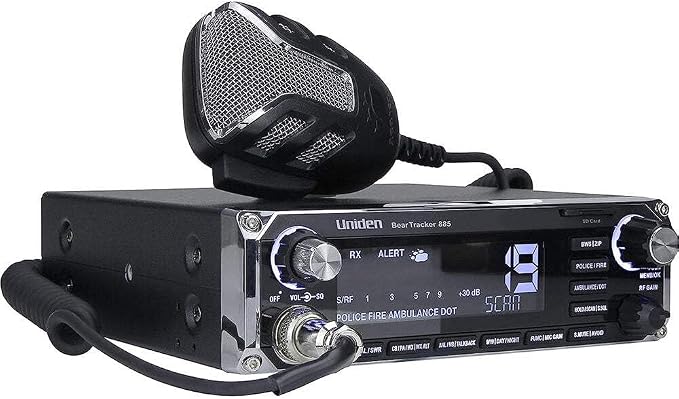 | Uniden BearTracker 885 | Check Price |
Our Top Picks 3  | Uniden SDS200 Scanner | Check Price |
Our Selected Top 12 Cb Scanners Worth Your Money
This list features a carefully chosen selection of CB scanners, highlighting their performance, suitability for different users, and key strengths and weaknesses. Each review provides clear insights to help you understand which scanner best matches your needs and preferences.
1. Uniden Bearcat BC125AT Handheld Analog Scanner
500 alpha-tagged channels offer plenty of room to monitor various analog frequencies, making it a solid pick for anyone looking to stay informed on local radio traffic. Compact size fits well for handheld use, with a key strength being the Close Call RF capture that instantly finds nearby transmitters.
Setup just means popping in two AA batteries, which are included, and powering it on. The digital display helps quickly identify channels, and tuning through 25-54 MHz, 108-174 MHz, 225-380 MHz, and 400-512 MHz covers a broad range. Do Not Disturb mode keeps the scanner quiet during active transmissions, a nice touch during long listening sessions.
Reception on analog signals is sharp and reliable within its UHF tuner range, though it can’t pick up digital systems like Project 25 or DMR, limiting its scope in some areas. The build is straightforward and lightweight but not water-resistant, so it’s best kept dry.
The included Close Call feature is praised, while some note the lack of digital scanning is a downside.
Close Call RF capture is a standout feature, able to quickly zero in on transmitters close by. The scanner’s most common drawback is its inability to scan digital trunking systems, which some users find limiting as digital usage grows in public safety communications.
Those who mainly want an analog scanner with solid channel capacity and easy portability will appreciate this device. Users needing to monitor digital systems or requiring weather resistance should look at other options.
Pros
- Captures nearby signals instantly with Close Call RF
- Compact and lightweight for handheld ease
- Supports 500 alpha-tagged analog channels
- Long battery life of about 10 hours
Cons
- Not capable of digital radio system monitoring
- Not water resistant, so avoid wet conditions
| Specification | Details |
|---|---|
| Number of Channels | 500 |
| Frequency Range | 25-54 MHz, 108-174 MHz, 225-380 MHz, 400-512 MHz (UHF) |
| Voltage | 3 volts |
| Battery Type | 2 AA batteries (included) |
| Battery Life | 10 hours (average) |
2. Uniden BearTracker 885 Hybrid CB Radio and Scanner
People who need both a CB radio and a scanner for public safety channels will find this one handy. It’s especially good for those frequently traveling in the US and Canada, offering real-time updates on police, fire, ambulance, and DOT traffic. The automatic nearby channel selection through GPS stands out as its biggest strength.
Setting it up is straightforward thanks to the included nationwide database and GPS. Daily use involves toggling between 40 classic CB channels and scanning nearby public safety radios without extra hassle.
The feature that alerts you to nearby emergency transmissions gets attention quickly, and the 7-color display makes viewing easy in different lighting. Controls like RF Gain, Mic Gain, and the SWR meter come in handy for fine-tuning the experience.
It performs well on both CB and scanner functions, keeping you informed and connected during travel. The build feels solid but is not water resistant, which matters if you face wet conditions. Reviews highlight its reliable alerts and scanning, though some mention the very short talking range as a limitation.
The inclusion of NOAA Weather alerts adds another layer of useful monitoring.
This radio’s strongest praise centers on its ability to automatically alert to nearby public safety transmissions and the convenience of having GPS-based channel selection. The most common complaint concerns its maximum talking range of just 1 meter, which is much shorter than typical CB radios.
Ideal for those relying on up-to-date emergency and road information while traveling across the US and Canada, especially in a vehicle. People needing longer communication range or something that handles outdoor wet conditions will want to look at other options.
Pros
- Scans police, fire, ambulance, and DOT channels
- GPS selects nearby channels automatically
- NOAA Weather alerts included
- 40-channel CB operation with SWR meter
Cons
- Very limited talking range, only 1 meter
- Not water resistant for outdoor use
| Specification | Details |
|---|---|
| Number of Channels | 40 |
| Talking Range Maximum | 1 meter |
| Voltage | 12 volts |
| Tuner Type | UHF |
| Additional Features | Emergency Alarm |
3. Uniden SDS200 TrunkTracker X Digital Scanner
Combining advanced scanning tech with user-friendly design, the Uniden SDS200 TrunkTracker X Digital Scanner is aimed at hobbyists who want detailed radio monitoring without complexity. Its biggest strength is handling challenging digital simulcast systems while still being easy to operate through the HomePatrol database.
Setup is straightforward thanks to the HomePatrol’s large built-in database covering US and Canadian radio systems, which updates weekly via Sentinel software. The 3.5 color display is fully customizable, letting you prioritize the information you want on screen daily. Connecting via USB for updates is simple enough to keep it current without fuss.
In terms of performance, the scanner excels at picking up tough digital signals, delivering clear and reliable reception. The build feels solid and focused on utility. Reviews often praise the scanner’s advanced signal handling but mention the display customization can take some time to get used to.
The scanner performs impressively with digital simulcast signals, providing reliable reception where many others struggle. Users often note that while the display customization offers flexibility, it can take time to get exactly right for personal preferences. Weekly updates help keep it current without hassle.
Those who want detailed, up-to-date scanning in the US or Canada will find it rewarding and well-equipped. People looking for something plug-and-play with less setup time might consider simpler models instead.
Pros
- Handles digital simulcast systems effectively
- Customizable 3.5″ color display
- HomePatrol database covers US and Canada
- Weekly updates via Sentinel software
Cons
- Display customization can be complex at first
- Relies on USB connection for updates
| Specification | Details |
|---|---|
| Scanner Type | Radio Scanner |
| Connection Type | USB |
| Resolution | scanner |
| Standard Sheet Capacity | 10 |
| Light Source Type | LED |
| Media Type | USB |
4. Uniden BC355N Base/Mobile Scanner

Uniden BC355N is an analog base/mobile scanner known for its Close Call RF Capture Technology, making it a solid choice for anyone needing reliable reception of nearby radio signals. It fits best in areas with analog transmissions and works well for those interested in wide frequency monitoring without digital scanning needs.
Setup involves plugging it in since it runs on corded electric power, which means no worrying about recharging batteries during regular use. The LCD screen provides clear information, and tuning through the single 800 MHz band is straightforward. Its USB connectivity adds convenience for logging or updates, while Close Call technology lets you catch signals from nearby sources almost immediately.
Performance is straightforward and focused on analog reception, with many appreciating its ability to lock onto local transmissions quickly. The build feels sturdy and purpose-built for desktop or mobile mount use. A common downside is the lack of digital support, making it unsuitable where newer public safety systems use digital trunking, which limits its usefulness in certain urban areas.
Close Call RF Capture stands out for quickly locating nearby transmitters, making scanning easy and efficient. The biggest complaint is inability to monitor digital trunking systems, limiting coverage as more agencies switch to digital.
People in rural or analog radio areas will appreciate the BC355N’s focused capabilities. Users needing digital or multi-band scanning should look at Uniden’s digital models instead to cover modern public safety communications.
Pros
- Instant tuning with Close Call RF Capture
- Simple USB connectivity for updates
- Clear LCD display for frequencies
- Runs continuously on corded electric power
Cons
- No digital radio system monitoring
- Limited to 1 analog frequency band
| Specification | Details |
|---|---|
| Connectivity Technology | USB |
| Tuner Type | Radio Frequency |
| Power Source | Corded Electric |
| Radio Bands Supported | 1-Band |
| Frequency | 800 MHz |
5. Cobra HH50WXST Handheld CB Radio

Comfortable in hand and delivering clear communication, this handheld CB radio suits people who want reliable range and easy access to weather updates. Its biggest strength lies in the Soundtracker System, which cuts out most noise to keep conversations sharp even in busy airwaves.
Getting set up involves loading nine AA batteries, which makes it easy to power without special chargers. Daily use shines with the NOAA Weather Radio feature, keeping you updated about road hazards and weather changes any time.
The Dual Watch lets you listen to two channels at once, saving you from missing any important chatter while on the go.
Communication comes through strong up to about 20 miles, with signals clearer thanks to the noise filtering. The radio feels sturdy and weather resistant, so it stands up well outdoors.
Some users mention the need for frequent battery changes, but many praise its long-range and clear sound quality above all else.
The Soundtracker System provides a noticeable improvement in clarity by cutting through background noise, making conversations easier to understand. Battery life often comes up as a drawback since nine AA batteries can run down fast, requiring regular replacements for those using it extensively.
People needing reliable, clear CB radio communication with weather info will find this radio practical and durable. Those looking for longer battery life or fewer battery swaps might want to consider models with rechargeable power options instead.
Pros
- Filters 90% of noise for clearer transmission
- NOAA Weather Channel keeps you informed
- Dual Watch monitors two channels at once
- Weather resistant for outdoor use
Cons
- Requires 9 AA batteries, which drain quickly
- Sound quality can vary in extremely cluttered areas
| Specification | Details |
|---|---|
| Number of Channels | 40 |
| Talking Range Maximum | 20 mile |
| Water Resistance Level | Water Resistant |
| Number of Batteries | 9 AA batteries required |
| Voltage | 12 volts |
6. Uniden BC365CRS 500 Channel Scanner

Affordable and straightforward, the Uniden BC365CRS suits anyone wanting a simple desktop scanner with plenty of channels and extra features like an alarm clock and FM radio. Its biggest strength lies in offering 500 channels and easy presets for popular bands all in one compact device.
Setting up involves plugging it in and using push buttons to cycle through preset channels. Day-to-day use is convenient with quick access to popular emergency services, weather, marine, and amateur radio frequencies. The built-in FM radio stores up to 30 stations, and the alarm clock feature adds value around the clock.
It runs on 3 AA batteries as backup, ensuring it stays powered even during outages.
Scans through 500 channels smoothly with clear audio at 50 db noise level. The tabletop design feels sturdy and convenient for desktop use, though the push-button controls can seem a bit dated or fiddly for some. Often praised for its preset options, complaints mainly revolve around the analog sound quality not being very sharp compared to digital models.
Many appreciate the preset channels and integrated FM radio as solid features for everyday scanning. Common drawbacks include the analog audio’s lack of clarity, which may not satisfy those expecting crisp digital sound. The tabletop build is practical but basic in design.
Anyone wanting simple emergency and weather channel access, combined with a radio and alarm clock, will find it handy. Those seeking superior audio quality or more modern controls might prefer a different scanner model.
Pros
- Includes FM radio with 30 station presets
- Convenient alarm clock feature built-in
- Easy to find popular channels with presets
- Runs on both corded power and batteries
Cons
- Analog sound quality can be unclear
- Push-button controls feel outdated to some
| Specification | Details |
|---|---|
| Channels | 500 |
| Power Source | Corded Electric |
| Battery Description | Alkaline |
| Number of Batteries | 3 AA batteries required |
| Control Method | Push Button |
| Audible Noise | 50 db |
7. Whistler WS1025 Analog Desktop Scanner
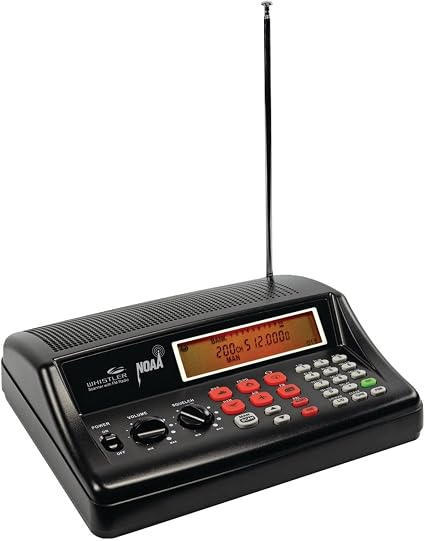
Built with a sturdy design ideal for desktop use, the Whistler WS1025 suits experienced users looking for reliable scanning capabilities. Its biggest strength lies in the advanced scanning features like Priority channel and Scan Delay, which help catch important transmissions without missing replies.
Setting it up involves connecting via Bluetooth, making it simple to pair with other devices. The Priority channel feature lets you focus on one channel at a time, checking it every two seconds while scanning others. The Scan Delay adds a two-second pause on each channel to catch any responses.
Using the Tune function, the scanner searches for new frequencies starting from a given point, which helps uncover unlisted channels easily during your sessions.
The scanner performs well in capturing a wide range of analog signals, showing reliability in its main functions. The build feels solid and purposeful, fitting well on a desktop.
The strongest praise comes from its thoughtful scanning options that help catch more traffic. A common complaint is that it requires some experience to fully utilize all settings effectively.
The scanner’s scanning options like Priority channel and Scan Delay are praised for helping catch important transmissions reliably. However, many find it challenging to use all the features effectively without prior experience.
People familiar with desktop scanners and looking for advanced functionality will appreciate this model. Those new to scanning or who want something simpler might prefer an easier-to-use alternative.
Pros
- Priority channel checks one channel every two seconds
- Scan Delay pauses to catch replies on a channel
- Tune function finds new and unlisted frequencies
- Bluetooth connection for flexible device pairing
Cons
- Designed for experienced users, not beginners
- Complex settings may take time to master
| Specification | Details |
|---|---|
| Scanner Type | Radio |
| Connection Type | Bluetooth |
| Resolution | 200 dpi |
| Standard Sheet Capacity | 300 |
| Optical Sensor Technology | CCD, CMOS |
| Light Source Type | LED |
8. Uniden SDS150 Digital Radio Scanner

Lightweight durability combined with advanced scanning tech stands out immediately with the Uniden SDS150 Digital Radio Scanner. Designed for people who need a portable and professional scanner, it excels in picking up clear signals even in tricky environments. Its enhanced sensitivity makes it a solid choice for hobbyists and pros alike.
Setup is straightforward thanks to a simplified interface and a digital display that’s easy to read in various lighting conditions. Bluetooth connectivity enables pairing with smartphones for extended functionality, while the built-in GPS receiver adds location-based features. The charge cradle keeps it powered through long days, and battery life is optimized to handle extended field use comfortably.
The scanner handles a wide range of frequencies with effective signal reception and filtering, cutting down interference noticeably. Its water-resistant build feels tough without adding extra bulk, fitting comfortably in the hand during regular use. The best feedback highlights its sensitivity and reliability, but some found the nonstandard battery a slight inconvenience when replacements were needed.
The scanner is praised mainly for its enhanced sensitivity and ability to pick up signals clearly in many environments, which is crucial for scanning quality. On the downside, the requirement of a nonstandard battery causes inconvenience for those needing quick replacements or spares.
People needing a durable, portable scanner for professional or enthusiast-level use will appreciate this model’s features and design. Those looking for standard battery options or minimal accessories might want to explore different units.
Pros
- Improved signal reception with interference filtering
- Lightweight and portable for field use
- Includes built-in GPS receiver
- Optimized battery life for longer operations
Cons
- Uses nonstandard battery that may be hard to replace
- Charge cradle adds extra bulk in carry setups
| Specification | Details |
|---|---|
| Power Source | Battery Powered |
| Connectivity Technology | Bluetooth |
| Tuner Type | TrunkTracker X, APCO P25 Phase I & II, Motorola, EDACS, LTR DMR Tier III* |
| Radio Bands Supported | AM, NFM, FM, WFM, or FMB |
| Display Type | digital |
| Water Resistance Level | Water Resistant |
9. Uniden SDS100 True I/Q Digital Handheld Scanner

Picking a scanner with strong digital signals makes a big difference, especially in tricky RF areas. Uniden’s SDS100 stands out for its True I/Q receiver, which handles weak signals and simulcast situations better than others.
Perfect for anyone serious about tuning into a wide range of frequencies across the US and Canada with ease.
Setting it up mainly involves entering your zip code, which quickly programs the known radio systems via the HomePatrol Database. Day-to-day use revolves around a customizable color display that shows exactly what you want to see. Connecting via USB lets you update the database regularly with Sentinel software, so it stays current without much effort.
Signal clarity is excellent, with true digital performance that pushes past many handheld scanners. The build feels solid and well-made for a portable device. Most praise focuses on how well it picks up weak and tricky signals, while the most noted downside is that updating software and database might require some learning for beginners.
Performance in weak signals and simulcast environments stands out clearly, making digital scanning reliable. Routine software and database updates are well-supported but might take a bit to get used to for those less familiar with tech.
This scanner fits well with anyone wanting detailed and accurate scanning with minimal programming hassle. Those looking for a simpler all-in-one setup without frequent software updates may want to consider other options.
Pros
- True I/Q receiver improves digital signal reception
- Simple programming with zip code input
- Customizable color display for easy info access
- Regular database updates via Sentinel software
Cons
- Software updates can be tricky for beginners
- Requires MicroSD card for media storage
| Specification | Details |
|---|---|
| Scanner Type | Digital Handheld Scanner |
| Connection Type | USB |
| Resolution | 24 Bits |
| Color Depth | 24 |
| Media Type | MicroSD Card |
10. Uniden BCD996P2 TrunkTracker V Digital Scanner

Picking up emergency channels or weather alerts while on the road can make all the difference. A digital scanner like this fits anyone wanting quick, wide access without the guesswork.
What really stands out is how well it tracks communications on trunked radio systems, which can be tricky for less advanced scanners.
Getting it set up means plugging into a 12-volt DC power source, usually a vehicle, and syncing with your smartphone if you want. The LCD display makes it easy to browse through the 25,000 channels quickly. Weather alerts use S.A.M.E. technology, delivering local emergency info.
The Close Call feature warns you to nearby radio activity, without the scan jumping to new channels constantly thanks to the Do-Not-Disturb mode.
The heart of the scanner is its TrunkTracker V technology, which locks onto trunked radio conversations clearly. It’s well built, with a sturdy body and an easy-to-read stereo audio output.
People appreciate the advanced feature set and precision but note it’s not water-resistant, meaning extra care is needed outdoors. The biggest gripe is the lack of multi-band support, limited to a single radio band.
This scanner delivers reliable trunking reception and weather alerts that users find very accurate and helpful. The most frequent complaint is its lack of water resistance, limiting use in wet environments or sudden rain. Its extensive channel capacity and advanced scanning tech make it very effective within these limits.
Those focused on monitoring trunked systems and weather conditions in urban or vehicle settings will find it valuable. People needing multi-band coverage or outdoor ruggedness should look at alternatives better suited for those demands.
Pros
- Strong trunked system tracking with TrunkTracker V
- Accurate and timely S.A.M.E. weather alerts
- Close Call RF Capture detects nearby transmissions
- Large channel capacity: 25,000 channels
Cons
- Not water resistant; careful use outdoors needed
- Only supports a single radio band
| Specification | Details |
|---|---|
| Radio Bands Supported | 1-Band |
| Frequency | 25 MHz |
| Power Source | 12 volts Direct Current (DC) |
| Connectivity Technology | IR |
| Additional Features | Close Call RF Capture, TrunkTracker V, S.A.M.E. weather alert |
| Audio Output Mode | Stereo |
11. Uniden Bearcat BCD160DN Handheld Digital Scanner
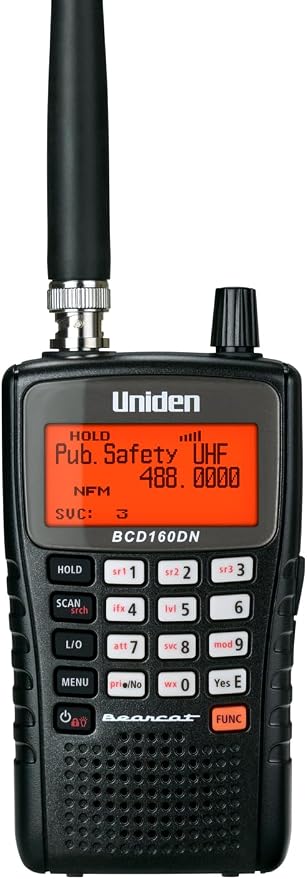
Instantly detecting and displaying CTCSS tones and DCS codes makes this handheld scanner ideal for fast identification of system settings. It suits hobbyists and professionals who need reliable conventional digital decoding without trunking support. Its standout feature is the Band Scope Rapid System/Channel Number Tagging that helps catch signals quickly.
Setup involves connecting via USB and updating the firmware for added APCO P25 decoding capabilities. Daily use centers around toggling between conventional digital modes like DMR and NXDN with ease.
The narrow-band reception and search suite allow smooth hunting for signals without fuss or confusion.
Performance holds strong in decoding digital signals clearly, making signal detection efficient. The device feels solid and durable in hand, designed for portable use.
Praise often points to quick tone decoding and reliability. A common complaint is the lack of trunking support, limiting scanning options for some users.
Many users appreciate the quick tone detection and how effectively it handles various digital protocols right out of the box after firmware updates. At the same time, some find trunking support missing, which limits scanning to conventional signals only.
Anyone scanning standard digital transmissions and looking for a straightforward, reliable device will be satisfied. Those needing to monitor trunked systems or encrypted channels should look for a model with those features instead.
Pros
- Instant CTCSS and DCS code detection
- Supports popular digital voice protocols
- USB connection for easy updates
- Comprehensive search features
Cons
- No trunking capabilities included
- Encrypted signals cannot be decoded
| Specification | Details |
|---|---|
| Scanner Type | Radio Scanner |
| Connection Type | USB |
| DCS/CTCSS Rapid Decode | Yes |
| Support for DMR and NXDN | Yes |
| Support for APCO P25 Phase 1 & 2 | Yes, via free firmware update |
| Trunking Support | No |
12. Uniden BearTracker BCT15X TrunkTracker III Scanner

People who often travel or need clear access to public safety channels will find the Uniden BearTracker BCT15X a smart choice. Its biggest strength lies in tracking complex trunked radio systems like Motorola and EDACS, making it ideal for serious scanner users wanting to keep up with multiple channels across locations.
Setting up involves connecting the unit in your vehicle using the included power cords and mounting bracket. It pairs with a GPS receiver to automatically select preprogrammed local channels on the move, so no constant reprogramming is needed. Programming via the serial cable and tagging channels with alpha names helps keep things organized.
Volume settings can be individually adjusted for each channel, adding control to daily listening.
Performance feels reliable with access to 9,000 channels and TrunkTracker III technology, handling complex systems well. It’s built solid with a full accessory kit, including antenna and mounting hardware, though some users say the interface can be tricky initially. The standout feature is automatic location-based scanning, while the learning curve on navigation is the common complaint.
Many praise the scanner’s automatic location-based scanning as a key convenience, letting you monitor local emergency and DOT frequencies without manual input. At the same time, several find the user interface and programming process not very intuitive, requiring patience and some technical know-how to master.
The unit suits travelers and users focused on trunked radio monitoring who need a wide range of preprogrammed channels. Those wanting an easier plug-and-play experience or less complex setup might look for simpler scanners without serial programming.
Pros
- Automatically selects local channels via GPS
- Tracks Motorola, EDACS, and LTR trunked systems
- Includes comprehensive vehicle mounting kit
- Individual volume control per channel
Cons
- Interface can be confusing at first use
- Programming requires working with a serial cable
| Specification | Details |
|---|---|
| Number of Channels | 9,000 Channels |
| Trunk Tracking Technology | TrunkTracker III |
| Compatibility | Compatible with BC-RH96 Remote Head |
| Location-Based Scanning | Yes, with GPS receiver |
| Accessories Included | AC Adapter, Vehicle Power Cord, Mounting Bracket, Antenna, Serial Programming Cable |
| Warranty | 1 year manufacturer |
Best CB Scanners Comparison Table
| Product | Number of Channels | Frequency Range | Power Source | Water Resistance |
|---|---|---|---|---|
| Uniden BC125AT Scanner | 500 | 25-54,108-174,225-380,400-512 MHz | 2 AA batteries | Not Water Resistant |
| Uniden BearTracker 885 | 40 | – | 12 volts | Not Water Resistant |
| Uniden SDS200 Scanner | – | – | USB | – |
| Uniden BC355N Scanner | – | 800 MHz | Corded Electric | – |
| Cobra HH50WXST Radio | 40 | – | 9 AA batteries | Water Resistant |
| Uniden BC365CRS Scanner | – | – | Corded Electric | – |
| Whistler WS1025 Scanner | – | – | Bluetooth | – |
| Uniden SDS150 Scanner | – | – | Battery Powered | – |
| Uniden SDS100 Scanner | – | – | USB | – |
| Uniden BCD996P2 Scanner | – | 25 MHz | 12 volts DC | – |
| Uniden BCD160DN Scanner | – | – | USB | – |
| Uniden BCT15X Scanner | – | – | AC Adapter | – |
- Number of Channels500
- Frequency Range25-54,108-174,225-380,400-512 MHz
- Power Source2 AA batteries
- Water ResistanceNot Water Resistant
- Number of Channels40
- Frequency Range–
- Power Source12 volts
- Water ResistanceNot Water Resistant
- Number of Channels–
- Frequency Range–
- Power SourceUSB
- Water Resistance–
- Number of Channels–
- Frequency Range800 MHz
- Power SourceCorded Electric
- Water Resistance–
- Number of Channels40
- Frequency Range–
- Power Source9 AA batteries
- Water ResistanceWater Resistant
- Number of Channels–
- Frequency Range–
- Power SourceCorded Electric
- Water Resistance–
- Number of Channels–
- Frequency Range–
- Power SourceBluetooth
- Water Resistance–
- Number of Channels–
- Frequency Range–
- Power SourceBattery Powered
- Water Resistance–
- Number of Channels–
- Frequency Range–
- Power SourceUSB
- Water Resistance–
- Number of Channels–
- Frequency Range25 MHz
- Power Source12 volts DC
- Water Resistance–
- Number of Channels–
- Frequency Range–
- Power SourceUSB
- Water Resistance–
- Number of Channels–
- Frequency Range–
- Power SourceAC Adapter
- Water Resistance–
How to Choose the Right CB Scanner
Look for a scanner with clear signal reception, easy controls, and wide frequency coverage to ensure reliable performance. Choosing the right features helps avoid frustration and costly replacements, making your investment last longer and work better for your specific listening needs.
Scanning Range and Frequency
Many users quickly realize that a scanner’s ability to cover a wide range of frequencies can make or break its usefulness. Models limited to narrow bands often miss out on important transmissions, especially in areas with diverse communication systems. A strong scanner reliably covers VHF, UHF, and other bands relevant to local and regional communications.
Quick channel scanning is vital. Slow scanners cause frustration, as crucial calls can be skipped or delayed. A good unit can cycle through several hundred channels in seconds, keeping you informed without delay.
The best models pick up both strong and weak signals, which matters when signals fluctuate or come from distant sources.
User Interface and Controls
Menus that are cluttered or confusing turn simple tasks into chore-filled sessions. Devices with straightforward navigation and programmable channels save time and headaches.
It’s common to lose patience with models requiring frequent dig-ins to adjust simple settings.
Look for a clear display that remains readable in sunlight and low light. A backlit LCD with adjustable contrast makes tuning easier in all conditions.
Controls should respond promptly and be logically placed. Features for customizing scanning speed and channel lists help tailor the experience to individual preferences.
Audio Quality and Output
Hearing muffled or distorted transmissions quickly becomes frustrating. A scanner with crisp sound clarity and adjustable volume keeps conversations intelligible at all levels.
Some units have built-in noise reduction that cuts static without lowering signal quality, which helps in busy or weak-signal environments.
Ports for connecting external speakers or headphones increase flexibility, especially in noisy settings or when privacy is needed. Users often note that wired headphone compatibility is a simple feature that significantly improves usability without extra expense.
Power Source and Portability
Long listening sessions demand a reliable power setup. Scanners powered only by AC adapters limit where they can be used, while those with rechargeable batteries or vehicle power options offer more freedom. Battery life varies widely; at least 6-8 hours on a full charge is practical for portable use.
Weight and size affect how comfortably a scanner fits on the dashboard or can be carried around. Compact models generally trade a bit of range or features for portability, but anything too bulky discourages regular use outside a fixed location.
Additional Features and Compatibility
Memory channels or preset scanning lists save time by focusing on frequently used frequencies instead of scanning everything continuously. This makes monitoring more efficient during emergencies or specific activities.
Compatibility with common antenna types allows improving reception without buying new equipment. Alerts for signal activity and multiple scanning modes cater to different monitoring needs, making the device more versatile for both casual and serious users.
Optimizing Scan Efficiency with Advanced CB Scanner Techniques
Many CB scanners feature settings that allow users to customize the scanning speed and channel priorities. Adjusting these can reduce the time spent on inactive channels and focus on ones with higher traffic.
Some models let you save preferred frequencies, so the scanner automatically jumps to those first. This approach can cut down on unnecessary waiting.
Using the following techniques can improve scan efficiency:
- Set channel banks to organize channels by usage or location.
- Use mute mode to skip channels without audible transmissions quickly.
- Adjust squelch sensitivity to avoid static or weak signals from slowing scans.
- Regularly update firmware if the scanner supports it, as improvements may optimize scanning algorithms.
Such customizations make operating a CB scanner more streamlined and reduce time spent listening to dead air.
Essential Maintenance Practices to Prolong Your CB Scanner’s Lifespan
Keeping a CB scanner working well over the years depends largely on routine care. Dust accumulation can clog the speaker and control knobs, affecting sound quality and button responsiveness.
Wiping the exterior with a soft dry cloth after use helps prevent grime buildup.
Other maintenance tips include:
- Storing the unit in a dry, cool place to avoid moisture damage to internal components.
- Checking antenna connections for corrosion or looseness to maintain reception quality.
- Replacing batteries promptly when performance starts to decline to prevent leakage inside the compartment.
- Consulting the manual for calibration or testing procedures specific to your model.
Consistent care avoids common issues and helps ensure the scanner remains reliable without sudden dropouts or erratic behavior.
Comparing CB Scanners with Ham Radio Receivers: Pros and Cons
CB scanners and ham radio receivers both allow users to monitor radio communications, but they serve different purposes. CB scanners focus specifically on Citizens Band frequencies, which are limited in range and primarily used by truckers and local hobbyists. Ham radios cover a much broader spectrum, including amateur radio bands with greater global reach.
Comparing the two:
- CB scanners are simpler to operate, often with preset channels and easier scanning functions.
- Ham radio receivers require more technical knowledge but offer greater flexibility and access to diverse signals.
- Cost tends to be lower for CB scanners since they have fewer features and less bandwidth.
- Ham radios can transmit as well as receive, which CB scanners cannot.
Choosing between them hinges on whether the priority is casual listening on CB channels or deeper involvement in amateur radio activities.
People Also Asked
How Do I Properly Care for My New CB Scanner?
Keep your CB scanner clean and dry to ensure it lasts. Regularly wipe it with a soft cloth and avoid exposure to extreme heat or moisture. Store it in a protective case when not in use to prevent dust buildup and damage.
What Size Antenna Works Best with My CB Scanner?
A 4-foot whip antenna usually works best with most CB scanners for good reception. Longer antennas can improve range but may be harder to manage, and shorter antennas might reduce signal strength. Make sure the antenna is properly tuned for better clarity.
Is Using a CB Scanner Safe While Driving?
Using a CB scanner while driving can be safe if you focus on driving and adjust the scanner before you start moving. Avoid handling the device or changing settings while the vehicle is in motion to reduce distractions. Consider a mounted position within easy reach but out of the way.
How Long Do CB Scanners Typically Last with Regular Use?
With regular use, CB scanners can last several years, typically 5 to 10 years or more. Avoid dropping the unit and protect it from moisture to extend its lifespan. Replacing the battery or internal components may be necessary after long-term use.
What Common Problems Should I Troubleshoot with a CB Scanner?
Common problems include poor reception, interference, and power issues. Check the antenna connection first and replace or adjust it if needed. Also, ensure the power source is stable and cables are intact to prevent signal loss or device failure.
Conclusion
Choosing a CB scanner mainly depends on range, ease of use, and channel coverage. A good scanner should pick up the frequencies you need without complicated setup or controls.
Signal clarity is also important to avoid static and missed transmissions.
Consider how much space you have and how often you plan to use the scanner when making a decision. A smaller, simpler model might work better for occasional use, while a more advanced unit fits frequent scanning needs. Check the comparison table and product details above to find the best match for your situation.
