
Top 12 Best Cold Weather Hunting Boots You Can’t Miss!
Cold weather hunting starts out rough when boots fail to keep feet dry and warm. A lot of hunters learn the hard way that cheap boots soak through by midday or lack insulation, turning an exciting trip into a miserable slog. The best cold weather hunting boots make a clear difference by combining reliable waterproofing with effective insulation, saving the feet from frostbite and blisters during long hours in wet snow or frozen marshes.
Good hunting boots usually feature waterproof membranes such as Gore-Tex or similar materials, plus 400 to 800 grams of insulation to keep your feet warm in freezing temperatures. Proper fit matters too, especially since thick socks are part of the equation and movement can cause discomfort or blisters if boots are too tight or loose.
Sturdy soles with aggressive tread improve traction on ice and snow, crucial for uphill climbs or slippery ground. Lastly, easier-to-clean materials help maintain boots season after season without letting dirt and moisture degrade them.
Need a Quick Check?
| Image | Product | Price |
|---|---|---|
Our Top Picks 1  | MUCK Arctic Pro Boots | Check Price |
Our Top Picks 2  | Irish Setter Elk Tracker | Check Price |
Our Top Picks 3  | TIDEWE Rubber Hunting | Check Price |
Our Selected Top 12 Cold Weather Hunting Boots Picks for Every Need
This list features a range of cold weather hunting boots designed for various conditions and preferences. Each review covers performance, suitability for different users, strengths, and potential drawbacks, helping you make an informed choice based on your specific hunting needs.
1. MUCK Arctic Pro Insulated Boot
Extreme cold protection stands out most in these boots, tailored for hunters who face harsh, freezing weather. The MUCK Arctic Pro Insulated Boot’s tan and brown tones suit those wanting practical, dependable footwear that keeps feet warm for long hours outdoors.
Lacing up is quick and the round toe shape gives plenty of wiggle room. These boots feel sturdy but comfortable enough for day-long wear.
Designed with a work boot form, they support steady walking on rough terrain. The absence of a heel keeps your footing stable, and the insulating materials hold warmth without bulk. Easy to wipe clean after muddy hunts.
Built tough with insulation focusing on cold weather, they do a solid job keeping feet dry and warm. The strong construction resists water and wear well, though some users note the grip can feel less secure on slippery surfaces. Most praise how well they handle low temperatures without making the boot heavy or stiff.
The insulation in these boots is highly effective for keeping feet warm in very cold conditions, while many mention the grip can slip on icy patches, which limits sure-footedness on slick ground. They stand up well to muddy, wet environments without soaking through.
This boot suits hunters spending long hours in cold weather who prioritize warmth and durability. Those needing better ice traction or a heel for climbing might consider alternatives more specialized for slippery or steep terrain.
Pros
- Excellent insulation against freezing temperatures
- Work boot style offers solid support
- Comfortable round toe design
- Easy to clean after use
Cons
- Grip may feel less secure on ice
- No heel can reduce traction on steep slopes
| Specification | Details |
|---|---|
| Color | Tan/Bark |
| Toe Style | Round Toe |
| Boot Form Type | Work Boot |
| Heel Type | No Heel |
| Seasons | All |
| Pattern | BROWN |
2. Irish Setter Elk Tracker Hunting Boot
Hunters facing cold and rugged conditions will appreciate the Irish Setter Elk Tracker Hunting Boot. It shines in keeping feet warm and dry during long winter hunts.
Its biggest strength lies in its durability and comfort for demanding outdoor use.
Breaking the boots in takes a little time, but once on your feet, they hold up well through rough terrain. The round toe design offers enough space without feeling bulky, and there’s no heel to cause discomfort during extended hikes. Brown color helps in blending with natural surroundings, making it suitable for fall and winter seasons.
These boots handle cold weather effectively, thanks to solid construction focused on warmth and protection. Combat-style form adds toughness and good ankle support.
Reviews praise the boot’s sturdiness and insulation, while some mention the fit can feel stiff at first, requiring a period to soften up.
The boot is widely acknowledged for its warm, tough build suitable for cold weather conditions. Most find it sturdy and protective, while commonly noting that it needs time to soften up and feel more comfortable. Some users feel the lack of heel affects grip on uneven terrain.
Hunters who prioritize warmth, durability, and ankle support will find these boots fitting well into their routine. Those seeking immediate softness or extra heel traction might look for alternatives better tailored to their needs.
Pros
- Durable leather construction
- Good ankle support with combat form
- Effective insulation for cold weather
- Round toe allows comfortable toe movement
Cons
- Initial stiffness requires break-in period
- No heel may reduce traction on some surfaces
| Specification | Details |
|---|---|
| Color | Brown |
| Toe Style | Round Toe |
| Boot Form Type | Combat |
| Heel Type | No Heel |
| Seasons | Fall, Winter |
| Style Name | Hunting |
3. TIDEWE Rubber Hunting Boots
Perfect for cold weather hunting, these boots stand out with their thick 800g insulation, keeping feet warm without bulk. Best suited for hunters needing solid durability and camouflage in snowy environments, they offer reliable protection without sacrificing comfort.
Slip into the boots easily thanks to the rain boot style and round toe, designed for daily use in wet and cold conditions. The flat heel adds stability across uneven terrain, while the camouflage pattern blends well with winter woods. Cleaning involves just wiping the rubber surface, keeping maintenance straightforward after muddy outings.
Built to handle winter challenges, the boots deliver warmth and water resistance with rugged rubber construction. Many appreciate how they hold up in wet snow, though the flat sole may lack aggressive traction for icy trails.
The round toe offers comfort, yet some find the fit slightly roomy, which might affect precision in fit needs.
These boots receive high marks for their warmth and waterproof protection in snowy conditions, making them reliable for cold weather outings. However, the most frequent downside centers around the flat sole, which lacks aggressive grip when walking on icy surfaces.
Ideal for hunters seeking insulated, waterproof footwear with camouflage for winter environments. Those requiring enhanced traction or a tighter fit may want to explore other options better suited to those needs.
Pros
- Thick 800g insulation for cold weather
- Waterproof rubber build
- Camouflage pattern suitable for winter hunting
- Flat heel offers good stability
Cons
- Flat sole limits traction on ice
- Fit can feel roomy for some
| Specification | Details |
|---|---|
| Color | 800g Next Camo G2 |
| Toe Style | Round Toe |
| Boot Form Type | Rain Boot |
| Heel Type | Flat |
| Seasons | Winter |
| Pattern | Camouflage |
4. ROCKY Sport Utility Insulated Waterproof Boot

Rocky Sport Utility Insulated Waterproof Boot delivers reliable warmth and protection for cold weather hunting. Its standout feature is dependable insulation combined with waterproofing, making it well-suited for hunters facing wet, chilly terrain.
The Mossy Oak pattern helps blend in naturally with outdoor surroundings.
Getting these boots on and off feels straightforward thanks to their traditional hiking boot form and round toe shape, which offers room for thick socks in cold weather. The western heel provides extra stability walking over uneven ground.
Daily wear involves no special care beyond typical waterproof boot cleaning, and the all-season design means they adapt well across varied climates.
Performance-wise, the waterproof construction keeps feet dry during long hours outside, and insulation maintains warmth without adding bulk. Built with quality materials, these boots generally hold up through demanding conditions. Most praise centers on comfort and effective protection, while the common downside is they can feel heavy during extended walks or climbs.
Most users appreciate how well the boots keep feet warm and dry even in harsh conditions. The main complaint focuses on their weight, which some find cumbersome during longer hunts or hikes involving steep climbs.
Hunters looking for durable, insulated waterproof boots for all-season use will be satisfied. Those prioritizing ultralight gear or extreme mountain climbing should explore lighter or more specialized footwear alternatives.
Pros
- Effective waterproof design for wet environments
- Insulated to keep feet warm during cold weather
- Stable western heel supports uneven terrain
- Mossy Oak pattern blends well in natural habitats
Cons
- Heavier weight can tire legs over long treks
- Not the best choice for highly technical climbs
| Specification | Details |
|---|---|
| Color | Mossy Oak |
| Toe Style | Round Toe |
| Boot Form Type | Hiking Boot |
| Heel Type | Western Heel |
| Seasons | All |
| Pattern | MOSSY OAK BREAK UP |
5. TIDEWE Rubber Waterproof Work Boots

Comfort in freezing temperatures stands out immediately with these boots, making them a solid choice for anyone spending long hours outside in cold weather. Particularly well suited for hunters or outdoor workers who need reliable waterproofing and warmth, their ability to retain body heat is a real highlight.
Putting them on is straightforward once you check the size chart, crucial for a proper fit. The lightweight rubber and neoprene construction mean your feet don’t feel weighed down, even during extended use.
Heat-resistant insulation keeps warmth inside, and the flexible CR Flex-Foam molds comfortably while you walk in tough conditions.
Waterproofing excels thanks to the 100% CR Flex-Foam rubber that also absorbs shocks while moving with your feet. Warmth returns up to 90% of your body’s heat, suitable down to -4°F/-20°C. The flat heel and round toe provide stability, though some might find sizing inconsistent. Durability stands out, but a few mention limited traction on icy surfaces.
Boots offer excellent warmth by returning up to 90% of body heat, and they keep feet dry even through wet, rugged terrain. Most common issue revolves around sizing difficulties, with advice to use the chart before buying for the best fit. They are built to be light without sacrificing protection.
Those who need dependable cold-weather boots for extended outdoor use will find these boots suitable. People working on icy surfaces or with wider feet might consider other options to address traction and fit concerns.
Pros
- Lightweight design for all-day comfort
- 100% waterproof to keep feet dry
- Heat-resistant insulation retains warmth well
- Flexible rubber sole moves naturally
Cons
- Sizing can be inconsistent, check chart carefully
- Traction may be limited on icy ground
| Specification | Details |
|---|---|
| Waterproof Material | 100% waterproof CR Flex-Foam |
| Comfort Rated | -4°F/-20°C to 50°F/10°C |
| Boot Form Type | Snow Boot |
| Toe Style | Round Toe |
| Heel Type | Flat |
6. Hunthor Insulated Hunting Boots

Hunthor Insulated Hunting Boots in Next Camo G2 offer solid insulation and practical design, making them well suited for anyone needing durable winter boots for hunting or outdoor work. Their standout feature is the camouflage style paired with winter-specific construction, helping keep feet warm on cold days in the field.
Putting these boots on each day is straightforward thanks to their hiking boot form, providing good ankle support for long walks or standing in rough terrain. The round toe shape allows plenty of room for toes to stay comfortable.
Platform heels add to stability on uneven ground, and the camo pattern blends well outdoors. The boots handle farm chores and work as easily as hiking and hunting.
They deliver dependable warmth and solid protection against cold and damp environments. Their build feels sturdy without being overly bulky, which appeals to those who need tough boots but don’t want to sacrifice comfort.
Most praise focuses on their effective insulation and camouflage look. Occasionally, some find them a bit heavy for extended wear.
The boots keep feet warm and blend well with outdoor environments, which is their strongest positive. The most frequent complaint is their weight, making longer treks less comfortable. Construction is tough but leans toward a heavier feel.
Hunters and outdoor workers spending significant time in cold conditions will appreciate the insulation and camouflage. Those needing lightweight boots for extended hikes might look for alternatives designed with less bulk.
Pros
- Effective insulation for cold weather
- Camouflage pattern ideal for hunting
- Platform heel stabilizes uneven terrain
- Comfortable round toe allows toe movement
Cons
- Some find boots heavier than expected
- Not ideal for very long walks
| Specification | Details |
|---|---|
| Color | Next Camo G2 |
| Toe Style | Round Toe |
| Boot Form Type | Hiking Boot |
| Heel Type | Platform Heel |
| Seasons | Winter |
| Pattern | Camouflage |
7. MUCK Mossy Oak Break up Country Woody Max Boot

Constructed with a Mossy Oak pattern and designed as a round-toe work boot, the Woody Max suits anyone spending time outdoors in cool fall weather. Its standout feature is solid protection combined with casual style, making it great for hunters or those needing durable boots without a heel.
Day-to-day slipping these on is straightforward thanks to their work boot form. They fit snugly enough for comfort during long walks while offering enough room around the toes. The lack of a heel helps keep balance on uneven ground.
Wearing them casually or for light outdoor work feels natural given their build and the season they target.
Performance-wise, these boots deliver where it counts, holding up well during fall outings. Construction focuses on durability and reliable coverage but stops short of heavy insulation for colder climates beyond fall. Reviews highlight the boot’s practicality and sturdy feel, while some mention the fit can take a bit to break in.
The strongest positive aspect lies in its durability and dependable protection during fall outdoor activities. The most common downside noted is the initial stiffness in fit that requires some wearing in to soften.
Those looking for a reliable, comfortable boot for hunting and casual fall outings will find this a solid option. Anyone needing extra insulation or a boot suited for winter might want to consider alternatives with heavier insulation and heel support.
Pros
- Solid protection suitable for rough outdoor use
- Casual style fits well beyond hunting
- No heel offers stable footing
- Comfortable round-toe design
Cons
- Fit may feel stiff before breaking in
- Limited to fall use, not insulated for deep cold
| Specification | Details |
|---|---|
| Color | Mossy Oak |
| Toe Style | Round Toe |
| Boot Form Type | Work Boot |
| Heel Type | No Heel |
| Seasons | Fall |
| Pattern | BROWN |
8. MUCK Arctic Pro Tall Insulated Hunting Boots

Thick insulation and a tall design make these boots ideal for tackling cold weather hunts, especially where staying warm and dry is the priority. They suit hunters spending time in fall conditions who want a boot that can handle snow and rough terrain without weighing them down.
Putting them on is straightforward with their round toe and snow boot form that offers plenty of room but still fits securely. The Mossy Oak pattern blends well in the woods, making them practical for casual outdoor use beyond just hunting.
No heel means stable footing, and they’re easy enough to clean after muddy treks.
Built to keep feet warm and dry, these boots do an excellent job insulating without feeling bulky. They hold up well under regular exposure to damp ground and moderate snow.
The most common complaint from users is about fit, some find the sizing a bit off, requiring careful selection. Their sturdy build and material choices support consistent warmth and protection during fall hunts.
The boots keep feet warm and dry effectively during fall hunts, but sizing may not be reliable across all pairs, so measuring carefully matters. Most users praise the insulation and external durability while some struggle to find the perfect fit initially.
Hunters focusing on staying warm and camouflaged in moderate cold and snow will appreciate these boots. Those searching for something adaptable across harsher winter conditions or with custom fit needs might want to look elsewhere.
Pros
- Warm insulation perfect for cold fall weather
- Mossy Oak pattern blends well outdoors
- No heel for stable walking on slippery or uneven ground
- Roomy round toe fits comfortably
Cons
- Fit can be inconsistent, requiring careful sizing
- Primarily suited for fall, may lack versatility in severe winter
| Specification | Details |
|---|---|
| Color | Mossy Oak |
| Toe Style | Round Toe |
| Boot Form Type | Snow Boot |
| Heel Type | No Heel |
| Seasons | Fall |
| Pattern | BROWN & MOSSY OAK COUNTRY |
9. MUCK Arctic Pro Tall Insulated Hunting Boots
Choosing MUCK Arctic Pro Tall Insulated Hunting Boots means going for warmth and durability in cold fall conditions. Designed for hunters needing reliable protection from snow and mud, these boots stand out by combining insulation with a tough, mossy oak pattern that blends into rugged terrain.
Putting them on is straightforward since they have a round toe and no heel to fuss with, making walking in snow or wet ground easier. The snow boot form supports your foot well in muddy or snowy areas during fall trips. Wearing these boots casually or on hunting excursions feels comfortable thanks to their practical build and camouflage design.
The boots perform solidly in keeping feet warm and dry in cold weather. They are built tough enough for rough outdoor use with a strong material that holds up well over time.
The most praised feature is the reliable insulation, while some users mention the boots can feel a bit heavy after long walks.
Reliable insulation receives the most praise for keeping feet warm in cold conditions. The heaviness of the boots after prolonged walking is the most common drawback mentioned. Their sturdiness and warmth make them ideal for hunting in fall weather, handling snow and mud effectively.
Those needing warm, durable boots for fall hunting will appreciate these boots. People looking for lighter footwear or for use in multiple seasons might want to consider other options. These boots work best in cold, wet environments rather than all-year-round wear.
Pros
- Excellent insulation for cold fall weather
- Durable materials handle rough outdoor use
- Mossy Oak pattern blends with natural surroundings
- Comfortable round toe with no heel
Cons
- Can feel heavy during extended wear
- Limited to fall season use
| Specification | Details |
|---|---|
| Color | Mossy Oak |
| Toe Style | Round Toe |
| Boot Form Type | Snow Boot |
| Heel Type | No Heel |
| Seasons | Fall |
| Pattern | BROWN & MOSSY OAK COUNTRY |
| Style Name | Arctic Pro |
10. Guide Gear Leather Hunting Boots

When cold, muddy trails become part of your hunting routine, having boots that hold up and keep you comfortable matters most. Designed for outdoor adventures, these boots in Realtree Apx pattern stand out for their durable leather build that’s ready for rugged terrain.
They suit anyone needing solid protection and reliable footing in chilly weather.
Lacing up is straightforward thanks to the standard flat heel and round toe style, which offer good support without feeling bulky. The fit feels true to size and comfortable for day-long hikes. The solid pattern hides dirt well, making these boots look good even after a tough outing.
Cleaning them after use doesn’t take long, a real plus when you’re busy.
Construction using quality leather means these boots stand up well to wear over time. Performance holds up through wet and cold conditions with steady grip and warmth.
The strongest praise is for their ruggedness and comfort on long walks. Common complaints mention the break-in period can feel stiff at first and limited insulation for extreme cold.
These boots are praised for their sturdy design and comfort on long hikes, making them reliable in varied outdoor conditions. The leather needs some breaking in, which can feel tight at first and takes some patience to soften up.
Anyone spending a lot of time on rugged trails and needing a tough, reliable boot will appreciate what these offer. Those who need intense insulation or very lightweight boots might want to consider alternatives better suited for extreme cold or weight-sensitive trips.
Pros
- Durable leather construction
- Comfortable for long walks
- Good traction in wet conditions
- Realtree Apx camo for outdoor use
Cons
- Stiff break-in period
- Limited insulation in very cold weather
| Specification | Details |
|---|---|
| Color | Realtree Apx |
| Occasion Type | Hiking |
| Heel Type | Flat |
| Toe Style | Round Toe |
| Seasons | All |
11. Columbia Fairbanks Omni-Heat Boots
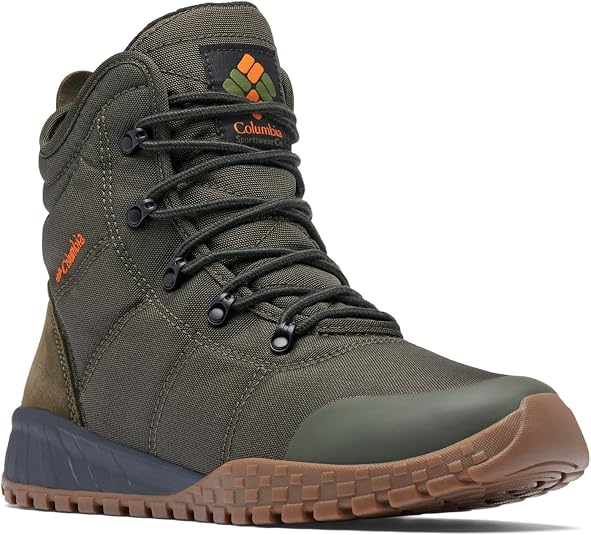
Omni-Heat insulation makes these boots a solid pick for winter hunting, keeping feet warm in cold conditions. A perfect match for anyone spending long hours outside in snowy terrain, especially those who need dependable, insulated footwear without added heel height.
Wearing these boots throughout the day is straightforward thanks to the closed toe design, which guards against snow and debris. The deep olive and desert sun color keeps them looking good on the trail or at camp. Designed as snow boots, they handle wet and cold conditions well while remaining reasonably easy to slip on and off during breaks.
The boots perform well at trapping heat, standing up to cold weather with reliable insulation that manages moisture. Construction favors warmth over lighter weight or flexibility.
Strong points include the firm grip on snow and the felt-like warmth inside, but some mention the lack of heel might feel less stable on uneven ground for some wearers.
Insulation stands out as the best feature, keeping feet warm during long winter treks. The main drawback noted is the absence of a heel, which can make uneven ground feel a bit tricky underfoot. The build prioritizes warmth and protection against snow above all else.
Those needing sturdy, warm boots for extended outdoor use in cold, snowy conditions will appreciate these. For hunters who want lighter boots with more ankle support or a heel, exploring other options might be better.
Pros
- Effective Omni-Heat insulation for cold weather
- Closed toe design keeps snow out effectively
- Good traction for snowy hiking trails
- Stylish deep olive and desert sun colors
Cons
- No heel may reduce stability on rugged terrain
- Heavier than some other hunting boots
| Specification | Details |
|---|---|
| Color | Deep Olive/Desert Sun |
| Toe Style | Closed Toe |
| Boot Form Type | Snow Boot |
| Heel Type | No Heel |
| Seasons | Winter |
| Occasion | Hiking |
12. Hunthor 1600G Insulated Waterproof Hunting Boots

Hunthor 1600G Insulated Waterproof Hunting Boots are perfect for hunters who face harsh winter conditions and need reliable warmth and protection. Their strongest point is the insulation combined with waterproofing, keeping feet dry and warm for long periods outdoors. Suitable for anyone who spends time in snowy, wet environments and needs a tough, dependable boot.
Putting these boots on is straightforward thanks to their round toe and flat heel design, which makes walking on snow easy and stable. Day-to-day use revolves around their snow boot form, which feels solid but not overly heavy. The camouflage style helps maintain a low profile while moving through the woods.
Waterproof material means you don’t have to worry about wet feet after crossing damp terrain or morning frost.
Performance-wise, the insulation does a good job at keeping feet warm even in cold weather, while the waterproof build ensures no water seeps inside. The construction is sturdy, with a focus on durability and comfort during extended use.
Some users mention they are a bit bulky and take time to break in, which can affect initial comfort but doesn’t impact protection or warmth.
The insulation and waterproof features protect feet effectively against cold and dampness, though the boots can feel bulky at first and need some breaking in before fully comfortable. These boots handle winter terrain well but require patience during the initial wear.
Ideal for hunters spending long hours in wet, snowy environments needing solid protection and warmth. Those who want a lighter boot or prefer immediate softness may want to explore other options.
Pros
- Insulated for cold weather warmth
- Waterproof to keep feet dry
- Flat heel provides stable footing
- Camo pattern blends into natural settings
Cons
- Bulky feel initially
- Requires break-in period for comfort
| Specification | Details |
|---|---|
| Color | Next Camo G2 |
| Toe Style | Round Toe |
| Boot Form Type | Snow Boot |
| Heel Type | Flat |
| Seasons | Winter |
| Style Name | Camo Hunting Boots |
Best Cold Weather Hunting Boots Comparison Table
| Product | Seasons | Boot Form Type | Heel Type | Occasion |
|---|---|---|---|---|
| MUCK Arctic Pro Boots | All | Work Boot | No Heel | Casual |
| Irish Setter Elk Tracker | Fall, Winter | Combat | No Heel | Hunting |
| TIDEWE Rubber Hunting | Winter | Rain Boot | Flat | Work |
| ROCKY Sport Utility Boots | All | Hiking Boot | Western Heel | Casual |
| TIDEWE Waterproof Work | All | Snow Boot | Flat | Outdoor, Winter |
| Hunthor Insulated Hunting | Winter | Hiking Boot | Platform Heel | Farm, Hiking, Hunting |
| MUCK Mossy Oak Woody Max | Fall | Work Boot | No Heel | Casual |
| MUCK Arctic Pro Tall | Fall | Snow Boot | No Heel | Casual |
| MUCK Arctic Pro Tall | Fall | Snow Boot | No Heel | Casual |
| Guide Gear Leather Boots | All | – | Flat | Outdoor Adventures |
| Columbia Fairbanks Omni-Heat | Winter | Snow Boot | No Heel | Hiking |
| Hunthor 1600G Insulated | Winter | Snow Boot | Flat | – |
- SeasonsAll
- Boot Form TypeWork Boot
- Heel TypeNo Heel
- OccasionCasual
- SeasonsFall, Winter
- Boot Form TypeCombat
- Heel TypeNo Heel
- OccasionHunting
- SeasonsWinter
- Boot Form TypeRain Boot
- Heel TypeFlat
- OccasionWork
- SeasonsAll
- Boot Form TypeHiking Boot
- Heel TypeWestern Heel
- OccasionCasual
- SeasonsAll
- Boot Form TypeSnow Boot
- Heel TypeFlat
- OccasionOutdoor, Winter
- SeasonsWinter
- Boot Form TypeHiking Boot
- Heel TypePlatform Heel
- OccasionFarm, Hiking, Hunting
- SeasonsFall
- Boot Form TypeWork Boot
- Heel TypeNo Heel
- OccasionCasual
- SeasonsFall
- Boot Form TypeSnow Boot
- Heel TypeNo Heel
- OccasionCasual
- SeasonsFall
- Boot Form TypeSnow Boot
- Heel TypeNo Heel
- OccasionCasual
- SeasonsAll
- Boot Form Type–
- Heel TypeFlat
- OccasionOutdoor Adventures
- SeasonsWinter
- Boot Form TypeSnow Boot
- Heel TypeNo Heel
- OccasionHiking
- SeasonsWinter
- Boot Form TypeSnow Boot
- Heel TypeFlat
- Occasion–
How to Choose the Right Cold Weather Hunting Boots
Choosing cold weather hunting boots means focusing on insulation, waterproofing, and durability to keep feet warm and dry during long outdoor trips. Picking the right fit and features prevents discomfort and damage, saving money and avoiding problems in harsh conditions.
Insulation and Warmth
Spending hours outside in freezing temperatures quickly reveals how core insulation and breathability affect comfort. Boots insulated with materials like Thinsulate in thicknesses around 400g to 800g usually keep feet warm enough without overheating. Too little insulation means cold feet after an hour or two, especially below 20°F.
Temperature ratings provide a useful guideline; boots rated for -20°F or colder are suitable for harsh winter conditions. Breathability matters just as much because trapped sweat inside boots leads to dampness, which cools the feet and causes discomfort.
Look for linings and membranes that balance warmth with moisture vapor transfer to better manage internal moisture during long hunts.
Waterproofing and Weather Resistance
Stepping into snow or slush reveals how waterproofing can make or break an outing. Quality boots feature membranes like Gore-Tex or proprietary waterproof liners that block water but allow sweat vapor to escape. Some use durable water repellent (DWR) coatings on the outer fabric to shed moisture before it reaches the membrane.
Seam sealing and waterproof construction are crucial. Boots with glued and taped seams prevent water seepage where panels join, keeping feet dry hours longer.
When this detail is overlooked, water eventually creeps in through stitches or edges, creating cold, soggy conditions that quickly ruin a hunt.
Fit and Comfort
Finding the right fit is often underestimated until feet start aching mid-walk. Most models offer multiple widths and whole sizes, which helps accommodate different foot shapes.
Good interior padding and firm insole support prevent soreness and blisters over extended wear. Heavy boots slow you down and tire muscles faster; a balance of lightweight design and flexibility in the footbed reduces fatigue. Boots that feel stiff or tight after a short walk require extra break-in time or sacrifice comfort altogether.
Traction and Sole Durability
Walking on ice or uneven terrain is risky without the right sole design. Rubber soles with deep lugs offer better traction on snow and frozen surfaces. Materials that resist abrasion and cuts stand up to rocks and debris during long hikes.
Some boots are compatible with crampons or traction aids, which is essential when conditions get icy enough to need extra grip. Durable soles maintain performance over seasons, while cheap soles tend to wear down, losing grip and increasing the chance of slips.
Noise Level and Stealth
For hunting, silent movement can mean the difference between a successful trek and spooking game. Soles made from softer materials with tread patterns that don’t clack on hard surfaces help reduce noise.
Well-constructed boots avoid creaks and slippage sounds inside the shoe by using tight seams and secure footbeds. Shoes that generate noise become obvious in snow or dry leaves, making stealth nearly impossible in quiet woods across cold mornings.
How to Properly Break in and Season Your Cold Weather Hunting Boots
New cold weather hunting boots often feel stiff and can cause discomfort during early use. Breaking them in properly reduces the chance of blisters and helps the materials adapt to your foot shape.
Start by wearing the boots inside the house for a few hours at a time. This gently loosens the leather or synthetic materials without exposing them to harsh conditions.
Some practical steps include:
- Wearing thick or hunting-specific socks to simulate actual use.
- Slowly increasing wear time over several days to avoid foot pain.
- Using a leather conditioner on leather boots to soften the material.
- Avoiding water exposure during break-in to prevent shrinking or stiffening.
Seasoning boots by using them in controlled outdoor settings before a big trip helps identify any fit issues and ensures maximum comfort during long hunts.
Essential Maintenance Tips to Extend the Life of Your Hunting Boots
Maintaining cold weather hunting boots starts with cleaning off mud and debris immediately after use. Drying them at room temperature away from direct heat preserves the integrity of insulation and materials.
Waterproofing treatments should be reapplied after every few outings to maintain water resistance.
Maintenance essentials include:
- Using boot brushes and mild soap to clean boots without damaging membranes.
- Stuffing boots with newspaper or boot dryers to absorb moisture internally.
- Conditioning leather boots regularly to prevent cracking in freezing temperatures.
- Inspecting seams and soles for damage to catch small issues early.
Routine care extends the lifespan of hunting boots and keeps them performing well in cold, wet conditions over multiple seasons.
Comparing Cold Weather Hunting Boots with Warm-Weather Alternatives for Versatility
Cold weather hunting boots differ notably from warm-weather alternatives in insulation, weight, and breathability. Insulated boots use thick lining to trap heat, which can cause overheating in milder climates. Warm-weather boots focus on ventilation and lightweight materials to keep feet cool and dry.
Consider these points for versatility:
- Cold weather boots tend to be bulkier but offer better protection against freezing temperatures.
- Warm-weather boots often have mesh panels or thinner uppers for airflow, unsuitable for deep snow.
- Some hunters prefer a mid-weight boot to cover a broader temperature range but may sacrifice peak warmth.
- Rotating between types based on season and terrain maximizes comfort and performance.
Choosing boots with removable liners or adjustable insulation layers can offer a balance but usually won’t replace specialized options for extreme conditions.
People Also Asked
How Do I Properly Size Cold Weather Hunting Boots?
Choose boots with some extra room to accommodate thick wool socks without making your feet slide inside. It’s easier to prevent blisters when your boots fit snugly but not tight, especially after they break in. 2 | Use a soft brush and mild soap to remove dirt, then apply a conditioner suitable for the boot’s material. Avoid heat sources to dry them, as this can damage insulation and waterproofing. 3 | Many cold weather hunting boots have soles designed for traction on ice, but no boot is completely slip-proof. Adding traction cleats can increase stability and reduce the risk of falls on slick surfaces. 4 | Durable cold weather hunting boots usually last several hunting seasons with proper care. The lifespan depends heavily on use frequency and maintenance, so drying them properly and storing them away from moisture extends their life. 5 | Look out for worn-out soles, broken eyelets, and loss of waterproofing, which are common issues. Wet or cold feet during hunts often signal that insulation or waterproof membranes have failed and need professional repair or replacement.
What Is the Best Way to Clean and Care for Hunting Boots?
The best way to clean and care for hunting boots is to remove dirt and dry them properly after each use. Use a soft brush or cloth to wipe off mud and debris before the boots dry completely. Dry them at room temperature away from direct heat, as too much heat can crack the leather or damage insulation. Applying a suitable conditioner helps keep the material supple over time.
Are Cold Weather Hunting Boots Safe for Icy Terrain?
Cold weather hunting boots can be safe for icy terrain if they have good traction. Look for boots with deep lugs or specialized soles designed to grip ice better. It also helps to add traction devices like crampons for extra stability. Keep your steps slow and deliberate, as no boot can completely prevent slipping on ice.
How Long Do Good Cold Weather Hunting Boots Typically Last?
Good cold weather hunting boots typically last around 3 to 5 years with regular care. Keeping them clean and dry after each use helps prevent the materials from breaking down. Inspecting the soles and seams regularly lets you catch wear early. Reapplying waterproof treatments also extends their lifespan, especially after exposure to snow and wet conditions.
What Common Problems Should I Watch for in Hunting Boots?
Common problems with hunting boots include moisture buildup, lack of insulation, and poor fit. Boots that let water in or trap sweat can cause cold feet and blisters. Look for boots with good waterproofing and breathable materials. Make sure to try them on with hunting socks to avoid discomfort during long walks.
Conclusion
Choosing the right cold weather hunting boots really comes down to warmth, waterproofing, and comfort. Warm insulation keeps your feet dry and cozy during long hours in freezing conditions.
Waterproof materials prevent moisture from seeping in, which could lead to cold feet and discomfort. Comfort is key too since you may be walking or standing for long stretches, so boots need good support and cushioning.
Consider where you’ll be hunting and how often you’ll wear the boots to pick something that fits your budget and usage. Heavier insulation might be better for colder climates but less practical for milder spots.
The comparison table above breaks down different options to help you choose the best match for your needs. Review the key points there before making your decision.