Top 12 Best Handmade Upland Hunting Boots You Need Now
After hours in the field, the frustration of wet feet and sore ankles is all too familiar for those who haven’t invested in the best handmade upland hunting boots. Cheap or poorly made boots often fail fast, letting moisture in or lacking the support needed on uneven terrain.
This can turn a promising day outdoors into an uncomfortable slog, cutting the hunt short.
Quality upland hunting boots rely heavily on durable, water-resistant leather combined with a sturdy but flexible sole that grips well without breaking down in a season. Proper fit is critical; boots should feel snug without restricting circulation to prevent blisters and fatigue. A well-made pair also balances weight, heavy boots wear down energy, while too-light models might sacrifice protection and durability.
Need a Quick Check?
| Image | Product | Price |
|---|---|---|
Our Top Picks 1  | Irish Setter Wingshooter 7 | Check Price |
Our Top Picks 2  | Irish Setter Elk Tracker 12 | Check Price |
Our Top Picks 3  | Irish Setter Wingshooter Waterproof | Check Price |
Our Selected Top 12 Handmade Upland Hunting Boots Worth Considering
This list features carefully crafted handmade upland hunting boots designed for durability and comfort in rugged environments. Each review highlights performance aspects, suitability for different hunters, and key advantages and disadvantages to help readers find the best option for their needs.
1. Irish Setter Wingshooter 7 Hunting Boot
Amber color and a round toe shape make these boots stand out for upland hunting in spring through fall. They suit outdoor enthusiasts who need durable, practical footwear without added heel height for stable movement across varied terrain. Their solid pattern and work boot form provide reliable support and protection.
Putting on these boots each day is straightforward thanks to their work boot design which fits comfortably around the foot. They are built for ongoing use in outdoor conditions typical of upland hunting seasons. No heel design helps maintain balance over uneven ground, while the round toe gives enough room for toe movement.
Cleaning after a day in the field is manageable because of the solid construction.
Performance holds up well across different outdoor conditions with solid material and construction that lasts through spring, summer, and fall. The lack of heel is praised for stability but some mention that this might reduce ankle support for more rugged hikes. The amber color hides dirt effectively, keeping the boots looking good.
Most wearers find them dependable for long hunting days but a few note wanting more cushioning around the foot.
Durability and balance stand out as key strengths in daily use, with the no heel feature praised for stability. Common feedback highlights a desire for enhanced foot cushioning to improve comfort during extended outings.
Hunters seeking dependable boots for spring to fall upland hunts with steady footing will appreciate these. Those requiring extra ankle support or additional padding might consider alternative options better suited for rougher terrain or longer hikes.
Pros
- Stable no heel design for better balance
- Durable solid pattern easy to clean
- Comfortable round toe for natural foot movement
- Suitable for multiple upland hunting seasons
Cons
- Less ankle support compared to heeled boots
- Some people find that the foot cushioning could be a bit thicker.
| Specification | Details |
|---|---|
| Color | Amber |
| Toe Style | Round Toe |
| Boot Form Type | Work Boot |
| Heel Type | No Heel |
| Seasons | Spring, Summer, Fall |
| Pattern | Solid |
2. Irish Setter Elk Tracker 12 Hunting Boot
Hunters spending long days in rugged fall or winter uplands will find these boots a solid choice. Designed with a combat form and round toe, the Irish Setter Elk Tracker 12 Hunting Boot stands out for its durable build, offering reliable support in tough outdoor conditions.
Putting them on feels straightforward, with enough room in the toe to avoid pinching during long walks. The no-heel design keeps the boot close to the ground, helping with balance over uneven terrain. Breaking them in is manageable without excessive discomfort, and the brown color holds up well against dirt and mud, making maintenance simpler after each outing.
They perform well when tracking through rough landscapes, keeping feet protected and stable. The rugged outdoor style means they are built tough, ready for fall and winter conditions.
Strong points noticed include their durable construction and supportive fit. Some mention the weight as a drawback, feeling heavier than lighter trail boots, which can tire feet on longer treks.
Durability and support come through strongly in these boots, perfect for rugged terrain and colder seasons. The main downside comes from their weight, which some find tiring for extended walking.
Those needing tough, stable boots for fall and winter will appreciate this design. People looking for lighter or more flexible footwear might want to explore other options better suited to warmer or less demanding conditions.
Pros
- Durable for tough outdoor use
- Comfortable round toe fit
- No-heel design improves stability
- Good for fall and winter seasons
Cons
- Heavier than some lighter boots
- Not ideal for warm weather
| Specification | Details |
|---|---|
| Color | Brown |
| Toe Style | Round Toe |
| Boot Form Type | Combat |
| Heel Type | No Heel |
| Seasons | Fall, Winter |
| Style Name | Rugged Outdoor |
3. Irish Setter Wingshooter Waterproof Hunting Boots
Irish Setter Wingshooter Waterproof Hunting Boots stand out for their reliable waterproofing and comfort, making them a solid pick for upland hunters who spend hours on their feet in damp conditions. Their design favors those who need sturdy, well-fitting boots that don’t weigh them down during spring, summer, or fall outings.
Putting the boots on is straightforward, offering a round toe for extra room without feeling bulky. They feel light enough to wear all day, and the absence of a heel helps with steady footing on uneven terrain. Wearing them casual or on an outdoor hunt feels natural, thanks to their hiking boot form that supports long walks and varied movements.
These boots perform well in wet weather thanks to their waterproof features, keeping feet dry without sacrificing breathability. The amber color and construction are solid, though some note the lack of a heel can reduce grip on certain slopes. Comfort and durability are strengths, while grip consistency on slick surfaces emerges as a common concern from reviews.
The boots earn strong praise for their waterproof capabilities and all-day comfort, making wet outings better tolerated. Some people find the grip challenging because of the flat sole design, particularly on slippery or steep terrain.
Hunters who often encounter wet, mild weather and prioritize comfort will appreciate these boots. Those facing icy or very rugged terrain might want to consider boots with a more aggressive heel and tread for grip.
Pros
- Waterproof construction suitable for wet conditions
- Lightweight feel for extended wear
- Comfortable round toe design
- Good for casual and hunting use
Cons
- Lack of heel may reduce traction on slopes
- Not suited for winter or extremely cold conditions
| Specification | Details |
|---|---|
| Color | Amber |
| Toe Style | Round Toe |
| Boot Form Type | Hiking Boot |
| Heel Type | No Heel |
| Seasons | Spring, Summer, Fall |
| Occasion | Casual, Outdoor |
4. Danner Cedar River 8 Moc Toe Hunting Boots
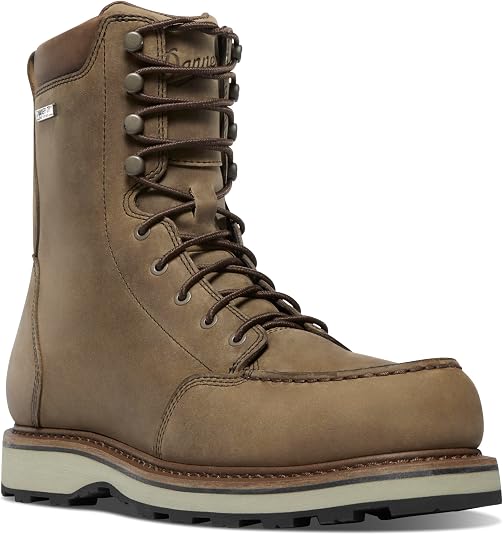
Danner Cedar River 8 Moc Toe Hunting Boots focus on comfort and durability for summer upland hunting trips. They suit hunters who want reliable footwear without a heel, providing steady movement in various terrains.
The moc toe style adds a classic touch while maintaining functionality.
Setting these boots up involves a straightforward approach, thanks to their combat form and solid construction. Wearing them daily during warmer months feels natural because there’s no heel to alter footing. The timberwolf color keeps them low-profile for hunting use, and the moc toe design offers extra room around the toes, making long walks more comfortable.
Performance is solid for summer hunting conditions, offering stable support on uneven ground. Built with a combat form type and a no-heel design, they keep the weight balanced and your stance sure. Strong points include how comfortable they remain during extended wear.
Some users note that the lack of heel reduces the boot’s grip on steeper slopes or slippery surfaces.
Comfort during long summer days and sturdy build receive praise, while the common complaint centers on limited traction due to the no-heel design. These boots handle dry, warm upland environments reliably but may struggle where grip is critical.
Hunters focused on summer upland hunting in dry conditions will appreciate these boots. Those who need versatile boots for wet or colder climates should look for options with more aggressive soles and weatherproofing.
Pros
- Comfortable fit for warm weather wear
- Moc toe allows for toe flexibility
- No-heel design reduces foot strain
- Durable combat-style construction
Cons
- Less traction on steep or slippery terrain
- Not suited for cold or wet conditions
| Specification | Details |
|---|---|
| Color | Timberwolf |
| Toe Style | Moc Toe |
| Boot Form Type | Combat |
| Heel Type | No Heel |
| Seasons | Summer |
| Pattern | Solid |
5. Irish Setter Trail Lock 8 Hunting Boot

Feels sturdy and well-made right out of the box, perfect for anyone who spends long days walking through rough upland terrain. The clear strength of these boots lies in their durability and all-season versatility, making them a reliable companion for hunting in various weather and ground conditions.
Putting them on is straightforward thanks to a traditional hiking boot design with firm block heels offering good stability on uneven ground. Their plain toe shape avoids extra bulk, helping with comfort during long walks. These boots perform well year-round, managing dry or wet conditions through multiple seasons without sacrificing comfort.
Durability stands out in its build quality, with tough materials that handle rugged use without giving out quickly. Reviewers often praise how dependable these boots are in different weather but sometimes mention they could feel heavier compared to lighter models. The block heel improves balance but might slow down rapid movement in tight spots.
Strong points focus on the boot’s rugged durability and its ability to stay comfortable across all seasons. A frequently noted downside is its weight, which can make longer hunts feel more tiring. The block heel is appreciated for stability but might be a drawback for those needing fast footwork.
Hunters who prioritize long-lasting boots that perform well year-round will appreciate this choice. Anyone needing very lightweight or highly agile footwear might want to look for other options better suited to speed and quick changes of direction.
Pros
- Durable construction handles rough terrains well
- Comfortable fit across all seasons
- Block heel offers solid stability on uneven ground
- Plain toe reduces pressure points during long walks
Cons
- Heavier than some lighter hunting boots
- Block heel can slow quick movements
| Specification | Details |
|---|---|
| Color | Brown |
| Toe Style | Plain Toe |
| Boot Form Type | Hiking Boot |
| Heel Type | Block Heel |
| Seasons | All, Fall, Spring, Summer, Winter |
| Style Name | Hunting Boot |
6. Danner Sharptail 17 Gore-Tex Hunting Snake Boot
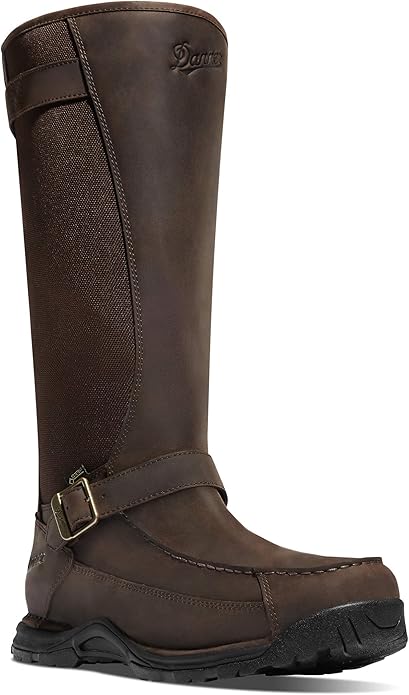
Designed for upland hunters who spend long hours on their feet, these boots offer reliable protection with their Gore-Tex waterproof lining and a comfortable fit. Their best feature is keeping feet dry and supported during spring and summer outings in rough terrain.
Breaking them in takes some time, but once ready, the 17-inch height gives solid ankle support on uneven ground. The soft-toe design keeps weight down without sacrificing protection. Wearing them daily in muddy or wet environments shows how well the Gore-Tex membrane handles moisture.
The platform heel provides steady footing without digging in too aggressively.
The boots handle rough outdoor use with good durability from their sturdy construction. They excel at repelling water and maintaining comfort over long walks.
Some note that getting the right fit can be tricky, as the sizing runs a bit narrow. A few mention the boots feel stiff at first, requiring a break-in period.
These boots are praised most often for their waterproof capabilities and ankle support, keeping feet dry and stable throughout long outdoor sessions. The most common points of frustration involve a snug fit and stiffness during the first few wears as the materials soften up.
Hunters who need solid protection in wet spring or summer terrain and prefer a lighter, flexible boot will find these a good match. People with wide feet or anyone looking for a boot that feels fully broken-in right away might want to consider other options.
Pros
- Waterproof Gore-Tex lining for wet conditions
- Soft-toe reduces overall boot weight
- 17-inch height supports ankles well
- Platform heel for stable footing
Cons
- Narrow fit may not suit wider feet
- Initial stiffness requires break-in period
| Specification | Details |
|---|---|
| Color | Brown |
| Toe Style | soft-toe |
| Boot Form Type | Work Boot |
| Heel Type | Platform Heel |
| Seasons | Spring/Summer |
| Style Name | Sharptail Snake Boot 17″ Dark Brown |
7. Danner Sharptail 8 Leather Hunting Boots

Full-grain leather shapes these boots with a dark brown finish, built for hunters who value durability and all-season use. Ideal for those needing reliable support on rough upland terrain, their main strength lies in marrying traditional leather craftsmanship with practicality for everyday hiking.
Lacing up feels secure thanks to the round toe and flat heel design, making them comfortable for long walks without pinching. They wear in nicely over time, conforming to the foot while maintaining solid grip.
The weight is balanced for hiking, and cleaning is straightforward due to the quality leather surface.
Performance on varied upland grounds stands out, with their sturdy build holding up under tough conditions. The strongest praise centers on how durable and dependable they are for hikes across different seasons. Some note the need to break them in well before extended use for the best comfort.
Most users compliment the shoe’s durability and ability to hold up well through rugged terrain across all seasons. The main drawback mentioned focuses on the initial break-in period needed to feel comfortable during extended hikes.
Hunters who want tough, traditional leather boots that handle different environments will appreciate these a lot. Those looking for immediate comfort or specialized heel support might want to explore alternative boots better suited for those needs.
Pros
- Durable full-grain leather construction
- Comfortable round toe design
- Good traction for all seasons
- Classic styling suitable for various terrains
Cons
- Requires break-in period for optimal comfort
- Flat heel may lack support for some users
| Specification | Details |
|---|---|
| Color | Dark Brown |
| Toe Style | Round Toe |
| Boot Form Type | Hiking Boot |
| Heel Type | Flat |
| Seasons | All |
| Style Name | Hiking Boot |
8. Irish Setter Trail Lock 10 Hunting Boot

Realtree Apx Camo pattern catches the eye first, great for hunters blending into dense brush. Ideal for upland hunting enthusiasts who need reliable footwear across all seasons. Its biggest strength lies in a sturdy build that adapts well to wet and dry conditions alike.
The plain toe hiking boot form makes it comfortable right out of the box with a block heel that gives solid grip on uneven terrain. It fits true to size for hiking, providing enough ankle support for long days in the field without feeling bulky.
Cleaning is straightforward thanks to the durable exterior materials in Realtree camouflage.
Durability is solid with well-constructed seams and tough materials protecting against trails and brush. The boot handles mud and moisture fairly well, maintaining footing and comfort in fall, spring, summer, and winter conditions.
Most praise focuses on its all-season usability while the main complaint revolves around weight, which some find a bit heavy for extended hikes.
Strongest praise highlights the boot’s versatility across all seasons and solid traction in varied terrain. The common complaint focuses on its weight, which some find tiresome during extended walking sessions. It offers dependable protection and support with a tough exterior suited for rough use.
Hunters who value durability, camouflage, and year-round use will find this a fitting option. Those who prioritize ultra-lightweight footwear or need immediate comfort without break-in might prefer exploring lighter or softer boots tailored more for casual walking.
Pros
- Effective camo pattern for blending in the wild
- Good ankle support for rugged hikes
- Suitable across all seasons
- Sturdy construction for uneven terrain
Cons
- Heavier than typical hiking boots
- May require break-in for full comfort
| Specification | Details |
|---|---|
| Color | Realtree Apx Camo |
| Toe Style | Plain Toe |
| Boot Form Type | Hiking Boot |
| Heel Type | Block Heel |
| Seasons | All, Fall, Spring, Summer, Winter |
| Style Name | Hunting Boot |
9. Danner Vital 8 Waterproof Hunting Boots

Designed for tough upland conditions, these boots suit anyone needing reliable waterproof protection combined with durability. Their ability to keep water out while allowing moisture to escape stands out compared to cheaper alternatives.
The setup features a Lock & Load lacing system that tightens quietly and quickly, important for not disturbing game. The mesh-lined tongue helps regulate temperature, making hours on the trail more comfortable.
Being lightweight yet shock-absorbing keeps foot fatigue low during all-day hunts.
Construction with split leather and 900 Denier polyester makes the upper highly abrasion-resistant. Waterproofing is handled by the Danner Dry barrier, maintaining dryness without overheating. The main praise is for durable waterproof performance, while a noted complaint involves the initial break-in period being a bit stiff.
Durability and waterproofing are consistently praised, making these boots reliable during wet and rough hikes. The break-in period tends to be stiff at first, which some may find uncomfortable initially. Once broken in, comfort and protection improve.
Hunters who value quiet lacing and breathability will appreciate these boots. Those needing extra ankle or heel support might want to explore other options with more cushioning or heel lift. Vital boots work best for all-season use in various upland conditions.
Pros
- Durable waterproof upper with abrasion resistance
- Quiet, secure Lock & Load lacing system
- Lightweight with effective shock absorption
- Breathable design with temperature regulation
Cons
- Initial stiffness requires break-in time
- Flat heel may lack support for uneven terrain
| Specification | Details |
|---|---|
| Boot Form Type | Hiking Boot |
| Color | Dark Brown |
| Heel Type | Flat |
| Seasons | All |
| Style Name | Vital |
10. Hunthor 8 Leather Hunting Boots

Tracking through tough upland terrain demands boots that keep your feet comfortable and protected all day. These hunting boots suit those who prioritize durability and fit above all else, offering reliable support with a closed-toe design and low heel for steady footing on uneven ground.
Lacing these up feels solid, with leather that breaks in without losing shape. They handle mud and brush well across all seasons, showing no signs of letting moisture in despite damp conditions. The low heel helps maintain balance while hiking uphill or through thick undergrowth.
Daily wear means cleaning off dirt is straightforward, thanks to the leather surface.
These boots deliver steady grip and solid foot protection on the trails. They stand up well to rigorous use, thanks to strong materials and construction focused on hiking style. The most talked-about positive is the tough leather that lasts season after season.
Complaints mostly mention the initial stiffness that can slow break-in time.
The boots are praised for their durable, all-season leather that resists moisture and rough use. Common feedback points out the stiff feel at first, which requires some time to soften up. Once broken in, they offer steady support and protection.
Hunters who value tough construction and reliable fit will appreciate these boots. Those needing extra cushioning or immediate comfort might want to explore different options better suited for softer strides or quicker break-in.
Pros
- Durable leather holds up against rough terrain
- Low heel offers solid grip and balance
- Suitable for all seasons without moisture issues
- Closed toe provides good foot protection
Cons
- Leather is stiff initially and needs breaking in
- Lack of specialized cushioning for long treks
| Specification | Details |
|---|---|
| Color | Brown |
| Toe Style | Closed Toe |
| Boot Form Type | Hiking Boot |
| Heel Type | low-heel |
| Seasons | All |
| Style Name | Hiking Boots |
11. Irish Setter Elk Tracker 10 Hunting Boot

Brown leather stands out as the key feature for anyone needing durable hunting boots that wear well. Classic Hunting style suits upland hunters looking for reliable, no-heel boots to move quietly across varied terrain during spring, summer, and fall seasons.
Lacing up these boots feels straightforward, fitting like traditional work boots with a round toe that offers enough room without feeling bulky. The leather shapes over time but keeps its form, making every day on the trail comfortable, while the no-heel design helps with steady footing on uneven ground, especially important during long hunts in changing weather.
Built to perform in upland hunting, the boots provide steady grip and good protection without being heavy, balancing durability with breathability suited to warmer months. Most impressive is their toughness in rough conditions, while the main downside mentioned is the lack of heel, which some find limits traction on very slippery surfaces.
Leather durability and overall build quality are the most praised features, making these boots withstand rugged upland environments well. On the other hand, some note the absence of a heel reduces grip on slick or steep surfaces, which can be a drawback.
Hunters who prioritize comfort and durability during warmer months will appreciate these boots. Those needing extra traction on icy or wet terrains might want to look for options with a heel for better grip.
Pros
- Strong leather suited for rough conditions
- Comfortable fit with roomy round toe
- No-heel design aids stable footing
- Good for spring to fall use
Cons
- No heel limits traction on slippery slopes
- Designed for warmer seasons only
| Specification | Details |
|---|---|
| Color | Brown |
| Toe Style | Round Toe |
| Boot Form Type | Work Boot |
| Heel Type | No Heel |
| Seasons | Spring, Summer, Fall |
| Style Name | Classic Hunting |
12. Irish Setter Wingshooter 9 Hunting Boot
Hunters tackling upland game in colder months will appreciate these boots designed for durability and comfort. Suited for fall and winter conditions, the Irish Setter Wingshooter 9 stands out for its classic work boot form that offers solid support during long days on rough terrain.
Putting these boots on feels like slipping into something reliable right away. They have no heel, which keeps your footing steady on uneven ground, and the amber color gives them a traditional look that fits well in any outdoor outfit. Their build makes them a good fit for those who value warmth and protection without fuss.
They perform well holding up against fall and winter weather, keeping feet warm and dry while handling the demands of upland hunting. The construction leans on the work boot style to endure rough use. The most common praise focuses on their durability and comfort, while the main complaint is that they can feel a bit heavy after long walks.
Durability and comfort are highlights for those spending long hours walking through upland terrain, but the weight can become noticeable on particularly long outings. The classic design and lack of a heel help maintain stability and warmth in cooler seasons.
Hunters who focus on fall and winter upland hunts will find these boots fitting and reliable. Those wanting lighter footwear or year-round versatility might consider other options better tailored for warmer or wetter conditions.
Pros
- Strong support suited for rugged terrain
- Warmth appropriate for cooler seasons
- Simple, classic design
- Stable footing without a heel
Cons
- Feels heavy during extended hikes
- Limited to fall and winter use
| Specification | Details |
|---|---|
| Color | Amber |
| Boot Form Type | Work Boot |
| Heel Type | No Heel |
| Seasons | Fall, Winter |
| Style Name | Classic |
Best Handmade Upland Hunting Boots Comparison Table
| Product | Toe Style | Boot Form Type | Heel Type | Seasons |
|---|---|---|---|---|
| Irish Setter Wingshooter 7 | Round Toe | Work Boot | No Heel | Spring, Summer, Fall |
| Irish Setter Elk Tracker 12 | Round Toe | Combat | No Heel | Fall, Winter |
| Irish Setter Wingshooter Waterproof | Round Toe | Hiking Boot | No Heel | Spring, Summer, Fall |
| Danner Cedar River 8 Moc | Moc Toe | Combat | No Heel | Summer |
| Irish Setter Trail Lock 8 | Plain Toe | Hiking Boot | Block Heel | All Seasons |
| Danner Sharptail 17 Gore-Tex | Soft-toe | Work Boot | Platform Heel | Spring, Summer |
| Danner Sharptail 8 Leather | Round Toe | Hiking Boot | Flat | All Seasons |
| Irish Setter Trail Lock 10 | Plain Toe | Hiking Boot | Block Heel | All Seasons |
| Danner Vital 8 Waterproof | – | Hiking Boot | Flat | All Seasons |
| Hunthor 8 Leather | Closed Toe | Hiking Boot | Low Heel | All Seasons |
| Irish Setter Elk Tracker 10 | Round Toe | Work Boot | No Heel | Spring, Summer, Fall |
| Irish Setter Wingshooter 9 | – | Work Boot | No Heel | Fall, Winter |
- Toe StyleRound Toe
- Boot Form TypeWork Boot
- Heel TypeNo Heel
- SeasonsSpring, Summer, Fall
- Toe StyleRound Toe
- Boot Form TypeCombat
- Heel TypeNo Heel
- SeasonsFall, Winter
- Toe StyleRound Toe
- Boot Form TypeHiking Boot
- Heel TypeNo Heel
- SeasonsSpring, Summer, Fall
- Toe StyleMoc Toe
- Boot Form TypeCombat
- Heel TypeNo Heel
- SeasonsSummer
- Toe StylePlain Toe
- Boot Form TypeHiking Boot
- Heel TypeBlock Heel
- SeasonsAll Seasons
- Toe StyleSoft-toe
- Boot Form TypeWork Boot
- Heel TypePlatform Heel
- SeasonsSpring, Summer
- Toe StyleRound Toe
- Boot Form TypeHiking Boot
- Heel TypeFlat
- SeasonsAll Seasons
- Toe StylePlain Toe
- Boot Form TypeHiking Boot
- Heel TypeBlock Heel
- SeasonsAll Seasons
- Toe Style–
- Boot Form TypeHiking Boot
- Heel TypeFlat
- SeasonsAll Seasons
- Toe StyleClosed Toe
- Boot Form TypeHiking Boot
- Heel TypeLow Heel
- SeasonsAll Seasons
- Toe StyleRound Toe
- Boot Form TypeWork Boot
- Heel TypeNo Heel
- SeasonsSpring, Summer, Fall
- Toe Style–
- Boot Form TypeWork Boot
- Heel TypeNo Heel
- SeasonsFall, Winter
How to Choose the Right Handmade Upland Hunting Boots
Comfort, durability, and weather resistance are crucial when selecting handmade upland hunting boots, as they ensure long-lasting performance and protect feet during rough terrain. Choosing the right fit and quality materials prevents discomfort and costly replacements, making your investment worthwhile.
Fit and Comfort
Extended hunts demand boots that fit right from the start. Too tight and your feet will cramp after a few hours, causing blisters and pain that ruin the day. Too loose and the constant slipping and rubbing leads to hotspots and instability on uneven ground.
It’s important to find boots that match your foot size closely, typically in whole or half sizes depending on the brand. Cushioned insoles and supportive footbeds are key to reducing fatigue; they absorb shock with every step, making long miles manageable.
The break-in period varies but expect at least a few days of wear to soften the leather and allow the boot to flex where your foot moves naturally. Boots that remain stiff restrict your walking style and cause discomfort.
A flexible sole combined with a snug but comfortable fit gives you the balance needed to stay on your feet longer.
Material Quality and Durability
The durability of boots largely depends on the type of leather and craftsmanship. Premium full-grain leather offers superior strength and lasts much longer compared to cheaper, split-grain options. Handmade elements such as reinforced stitching with double or triple thread increase resistance against harsh conditions like thorny brush or rocky trails.
Poorly stitched boots tend to come apart after heavy use.
Water resistance is crucial but should come without sacrificing breathability. Materials like waxed leather or waterproof membranes keep feet dry without trapping sweat.
This balance prevents soggy feet that lead to blisters and cold toes in damp environments.
Traction and Sole Design
The sole design directly influences how well you handle upland terrain. Vibram soles or similar with aggressive, multi-directional tread patterns improve traction on slippery mud, wet rocks, and loose soil.
Boots with flat or smooth soles can cause slips and falls. The grip must also remain consistent as the sole wears down, so harder rubber compounds are preferred for longevity.
Stiffness in the sole aids in protecting the foot from sharp objects and uneven surfaces, but it shouldn’t be so rigid that it limits movement. Leg muscles tire faster if the sole doesn’t offer enough cushioning or flexibility, making certain designs with layered midsoles a practical choice for sustained hikes.
Noise Reduction
Walking quietly through dense brush is easier with boots designed to reduce noise. Construction that includes softer leather or nubuck on parts of the boot reduces rustling sounds typical of stiffer materials.
Stitching this soft leather strategically minimizes creaking or rubbing noises during each step.
The sole also plays a role; rubber soles with specialized tread patterns can soften footfalls and prevent slipping on dry leaves or twigs, which otherwise generate unwanted noise. Muffled boots make a difference when stealth is necessary and save energy by improving confidence in one’s steps.
Waterproofing and Weather Resistance
Waterproof boots use membranes or treated leathers to repel water, but maintaining breathability is a challenge. Gore-Tex lining is common because it blocks moisture but allows sweat vapor to escape.
Boots without this balance either soak feet or trap sweat, both causing discomfort and health risks during extended outings.
Resistance to mud, snow, and other elements depends on both materials and surface treatments. Durable coatings help prevent staining and buildup, but they require regular care with appropriate cleaning and reapplication products. Regular maintenance preserves the boots’ protective qualities and extends their usable life in harsh weather.
Proper Care and Maintenance Tips for Handmade Upland Hunting Boots
Leather is the main material in most handmade upland hunting boots, so cleaning and conditioning it regularly keeps the boots durable and comfortable. After each use, it’s best to brush off mud and dirt while the boots are dry to prevent material breakdown. Using a damp cloth to wipe the surface can help remove stubborn debris, but avoid soaking the leather.
Proper drying is crucial. Stuffing the boots with newspaper and letting them air dry at room temperature prevents the leather from drying too quickly and cracking.
Applying a high-quality leather conditioner every few months maintains flexibility and water resistance.
- Brush off dirt and debris after every outing
- Wipe with a damp cloth when needed
- Air dry boots naturally, avoid direct heat sources
- Condition leather regularly to maintain suppleness
Following these steps helps extend the lifespan of handmade boots and keeps them performing well season after season.
Comparing Handmade Upland Hunting Boots to Mass-Produced Alternatives
Handmade upland hunting boots generally differ from mass-produced boots in craftsmanship and material choice. Each pair is often constructed with greater attention to detail and higher-quality leather compared to factory-made options. This results in better fit and durability.
Mass-produced boots tend to focus on volume and cost-efficiency, often using synthetic materials or lower-grade leathers. These boots may be lighter initially but usually wear out faster, especially under rugged use.
Handmade boots offer more consistent support and molding to the foot over time, enhancing comfort during long hunting trips. They also allow for customization in sizing and features like sole type or waterproofing, which mass-produced boots rarely provide.
Investing in handmade boots means paying more upfront but can save money over time by reducing the need for replacements and repairs.
Safety Considerations When Using Handmade Upland Hunting Boots in Rugged Terrain
Using handmade upland hunting boots in rugged terrain requires paying attention to fit and sole construction for safety. Proper fit prevents blisters and instability when walking on uneven or slippery surfaces.
Handmade boots usually mold to the foot better, reducing the risk of slipping inside the boot.
The soles on handmade boots are often stitched rather than glued, providing better traction and durability on rocky or muddy ground. This reduces the chance of sole separation, which can lead to accidents in the field.
Water resistance is also important to avoid wet feet, which can contribute to cold-related injuries. Handmade boots frequently feature quality leather treatments and waterproof membranes compared to cheaper alternatives.
Regularly inspecting the boots for wear, especially around the soles and stitching, helps catch potential safety issues before heading into challenging terrain.
People Also Asked
How Do I Properly Size Handmade Upland Hunting Boots?
Size handmade upland hunting boots by measuring your feet at the end of the day, as feet often swell. Try them on with the socks you plan to wear while hunting to ensure comfort. Break them in gradually with short walks before heading out for longer hunts.
What Are the Best Care Tips for Handmade Upland Hunting Boots?
Keep handmade upland hunting boots conditioned regularly with leather oil or cream to maintain flexibility and water resistance. After use, remove dirt with a soft brush and let them air dry naturally away from direct heat sources to avoid cracking.
How Long Do Handmade Upland Hunting Boots Usually Last?
Handmade upland hunting boots typically last several years with proper care. The lifespan depends on usage frequency, terrain, and how well they’re maintained. Resoling and minor repairs can extend their life significantly.
Are Handmade Upland Hunting Boots Safe for Rough Terrain?
Handmade upland hunting boots provide good support and durability for rough terrain, especially if they have sturdy soles and ankle support. Choosing boots with waterproof features helps keep feet dry and comfortable during wet conditions.
What Common Problems Do People Face with Handmade Hunting Boots?
A common issue with handmade hunting boots is stiffness when new, requiring break-in time to avoid blisters. Sole wear can be a problem on abrasive terrain, so inspecting and maintaining them regularly helps prevent unexpected failures.
Conclusion
Comfort, durability, and traction are the key factors to consider when choosing handmade upland hunting boots. The boots should fit well and support your feet through long walks, be made from strong materials that can handle rough terrain, and have soles that grip wet or uneven ground effectively.
Think about how much time you spend hunting and the environments you’ll encounter to find boots that match your needs and budget. Check the comparison table and the detailed picks above to find the best option based on these practical points. This will help you make a choice that works well for your particular setup.