
Top 12 Best Japanese Rangefinder Camera That Will Wow You
Trying to capture a sharp, well-composed shot often fails with cheaper rangefinder cameras that hesitate or misalign focus, especially in tricky lighting. The best Japanese rangefinder camera addresses these issues by offering precise focusing mechanisms and durable build quality to handle real shooting conditions.
Many photographers quickly notice the difference a reliable rangefinder makes during street photography or portraits when timing and accuracy matter.
A good Japanese rangefinder camera is usually compact yet solidly constructed, often using metal chassis and quality lenses for longevity and sharpness. Accurate rangefinder coupling with a bright, clear viewfinder aids in fast, manual focus, crucial for spontaneous moments.
Common specifications include a base length around 50mm for better focusing precision and lenses with apertures like f/2 or wider for low-light performance. These factors together make the camera practical and comfortable for daily use.
Need a Quick Check?
| Image | Product | Price |
|---|---|---|
Our Top Picks 1  | Leica M 24MP | Check Price |
Our Top Picks 2 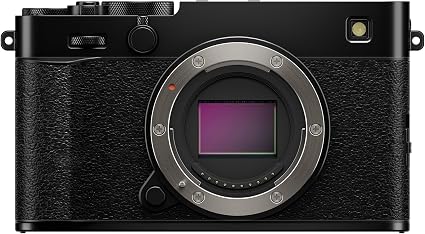 | Fujifilm X-E5 | Check Price |
Our Top Picks 3  | Leica M6 35mm | Check Price |
Our Selected Top 12 Japanese Rangefinder Camera Worth Buying
This list features carefully chosen Japanese rangefinder cameras known for their quality and design. Each review covers performance, ideal users, and key strengths and weaknesses to help you identify the best fit for your photography needs.
1. Leica M 24MP RangeFinder Camera Body
Leica’s M 24MP RangeFinder Camera Body stands out with its 24 MP Max sensor, designed for those who prioritize image quality in a classic rangefinder style. It suits photographers seeking precise manual control combined with modern digital features like Live View and an electronic viewfinder. Its splash-proof design adds durability without compromising Leica’s signature build.
Setting up the camera involves using the Leica M mount lenses, appreciated for their optical quality. Day-to-day shooting benefits from the fast Maestro image processor, allowing quick response and fluid Live View operation on the 3 display with Gorilla glass protection. The digital image stabilization and various exposure modes, including Manual and Program, make it versatile for different shooting conditions.
Adjustments feel direct and intuitive on the camera’s controls.
Image quality holds up well thanks to the APS-C sensor and 24 MP resolution, capturing details accurately in a variety of light. The body feels solid and splash-proof, carrying enough heft without being cumbersome. Reviews praise the sharp live view and color performance while some find the maximum aperture at 3.5 millimeters slightly limiting in very low light.
Shutter speeds from 1/4000 to 60 seconds offer good flexibility for creative photography.
The camera is praised for its sharp and responsive Live View feature paired with powerful image processing, delivering clear and vibrant photos. The main criticism revolves around its relatively narrow maximum aperture, which can restrict performance in low-light environments without fast lenses.
Photographers who appreciate a traditional rangefinder experience with modern sensor quality and manual control will value this camera. Those who need wider aperture lenses or advanced optical stabilization for low-light or action shots may want to explore alternatives better suited to those specific needs.
Pros
- 24 MP APS-C sensor delivers sharp, detailed images
- Fast Maestro processor ensures smooth operation
- Splash-proof body offers extra durability
- Live View and electronic viewfinder expand framing options
Cons
- Maximum aperture limited to 3.5 millimeters
- Digital image stabilization less effective than optical
| Specification | Details |
|---|---|
| Photo Sensor Resolution | 24 mp |
| Compatible Mountings | Leica M |
| Maximum Shutter Speed | 1/4000 seconds |
| Minimum Shutter Speed | 60 seconds |
| Screen Size | 3 inches with 920,000 pixels |
| Exposure Control | Program (P), Aperture Priority (Av or A), Shutter Priority (Tv or S), Manual (M), Automatic (Auto) |
2. Fujifilm X-E5 Mirrorless Camera
Fujifilm X-E5 Mirrorless Camera offers a perfect mix of classic rangefinder style and modern flexibility with interchangeable lenses. Ideal for photographers who appreciate analog controls but want versatility, it stands out by letting you swap lenses to fit your creative vision without sacrificing portability.
Setup is straightforward with familiar analog dials that make adjusting settings feel natural. The compact form factor and lightweight design make it easy to carry all day.
The customizable film simulation dial adds a personal touch to shooting styles, while the sensor-shift image stabilization keeps shots steady. Switching between the over 40 compatible Fujifilm X mount lenses suits a variety of shooting scenarios.
Performance delivers sharp 40.2 MP images thanks to the APS-H CMOS sensor, making details pop in both photos and videos. The machined aluminum top plate feels sturdy and premium. Most appreciate the camera’s balance of solid build and elegant design.
Some users find the maximum shutter speed of 1/24 seconds limiting in very bright or fast-action situations.
Image quality from the 40.2 MP APS-H sensor is highly praised for clarity and detail, while some find the shutter speed range restrictive for fast-moving subjects. The build combines a pleasing analog feel with a lightweight design, offering practical daily usability.
Photographers looking for vintage style paired with lens versatility will appreciate this camera. Those who need very fast shutter speeds or focus on high-speed action might want to consider alternatives better suited to those needs.
Pros
- Compact and lightweight mirrorless body
- Customizable film simulation dial
- Compatible with over 40 lenses
- Sensor-shift image stabilization
Cons
- Maximum shutter speed limited to 1/24 seconds
- Lacks very fast shutter speeds for action shots
| Specification | Details |
|---|---|
| Photo Sensor Resolution | 40.2 mp |
| Sensor Type | CMOS |
| Image Stabilization | Sensor-shift |
| Maximum Shutter Speed | 1/24 seconds |
| Screen Size | 3 inches |
| Compatible Mountings | Fujifilm X |
3. Leica M6 35mm Film Rangefinder Camera
Handling feels precise and thoughtfully crafted, suited for those who appreciate manual focus and film photography. With its reliable exposure meter and compact design, it shines as a tool for photographers who want a dependable 35mm film rangefinder that balances classic design with subtle modern upgrades.
Setting up the camera is straightforward thanks to the intuitive light meter displayed by red dots and arrows. Its compact and lightweight body makes carrying easy throughout the day.
The 0.72x magnification viewfinder helps with accurate framing and focusing, while battery status is clearly indicated, reducing surprises in the field.
Focusing remains sharp and accurate, true to the Leica heritage. The solid brass top cover with durable black lacquer gives it a sturdy, high-quality feel, though some notice it slightly heavier than earlier models. The main praise focuses on its reliable, easy-to-read exposure meter, while the common complaint involves the sensitivity of the shutter’s light reading through the brightened cloth shutter area.
Exposure meter feedback via red dots and arrows offers reliable guidance during shooting sessions, promoted as the camera’s strongest feature. At the same time, the meter’s dependency on light passing through the shutter cloth has caused some accuracy concerns among users in certain lighting conditions.
Ideal for photographers who value the classic Leica experience with subtle modern touches and consistent performance. Those seeking a lightweight or fully manual exposure experience without automatic features might want to explore other options.
Pros
- Compact and lightweight for daily carrying
- Clear exposure meter with battery warning
- Durable solid brass top cover
- Sharp 0.72x magnification viewfinder
Cons
- Shutter’s light meter sensitivity can be tricky
- Heavier than previous diecast zinc top covers
| Specification | Details |
|---|---|
| Film Format | 35mm |
| Viewfinder Magnification | 0.72x |
| Exposure Control | Automatic |
| Design Year | 2022 |
| Top Cover Material | Solid brass with black lacquer |
| Light Meter Display | Red dot and arrow symbols |
4. Leica M11 Monochrom Digital Rangefinder Camera

Exceptional for monochrome image lovers, the Leica M11 Monochrom Digital Rangefinder Camera stands out with its ability to capture depth and detail in black and white photography. Designed for photographers seeking clarity without the distraction of color, its expanded ISO range offers impressive flexibility in various lighting conditions.
Setup involves attaching lenses compatible with the Micro Four Thirds mount. The camera’s manual shooting mode lets you control exposure precisely.
Switching between 60MP, 36MP, and 18MP resolution is straightforward thanks to the built-in Triple Resolution Technology. The compact form factor and optical viewfinder make it comfortable to carry and compose shots naturally, while digital image stabilization helps reduce blur during handheld shooting.
The modified full-frame BSI CMOS sensor is specialized for monochrome images, delivering remarkable resolution and luminance depth. Build quality is solid yet manageable at 3 pounds. Most praise highlights the dynamic ISO range up to 200000, which captures detail in low light.
The main drawback mentioned is the absence of color output, limiting its use to monochrome only.
The camera delivers outstanding monochrome images with excellent clarity and depth thanks to its specialized sensor and wide ISO range. The restriction to black-and-white photography remains a limiting factor for many users seeking versatility.
Photographers focused purely on black-and-white art will appreciate its capabilities, while those wanting color or lighter gear should consider other options. Manual control and a sturdy build make it a great choice for dedicated rangefinder enthusiasts.
Pros
- High resolution monochrome sensor
- Triple Resolution Technology option
- Wide ISO range up to 200000
- Compact and solid build
Cons
- No color capture capability
- Weight of 3 pounds may feel heavy
| Specification | Details |
|---|---|
| Photo Sensor Resolution | 60 mp |
| Sensor Type | BSI CMOS |
| Compatible Mountings | Micro Four Thirds |
| Expanded ISO Minimum | 125 |
| Image Stabilization | Digital |
| Viewfinder | Optical |
5. Panasonic LUMIX L10 Compact Camera with Leica Zoom Lens

Crafted with a metal body and Saffiano leather-textured grip, this compact camera offers a solid yet stylish build ideal for photographers who want both durability and portability. Its standout feature is the bright Leica DC Vario Summilux lens, which delivers sharp images with impressive low-light capability.
Setting up the camera is straightforward thanks to its automatic exposure control and AI tracking autofocus, making it easy to capture sharp shots on the go. The 2.36M-dot OLED viewfinder and 1.84M-dot free-angle monitor help frame subjects well, whether shooting horizontal or vertical content.
Optical image stabilization aids in keeping photos steady, while the compact form factor and 1.6-pound weight make it easy to carry around all day.
This camera excels at producing clear, vibrant photos with its 20.4-megapixel CMOS sensor and fast aperture range of F1.7-2.8. Its metal build feels premium and sturdy, though some users find the lack of a flash limiting in very dark settings. The free-angle monitor is perfect for creative shooting angles, but the absence of traditional rangefinder focusing elements may not appeal to purists.
Many praise the lens and image quality, noting the camera’s ability to produce sharp, vibrant photos even in low light. The most common complaint is the missing flash, which limits options when shooting in dark environments without additional lighting.
Those who want a durable, portable camera with excellent autofocus and image stabilization will appreciate this model. Photographers strictly seeking a traditional manual rangefinder style might look elsewhere for a more classic experience.
Pros
- Bright Leica zoom lens with sharp image quality
- Sturdy metal body with stylish leather grip
- High-resolution electronic viewfinder for bright conditions
- Optical image stabilization reduces camera shake
Cons
- No built-in flash for low-light situations
- Not a traditional rangefinder focusing experience
| Specification | Details |
|---|---|
| Maximum Aperture | 1.7 f_stop |
| Photo Sensor Resolution | 20.4 mp |
| Sensor Type | CMOS |
| Video Resolution | 5.7K 60p, 4K 60p |
| Viewfinder | Electronic |
| Weight | 1.6 pounds |
6. Sony RX10 V High-Zoom Camera

Outstanding zoom range stands out immediately, making it ideal for those needing versatility from wide shots to extreme telephoto. The 25× optical zoom ensures you’re covered for nearly any subject without changing lenses.
It suits hobbyists and professionals wanting a bridge camera that handles both detailed stills and smooth 4K video.
Setting up the camera is straightforward thanks to its automatic and manual exposure controls. The Sony E mount compatibility adds flexibility for lens choices. Shooting daily is a breeze with AI-powered autofocus and subject tracking keeping things sharp, while dual optical stabilization helps maintain clarity even at long zoom lengths.
Various aspect ratios allow framing options for different needs.
Image quality impresses with a 20.1MP 1-inch sensor and the BIONZ XR processor handling fast autofocus and high-speed shooting. The build feels solid and ready for intensive use, although some users find the size and weight bulky compared to compact alternatives.
The high frame rate shooting at up to 30 fps with blackout-free viewfinder is a strong point. Battery life lasts through regular shooting sessions but heavy video work might demand spares.
Users praise its zoom range and fast autofocus, consistently great for capturing detailed images in varied conditions. The most frequent complaint highlights the camera’s bulk and that the high-speed 4K video mode crops the sensor, limiting field of view.
Those needing a versatile all-in-one camera with strong zoom and video performance will find it satisfying. Anyone prioritizing lightweight and pocketability, or full-frame sensor video, might prefer a different model.
Pros
- Impressive 25× optical zoom covers wide to telephoto
- Fast continuous shooting at 30 fps with no blackout
- Reliable AI autofocus and subject tracking
- Supports 4K video at up to 60p without crop
Cons
- Hefty size compared to compact cameras
- 4K 120p video requires crop sensor mode
| Specification | Details |
|---|---|
| Optical Zoom | 25× (24–600mm F2.4–4 ZEISS lens) |
| Sensor | 20.1MP 1-inch Exmor RS stacked BSI CMOS |
| Processor | BIONZ XR with dedicated AI chip |
| Video Recording | 4K 60p (no crop), 4K 120p (crop) |
| Image Stabilization | Dual Optical |
| Shutter Speed | Up to 1/2000 seconds |
7. OM SYSTEM Pen Silver Mirrorless Camera with M.Zuiko Lens

Compact and lightweight, the OM SYSTEM Pen is ideal for everyday photography and travel, standing out with its rangefinder-style electronic viewfinder and easy-to-use controls. It fits those wanting high-quality images without bulky gear, combining classic design with modern mirrorless versatility.
Setup is straightforward thanks to the intuitive dial-based controls and physical shutter button that feel natural to adjust on the fly. Its small size and low weight make it easy to carry all day. The interchangeable lens system lets you switch lenses quickly for different shooting conditions, and the 4:3 aspect ratio plus image stabilization improves every shot.
Image quality is solid with a 20.4 MP MOS sensor delivering sharp details and vibrant colors. The camera feels well built but remains light enough for long walks or travel. Strong points include the dedicated viewfinder experience and reliable stabilization.
The main drawback mentioned is the lack of a built-in flash, which limits some lighting situations.
Users appreciate the camera’s dedicated electronic viewfinder that allows precise framing and shooting without struggle. Its light weight combined with intuitive dial controls supports quick reactions for spontaneous shots. However, the absence of a built-in flash often requires carrying extra lighting gear in dim settings.
Photographers valuing portability and classic styling will find this model well suited to travel and street photography. Those needing fast lenses for low light or integrated flash should consider alternatives offering wider apertures or built-in lighting options.
Pros
- Lightweight and easy to carry everywhere
- Rangefinder-style electronic viewfinder feels natural
- Interchangeable lens system adds flexibility
- Image stabilization reduces blur in shots
Cons
- No built-in flash limits low-light options
- Maximum aperture of 3.5 may restrict depth of field
| Specification | Details |
|---|---|
| Photo Sensor Resolution | 20.4 mp |
| Sensor Type | MOS |
| Maximum Aperture | 3.5 f_stop |
| Weight | 2.5 pounds |
| Viewfinder | Electronic |
| Video Resolution | 4k, 1080p, 720p |
8. Sony RX100 VII Compact Camera

Trying to capture moments on the go without lugging bulky gear? The Sony RX100 VII is a compact camera that fits in your pocket but delivers zoom and autofocus speed that impress.
It suits anyone wanting a versatile camera for travel or casual shooting combined with high-quality images.
Setting up is straightforward, and the touchscreen with real-time eye AF and AI tracking makes focusing quick and precise. The zoom lens covers a wide range from 24 to 200mm, so switching from landscapes to distant subjects is easy. Day-to-day use feels smooth thanks to blackout free shooting at 20 fps and solid autofocus performance.
Image sharpness and autofocus speed are impressive, thanks to the stacked 1-inch sensor and 357 phase-detection points. The build feels solid and comfortable to hold for a compact camera, though some mention the price is steep for casual users. Battery life limits longer shoots but the manual exposure controls deliver creative freedom.
Fast autofocus and zoom versatility are praised as standout features, making capturing sharp images in variable conditions straightforward. Complaints focus mainly on battery endurance, which can limit long shooting sessions without spare power.
Trips needing quick, adaptable shooting will benefit greatly from this camera. Those mainly shooting at home or events with less need for zoom or speed might find simpler cameras better suited and more cost-effective.
Pros
- Fast autofocus with 0.02 sec speed
- Wide zoom range 24-200mm
- 4K video with microphone jack
- Lightweight and compact form factor
Cons
- Shorter battery life for extended shooting
- Higher price point for casual photography
| Specification | Details |
|---|---|
| Photo Sensor Resolution | 20.1 MP |
| Lens | Zeiss Vario Sonnar T 24-200 mm F2.8 – F4.5 |
| Autofocus Points | 357 Phase Detection, 425 Contrast Detection |
| Maximum Shutter Speed | 1/32000 seconds |
| Video | 4K with S-Log3 and Interval Shooting |
| Image Stabilization | Digital, Optical |
9. Leica MP 35mm Rangefinder Camera

Compact 35mm format and compatibility with 14 different Leica M lenses offer unmatched versatility for photographers who appreciate classic rangefinder style. Ideal for those who want reliable manual focus control and a quiet shutter, its standout feature is the broad range of high-performance lenses available between 21 and 135 mm.
Day-to-day use involves a fairly simple setup with the included neck strap and battery. The camera is light enough for extended handheld shooting and the 0.72x viewfinder offers a clear, accurate framing experience.
Automatic exposure control eases the process while letting you focus on composition. Quiet operation adds to the experience when you want to avoid drawing attention.
During shooting, the focal plane shutter provides dependable results with minimal vibration to keep images sharp. The body is well-constructed to last through frequent handling. Praises mostly highlight the quiet and vibration-free design, while some users note the need to manually manage focus and film loading requires a bit more care than digital alternatives.
The camera is praised for its quiet shutter and accurate rangefinder focusing that suit careful, deliberate photography. A frequent drawback mentioned is the extra effort needed to manually load and focus film, which demands more attention than digital models.
Photographers who enjoy vintage-style manual control and shooting with a variety of lenses will find this camera rewarding. Those who prefer automatic focusing or digital convenience might want to look elsewhere.
Pros
- Quiet and vibration free shutter operation
- Wide lens selection from 21 to 135 mm
- Compact and reliable 35mm rangefinder body
- Automatic exposure control for ease
Cons
- Manual focus requires practice for speed
- Film loading needs careful handling
| Specification | Details |
|---|---|
| Film Format | 35mm |
| Viewfinder Magnification | 0.72x |
| Lens Mount | 14 LEICA M lenses (21 to 135 mm) |
| Shutter Type | Focal Plane Shutter |
| Exposure Control | Automatic |
10. Leica M10-R Digital Rangefinder Camera Body

Photographers who prioritize image quality and manual control will find the Leica M10-R a rewarding tool. Its standout feature is the new 40mp full frame sensor that produces stunning photos, especially when paired with M-Lenses. Aimed at those willing to invest in classic rangefinder style and precision.
Setting up the camera involves familiarizing oneself with a minimalist three-button layout and a dedicated ISO dial found on standard M10 models. Daily shooting benefits from a silent mechanical shutter and a responsive 3-inch touchscreen. A level gauge helps keep shots straight, while extended shutter times up to 16 minutes allow creative long exposures without extra gadgets.
Image quality is where the M10-R shines, capturing details with remarkable clarity across a wide ISO range of 100 to 50,000. Its low light performance is noticeably better than previous models like the M10 and M10-P. The solid build feels both durable and elegant with the classic silver finish and red dot logo. Some users mention the camera’s weight at 3 pounds can be a bit much for prolonged handheld use.
The Leica M10-R is praised for its outstanding 40mp sensor and improved low-light capabilities compared to earlier M10 models. Its solid, classic design feels premium but comes with the drawback of being somewhat heavy for carrying all day. Day-to-day use is supported by a useful touchscreen and silent shutter that appeals to discreet photography styles.
Anyone focused on high-resolution imaging with manual controls will appreciate this camera’s strengths. It fits best in situations where image quality and rangefinder experience matter more than minimal weight or extensive file format options. For those prioritizing ultra-light gear or video features, other cameras might be better suited.
Pros
- Exceptional 40mp sensor with full frame detail
- Silent mechanical shutter ideal for quiet shooting
- Classic M10 design with intuitive controls
- Long 16-minute maximum exposure time
Cons
- Relatively heavy at 3 pounds for handheld use
- Limited to digital file formats like JPEG only
| Specification | Details |
|---|---|
| Photo Sensor Resolution | 40 mp |
| Photo Sensor Size | Full Frame (35mm) |
| ISO Range | 100 – 50,000 |
| Maximum Shutter Speed | 1/4000 seconds |
| Minimum Shutter Speed | 1/16 seconds (16 minutes max shutter time) |
| Screen Size | 3 inches |
11. Leica M11-D Rangefinder Camera

Leica M11-D stands out with its analog-inspired design, offering a full-frame 60MP sensor in a compact rangefinder body. It suits photographers who appreciate classic tactile controls and ultra-high-resolution images without the distraction of a digital screen.
Setting up the camera is straightforward with manual ISO dial and exposure controls that feel familiar to those who enjoy vintage gear. The lack of a rear screen keeps the focus on composing through the optical viewfinder.
Day-to-day use benefits from 256GB of internal storage and Wi-Fi connectivity for convenient file transfers. Different resolution modes let you choose between 60MP, 36MP, or 18MP depending on your need for detail versus speed.
Image quality delivers sharp results with low noise and excellent color accuracy across its ISO range from 64 to 50,000. The shutter speeds up to 1/16,000 seconds allow flexibility in bright light.
Physically, it’s lightweight at 1.2 pounds and built to Leica’s high standards, though some find the missing rear screen a limitation. Most praise its handling and image files, but occasional complaints mention the slower 4.5 fps continuous shooting speed.
The camera delivers ultra-high resolution and outstanding image quality praised for color accuracy and low noise. Many appreciate the analog-style design but note the lack of a rear screen can slow immediate photo review.
Those who value classic manual controls and superb detail will enjoy this camera. Photographers needing fast burst rates or on-the-go image preview might consider other options.
Pros
- Analog-style ISO dial for tactile control
- Triple resolution modes for versatile shooting
- 256GB internal storage and multiple connectivity options
- Lightweight and compact full-frame body
Cons
- No rear screen limits digital review
- Continuous shooting limited to 4.5 fps
| Specification | Details |
|---|---|
| Photo Sensor Resolution | 60 mp |
| Sensor Type | BSI CMOS |
| Minimum Shutter Speed | 1/16000 seconds |
| ISO Range | 64-50000 |
| Viewfinder | Optical |
| Item Weight | 1.2 pounds |
12. Leica M10 Digital Rangefinder Camera

Leica M10 Digital Rangefinder Camera shines with precision and image quality, ideal for photographers who value classic rangefinder shooting with modern digital capabilities. Its main strength lies in the 24MP full-frame CMOS sensor paired with Leica’s Maestro II image processor, delivering clear, detailed photos consistently.
Setting up the camera is straightforward with support for Leica M mount lenses and shooting modes like aperture priority, manual, and program. The optical viewfinder at 0.73x magnification helps frame shots naturally, while a 3.0 LCD screen with Gorilla Glass offers good image review.
The weight is noticeable but reflects its solid build, and the rear sync and fill flash modes provide some lighting flexibility.
Image quality stands out due to the combination of the full-frame sensor and Leica’s processing power. The camera handles exposure well, especially in aperture priority mode.
Build-wise, it feels sturdy and refined but weighs about 6 pounds, which is heavy for everyday carry. Praise often focuses on image clarity; a common critique points to its considerable weight.
Leica M10 offers excellent image quality with its 24MP full-frame sensor and Maestro II processor delivering sharp, clear shots. Its optical viewfinder provides a bright, clear composition experience. The LCD screen is bright and resistant to scratches. Some find it lacking in autofocus and video features, which can slow down operation for fast-paced photography.
Photographers who want a traditional rangefinder experience and prioritize still image quality will appreciate this camera. Those needing quick autofocus or video capabilities should consider models with more automated controls or hybrid viewfinders for versatility. The M10 is best suited for deliberate, manual shooting rather than fast or video-heavy work.
Pros
- Sharp full-frame 24MP sensor
- The optical viewfinder helps you compose your shots more accurately
- 3.0-inch Gorilla Glass LCD screen
- Supports Leica M mount lenses
Cons
- Heavy at 6 pounds
- Limited video resolution at 1080p
| Specification | Details |
|---|---|
| Photo Sensor Resolution | 24 mp |
| Sensor Type | CMOS |
| Viewfinder | Optical 0.73x-Magnification |
| Screen Size | 3.0 inches |
| Shooting Modes | Aperture Priority, Manual, Program |
| Item Weight | 6 pounds |
Best Japanese Rangefinder Cameras Comparison Table
| Product | Sensor Resolution | Sensor Size | Mounting | Image Stabilization |
|---|---|---|---|---|
| Leica M 24MP | 24 mp | APS-C | Leica M | Digital |
| Fujifilm X-E5 | 40.2 mp | APS-H | Fujifilm X | Sensor-shift |
| Leica M6 35mm | – | 35mm Film | – | – |
| Leica M11 Monochrom | 60 mp | Full Frame | Micro Four Thirds | Digital |
| Panasonic LUMIX L10 | 20.4 mp | 3/4 Inches | Micro Four Thirds | Optical |
| Sony RX10 V | 20.1 mp | 1-inch | Sony E | Dual, Optical |
| OM SYSTEM Pen Silver | 20.4 mp | 4/3 | Micro Four Thirds | – |
| Sony RX100 VII | 20 mp | 1-inch | Zeiss | Digital, Optical |
| Leica MP 35mm | – | 35mm Film | – | – |
| Leica M10-R | 40 mp | Full Frame | Micro Four Thirds | Digital |
| Leica M11-D | 60 mp | Full Frame | Leica M | – |
| Leica M10 | 24 mp | APS-C | Leica M | Digital, Optical |
- Sensor Resolution24 mp
- Sensor SizeAPS-C
- MountingLeica M
- Image StabilizationDigital
- Sensor Resolution40.2 mp
- Sensor SizeAPS-H
- MountingFujifilm X
- Image StabilizationSensor-shift
- Sensor Resolution–
- Sensor Size35mm Film
- Mounting–
- Image Stabilization–
- Sensor Resolution60 mp
- Sensor SizeFull Frame
- MountingMicro Four Thirds
- Image StabilizationDigital
- Sensor Resolution20.4 mp
- Sensor Size3/4 Inches
- MountingMicro Four Thirds
- Image StabilizationOptical
- Sensor Resolution20.1 mp
- Sensor Size1-inch
- MountingSony E
- Image StabilizationDual, Optical
- Sensor Resolution20.4 mp
- Sensor Size4/3
- MountingMicro Four Thirds
- Image Stabilization–
- Sensor Resolution20 mp
- Sensor Size1-inch
- MountingZeiss
- Image StabilizationDigital, Optical
- Sensor Resolution–
- Sensor Size35mm Film
- Mounting–
- Image Stabilization–
- Sensor Resolution40 mp
- Sensor SizeFull Frame
- MountingMicro Four Thirds
- Image StabilizationDigital
- Sensor Resolution60 mp
- Sensor SizeFull Frame
- MountingLeica M
- Image Stabilization–
- Sensor Resolution24 mp
- Sensor SizeAPS-C
- MountingLeica M
- Image StabilizationDigital, Optical
How to Choose the Ideal Japanese Rangefinder Camera
Choosing the right Japanese rangefinder camera involves considering factors like lens quality, build durability, and focusing precision, which ensure reliable performance and clear images. Selecting a model that fits your shooting style and maintenance needs helps avoid costly repairs and frustration over time.
Build Quality and Materials
A camera with poor build quality quickly shows its age, especially after months or years of regular use. The metal body should feel solid and resistant to dents or scratches.
Cameras with brass or magnesium alloy chassis tend to offer better longevity compared to those relying heavily on plastic. The glass in the viewfinder and lens mount area needs to be clear and firmly sealed to prevent dust and moisture from creeping in. Without proper weather sealing, using such a device outdoors, especially in damp or dusty environments, can lead to early degradation and frequent maintenance.
Weather sealing is not just a marketing term; it truly makes a difference if you plan to shoot in varied conditions. Look for cameras with rubber gaskets around doors and seams. The quality of the metal also affects resistance to corrosion and overall wear.
A sturdy, well-built rangefinder offers consistent performance and fewer surprises down the line.
Viewfinder and Focusing System
The brightness and clarity of the viewfinder significantly affect how well you frame and focus shots. A dim or cloudy rangefinder view makes manual focusing a challenge, especially in low light. The best ones offer a bright, sharp image with high contrast so distances and focusing patches are easy to spot.
Accuracy here means the focus patch aligns exactly with the lens’s focus plane, reducing guesswork.
Manual focus should be smooth, with well-damped focus rings that allow fine adjustments without overshooting. Compatibility with various lenses and focusing aids like magnifiers or framelines can improve usability.
Cameras that support different frameline sets help ensure you see the correct framing for wide-angle, standard, or telephoto lenses.
Size and Ergonomics
Using a lightweight camera helps when walking or shooting for hours, but balance is equally important. A well-balanced body avoids fatigue and allows steadier handheld shots. The grip should feel natural for your hand size, with controls placed within easy reach without adjusting your hold.
Poor ergonomics become apparent after longer shoots, making you wish for a more comfortable design.
Compact size contributes to portability; a small, easy-to-carry camera is more likely to accompany you everywhere. Pay attention to button layout: tactile, intuitive controls reduce the chances of fumbling during fast-made shots. Cameras with large dials or buttons too close together can complicate quick operation.
Lens Compatibility
Access to a broad range of native lenses increases creative options. Cameras with a good selection from wide-angle to telephoto avoid forcing compromises on framing or depth of field. Equally important is how well the camera accepts third-party or vintage lenses.
Adapters and lens mounts that allow smooth mounting and proper flange distance preserve accurate focusing and framing.
Rangefinder cameras can sometimes struggle with longer lenses due to parallax or focusing limitations, so ease of focusing with any lens attached matters. Lens changes should feel secure without wobble or risk of damage.
Cameras designed to handle various lenses without complex setups simplify practical use.
Battery Life and Power Options
Battery life varies noticeably based on electronic features like light metering and rangefinder electronics. A camera that lasts through several rolls of film or a full day of shooting allows you to focus on photography rather than swapping batteries.
Rechargeable batteries add convenience but don’t always last longer than standard alkaline cells.
Some cameras keep power consumption low by limiting electronic dependency, appealing to those who prefer manual controls. Check how easy it is to find replacements or compatible batteries in case of extended trips. Reliable power options ensure the camera remains functional without frequent interruptions.
Top Tips for Mastering Manual Focus with Japanese Rangefinder Cameras
Manual focusing on Japanese rangefinder cameras demands a steady hand and attention to detail. These cameras use a dual-image rangefinder patch that aligns the subject when in focus.
Spending time to practice aligning this patch can significantly improve accuracy.
Tips to keep in mind:
- Use the focusing wheel slowly and avoid abrupt movements to fine-tune focus.
- Under consistent lighting, focusing becomes easier as contrast is clearer in the viewfinder.
- Learn to anticipate the depth of field based on aperture settings to help decide how much to adjust focus.
- For fast-moving subjects, pre-focus on a spot and wait for the subject to enter the focus zone.
These steps turn manual focusing from a challenge into a precise skill, which you can develop with each shoot.
Proper Maintenance and Care to Preserve Your Rangefinder’s Performance
Regular maintenance extends the life and quality of Japanese rangefinder cameras. Dust can accumulate inside the lens and viewfinder, reducing image clarity and focus accuracy.
Basic care includes:
- Cleaning the lenses gently with a microfiber cloth to avoid scratches.
- Storing the camera in a dry place to protect against moisture which can cause fungus inside the lens.
- Checking the rangefinder alignment occasionally; misalignment affects focus accuracy.
- Winding the shutter and film advance lever frequently when not in use to keep mechanisms moving smoothly.
Proper upkeep ensures the mechanical precision and image quality expected from these cameras for years.
Comparing Japanese Rangefinder Cameras to Digital Alternatives for Film Enthusiasts
Japanese rangefinder cameras provide a tactile experience that differs from digital models. Their manual controls and optical viewfinders offer direct engagement with the process of photography.
In practical terms:
- Film cameras record images chemically, giving each shot a unique texture and grain that digital images typically lack.
- Rangefinders are quieter and more compact, which can be an advantage for street or candid photography.
- Digital alternatives offer instant review and editing but often sacrifice the simplicity and reliability of mechanical systems.
- Film rangefinders require more patience with shot planning and development, encouraging deliberate composition.
Choosing between them depends on the photographer’s preference for the photographic experience and the final aesthetic desired.
People Also Asked
How Do I Properly Care for a Japanese Rangefinder Camera?
Store the camera in a dry, dust-free place and clean the lens gently with a soft cloth after use. Avoid exposing it to humidity or extreme temperatures, as these conditions can cause mold inside the lens or corrosion in the body.
What Lens Sizes Are Compatible with Japanese Rangefinder Cameras?
Most Japanese rangefinders accept lenses with a Leica M-mount or specific proprietary mounts like Nikon S-mount. Checking the camera’s mount type before purchasing lenses helps ensure full compatibility without modification.
How Long Do Japanese Rangefinder Cameras Typically Last?
These cameras can last several decades with proper care. Regular servicing of the shutter and focusing mechanisms can keep them functioning well over time, especially if you plan to use them regularly.
What Are Common Problems with Japanese Rangefinder Cameras?
Common issues include shutter delays, rangefinder misalignment, and sticky aperture blades due to old lubricants. Having a knowledgeable technician service the camera can prevent these problems from worsening.
Is It Safe to Use Vintage Japanese Rangefinder Cameras Frequently?
Frequent use is fine as long as the camera is maintained. Avoid forcing mechanical parts, and regularly clean and service the camera to keep it working smoothly despite its age.
Conclusion
Choosing a Japanese rangefinder camera comes down to a few key points: build quality, lens options, and the camera’s size and weight. It helps to focus on what kind of photos you want to take and how the camera feels in your hands during use. Also, consider the ease of finding replacement parts or service, as these cameras can last a long time.
Think about where you’ll be using the camera most and how often you plan to bring it along. That practical approach will guide your choice better than anything else.
For a clear side-by-side look, check the comparison table above and revisit the detailed picks to see which model fits your needs best.