
Top 12 Best Mountain Elk Hunting Boots You Must Own Now
Anyone who’s spent a day trekking steep mountain terrain knows that cheap or poorly chosen boots can turn an exciting elk hunt into a painful slog. The best mountain elk hunting boots provide more than just foot protection, they keep your feet dry through unexpected weather, prevent blisters on long treks, and offer solid traction on rocky slopes. Without the right pair, cold, wet, or unstable footing becomes a constant challenge that can ruin even the best-laid plans.
Durability and comfort come down to materials and fit. Look for boots with a full-grain leather upper combined with a waterproof membrane to hold up against rough conditions and water. Proper sizing matters more than most realize, too tight leads to numbness, too loose causes blisters.
A lugged outsole with aggressive tread is essential for grip on loose dirt and slick rocks. Weights vary, but most serious hunting boots balance toughness and lightness, usually staying under three pounds per boot for easier hiking all day.
Need a Quick Check?
| Image | Product | Price |
|---|---|---|
Our Top Picks 1  | Irish Setter Elk Tracker 12 | Check Price |
Our Top Picks 2  | Irish Setter Elk Tracker 10 | Check Price |
Our Top Picks 3  | Irish Setter Elk Tracker 12 | Check Price |
Our Selected Top 12 Mountain Elk Hunting Boots Worth Buying
This list features twelve carefully chosen mountain elk hunting boots designed for rugged terrain and long treks. Each review covers how the boots perform, their ideal users, and highlights both strengths and weaknesses to help you find the best fit for your hunting needs.
1. Irish Setter Elk Tracker 12 Hunting Boot
Brown color and knee-high form make these boots well suited for fall and winter elk hunting. The biggest strength lies in their combat-style build, providing solid protection and support useful for rugged mountain terrain.
Wearing these boots day to day means dealing with a round toe and no heel, which contributes to overall comfort during long hikes. The combat boot shape keeps your ankle well supported on uneven ground. Since they reach knee-high, they help keep debris and moisture from getting inside, a strong plus for cooler seasons.
Built to handle tough environments, these boots deliver reliable protection and support for mountain hunting conditions. The materials hold up well and maintain warmth in colder months. Many appreciate their durable construction, while some mention the lack of heel can feel unconventional and take getting used to.
Users praise the boot’s sturdy build and thermal protection for cold weather. The main complaint revolves around the absence of a heel, which some find affects walking balance initially.
Hunters in rugged, cold environments will appreciate the protection and height. Those preferring more flexibility or lighter footwear might want to explore other options.
Pros
- Knee-high design blocks debris and moisture
- Supportive combat-style form suitable for rough terrain
- Warm enough for fall and winter hunting
Cons
- No heel takes adjustment to walking feel
- May feel bulky in less challenging conditions
| Specification | Details |
|---|---|
| Color | Brown |
| Toe Style | Round Toe |
| Boot Form Type | Combat |
| Heel Type | No Heel |
| Seasons | Fall, Winter |
| Style Name | Knee-high |
2. Irish Setter Elk Tracker 10 Hunting Boot
Hunters who spend long days in varying conditions during spring, summer, or fall will appreciate these boots. They excel in providing solid comfort and durability for elk tracking.
The biggest strength lies in their classic hunting style combined with a rugged work boot build.
Putting on these boots is straightforward thanks to the round toe design that offers ample room. They feel sturdy without a heel, which helps maintain stability on uneven terrain.
The brown color and work boot form mean they handle dirt and rough environments well, making daily wear manageable during active hunting seasons.
Construction focuses on toughness, replicating work boot durability suited for outdoors. Performance-wise, they handle long hikes through brush and rocks without losing foot support. Reviews highlight reliable comfort during extended use as a major advantage, while some note that the lack of a heel might not suit everyone’s walking style.
Strong comfort during extended use stands out as a key positive, helping keep feet supported on long hikes. Most complaints revolve around the heel design, which doesn’t suit everyone’s walking preference. It acts more like a work boot, prioritizing ruggedness over certain fit features.
This pair suits hunters looking for tough boots that work through spring, summer, and fall without fuss. Those who want more heel support or winter-ready options should look at other models better matched to those needs. It fits well with traditional hunting gear and outdoor activity.
Pros
- Durable work boot construction
- Comfortable round toe design
- Stable without a heel
- Suitable for multiple seasons
Cons
- Lack of heel may feel unusual
- Limited to spring through fall use
| Specification | Details |
|---|---|
| Color | Brown |
| Toe Style | Round Toe |
| Boot Form Type | Work Boot |
| Heel Type | No Heel |
| Seasons | Spring, Summer, Fall |
| Style Name | Classic Hunting |
3. Irish Setter Elk Tracker 12 Hunting Boot
Classic styling and durable materials make these boots ideal for elk hunters needing reliable footwear in tough fall and winter conditions. Their standout feature is the solid construction suited for long days outdoors without sacrificing comfort or protection.
Putting them on feels secure with a round toe that doesn’t pinch and a no-heel design that provides stability on uneven terrain. Brown leather offers a traditional look but also handles rough use well.
The work boot form means they stay supportive all day during extended hunts across rugged landscapes.
Performance-wise, these boots handle cold weather well, offering warmth and ruggedness required for elk hunting seasons. Built as work boots, they hold up against mud and brush but may need some breaking in before full comfort is achieved. Commonly praised for durability, some find them a bit heavy compared to lighter hiking boots.
Durability stands out as the biggest strength, with the boots holding up well to rough conditions and long hours. The most frequent downside is the initial stiffness, meaning the boots feel tight until broken in over time. Weight can be noticeable compared to lighter models designed for faster movement.
Hunters spending extended time in cold, rugged terrain will find these boots dependable and protective. Those prioritizing lightweight footwear for fast-paced hunting might want to consider other options that require less break-in and offer more flexibility.
Pros
- Durable brown leather construction
- Comfortable round toe design
- Sturdy no-heel form for stability
- Suitable for fall and winter use
Cons
- Boots can feel heavy during long hikes
- Require break-in time for full comfort
| Specification | Details |
|---|---|
| Color | Brown |
| Toe Style | Round Toe |
| Boot Form Type | Work Boot |
| Heel Type | No Heel |
| Seasons | Fall, Winter |
| Style Name | Classic |
4. Kenetrek Mountain Extreme 400 Insulated Hiking Boot

Kenetrek Mountain Extreme 400 Insulated Hiking Boot stands out for its ability to keep feet warm and dry in cold, rugged mountain environments. Ideal for elk hunters tackling fall and winter conditions, it’s toughest where insulation and durability count the most.
Putting these boots on feels reassuring thanks to the round toe and block heel combination that offers solid footing across uneven terrain. Breaking them in is straightforward, and the solid brown leather holds up well. Intended for hiking and hunting, they manage moisture and roughness without sacrificing comfort on long days.
Performance shines with consistent warmth and support, crucial coordinates when navigating rocky, cold backcountry trails. Built with resilient materials made for fall and winter, the primary strength lies in durability paired with insulation.
On the downside, some find them heavier than preferred and the bulk can limit agility in tight spots.
Insulation and sturdy leather construction receive the most praise for helping maintain warmth and handle tough conditions. The most often mentioned downside is the boot’s weight and bulk, which some feel slows down movement in tighter areas.
Hunters and hikers needing extra warmth and durability will appreciate these boots. People prioritizing lightweight footwear or quick maneuvering in dense brush might look for lighter, more flexible alternatives.
Pros
- Strong insulation for cold weather
- Durable leather construction
- Good traction on rough terrain
- Supportive block heel design
Cons
- Heavier than typical hiking boots
- Can feel bulky on narrow trails
| Specification | Details |
|---|---|
| Color | Brown |
| Toe Style | Round Toe |
| Boot Form Type | Hiking Boot |
| Heel Type | Block Heel |
| Seasons | Fall, Winter |
| Occasion | Hiking, Hunting |
5. Irish Setter Elk Tracker XD 8 Hunting Boot

Wearing these boots feels sturdy and dependable for anyone heading into tough mountain terrain during fall and winter. Designed like a work boot without a heel, they stand out with excellent support and a field camo color that blends well with outdoor environments.
Their main strength lies in how well they hold up during long hunts.
Slipping on the boots is straightforward due to the work boot style, offering a snug fit without the discomfort of a heel. They handle cold weather reliably, making them solid for fall and winter conditions.
The camo finish keeps you visually low-key, and the absence of a heel means steady footing on uneven ground when tracking elk.
The build of these boots focuses on durability and function over fancy features. Strong materials make them last through rough use, while the no-heel design helps maintain balance in tricky terrain.
Praise often highlights their toughness, but some find the fit a bit rigid at first, requiring a break-in period before they feel just right.
The boots receive strong praise for their durable construction, perfect for rugged mountain hunting conditions. The most common complaint revolves around the stiffness at first wear, which means a breaking-in period is necessary to get comfortable.
Those planning extended hunts in cool weather who prefer solid ankle support will find these boots fitting their needs. Hunters needing more flexible footwear or those accustomed to heel-based boots might want to explore other options.
Pros
- Strong, durable build for harsh terrain
- Good support without a heel
- Effective camouflage for hunting
- Works well in cold seasons
Cons
- Boots can feel stiff initially
- No heel may reduce precision on some slopes
| Specification | Details |
|---|---|
| Color | Field Camo |
| Boot Form Type | Work Boot |
| Heel Type | No Heel |
| Seasons | Fall, Winter |
6. Kenetrek Mountain Extreme Non-Insulated Hiking Boot
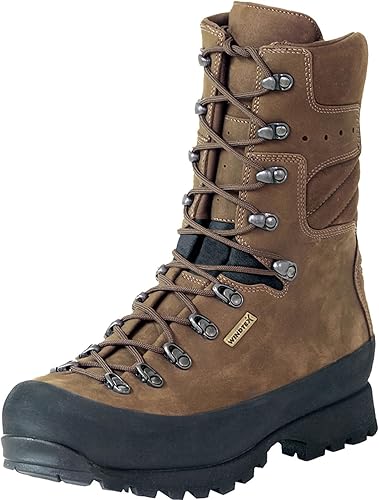
Kenetrek Mountain Extreme Non-Insulated Hiking Boot is designed for serious mountain hunters needing durable, comfortable footwear. It suits those tackling rugged terrain in all seasons, standing out for its sturdy build and reliable fit that holds up under tough conditions.
Breaking them in is straightforward, with solid block heels and a round toe providing room without bulk. The boots focus on support and protection rather than insulation, so they are great where warmth isn’t a priority. Their all-season design makes them versatile for both hunting and hiking, with maintenance mainly involving keeping the leather clean and conditioned.
Performance-wise, they deliver on durability and support, handling steep, rocky slopes with ease. The strong leather and stitching give a lasting impression, while non-insulated construction keeps the boots lighter but might leave feet cooler in cold weather.
The biggest praise centers on their toughness and fit stability. Common complaints mention the lack of insulation for colder environments.
These boots receive high marks for their durability and support in tough mountain environments. The sturdy construction keeps feet stable on rocky trails, yet the lack of insulation means they can feel cold in lower temperatures. Keeping the leather conditioned is necessary to maintain their performance and lifespan.
Mountain hunters who prioritize ruggedness and fit will find these boots reliable for multi-season use. Those expecting warmth in chilly or wet conditions should consider insulated options better suited to cold climates. For general hiking and hunting in moderate weather, these boots offer solid value and protection.
Pros
- Strong leather holds up on rough terrain
- Comfortable round toe shape
- Good ankle support with block heel
- Suitable for hiking and hunting
Cons
- No insulation for cold weather
- Requires regular leather maintenance
| Specification | Details |
|---|---|
| Color | Brown |
| Toe Style | Round Toe |
| Boot Form Type | Hiking Boot |
| Heel Type | Block Heel |
| Seasons | All |
7. Irish Setter Elk Tracker XD 8 Hunting Boot

Crafted as a work boot with a field camo pattern, these hunting boots suit elk hunters who prize durability alongside camouflage. They stand out for offering solid support and reliable performance across spring, summer, and fall seasons, making them a practical choice for varied mountain conditions.
Wearing these boots means dealing with no heel and a sturdy form that helps in rocky, uneven terrain without compromising stability. The field camo color aids in blending with natural surroundings. Daily outings go smoother thanks to the boot’s ready-to-go design fit for extended tracking sessions, without extra adjustments.
Built to withstand rough outdoor use, these boots hold well against typical mountain trails and terrain variations. Durability is a major strength, earning praise for lasting through tough outings.
Some note the boots can feel heavy initially, which means a brief break-in period is necessary but acceptable for the level of protection offered.
Durability receives frequent praise for standing up to rocky mountain trails and daily use. The common complaint focuses on the initial heaviness, requiring a break-in period before comfort improves. The boots balance rugged protection against acceptable early stiffness.
Hunters looking for tough, supportive boots that handle various mountain conditions during warmer seasons will find satisfaction here. Those seeking lightweight, year-round boots or emphasis on winter use might consider other options better suited to those needs.
Pros
- Strong build withstands rugged terrain
- Field camo blends well in natural settings
- Good support without a heel
- Works well in multiple seasons
Cons
- Feels heavy at first use
- Limited to spring through fall seasons
| Specification | Details |
|---|---|
| Color | Field Camo |
| Boot Form Type | Work Boot |
| Heel Type | No Heel |
| Seasons | Spring, Summer, Fall |
8. Irish Setter Elk Tracker 12 Hunting Boot

Brown color and round toe give these boots a solid, classic look that fits well with mountain elk hunting. Great for hunters who want rugged work boots built for chilly fall and winter conditions.
Their biggest strength is how tough they are for long days outdoors.
Getting ready is straightforward since these boots don’t have a heel to worry about, which helps with stability on uneven terrain. Wearing them day to day, the round toe and solid build hold up well against rough ground.
They feel sturdy but not overly bulky, suited for outdoor hunting in cooler seasons.
Performance stands out in cold weather, keeping feet protected without sacrificing toughness. Strong leather and a traditional work boot style promise durability.
Most praise focuses on the boot’s build quality and how well it holds up. Complaints point to the weight feeling a bit heavy and some difficulty cleaning after muddy use.
Quality construction stands out, providing durability and protection in cold weather, though the boots feel somewhat heavy and require extra care after mud exposure. The balance between toughness and stability is clear in these boots.
Those hunting in rugged fall or winter mountain terrain will find them well-suited, while anyone looking for a lighter boot or easier cleaning may want to look elsewhere.
Pros
- Strong leather built for rugged use
- Stable with no heel for uneven terrain
- Works well in fall and winter conditions
- Classic, solid look for outdoor hunting
Cons
- A bit heavy for extended wear
- Challenging to clean after muddy outings
| Specification | Details |
|---|---|
| Color | Brown |
| Toe Style | Round Toe |
| Boot Form Type | Work Boot |
| Heel Type | No Heel |
| Seasons | Fall, Winter |
| Style Name | Hunting |
9. Irish Setter Elk Tracker XD 10 Hunting Boot

Irish Setter Elk Tracker XD 10 boots are designed for mountain elk hunters who need reliable footwear with durable construction and effective camouflage. The standout feature is the field camo pattern combined with a work boot design, making them suitable for spring, summer, and fall hunting in rugged terrain.
Putting these boots on is straightforward thanks to their classic work boot form, which offers a comfortable fit without a heel. They perform well during long days on uneven ground, keeping feet supported and stable without extra bulk.
The breathable materials help during warmer months, and the camouflage pattern blends well with natural environments.
Built tough for tracking elk in mountainous areas, these boots offer solid traction and protection. The construction prioritizes durability and comfort, though some find the no-heel design less ideal on steep descents.
The most appreciated aspect is the boot’s reliable masking pattern, while the clearest downside is that they might not provide enough ankle support for everyone.
The strongest praise is for the boot’s effective field camo and durable construction that hold up well during mountain hunting. The most common complaint mentions the no-heel design which can feel less stable on steep or uneven descents.
Hunters who prefer lightweight, breathable boots with reliable camouflage will appreciate these. Those needing extra ankle support or more aggressive traction for sharp downhill climbs might look for other options.
Pros
- Durable materials withstand rough mountain terrain
- Effective camouflage helps blend into surroundings
- Comfortable fit without excess bulk
- Suitable for warmer seasons
Cons
- No heel can reduce stability on steep descents
- May lack sufficient ankle support for some hunters
| Specification | Details |
|---|---|
| Color | Field Camo |
| Boot Form Type | Work Boot |
| Heel Type | No Heel |
| Seasons | Spring, Summer, Fall |
| Pattern | Camouflage |
| Style Name | Classic |
10. Danner Vital 8 Waterproof Hunting Boot

Muddy trails and rocky ridges demand boots that can take a beating without slowing you down. Ideal for serious elk hunters tackling varied terrain, these boots stand out for their waterproof durability and solid grip, keeping feet dry and comfortable in unpredictable mountain conditions.
Lacing up is quick and quiet thanks to the Lock & Load lacing system with reengineered ghillies, which locks your foot in place without fuss. The mesh-lined tongue helps regulate temperature so your feet don’t overheat, while the split leather and 900 Denier polyester upper handle abrasion well day in and day out during long hunts.
The waterproof Danner Dry barrier performs well at keeping water out while still allowing feet to breathe, reducing sweat buildup on lengthy treks. Constructed with a cushioned open cell footbed and lightweight Plyolite midsole, these boots offer solid shock absorption without feeling heavy.
The main praise centers on durable materials and comfort; a common gripe is that the boots may feel stiff on initial wear.
Many appreciate how well these boots keep feet dry and supported in tough mountain terrain. The waterproof barrier combined with strong materials ensures durability for demanding hunts. Some note the leather feels stiff until broken in, requiring a bit of patience before optimal comfort.
These boots suit hunters who spend long days covering rugged ground and need reliable waterproof protection. Those seeking immediate softness or extra heel traction might want to consider other options better suited for quick comfort or steep inclines.
Pros
- Waterproof with breathable Danner Dry barrier
- Durable abrasion-resistant split leather upper
- Lock & Load lacing for secure, quiet fit
- Lightweight with cushioned shock absorption
Cons
- Can feel stiff during break-in period
- Flat heel may lack extra grip on steep slopes
| Specification | Details |
|---|---|
| Color | Dark Brown |
| Boot Form Type | Hiking Boot |
| Heel Type | Flat |
| Seasons | All |
| Style Name | Vital |
11. Kenetrek Mountain Extreme 1000 Insulated Hiking Boot

Kenetrek Mountain Extreme 1000 Insulated Hiking Boot stands out with its reliable insulation for cold fall and winter hunts. Designed specifically for mountain terrain, it fits those who need solid footing and warmth while tracking elk in rough conditions.
Getting them on takes a bit of effort due to their snug, supportive fit, but once laced, the boots stay secure. Walking through rocky trails feels stable thanks to the block heel and round toe design.
The brown solid pattern keeps the look low-key. Use them in chilly weather when you need protection without sacrificing comfort.
These boots hold up well against harsh outdoor elements, built tough for hiking and hunting. The insulation keeps feet warm without being bulky.
Most praise focuses on their durability and grip on uneven surfaces. A common downside mentioned is that they aren’t the lightest, which can tire your legs over long distances.
The insulating feature makes these boots great for cold weather, praised for durability and solid grip during tough hikes. The heavier weight is the most frequent complaint, which some find tiring after extended wear.
Hunters needing insulated boots for cold mountain terrain will appreciate these. Those who prioritize lightweight footwear or require quick breaking-in should explore other options better suited for those needs.
Pros
- Keeps feet warm in cold conditions
- Strong grip on mountain terrain
- Supportive fit for rugged hiking
- Durable construction for hunting use
Cons
- Heavier than some other boots
- Requires break-in for best comfort
| Specification | Details |
|---|---|
| Color | Brown |
| Toe Style | Round Toe |
| Boot Form Type | Hiking Boot |
| Heel Type | Block Heel |
| Seasons | Fall, Winter |
| Pattern | Solid |
12. Leather 8 Insulated Hunting Boot

Hunters who spend long days in cold, rugged terrain will appreciate these boots designed to keep feet warm and comfortable. Ideal for winter mountain elk hunting, their biggest strength is insulation paired with tough, camo-patterned leather that blends well in the wild.
Putting them on is straightforward due to the round toe and hiking boot style, which supports long treks. The low-heel helps maintain balance on uneven ground.
The brown camo pattern lets you stay concealed while tracking elk, and the boots’ insulation holds up even on chilly mornings without adding bulk.
They perform reliably in cold conditions with solid build quality focused on durability and warmth. The leather holds up against rough terrain while the camo keeps you hidden. Reviews commonly praise the warmth and comfort, but some mention they take a bit to break in, which can cause initial stiffness.
Warmth is the standout feature with consistent praise for insulation that holds up through cold winter hunts. Many find the boots stiff at first, requiring time to soften and mold more comfortably to the foot.
Those who hunt in cold, rugged mountain environments and value warmth and durability will be satisfied. Hunters wanting a lighter or immediately comfortable option might look elsewhere.
Pros
- Excellent insulation for cold-weather hunting
- Durable leather construction withstands rough terrain
- Camouflage pattern aids concealment in the wild
- Low heel offers good stability on uneven ground
Cons
- Require break-in period before full comfort
- Heavier than some other hunting boots
| Specification | Details |
|---|---|
| Color | Brown Camo |
| Toe Style | Round Toe |
| Boot Form Type | Hiking Boot |
| Heel Type | low-heel |
| Seasons | Winter |
| Pattern | Camouflage |
Best Mountain Elk Hunting Boots Comparison Table
| Product | Season | Boot Form Type | Heel Type | Color |
|---|---|---|---|---|
| Irish Setter Elk Tracker 12 | Fall, Winter | Combat | No Heel | Brown |
| Irish Setter Elk Tracker 10 | Spring, Summer, Fall | Work Boot | No Heel | Brown |
| Irish Setter Elk Tracker 12 | Fall, Winter | Work Boot | No Heel | Brown |
| Kenetrek Mountain Extreme 400 | Fall, Winter | Hiking Boot | Block Heel | Brown |
| Irish Setter Elk Tracker XD | Fall, Winter | Work Boot | No Heel | Field Camo |
| Kenetrek Mountain Extreme Non-Insulated | All | Hiking Boot | Block Heel | Brown |
| Irish Setter Elk Tracker XD | Spring, Summer, Fall | Work Boot | No Heel | Field Camo |
| Irish Setter Elk Tracker 12 | Fall, Winter | Work Boot | No Heel | Brown |
| Irish Setter Elk Tracker XD | Spring, Summer, Fall | Work Boot | No Heel | Field Camo |
| Danner Vital 8 Waterproof | All | Hiking Boot | Flat | Dark Brown |
| Kenetrek Mountain Extreme 1000 | Fall, Winter | Hiking Boot | Block Heel | Brown |
| Leather 8 Insulated Hunting | Winter | Hiking Boot | Low-Heel | Brown Camo |
- SeasonFall, Winter
- Boot Form TypeCombat
- Heel TypeNo Heel
- ColorBrown
- SeasonSpring, Summer, Fall
- Boot Form TypeWork Boot
- Heel TypeNo Heel
- ColorBrown
- SeasonFall, Winter
- Boot Form TypeWork Boot
- Heel TypeNo Heel
- ColorBrown
- SeasonFall, Winter
- Boot Form TypeHiking Boot
- Heel TypeBlock Heel
- ColorBrown
- SeasonFall, Winter
- Boot Form TypeWork Boot
- Heel TypeNo Heel
- ColorField Camo
- SeasonAll
- Boot Form TypeHiking Boot
- Heel TypeBlock Heel
- ColorBrown
- SeasonSpring, Summer, Fall
- Boot Form TypeWork Boot
- Heel TypeNo Heel
- ColorField Camo
- SeasonFall, Winter
- Boot Form TypeWork Boot
- Heel TypeNo Heel
- ColorBrown
- SeasonSpring, Summer, Fall
- Boot Form TypeWork Boot
- Heel TypeNo Heel
- ColorField Camo
- SeasonAll
- Boot Form TypeHiking Boot
- Heel TypeFlat
- ColorDark Brown
- SeasonFall, Winter
- Boot Form TypeHiking Boot
- Heel TypeBlock Heel
- ColorBrown
- SeasonWinter
- Boot Form TypeHiking Boot
- Heel TypeLow-Heel
- ColorBrown Camo
How to Choose the Best Elk Hunting Boots
Focus on durability, waterproofing, insulation, and comfort when selecting elk hunting boots to handle rugged mountain terrain and variable weather. Choosing the right boots prevents injuries, keeps feet dry, and saves money by avoiding frequent replacements or repairs.
Fit and Comfort
Wearing boots that don’t fit right can ruin an entire day on the trail. Too tight, and blisters form; too loose, and your foot slides, causing instability and discomfort. Proper sizing matters far beyond just length, width and volume affect how your foot feels after hours of climbing over rocks and roots.
A good pair typically offers ample cushioning and arch support that protect against fatigue without feeling bulky.
Most mountain boots need a break-in period where the materials soften and conform to your foot shape. This adjustment can take a few hikes but prevents pinching and hotspots later on. Boots with memory foam or thermo-moldable liners tend to adapt faster, improving comfort significantly over time.
Traction and Sole Durability
The outsole material directly affects grip and safety on steep, rocky slopes or slick, wet surfaces. Durable rubber compounds paired with well-designed tread patterns are common features that reduce slipping. Look for soles with multidirectional lugs spaced widely enough to shed mud but close enough to maintain firm contact with uneven ground.
Double-check how thick the sole is and the tread’s depth to estimate how long they’ll last under constant abrasion. Some soles wear down surprisingly fast in jagged terrain, leaving you less stable and needing replacement sooner.
Boots with reinforced heel and toe areas tend to hold up better against rough use.
Waterproofing and Breathability
Waterproof barriers like Gore-Tex or similar membranes stop water but still allow sweat vapor to pass through, which helps keep feet dry inside. Without this breathability, boots quickly become damp from your own perspiration, leading to discomfort and cold feet over time. Membranes often need a shell of treated leather or synthetic material to protect them from damage.
Maintenance also matters: Over time, waterproof treatments wear off, reducing effectiveness. Breathable but waterproof boots can strike a good balance if you plan to spend long hours active on wet or snowy ground.
Stiff or poorly ventilated boots trap heat and moisture, causing overheating and soggy socks.
Weight and Mobility
Heavy boots feel like weights at the end of the day, especially on long hikes through steep terrain. Lightweight designs reduce muscle strain and overall fatigue, making it easier to move quickly and quietly. However, very light boots sometimes sacrifice ankle support or protection from impacts.
Boot height affects mobility, higher models protect your ankles better but can feel more restrictive. Flexibility in the sole and upper is crucial for climbing or traversing uneven ground. Choosing between agility and protection depends largely on your usual hunting spots and how much scrambling you expect to do.
Insulation and Temperature Regulation
Cold mountain mornings can numb feet quickly without proper insulation. Boots that incorporate synthetic or wool-based insulated layers maintain warmth without excessive bulk that restricts walking. Overly thick insulation adds weight and reduces breathability, causing sweaty feet once the sun rises or after exertion.
Temperature regulation features, like removable liners or adjustable ventilation, help adapt to changing conditions on the trail. Look for boots rated for the approximate temperatures you’ll face and consider layering options to avoid overheating or chilling during varying weather.
Preparing for Rugged Terrain: How to Break in Your Mountain Elk Hunting Boots
New mountain elk hunting boots usually feel stiff out of the box, which can cause discomfort on long treks. Start the break-in process by wearing them on short walks around your home or property, gradually increasing time to let the leather soften and mold to your foot shape.
Avoid using boots for a full day of hunting before this period since it can cause blisters or soreness.
Focus on these steps during break-in:
- Wear thick, moisture-wicking socks to reduce friction.
- Apply a leather conditioner to speed up softening and maintain water resistance.
- Perform foot and ankle stretches to prepare for the boot’s support structure.
Patience during the break-in phase improves comfort and prevents injury, essential for tough mountain terrain where stability and foot health are critical.
Essential Care and Maintenance Tips to Extend the Life of Your Hunting Boots
Regular cleaning is crucial for maintaining hunting boots. After each trip, remove dirt with a soft brush and wipe down with a damp cloth. Allow them to dry naturally at room temperature, avoiding direct heat sources that can crack leather or damage adhesives.
Key maintenance practices include:
- Condition leather every few uses to keep it supple and water-resistant.
- Replace worn laces or insoles promptly to maintain fit and support.
- Store boots in a cool, dry place to prevent mold and mildew buildup.
Routine upkeep preserves waterproof qualities and structural integrity, which impacts both comfort and performance in harsh environments.
Comparing Mountain Elk Hunting Boots with General Hiking Boots for Optimal Performance
Mountain elk hunting boots differ from hiking boots in several ways that affect performance during long hunts in difficult terrain. Hunting boots are usually insulated to protect against cold, whereas hiking boots prioritize breathability for warmer conditions.
Other differences worth noting:
- Hunting boots often feature sock-like construction to keep out debris and moisture better.
- The soles on hunting boots typically have specialized traction designed for rocky, uneven ground common in elk habitats.
- Weight distribution in hunting boots tends to prioritize sturdiness over flexibility, trading some agility for support.
This functional specialization makes hunting boots more suitable for mountain conditions despite added weight compared to general hiking boots.
People Also Asked
How Do I Properly Size Mountain Elk Hunting Boots?
Select boots that leave about a thumb’s width of space at the toe while fitting snugly around the heel to prevent slipping. Trying them on with the same socks you’ll wear while hunting helps get a better fit.
What Is the Best Way to Break in Elk Hunting Boots?
Wear them around the house or on short walks before venturing out for longer hunts to soften the leather and mold the boots to your feet. Using thinner or moisture-wicking socks during break-in reduces blisters.
How Long Do Mountain Elk Hunting Boots Typically Last?
Most well-made mountain elk hunting boots last several hunting seasons if properly cared for. Regular cleaning and conditioning of the leather can significantly extend their lifespan.
Are These Boots Waterproof and Suitable for Wet Conditions?
Many mountain elk hunting boots come with waterproof membranes or treatments, making them suitable for wet conditions. Treating the boots with waterproofing products periodically maintains their water resistance.
What Common Problems Should I Watch for with Hunting Boots?
Watch for sole separation, worn tread that reduces grip on slick surfaces, and stitching that starts to come apart. Addressing small repairs early can prevent bigger problems when deep in the woods.
Conclusion
Durability, waterproofing, and comfort are the key things to focus on when choosing mountain elk hunting boots. The boots need to handle rough terrain and wet conditions without wearing out fast. Also, they should fit well and support your feet during long hikes to prevent blisters and fatigue.
Consider how much time you’ll spend hunting and the kind of terrain you expect. This helps decide whether to go for heavy-duty or lighter boots and how much to invest.
Take another look at the comparison table and the detailed picks above to find the boots that fit your specific needs and budget.