
Top 12 Best Mountain Hiking Hunting Boots You Can’t Miss
Wearing the wrong pair of boots on a mountain hunt can turn a long day into an uncomfortable slog. The best mountain hiking hunting boots avoid common pitfalls like blisters from poor fit and sore feet from inadequate support.
Stiff, heavy boots might protect your ankles but slow you down, while lighter boots often lack sufficient durability or grip on rough terrain.
Good mountain hunting boots balance weight, support, and waterproofing. They typically use waterproof membranes like Gore-Tex to keep moisture out while allowing feet to breathe. A rugged Vibram sole or equivalent provides grip on rocks and mud.
Fit matters greatly, boots should be snug but not tight, with enough room to wiggle toes and allow for thick socks without causing pressure points.
Need a Quick Check?
| Image | Product | Price |
|---|---|---|
Our Top Picks 1  | Kenetrek Mountain Extreme Insulated | Check Price |
Our Top Picks 2 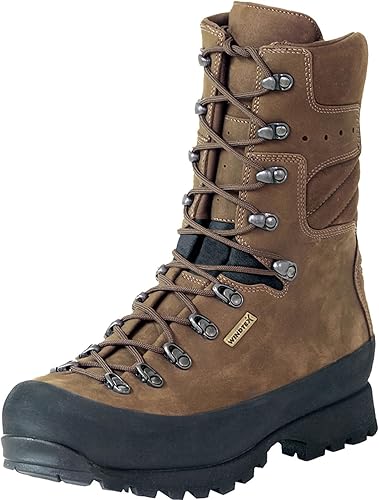 | Kenetrek Mountain Extreme Non-Insulated | Check Price |
Our Top Picks 3  | Leather Insulated Hunting Boots | Check Price |
Our Selected Top 12 Mountain Hiking Hunting Boots Worth Your Money
This list features twelve carefully chosen mountain hiking and hunting boots designed for durability and comfort in rugged terrain. Each review highlights performance, suitability for different conditions, and the strengths and weaknesses to help you make an informed choice based on your needs.
1. Kenetrek Mountain Extreme 400 Insulated Hiking Boots
Kenetrek Mountain Extreme 400 Insulated Hiking Boots stand out for their warmth and durability, designed especially for cold weather hiking and hunting. They suit anyone who needs solid protection against harsh conditions while maintaining comfort on rugged mountain trails. Their insulation keeps feet cozy in fall and winter without sacrificing stability or support.
Breaking them in involves a short adjustment period due to their solid block heel and round toe design, which helps with footing on uneven terrain. Daily use benefits from a sturdy build that resists wear, and the brown color hides dirt well, making them practical for muddy or forested environments.
You’ll appreciate the steady grip and insulated lining during longer outings.
These boots do a good job protecting feet from cold and rough surfaces, thanks to their thoughtfully strong construction. The block heel gives great balance, and the insulated interior performs reliably in colder seasons.
Common praise focuses on their lasting warmth and ruggedness. Some users find them a bit stiff at the start, requiring time to soften up for comfortable wear.
The strongest praise lies in the boots’ insulation and durability, making them great for cold weather and tough outdoor use. The most common complaint involves their stiffness initially, which demands time for the leather to become more flexible.
Those who spend extended time outside in chilly environments will be happy with these boots. Hikers looking for lightweight or flexible footwear might want to consider other options better suited for warmer or less rugged conditions.
Pros
- Keeps feet warm in cold weather
- Durable leather construction
- Sturdy block heel for stability
- Good grip on rough terrain
Cons
- Requires break-in period for comfort
- Heavier than lighter hiking boots
| Specification | Details |
|---|---|
| Color | Brown |
| Toe Style | Round Toe |
| Boot Form Type | Hiking Boot |
| Heel Type | Block Heel |
| Seasons | Fall, Winter |
| Style Name | Mountain Extreme 400 |
2. Kenetrek Mountain Extreme Non-Insulated Hiking Boots
Feels solid and comfortable right out of the box, built for tough mountain hikes and hunting trips. Suits people who spend long days on rugged terrain and need reliable traction and support.
Its biggest strength lies in durability and steady footing.
Breaking them in takes minimal time, thanks to a round toe and block heel that keep feet stable. The brown solid pattern fits well with outdoor gear, while the non-insulated design keeps it versatile for all seasons.
Lacing up is straightforward, and the boot form offers firm ankle support during long treks or climbs.
Performance during hikes and hunts proves dependable, with good grip on uneven ground and lasting wear over time. Strong leather and solid construction show careful craftsmanship.
Most common gripe involves the non-insulated nature, which can feel cold in very chilly conditions, but it generally suits moderate weather well.
Durability and traction receive frequent praise, making these boots a reliable choice for tough mountain conditions. The most common complaint highlights the lack of insulation, causing cold feet in freezing environments, which limits use during harsh winters.
Those spending time in moderate to warm conditions with rough terrain will appreciate the sturdy build and support. Anyone needing warmer footwear for cold climates should consider insulated alternatives better suited for freezing temperatures.
Pros
- Strong and durable leather construction
- Comfortable fit with good ankle support
- Reliable traction on rugged terrain
- Suitable for all seasons except extreme cold
Cons
- Non-insulated design can feel cold in winter
- Block heel might feel stiff on smoother surfaces
| Specification | Details |
|---|---|
| Color | Brown |
| Toe Style | Round Toe |
| Boot Form Type | Hiking Boot |
| Heel Type | Block Heel |
| Seasons | All |
| Style Name | Mountain Extreme Ni |
3. Leather Insulated Hunting Boots
Leather Insulated Hunting Boots come through as a solid pick for anyone facing cold weather treks in rough terrain. Their biggest strength lies in keeping your feet comfortably warm without adding bulky weight, making them suitable for extended winter outings where warmth and mobility matter most.
Putting them on doesn’t involve fuss. The boots fit like a typical hiking style with a round toe and low heel, giving enough room without feeling loose. The brown camo pattern blends well in natural settings, and the insulated leather keeps the cold out during daily hikes or hunting sessions.
Care mainly involves brushing off dirt since the leather stands up well to usual wear.
These boots are impressive for both toughness and warmth. They cover the essentials for winter hiking or hunting with a decent grip and protection from cold. Many say the insulation works well for extended use in chillier conditions.
On the downside, some users note that the fit can feel slightly stiff at first, requiring break-in. They’re solid where it counts but ask for patience at the start.
The boots are praised for keeping feet warm during cold weather while providing solid protection and durability. Commonly mentioned complaints focus on the initial stiffness and need for break-in to avoid discomfort early on.
Those who spend long hours outdoors in winter and prioritize warmth and durability will appreciate these boots. Users seeking immediate softness and a more flexible fit before any wear-in should consider other options.
Pros
- Warm insulation for winter use
- Durable leather withstands rugged terrain
- Brown camo for natural concealment
- Comfortable round toe and low heel
Cons
- Requires break-in period for comfortable fit
- Limited color options, only brown camo available
| Specification | Details |
|---|---|
| Color | Brown Camo |
| Toe Style | Round Toe |
| Boot Form Type | Hiking Boot |
| Heel Type | low-heel |
| Seasons | Winter |
| Pattern | Camouflage |
4. Danner Mountain 600 Hiking Boots

Constructed with durable materials and a soft toe design, these boots fit well for anyone wanting reliable hiking footwear for mountain trails. Their standout quality is comfort combined with solid protection, making them a great choice for all-season outdoor use.
Putting them on is straightforward thanks to the thoughtful boot form type focused on hiking. Day-to-day, they offer good support without a heel, which helps with stability on uneven ground. Cleaning is simple due to the solid pattern and color combination in Chocolate Chip/Golden Oak, keeping them looking ready for the next adventure.
Performance-wise, they deliver steady traction and comfort across different terrains, proving their worth in mountain settings. Built to last with solid stitching and materials, the biggest compliment in reviews notes how comfortable they are on long treks. The most common drawback mentions that some might find them a bit stiff early on.
Comfort during extended use is what stands out most, with many appreciating how well they break in after some time. Stiffness when new happens regularly, which might affect those looking for immediate flexibility. The all-season aspect means they keep feet comfortable in various conditions without extra hassle.
Those who spend long hours hiking in mixed weather will find these boots meet their needs well. People needing more ankle support or seeking a softer, immediate feel might want to consider other options. Good choice for anyone prioritizing durability and comfort over initial softness.
Pros
- Comfortable fit for long hikes
- Durable construction handles rough terrain
- Soft toe adds flexibility
- Suitable across all seasons
Cons
- Some stiffness at first wear
- No heel may reduce ankle support
| Specification | Details |
|---|---|
| Color | Chocolate Chip/Golden Oak |
| Toe Style | Soft Toe |
| Boot Form Type | Hiking Boot |
| Heel Type | No Heel |
| Seasons | All |
| Style Name | Mountain 600 4.5″ Mens |
5. XPETI Thermator Mid-Rise Insulated Hiking Boots

Camouflage stands out immediately on these mid-rise boots made for hiking and hunting. Designed for those tackling mountain trails or rugged terrain, the biggest strength is the insulation that keeps feet warm without feeling bulky or heavy.
Putting them on feels straightforward with the round toe and flat heel providing natural comfort during long hikes. The camouflage pattern helps blend into outdoor environments, while the insulation works well for cold weather outings. They suit someone needing reliable warmth and traction without extra weight.
Performance shines through steady grip and solid construction, handling rough ground without wearing out quickly. Build quality feels focused on durability with materials that keep feet dry and warm. Most praise highlights the insulation’s effectiveness; however, some remark the break-in period can cause initial stiffness.
Insulation is effective in keeping feet comfortable during cold hikes while some experience stiffness before the boots soften up. The camouflage design is appreciated for blending into natural settings without sacrificing warmth.
Those spending time in cold weather or hunting on rugged trails will find these boots a solid choice. People looking for very lightweight footwear might want to consider alternatives that focus on minimal weight rather than insulation.
Pros
- Warm, insulated for cold trail conditions
- Camouflage helps with hunting concealment
- Flat heel offers steady footing on uneven ground
- Durable build resists wear over time
Cons
- Initial stiffness requires break-in period
- Not lightweight compared to some hiking boots
| Specification | Details |
|---|---|
| Color | Camouflage |
| Toe Style | Round Toe |
| Boot Form Type | Hiking Boot |
| Heel Type | Flat |
| Pattern | Camouflage |
| Style Name | Hiking Boots |
| Occasion | Hiking |
6. NORTIV 8 Ankle High Waterproof Hiking Boots

Perfect for mountain hiking or hunting, these boots stand out thanks to their waterproof features that keep your feet dry in unpredictable weather. They suit anyone needing a reliable, all-season boot that combines comfort with durability on rough terrain.
Their ankle-high design offers solid support while maintaining lightweight agility.
Wearing these boots daily feels natural, with a mid-top form that allows for easy movement without sacrificing ankle stability. The round toe shape provides extra room, making long treks more comfortable. The waterproof material ensures feet stay dry, reducing discomfort during wet hikes.
Pairing well with all-season use, they handle mud and water without requiring constant cleaning.
Build quality is sturdy, designed specifically for outdoor durability with no heel for even footing. Their waterproofing performs consistently under wet conditions, though some find them a bit stiff at first. Most praise the boots for lasting comfort and support, while the common complaint revolves around break-in time and initial stiffness.
Reviews highlight the waterproof feature as the strongest advantage, allowing feet to remain dry during wet and muddy conditions. Most users mention the initial stiffness as the main drawback, requiring time to soften up for more comfortable wear.
Those spending long days on their feet in variable weather will appreciate these boots. Anyone needing a softer sole right out of the box or looking for a flexible trail shoe might look elsewhere.
Pros
- Keeps feet dry with waterproof design
- Good ankle support with mid-top build
- Comfortable round toe space
- Suitable for all seasons
Cons
- Initial stiffness requires break-in period
- Some find the sole a bit rigid
| Specification | Details |
|---|---|
| Color | Brown/Black/Tan |
| Toe Style | Round Toe |
| Boot Form Type | Hiking Boot |
| Heel Type | No Heel |
| Seasons | All |
| Style Name | Mid-top |
7. Kenetrek Corrie II Hiker Hiking Boots

Finding a reliable boot for hiking and hunting in rough mountain terrain can be challenging. Kenetrek Corrie II Hiker Hiking Boots suit people who want durable footwear that handles all seasons without compromising comfort.
Their biggest strength lies in combining sturdy support with a solid block heel for stable footing.
Breaking them in requires some patience but the round toe shape offers ample room for toes on long walks. Daily wear feels secure because of the boot’s design tailored for hiking.
The brown color helps camouflage during hunting, and the solid pattern keeps the boots looking simple. These boots perform well in various weather conditions year-round.
Kenetrek Corrie II boots hold up to demanding climbs and uneven ground, built tough to withstand outdoor abuse. Their block heel grips trails firmly, although some find they need time to soften up before feeling fully comfortable. Durability is a strong point, and the main complaint often relates to stiffness early on after purchase.
These boots earn praise for their strong build and support on uneven mountain trails. The most frequent issue is stiffness at first, which affects comfort until the material softens with use.
Anyone needing tough, all-season hiking boots that offer stability will appreciate these. Those seeking immediate softness without a break-in time might want to explore softer alternatives.
Pros
- Durable construction handles tough terrain
- Comfortable round toe shape
- Block heel provides stable footing
- Suitable for all seasons
Cons
- Requires break-in period for comfort
- May feel stiff initially
| Specification | Details |
|---|---|
| Color | Brown |
| Toe Style | Round Toe |
| Boot Form Type | Hiking Boot |
| Heel Type | Block Heel |
| Seasons | All |
| Pattern | Solid |
8. Kenetrek Bridger High Hiking Boots

Kenetrek Bridger High Hiking Boots stand out with their solid all-season grey design and round toe shape, making them ideal for serious hikers and hunters needing reliable, sturdy footwear. The block heel adds extra stability in rough outdoor conditions, which is their biggest practical advantage.
Putting them on is straightforward, and the boots fit snugly without being overly tight. They offer good ankle support thanks to the high cut, which helps on uneven trails or when carrying heavy loads. The solid pattern and durable materials make them easy to maintain, and the weight feels balanced enough for long days outside without causing fatigue.
Performance-wise, they hold up well on varied terrain, providing grip and protection during hikes or hunting trips. Reviews praise their durability and comfort over long distances. Some note the boots can feel a bit heavy compared to lighter hiking shoes, which could be a downside for those prioritizing speed or lightness.
Durability and comfort over extended periods receive the most praise, while the main complaint is the weight, which some find a bit cumbersome. These boots stand up well to harsh outdoor environments and keep feet protected effectively.
They will suit people who need solid, dependable hiking and hunting boots that endure wear and tear. Those looking for lighter or more flexible footwear should consider other options.
Pros
- Reliable ankle support with high boot design
- Solid grip for all-season use
- Easy to clean solid pattern exterior
- Comfortable round toe shape
Cons
- Feels heavier than some hiking boots
- Block heel may not suit all preferences
| Specification | Details |
|---|---|
| Color | Grey |
| Toe Style | Round Toe |
| Boot Form Type | Hiking Boot |
| Heel Type | Block Heel |
| Seasons | All |
9. Kenetrek Mountain Guide Non-Insulated Hiking Shoes

Anyone who spends long days hiking or hunting in rugged mountain terrain will appreciate these boots. They fit well for all seasons, offering solid protection while staying comfortable.
Their standout feature is durability that holds up against tough outdoor conditions without extra insulation adding bulk.
Putting them on is straightforward thanks to their round toe and block heel design, making each step stable on rocky or uneven ground. Brown solid leather keeps them looking good and easier to clean after muddy hikes. Their hiking boot form offers enough support for daily treks while managing to stay breathable through changing weather.
Performance-wise, these boots excel at providing reliable grip and long-lasting wear during mountain hunting trips. The build is sturdy with durable materials that withstand rough use. The common praise centers on toughness and fit, while the few complaints mention needing a break-in period for maximum comfort.
Durability and fit receive the highest praise, making these boots a reliable choice for long outdoor trips. The main drawback is the initial stiffness, which means they can take some time to become truly comfortable. These boots withstand mountain terrain well but require patience early on.
Those who need a tough, all-year hiking boot for hunting will appreciate these shoes. Buyers seeking heavy insulation or immediate softness might want to look elsewhere. These boots reward wearers who value resilience and support amid variable weather.
Pros
- Sturdy construction withstands rough terrain
- Comfortable all-season wear
- Good ankle and foot support
- Easy to clean after use
Cons
- Needs break-in period for comfort
- Non-insulated, less suitable for extreme cold
| Specification | Details |
|---|---|
| Color | Brown |
| Toe Style | Round Toe |
| Boot Form Type | Hiking Boot |
| Heel Type | Block Heel |
| Seasons | All |
| Occasion | Hunting |
10. Danner Mountain 600 EVO Hiking Boots

Standing out with a classic round toe and versatile topsoil brown and black coloring, these hiking boots are ideal for anyone tackling all-season mountain trails. Their strong suit is comfortable fit combined with a straightforward build that avoids unnecessary features like heels, keeping focus on grip and stability.
Putting them on each day is easy, thanks to the plain but effective hiking boot form. Without a heel to fuss over, you get direct connection to the ground which feels natural when moving over uneven terrain.
The style works well no matter the weather or season, so packing them for various trips takes one less worry off your mind.
In terms of performance, these boots handle rough paths steadily and provide reliable support without sacrificing the feel of the trail underfoot. Built with durable materials, they manage wear well on mountain surfaces. Reviews frequently mention excellent comfort while the most noted downside involves the weight, as some find them a bit heavier compared to lighter hiking options.
Excellent comfort on all kinds of mountain terrain is a highlight, but some feel the boots’ weight slows them down. The no-heel design offers solid ground contact, appreciated in challenging areas. Durability fits the expectations for boots meant to last through repeated hikes.
People who prioritize toughness and a snug fit on long, rough hikes will be pleased. Those wanting ultra-light footwear for quick, short treks might look at alternatives with less weight. The look and make suit practical hikers rather than fashion-led buyers.
Pros
- Comfortable fit for extended hikes
- All-season use suits varied climates
- Strong grip without heel interference
- Simple style matches many outfits
Cons
- Heavier than some other hiking boots
- Limited color options
| Specification | Details |
|---|---|
| Color | Topsoil Brown/Black |
| Toe Style | Round Toe |
| Boot Form Type | Hiking Boot |
| Heel Type | No Heel |
| Seasons | All |
| Style Name | Hiking Boots |
| Occasion | hiking |
11. Danner Vital 8 Waterproof Hunting Boots

Danner Vital 8 Waterproof Hunting Boots deliver rugged durability and reliable waterproofing, suited perfectly for hunters and hikers tackling rough mountain terrain. Their standout strength is a tough upper combined with breathable waterproofing, making them ideal for all-season outdoor adventures.
Putting them on is quick and easy with the LOCK & LOAD lacing system, which keeps the fit secure without fuss. The mesh-lined tongue helps regulate temperature, keeping feet comfortable throughout long days.
Lightweight cushioning and shock absorption mean your feet stay supported, even on uneven ground, while the durable split leather and polyester upper offer solid protection against abrasion.
Built to withstand tough conditions, these boots hold up well in rocky or wet environments thanks to the Danner Dry barrier and abrasion-resistant materials. The open cell footbed improves air circulation, adding to overall comfort over long hikes. Common feedback calls out the quiet lacing system as a major plus, while some find the fit slightly stiff at first but it loosens nicely with wear.
Strongest praise centers on the quiet, secure lacing and excellent waterproof performance keeping feet dry. The most frequent complaint involves the boots feeling stiff at first, needing some time to break in fully.
Hunters or hikers who want tough, waterproof boots with good breathability and quick lacing will appreciate these. Those needing extra ankle support or immediate softness might want to consider other options.
Pros
- Durable split leather and polyester upper
- Breathable waterproof Danner Dry barrier
- Quiet and quick LOCK & LOAD lacing system
- Lightweight with cushioned shock absorption
Cons
- Initial stiffness requires break-in period
- Flat heel may limit ankle support
| Specification | Details |
|---|---|
| Color | Dark Brown |
| Boot Form Type | Hiking Boot |
| Heel Type | Flat |
| Seasons | All |
| Style Name | Vital |
12. ROCKY Blizzard Stalker Insulated Waterproof Boots

Comfort and waterproofing come together well in these tall hiking boots designed for rugged outdoor use. They’re a solid pick for anyone tackling mountain trails or hunting in cold, wet conditions, with reliable insulation and a sturdy build that keeps feet warm and dry.
Getting these boots on feels secure thanks to their fit as a work boot style, and the round toe provides enough room without feeling bulky. Wearing them day-to-day in all seasons, the western heel offers added stability on uneven terrain.
The brown Mossy Oak Breakup pattern blends nicely with natural surroundings when you’re out in the woods.
The boots perform well in keeping water out while insulating against cold, showing durability from the tough materials used in a work boot form. Reviews highlight how reliable the waterproofing is, though some people mention they take a bit of breaking in to feel fully comfortable.
The tall design adds good ankle support during hikes or hunting sessions.
Waterproofing and insulation consistently provide dependable comfort in wet and cold conditions, though the boots need a break-in period to feel completely comfortable. Their toughness and design focus make them a good fit for serious outdoor activities.
Those who need warm, supportive boots for mountain hiking or hunting will appreciate the features here. People seeking a lighter, more casual boot might want to explore other options better suited to everyday use rather than demanding outdoor environments.
Pros
- Durable waterproof insulation keeps feet warm and dry
- Sturdy western heel offers good traction on rough terrain
- Brown Mossy Oak Breakup camo blends well in natural environments
- Work boot form provides secure fit and solid support
Cons
- Shoes require some time to break in comfortably
- Tall boot style might feel heavy for casual wear
| Specification | Details |
|---|---|
| Color | Brown Mossy Oak Breakup |
| Toe Style | Round Toe |
| Boot Form Type | Work Boot |
| Heel Type | Western Heel |
| Seasons | All |
| Style Name | Tall Waterproof Hiking Boot |
Best Mountain Hiking Hunting Boots Comparison Table
| Product | Seasons | Toe Style | Heel Type | Occasion |
|---|---|---|---|---|
| Kenetrek Mountain Extreme Insulated | Fall, Winter | Round Toe | Block Heel | Hiking, Hunting |
| Kenetrek Mountain Extreme Non-Insulated | All | Round Toe | Block Heel | Hiking, Hunting |
| Leather Insulated Hunting Boots | Winter | Round Toe | Low-heel | – |
| Danner Mountain 600 | All | Soft Toe | No Heel | Hiking |
| XPETI Thermator Mid-Rise | – | Round Toe | Flat | Hiking |
| NORTIV 8 Waterproof Boots | All | Round Toe | No Heel | – |
| Kenetrek Corrie II Hiker | All | Round Toe | Block Heel | Hiking, Hunting |
| Kenetrek Bridger High | All | Round Toe | Block Heel | Hiking, Hunting |
| Kenetrek Mountain Guide Non-Insulated | All | Round Toe | Block Heel | Hunting |
| Danner Mountain 600 EVO | All | Round Toe | No Heel | Hiking |
| Danner Vital 8 Waterproof | All | – | Flat | – |
| ROCKY Blizzard Stalker Insulated | All | Round Toe | Western Heel | Casual |
- SeasonsFall, Winter
- Toe StyleRound Toe
- Heel TypeBlock Heel
- OccasionHiking, Hunting
- SeasonsAll
- Toe StyleRound Toe
- Heel TypeBlock Heel
- OccasionHiking, Hunting
- SeasonsWinter
- Toe StyleRound Toe
- Heel TypeLow-heel
- Occasion–
- SeasonsAll
- Toe StyleSoft Toe
- Heel TypeNo Heel
- OccasionHiking
- Seasons–
- Toe StyleRound Toe
- Heel TypeFlat
- OccasionHiking
- SeasonsAll
- Toe StyleRound Toe
- Heel TypeNo Heel
- Occasion–
- SeasonsAll
- Toe StyleRound Toe
- Heel TypeBlock Heel
- OccasionHiking, Hunting
- SeasonsAll
- Toe StyleRound Toe
- Heel TypeBlock Heel
- OccasionHiking, Hunting
- SeasonsAll
- Toe StyleRound Toe
- Heel TypeBlock Heel
- OccasionHunting
- SeasonsAll
- Toe StyleRound Toe
- Heel TypeNo Heel
- OccasionHiking
- SeasonsAll
- Toe Style–
- Heel TypeFlat
- Occasion–
- SeasonsAll
- Toe StyleRound Toe
- Heel TypeWestern Heel
- OccasionCasual
How to Choose the Right Mountain Hiking Hunting Boots
Focus on fit, durability, and waterproofing when selecting mountain hiking hunting boots to ensure comfort and protection during tough terrain and weather. Choosing the right boots avoids injuries and frequent replacements, ultimately saving money and preventing unnecessary hassle on your trips.
Fit and Comfort
Wearing boots that are too tight or too loose on a long hike quickly becomes a major problem. Blisters, sore feet, and ankle pain build up across the day, especially when crossing rocky trails or steep slopes. A proper fit means paying close attention to length and width, with about a half thumb’s width of space beyond your longest toe to allow for downhill foot slide.
Strong arch and ankle support helps reduce fatigue by stabilizing each step, which proves crucial over extended distances. Breathability is also a major benefit.
Boots lined with mesh or moisture-wicking fabrics stop feet from overheating and keep sweat from pooling, reducing the chances of blisters and cold feet in cool conditions.
Durability and Materials
Boots that use thick full-grain leather or quality synthetic fabrics last much longer on abrasive mountain rocks. Scratches and scuffs don’t immediately compromise the material, which means fewer repairs or replacements.
Waterproofing varies between raw leather treated with wax or specialized membranes like Gore-Tex.
Membranes tend to maintain waterproofing better over time, but they can also trap heat. Soles made of durable rubber compounds withstand repeated impacts and rough surfaces without quickly wearing down. Checking the hardness or durometer rating can give clues to outsole longevity, with numbers around 60-70 being common for rugged hiking boots.
Traction and Stability
Traction depends heavily on the tread pattern molded into the outsole. Lug shapes and spacing are built to dig into mud, loose stones, and wet roots, preventing slips. Sole stiffness is a balancing act: too flexible and the foot lacks support on uneven ground; too stiff and the stride feels unnatural and uncomfortable.
Heel design also plays a role in stability. A defined heel cup helps lock the foot during steep descents, reducing the risk of sliding forward inside the boot or slipping externally on hard surfaces.
This is especially important for maintaining steady footing while carrying weight.
Noise Level
Footwear noise can give away a hunter’s position, especially in quiet forest or alpine environments. Outsoles made from dense rubber with a tight tread pattern typically generate less sound against rocks or sticks compared to aggressive, widely spaced lugs.
The leather or synthetic upper material also influences creaks or scrapes.
Well-fitted boots reduce internal foot movement, which decreases friction sounds like slapping or rubbing. Properly tightened laces and padded collars help keep the foot secure and quiet, enhancing stealth during slow, deliberate movements.
Weight and Bulk
Heavy or bulky boots fatigue the legs faster and slow down hiking pace significantly. Lightweight designs using modern synthetic fabrics and thinner midsoles make a noticeable difference over long distances, easing the wear on knees and hips.
Less bulk also means easier packing and less strain on your feet in technical terrain.
Protection needs to be balanced with agility. Thin soles expose feet to sharp rocks, while overly thick boots reduce ground feel. Finding a model that keeps key areas reinforced but minimizes unnecessary weight avoids trade-offs between durability and nimbleness on the trail.
Proper Break-In Techniques for Maximum Comfort on the Trail
New hiking and hunting boots need time to conform to your feet before taking them on demanding trails. Wearing fresh boots for long hikes right away can cause blisters or sore spots that spoil the experience.
Begin by wearing the boots indoors for short periods, moving around at home to allow the materials to soften and adjust.
Here are some practical tips:
- Wear the socks you plan to use on the trail during break-in.
- Gradually increase the time you spend in the boots, starting from 30 minutes to a few hours over several days.
- Walk on different surfaces like carpet, hardwood, and pavement to encourage flexibility.
- Apply leather conditioner if recommended by the manufacturer to soften the material without compromising waterproofing.
Following these steps helps prevent hotspots and reduces the need for painful detours once you hit rugged terrain.
Essential Maintenance Tips to Extend the Life of Your Hunting Boots
Regular upkeep is essential to keep mountain hiking hunting boots in good shape, especially after exposure to mud, water, and rough trails. Cleaning off dirt and debris using a soft brush and lukewarm water should be done as soon as possible after use to prevent material degradation.
Maintenance advice includes:
- Allow boots to dry naturally away from direct heat sources to avoid cracking or shrinking.
- Use appropriate waterproof treatments periodically to maintain water resistance.
- Apply leather conditioners for full-grain leather boots to prevent drying and preserve flexibility.
- Check the soles for wear and repair or replace them before they compromise hiking stability.
Taking these steps extends your boots’ functional lifespan and maintains comfort throughout many seasons.
Comparing Mountain Hiking Hunting Boots with Trail Running and Work Boots
Mountain hiking hunting boots differ significantly from trail running and work boots in construction and purpose. Their design focuses on providing ankle support, durability, and protection against terrain hazards which trail running shoes generally lack.
Here are key differences to consider:
- Hiking hunting boots use thicker, stiffer soles for traction on uneven surfaces versus the flexible, lightweight soles on trail runners designed for speed.
- Boots typically have higher cuffs to guard against brush, rocks, and snake bites, unlike the low profile of trail running shoes.
- Compared to heavy-duty work boots, hunting boots often prioritize waterproofing and breathability for outdoor activities.
- Work boots emphasize protective toe caps and impact resistance but may sacrifice comfort over long hikes.
Choosing the right type depends on the expected terrain, activity level, and personal comfort requirements.
People Also Asked
How Do I Properly Break in Mountain Hiking Hunting Boots?
Break in new boots by wearing them on short walks first, gradually increasing duration. This helps soften materials and molds them to your feet without causing blisters or discomfort during longer hikes. Using thick socks can also ease the process and protect your skin.
What Size Hiking Hunting Boots Should I Buy for Wide Feet?
Choose boots labeled or designed specifically for wide feet, or try sizes that offer more room in the toe box. Trying on boots late in the day can help because feet tend to swell, giving a more accurate fit. Avoid brands known for narrow fits if you struggle with width.
How Can I Waterproof My Mountain Hiking Hunting Boots Effectively?
Use a waterproofing spray or wax meant for leather or fabric boots, applying it evenly over clean, dry surfaces. Reapply after every few hikes, especially where the material flexes or wears. Avoid heavy soaking, which can cause stiffness or damage over time.
Are Mountain Hiking Hunting Boots Safe for Slippery and Rocky Terrain?
Boots with solid tread patterns and good ankle support work well on slippery, rocky ground. Vibram soles and sticky rubber compounds in the outsole provide decent grip. However, walking carefully and using trekking poles can reduce the risk of slips or injuries on tough terrain.
What Common Problems Should I Watch for in Hiking Hunting Boots?
Common problems include sole separation, waterproof membrane failure, and discomfort from poor fit. Check boots regularly for worn tread and loose stitching, and break them in properly to avoid blisters. Address issues early as repairs or replacement are easier before major damage occurs.
Conclusion
Durability, comfort, and reliable traction are the most important factors for mountain hiking and hunting boots. Your boots need to handle rough terrain without wearing out quickly, provide support and cushioning for long days, and grip uneven surfaces to prevent slips. Waterproofing is also critical to keep your feet dry in wet conditions.
Consider where you’ll use the boots most and how often. Spending more on a pair that fits well and suits your environment can save money in the long run by avoiding extra gear or replacements.
For specifics on available models and comparisons, check the table and reviews above to find the right balance for your needs and budget.