
Top 12 Best Nikon 35mm Rangefinder You Can’t Miss!
A common frustration with rangefinders is their weight and bulkiness, which can quickly tire a photographer during extended shoots. Finding the best nikon 35mm rangefinder helps avoid this issue by balancing precision and portability.
Lenses that are too heavy or unwieldy compromise quick framing and steady shots, especially in street or travel photography where spontaneity matters.
The most important features to consider are the build quality and the smoothness of the focusing ring. A metal construction usually lasts longer and feels more solid than plastic alternatives.
Size plays a role, as a diameter around 50mm fits comfortably in hand and balances well with most 35mm camera bodies. Clear, bright viewfinders with minimal distortion are key, along with a focus throw that allows fine adjustments without being too loose or stiff.
Need a Quick Check?
| Image | Product | Price |
|---|---|---|
Our Top Picks 1  | Nikon Z 35mm f/1.8 S | Check Price |
Our Top Picks 2  | Nikon DX 35mm f/1.8G | Check Price |
Our Top Picks 3 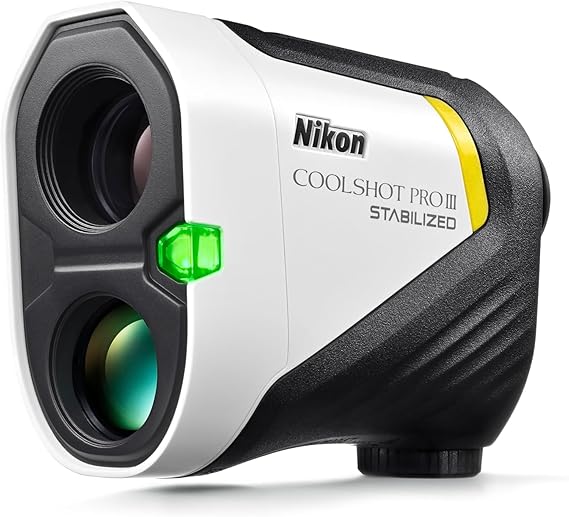 | Nikon COOLSHOT PROIII | Check Price |
Our Selected Top 12 Nikon 35mm Rangefinder Worth Considering
This list features a selection of quality 35mm rangefinder cameras designed for various photography needs. Each review highlights how the camera performs, identifies its ideal users, and discusses key strengths and potential drawbacks to help you make an informed choice.
1. Nikon NIKKOR Z 35mm f/1.8 S Lens
Fast f/1.8 aperture defines this 35mm prime lens designed for Nikon Z Mirrorless cameras. It suits photographers needing sharp images across the frame and excellent low-light capability. Its best feature lies in the impressive sharpness reaching from the center to the edges of every photo you take.
Setting up involves attaching it to a Nikon Z mount camera, providing a comfortable standard focal length of 35mm. The ultra-quiet stepping motor makes focusing silently, making it suitable for shooting in quiet environments without distraction.
The built-in 5-Axis Dual detect optical VR aids stability, helpful when handholding the camera on daily shoots.
Image quality stands out, delivering extreme sharpness at all apertures and angles of view that cover 63 degrees naturally. Its manual focus type offers precise control, while the lens’s build feels solid and well-crafted.
Reviewers praise the clear detail and quiet operation, but some find manual focusing tricky during fast action or low light.
Sharpness across the entire frame is frequently highlighted as a major strength, delivering consistently detailed images. Manual focusing, while precise, is often noted as a challenge when capturing moving subjects or in low-light conditions, requiring extra care.
This lens works well for photographers who prioritize image clarity and low-light shooting with mirrorless Nikon Z models. Those seeking quick autofocus or extensive zoom capabilities might want to consider other options better suited to those needs.
Pros
- Extreme sharpness from center to edges
- Ultra-quiet stepping motor for silent focusing
- Superior low-light performance
- Built-in 5-Axis optical stabilization
Cons
- Manual focus can be difficult in fast situations
- Standard lens coating only, may affect flare control
| Specification | Details |
|---|---|
| Maximum Aperture | 1.8 f_stop |
| Lens Mount | Nikon Z |
| Focus Type | Manual Focus |
| Image Stabilization | Optical, 5-Axis Dual detect VR |
| Focal Length Description | Standard/Normal Prime Lens |
2. Nikon AF-S DX NIKKOR 35mm f/1.8G Lens
Photographers looking for a reliable 35mm prime lens suited for DX format cameras will find this lens a great fit. Its standout strength lies in the fast f/1.8 aperture, perfect for low-light and achieving shallow depth of field.
It balances good image quality with a compact design that feels natural for street or portrait photography.
Setting it up is straightforward thanks to the Nikon F mount compatibility, and the silent wave motor ensures quick and quiet autofocus that rarely feels intrusive. Manual focus override adds more control when needed.
The 52.5mm equivalent focal length makes framing familiar and versatile. Screw-on filters fit easily, making it convenient for creative shooting.
Image sharpness and focus speed come through well, highlighting the lens’s core strengths. Build quality feels sturdy, though not overly heavy, making it comfortable to carry for extended periods.
The most common issue reported involves the lack of vibration reduction, which some notice in handheld low-light situations. It performs dependably as a prime 35mm lens.
The lens scores high marks for its sharp aperture and quiet, reliable autofocus system, making it excellent for everyday shooting. The absence of image stabilization is the most frequent drawback, requiring steadier hands or a tripod in dimmer environments. Image quality holds up well for a DX prime lens in this range.
Photographers seeking a lightweight, fast prime lens for portraits or street scenes will appreciate this model. Those needing zoom flexibility or vibration reduction should look at other options. The lens suits users who want classic 35mm framing with solid image performance on DX bodies.
Pros
- Fast f/1.8 aperture for low light and bokeh
- Silent wave motor ensures quiet autofocus
- Compact and lightweight design feels balanced
- Manual focus override gives precise control
Cons
- No optical image stabilization included
- Fixed focal length limits versatility without zoom
| Specification | Details |
|---|---|
| Focal Length | 35 millimeters |
| Maximum Aperture | 1.8 f_stop |
| Compatible Camera Mount | Nikon F |
| Lens Format | DX |
| Dimensions (approx.) | 70 x 52.5 millimeter |
3. Nikon COOLSHOT PROIII Stabilized Rangefinder
Stabilized optics make the Nikon COOLSHOT PROIII a solid choice for golfers who want precise, steady distance readings without the typical hand shake interference. It suits serious players aiming for accuracy on long shots and outperforms others thanks to fast, stable targeting up to 1,200 yards.
Setup is straightforward, as it comes ready with battery and case included. Daily use benefits from image stabilization, which keeps the view clear and laser locked on target despite minor hand tremors. Pin readings happen quickly with the ultra-fast HYPER READ system, giving near-instant results, so planning each shot becomes less guesswork and more confidence.
Performance for the main task, distance measuring, is excellent, delivering reliable distance readings swiftly and accurately. The build feels solid and well-made, reflecting a product designed for dedicated golf use.
The strongest feedback highlights its excellent optics, while the most common gripe centers on the price point, which is higher than some simpler models.
Reviews often note how well the stabilized optics work to provide clear, accurate pin readings even with hand movement, making each shot easier to plan. Some find the cost steep, which could be a barrier for those not needing advanced features.
Golfers seeking precise, fast measurements on the course will appreciate the reliability and features offered. Casual users or those on a budget might want to consider simpler, less expensive alternatives without stabilization technology.
Pros
- Image stabilization for steady targeting
- Ultra-fast distance reading in 0.1 seconds
- Measures distances up to 1,200 yards
- Comes with battery and carrying case
Cons
- Higher price compared to basic models
- May be complex for casual or beginner golfers
| Specification | Details |
|---|---|
| Model Number | 16788 |
| Sport Type | Golf |
| Measurement Range | Up to 1,200 yards |
| Unit Count | 1 Count |
| Included Components | Battery, Case |
| Warranty Description | 5 Year Warranty |
4. Nikon COOLSHOT 20i Laser Rangefinder

Nikon COOLSHOT 20i Laser Rangefinder suits golfers who want quick, accurate distance readings, especially on uneven terrain. Its standout feature is slope/incline-adjusted distance measuring, which helps select the right club on uphill or downhill shots without second-guessing.
Setting up involves just popping in the included CR2 lithium battery and attaching the neck strap. The 6× magnification with multilayer optics makes it simple to spot the flagstick, while the “Locked On Quake” vibration confirms you’ve locked onto the target. First Target Priority reduces mistakes by ignoring objects behind the flag, keeping daily use straightforward on varied courses.
Performance shines with mostly accurate ranging, even on sloped paths thanks to ID Technology. Build quality feels solid without being heavy, and the compact design fits comfortably in hand. Strong points include reliable distance adjustment and clear visuals.
Some find the vibration confirmation too subtle at times, which can cause a little uncertainty.
Strong praise focuses on how the slope/incline adjustment helps in making confident shot decisions by providing accurate distances on hilly courses. The vibration confirmation feature is appreciated but sometimes too faint to clearly confirm the target lock. This may cause occasional uncertainty during fast play.
Golfers who play on courses with varied elevations will find this rangefinder very useful. Those seeking a more tactile or louder confirmation signal or who often play in wet weather might want to explore other options with stronger feedback or waterproof features.
Pros
- Slope-adjusted distance for accurate club selection
- Vibration confirms locked flagstick target
- First Target Priority reduces background errors
- Clear view with 6× magnification optics
Cons
- Vibration signal can feel too subtle sometimes
- No waterproof rating mentioned for wet conditions
| Specification | Details |
|---|---|
| Sport Type | Golf |
| Magnification | 6× |
| Included Components | CR2 Lithium Battery, Neck/Hand Strap, User Manual / Quick-Start Guide |
| Model Number | CRTNKCOOLSHOT20ILRFRB |
| Manufacturer Part Number | 16509B |
5. Nikon NIKKOR Z 35mm f/1.4 Lens

Using the Nikon NIKKOR Z 35mm f/1.4 lens feels like having a natural viewfinder that captures sharp images while providing very soft background blurs. Ideal for photographers who want a classic wide-angle perspective combined with excellent light gathering, it stands out most for its capacity to work well in low light and create smooth bokeh effects.
Attaching the lens to any Nikon Z series mirrorless camera is straightforward, and its compact size makes it comfortable for handheld shooting or mounted on a gimbal. The silent STM focus motor keeps noise at a minimum, which is especially useful when recording video.
Its fast f/1.4 aperture opens up creative options for low-light scenes and shallow depth of field, while you can get close to subjects at just over 10 inches for detailed shots.
Performance-wise, it maintains crispness throughout the frame with a 35mm prime focal length that makes compositional elements blend beautifully into backgrounds. The build is solid, typical of Nikon’s design, and it feels durable in hand. Most praise highlights the painterly bokeh and quick autofocus.
Some users mention it lacks image stabilization, which can be a challenge in shaky environments.
The lens receives strong praise for its painterly background blur and sharpness in various lighting, making it well-suited for creative photography and video. The most frequent limitation mentioned is the absence of image stabilization, which can affect handheld shots in low light.
Photographers who prioritize wide aperture and smooth bokeh will find this lens fitting and versatile. Those requiring stabilized shots or zoom flexibility might prefer lenses offering those specific features instead.
Pros
- Wide f/1.4 aperture for excellent low-light capture
- Silent STM autofocus ideal for video work
- Close focus distance lets you capture fine details
- Compact size suitable for gimbal use
Cons
- No image stabilization included
- Lens is fixed focal length with no zoom
| Specification | Details |
|---|---|
| Focal Length Description | Wide Angle 35 Millimeters |
| Maximum Aperture | 1.4 f_stop |
| Minimum Focus Distance | 10.6 inches |
| Compatible Camera Models | Nikon Z 6II, Nikon Z 7II, Nikon Z 8, Nikon Z 9, Nikon Z fc |
| Number of Diaphragm Blades | 9 |
6. Nikon 35mm f/1.8G AF-S DX Lens

Highly valued for sharp image quality and wide aperture, the Nikon 35mm f/1.8G AF-S DX Lens suits photographers looking for a dependable standard prime lens for their Nikon F mount cameras. Its biggest strength is delivering bright, clear shots in various lighting conditions without bulky weight or complicated setup.
Day-to-day use is straightforward thanks to autofocus and a fixed 35mm focal length that works well for portraits, street, and everyday photography. The lens mounts easily on popular Nikon models like the D3500 and D7500.
Digital image stabilization helps when shooting handheld, while the 7-blade diaphragm contributes to smooth background blur. Cleaning and maintenance remain simple due to solid build and super integrated coating.
Performance is impressive for a lens at this level, capturing sharp, well-exposed images with a wide f/1.8 aperture that excels in low light. It feels solid without being overly heavy, though some mention that the factory refurbished model may show minor signs of prior use. Autofocus is quiet and accurate but can occasionally hunt slightly in challenging light.
Sharp images and bright f/1.8 aperture are praised across reviews, making it great in low light. Commonly noted is the factory refurbished status, which might come with slight cosmetic imperfections but doesn’t affect performance significantly.
Photographers using Nikon DX models who want a lightweight prime lens for everyday shooting will appreciate this choice. Those needing specialized features like zoom or faster autofocus might look for alternatives.
Pros
- Bright aperture for low light shooting
- Quiet and reliable autofocus
- Compact and lightweight for daily use
- Good compatibility with Nikon DX cameras
Cons
- Factory refurbished may show minor cosmetic wear
- Autofocus can occasionally struggle in low light
| Specification | Details |
|---|---|
| Focal Length Description | 35 millimeters |
| Maximum Aperture | 1.8 f_stop |
| Focus Type | Auto Focus |
| Compatible Camera Mount | Nikon F |
| Lens Coating Description | Super Integrated Coating |
| Number of Diaphragm Blades | 7 |
7. Nikon Forestry Pro II Laser Rangefinder

Solidly built with Nikon’s reliable craftsmanship, this laser rangefinder suits professionals needing accurate distance and height measurements in forestry or construction. Its standout feature is the ability to measure distance, height, angle, and vertical separation with quick results, making complex calculations straightforward in the field.
Setup is simple, just pop in the three extra CR2 batteries and power up. Both internal and external LCD panels show measurements clearly, with adjustable backlighting to handle bright or low-light conditions easily. The 2 Point and 3 Point calculation functions make getting the exact height or distance between points quick without fuss.
Accuracy and speed are key strengths, with the device locking readings in about 0.3 seconds even at maximum range. Its build supports outdoor use with a carrying case and lens cleaning cloth included.
The most common complaint involves the size being a bit bulky for casual users, but it performs well under demanding tasks without hiccups.
The quick and stable measurement response in about 0.3 second impresses those needing precise numbers on the spot, though some find the device a bit bulky and less convenient for lighter or casual use. Its multiple displays help in various lighting conditions, reducing guesswork in the field.
Professionals in forestry, construction, or utility maintenance will appreciate the detailed measurement abilities and included accessories. Those seeking a more compact rangefinder or using it occasionally might want to look at simpler, lighter models that sacrifice some advanced functions for portability.
Pros
- Multiple measurement functions in one device
- Internal and external LCD with backlighting
- Fast and stable measurement response
- Comes with extra batteries and cleaning cloth
Cons
- Bulky size for casual or light users
- Limited to specific professional fields
| Specification | Details |
|---|---|
| Measurement Range | 8-1,750 yds |
| Functions | Distance, height, angle, vertical separation |
| Response Time | Approx. 0.3 second |
| Included Components | 3 Extra CR2 Batteries, Carrying Case, Lens Cleaning Cloth |
| Number of Items | 1 |
8. Nikon Forestry Pro II 6×21 Laser Rangefinder

Outstanding range and precision make this laser rangefinder a solid choice for professionals in forestry and industrial fields. It suits anyone needing long-distance accuracy and reliable measurements up to 1750 yards, especially where terrain or object shape complicates taking readings. Its standout feature is the advanced 3-point hypsometer function that calculates height with confidence, even when full visibility isn’t available.
Setting it up involves simply inserting the included battery, after which measurements become quick and consistent. The unit’s laser fires off readings in just 0.3 seconds, making it easy to use on uneven ground or when surveying trees and poles. The built-in inclinometer helps you measure height, angle, and horizontal distance using innovative geometry calculations, which proves handy in tricky measurement situations.
Accuracy is where the rangefinder really delivers, providing precise distance and height data on a variety of objects in the field. The build feels sturdy and functional, designed for professionals needing consistent performance. Most users appreciate the rapid measurements, but some mention the device could have a slightly more compact design for easier carrying.
The most praised aspect is the fast and reliable rangefinding up to 1750 yards, essential for precise forestry measurements. Some users note the physical size of the unit makes it less convenient to carry compared to smaller models.
This rangefinder suits forestry professionals or surveyors needing detailed height and distance data across long ranges. Those looking for a more pocket-friendly option or extra accessories in the package might consider alternatives.
Pros
- Accurate distance readings up to 1750 yards
- Fast measurement speed of 0.3 seconds
- Advanced 3-point hypsometer for object height
- Includes inclinometer for angle and horizontal distance
Cons
- Device size could be more compact for portability
- Limited included accessory list beyond battery
| Specification | Details |
|---|---|
| Brand Name | Nikon |
| Model Number | 16703 |
| Extended Ranging Capability | 1750 yards |
| Measurement Speed | 0.3 seconds |
| Sport Type | Laser Rangefinders & Accessories |
| Warranty Description | 5 Year |
9. Nikon
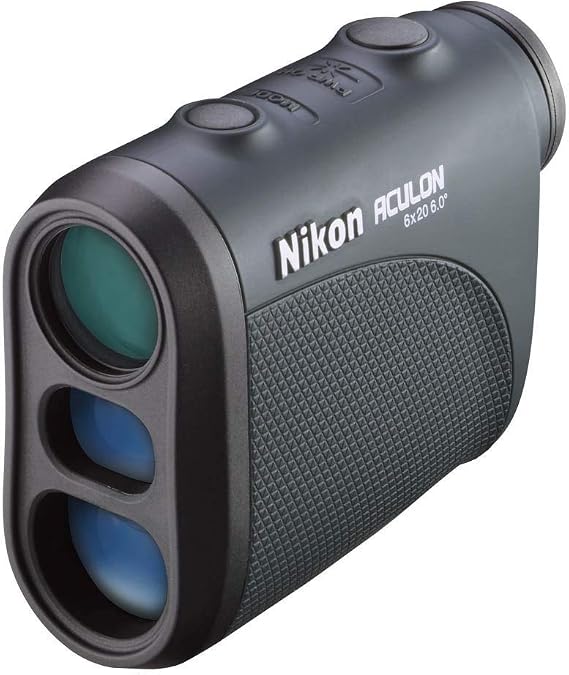
Compact size and a solid measurement range make the Nikon ACULON Rangefinder ideal for hunters and shooters wanting reliable distance readings in a small package. It fits easily in a pocket or gear bag, delivering precision out to 550 yards without bulky weight.
Setup involves simply powering it on and aiming at the target, thanks to its user-friendly laser system. Its lightweight design and small dimensions mean it stays out of the way during long outdoor sessions.
Quick-read functionality helps when positioning shots or checking distance for bows or guns.
Accuracy is consistent throughout the full range from 6 to 550 yards, making it suitable for various hunting and shooting needs. The build is solid for a compact device, though some reviews mention the size can make it a little tricky to handle with gloves on.
Most find its ruggedness and performance balance well.
The most praised feature is its compactness paired with reliable distance accuracy, making it easy to carry and effective in the field. The common complaint notes the small size can challenge handling for users wearing gloves during colder weather. This trade-off between portability and grip comfort stands out.
Hunters and target shooters valuing lightweight gear and precise range measurements in a compact form will appreciate this device. Those who need larger controls or use it extensively in cold environments may prefer models with bigger housings for easier handling.
Pros
- Compact and lightweight design
- Wide measurement range up to 550 yards
- Simple operation for quick readings
- Durable construction
Cons
- Small size can be hard to grip with gloves
- Limited use outside hunting and shooting scenarios
| Specification | Details |
|---|---|
| Model Number | 8397 |
| Measurement Range | 6-550 yds |
| Size | 3.6″x2.9″x1.5″ |
| Sport Type | Hunting |
| Included Components | NIKON |
10. Nikon ProStaff 440 Laser Rangefinder

Getting accurate distance readings on your hunting trips can often be tricky, especially with changing environments. The Nikon ProStaff 440 Laser Rangefinder suits hunters who want reliable range readings up to mid-distance spots. Its biggest strength lies in providing precise results with 1/2 yard accuracy, making it easier to make informed shots.
Setting up the device is straightforward with no fuss. Daily use is smooth thanks to its full scanning capability, allowing quick distance checks without multiple button presses. Water resistant design means handling damp or drizzly conditions is not a worry, while the 8x multicoated optics provide clear views, bringing targets sharply into focus for accurate distance measurement.
Performance-wise, the 437-yard range comfortably covers most hunting scenarios. It accurately measures distances with minimal error, which builds confidence in the field.
The unit feels solid yet not overly heavy, adding to its practical use. Most users praise its precision and clarity, while a common drawback is the range limit for long-distance shooting, which may fall short for some hunters.
Accuracy at half-yard increments and clear, magnified optics receive strong praise for dependable performance. Most complaints focus on the maximum range limit, which can be restrictive when targeting objects beyond 437 yards.
Hunters needing consistent mid-range readings and water resistance will find this model satisfying. Those requiring longer distances or advanced functions might look toward other options to meet their specialized needs.
Pros
- Half-yard accuracy for precise distance measurement
- Full scanning capability simplifies use in the field
- Water resistant for use in various weather conditions
- Clear optics with 8x magnification improve visibility
Cons
- Range capped at 437 yards may be short for some scenarios
- Lacks advanced features found in higher-end rangefinders
Specification Details Brand Name Nikon Sport Type Hunting Model Number 8352 Unit Count 1 Count Number of Items 1 Manufacturer Nikon Sport Optics 11. Nikon ProStaff Laser Rangefinder

Offering a measurement range from 6 to 1000 yards with 1-yard increments, the Nikon ProStaff Laser Rangefinder is tailored for hunters and shooters needing precise distance data. Its 6x magnification monocular sharpens the view, making it an excellent choice for those who want clear targeting at long distances.
Setting it up involves simply turning it on and aiming at the target. The continuous measurement mode works for up to four seconds, which is handy for checking range without rushed readings.
Switching between First Target and Distant Target modes helps in varied shooting environments, especially where multiple objects line up. Compact and rainproof, it’s easy to carry and use in different weather conditions.
Performing well across its full measurement range, it reliably delivers distance readings with the incline or decline angle already calculated, reducing guesswork for your shot. The construction feels solid and durable, suitable for outdoor use.
Users commonly praise its accuracy and ease of use, while the most noted downside is some bulkiness compared to lighter models.
Accurate distance readings combined with angle compensation gain consistent praise. The main complaint centers on its size and weight being less convenient for extended carry compared to lighter models. Day-to-day usage balances reliability with thoughtful ergonomics.
Hunters and shooters focused on long-distance accuracy will appreciate this rangefinder. Those seeking a lighter, more compact option might look elsewhere for easier handheld carry over long periods.
Pros
- Long measurement range with 1-yard increments
- Incline and decline angle compensation
- Continuous measurement up to four seconds
- Rainproof, compact design
Cons
- Heavier than some competing models
- No advanced digital display features
Specification Details Measurement Range 6-1000 yards Magnification 6x monocular Auto Measurement Continuous for up to 4 seconds Water Resistance IPX4 Equivalent (rainproof) Included Components 3 Extra CR2 Batteries, Carrying Case, Lens Cleaning Cloth 12. Nikon COOLSHOT 20i GIII Golf Rangefinder

Golfers looking for a straightforward and precise distance tool will appreciate the Nikon COOLSHOT 20i GIII. Its main strength lies in cutting through background distractions to lock in on the flagstick, making it especially useful on crowded or wooded courses.
Setup involves simply powering it on and adjusting the diopter for your vision using the monocular, which offers bright and clear views through a multilayer coating. You can hold the power button up to eight seconds to scan hazards and varied distances, helping you stay aware of course challenges while keeping play smooth.
Accuracy in measuring distance to the pin stands out as a highlight, and the First Target Priority mode reliably ignores trees or carts behind the target. It handles golf conditions well with a rainproof design.
Some users mention the monocular’s fixed magnification as a limitation when looking for closer detail.
Distance accuracy to flags receives consistent praise, helping to eliminate distractions from trees and other background objects. The common complaint revolves around the monocular’s fixed magnification, which some find limiting for inspection beyond just measuring distance.
Golfers who need a compact, reliable tool to quickly measure distances and overlook background clutter will find this a good fit. Those wanting a variable zoom or faster scanning might prefer other options tailored to those preferences.
Pros
- Effective First Target Priority mode for flagstick targeting
- Bright, clear 6x monocular with vision adjustment
- Rainproof design suits various weather conditions
- Includes golf tees and tech accessories in the bundle
Cons
- Monocular magnification fixed at 6x
- Long press scanning takes several seconds
Specification Details Brand Name Nikon Sport Type Golf Item Highlight Rainproof Laser rangefinder, Slope, Pinpoint Accuracy, Long Battery Life Bundle Includes Rangefinder, 5 Golf Tees, Golf Tech Accessories Monocular 6x magnification with multilayer coating and diopter adjustment Comparison of Top Nikon 35mm Rangefinder Cameras
Product Compatible Mount Focus Type Lens Design Image Stabilization Nikon Z 35mm f/1.8 S Nikon Manual Focus Prime Optical Nikon DX 35mm f/1.8G Nikon F Auto Focus Prime Optical Nikon COOLSHOT PROIII – – – – Nikon COOLSHOT 20i – – – – Nikon Z 35mm f/1.4 Nikon Z Auto/Manual Prime – Nikon DX 35mm f/1.8G AF-S Nikon F Auto Focus Prime – Nikon Forestry Pro II – – – – Nikon Forestry Pro II 6×21 – – – – Nikon – – – – Nikon ProStaff 440 – – – – Nikon ProStaff Classic – – – – Nikon COOLSHOT 20i GIII – – – – 1. Nikon Z 35mm f/1.8 S- Compatible MountNikon
- Focus TypeManual Focus
- Lens DesignPrime
- Image StabilizationOptical
2. Nikon DX 35mm f/1.8G- Compatible MountNikon F
- Focus TypeAuto Focus
- Lens DesignPrime
- Image StabilizationOptical
3. Nikon COOLSHOT PROIII- Compatible Mount–
- Focus Type–
- Lens Design–
- Image Stabilization–
4. Nikon COOLSHOT 20i- Compatible Mount–
- Focus Type–
- Lens Design–
- Image Stabilization–
5. Nikon Z 35mm f/1.4- Compatible MountNikon Z
- Focus TypeAuto/Manual
- Lens DesignPrime
- Image Stabilization–
6. Nikon DX 35mm f/1.8G AF-S- Compatible MountNikon F
- Focus TypeAuto Focus
- Lens DesignPrime
- Image Stabilization–
7. Nikon Forestry Pro II- Compatible Mount–
- Focus Type–
- Lens Design–
- Image Stabilization–
8. Nikon Forestry Pro II 6×21- Compatible Mount–
- Focus Type–
- Lens Design–
- Image Stabilization–
9. Nikon- Compatible Mount–
- Focus Type–
- Lens Design–
- Image Stabilization–
10. Nikon ProStaff 440- Compatible Mount–
- Focus Type–
- Lens Design–
- Image Stabilization–
11. Nikon ProStaff Classic- Compatible Mount–
- Focus Type–
- Lens Design–
- Image Stabilization–
12. Nikon COOLSHOT 20i GIII- Compatible Mount–
- Focus Type–
- Lens Design–
- Image Stabilization–
How to Choose the Right Nikon 35mm Rangefinder
Focus on build quality, lens sharpness, and light metering accuracy when selecting a 35mm rangefinder, as these affect image clarity and shooting reliability. Choosing the right features helps avoid costly repairs and ensures a smoother, more enjoyable photography experience.
Lens Quality and Optics
Sharpness really shows when shooting at different apertures; some lenses lose detail wide open or get too soft stopped down. A lens that holds consistent clarity across f/2.8 to f/16 makes a noticeable difference in picture quality day to day.
Glare and flare can obscure details, especially in bright conditions. Coatings designed to reduce these issues keep images cleaner and colors truer, avoiding dull or washed-out hues.
Distortion control is crucial, especially for architectural and street photography. Too much barrel or pincushion distortion can ruin framing and require post-processing fixes. Look for lenses with low distortion rate and coatings that support color fidelity.
Good lenses maintain accurate colors with minimal chromatic aberration, offering images that need little correction afterward.
Build and Durability
Strong materials like metal alloy bodies and brass lens barrels last longer through daily handling and accidental knocks. Plastics can make a camera lighter but often feel less sturdy and wear faster.
Weather sealing around joints and lens mounts keeps out dust and moisture, which is essential for shooting outside in variable conditions.
Sturdiness affects how confident you feel taking the camera into tough environments. A well-built body handles bumps without misaligning optics or scraping the finish.
Proper sealing means the camera won’t seize or gather dirt inside where it can degrade performance. Check for cameras with sealed buttons and lens barrels for regular outdoor use.
Focusing Mechanism
Manual focusing can be frustrating if the rangefinder patch is dim or the focus ring is stiff. Clear patch visibility helps nail focus quickly, especially in low light.
Alignment precision makes sure you get sharp images instead of relying on guesswork. The smoother the focus ring, the easier it is to fine-tune focus without overshooting.
Some models offer a larger or brighter rangefinder patch that improves accuracy when focusing fast-moving subjects or shooting street scenes. Focus mechanism quality can turn a frustrating setup into a reliable tool you reach for over and over.
Pay attention to how much resistance and play the focus ring has, very tight or loose rings can slow shooting pace.
Ergonomics and Handling
Cameras that weigh around 500 to 700 grams and fit comfortably in hand make long shooting sessions less tiring. Balance between weight and size matters; too bulky cameras tire out the wrist, while too light ones feel unstable. Controls placed within easy thumb or finger reach speed up adjustments during shooting.
Good ergonomics mean the dials have a tactile response with clear clicks and resistance that avoids accidental changes. Viewfinders that provide a bright, clear image with accurate frame lines aid in composing precise shots.
Being able to quickly line up a frame without straining the eyes or hands improves the overall shooting experience.
Compatibility and Accessories
Compatibility with popular lens mounts broadens the range of glass you can use. Some cameras accept filters on the lens front, which is useful for adding polarizers or neutral density filters. Accessory availability like lens hoods and padded cases protects your gear and extends its usability.
Cameras that adapt to different film types offer more creative choices without forcing you to buy multiple bodies. Certain models also support digital backs, which makes them flexible for mixed analog and digital workflows. Double-check what mounts and accessories come standard or third-party support to avoid limited options later.
Tips for Mastering Composition with a Nikon 35mm Rangefinder
Using a 35mm Nikon rangefinder effectively often starts with understanding how to frame subjects within a wider field of view. The focal length allows capturing both environmental context and details without distortion common with wider lenses.
Focus on positioning your subject thoughtfully in the frame; this lens encourages deliberate composition since it won’t crop tightly.
Helpful tips for composition:
- Use the rangefinder’s viewfinder to anticipate the scene beyond what will be captured, helping recognize leading lines and patterns early.
- Practice zone focusing to pre-set distances, especially in street photography, to react quickly to fleeting moments.
- Explore layering subjects in the frame to add depth; the 35mm scope is versatile for foreground-background interactions.
- Pay close attention to light and shadow contrast, using the lens’s clarity to capture tiny details that add texture.
These strategies help in achieving sharp, engaging images that make the most of the lens’s natural capabilities.
Essential Maintenance Practices to Keep Your Nikon Rangefinder in Top Condition
Maintaining a Nikon 35mm rangefinder involves more than just cleaning the exterior. Regular care of the rangefinder mechanism itself ensures accurate focusing, a key component of the shooting experience. Dirt, dust, or minor impacts can affect the alignment over time.
Maintenance routines to consider:
- Wipe the lens and viewfinder glass gently with a microfiber cloth and appropriate cleaning solution.
- Store the camera in a dry, temperature-controlled environment to prevent fungal growth inside the lens or rangefinder optics.
- Check the focusing patch regularly; if it becomes hard to see or align, professional servicing might be necessary.
- Keep the body free from moisture and debris using a dust blower and protective cases during transport.
Proper upkeep not only preserves image quality but also extends the rangefinder’s lifespan.
Comparing Nikon 35mm Rangefinders to Other Leading Brands for Street Photography
Nikon 35mm rangefinders hold a distinct place among cameras favored for street photography, particularly when compared with other well-regarded brands like Leica or Canon. Nikon models often provide a balance between build quality and price, appealing to photographers who want vintage appeal without as high a cost.
Key differences in street use:
- Rangefinder accuracy varies; some Nikon models feature precise calibration, but Leica generally leads in refinement due to its rangefinder heritage.
- Nikon lenses deliver sharpness and contrast typical of their optical engineering, sometimes at a more accessible price than equivalents from premium brands.
- The ergonomics of Nikon rangefinders are straightforward, though some users prefer the lighter, more compact feel of other brands for long street sessions.
- Availability of parts and servicing tends to be easier with Nikon, especially outside of major cities familiar with Leica maintenance.
Choosing between Nikon and other brands depends largely on personal preference, budget, and how the camera handles in daily street shooting conditions.
People Also Asked
How Do I Properly Clean and Maintain a 35mm Rangefinder Camera?
Use a blower brush and a soft microfiber cloth to clean the lens and body gently. Avoid moisture inside the camera by never spraying liquid cleaner directly; remove the lens for better access. Store the camera in a dry place to prevent fungus growth on optics.
What Lenses Are Compatible with a 35mm Rangefinder Camera?
Prime lenses with a Leica M mount or Nikon S mount are generally compatible, depending on the camera model. Check mount type before buying lenses, as adapters can help but might affect focus accuracy. Common choices are 35mm or 50mm prime lenses for street or portrait shooting.
How Long Does a Typical 35mm Rangefinder Last with Regular Use?
A 35mm rangefinder can last decades if treated properly and serviced occasionally. Regular use means cleaning, proper storage, and occasional CLA (clean, lubricate, adjust) by a professional. Film advance and shutter mechanisms are durable but may need attention after heavy use.
Are There Common Focusing Issues with 35mm Rangefinder Cameras?
Rangefinder cameras can have issues like misaligned focus or parallax shift but these are fixable with adjustment. Make sure the viewfinder patch lines up during shooting; test focus methodically. A small calibration by a repair tech often resolves common focusing problems.
What Safety Precautions Should I Take When Handling a 35mm Rangefinder?
Avoid dropping or knocking the camera hard since rangefinders have delicate internal parts. Keep it away from extreme temperatures and moisture to prevent fogging and corrosion. Use a camera strap and store it securely to reduce risk of physical damage.
Conclusion
Choosing the right 35mm rangefinder comes down to a few key points: lens quality, build durability, and ease of use. The feel of the camera in your hands and how it fits with your shooting style can also make a big difference. Pay attention to the viewfinder clarity and focusing speed since these affect your shooting experience directly.
Consider how often you plan to use the camera and where you’ll take it. Smaller spaces might need a more compact model, while your budget will also narrow the options. Revisit the comparison table and the picks listed earlier to find the best fit for your specific needs and preferences.