Top 12 Best Spotting Scope for Hiking You Can’t Miss!
Carrying a bulky or fragile spotting scope on a long hike quickly teaches you the value of choosing the best spotting scope for hiking. Many scopes are too heavy to comfortably carry over miles or lack waterproofing, leading to foggy lenses or damage in damp conditions. Low-quality lenses can cause blurry images, making it difficult to clearly see distant wildlife or scenery features.
A good spotting scope for hiking balances weight and durability, usually staying under 3 pounds and featuring waterproof and fog-proof construction. Optical quality matters too; an objective lens around 60 to 80 millimeters paired with 15x to 20x magnification tends to offer clear views without excessive shakiness or a narrow field of view. Compact size and easy lens cleaning options help keep the scope ready for every hiking trip.
Need a Quick Check?
| Image | Product | Price |
|---|---|---|
Our Top Picks 1  | SVBONY SV28 Scope | Check Price |
Our Top Picks 2 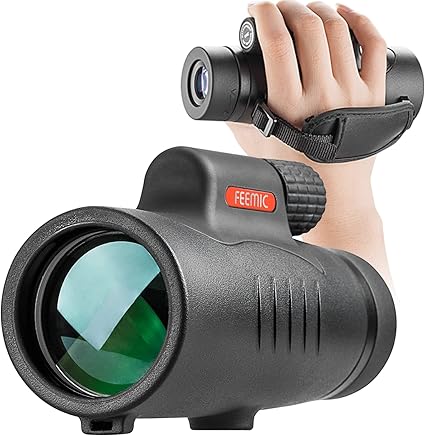 | High Power 8×42 Monocular | Check Price |
Our Top Picks 3  | 20-60×80 HD Scope | Check Price |
Our Selected Top 12 Spotting Scope for Hiking for Different Needs
This list features twelve carefully chosen spotting scopes designed for hiking, each suited to different needs and preferences. You will learn about their performance, ideal users, as well as their strengths and weaknesses to help you find the right fit for your outdoor adventures.
1. SVBONY SV28 Spotting Scope
A bright 70mm objective lens stands out immediately, making this scope especially good for beginners who want clear views of birds and scenery while hiking. Its 25-75x zoom range offers ample reach without overwhelming complexity, fitting novices who want something simple but effective.
Setting up is straightforward, with manual focus and an easy-to-use zoom eyepiece that lets you adjust magnification smoothly. The built-in extendable sunshade helps cut glare during bright hikes. The non-slip coating gives a secure grip even in wet conditions, and the waterproof design means it holds up well against sudden weather changes out on trails.
Mounting options include compatibility with cameras and tripods, adding to its versatility in the field.
Performance is solid for its class, delivering clear images at different zoom levels thanks to fully multi-coated lenses and 380mm focal length. Build quality feels durable, focusing well with the manual control, and it’s large enough to gather light for decent views. Common praise notes easy setup and good image quality for beginners.
Some find the manual focusing slower compared to powered scopes.
Users commonly praise the clear image quality and easy-to-use zoom, especially for beginners. Complaints focus on the manual focus being less convenient and the equatorial mount needing some practice to handle smoothly. The waterproof and non-slip features contribute positively to outdoor use.
This spotting scope is perfect for hikers just starting out with birdwatching or enjoying scenic views, offering bright, zoomable optics without any hassle. Experienced users or those needing rapid focus changes might want to look for scopes with powered focus or different mounts for quicker adjustments.
Pros
- 70mm lens gathers plenty of light
- Waterproof, suitable for hiking conditions
- Non-slip finish for secure grip
- Wide 25-75x zoom range
Cons
- Manual focus can be slow
- Equatorial mount may require adjustment learning curve
| Specification | Details |
|---|---|
| Zoom Ratio | 3:1 |
| Objective Lens Diameter | 70 mm |
| Focal Length Description | 380 millimeters |
| Field Of View | 64 feet |
| Mount | Equatorial Mount |
2. High Power 8×42 Monocular Telescope
High Power 8×42 Monocular Telescope works great for anyone wanting clear, wide views while hiking, standing out with its sharp 8X magnification and wide-angle lens. It’s best for those who need a solid, durable monocular that performs well in rough outdoor conditions.
Setup only requires manual focusing, so you can quickly adjust to spot details on the trail or distant wildlife. Its compact size and rubber finish make it comfortable to hold during long ventures. The built-in dust cover keeps the lens clean, and the waterproof design means it won’t let fog or water block your view on damp days.
Optics deliver crisp, colorful images thanks to BAK-4 prism and fully multi-coated lenses, with a 360ft/1000 yards field of view that’s ideal for scouting. The body is rugged and shockproof, made to handle accidental bumps. Most praise highlights the clear, wide view and sturdy construction, while some note that manual focus can need patience to get just right.
Clear and colorful views with a broad field stand out as a big plus, while the need to manually focus can slow quick spotting. The durable rubber coating protects well against drops and weather but adds some weight.
Those who want durability and a large viewing area for extended outdoor use will find this binocular a good fit. People looking for ultra-light or quick autofocus options might want to explore other choices.
Pros
- Sharp image quality with FMC Superior BAK-4 prism
- Durable waterproof and fogproof design
- Wide 360ft/1000yards field of view
- Comfortable, shock-resistant rubber finish
Cons
- Manual focus requires steady hands
- Heavier than some ultralight hiking monoculars
| Specification | Details |
|---|---|
| Magnification | 8X |
| Objective Diameter | 42mm |
| Field Of View | 360ft / 1000yards |
| Focus Type | Manual Focus |
| Coating | Fully Multi-Coated |
| Mount | Altazimuth Mount |
3. 20-60×80 HD Spotting Scope
Getting close-up views of distant nature scenes requires a spotting scope that balances powerful zoom with ease of use. Perfect for hikers who want clear, detailed images of birds, mountains, and lakes, the 20-60×80 HD Spotting Scope stands out for its wide zoom range paired with precision focusing.
Setting up this scope is straightforward thanks to its lightweight 1.18 kg aluminum body and included tripod. The dual focus knobs let you quickly adjust from broad to fine details without fuss. A handy phone adapter also lets you capture shots on the go.
The carrying case makes it easier to take on hikes without extra bulk or hassle.
Zooming from 20x to 60x works well for identifying wildlife or scenic details far away, showing clarity up to 1000 yards. The aluminum build feels sturdy yet light enough to carry comfortably.
Most praise the sharp focus and zoom quality, while notes about its weight suggest some might find it a bit heavier than compact models.
The dual focus system gets praised for smooth and quick adjustments, making it easy to lock onto subjects sharply at long distances. A common drawback mentioned is the weight, as some users find it on the heavier side, which could slow down fast-paced or very long hikes.
Ideal for hikers prioritizing image quality and versatility in zoom power, this scope suits those who welcome a bit more weight for stronger build and accessory inclusion. People who prefer ultra-light or small-sized optics might want to look for lighter alternatives.
Pros
- Wide 20-60x magnification range
- Dual focus knobs for precise adjustments
- Includes tripod and phone adapter
- Sturdy yet reasonably lightweight aluminum body
Cons
- Heavier than some compact hiking scopes
- May feel bulky for very long treks
| Specification | Details |
|---|---|
| Magnification | 20-60x |
| Objective Lens Diameter | 80 mm |
| Item Weight | 1.18 kg |
| Item Dimensions (LxWxH) | 14.96 x 3.54 x 6.5 inches |
| Included Components | Spotting Scope x 1; carrying case x 1; tripod x 1; phone adapter x 1 |
4. 20-60×80 BAK4 Waterproof Spotting Scope

Variable 20x to 60x magnification is the highlight of this spotting scope, making it perfect for hiking and outdoor viewing. It suits those who want detailed views of distant wildlife or landscapes while trekking, with solid zoom power paired with clear optics.
Setting up involves fixing the scope on the included tripod, which provides steadiness on uneven ground. The manual focus system lets you quickly adjust clarity, and the phone adapter adds convenience for snapping photos. Carrying the whole setup is easier thanks to the supplied bag, making it ready for frequent outdoor use.
Using BAK4 Porro prism optics with multi-layer coated lenses results in bright, clear images across the zoom range. It handles the terrain well, thanks to its waterproof design.
The main praise centers around how clear the view remains at higher magnifications, while some find manual focusing a bit tricky at times.
The scope delivers impressively clear views even at 60x zoom thanks to BAK4 prism quality and lens coatings. The shared complaint concerns the manual focusing mechanism, which can require careful handling to maintain clarity.
Anyone prioritizing image detail and durability on hikes will find this tool valuable. Those wanting quick autofocus or lighter gear might prefer different options better suited to fast-paced or lengthy trekking conditions.
Pros
- Clear images with multi-layer coated lenses
- Includes tripod and carrying bag
- Smartphone adapter for digiscoping
- Waterproof design suitable for outdoors
Cons
- Manual focus can feel sensitive at higher zoom
- Relatively heavy for long hikes
| Specification | Details |
|---|---|
| Focus Type | Manual Focus |
| Zoom Ratio | 20-60 |
| Field Of View | 83 feet |
| Focal Length Description | 2400mm to 4800mm |
| Compatible Devices | Smartphone |
5. 40×60 Nitrogen-Filled Monocular Telescope

Hikers looking for a sharp, powerful monocular to spot distant views will find this 40×60 Nitrogen-Filled Monocular Telescope suits well. Its standout feature is the 40x zoom combined with a large 40mm objective lens, making it great for seeing details far away without lugging bulky gear.
Setting it up involves fixing the sturdy tripod, which adjusts to different lengths and angles for comfortable viewing on the trail. The manual focus lets you zero in precisely, while the included smartphone holder allows snapping pictures or videos easily. The nitrogen fill protects the optics against fog and moisture during outdoor use.
Images come through clear and sharp thanks to the advanced Fully Multi-Coated lenses and BAK-4 prism, reducing reflections and boosting light transmission. The sturdy build feels ready for hiking conditions, though some people find the manual focus a bit sensitive when trying to fine-tune quickly.
The tripod adds stability but contributes some extra weight.
People praise the clarity and sharpness from the FMC lens and BAK-4 prism combo, which makes images crisp at long distances. The most frequent issue is the manual focus requiring patience, especially when trying to swiftly adjust on uneven terrain.
Great for hikers who want detailed views and don’t mind a bit of extra weight from the tripod. Those needing ultra-light or rapid focus might want to explore lighter, simpler monoculars instead.
Pros
- Large 40mm objective lens for wider, clearer views
- Includes adjustable tripod for stability
- Smartphone holder for easy photography
- Nitrogen-filled for fog and moisture resistance
Cons
- Manual focus can be tricky to adjust quickly
- Tripod adds extra weight for hiking
| Specification | Details |
|---|---|
| Zoom Ratio | 40x |
| Objective Lens Diameter | 40mm |
| Field Of View | 9.1 degrees |
| Focus Type | Manual Focus |
| Mount | Adjustable tripod with two angles and three length options |
6. Vortex Solo Monocular 10×36

Small and lightweight, the Vortex Solo Monocular 10×36 stands out for hiking thanks to its clear, crisp images combined with durability. Ideal for anyone needing a portable optic with waterproof and fogproof capabilities, it offers reliable performance in rugged outdoor conditions.
Carrying the monocular is simple with its multi-position clip that attaches easily to clothing or gear. The rubber armor gives a solid grip, making it feel secure in hand. Adjusting focus manually is straightforward with the centric eyepiece, and the adjustable eyecup works well whether you wear glasses or not, enhancing comfort during extended use.
Magnification at 10x and a 36mm objective lens provide sharp views that meet expectations on the trail. Solid rubber armor helps resist bumps and drops, reflecting its durable nature. Nitrogen purging and o-ring seals ensure fog and water won’t cloud your view.
A common positive is the bright, clear image quality, while a noted downside is the manual focus may require patience in some situations.
The monocular gets praised for delivering sharp and bright images even in challenging environments thanks to its multi-coated lenses and fogproof design. The manual focus system, however, is regularly noted as requiring careful adjustment, especially when trying to lock in on distant subjects quickly.
Hikers looking for a durable and lightweight monocular with solid optics will be quite satisfied. Those preferring automatic or faster focus should consider options with different focusing mechanisms for quicker use.
Pros
- Compact and lightweight for easy hiking carry
- Fully multi-coated lenses for clear image quality
- Rubber armor provides a secure grip
- Waterproof and fogproof for all conditions
Cons
- Manual focus can be slow at times
- No built-in zoom adjustment beyond 10x
| Specification | Details |
|---|---|
| Magnification | 10x |
| Objective Lens Diameter | 36mm |
| Field Of View | 6.2 degrees |
| Focus Type | Manual Focus |
| Waterproof and Fogproof | Yes (Nitrogen purged and o-ring sealed) |
| Coatings | Fully multi-coated lenses |
7. 12×60 HD Monocular Telescope

12×60 HD Monocular Telescope offers clear, sharp views with 12× magnification and a wide 6.5° field of view. Ideal for hikers and outdoor enthusiasts who want to enjoy nature or watch distant events, it stands out for its ability to deliver vivid images without distortion.
Setting up is straightforward thanks to the altazimuth mount and manual focus system that allows quick adjustments on the trail. The monocular includes a reflex finderscope for easier target acquisition. Fully multi-coated lenses improve light transmission, and the option to attach a smartphone lets you capture what you see without extra equipment.
The 21mm BAK-4 prism ensures bright, detailed images with minimal color distortion. The build is solid and suitable for outdoor use, though it requires a battery, which may add to the weight. Most find the focus mechanism precise, but occasionally, the manual adjustment feels a bit stiff under quick changes.
The monocular’s biggest praise revolves around its sharp, bright images without color distortion, thanks to the quality BAK-4 prism and full lens coatings. The main drawback mentioned is the manual focus sometimes being stiff, which can slow down rapid adjustment moments during use.
Anyone wanting a dependable, clear view while hiking or birdwatching will appreciate this scope’s optics and versatile mounting. Those needing lighter or battery-free gear might look for other options. Its smartphone compatibility is a bonus for casual photography on the go.
Pros
- Clear and bright images with 21mm BAK-4 prism
- Wide 6.5° field of view for broad viewing
- Simple altazimuth mount for easy aiming
- Compatible with smartphones for photo capture
Cons
- Manual focus can feel stiff during quick adjustments
- Requires batteries, adding to carry weight
| Specification | Details |
|---|---|
| Magnification | 12× |
| Objective Lens Diameter | 60mm |
| Field Of View | 6.5 degrees |
| Mount | Altazimuth Mount |
| Focus Type | Manual Focus |
| Coating | Fully Multi-Coated |
8. 80×100 HD Monocular Telescope

Using this spotting scope feels like bringing the outdoors closer without lugging heavy gear. It’s a solid choice for hikers wanting high magnification to catch distant views clearly.
The real standout is the powerful 80X zoom paired with a big 100mm lens, making it great for spotting wildlife or scenic details from a distance.
Setting up is straightforward thanks to manual focus that feels precise once you get the hang of it. One-handed use suits busy hiking trips where you might need to quickly glance at a target.
The smartphone adapter adds versatility, letting you snap pictures of faraway objects, although attaching your phone takes a moment of patience.
Image quality stands out with bright, sharp views courtesy of an FMC multi-coated lens and BAK4 prism. Colors stay true and details are crisp across wide scenes. The scope’s build shows care for comfort and durability, though some mention the manual focus can be fiddly in the heat of action.
It performs well but demands steady hands to maximize clarity at high zoom.
The 80×100 HD Monocular Telescope provides bright, sharp images with excellent color thanks to its FMC multi-coated lens and BAK4 prism. Handling the manual focus takes some getting used to, which users often mention as a point of frustration during quick spotting moments.
Ideal for hikers who want powerful magnification and portability, especially those comfortable with manual focus. Those looking for quicker autofocus or simpler phone attachment might consider other options better suited for rapid use.
Pros
- Bright views from large 100mm objective lens
- High 80X magnification for distant details
- Comfortable one-handed use during outdoor activities
- Includes smartphone adapter for easy photo capture
Cons
- Manual focus can be tricky to adjust quickly
- Attaching smartphone requires patience and setup time
| Specification | Details |
|---|---|
| Focus Type | Manual Focus |
| Finderscope | Straight-Through |
| Zoom Ratio | 80 |
| Compatible Devices | Smartphone |
| Additional Features | Smartphone Adapter |
9. 20-60×60 Angled Spotting Scope

Perfect for hikers seeking sharp views without the bulk, the 20-60×60 Angled Spotting Scope offers impressive HD optics and a light build weighing just 1.31lbs. Its biggest strength lies in balancing clear magnification with easy portability, making it ideal for outdoor observation and target shooting on the go.
Setting up takes little effort thanks to its 14 inch tabletop tripod with wider legs, which holds steady even on uneven ground. The soft shoulder-strap carrying case makes slinging it over your shoulder straightforward, while its compact size fits well inside a backpack.
Adjusting magnification from 20x to 60x can be done smoothly, and the angled eyepiece is comfortable for longer viewing sessions.
Optical performance is quite sharp across magnifications, delivering detailed views at a maximum power of 60x with a 6 cm objective lens. The build is lightweight yet solid, although some find the eye relief of 17 millimeters just adequate for extended use. Stability from the wider tripod legs is well appreciated, but the small tripod size might limit use to tabletop or low stands rather than full hiking tripods.
Reviews highlight the sharp HD optics and remarkable lightness as key benefits, making the scope convenient on trails. The most frequent drawback involves the tripod’s limited height which restricts use to lower surfaces, reducing flexibility in some outdoor scenarios.
Great choice for hikers wanting high magnification in a compact setup and those who primarily observe from benches or flat ground. People requiring a taller tripod or longer eye relief might want to explore alternative options better suited for extended use and rough terrain adjustments.
Pros
- Lightweight for easy hiking transport
- Sharp image quality up to 60x magnification
- Stable tripod with wide legs for uneven terrain
- Soft shoulder strap case included for carrying
Cons
- Eye relief may cause discomfort over long viewing
- Tripod height limited to tabletop use only
| Specification | Details |
|---|---|
| Magnification Range | 20-60x |
| Objective Lens Diameter | 6 centimeters |
| Tripod Size | 14 inch Tabletop |
| Weight | 1.31lbs |
| Eye Relief | 17 millimeters |
| Field Of View | 3280.84 feet |
10. SVBONY SV410 9-27x56mm ED Spotting Scope

Lightweight and compact design makes the SVBONY SV410 9-27x56mm ED Spotting Scope an excellent choice for those wanting a portable option on the trail. Perfect for hikers and birdwatchers looking for a clear, detailed view without carrying much weight.
Setting up involves a quick manual focus that feels intuitive once you get used to it. The twist-up eyecup helps adjust the view comfortably, especially when wearing glasses.
It fits easily into any jacket pocket or backpack thanks to its ultra-compact size and 550g weight. The reflex finderscope speeds up locating subjects before zooming in.
Performance delivers crisp, bright images with true-to-life colors thanks to the ED glass and fully multi-coated lenses. Fine details and contrast stand out even at 27x magnification.
Build quality feels solid for its weight, though some mention the manual focus could be a bit smoother. Its portability and optical clarity make it a strong performer in its class.
The spotting scope is praised for delivering clear, sharp images with natural colors thanks to its ED glass and lens coatings. Most users find the manual focus a little stiff, which can slow quick adjustments during hikes.
Those valuing a lightweight, portable scope with bright optics will appreciate this model. Hikers needing higher magnification or faster focusing might want to explore other options with smoother zoom or focusing mechanisms.
Pros
- Extremely lightweight at 550g
- True-to-life colors with ED glass
- Compact enough to fit in any backpack
- Fully multi-coated lens for bright images
Cons
- Manual focus can feel a bit stiff
- Zoom range limited to 27x maximum
| Specification | Details |
|---|---|
| Weight | 550g |
| Magnification | 9-27x |
| Objective Lens | 56mm, Fully Multi-Coated |
| Focus Type | manual |
| Eye Piece Lens | ED Glass, Twist up eyecup |
| Field Of View | 78 feet |
11. Celestron C90 Maksutov Spotting Scope

Compact size stands out first with this Maksutov-Cassegrain spotting scope, designed for hikers who want something lightweight yet powerful. Its biggest strength lies in delivering bright, sharp views of distant targets while staying portable enough to carry anywhere on a trail.
Setting it up involves manual focus on a sturdy equatorial mount, which keeps the scope steady during observation. It’s straightforward to use day to day with an 8×21 erect image finderscope helping to locate targets quickly.
The multi-coated lenses improve image clarity, and the compact design fits easily into hiking gear without weighing you down.
The optical design does a solid job providing clear, high-contrast views for bird watching, nature spotting, or even astronomy. Built with a 90mm aperture and 1250mm focal length, it handles distant subjects well.
Most praise focuses on its sharp image quality and portability, while some mention the manual focus requires patience and effort for precise adjustments.
Sharp, bright views are praised for spotting small or distant land targets, but the manual focus system demands careful adjustments to maintain clarity. Some find the focusing a bit slow when tracking moving subjects.
Hikers who want a portable and compact spotting scope with good image quality will appreciate it, especially those comfortable with manual focusing. Those seeking quick auto-focus or wider fields of view might want to look elsewhere.
Pros
- Compact and lightweight for easy hiking portability
- Bright, sharp views through multi-coated lenses
- Fully adaptable for smartphone photography
- High contrast visuals from Maksutov-Cassegrain design
Cons
- Manual focus requires steady hands and patience
- Limited field of view at 9.7 degrees for wide scanning
| Specification | Details |
|---|---|
| Eye Piece Lens Description | Plossl |
| Mount | Equatorial Mount |
| Focus Type | Manual Focus |
| Finderscope | 8×21 Erect Image Finderscope |
| Focal Length Description | 1250 millimeters |
12. Celestron C70 Mini Maksutov Spotting Scope

Compact and lightweight, the Celestron C70 Mini Maksutov Spotting Scope suits hikers looking for clear views without carrying extra bulk. Its 70mm aperture offers bright, sharp images that stand out in a portable size, making it perfect for bird watching, nature trips, and long-distance spotting.
Setup involves mounting the scope on its tabletop tripod with slow motion controls, which lets you fine-tune views smoothly. Manual focus feels natural after a short adjustment period. Its small 11-inch length and 2-pound weight mean it fits easily in a hiking pack and won’t weigh you down.
The built-in zoom eyepiece is handy for quick switching between magnifications without swapping lenses, and smartphone compatibility adds a modern touch for capturing what you see.
Performance delivers a bright, sharp image experience thanks to the Maksutov-Cassegrain design and multi-coated optics. The 700mm focal length and 3x zoom provide detailed views of far-off subjects.
The scope feels solid despite the lightweight design, built to withstand outdoor use yet still compact. Strongest praise highlights its clarity and portability, while the most common criticism points to the manual focus, which can be fiddly compared to autofocus scopes.
Clear and detailed viewing often impresses, particularly with distant targets, making this scope a practical choice during hikes. The manual focus, however, can slow down quick target adjustments, which some find frustrating when trying to track moving subjects.
This scope fits those wanting a balance between portability and optical quality, especially for still observations and nature spotting. Those needing faster focusing or rugged design for rough conditions might look for alternatives.
Pros
- Compact size ideal for hiking
- Bright and sharp views at long distances
- Built-in zoom eyepiece for easy magnification change
- Lightweight at just 2 pounds
Cons
- Manual focus can be somewhat difficult to adjust precisely
- Reflex finderscope may take time to get used to
| Specification | Details |
|---|---|
| Aperture | 70MM |
| Focal Length | 700 millimeters |
| Zoom Ratio | 3x |
| Weight | 2 pounds |
| Length | 11 inches |
| Coating | Multi-Coated |
Best Hiking Spotting Scopes Comparison Table
| Product | Magnification | Weight | Coating | Waterproof |
|---|---|---|---|---|
| SVBONY SV28 Scope | 3:1 zoom | – | FMC | Yes |
| High Power 8×42 Monocular | 8×42 | – | Fully Multi-Coated | – |
| 20-60×80 HD Scope | 20-60×80 | 1.18 kg | Aluminum | – |
| 20-60×80 BAK4 Scope | 20-60×80 | – | Fully Coated | – |
| 40×60 Nitrogen Monocular | 40×60 | – | Fully Multi-Coated | – |
| Vortex Solo 10×36 | 10×36 | – | Multiple anti-reflective | – |
| 12×60 HD Monocular | 12×60 | – | Fully Multi-Coated | – |
| 80×100 HD Monocular | 80×100 | – | – | – |
| 20-60×60 Angled Scope | 20-60×60 | – | – | – |
| SVBONY SV410 9-27×56 | 9-27×56 | – | Fully Multi-Coated | – |
| Celestron C90 Maksutov | 39x | – | Multi-Coated | – |
| Celestron C70 Mini Maksutov | 3x | – | Multi-Coated | – |
- Magnification3:1 zoom
- Weight–
- CoatingFMC
- WaterproofYes
- Magnification8×42
- Weight–
- CoatingFully Multi-Coated
- Waterproof–
- Magnification20-60×80
- Weight1.18 kg
- CoatingAluminum
- Waterproof–
- Magnification20-60×80
- Weight–
- CoatingFully Coated
- Waterproof–
- Magnification40×60
- Weight–
- CoatingFully Multi-Coated
- Waterproof–
- Magnification10×36
- Weight–
- CoatingMultiple anti-reflective
- Waterproof–
- Magnification12×60
- Weight–
- CoatingFully Multi-Coated
- Waterproof–
- Magnification80×100
- Weight–
- Coating–
- Waterproof–
- Magnification20-60×60
- Weight–
- Coating–
- Waterproof–
- Magnification9-27×56
- Weight–
- CoatingFully Multi-Coated
- Waterproof–
- Magnification39x
- Weight–
- CoatingMulti-Coated
- Waterproof–
- Magnification3x
- Weight–
- CoatingMulti-Coated
- Waterproof–
How to Choose the Best Spotting Scope for Hiking
Choosing the right spotting scope means focusing on weight, durability, and optical clarity, as these affect ease of use and viewing quality during hikes. Prioritizing these factors ensures a reliable and comfortable experience, preventing costly replacements and frustration on the trail.
Portability and Weight
Carrying a heavy or bulky scope over uneven trails quickly leads to fatigue, which reduces enjoyment and observation time. Lightweight designs commonly weigh under 30 ounces, making them easier to handle all day.
Compact scopes that fit easily into side pockets or small backpacks prove far less intrusive than larger models, allowing hikers to stay focused on the surroundings instead of struggling with equipment.
Ergonomics also play a big role for comfort during long use. Scopes shaped to fit naturally in the hand with rubberized grips prevent slipping and reduce strain. A well-designed shape lets you hold the scope steady for longer without discomfort.
Common materials like magnesium alloy provide a balance of durability and reduced weight, while curved bodies add to ease of carrying without sticking out awkwardly.
Optical Performance
The lens sharpness and overall clarity define how much detail comes through when observing distant objects. Incomplete or blurry optics frustrate attempts to identify birds or landmarks clear enough for notes.
Look for fully multicoated lenses and objective sizes around 60-80mm for a good balance between light-gathering and portability.
A magnification range between 15x and 25x suits most terrain changes, offering detailed views without overly reducing the field of view. Speaking of which, a moderate field of view between 100 and 400 feet at 1000 yards helps keep moving targets in view while still providing good zoom. Balanced zoom and width avoid constant refocusing or scanning missed details.
Build Quality and Durability
When caught in unexpected rain or early morning fog, scopes lacking weather sealing risk internal fogging and even damage. Waterproof and fogproof features with O-ring seals are essential to keep lenses clear and dry. Durability matters most on rugged trails where drops or bumps are common; sturdy metals like aluminum or magnesium and rubber armor shells absorb shocks without cracking.
Shock resistance often involves thickened edges and shock-absorbing casing elements that reduce the impact from falls as little as a couple of feet. Ignoring these can lead to misaligned lenses or broken focusing mechanisms.
Reliable products claim to meet military or outdoor gear standards for toughness, ensuring durability in rough conditions.
Ease of Use and Setup
Spending several minutes adjusting focus or fiddling with small knobs wastes precious time spotting wildlife. A quick focus wheel close to where your fingers rest speeds up target acquisition, particularly useful for moving animals or shifting vantage points.
Smooth, precise mechanisms avoid the frustration of overshoot or stuck controls.
Adjustable eyepieces accommodate glasses and allow for comfortable viewing angles. Tripod compatibility stabilizes the image during longer observations or photographing through the scope.
Controls with tactile, oversized grips work well even wearing gloves in cold weather, preventing fumbling that spoils the moment.
Lens Coatings and Light Transmission
Lens coatings make a noticeable difference in brightness and reduce distracting reflections that wash out images. Fully multi-coated optics improve light transmission significantly over uncoated lenses, often raising visible brightness and thus detail clarity. This is critical during dawn or dusk sessions when light is scarce.
These coatings also impact image contrast and color fidelity, preserving natural tones that prove useful for identifying species or terrain features accurately. Specialized coatings perform better in variable lighting, preventing glare and enhancing visibility in shadowed forest areas or snowy conditions.
Such benefits turn everyday hiking visual experiences into clearer, more reliable observations.
Tips for Using a Spotting Scope Effectively While Hiking
Choosing the right position to set up your spotting scope can drastically improve your viewing experience. Positioning yourself on stable, elevated ground limits shakiness and provides a clearer view.
Using a compact tripod is essential; it keeps the scope steady and reduces arm fatigue, especially during long hikes. Keep movement slow and deliberate while adjusting the focus and zoom to avoid missing details. Always carry a cleaning cloth for the lenses to wipe off dirt or moisture that can accumulate during outdoor excursions.
Additional tips include:
- Use a protective cover to guard against dust and scratches when not in use.
- Practice adjusting the focus before you need it, so quick shifts are easier in the field.
- Bring extra batteries if your spotting scope has digital or illumination features.
These steps help maximize the clarity and ease of use, making hiking with a spotting scope much more rewarding.
How to Properly Maintain and Care for Your Spotting Scope
Regular cleaning of the lenses is crucial for maintaining the spotting scope’s clarity. Use a soft brush or air blower to remove loose debris before wiping with a microfiber cloth. Avoid using household cleaning products or rough materials that can scratch the lenses.
After each hike, inspect the scope for dirt or moisture trapped under any removable parts.
Proper storage also matters:
- Store the scope in a padded case to protect from shocks and bumps.
- Keep it in a cool, dry place to prevent mold and mildew growth on internal components.
- Check seals and o-rings periodically, especially if it’s waterproof, to maintain weather resistance.
Following these maintenance practices helps extend the life and performance of the spotting scope, ensuring it remains reliable on future hikes.
Common Mistakes to Avoid When Choosing and Using a Hiking Spotting Scope
One common error is choosing a spotting scope solely based on magnification power without considering weight and size. Heavy or bulky scopes can slow you down on the trail and cause fatigue. Another mistake is neglecting proper tripod compatibility; an unstable tripod ruins viewing quality regardless of the scope’s specifications.
Users should also be cautious about:
- Ignoring waterproof and fog-proof features, which are important for unpredictable weather conditions.
- Overlooking the ease of focus adjustment, if it’s too sensitive or stiff, it’s frustrating to use during a hike.
- Buying scopes without testing eye relief and field of view to ensure comfort and coverage.
Carefully matching the scope’s features to hiking demands and field conditions avoids disappointment and improves the overall experience.
People Also Asked
How Do I Properly Clean and Maintain My Spotting Scope?
Use a soft brush or air blower to remove dust before wiping lenses gently with a microfiber cloth and lens cleaner designed for optics. Avoid touching glass with fingers and store the scope in a padded case to prevent scratches. Regular cleaning after trips keeps the optics clear and accurate.
What Size Spotting Scope Is Ideal for Hiking Trips?
A spotting scope between 20 to 30 ounces with a compact design is most suitable for hiking because it balances optical power and portability. Carrying something heavier or bulkier can tire your arms and add unnecessary weight. Choose one that fits easily into your pack and supports your field needs.
Are Spotting Scopes Safe to Use in Bright Sunlight?
Spotting scopes are safe to use in bright sunlight, but avoid aiming directly at the sun since intense light can damage your eyes and the internal optics over time. Use lens caps and sunshades included with many models to reduce glare and protect the glass during tracking.
How Long Does a Typical Spotting Scope Last with Regular Use?
A well-maintained spotting scope can last 10 years or more with regular use, depending on build quality and environmental exposure. Protecting it from moisture and carrying it carefully during hikes drastically extends its operational life. Replacement parts may be available for some brands if major repairs are needed.
What Are Common Problems Faced When Using a Hiking Spotting Scope?
Common issues include fogging inside the lens, difficulty stabilizing the image on uneven ground, and dust or moisture affecting clarity. Carrying a small tripod and using waterproof carrying cases can reduce some of these problems during outdoor activities. Regular checks of seals help prevent internal fogging.
Conclusion
Choosing a spotting scope for hiking comes down to three main things: weight, durability, and clarity. A lighter scope is easier to carry on long walks.
Durable construction helps it hold up against outdoor conditions. Clear optics make it easier to see details from a distance without straining your eyes.
Consider how much space you have in your pack and how often you’ll actually use the scope before spending a lot. Matching the scope to your needs and budget helps avoid overpaying for features you don’t need. Take another look at the comparison table and the options above to find the best fit for your hikes.