Top 12 Best Value Mountain Hunting Boots You Can’t Miss!
Mountain hunting demands boots that can handle rough terrain and unpredictable weather without falling apart. Many find that cheap boots soak through after a few hours or cause blisters because the fit isn’t quite right.
The best value mountain hunting boots balance durability and comfort, so hunters don’t have to cut their trips short or deal with painful feet. These boots also need to provide reliable grip on rocky slopes where slipping isn’t an option.
A well-made mountain hunting boot usually features waterproof but breathable membranes like Gore-Tex, combined with sturdy leather or synthetic uppers. The midsole should offer solid support and shock absorption, often using EVA foam or polyurethane to protect joints over long hikes. Fit is crucial, with boots sized to leave some room for thick socks without being loose, preventing instability.
Lug patterns on the soles need to provide traction while being easy to clean of mud and debris after a day outdoors.
Need a Quick Check?
| Image | Product | Price |
|---|---|---|
Our Top Picks 1  | Kenetrek Mountain Extreme 400 | Check Price |
Our Top Picks 2 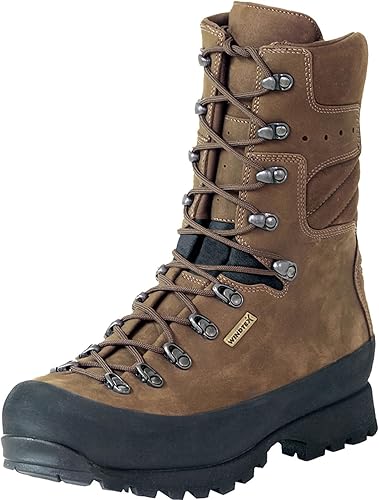 | Kenetrek Mountain Extreme Non-Insulated | Check Price |
Our Top Picks 3  | Kenetrek 8 400G Leather Hunting | Check Price |
Our Selected Top 12 Value Mountain Hunting Boots Worth Your Money
This list features a carefully chosen selection of mountain hunting boots that balance quality and affordability. Each review covers how the boots perform in rugged terrain, who they are best suited for, and highlights their main advantages and drawbacks to help you make an informed decision.
1. Kenetrek Mountain Extreme 400 Insulated Hiking Boots
Kenetrek Mountain Extreme 400 Insulated Hiking Boots deliver serious cold-weather protection, perfect for hunters and hikers tackling fall and winter terrain. Their standout feature is the 400-gram insulation that keeps feet warm during long days in harsh conditions.
Putting these boots on offers a snug, supportive fit thanks to their round toe and block heel design made for uneven mountain trails. Brown color keeps them looking solid and practical. They take some break-in time, but once warmed up, they handle rough footing well without weighing you down too much.
Built tough with durable materials, these boots hold up in rocky environments while maintaining insulation and dryness. Most praise focuses on their warmth and stability on slippery slopes. Some find the weight on the heavier side and note it takes a few uses to soften the leather for comfort.
Warmth and stability get the most credit from people using these boots, especially in challenging fall and winter conditions. The most frequent downside mentioned is the initial stiffness, which means it takes time for the boots to fit comfortably.
Anyone needing insulated boots to keep warm in cold mountain hunts or hikes will appreciate these. Those who want something lighter or ready to wear out of the box might want to explore other options.
Pros
- Excellent insulation for cold weather
- Durable build suitable for rugged terrain
- Solid traction on uneven surfaces
- Supportive block heel for hiking stability
Cons
- Somewhat heavy compared to lighter boots
- Stiff at first, requires break-in period
| Specification | Details |
|---|---|
| Color | Brown |
| Toe Style | Round Toe |
| Boot Form Type | Hiking Boot |
| Heel Type | Block Heel |
| Seasons | Fall, Winter |
| Style Name | Mountain Extreme 400 |
2. Kenetrek Mountain Extreme Non-Insulated Hiking Boots
Mountain hunting calls for boots that feel solid and supportive, especially on rough terrain. Designed for hikers and hunters, these are known for their durability and comfort in all seasons. The biggest selling point is how well they hold up day after day without the bulk of insulation.
Breaking them in is straightforward thanks to the round toe and classic hiking boot form. Putting them on daily reveals a good balance between rugged protection and breathability, ideal for long treks.
The block heel keeps footing secure and steady on uneven trails. Brown color blends well in the wild, fitting the hunting vibe.
Built tough with solid construction, they handle the demands of mountain paths and hunting trips with ease. The lack of insulation can be a downside in cold conditions, but it also means they stay lighter and don’t overheat. Praised most for their fit and durability, some find the boots need time to adjust to their feet.
Durability and comfortable fit are the most praised features, ensuring reliability on tough outings. The main drawback noted is the lack of insulation, which can make them less comfortable in very cold conditions. The boots offer solid protection and grip, well suited for most mountain hunting situations.
Someone looking for sturdy, all-season boots with a traditional fit will appreciate these. Those needing warmth for extremely cold climates might want to look for an insulated alternative.
Pros
- Durable construction for rough mountain terrain
- Comfortable round toe design
- Good traction with block heel
- Suitable for all seasons
Cons
- No insulation, not ideal for coldest weather
- Requires break-in period for best comfort
| Specification | Details |
|---|---|
| Color | Brown |
| Toe Style | Round Toe |
| Boot Form Type | Hiking Boot |
| Heel Type | Block Heel |
| Seasons | All |
| Occasion | Hiking, Hunting |
3. Kenetrek 8 400G Insulated Leather Hunting Boots
Kenetrek 8 400G Insulated Leather Hunting Boots deliver solid warmth and durability for winter mountain hunting. Ideal for those needing reliable insulation and protection, their greatest strength lies in combining waterproof leather with a camouflage design that blends into rugged terrain.
Breaking them in is straightforward thanks to the round toe and low heel support, making long walks easier on the feet. The boots suit cold weather with their 400 grams of insulation, keeping feet warm on frostier hunts.
Daily use involves simple maintenance of the brown camo leather to maintain durability and appearance.
Built as hiking-style boots, they handle rough mountain terrain well, with strong leather resisting wear. The insulation does a good job against winter chill, but some note the boots can feel a bit heavy during extended treks.
Most praise their effective warmth, while complaints often mention the weight and break-in period.
The warmth from the 400G insulation is highly effective against winter cold. Comfort improves significantly after breaking them in, but the initial stiffness and weight can be noticeable on longer days.
Hunters needing durable, insulated boots for cold mountain conditions will appreciate these. Those prioritizing lightweight footwear or needing immediate comfort may want to consider lighter options.
Pros
- Warm insulation suitable for cold weather
- Durable waterproof leather construction
- Camouflage pattern blends into natural surroundings
- Low-heel design supports extended walking
Cons
- Boots can feel heavy during long treks
- Requires some break-in for comfort
| Specification | Details |
|---|---|
| Color | Brown Camo |
| Toe Style | Round Toe |
| Boot Form Type | Hiking Boot |
| Heel Type | low-heel |
| Seasons | Winter |
| Pattern | Camouflage |
4. ROCKY Retraction Waterproof 800G Insulated Boot

Designed with Realtree Xtra pattern and waterproof construction, these boots suit hunters who need reliable insulation and weather resistance in rugged conditions. The 800G insulation stands out as the key feature, keeping feet warm during cold, wet hunts without compromising comfort.
Slip-on ease and a round toe add to everyday convenience, especially during long outings. The Western heel offers solid support for uneven terrain. These boots work all seasons, making them versatile for varied hunting schedules.
The Realtree Xtra camo helps blend into natural surroundings effectively. Easy to pair with casual wear when off the mountain.
Performance on rough trails is strong due to solid waterproofing and thick insulation. The boot form offers a work boot structure that holds up well against wear.
Most appreciate how warm and protective the boots feel, although some find them a bit stiff at first. They deliver dependable durability but require some break-in time for optimum comfort.
The boots receive strong praise for their warmth and waterproof protection, important qualities for mountain hunting. A common drawback mentioned is the stiffness when new, which means initial discomfort but better fit over time.
Hunters prioritizing warmth, durability, and camouflage will find these boots a solid choice. Those needing immediate soft comfort or lightweight options might consider other models better suited to those preferences.
Pros
- Waterproof design suitable for wet conditions
- 800G insulation keeps feet warm in cold weather
- Western heel supports stability on uneven ground
- Realtree Xtra camo blends well into natural environments
Cons
- Boots require a break-in period to soften up
- May feel stiff when first worn
| Specification | Details |
|---|---|
| Color | Realtree Xtra |
| Toe Style | Round Toe |
| Boot Form Type | Work Boot |
| Heel Type | Western Heel |
| Seasons | All |
| Pattern | REALTREE XTRA |
5. XPETI Thermator Mid-Rise Insulated Hiking Boots

Camouflage design stands out as a solid choice for anyone wanting boots that blend into the wilderness. Thermator Mid-Rise Insulated Hiking Boots suit hunters and hikers who need reliable warmth and decent grip without fuss. Its biggest strength lies in balancing insulation and comfort for cold weather outings.
Lacing up is straightforward and the mid-rise cut offers good ankle support without feeling too restrictive. Flat heels help keep stable footing on uneven ground, while the insulated interior keeps feet warm through variable temperatures. Being a hiking boot, it feels versatile enough for steep climbs or long walks.
The boots handle rough terrain well and keep feet warm during chilly hunts. Construction uses a round toe for extra room, and the camouflage pattern matches natural surroundings nicely.
Most find them warm and comfortable, though some mention the fit can feel a bit tight during long use.
Many praise the warmth and true-to-size fit, alongside the camouflage helping stay unseen. Some find the tight fit a drawback on longer hikes or swollen feet days. Performance shines in cold but less so on very wet terrain.
Anyone needing warm, supportive boots for mixed mountain terrain will appreciate these. Users requiring wider fits or more waterproofing might want to consider other options that better match those needs.
Pros
- Good insulation keeps feet warm in cold weather
- Camouflage blends well in hunting environments
- Flat heel provides stable footing on uneven ground
- Round toe allows comfortable toe movement
Cons
- Fit feels tight for some users during extended wear
- Not specialized for extremely wet conditions
| Specification | Details |
|---|---|
| Color | Camouflage |
| Toe Style | Round Toe |
| Boot Form Type | Hiking Boot |
| Heel Type | Flat |
| Pattern | Camouflage |
| Style Name | Hiking Boots |
| Occasion | Hiking |
6. Kenetrek Mountain Extreme 1000 Insulated Hiking Boots

Ideal for mountain hunting in cold weather, these boots offer dependable insulation and durability far beyond typical hiking footwear. Anyone spending long hours in fall and winter conditions will appreciate the warmth and tough construction that justify choosing them over cheaper alternatives.
Putting them on is straightforward with their round toe and block heel design that keeps the fit steady over uneven terrain. The solid brown leather resists wear and suits tracking in rugged environments. Wearing them daily means dealing with a heavier, insulated build crafted to keep feet comfortable during long outings and tough climbs.
These boots perform well in cold mountain conditions, holding up to the rough challenges encountered on hunting trails. Built as hiking boots with serious insulation, they remain reliably warm and offer decent ankle support.
The most commonly mentioned downside is their weight, which can feel cumbersome during extended wear, although many praise their toughness under harsh conditions.
Most users highlight the insulated build as effective for keeping feet warm in freezing mountain conditions. Weight is frequently noted as a downside, making the boots feel bulky during long days on foot.
Those seeking sturdy, cold-weather hiking or hunting footwear will find these boots suitable. Anyone prioritizing lightweight boots for speed or summer use should look for a different option.
Pros
- Reliable insulation for cold weather
- Durable leather construction
- Comfortable round toe fit
- Stable block heel for rough terrain
Cons
- Boots can feel heavy after long wear
- Limited to fall and winter use only
| Specification | Details |
|---|---|
| Color | Brown |
| Toe Style | Round Toe |
| Boot Form Type | Hiking Boot |
| Heel Type | Block Heel |
| Seasons | Fall, Winter |
| Style Name | Mountain Extreme 1000 |
7. Danner Mountain 600 Hiking Boots

Long hikes across rocky, steep terrain call for boots that can handle rough conditions without breaking the bank. Danner Mountain 600 Hiking Boots fit this need well, offering durability and comfort for mid-season to all-year use.
Their biggest strength lies in balancing good protection with a soft toe design, making them versatile for various mountain adventures.
Breaking in feels straightforward thanks to their snug fit that molds to your foot over time. The solid chocolate chip and golden oak colors blend well with outdoor gear. They work best on hiking trails and rougher ground with their hiking boot form and no-heel style that supports natural foot movement.
Cleaning and upkeep are simple, as the solid pattern hides dirt and the materials are easy to wipe down.
These boots perform admirably for mountain hikes, providing a sturdy base without the bulk of heavier boots. The build quality reflects Danner’s reputation for resilience and comfort.
A frequently praised aspect is their all-season flexibility, adapting well to different climates. The main complaint revolves around the lack of a reinforced toe, which some might miss for rougher or more rock-heavy conditions.
Great feedback highlights these boots’ all-season versatility and comfort on long hikes. The common issue is the absence of a reinforced toe, which could be a deal-breaker in more extreme, rocky environments.
Anyone looking for durable, comfortable boots for general mountain hiking will appreciate these, especially in mild to moderate conditions. Those needing maximum toe protection or gearing up for very tough terrain might want to explore other options.
Pros
- Comfortable soft toe for natural foot movement
- Suitable for all seasons and varied weather conditions
- Simple maintenance with solid color pattern
- No heel design for better stability on uneven paths
Cons
- No reinforced toe for extra protection
- May feel less sturdy for extremely rugged terrain
| Specification | Details |
|---|---|
| Color | Chocolate Chip/Golden Oak |
| Toe Style | Soft Toe |
| Boot Form Type | Hiking Boot |
| Heel Type | No Heel |
| Seasons | All |
| Style Name | Mountain 600 4.5″ Mens |
8. ROCKY MTN Stalker Pro Waterproof Insulated Hiking Boots

Staying dry and warm matters most, especially with waterproof and insulated features designed for all seasons. These boots suit anyone tackling mountain hunting where weather can change fast. Brown and black colors keep them versatile, while the narrow toe style fits snugly for precision and support.
Putting on these boots is straightforward, and their block heel helps with balance on uneven ground. The work boot form offers sturdy protection during long hikes or rough terrain. Waterproofing keeps your feet dry in wet conditions, while insulation provides warmth without bulk.
Expect these boots to handle daily wear, from wet trails to rocky climbs, keeping comfort near the top of the list.
The main job of protecting your feet against water and cold is done well. Construction feels solid, especially with the narrow toe giving a secure fit. Some praise the insulation’s warmth, while the most frequent complaint involves the boots feeling a bit stiff initially.
Once broken in, they perform reliably for various outdoor tasks.
The boots are praised for their warmth and reliable waterproofing, making them dependable in various weather conditions. Users often mention that the break-in period can be a challenge, especially because of the initial stiffness and narrow toe design.
Anyone needing durable, warm, and waterproof boots for serious mountain hunting will appreciate these. People with wider feet or those looking for an instantly comfortable fit might want to explore other options with more room or softer materials.
Pros
- Waterproof to keep feet dry in wet conditions
- Insulated for warmth across all seasons
- Narrow toe for secure, precise fit
- Sturdy block heel for better stability
Cons
- Initial stiffness requires break-in period
- Narrow fit might not suit wider feet
| Specification | Details |
|---|---|
| Color | Brown Black |
| Toe Style | NARROW |
| Boot Form Type | Work Boot |
| Heel Type | Block Heel |
| Seasons | All |
| Style Name | Rks0529 |
9. MUCK Mossy Oak Break up Country Woody Max Boot

Hunters who spend fall days in rugged, wet terrain will appreciate these boots built for tough outdoor use. The biggest strength lies in their camouflage design paired with a practical work-boot structure that keeps feet dry and supported while blending into natural surroundings.
Putting these boots on is straightforward with their round-toe, slip-on style that feels comfortable during long hikes or stands. The absence of a heel makes walking across uneven surfaces stable, and their casual look lets you wear them off the trail too.
The Mossy Oak pattern makes them a quiet choice for moving through the woods unnoticed.
Designed as a fall season boot, they handle moisture and temperature changes well. The build focuses on durability and traction, suitable for country environments.
Most users praise how well they keep feet dry and comfy. Common complaints include a bit of heaviness and sizing quirks that require trying on before buying.
Most users notice the boots effectively keep feet dry during wet conditions, with strong camouflage that blends well into woodland settings. Common issues revolve around slight heaviness and a need for careful sizing before purchase.
Hunters focused on fall outings needing dependable waterproof boots will find these a solid choice. Those wanting minimal weight or a more precise fit might look for alternatives offering lighter materials or varied sizing options.
Pros
- Camouflage fits natural terrain well
- Waterproof and comfortable for fall hunting
- Round toe offers extra room
- No heel improves stability on uneven ground
Cons
- Can feel heavy after all-day wear
- Sizing may be inconsistent across pairs
| Specification | Details |
|---|---|
| Color | Mossy Oak |
| Toe Style | Round Toe |
| Boot Form Type | Work Boot |
| Heel Type | No Heel |
| Seasons | Fall |
| Pattern | BROWN |
10. ROCKY Sport Pro Insulated Hunting Boots

Rocky Sport Pro Insulated Hunting Boots stand out for their camouflage pattern and all-season versatility, making them ideal for hunters who need reliable footwear in various weather conditions. Their biggest strength lies in the blend of comfort and rugged design fit for rough terrain.
Putting them on feels straightforward due to the round toe and work boot style that provides plenty of room without feeling bulky. The absence of a heel delivers a stable, flat footing that’s practical when trekking rocky trails. Wearing them for long hikes is comfortable thanks to the balanced fit, and the mossy oak pattern keeps you hidden in natural surroundings.
They are easy to maintain after use in muddy or wet conditions.
Performance-wise, these boots handle well on uneven ground and hold up through different seasons. The sturdy build supports extended use without breaking down quickly.
One of the biggest compliments is about how well they keep feet warm while not overheating. Some users note the lack of a pronounced heel can reduce grip on very steep slopes. The boots are solid for most mountain hunting needs.
The most noted strength of these boots is how well they maintain warmth without getting too hot during physical activity. On the downside, the flat heel design can feel less secure on steep or slippery inclines, especially when compared to boots with more aggressive tread profiles.
Hunters looking for a durable, all-season boot with good camouflage and steady comfort will find these fit the bill. Those needing extra ankle support or enhanced grip for steep mountain terrain might want to consider options with different sole and heel designs.
Pros
- Camouflage pattern suits hunting environments
- Comfortable round toe allows natural foot movement
- Suitable for all seasons and rough terrain
- Flat sole provides stable footing
Cons
- No heel reduces traction on steep slopes
- Less ankle support compared to some hunting boots
| Specification | Details |
|---|---|
| Color | Mossy Oak Break Up Country |
| Toe Style | Round Toe |
| Boot Form Type | Work Boot |
| Heel Type | No Heel |
| Seasons | All |
| Pattern | MOSSY OAK BREAK UP COUNTRY |
11. Guide Gear Monolithic Extreme Waterproof Insulated Hunting Boots

Guide Gear Monolithic Extreme Waterproof Insulated Hunting Boots offer solid warmth and reliable protection during cold winter hunts. Suited for those who prioritize insulation and waterproofing in rugged, outdoor environments, these boots keep feet dry and comfortable even in tough conditions.
Putting them on, you’ll notice the flat heel and a plain toe design that doesn’t interfere with movement on uneven terrain. The Mossy Oak Country Roots camo pattern blends well with natural surroundings, making them good for hunters wanting low visibility.
Daily use involves trekking through snow and damp spots where insulation and waterproof features come into play heavily.
Built for winter, these boots do a good job keeping feet insulated and protected against moisture. The materials hold up well under wet and cold conditions, while the design focuses on comfort and practicality rather than flashy details.
One of the best parts is their reliable water resistance, though some users might find the boot less breathable.
The boots are praised for their ability to keep feet warm and dry thanks to good insulation and waterproof materials. Some find breathability lacking, which can lead to discomfort during longer outings.
People who spend extended time in cold, wet conditions needing warmth and waterproofing will appreciate these boots. Those requiring more toe protection or air circulation might want to consider different options.
Pros
- Strong waterproofing for wet conditions
- Effective insulation for cold weather
- Flat heel for stable footing
- Camouflage pattern suitable for hunting
Cons
- Limited breathability during extended wear
- Plain toe may feel less protective in rough terrain
| Specification | Details |
|---|---|
| Color | Mossy Oak Country Roots |
| Heel Type | Flat |
| Toe Style | Plain Toe |
| Occasion Lifestyle | Outdoor |
| Pattern | Camouflage |
| Seasons | Winter |
12. Hunthor 800G Waterproof Insulated Hunting Boots

Hunthor 800G Waterproof Insulated Hunting Boots feel sturdy and reliable for winter hunting trips. Perfect for those who need warmth and waterproofing on rough, cold terrain.
Their biggest strength lies in balancing insulation with weather protection, making them solid for prolonged outdoor use during chilly months.
Slipping into these boots is straightforward thanks to their closed-toe hiking boot design that fits snugly. The Next Camo G2 pattern is subtle but effective for blending into forested environments. They’ve got a platform heel that offers good grip and stability when you’re hiking over uneven ground.
Daily clean-up involves brushing off dirt and moisture, which the materials handle well without showing wear.
Built tough to keep feet dry and insulated, the boots perform well in cold, wet conditions. The camouflage style suits hunting needs without compromising on comfort or safety.
Most praise focuses on how well they keep feet warm without feeling heavy. On the flip side, some mention the break-in period can feel a bit stiff before the material loosens up.
The boots receive strong praise for keeping feet warm and dry during cold, wet conditions, making them dependable for winter hunting. Common feedback points out that they feel stiff at first and need time to soften up.
Anyone needing proven insulation and waterproofing on challenging terrain will appreciate these boots. Those who prioritize lightweight footwear or want immediate softness might look for alternatives that fit those needs better.
Pros
- Warm insulation suitable for cold weather
- Waterproof material keeps feet dry
- Stable platform heel for rough terrain
- Effective camouflage for hunting
Cons
- Initial stiffness requires break-in period
- Heavier compared to lightweight hiking boots
| Specification | Details |
|---|---|
| Color | Next Camo G2 |
| Toe Style | Closed Toe |
| Boot Form Type | Hiking Boot |
| Heel Type | Platform Heel |
| Seasons | Winter |
| Pattern | Camouflage |
Best Value Mountain Hunting Boots Comparison Table
| Product | Occasion | Seasons | Toe Style | Heel Type |
|---|---|---|---|---|
| Kenetrek Mountain Extreme 400 | Hiking, Hunting | Fall, Winter | Round Toe | Block Heel |
| Kenetrek Mountain Extreme Non-Insulated | Hiking, Hunting | All | Round Toe | Block Heel |
| Kenetrek 8 400G Leather Hunting | – | Winter | Round Toe | low-heel |
| ROCKY Retraction Waterproof 800G | Casual | All | Round Toe | Western Heel |
| XPETI Thermator Mid-Rise | Hiking | – | Round Toe | Flat |
| Kenetrek Mountain Extreme 1000 | Hiking, Hunting | Fall, Winter | Round Toe | Block Heel |
| Danner Mountain 600 | hiking | All | Soft Toe | No Heel |
| ROCKY MTN Stalker Pro | Casual | All | NARROW | Block Heel |
| MUCK Mossy Oak Woody Max | Casual | Fall | Round Toe | No Heel |
| ROCKY Sport Pro Insulated | Casual | All | Round Toe | No Heel |
| Guide Gear Monolithic Extreme | Outdoor | Winter | Plain Toe | Flat |
| Hunthor 800G Waterproof | Hunting | Winter | Closed Toe | Platform Heel |
- OccasionHiking, Hunting
- SeasonsFall, Winter
- Toe StyleRound Toe
- Heel TypeBlock Heel
- OccasionHiking, Hunting
- SeasonsAll
- Toe StyleRound Toe
- Heel TypeBlock Heel
- Occasion–
- SeasonsWinter
- Toe StyleRound Toe
- Heel Typelow-heel
- OccasionCasual
- SeasonsAll
- Toe StyleRound Toe
- Heel TypeWestern Heel
- OccasionHiking
- Seasons–
- Toe StyleRound Toe
- Heel TypeFlat
- OccasionHiking, Hunting
- SeasonsFall, Winter
- Toe StyleRound Toe
- Heel TypeBlock Heel
- Occasionhiking
- SeasonsAll
- Toe StyleSoft Toe
- Heel TypeNo Heel
- OccasionCasual
- SeasonsAll
- Toe StyleNARROW
- Heel TypeBlock Heel
- OccasionCasual
- SeasonsFall
- Toe StyleRound Toe
- Heel TypeNo Heel
- OccasionCasual
- SeasonsAll
- Toe StyleRound Toe
- Heel TypeNo Heel
- OccasionOutdoor
- SeasonsWinter
- Toe StylePlain Toe
- Heel TypeFlat
- OccasionHunting
- SeasonsWinter
- Toe StyleClosed Toe
- Heel TypePlatform Heel
How to Choose the Right Mountain Hunting Boots
Focus on durability, comfort, and waterproofing when selecting mountain hunting boots, as these factors ensure long-lasting use and protect your feet in rugged terrain. Choosing the right fit and support prevents injuries and costly replacements, ultimately saving both money and trouble during your hunts.
Fit and Comfort
Mountain terrain quickly exposes any shortcomings in fit and comfort. A boot that is too tight or too loose results in painful hotspots and blisters after just a few miles. Proper sizing must consider both length and width to accommodate foot swelling and socks.
Boots designed with adequate cushioning and reliable arch support ease the pressure on uneven ground, preventing sore feet and fatigue during extended wear.
Breathability is another key factor often overlooked. Materials that trap moisture inside create the perfect environment for blisters. Boots featuring moisture-wicking linings or mesh panels help keep feet dry by promoting airflow.
Aim for boots with moderate cushioning thickness and firm arch inserts to maintain comfort without sacrificing support.
Durability and Materials
Rugged environments demand boots made from tough materials; otherwise, they wear out quickly or let water seep in. Waterproof membranes combined with abrasion-resistant uppers ensure that boots hold up against rocks, mud, and water exposure. Cheap synthetics often fail after a handful of uses, while genuine leather or high-grade synthetics provide better longevity.
The sole’s construction impacts both traction and durability. Rubber outsoles with good lug depth resist wear and provide grip on slippery terrain.
Reinforcements at high-stress locations like the toe and heel also prevent early damage. Boots featuring sturdy stitching or bonded seams last longer than glued-only versions under harsh conditions.
Traction and Stability
Traction is everything on slippery, uneven mountain surfaces. Soles with aggressive, multidirectional lugs grip better on wet rocks and loose soil alike.
A too-flexible sole leads to instability, whereas a sole that is stiff but allows some forefoot bend offers a good mix of support and maneuverability during climbs and descents.
Ankle support reduces the risk of sprains when negotiating uneven ground full of roots and boulders. High-cut boots with firm padding around the ankle keep the foot stable without limiting movement entirely.
Look for boots with reinforced ankle collars and adjustable lacing systems that lock the heel securely in place.
Weight and Mobility
The difference in boot weight becomes noticeable after several hours on the trail. Heavy boots cause leg fatigue and reduce speed, which cuts into hunting productivity.
Lightweight designs that use durable synthetic materials rather than thick leather help maintain energy levels and keep foot movement natural.
Boots that allow flexibility in the toe box and midsole facilitate better balance and quicker footing adjustments. This agility is crucial when climbing steep slopes or moving quietly through rocky paths. Choosing a boot under 3 pounds per pair often strikes a practical balance between durability and weight.
Noise Level
Quiet boots contribute significantly to stealth, especially when every sound can alert nearby game. Soft materials like nubuck leather or nylon with minimal overlays reduce rustling noise.
Soles with forgiving rubber compounds and tread patterns that don’t clack on rocks also help keep steps silent.
Construction techniques making fewer pointy edges and avoiding unnecessary metal hardware limit noise generation. Boots with padded tongues and snug fits prevent subtle shifting and rubbing sounds during movement.
Prioritizing quietness can mean the difference between a successful approach and spooked animals.
Essential Safety Tips for Mountain Hunting Boots in Rugged Terrain
Good traction is crucial for mountain hunting boots, especially in rugged terrain where slipping can lead to serious injury. Look for outsoles with deep lugs and durable rubber compounds that provide grip on wet rocks and loose dirt. Waterproofing also plays a key role for safety.
Boots made with breathable membranes keep feet dry from external moisture without causing overheating. This reduces the risk of blisters and fungal infections during long treks.
Additional safety considerations include:
- Proper ankle support to prevent twists on uneven ground.
- Insulated linings for colder climates to avoid frostbite and maintain comfort.
- Sturdy toe caps for protection against bumps and falls.
Prioritize fit as well; boots that are too loose or tight can cause foot fatigue, increasing the chance of accidents. Well-chosen mountain hunting boots balance protection with mobility needed for challenging environments.
How to Properly Maintain and Extend the Life of Your Hunting Boots
Cleaning your hunting boots after each trip helps preserve their materials. Use a soft brush to remove dirt and mud, avoiding harsh chemicals that can degrade waterproofing treatments.
Air dry boots away from direct heat sources to prevent cracking in leather or synthetic fabrics.
Here are ways to extend boot life:
- Apply waterproof conditioners periodically to maintain water resistance, especially on leather boots.
- Re-sole worn-out outsoles to restore traction instead of replacing the whole boot.
- Store boots in a cool, dry place with good ventilation to reduce mold growth and material breakdown.
Regular inspections for loose stitching or worn eyelets help catch small problems before they become bigger issues. Proper maintenance reduces the need to replace boots frequently, saving cost without sacrificing reliability.
Comparing Mountain Hunting Boots to Alternative Outdoor Footwear Options
Mountain hunting boots differ from hiking boots and general outdoor shoes in their focus on durability and foot protection. They typically feature thicker soles and higher ankle support to tackle rough, rocky terrain where twisting an ankle is a serious risk.
In contrast:
- Hiking boots often prioritize lighter weight and breathability for long-distance comfort on established trails.
- Trail running shoes trade protection for speed and flexibility, which may not be suitable for heavy brush or slippery slopes.
- Standard outdoor shoes usually lack the aggressive tread and waterproofing necessary for mountain conditions.
Choosing mountain hunting boots involves accepting a slightly heavier, bulkier product for better safety and durability. The specialized design helps in environments where stability and protection outweigh the benefits of lighter footwear.
People Also Asked
How Do I Properly Break in Mountain Hunting Boots?
Start breaking in mountain hunting boots by wearing them around the house for short periods before longer trips. It is helpful to use thicker socks during this process to mimic actual hunting conditions and prevent blisters later on.
What Size Mountain Hunting Boots Should I Buy for Thick Socks?
Choose mountain hunting boots one size larger than your regular shoe size when planning to wear thick socks. This extra space prevents tightness and allows better circulation during long hikes.
Are Mountain Hunting Boots Compatible with Crampons or Snowshoes?
Many mountain hunting boots work with crampons and snowshoes, but check if the boot has stiff soles and attachment points. Flexible boots often do not secure crampons well, causing discomfort and safety issues.
How Long Do Mountain Hunting Boots Usually Last with Regular Use?
Mountain hunting boots typically last about three to five years with regular use, depending on the terrain and care. Regularly cleaning and waterproofing them extends their service life significantly.
What Common Problems Occur with Mountain Hunting Boots in Wet Conditions?
Common problems in wet conditions include water seepage through seams and faster sole wear. Applying a waterproofing treatment and ensuring proper drainage in your boots helps reduce these issues.
Conclusion
Durability, traction, and comfort matter most when choosing mountain hunting boots. The boots need to handle rough terrain without wearing out quickly.
Good grip prevents slips on rocky surfaces, and comfortable fit keeps your feet steady during long hikes.
Consider how often you will use the boots and your budget before making a choice. Matching your pick to your hunting conditions saves money and effort in the long run. Take another look at the comparison table and detailed reviews to find the boots that fit your needs best.