Top 12 Best Viewing Scope for Horticulture You Need Now
Many gardeners and horticulturists know the frustration of using a viewing scope that distorts detail or is too cumbersome to handle for extended periods. The best viewing scope for horticulture allows close, clear inspection of plants to monitor growth, spot pests, and check for diseases. A poorly chosen scope often sacrifices clarity or comfort, making detailed observation difficult or tiring, which defeats its main purpose.
Durability and optical quality are key for a good horticultural scope. Lenses should have at least 10x magnification with minimal distortion and proper coatings to reduce glare. A lightweight metal or sturdy plastic body makes the scope easier to hold steady during use.
A well-fitted eyepiece with a rubber rim helps protect the eyes and improves focus while the design should allow straightforward cleaning to prevent debris buildup from garden dust or moisture.
Need a Quick Check?
| Image | Product | Price |
|---|---|---|
Our Top Picks 1  | Endoscope Camera HD | Check Price |
Our Top Picks 2 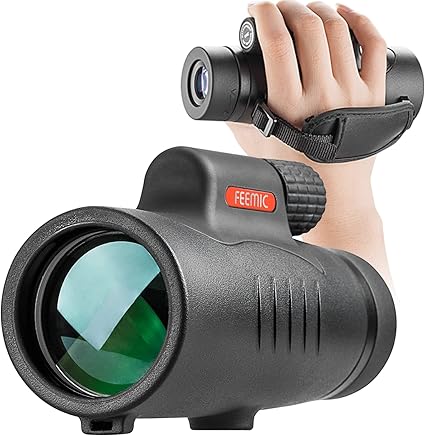 | 8×42 Waterproof Monocular | Check Price |
Our Top Picks 3  | DiamondEdge 25-75×80 Scope | Check Price |
Our Selected Top 12 Viewing Scope for Horticulture Worth Your Money
This list features carefully chosen viewing scopes ideal for horticulture enthusiasts, highlighting their performance, suitability, and key advantages and disadvantages. Each review provides clear insights to help you find the right tool for your specific gardening or plant observation needs.
1. Endoscope Camera 1920P HD Borescope
Compact and lightweight with a 7.9mm ultra-thin probe, the Endoscope Camera 1920P HD Borescope suits anyone needing detailed views in narrow or hard-to-reach spots. Its standout feature is the high-resolution 1920×1440 video capture that clearly reveals even tiny cracks or leaks inside pipes or walls.
Setup involves downloading an app and connecting the camera directly to a smartphone via Type-C, Micro-USB, or Lightning adapter. Day-to-day use is straightforward, no pairing or lag, and real-time images display instantly.
The 16.4ft semi-rigid cable holds its shape well, letting you snake around corners without much hassle while the waterproof probe adds durability for wet environments.
Performance-wise, the camera delivers clear, sharp images and video with an automatic exposure system that adjusts well in different lighting conditions. The semi-rigid cable and waterproof design make it reliable in tight, damp spots.
The strongest praise highlights its easy connectivity and clear visuals. Most mention that the 2.77-megapixel still resolution can feel modest compared to dedicated cameras.
The product’s main benefits include a clear real-time video feed and an easy connection to smartphones. On the flip side, many find the still photo quality limited due to its 2.77-megapixel resolution, which can feel low for detailed close-up shots.
People needing quick, clear views into tight, damp spots using their phone will find this endoscope practical and easy. Those wanting high-quality still images or who don’t want to deal with adapters might look for something different.
Pros
- Ultra-thin 7.9mm probe for tight spaces
- Easy plug-and-play with phones
- IP67 waterproof for wet conditions
- Long 16.4ft cable holds shape well
Cons
- Still images at lower 2.77 mp resolution
- Requires specific adapters for some phones
| Specification | Details |
|---|---|
| Video Capture Resolution | 1440p |
| Effective Still Resolution | 2.77 mp |
| Cable Length | 16.4ft Semi-Rigid |
| Water Resistance Level | Waterproof (IP67) |
| Compatible Devices | Smartphone |
2. Monocular Telescope 8×42 Waterproof
Impressive clarity and an 8X magnification make this monocular telescope ideal for anyone needing a sharp, wide-angle view, especially in horticulture. Its standout feature is the high-quality optics combined with a waterproof and shockproof design that holds up well in outdoor settings.
Setup is straightforward since the manual focus allows precise control, which is great when examining plants up close or from a distance. The rubber exterior offers a comfortable grip and extra protection. It also includes a lens dust cover to keep debris off during daily use, which is helpful when working in dusty garden environments.
The viewing experience delivers crisp details thanks to fully multi-coated glass and a BAK-4 prism. It handles moisture and fog effectively, so image quality stays consistent even after rain or humidity.
Reviews often praise the durability and clear optics, though some mention the manual focus can take a moment to adjust perfectly.
Many find the optics impressively detailed and reliable even in poor weather, appreciating the waterproof and dustproof features. A common downside is the manual focus, which some find a bit fiddly to get just right quickly.
Anyone seeking a sturdy monocular for rainy or dusty outdoor horticulture work will appreciate this model. Those wanting quicker autofocus or variable zoom may prefer other options better suited for fast adjustments or different magnifications.
Pros
- Clear and wide-angle HD view
- Shock-resistant rubber finish
- Waterproof, fogproof, and dustproof
- Compatible with smartphone and camera
Cons
- Manual focus adjustment can be slow
- No built-in zoom aside from 8X
| Specification | Details |
|---|---|
| Magnification | 8X |
| Objective Lens Diameter | 42mm |
| Field Of View | 360ft/1000yards |
| Focus Type | manual focus |
| Coating | Fully Multi-Coated |
| Waterproof | Yes, Nitrogen-filled |
3. DiamondEdge 25-75×80 Spotting Scope
Ideal for horticulture enthusiasts who need sharp detail at varied distances, the DiamondEdge 25-75×80 Spotting Scope stands out with its versatile magnification range and bright image clarity. Its biggest strength lies in combining a wide field of view with excellent color accuracy, making it useful when studying plants closely in natural light.
Setting up is straightforward thanks to a tripod-compatible mount and manual focus dial that allows precise adjustments. The large 80mm objective lens captures enough light during early mornings or cloudy days. Integrated phone holder makes capturing images of specimens easier, and the reflex finderscope helps pinpoint details quickly.
This scope does not require any power source, simplifying field use.
Performance impresses with crisp visuals across the full 25–75x magnification range. The multi-coated BAK4 prism optics provide clear and bright images, helping you spot fine leaf structures or small pests.
The build is solid and reliable, designed to handle outdoor conditions. Most users appreciate its image quality, but some mention that manual focus takes a bit of getting used to for fast-moving subjects.
The scope’s standout feature is its ability to deliver bright, detailed images at high magnification, praised widely by those focusing on plant details. Users note the manual focus can be a bit slow when trying to track moving targets or quickly refocus between subjects.
Gardeners or botanists who need clear, close-up views with photographic options will find this scope very satisfying. Those wanting a lighter, more compact model for quick hikes or casual use may want to consider alternatives with simpler focusing systems.
Pros
- Wide 25-75x zoom for close or distant viewing
- Bright images with multi-coated BAK4 prism
- Large 80mm lens captures plenty of light
- Integrated phone holder for easy specimen photos
Cons
- Manual focus requires practice for quick adjustments
- Heavier than some smaller spotting scopes
| Specification | Details |
|---|---|
| Eye Piece Lens Description | Bak4 Prism System |
| Magnification | 25-75x |
| Objective Lens Diameter | 80mm |
| Focus Type | Manual Focus |
| Field Of View | 98 feet |
| Mount | Tripod Mount Compatible |
4. 25-75×100 Spotting Scope with Tripods

Spotting scopes are perfect for getting a close look at plants and flowers from a distance without disturbing them. Ideal for gardeners or horticulture enthusiasts, this scope shines with its large 100mm lens that grabs plenty of light for bright, clear views.
Its biggest advantage is the range of magnification, from 25x to 75x, making it easy to zoom in on fine details in the garden.
Setup is simple thanks to two tripods – a desktop version and a taller extendable one – letting you choose the best height and stability for your viewing spot. The 45-degree angled eyepiece helps keep neck strain low during long sessions.
Manual focus allows quick adjustments, and the included phone adapter lets you capture images straight through the scope, which is surprisingly handy for sharing plant progress or spotting pests.
Using it day or night, the fully multi-coated lens with BAK4 prism keeps the image crisp and clear, even when light fades. The body feels solid with rubber armor for grip and the sunshade cuts glare nicely. Waterproofing adds confidence for outdoor use in varying conditions.
Most praise centers on lens clarity and versatile tripod options, while a few mention the manual focus takes some getting used to.
Two tripods come with the spotting scope, including a small desktop tripod and a taller, extendable one for different uses. A fully multi-coated 100mm lens with BAK4 prisms helps show clear images, even when light is low. The field of view covers 123 to 63 feet per 1000 yards. Cleaning cloth and protective covers are also included for maintenance.
Gardeners and horticulture enthusiasts will appreciate the clear views of plants and wildlife at various distances. People needing something lighter or more compact might find the scope bulky, and those wanting extreme zoom without extra support should consider a different model. It works best on a stable surface with the included tripods.
Pros
- Comes with two tripods for flexible use
- Fully multi-coated 100mm lens for bright images
- Phone compatibility for easy photo and video capture
- IPX7 waterproof rating for outdoor durability
Cons
- Manual focus requires practice for sharpness
- Larger size can be less portable for quick trips
| Specification | Details |
|---|---|
| Power Source | Manual |
| Coating | Fully Multi-Coated |
| Mount | Tripod mount with manual pan-tilt head and quick-release plate |
| Eye Piece Lens Description | 45-degree angled zoom eyepiece |
| Compatible Devices | Smartphone |
| Magnification | 25-75x |
5. Skybasic Wireless Digital Microscope

1920×1080 resolution and wireless connectivity make the Skybasic Wireless Digital Microscope great for horticulture enthusiasts wanting detailed close-ups of plants on their smartphones or computers. It fits well for anyone needing clear images without fussing over tangled cables, especially for mobile use in gardens or greenhouses.
Connecting the microscope to your phone or computer is straightforward by linking to its WiFi hotspot or plugging in through USB. The 8 adjustable LED lights brighten the smallest details, letting you adjust brightness for different plant textures. Taking photos or videos requires pressing just one button on the device or using an app, making capturing moments simple during your daily plant inspections.
Image quality stands out with sharp and clear visuals, especially on phones displaying full 1080P HD. The compact and handheld design feels durable enough for regular use outdoors but some mention occasional WiFi connection hiccups.
The one-button capture feature gets praised for convenience, while minor setup glitches or the lower 720P quality on computers come up as the main drawbacks.
Many find that the sharp 1080P images and easy one-button capture make plant examination enjoyable and simple, yet some report that the WiFi connection isn’t always stable, which can interrupt workflow.
People working mostly with smartphones or who prioritize portable use will appreciate this microscope. Those needing consistently high image quality on a computer or a fully stable wireless connection might want to explore other options.
Pros
- Wireless connection to smartphones and computers
- 8 adjustable LED lights for clear detail
- High resolution images on mobile devices
- One-button photo and video capture
Cons
- 720P resolution on computers is lower quality
- WiFi connection can occasionally be unreliable
| Specification | Details |
|---|---|
| Model Name | RM |
| Brand | SKYBASIC |
| Resolution | 1920×1080 (smartphone), 720P (computer) |
| Connectivity | WiFi and USB |
| LED Lights | 8 adjustable lights |
6. SVBONY SV28 25-75×70 Spotting Scope

Perfect for beginners and novice horticulture enthusiasts, this spotting scope offers strong zoom capabilities with easy focusing. Its main strength lies in the 25-75x zoom and large 70mm lens, making it ideal for detailed views of plants and landscapes in natural outdoor settings.
Setting up involves attaching the scope to a tripod or camera mount using its equatorial mount. The manual focus makes fine adjustments straightforward, while the built-in extendable sunshade helps reduce glare during bright days.
The zoom eyepiece allows quick changes between magnifications without fuss, which comes in handy when observing different distances. The non-slip, waterproof finish adds confidence during use in damp or unpredictable weather.
The scope performs well at pulling in light, thanks to the 70mm lens, making detailed viewing easier. The field of view covers 64 feet, which is a comfortable range for observing plants closely.
Its build feels solid, featuring a smooth yet firm grip thanks to the uniform coating. A commonly noted downside is that the manual focus requires patience to dial in perfectly. The waterproof feature is appreciated for durability in outdoor conditions.
The large 70mm lens and wide zoom range stand out by providing clear and detailed images when viewing plants or distant subjects. Many appreciate the waterproof, non-slip design that helps protect it during outdoor use. However, some find the manual focus requires patience to get a sharp picture.
People new to spotting scopes or those wanting solid zoom for horticulture will enjoy this model. Users needing quick autofocus or very lightweight gear might want to consider other options.
Pros
- Wide zoom range from 25x to 75x
- Large 70mm lens for better light gathering
- Waterproof with non-slip finish
- Extendable sunshade reduces glare
Cons
- Manual focus requires careful adjustment
- Can feel heavy during extended handheld use
| Specification | Details |
|---|---|
| Zoom Ratio | 3:1 |
| Field Of View | 64 feet |
| Focal Length Description | 380 millimeters |
| Mount | Equatorial Mount |
| Lens Coating | FMC |
7. ANTSIR 8×21 Monocular Telescope

Compact and lightweight design makes the ANTSIR 8×21 Monocular Telescope ideal for beginners who want an easy-to-use, reliable scope for outdoor horticulture viewing. It offers clear optical performance with 8× magnification through a fully multi-coated lens system, standing out for natural and sharp views without complexity.
Setup involves a simple one-hand focus adjustment using the rotating barrel, which feels intuitive and quick. Its small 9 × 3 cm size and light weight of about 63g mean it fits comfortably in a pocket or backpack, ready to take anywhere. No batteries are needed, allowing uninterrupted use during hikes or gardening observation.
The monocular delivers detailed views thanks to the FMC green coated lens with Bak7 prism, giving bright and crisp images in natural colors. Build quality is solid for its class, though some users find the focus control a bit sensitive at times. Most praise the sharp optics, while common critiques mention the limited field of view compared to larger scopes.
Sharp and bright views through the multi-coated FMC lens receive high praise, though some users mention the focus can feel a bit too sensitive during quick adjustments. The lightweight and pocket-friendly design stands out for ease in outdoor use.
Those new to monoculars or who want a simple, portable device for casual horticulture observation will find it suitable. For users needing a wider field of view or heavier-duty focus control, a larger or more advanced scope may be a better choice.
Pros
- Clear and natural views with real optical glass
- Compact and lightweight for portability
- Easy one-hand focus adjustment
- No battery required for operation
Cons
- Focus control can be sensitive
- Field of view narrower than larger models
| Specification | Details |
|---|---|
| Magnification | 8x |
| Lens Coating | Fully Multi-coated (FMC) Lens With Bak7 Prism |
| Field Of View | 367 feet |
| Focus Type | One-hand Focus |
| Size | 9 × 3 cm |
| Weight | Approximately 63g |
8. Jiusion 4K WiFi USB Digital Microscope

Jiusion 4K WiFi USB Digital Microscope is designed for exploring tiny details with high clarity, perfect for horticulture enthusiasts wanting a close-up view of plants and insects. Its standout feature is the 3840x2160P resolution combined with WiFi and USB connection options, giving flexibility for different devices.
Setup is straightforward, connecting wirelessly to phones or tablets, or wired to PCs. The microscope includes 8 built-in LED lights which brighten up the subject evenly. You can adjust focus and brightness easily using two knobs, and zoom in steps on mobile devices for detailed examination.
It works across many operating systems, so compatibility is rarely a concern.
Image quality excels in revealing small textures and structures, making it well suited for detailed horticultural study. The build feels practical with a stand and included USB cable. People appreciate the lifetime warranty and crisp visuals but often mention some struggles using zoom features on PCs, which lack zoom controls.
Many users appreciate the clear, crisp 4K images showing fine details of plants and insects, making it a valuable tool for horticulture. The most common issue is the lack of zoom functionality on PC, which limits flexibility for users relying on desktops or laptops.
People working mainly on mobile devices or tablets will benefit most, enjoying easy setup and good magnification. Those needing in-depth zoom on a PC might find this microscope less suitable and should consider alternatives offering full zoom controls on those platforms.
Pros
- High 4K resolution for detailed viewing
- Wide compatibility with many devices
- Adjustable focus and brightness knobs
- Wireless or wired connection options
Cons
- Zoom feature not available on PC
- Performance can fluctuate with wireless connection
| Specification | Details |
|---|---|
| Brand | Jiusion |
| Resolution | 3840x2160P |
| Compatibility | iOS, Android, Mac, Windows, Linux, Chrome OS |
| Lighting | 8 LED lights |
| Magnification Zoom | 1.2x to 2.0x on phones/tablets |
9. Vortex Solo 10×36 Monocular

Using the Vortex Solo 10×36 Monocular feels practical and straightforward for anyone needing clear close-up views, especially in horticulture. It’s small and light, making it easy to carry while providing sharp images thanks to its 10x magnification.
Its biggest strength is the clarity and brightness brought by fully multi-coated lenses, which matter a lot in outdoor use.
Setting it up is simple since it’s manual focus and battery powered, so you’re ready quickly. The adjustable eyecup is great when switching between wearing glasses or not.
Its rubber armor keeps it secure in your hand, and the utility clip means you can attach it to your gear or clothing without fuss. Waterproof and fogproof features give confidence no matter the weather conditions.
It performs well with a clear and crisp view that brings out details in plants or distant objects without strain. The rubber coating adds durability, making it suitable for outdoor work.
Most users praise how bright and sharp the image appears, while a few mention the manual focus requiring a bit more patience for fine adjustments. It handles rougher conditions without damage.
The monocular delivers bright and sharp viewing under various outdoor conditions, which many users appreciate for close plant observation. Some find the manual focus a little fiddly when trying to quickly lock onto details. Its rugged build and coatings stand up well to moisture and handling.
Anyone who wants a lightweight, durable scope for detailed viewing without heavy gear will find it useful. Those needing faster focusing or a wider field of view might want to look at other options better suited for quick or panoramic scans.
Pros
- Lightweight and compact design for easy carrying
- Fully multi-coated lenses for bright, clear images
- Waterproof and fogproof with durable rubber armor
- Adjustable eyecup comfortable for glasses wearers
Cons
- Manual focus can be slow to dial in sharpness
- Limited field of view at 6.2 degrees
| Specification | Details |
|---|---|
| Magnification | 10x |
| Objective Lens Diameter | 36mm |
| Focus Type | Manual Focus |
| Coating | Multiple anti-reflective coatings |
| Waterproof/Fogproof | Nitrogen purged, o-ring sealed |
| Power Source | Battery Powered |
10. 20-60×80 HD Spotting Scope

Great for horticulture enthusiasts needing sharp, close-up views outdoors, the 20-60×80 HD Spotting Scope offers powerful zoom paired with precise focusing. It works well for detailed observation of plants and landscapes, making distant details clear with a smooth dual focus system.
Setting it up involves attaching the tripod, which feels sturdy yet light enough at 1.18 kg for carrying around. Adjusting magnification from 20x to 60x suits different observation needs, whether you’re scanning wide garden areas or zooming in on leaf textures.
The quick dual focusing knobs let you dial in fine details without fumbling on the go.
Optical clarity is sharp across the zoom range, capturing intricate plant details up to roughly 86 feet at 1000 yards. The aluminum body gives it a solid feel without extra heft. Most users praise the quality of the zoom and focus control.
The main downside mentioned is the bulkier size, which can make longer hikes less comfortable.
The strongest praise centers on the powerful zoom combined with precise, rapid focusing, which clearly brings distant plant details into view. The most common complaint is its weight and bulk, which can make carrying it all day inconvenient.
People needing high magnification with detailed clarity for stationary or short-distance outdoor use will appreciate this spotting scope. Those who prioritize lightweight gear for long treks might want to look for something more compact.
Pros
- Wide 20-60x zoom for versatile viewing
- Smooth, quick dual focus knobs
- Durable aluminum construction
- Comes with tripod and phone adapter
Cons
- Relatively heavy at 1.18 kg
- Size can be bulky for extended hikes
| Specification | Details |
|---|---|
| Magnification Range | 20-60x |
| Objective Lens Diameter | 80 mm |
| Item Weight | 1.18 kg |
| Item Dimensions (LxWxH) | 14.96 x 3.54 x 6.5 inches |
| Warranty | 2 years |
| Included Components | Spotting Scope, carrying case, tripod, phone adapter |
11. Leica Televid HD 65 Spotting Scope

Solidly built with Leica’s High Lux Pro (HLP) system, this spotting scope fits well for anyone needing sharp, bright, and contrast-rich imagery in horticulture. Its most notable strength is the clear image brightness thanks to the specialized lens coatings and optical system.
Setting it up is straightforward with its ARCA compatible mount, making tripod attachment easy. The dual focus knobs give precise control, so adjusting focus between 20x and 60x magnification feels smooth and quick during daily observation. The AquaDura coating on the lens helps keep the glass clean and clear even when out in nature.
Performance-wise, it excels in delivering clear and detailed views with improved contrast, making plant details easier to see. The achromatic lens system helps reduce color distortion, important when studying horticultural specimens closely.
Build quality is sturdy, but some mention that its weight and manual focusing require a bit of steadiness and patience on longer sessions.
Bright and sharp images with clear contrast are what stand out the most, easing plant observation. Users also note that manual focusing and weight can make long sessions tiring without support.
Those needing crisp and bright visuals will be content, especially when used on a tripod. Anyone wanting a lightweight or quick-focus setup might find other options more convenient for extended outdoor use.
Pros
- Bright images thanks to Leica HLP System
- AquaDura lens coating repels dirt and water
- Dual focus knobs for accurate focusing
- Wide magnification range from 20x to 60x
Cons
- Manual focus demands steady handling
- Relatively heavy for prolonged handheld use
| Specification | Details |
|---|---|
| Magnification Maximum | 60 x |
| Lowest Useful Magnification | 20 x |
| Focus Type | Manual Focus |
| Coating | AquaDura Coated |
| Mount | ARCA Compatible Mount |
12. Maven CS2A 26-66×85 Spotting Scope

Bright and crisp images stand out the most with this spotting scope, designed for serious horticulture observation. It suits those who need clear detail at various magnifications, especially in low-light conditions.
Its large 85mm lens really brings out subtle details early morning or late evening.
Setting it up is straightforward with a zoom range from 26x to 66x that feels smooth and responsive during daily use. The fully multi-coated lenses help keep glare down and colors true, which matters a lot when distinguishing subtle differences in plant health.
Being waterproof and fogproof means it’s ready for fieldwork in almost any weather. You can even attach your smartphone for close-up shots, which adds extra flexibility.
The optics deliver sharp, high-contrast views thanks to extra-low dispersion glass, so leaves and flowers appear with minimal color fringing. The body is solid without feeling too heavy, which makes it comfortable to carry for extended periods.
One downside seen in reviews is the upper magnification limit, which some say can be a bit soft. Still, most appreciate the clarity and bright images it offers under poor light conditions.
Sharp clarity and true color rendition get the most praise in reviews, thanks to ED glass and large objective lens. Common complaints focus on the highest zoom levels where image quality can soften and the overall bulkiness when carrying it outdoors for long periods.
Those needing bright, detailed views in changing light will appreciate this spotting scope, especially for horticulture. Users prioritizing lightweight gear or perfect image quality at the highest magnification might want to consider other options.
Pros
- Large 85mm lens for bright images in low light
- ED glass minimizes color fringing effectively
- Zoom range ideal for detailed horticulture viewing
- Compatible with smartphones for easy photo capture
Cons
- Maximum magnification sometimes slightly soft
- Relatively large size may be bulky for some users
| Specification | Details |
|---|---|
| Objective Lens Diameter | 8.5 centimeters |
| Magnification Maximum | 66 x |
| Lowest Useful Magnification | 26 x |
| Coating | Fully Multi-Coated |
| Zoom Ratio | 2.5:1 |
| Additional Features | Waterproof and Fogproof |
Best Viewing Scopes for Horticulture Comparison Table
| Product | Magnification | Lens Coating | Mount Type | Waterproof |
|---|---|---|---|---|
| Endoscope Camera HD | 1440p video | – | Electronic | Waterproof |
| 8×42 Waterproof Monocular | 8x | Fully Multi-Coated | Altazimuth | Yes |
| DiamondEdge 25-75×80 Scope | 25-75x | Multi-coated Bak4 Prism | Tripod Compatible | – |
| 25-75×100 Scope with Tripod | 25-75x | Fully Multi-Coated | Tripod | – |
| Skybasic Wireless Microscope | – | – | – | – |
| SVBONY SV28 25-75×70 Scope | 25-75x | FMC | Equatorial | Yes |
| ANTSIR 8×21 Monocular | 8x | Fully Multi-Coated Bak7 | – | – |
| Jiusion 4K WiFi Microscope | 3840x2160p video | – | – | – |
| Vortex Solo 10×36 Monocular | 10x | Anti-reflective Coatings | Equatorial | – |
| 20-60×80 HD Spotting Scope | 20-60x | – | – | – |
| Leica Televid HD 65 Scope | 20-60x | AquaDura Coated | ARCA Compatible | – |
| Maven CS2A 26-66×85 Scope | 26-66x | Fully Multi-Coated | – | Yes |
- Magnification1440p video
- Lens Coating–
- Mount TypeElectronic
- WaterproofWaterproof
- Magnification8x
- Lens CoatingFully Multi-Coated
- Mount TypeAltazimuth
- WaterproofYes
- Magnification25-75x
- Lens CoatingMulti-coated Bak4 Prism
- Mount TypeTripod Compatible
- Waterproof–
- Magnification25-75x
- Lens CoatingFully Multi-Coated
- Mount TypeTripod
- Waterproof–
- Magnification–
- Lens Coating–
- Mount Type–
- Waterproof–
- Magnification25-75x
- Lens CoatingFMC
- Mount TypeEquatorial
- WaterproofYes
- Magnification8x
- Lens CoatingFully Multi-Coated Bak7
- Mount Type–
- Waterproof–
- Magnification3840x2160p video
- Lens Coating–
- Mount Type–
- Waterproof–
- Magnification10x
- Lens CoatingAnti-reflective Coatings
- Mount TypeEquatorial
- Waterproof–
- Magnification20-60x
- Lens Coating–
- Mount Type–
- Waterproof–
- Magnification20-60x
- Lens CoatingAquaDura Coated
- Mount TypeARCA Compatible
- Waterproof–
- Magnification26-66x
- Lens CoatingFully Multi-Coated
- Mount Type–
- WaterproofYes
How to Choose the Best Viewing Scope for Horticulture
Choosing a good viewing scope for horticulture depends on clarity, magnification, and durability to ensure accurate observation of plants and pests. Choosing the right features helps avoid frequent replacements and boosts productivity, saving time and money in the long run.
Magnification and Optics
Inspecting plants for pests or diseases needs a device that provides crystal-clear images. Poor optics can blur tiny leaf veins or insect details, making it harder to diagnose plant health.
A magnification between 10x and 20x works well for closeup viewing without distortion or shaky images. Anything higher often leads to a narrow field of view and difficulty keeping the image steady.
Lens quality has a big impact on brightness and sharpness. Multi-coated glass lenses reduce glare and improve light transmission, which helps in low-light garden conditions like early morning or cloudy days.
Avoid plastic lenses as they tend to scratch easily and degrade the image over time. Solid glass optics with coatings are the best choice for clear, sharp images essential for detailed work.
Durability and Weather Resistance
Gardens are messy environments with constant exposure to moisture, dirt, and sudden weather changes. Devices made with rubber armor and sealed bodies resist these elements effectively.
Moisture buildup inside the optics can fog up lenses, ruining observation sessions. Models with nitrogen or argon purging prevent fogging and keep the interior dry.
Accidental drops are common when moving between beds or negotiating uneven terrain. A housing made from metal or high-grade polymer can withstand bumps without getting damaged. Less sturdy materials or lack of protective layers mean frequent repairs or replacement.
Paying close attention to weatherproof ratings and construction quality avoids these headaches.
Ease of Use and Portability
Extended use requires a lightweight and well-balanced device to avoid arm strain. Something around 400-600 grams feels manageable when holding steady for several minutes. Bulkier models quickly cause hand fatigue and reduce observation accuracy.
Ergonomic shapes with rubber grips improve comfort and control, making it easier to keep the device steady.
Being able to carry the device around the garden without hassle encourages frequent use. Compact sizes that fit into a backpack or large pocket speed up transitions between plant areas. Oversized or heavy designs tend to stay put, limiting thorough inspection.
Practical portability makes a noticeable difference in daily gardening routines.
Focusing Mechanism
Fast, precise focusing is vital to catch small details as you examine different plant parts. Stiff or jerky focus knobs slow down inspection and frustrate users. Smooth mechanisms that respond predictably make it easier to zero in on clear images quickly.
Horticultural work involves shifting between close and slightly distant objects constantly. A focus system that maintains sharpness over a range of distances saves time and effort. Knobs or rings that offer fine increments without slipping improve control and reduce refocusing mistakes.
Field of View and Eye Relief
A wider field of view enables scanning larger sections of plants without moving the scope excessively. This helps spot trends like overall leaf discoloration or pest spread over a whole branch.
Narrow views force constant repositioning and slow the inspection process.
Eye relief distance matters because many gardeners wear glasses. At least 15mm of eye relief allows comfortable viewing without removing spectacles.
Balancing eye relief and field of view preserves image quality while keeping the experience strain-free.
- Field of view: 5° to 8° is practical
- Eye relief: 15mm or more for most glasses users
Maximizing Plant Health with Optimal Scope Usage Techniques
Consistent use of a high-quality viewing scope allows for detailed inspection of plant health, helping spot early signs of pests or diseases. Position the scope steadily and adjust focus carefully to observe leaf surfaces, stems, and soil texture without disturbing the plant.
A tripod can help maintain stability during long viewing sessions. Using natural light when examining plants reveals true colors and textures, which is crucial for accurate assessment.
Pay attention to the magnification level; too high may reduce clarity and field of view, while too low might miss subtle details. Clean lenses regularly to prevent dust or smudges from impairing visibility. Look for clear veins, spots, or unusual growth patterns by moving the scope slowly across different plant parts.
- Use a stable base or tripod
- Clean lenses before use
- Choose natural lighting conditions
- Adjust magnification to balance detail and field
Essential Maintenance Practices to Extend Your Viewing Scope’s Lifespan
Regular cleaning greatly contributes to the longevity of a viewing scope. After each use, gently wipe lenses with a microfiber cloth designed for optics to avoid scratches.
Avoid using household cleaners that can damage lens coatings. Store the scope in a protective case to guard against dust, moisture, and impacts when not in use.
Check mechanical parts such as focus knobs and mounts periodically for smooth operation and remove any debris that might cause friction or alignment issues. Tighten loose screws but avoid over-tightening, which could damage delicate components.
When transporting, use padded containers to prevent jarring that can misalign lenses or other internal parts.
- Clean lenses with appropriate cloths
- Store in a dry, dust-free case
- Inspect and maintain mechanical components
- Use protective padding during transport
Comparing Optical Scopes with Digital Alternatives for Horticultural Analysis
Optical scopes rely on precision glass lenses to deliver real-time, high-resolution images crucial during close plant inspections. They provide excellent depth perception and require no power sources, which is an advantage for outdoor use in remote areas.
Digital alternatives often integrate cameras and screens, allowing images to be saved or shared easily but may suffer in daylight visibility and battery life.
Digital scopes can include software to measure leaf area or count pest populations, which adds functionality but also complexity and cost. Optical scopes are generally simpler, more durable, and less prone to technical malfunctions. Choosing between the two depends on the user’s need for portability, data recording, or basic visual inspection.
- Optical scopes offer natural, real-time viewing
- Digital scopes allow image capture and analysis
- Optical models require no batteries
- Digital models may struggle in bright outdoor light
- Cost and complexity differ substantially
People Also Asked
How Do I Properly Care for My Horticulture Viewing Scope?
Clean the lens with a soft cloth and store the scope in a dry place. Avoid touching the glass with your fingers to prevent smudges. Make sure to keep it covered when not in use to protect it from dust and moisture.
What Size Viewing Scope Is Ideal for Gardening Purposes?
A scope with a magnification of around 10x to 20x works well for gardening. It allows you to see details without too much shakiness or difficulty focusing on close plants. Choose one with adjustable focus to get clear images at varying distances.
Are Horticulture Viewing Scopes Safe to Use Near Plants?
Horticulture viewing scopes are safe near plants if you avoid pressing the lens or scope body against delicate leaves or flowers. Handle the equipment gently to prevent damage to both the scope and the plants you are observing.
How Long Does a Typical Horticulture Viewing Scope Last?
A good viewing scope can last several years with proper care. The lifespan depends on build quality and how often it’s used, but regular cleaning and careful handling help extend its usefulness.
What Common Problems Should I Expect with Viewing Scopes?
Common issues include fogging inside the lens, difficulty focusing, and loose adjustment knobs. Checking for these before purchase and maintaining the scope by keeping it dry can prevent most problems.
Conclusion
Choosing a viewing scope for horticulture mainly comes down to clarity of the image, ease of use, and durability. Clear focus and good magnification help in closely observing plant details, while straightforward controls allow quick adjustments.
A durable build matters since horticultural work often involves outdoor conditions and rough handling.
Consider how often you will use the scope and the size of your gardening area when making a choice; spending more on features you won’t use often may not be necessary. Check the comparison table and the options discussed earlier to find one that fits your needs and budget without complexity.