
Top 12 Best Yashica Rangefinder Cameras You Can’t Miss!
Struggling with a blurry shot or a camera that feels bulky during street photography is a common issue for those hunting the best yashica rangefinder. Cheap models often have mismatched viewfinders and inconsistent focusing, making spontaneous moments slip away.
Choosing a reliable rangefinder means fewer missed frames and more confidence when shooting fast-moving subjects.
The key factors for a quality yashica rangefinder include the accuracy of the focusing mechanism, the build of the body, and the clarity of the viewfinder. A good rangefinder typically has a precise coupling system where the split or double image aligns smoothly, avoiding lag. Solid metal construction ensures durability without excessive weight, usually around 500 grams.
The viewfinder should be bright and clear with a real field of view close to 40 degrees, making composition easier without straining the eyes.
Need a Quick Check?
| Image | Product | Price |
|---|---|---|
Our Top Picks 1  | Yashica Electro 35 | Check Price |
Our Top Picks 2  | Leupold RX-1400i Rangefinder | Check Price |
Our Top Picks 3 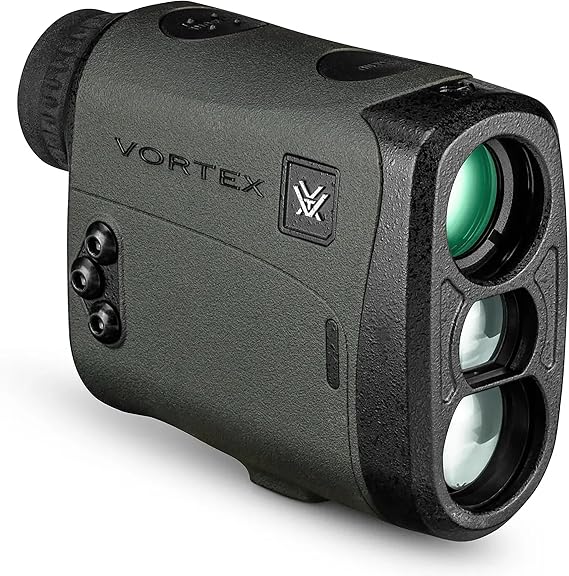 | Vortex Sonora HD 1800 | Check Price |
Our Selected Top 12 Yashica Rangefinder You Can Trust
This list features carefully chosen classic rangefinder cameras known for their quality and design. Each review highlights how the camera performs, who it’s best suited for, and outlines key advantages and potential drawbacks to help guide your decision.
1. Yashica Electro 35 Rangefinder Film Camera
Reliable and compact, the Yashica Electro 35 Rangefinder is great for anyone wanting simple automatic exposure with classic 35mm film. Its standout feature is the bright 45mm f/1.7 lens, which captures sharp images in a variety of lighting conditions without manual settings.
Set up is straightforward, thanks to the automatic exposure control that handles light measurement for you. Loading 35mm film feels smooth, and the camera’s compact size makes it easy to carry around all day. The manual focusing rangefinder lets you compose shots precisely, while the built-in exposure system takes care of the rest, making it friendly even for beginners.
The lens delivers clear, vibrant photos that really bring color film to life. Build quality feels solid without being heavy, making it perfect for street photography or travel.
The most praised aspect is the reliable auto exposure system, though some find the battery dependency a drawback, as it won’t operate without power.
The camera’s automatic exposure system receives consistent praise for reliability and simplicity, making photography approachable. However, reliance on battery power comes up frequently as a limitation since the camera cannot work without it. This means keeping batteries on hand is essential for uninterrupted shooting.
Those who want dependable exposure and a bright lens in a compact body will appreciate this camera’s practical design. People looking for fully manual controls or a built-in flash option might consider other cameras that meet those needs better.
Pros
- Bright 45mm f/1.7 lens for low-light shooting
- Automatic exposure control simplifies photography
- Compact and easy to carry around daily
- Classic rangefinder focusing for precise framing
Cons
- Requires battery to function, no manual override
- No built-in flash for low light
| Specification | Details |
|---|---|
| Lens | 45mm 1:1.7 Yashinon DX |
| Film Format | 35mm |
| Exposure Control | Automatic |
| Camera Type | Rangefinder |
| Compatibility | 35mm film |
| Compact | Yes |
2. Leupold RX-1400i TBR/W Gen 2 Rangefinder
Solidly built with a hunter’s precision in mind, this device suits anyone needing highly accurate distance readings at long range. Its standout feature is the True Ballistic Range and Wind technology that accounts for factors like steep angles and wind, making each shot more reliable.
Getting it set up takes just a few moments, and day-to-day use is straightforward thanks to the selectable Bow mode and Flightpath technology that help archers avoid obstacles and calculate angle-compensated ranges. The bright red TOLED display has adjustable brightness, which makes viewing easy from dawn to dusk in various light conditions.
Performance-wise, it measures distances up to 1,400 yards on reflective targets and 1,200 yards on trees, offering great range for hunting or archery. The sturdy build feels dependable in hand while rugged enough to last. The clearest praise revolves around its accurate ballistic calculations; however, some find the complexity of settings a bit much at first.
The most praised aspect is its true ballistic technology providing impressive long-range accuracy, critical for hunting and archery. The common drawback lies in the complexity of its settings, which may require some getting used to before using all features confidently.
Hunters and archers looking for precise, advanced rangefinding with wind and angle calculations will appreciate it. Those who prefer simpler devices or mainly shoot at shorter ranges might want to consider a more basic rangefinder.
Pros
- Accurate ballistic calculations for long-distance shots
- Adjustable brightness TOLED display improves readability
- Bow mode helps archers with angle compensation
- Durable design ensures long-lasting use
Cons
- Settings can be complicated for first-time users
- Wind hold point limited to 10-mph at 90-degree angle
| Specification | Details |
|---|---|
| Model Number | 183727 |
| Ranging Distance (Reflective Objects) | 1,400 yards |
| Ranging Distance (Trees) | 1,200 yards |
| Selectable Display | TOLED with adjustable brightness |
| Special Modes | Bow mode with Flightpath technology |
3. Vortex Sonora HD 1800 Laser Rangefinder
Sharp, clear images stand out immediately with 6x magnification and HD optics, making it ideal for hunters and archers needing precise distance measurements. Its standout feature is the combination of high magnification and horizontal component distance compensation, delivering critical data for accurate shots across varied terrain.
Setting up involves unpacking the rangefinder, popping in the included CR2 battery, and attaching the bungee cord lanyard for easy carry. Using it day-to-day feels natural thanks to the fully multi-coated lenses that let in more light, helping maintain clarity when light starts to fade.
The tripod adaptability adds convenience when steady aiming is essential.
The rangefinder performs well with a max range of 1,800 yards for reflective targets and 700 yards for game, helping users judge distances with confidence. Its build quality is enhanced by ultra-hard ArmorTek coating, which protects the lenses from scratches and grime. Praise often focuses on the sharp image quality, while some find the weight a bit more noticeable during long treks.
Sharp resolution and accurate horizontal component distance readings provide reliable shots, especially in varying terrains. The main complaint revolves around the weight, which can feel burdensome during long periods of carrying it in the field.
Hunters and archers who prioritize accuracy and clear optics in changing light will appreciate this rangefinder. Users seeking a lighter option or longer game-range distance might look for alternatives better suited to those needs.
Pros
- HD optics reduce chromatic aberration
- Fully multi-coated lenses improve low-light clarity
- ArmorTek coating protects lenses against wear
- Includes soft case and essential accessories
Cons
- Weight may feel heavy during extended use
- Max game range limited to 700 yards
| Specification | Details |
|---|---|
| Magnification | 6x |
| Max Range (Reflective Targets) | 1,800 yards |
| Max Range (Game) | 700 yards |
| Objective Lens Diameter | 21mm |
| Warranty | Unlimited, unconditional, lifetime warranty |
4. Gogogo Sport Vpro PocketPin 01 Rangefinder

Accurate distance reading up to 1200 yards makes this rangefinder ideal for golf, hunting, and outdoor activities. Its compact size slips easily into any pocket, offering long-range precision with convenient portability.
Setup involves a quick recharge through the built-in USB-C port, and switching between yards, meters, or feet is straightforward. The 7° field of view helps quickly spot targets like flags or poles.
Carrying it daily is simple thanks to its credit card-like size and lightweight 145g design.
It consistently locks onto targets up to 250 yards for flags and 150 yards for poles, providing reliable readings. The durable build withstands regular use, while a minor downside is occasional difficulty locking onto targets beyond the maximum range.
Accessories include a carrying case, lens cloth, and charging cable.
Reliable flag-lock vibration is praised for consistently pinpointing targets within 250 yards, though it can be a challenge to lock on past that distance. The compact size and quick USB-C recharge make it convenient for daily carry and frequent use.
Anyone needing stable measurements for golf or hunting at mid to close ranges will appreciate its portability and accuracy. Those requiring dependable readings beyond 250 yards may want to explore larger, specialized rangefinders.
Pros
- Long-range accuracy up to 1200 yards
- Compact, pocket-sized and lightweight at 145g
- Fast charging with USB-C cable included
- Multi-sport design for diverse use cases
Cons
- Lock-on range is limited to 250 yards for flags
- Sometimes struggles on targets at maximum distance
| Specification | Details |
|---|---|
| Maximum Measuring Distance | 1200 yards |
| Field of View | 7° |
| Weight | 145g |
| Power Source | USB-C rechargeable battery |
| Sport Type | Archery, Climbing, Golf, Shooting |
5. Yashica MF-2 Super DX 35mm Film Camera

Capturing clear and detailed photos without fuss suits anyone wanting a straightforward 35mm film camera. Known for its precise optics, it shines brightest in situations where dependable, automatic exposure is key to quick and reliable shots.
Setting up requires little effort thanks to its automatic exposure control. The built-in flash covers low-light needs without additional gear, and the compact, lightweight design keeps it easy to carry all day. The bright frame viewfinder with 0.52X magnification simplifies composing shots, while the low light warning LED helps avoid underexposed images.
Photos come out sharp and well-exposed thanks to the 38mm f/3.8 lens and the reliable mechanical shutter fixed at 1/125 second. The camera feels solid without being heavy, making it comfortable for prolonged use. People appreciate its consistent operation, though some mention wanting a variable shutter speed to expand creative control.
The camera consistently delivers clear, well-exposed photos thanks to its precise lens and dependable shutter. Its most frequent drawback is the fixed shutter speed, which restricts flexibility in tricky lighting or for creative effects.
Anyone looking for a straightforward, easy-to-use film camera with automatic exposure will appreciate its simplicity and reliability. Those seeking more manual control or versatility might want to consider other options offering adjustable shutter speeds or wider apertures.
Pros
- Automatic exposure for simple shooting
- Lightweight and compact design
- Built-in flash for low-light situations
- Bright viewfinder with low light warning
Cons
- Fixed shutter speed limits creative control
- Lens aperture could be wider for better low light
| Specification | Details |
|---|---|
| Lens | 38mm f/3.8 three-element, three-group |
| Shutter Speed | 1/125sec mechanical |
| Viewfinder | Bright frame, 0.52X magnification, low light warning LED |
| Exposure Control | Automatic |
| Built-In Flash | Yes |
| Film Format | 35mm |
6. Yashica DigiPix 100 Digital Camera

44MP resolution stands out on this compact digital camera, making it a solid choice for casual travelers wanting sharp photos without fuss. It fits comfortably in a bag and aims to deliver straightforward shooting without complicated controls, ideal for beginners and those who want something easy to carry around.
Getting started involves using the automatic exposure and shooting modes, so there’s little need to tweak settings. The 2.4-inch screen shows your shots clearly enough, and digital image stabilization helps reduce blur. It mounts on a tripod if you want steadier shots, and its electronic viewfinder aids composition in brighter conditions.
All these features work well together to simplify daily use.
Picture quality is crisp, with the 1/2.3-inch CMOS sensor capturing plenty of detail, although low-light performance isn’t exceptional. The camera’s white plastic body is lightweight at just 0.22 kg, making it easy to carry but a bit prone to feeling less sturdy. The absence of a built-in flash limits shooting in darker spots, which is a noted downside.
The camera impresses with sharp image quality thanks to its high-resolution sensor, but users often find the lack of flash limits usability in darker environments. It’s straightforward enough for beginners and travelers wanting quick snapshots without fuss.
Those mostly shooting outdoors in daylight or on travel will appreciate its simplicity and compact size. More serious photographers or those needing better low-light performance might look for cameras with more manual control and built-in lighting options.
Pros
- High-resolution 44 MP photos
- Compact and lightweight design
- Automatic shooting modes simplify use
- Tripod compatibility for better stability
Cons
- No built-in flash for low light
- Plastic build feels less durable
| Specification | Details |
|---|---|
| Photo Sensor Resolution | 44 MP |
| Video Resolution | 1080p |
| Sensor Type | CMOS |
| Maximum Aperture | 3.2 f_stop |
| Screen Size | 2.4 inches |
| Item Weight | 0.22 kg |
7. Yashica City 200 Digital Camera

Photographers looking for a compact digital camera with versatile zoom and high-resolution capabilities will appreciate the Yashica City 200. It suits casual shooters and hobbyists aiming to capture both detailed photos and crisp 5K Ultra HD videos. Its biggest strength lies in delivering sharp, vibrant images with a simple setup.
Setting the camera up is straightforward thanks to its automatic and manual exposure controls. The 10X optical zoom paired with 4X digital zoom makes framing distant subjects easy, while the 2.8-inch screen lets you review shots quickly. The hot-shoe adds flexibility for attaching flashes, making it useful for different shooting scenarios.
Storage expands up to 256GB via micro SD, so you won’t run out of space for photos and videos.
Image clarity stands out with a 13MP CMOS sensor and an f/2 maximum aperture that works well in various lighting conditions. The digital image stabilization helps reduce blur, though it’s not the same as optical stabilization.
The compact form feels solid but lightweight at 0.37 kg, making it easy to carry. A common complaint is the limited screen size, which can make detailed review a bit challenging.
The Yashica City 200 delivers excellent photo clarity and offers strong zoom options, making it great for capturing distant subjects. Its most frequent criticism concerns the small screen size, which can make checking photos and videos less comfortable during use.
People wanting a straightforward camera with good zoom and video quality will find this model appealing. Those needing advanced stabilization or a larger display for reviewing shots might want to consider alternatives better suited for those features.
Pros
- 10X optical zoom with 4X digital zoom
- 5K and 4K high-res video recording
- Supports micro SD cards up to 256GB
- Compact and lightweight design
Cons
- Only digital image stabilization included
- Small 2.8-inch screen limits detailed viewing
| Specification | Details |
|---|---|
| Photo Sensor Resolution | 13 mp |
| Maximum Aperture | 2 f_stop |
| Maximum Shutter Speed | 4000 seconds |
| Screen Size | 2.8 inches |
| Shooting Modes | Automatic, Portrait, Scenery, Macro |
| Item Weight | 0.37 kg |
8. FED-5B USSR 35mm Rangefinder Camera

Classic Soviet design sets it apart, appealing to fans of vintage cameras who want precise manual control. It fits those who appreciate solid mechanical cameras with accurate rangefinder focusing and a versatile 55mm lens.
Setting up involves manual exposure control, which means you decide shutter speed and aperture without automation. Using the optical viewfinder and rangefinder mechanism helps nail focus on every shot.
The built-in self-timer adds a little convenience, and the compact form factor makes it easy to carry around for street or casual photography.
Sharpness and focusing accuracy stand out, thanks to the INDUSTAR-61 LD 2.8/55 lens paired with the precise rangefinder. The camera feels solid with its all-metal Soviet construction, though it’s not water resistant. A common complaint is the lack of a built-in flash, which limits low-light flexibility without extra gear.
The camera receives praise for its sharp lens and precise manual focusing, offering well-defined images ideal for serious film photographers. A frequent downside is the absence of a flash, which means relying on external lighting or daylight conditions for best results.
Those who enjoy hands-on photography and retro mechanical controls will appreciate its reliability and image quality. People needing automatic features or built-in lighting might want to consider other cameras that offer those conveniences.
Pros
- Accurate rangefinder focusing
- Sharp and clear images
- Compact and solid build
- Has a self-timer
Cons
- No built-in flash
- Not water resistant
| Specification | Details |
|---|---|
| Lens | INDUSTAR-61 LD 2.8/55 |
| Exposure Control | Manual |
| Viewfinder | Optical |
| Maximum ISO | 25600 |
| Form Factor | Compact |
9. Yashica DigiMate Digital Camera

Yashica DigiMate Digital Camera is a compact digital rangefinder camera that suits those looking for straightforward, automatic shooting with decent image quality. Its biggest strength lies in capturing detailed 44-megapixel stills in a lightweight and portable form.
Setup is simple with automatic exposure control and a hot shoe mounting for easy attachment. The 2.7-inch screen makes it easier to frame shots in different conditions, and shooting modes such as scenery, night, and sports cover typical scenarios. Its compact build and 0.25 kg weight make it easy to carry around for quick snaps without fuss.
It delivers good image quality mainly due to the 64 MP CMOS sensor, but true resolution settles at 44 MP effective stills. Image stabilization is digital, which can be less reliable than optical options.
Users appreciate its light form factor and straightforward controls, though some mention limited shutter speed range (1/500 sec both max and min) as a drawback.
Strong points include impressive photo resolution in a very compact and light design. Common criticism involves the limited shutter speed range and digital-only stabilization, which can restrict use in fast-moving or low-light situations.
The camera fits those wanting high-resolution stills from a small, easy-to-use device mainly for casual photography. Enthusiasts needing precise manual control or faster shutter options may want to explore other models.
Pros
- Compact and lightweight at 0.25 kg
- Clear 2.7-inch display for framing
- Multiple shooting modes for versatile use
- High 44 MP effective photo resolution
Cons
- Maximum shutter speed limited to 1/500 second
- Image stabilization only digital, not optical
| Specification | Details |
|---|---|
| Photo Sensor Resolution | 64 mp |
| Effective Still Resolution | 44 mp |
| Maximum Shutter Speed | 1/500 seconds |
| Form Factor | Compact |
| Screen Size | 2.7 inches |
| Video Resolution | 2160p |
10. Arccos Smart Laser GPS Rangefinder

Picking up distances on the course feels incredibly reliable with the Arccos Smart Laser GPS Rangefinder. Designed for golfers who want more than just raw yardage, it shines by factoring in slope and live weather conditions to provide adjustments that match real playing situations, making it a go-to for players serious about their shots.
Setting it up is quite straightforward, especially on iOS where the AI Strategy and Green Maps are available. Each round, the device accounts for slope and wind, giving you numbers that reflect actual conditions rather than just flat distances. It connects effortlessly to your phone, letting you access smart targets and make quick shot decisions on the fly.
Accuracy is the standout here, with technology trusted by pro golfers and major champions. The build feels solid and designed for the golf course environment.
Users praise the detailed shot data and strategic information. The main drawback is its current limitation to iOS for the full AI experience, which could exclude some players.
The Arccos rangefinder delivers impressively accurate yardages and strategic guidance by factoring slope and weather, which many find valuable on course. However, its AI-driven features currently require an iOS device, limiting access for some users.
Golfers playing with an iPhone who want detailed strategy assistance will appreciate this tool. For those not on iOS or seeking a standalone device without phone dependency, other rangefinders might serve better.
Pros
- Adjusts distance with slope and live weather factors
- Incorporates Arccos AI Strategy and Green Maps
- Trusted by PGA and LPGA players
- Solid build quality suitable for golf courses
Cons
- Full AI features only on iOS devices
- Relies on phone connection for strategy enhancements
| Specification | Details |
|---|---|
| Brand Name | Arccos Golf |
| Model Number | 90010 |
| Included Components | Smart Laser Rangefinder |
| Sport Type | Golf |
| Warranty Description | 1 Year Manufacturer |
11. Argus C3 Rangefinder Camera

A reliable mechanical rangefinder for shooting 35mm color film, it suits film enthusiasts who want automatic exposure control with classic camera feel. Its biggest strength lies in combining a coupled rangefinder system with straightforward usability, making it accessible for both beginners and experienced photographers.
Loading 35mm film into the camera feels simple thanks to standard format design. Using the mechanical shutter and coupled rangefinder means focusing feels precise, with the automatic exposure letting you shoot without fiddling with settings.
The form is familiar, and daily shooting routines involve aiming through the viewfinder, setting focus, and trusting the camera to handle the exposure.
Performance centers on accurate focus via the coupled rangefinder, delivering sharp images when set properly. The fully mechanical shutter adds reliability since it doesn’t depend on batteries.
A frequent highlight is the dependable exposure control, but some find the manual handling and heavier body less comfortable over long shoots. Build quality feels sturdy and serviceable rather than refined, matching its practical, vintage style.
Precision focusing through the coupled rangefinder brings sharp images, appreciated for true mechanical control. The automatic exposure helps streamline shooting without manual meter adjustments, although some users mention the camera’s weight and bulkiness when carrying it all day.
Ideal for film lovers wanting vintage style with ease of use due to automatic settings. Those wanting a lighter, more ergonomic model might look elsewhere; this is better suited for those valuing mechanical reliability and classic 35mm shooting experience.
Pros
- Accurate focusing with coupled rangefinder
- Works with standard 35mm color film
- Automatic exposure for simpler shooting
- Fully mechanical shutter operation
Cons
- Camera can feel heavy during extended use
- Manual handling not as ergonomic as modern cameras
| Specification | Details |
|---|---|
| Features | Coupled rangefinder |
| Film Format | 35mm |
| Film Color Type | color |
| Shutter Type | Mechanical |
| Exposure Control | Automatic |
12. Leica M6 35mm Film Rangefinder Camera

Crafted with a solid brass top cover finished in abrasion-resistant black lacquer, the Leica M6 35mm film rangefinder camera suits photographers who value timeless quality and precise exposure control. Its most notable strength is the reliable light meter that displays exposure settings clearly through red dot and arrow symbols.
Day-to-day use is straightforward, thanks to the automatic exposure control that reads light through a brightened area on the cloth shutter. The 0.72x magnification in the rangefinder offers a clear view with reduced stray light sensitivity. Compact and lightweight, it fits comfortably in hand and sets up quickly for shooting vibrant 35mm color film.
Performance stands out with consistent exposure thanks to the well-designed meter system that echoes the classic 1984 model. The build quality offers durability through solid brass and diecast zinc elements. Praise focuses on its dependable exposure meter and solid materials, while complaints mainly mention the premium price given its analog nature.
The most praised feature is the accurate and visible exposure meter, which provides confidence in every shot. A common complaint involves the camera’s price, as some feel it may be costly given its analog film format and lack of digital features.
Anyone who values classic build quality combined with precise light metering will appreciate this rangefinder’s reliability. Those seeking more budget-friendly or digital options might consider alternative cameras better suited to those needs.
Pros
- Solid brass top cover resists abrasion
- Clear exposure display with red dot and arrow symbols
- Lightweight and compact for easy handling
- Reduced stray light in rangefinder optics
Cons
- Higher price point for an analog camera
- Limited to 35mm color film compatibility
| Specification | Details |
|---|---|
| Film Format | 35mm |
| Viewfinder Magnification | 0.72x |
| Exposure Control | Automatic |
| Film Color Type | color |
| Features | Auto Exposure, Compact, Lightweight |
Comparison of Best Yashica Rangefinder Cameras
| Product | Film Format | Exposure Control | Compactness | Flash |
|---|---|---|---|---|
| Yashica Electro 35 | 35mm | Automatic | Compact | – |
| Leupold RX-1400i Rangefinder | – | – | – | – |
| Vortex Sonora HD 1800 | – | – | – | – |
| Gogogo Sport Vpro 01 | – | – | – | – |
| Yashica MF-2 Super DX | 35mm | Automatic | Compact, Lightweight | Built In Flash |
| Yashica DigiPix 100 | – | Automatic | Compact | – |
| Yashica City 200 | – | – | – | – |
| FED-5B USSR Camera | Micro Four Thirds | Manual | Compact | – |
| Yashica DigiMate | Micro Four Thirds | – | – | – |
| Arccos Smart GPS Laser | – | – | – | – |
| Argus C3 Rangefinder | 35mm | Automatic | – | – |
| Leica M6 Film Camera | 35mm | Automatic | Compact, Lightweight | – |
- Film Format35mm
- Exposure ControlAutomatic
- CompactnessCompact
- Flash–
- Film Format–
- Exposure Control–
- Compactness–
- Flash–
- Film Format–
- Exposure Control–
- Compactness–
- Flash–
- Film Format–
- Exposure Control–
- Compactness–
- Flash–
- Film Format35mm
- Exposure ControlAutomatic
- CompactnessCompact, Lightweight
- FlashBuilt In Flash
- Film Format–
- Exposure ControlAutomatic
- CompactnessCompact
- Flash–
- Film Format–
- Exposure Control–
- Compactness–
- Flash–
- Film FormatMicro Four Thirds
- Exposure ControlManual
- CompactnessCompact
- Flash–
- Film FormatMicro Four Thirds
- Exposure Control–
- Compactness–
- Flash–
- Film Format–
- Exposure Control–
- Compactness–
- Flash–
- Film Format35mm
- Exposure ControlAutomatic
- Compactness–
- Flash–
- Film Format35mm
- Exposure ControlAutomatic
- CompactnessCompact, Lightweight
- Flash–
How to Choose the Right Yashica Rangefinder
Focus on factors like lens quality, camera condition, and ease of use to ensure reliable performance. Choosing the right features saves money by avoiding costly repairs and trouble by providing consistent, sharp images during shoots. These considerations help you find a durable and enjoyable rangefinder.
Lens Quality and Focal Length
Some lenses feel soft or hazy even in good light, which gets frustrating fast when trying to get crisp shots. The sharpness depends heavily on the quality of the glass and coatings.
Lenses with clean, clear glass and well-made elements deliver sharp edges and good contrast across the frame. Focal length influences what can be captured: a standard 45mm or 50mm covers most everyday scenes well, offering a natural perspective without distortion.
A lens with a wide aperture, like f/2 or f/1.8, helps control depth of field and works better in low light. Narrower apertures limit how much light comes in and reduce versatility.
Good lenses let you stop down to about f/16 for wide or group shots, keeping more of the image in focus. A lens with sharp optics and an aperture range from around f/2 to f/16 handles most practical situations effectively.
Viewfinder and Rangefinder Accuracy
Viewfinder brightness matters for framing shots accurately, especially in dim conditions. A dim or small viewfinder can make it tough to line up subjects properly.
The best ones have bright, clear, and well-marked frame lines that help visualize composition easily. Accuracy of the focusing system is crucial–a misaligned rangefinder results in blurred pictures despite the lens being capable of sharpness.
A clean separation between the rangefinder patch and the viewfinder image, with clear split or double images, speeds up focus adjustments. Controls and marks that are easy to read and align help avoid wasted shots. Solid focusing systems have well-calibrated rangefinder windows that stay accurate throughout the camera’s lifespan.
Build and Ergonomics
Carrying a camera all day reveals much about its size and weight. Cameras that are too heavy or bulky tire the arm quickly and make steady holding harder.
A compact body size combined with moderate weight (around 500 grams) balances comfort with stability. The choice of materials also impacts durability: metal bodies or at least metal lens mounts avoid the flex and wear that plastic parts bring.
Controls need to feel firm but smooth, with dials and levers positioned where fingers naturally rest. Misplaced or stiff controls slow down adjustments and can cause missed shots. Good ergonomics let quick aperture changes or focusing without looking away from the viewfinder.
Cameras thought out from the ground up feel intuitive after even short use.
Film Compatibility and Loading
Compatibility with widely available 35mm film is a must to avoid hunting for rare types. Cameras designed for standard cartridges minimize frustration and expand shooting options.
Loading film easily without fumbling improves workflow; awkward loading often means wasted film or failed frames. Reliable advance mechanisms prevent skipped frames or torn film.
Rewind cranks should turn smoothly without excessive force, enabling quick backing of exposed film. Built-in frame counters help track exposures and know when the roll is near the end.
These user-friendly features keep shooting focused on taking photos rather than managing film.
Maintenance and Repairability
Age and regular use mean cameras benefit from occasional maintenance. The availability of replacement parts extends useful life since worn seals or shutter curtains can be swapped out rather than replaced entirely.
Cameras easier to disassemble allow better access for cleaning lenses and shutter blades, keeping performance consistent.
Dust and dirt resistance contribute heavily to endurance. Models with good sealing or tightly fitting body parts reduce the risk of internal contamination that degrades image quality or mechanical function. Regular cleaning and careful storage preserve the camera’s working order well beyond typical usage cycles.
Tips for Maximizing Image Quality with Your Yashica Rangefinder
Yashica rangefinder cameras, known for their sharp lenses, perform best when you pay close attention to focusing accuracy. Using the rangefinder patch with proper alignment ensures crisp images, especially in low light. The lens on many Yashica models benefits from manual cleaning with a microfiber cloth to prevent scratches and dust spots on your photos.
Adjust your aperture according to lighting conditions; stopping down the lens can increase depth of field but may require slower shutter speeds. Keeping ISO low helps reduce grain, as these cameras rely on film types rather than digital settings.
Since Yashicas lack built-in light meters on some models, carrying a handheld light meter or using your smartphone’s metering app will provide more precise exposures. Experiment with different film types to match the contrast and color saturation you want from your shots.
Common Maintenance Practices to Extend the Lifespan of Yashica Rangefinder Cameras
Regular care extends the working life of Yashica rangefinder cameras. Keep the camera stored in a dry, dust-free environment to prevent mold on lenses and internal components. After heavy use, clean the exterior and lens elements using a soft brush and lens cleaning solution designed for optics.
The shutter mechanism and film advance can benefit from occasional servicing by a professional, especially for older models where lubrication might dry out. Battery contacts on models that require a battery should be wiped with a cotton swab and alcohol to prevent corrosion.
Avoid leaving film loaded in the camera for extended periods to stop pressure on internal parts and prevent film chemical deterioration. Routine checks of the rangefinder calibration will help keep focus accurate, which is critical for sharp images.
Comparing Yashica Rangefinders with Other Vintage Rangefinder Models
Compared to other vintage rangefinder cameras, Yashica models stand out for offering solid build quality at a more accessible price point. While not as compact as some Leica or Voigtländer cameras, Yashicas provide a practical balance of weight and durability. Their lenses, often designed by Carl Zeiss in certain models, deliver excellent sharpness rivaling higher-end brands but usually cost less to maintain.
Other brands might offer more advanced features like coupled light meters or a wider range of shutter speeds, but Yashicas retain simplicity that appeals to those preferring manual control. The focusing mechanism in Yashica rangefinders is straightforward and reliable but may require more frequent calibration than some premium models.
They serve well both as daily shooters and collectors’ items without the premium price attached to more prestigious names.
People Also Asked
How Do I Properly Clean and Maintain My Vintage Rangefinder?
Use a soft microfiber cloth for the lens and lightly dust the body with a brush designed for cameras. Avoid opening the camera back unnecessarily to keep dust out, and store it in a dry, dust-free environment to prevent fungus growth on the lens and internal mirrors.
What Lens Sizes Are Compatible with Old Rangefinder Cameras?
Most rangefinders accept lenses with a 39mm screw mount or Leica thread mount, but some models use proprietary mounts. Checking your camera’s lens mount type and compatibility before buying a lens helps avoid fitting issues and ensures proper focusing.
Are There Common Issues I Should Watch for in Used Rangefinders?
Common issues include sticky shutter buttons, fogged or fungus-affected lenses, and rangefinder alignment problems. Testing the shutter speeds and focusing accuracy before purchase can save trouble later, especially since repairs may require specialized service.
How Long Do Mechanical Rangefinders Typically Last with Regular Care?
Mechanical rangefinders can last several decades if regularly cleaned and lubricated. Keeping the camera dry and avoiding dropping or rough use extends its mechanical life; many cameras from the 1950s and 60s still operate well today with proper maintenance.
Is It Safe to Use Film in Older Rangefinder Models Today?
Using fresh film in old rangefinders is safe as long as the camera’s light seals are intact and film advance mechanisms work smoothly. Checking and possibly replacing foam light seals helps prevent light leaks, which are common in older cameras and can ruin film exposures.
Conclusion
Choosing the right rangefinder comes down to three main points: how well it fits your shooting style, the condition of the lens and mechanics, and your comfort with the camera’s size and weight. These factors affect your ability to get sharp photos and enjoy using the camera over time.
Pay attention to the viewfinder clarity and the focus mechanism since those are critical to accurate framing and focusing.
Pick a model that matches your budget and how often you plan to shoot. A camera that feels right in your hands and suits the settings you photograph will lead to better results. Refer back to the comparison table and the detailed descriptions above to find the option that fits your specific needs without overspending or ending up with features you won’t use.