What Factors Determine My Floor’s Support for a Gun Safe?
Many homeowners worry about whether their floors can support a heavy gun safe. If you’re considering adding one, you’re not alone—safety and stability are common concerns. Figuring out if your floor can handle the weight is a crucial first step.
Your floor can support your gun safe based on its weight capacity, construction material, and age. Concrete floors usually handle heavy safes well, while wooden floors may need reinforcement, especially if they’re older or have weak joists and beams.
Signs like sagging, creaking, or cracks suggest your support might be insufficient. To guarantee safety, it’s important to evaluate these factors carefully.
Keep exploring to learn how to properly assess and reinforce your floor. Proper support ensures your gun safe stays secure and your belongings stay protected.
Key Takeaways
- The floor’s weight capacity depends on the material type, like concrete, wood, or tile, and the total weight of the safe including its contents.
- It’s important to check the age and overall health of the floor. Look for sagging, creaking, or any visible damage that might indicate weakness.
- Knowing the joist spacing, size, and support beams is crucial. These help distribute the weight evenly and prevent any sagging or damage over time.
- If you’re installing a heavy safe over 500 pounds or stacking multiple safes, proper installation techniques and reinforcement are a must. This ensures the floor can handle the load safely.
- Always follow building codes and look out for signs like creaking, dips, cracks, or vibrations. These can be signs that your floor isn’t supporting the weight properly.
Does Your Floor Support the Weight of a Gun Safe?
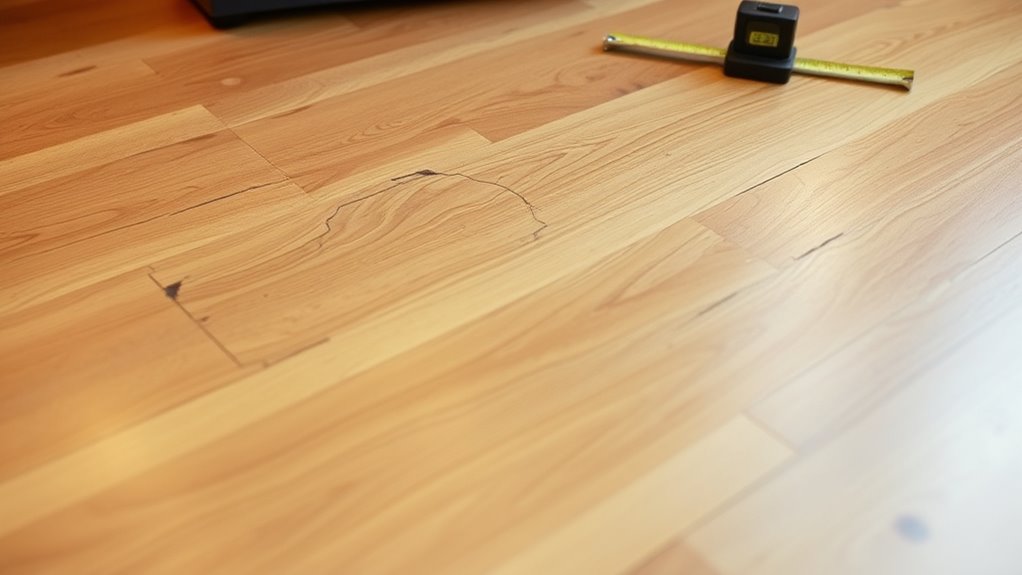
Before placing your gun safe, you need to determine if your floor can handle its weight. Start by checking the safe’s weight, including all contents.
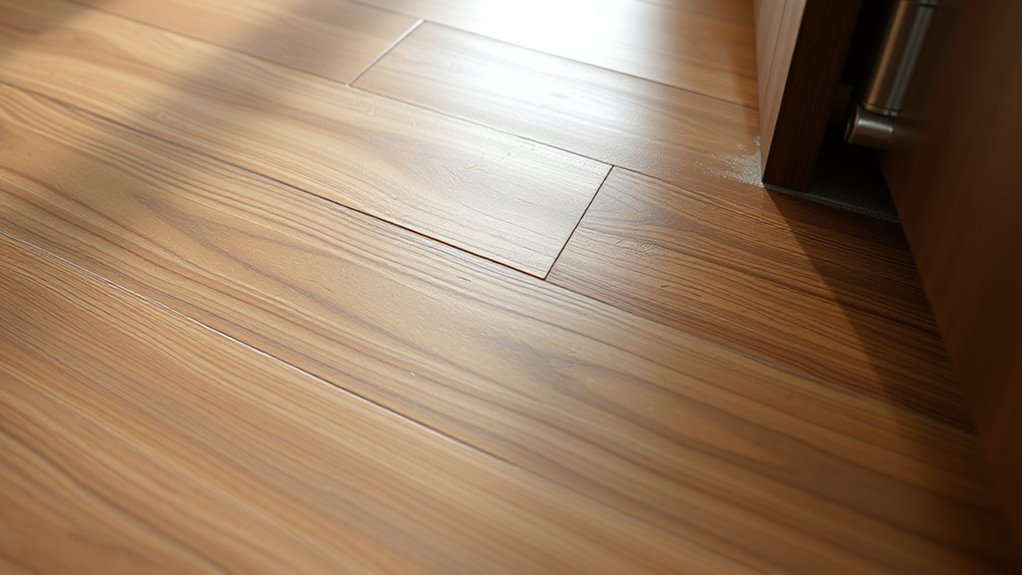
Next, identify the type of flooring—concrete, wood, or tile—and consider its strength. Concrete floors usually handle heavy safes well, but wooden floors might need reinforcement.
Concrete floors generally support heavy safes; wooden floors may require reinforcement for added stability.
You might need to locate your floor joists to see if they can bear the load. Safes placed directly on joists are more stable.
Use a sturdy scale or check building plans if you have them. Remember, a heavy safe can cause structural damage if the floor isn’t strong enough.
What Are the Best Floor Types for Supporting Heavy Safes?
Choosing the right floor type is essential for supporting your heavy gun safe. You want a surface with strong concrete, solid construction, and even weight distribution.
These factors help ensure your safe stays secure and stable, without risking damage or instability. A sturdy, well-built floor is key to protecting your investment.
Concrete Strength and Stability
A sturdy, well-supported floor is essential for safely holding a heavy gun safe, and the concrete’s strength and stability play a crucial role in this. The concrete needs high compressive strength to withstand the weight without cracking or shifting over time. Usually, a concrete mix with a strength rating of at least 3,000 psi is recommended for supporting heavy safes.
Stability also depends on proper curing and mixing, which help prevent uneven settling or future cracks. If your floor’s concrete is old or compromised, it might not provide enough support and could need reinforcement. Make sure the concrete is level and free of voids or weak spots.
Properly assessed and maintained concrete will give your safe a stable, secure foundation for years to come.
Floor Construction and Material
The type of floor construction and material really affects how well your safe is supported. Solid concrete floors are great because they offer a sturdy, stable base that can handle heavy weights without shifting or cracking.
Wooden floors, especially those made from thick joists or reinforced with extra supports, can support a safe’s weight but might need reinforcement to prevent sagging over time. Raised or suspended floors are usually less supportive unless they’re properly reinforced, as they lack a solid foundation for heavy loads.
Steel or concrete floors with proper reinforcement are among the best options for supporting a gun safe. Choosing a durable, stable floor material helps keep your safe secure and prevents potential damage or safety hazards.
Weight Distribution and Support
Since heavy safes exert a lot of weight on the floor, it’s important to choose a surface that distributes this load evenly for stability and safety. You want a sturdy, resilient foundation that prevents sagging, cracking, or shifting over time.
The right floor type ensures your safe stays secure and helps avoid damage to your property. Concrete floors are an excellent choice because they handle weight well and can be reinforced further.
Think about adding reinforced subfloors or support beams for extra strength. Picking the right support gives you peace of mind, knowing your valuables are protected from accidents or collapse.
Feel confident your safe won’t topple or crack your floor. Protect your investment with a stable foundation and say goodbye to worries about shifting or damage.
Most importantly, ensure safety for your loved ones and keep your valuables secure for years to come.
How Do Floor Age and Structural Integrity Affect Support?
As floors age, their ability to support heavy objects like gun safes can decrease, especially if structural issues develop over time. Over the years, wood may weaken, joints can loosen, and cracks might appear, all reducing their load-bearing capacity.
It’s important to look for signs like sagging, creaking, or visible damage. To understand how age impacts support, consider this:
| Age of Floor | Structural Condition | Typical Support Level |
|---|---|---|
| New | Excellent | High |
| 10-20 years | Good but aging | Moderate to high |
| 30+ years | Variable, often weakened | Moderate to low |
| Damaged | Compromised | Low |
Regular inspections help you determine if your floor can safely hold a gun safe.
Why Is Floor Material Important for Safe Stability?
Choosing the right floor material is essential because it directly impacts how securely your gun safe stays in place. The material determines the overall strength, vibration absorption, and resistance to damage.
A sturdy concrete floor provides a solid foundation, reducing the risk of tipping or shifting. Conversely, softer or weaker materials like wood or laminate may not support the weight, leading to instability.
Ensuring your floor material can handle the weight gives you peace of mind, knowing your firearms are safely stored. Consider these factors:
- *Feel confident knowing your safe won’t wobble or tip over*
- *Protect your valuable firearms from accidental damage*
- *Avoid the stress of worrying about floor failure*
- *Ensure your safe remains secure during earthquakes or vibrations*
- *Maintain peace of mind knowing your investment is protected*
How Do Floor Joists and Beams Impact Support Strength?
Your floor’s support strength really depends on how the joists are spaced and positioned, as this influences how weight is distributed across the structure.
The size and placement of beams are also crucial for reinforcing the overall support. Properly designed joists and beams help ensure your floor stays secure and stable, even under heavy loads.
Joist Spacing and Placement
Floor joist spacing and placement directly influence the support strength of a gun safe. Proper spacing ensures your safe rests on a stable foundation, preventing sagging or damage over time. When joists are too far apart, the weight concentrates unevenly, risking structural failure.
Correct placement distributes the load evenly, reducing stress on any single point.
Consider these essential points:
- *Tight spacing reduces the risk of safe shifting or collapsing.*
- *Optimal placement minimizes vibrations and movement.*
- *Irregular spacing can cause uneven support, damaging your safe.*
- *Proper joist positioning improves overall floor durability.*
- *Neglecting spacing can lead to costly repairs and safety hazards.*
Understanding and maintaining proper joist spacing and placement keeps your valuables secure and your floor strong.
Beam Size and Position
Beam size and position are key factors that directly affect the support strength of a gun safe. Larger beams can carry more weight and help prevent sagging or failure, especially if the load is heavy.
Where you place the beams also matters. Positioning them directly beneath the safe helps distribute the weight better and reduces stress on the floor.
Properly sized and well-placed beams help spread the load evenly across the joists and subfloor. This minimizes weak spots and keeps everything stable.
If the beams are too small or in the wrong spot, unsupported areas can form and compromise stability. Making sure your beams are the right size and aligned with the safe is essential.
This ensures your floor remains sturdy and can reliably support your gun safe over time.
What Role Do Subflooring and Underlayment Play in Weight Distribution?
Subflooring and underlayment are the essential layers that distribute the weight of a gun safe across your floor’s structure. They act as a sturdy foundation that helps prevent pressure points from forming.
This support reduces the risk of damage or even a collapse. When installed correctly with quality materials, they give you peace of mind knowing your safe is securely supported.
Proper installation with quality materials ensures your safe remains securely supported and protected from damage.
If these layers are weak or not done right, your safe’s weight can cause sagging, cracks, or damage to your floor. That’s why proper installation and good materials are key for long-term stability.
You want to feel confident that your investment is protected and your home stays safe. Well-installed subflooring and underlayment help you avoid surprises and keep everything secure for years to come.
When Should You Reinforce Your Floor for a Gun Safe?
While proper subflooring and underlayment lay the groundwork for supporting a gun safe, there are times when additional reinforcement becomes necessary.
If your safe weighs over 500 pounds or is placed on an older, weaker floor, reinforcement is a smart move.
Signs include noticeable sagging, creaking, or uneven flooring under the safe’s weight.
You might also need reinforcement if you plan to add multiple safes or heavy shelving nearby.
Here’s a quick guide:
| Situation | Action Required | When to Reconsider |
|---|---|---|
| Heavy safe over 500 lbs | Reinforce with additional joists | During installation |
| Old or weak floors | Strengthen subflooring or joists | Before placement |
| Multiple heavy items | Add cross-bracing or support beams | When weight exceeds limits |
| Visible sagging or creaking | Reinforce or consult a professional | Immediately |
How Do Building Codes Affect Floor Support for Heavy Safes?
Building codes set the minimum standards for floor support, making sure your safe can handle its weight safely.
You’ll need to check load-bearing capacity standards and local building permits to stay compliant.
Ignoring these requirements can lead to costly issues or safety hazards down the line.
Building Code Requirements
Building codes play an essential role in guaranteeing that your safe’s floor can support its weight safely. These codes specify minimum standards for structural integrity, helping prevent dangerous collapses or damage.
When you follow building code requirements, you’re protecting your family, valuables, and home investment. They often include specific guidelines about load capacity, materials, and construction practices that must be met.
Ignoring these standards could result in costly repairs or safety risks. By adhering to building codes, you gain peace of mind knowing your safe is secure.
- Protect your loved ones from potential accidents
- Preserve your valuable possessions safely
- Avoid costly structural repairs later
- Guarantee legal compliance and peace of mind
- Maintain your home’s safety and integrity
Load-Bearing Capacity Standards
Minimum load-bearing capacity standards set by building codes guarantee that your floor can handle the weight of a heavy safe safely. These standards specify the minimum weight your floor must support per square foot, based on safety margins and typical safety factors.
Building codes consider factors like the safe load capacity of materials, joist spacing, and overall structural integrity to prevent dangerous sagging or collapse. When installing a heavy safe, you should verify that your floor meets or exceeds these standards.
If your floor’s capacity is borderline or unknown, consulting an engineer or a qualified contractor can help assess whether additional reinforcement is necessary. Following these standards guarantees safety, stability, and peace of mind, protecting both your property and loved ones.
Local Building Permits
Because local building permits are often required for installing a heavy safe, understanding how building codes influence floor support is essential. These regulations ensure your home can handle the weight safely, helping you avoid potential damage or accidents.
Ignoring permits or codes can lead to costly repairs, legal issues, or unsafe conditions. Building codes may specify minimum floor load requirements or structural reinforcements needed before installation.
Failing to comply can jeopardize your safety and property value. By following local permits, you protect your loved ones and make sure your investment is secure.
- Avoid costly fines and legal trouble
- Prevent dangerous structural failures
- Guarantee your safe is supported properly
- Gain peace of mind with compliant installation
- Protect your home and loved ones
What Signs Indicate Your Floor Might Not Support a Heavy Safe?
Noticing warning signs early can help you avoid costly damage or safety hazards. If your floor creaks loudly when you place the safe, it might be a sign of underlying structural weakness.
Sagging or noticeable dips in the floor indicate it may not support the weight safely. Cracks in the ceiling or walls directly beneath the safe’s location can also suggest excessive load stress.
Excessive vibrations or shifting when you move the safe into position are red flags. They hint at insufficient support. Plus, if the floor feels soft or spongy underfoot, it probably lacks the stability needed.
Recognizing these signs helps you spot potential issues before installing the safe. This prevents damage to your property and keeps you safe.
How Can a Professional Evaluate Your Floor’s Support Capacity?
When signs of potential floor weakness are apparent, consulting a professional guarantees your safe installation proceeds without risk. A qualified expert assesses your floor’s support capacity with precision, confirming your safety and peace of mind. They evaluate the joists, beams, and subfloor, often using specialized tools like load meters and structural analysis software.
They consider the weight distribution of your safe, the age of your building, and the materials involved. This thorough inspection can reveal hidden issues before they become serious problems.
- Feel confident knowing your investment is protected
- Avoid costly repairs or unsafe situations
- Gain peace of mind for your family’s safety
- Verify your safety isn’t compromised by unseen weaknesses
- Trust the expertise that safeguards your home
Practical Tips to Ensure Your Floor Can Safely Support Your Gun Safe
Making sure your floor can safely support a gun safe involves taking practical, straightforward steps. Start by checking your floor’s weight capacity, either through manufacturer specifications or by consulting a professional.
If you’re unsure, consider adding extra support, like steel beams or a reinforced platform, to distribute the weight evenly. Avoid placing the safe on weak or uneven surfaces, such as old carpeting or tiles that may crack under pressure.
Use a level to make sure the floor is flat and stable. If your floor is wooden, reinforce it with joist supports or additional framing.
Regularly inspect the area for signs of stress or damage, and address issues promptly. Taking these precautions helps prevent damage and keeps your safe secure.
Frequently Asked Questions
Can Floor Vibrations From Nearby Activities Affect Safe Stability?
Yes, floor vibrations from nearby activities can affect your safe’s stability. Heavy vibrations, like from construction or foot traffic, can cause the safe to shift or become unbalanced over time.
If your floor isn’t solid or properly reinforced, these vibrations may weaken its support. To avoid this, consider placing your safe on a sturdy, vibration-dampening platform.
This is especially important if you live in a busy or active area where vibrations are common. Taking these steps can help keep your safe stable and secure.
How Does the Age of My Building Influence Floor Support Capacity?
As your building gets older, its floor support capacity usually goes down because of wear, settling, or structural issues.
For instance, in a 50-year-old apartment complex, the concrete might have cracks or weaken over time, which reduces its ability to bear loads.
If you’re not sure about your floor’s condition, it’s a good idea to have a structural engineer check it out.
This way, you can make sure your gun safe stays stable and secure, avoiding potential accidents or damage.
Are There Specific Floor Reinforcement Methods for Different Safe Weights?
Yes, there are specific reinforcement methods based on safe weight.
For lighter safes, adding plywood or sistering joists usually does the trick. Heavier safes might require steel plates, extra joists, or even a reinforced concrete slab.
It’s a good idea to consult a structural engineer to figure out the best approach, especially for very heavy safes. Proper reinforcement ensures your floor can handle the weight safely and helps prevent any structural damage.
What Are the Risks of Placing a Safe on an Uneven or Sloped Floor?
Placing a safe on an uneven or sloped floor is like trying to balance a book on a hill. Stability is compromised.
You risk the safe tipping, shifting, or even falling, which can cause damage or make it easier for someone to pry open.
The uneven surface puts stress on the safe’s structure and can weaken its security.
Always make sure your floor is level and reinforced to keep your valuables safe.
How Often Should I Inspect My Floor’s Support for Safety?
You should inspect your floor’s support at least once every year to guarantee safety. Regular checks help you spot any signs of wear, shifting, or damage that could compromise the support’s stability.
After events like earthquakes or nearby heavy construction, inspect more often. Look for cracks, unevenness, or sagging that might indicate weakened support.
Keeping a consistent inspection routine helps ensure your gun safe stays secure and prevents potential accidents.
Conclusion
Think of your floor as the sturdy foundation of a ship. If it’s not solid, everything above risks sinking. Understanding what factors affect support helps reinforce your home against weight and time.
When you evaluate and reinforce your floor properly, you’re not just protecting a safe. You’re anchoring your peace of mind. A strong foundation today means smoother sailing for years to come.
Main factors like the type of flooring, the joist size, and the overall structure play a role. Knowing these can help you decide if your floor can support a gun safe safely.