10 Easy Steps to Change Your Gun Safe Combination
Many people struggle with changing their gun safe combination, and it’s understandable—safety and security are top priorities. If you’re feeling unsure about the process, you’re not alone.
Luckily, it’s easier than you might think to update your code and keep your valuables protected.
To change your gun safe combination, start by gathering the necessary tools and ensuring you have fresh batteries if needed.
Locate the reset mechanism inside the safe or on the keypad, then enter your current code to activate reset mode.
Follow the manufacturer’s instructions to set a new combination, making sure to confirm it correctly.
Test the new code, store it securely, and stay vigilant about safe maintenance.
Keep exploring for detailed steps to master this process smoothly.
Key Takeaways
- Gather all the tools, batteries, and the user manual you’ll need before you start.
- Find the reset mechanism inside the safe, usually a reset button or lever.
- Enter your current code to activate reset mode. Then, follow the instructions to set a new combination.
- Make sure to test the new code right away to check that it works properly before locking everything up again.
- Store your new combination somewhere safe, and check your safe regularly to make sure it’s secure.
Why You Should Change Your Gun Safe Combination Regularly
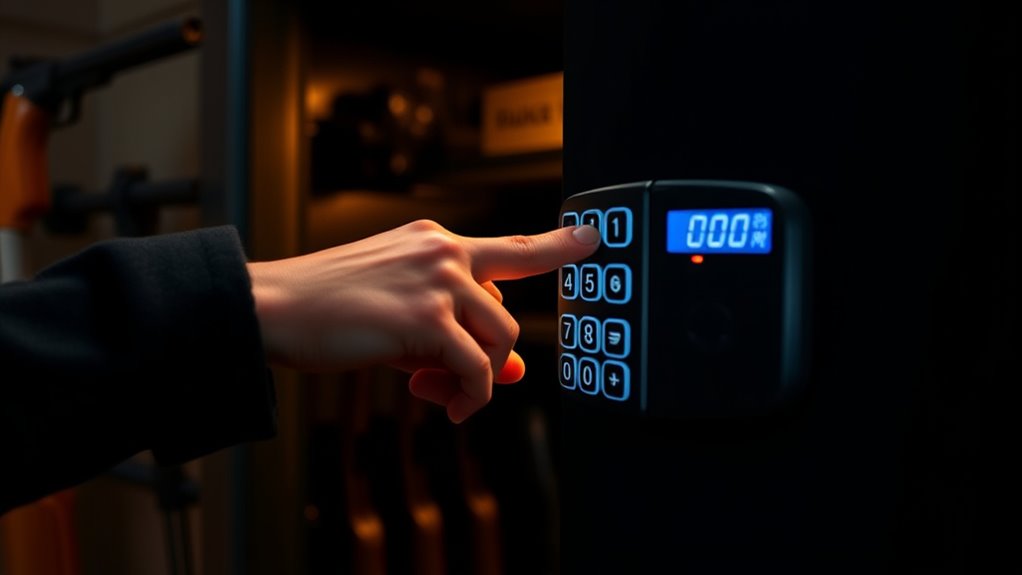
Have you ever thought about why it’s so important to change your gun safe combination regularly? It’s a simple but crucial step to keep your firearms secure.
Over time, someone might figure out your code — friends, family, or even intruders. If they learn your combination, they could access your safe without permission.
Changing it regularly helps reduce this risk and makes sure only you know the current code. If your combination gets compromised, updating it quickly prevents unauthorized access.
Routine changes also remind you to review your security habits and keep your system up to date. Staying proactive cuts the chances of accidental or malicious access.
Making this a habit keeps your firearms safer and gives you peace of mind.
Gather What You Need Before You Start
Before you begin changing your gun safe combination, gather all the tools and materials you’ll need. Usually, a small screwdriver or similar tool is necessary to access the reset mechanism, depending on your safe’s model.
Have fresh batteries ready if your safe uses electronic locks. Keep the user manual nearby—it provides specific instructions for your safe. If you’re replacing the combination, write down the current code in a secure place just in case.
Make sure you’re in a well-lit, quiet area to avoid mistakes. Double-check that you have everything before you start to prevent interruptions. Being prepared helps save time and ensures you can complete the process smoothly and confidently.
Locate the Reset Mechanism on Your Safe
Typically, the reset mechanism is located inside the safe’s lock panel or on the back of the keypad, depending on your model. To find it, carefully remove any screws or covers that hide the lock area. You might need a screwdriver for this step.
Once the panel is open, look for a small, recessed button or a tiny hole labeled “Reset” or something similar. Some safes have a lever or switch instead of a button.
On keypad models, the reset switch is often on the back or inside the battery compartment. Be gentle when handling these parts to avoid damage. Knowing the exact location of the reset mechanism is key to changing your combination smoothly.
Enter Your Current Combination to Unlock Reset Mode
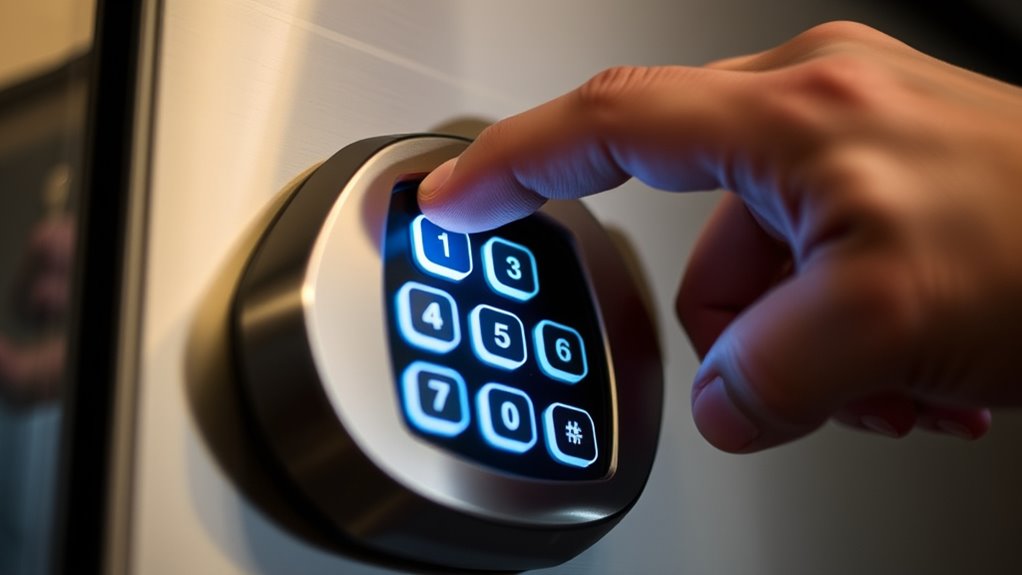
You need to enter your current code to activate reset mode. Once you do, the safe should confirm that it’s accessible and ready for a new combination.
If the lock doesn’t respond, double-check your entry before proceeding.
Enter Existing Code
To access the reset mode on your gun safe, start by entering your current combination. Confirm you’re inputting the correct code, as this step verifies your authorization to make changes.
Once you press the last digit, the safe usually responds with a click or a light indicator, confirming the code was accepted. If the safe doesn’t respond, recheck your combination and try again.
Some safes require you to hold down a specific button after entering the code, so be aware of any manufacturer instructions. Be careful to input the code accurately; an incorrect code can lock you out temporarily or trigger an alarm.
After successfully entering your current combination, you’ll be ready to proceed to reset the code or activate reset mode.
Activate Reset Mode
Once you’ve entered your current combination correctly, the safe usually responds by opening a reset mode. This is your cue to activate the reset function. Typically, you’ll hear a click or see an indicator light signaling that the safe is now in reset mode.
Some safes might require you to turn the dial to a specific position or press a designated button to confirm. Make sure you follow the manufacturer’s instructions exactly, as procedures can vary. During this phase, avoid moving the safe or opening the lock unnecessarily.
Staying still ensures the safe registers the reset command. Once the safe confirms it’s in reset mode, you’re ready to proceed with setting your new combination.
Verify Unlock Status
After confirming the safe is in reset mode, the next step is to verify that it’s open. You’ll need to enter your current combination to gain access. Once you’ve done that, follow these steps:
- Enter your current code quickly and accurately.
- Listen for the opening sound or indicator light.
- Open the door to check if it’s fully released and accessible.
If the safe opens smoothly, you’re good to proceed with changing the combination. If not, double-check your input and try again. Confirming that the safe is open ensures you’re in the right mode before setting a new code.
Skipping this step could cause errors or lockouts, so it’s important to verify that the safe opens successfully before moving on.
Set Your New Combination Following Manufacturer Instructions
Following the manufacturer’s instructions is key to setting your new combination correctly and securely. Be sure to read the guide that comes with your safe, since each model might have its own specific steps.
Usually, you’ll need to enter the current code first. Then, access the reset mode using a reset button or switch. Once you’re in reset mode, you’ll be prompted to input your new combination, which is typically a sequence of numbers or letters.
Enter your current code, then activate reset mode to set a new combination securely.
Make sure you follow the instructions exactly when entering your new combination. Avoid any mistakes by paying close attention. After inputting the new code, confirm it by pressing a designated button or completing a specific step.
Don’t rush through the process. Accuracy is vital to ensure your new code is properly registered and your safe stays secure. Following these steps carefully helps prevent any access issues in the future.
Verify Your New Safe Combination Is Working
To make sure your new safe combination works properly, test it right after setting it. This helps ensure the lock responds accurately and avoids frustration later.
First, close the safe door and enter your new combination. Then, try opening the safe to see if it opens smoothly.
Next, without closing the door again, re-enter the combination quickly to check if it works consistently.
If the safe opens easily and the combination works every time, you’re all set. If not, double-check your steps and re-enter carefully.
You might also consider resetting the combination if needed. Testing right away saves time later and gives you peace of mind that your safe is secure and accessible when you need it.
Troubleshooting Problems When Changing Your Safe’s Combination
Sometimes, despite following all the steps carefully, you might run into issues when changing your safe’s combination. If the new code doesn’t work, double-check that you entered it correctly, paying attention to any specific instructions your safe model might have.
If the safe still won’t open, try resetting the process and starting over, making sure to follow each step exactly. Sometimes, the safe needs a moment to recognize the new combination, so give it a brief pause before testing again.
If you’re still having trouble, check your user manual for troubleshooting tips or contact the manufacturer’s customer support. Avoid forcing the lock, as this could cause damage. Patience and careful review usually solve most common problems during the change process.
Secure and Record Your New Combination Safely
Make sure you store your new combination in a secure location where only you can access it. Record the code in a safe place, away from your safe, to prevent unauthorized use.
Taking these steps helps keep your valuables protected and your information private.
Store Combination Securely
After changing your safe’s combination, it’s important to store the new code securely so no one else can access it. Keep it out of sight and away from prying eyes.
Here are some tips: Write the code on a piece of paper and store it in a locked drawer or safe. Or use a digital password manager to keep the combination secure.
Avoid sharing the code with anyone who doesn’t need to know. Never leave it written near the safe or in obvious spots. Keep it confidential and only accessible to you.
These steps help ensure your new combination stays private and your valuables stay protected. Staying mindful of where and how you store your code is key to keeping your safe secure.
Record in Safe Place
The most secure way to protect your new safe combination is to write it down somewhere only you can access. Avoid keeping it near your safe or in obvious spots like your wallet or phone.
Instead, pick a secure spot like a locked drawer, a safe deposit box, or a personal safe. Make sure the record is clear and easy for you to find when needed, but not easy for others to discover.
Consider using a code or hint that only you understand. If you prefer digital records, encrypt the file or store it in a password-protected app.
Regularly review and update your record to make sure it’s still accurate. Always keep the location of your record private.
Tips for Maintaining Your Safe’s Security
Regularly inspecting your safe is key to making sure it stays secure. Keep an eye out for signs of tampering, rust, or damage that could weaken its structure.
To keep your safe secure, change your combination periodically so unauthorized people can’t access it. Also, keep the exterior clean and free of dust or debris that might affect the lock.
Make sure the keypad or lock mechanism works smoothly. If you notice any issues, address them promptly to avoid security problems.
When to Seek Professional Help for Changing Your Safe’s Combination
Sometimes, changing your safe’s combination isn’t as simple as entering a new code yourself. If the lock isn’t working right, gets stuck, or you’ve forgotten the code, it’s time to call in a professional.
Trying to force the lock or tamper with the safe can cause damage or even make it impossible to open. If your manufacturer has specific instructions for resetting the code, follow those carefully.
Also, if your safe is old or shows signs of wear, a professional can ensure the lock works properly without risking security.
Experts have the right tools and know-how to reset or replace combinations safely, keeping your valuables safe.
When in doubt, getting help from a pro is the best way to protect your things and your peace of mind.
Frequently Asked Questions
Can I Change My Safe’s Combination Without the Manufacturer’s Instructions?
Yes, you can change your safe’s combination without the manufacturer’s instructions if you understand how the lock works. Usually, you’ll need to find the reset button or lever, which might be inside the door or behind the lock panel.
You may also have to enter your current combination or default code first before making changes. If you’re unsure about any step, it’s best to contact the manufacturer or a locksmith.
This way, you can avoid damaging your safe or losing access altogether.
What Are Common Mistakes to Avoid When Resetting My Safe’s Code?
You should steer clear of common pitfalls, like rushing the process or choosing obvious codes, which are like leaving your door wide open.
Never forget to double-check your new combination before locking it in; a moment of carelessness can turn your safe into a fortress of frustration.
Avoid writing down the code where others might find it, and always follow the safe’s specific instructions to keep your valuables truly secure.
How Often Should I Update My Gun Safe’s Combination?
You should update your gun safe’s combination at least once a year or if you think someone else might know it.
Regular updates help keep your valuables secure and prevent unauthorized access. If you notice any signs of tampering or forget your code, change it right away.
Avoid common mistakes like choosing obvious numbers or sharing the code. Staying proactive with your combination helps maintain your safety and peace of mind.
Is It Possible to Change the Combination on a Biometric or Electronic Safe?
Every lock has its secrets, and yes, you can change the combination on a biometric or electronic safe. Most models let you reset or reprogram the access code through a simple menu or keypad.
Check your safe’s manual for specific instructions, but generally, it involves entering a master code or following a reset process. Always make sure you’re familiar with your safe’s features to keep your belongings secure and easy to access.
What Security Measures Should I Take After Changing My Safe’s Combination?
After changing your safe’s combination, make sure to update your security measures. Record the new code securely, away from the safe, and only inform trusted individuals.
It’s also a good idea to regularly test the lock to ensure it works properly. Keep a backup of the combination in a secure location just in case.
Consider installing security cameras around the safe area to monitor it. And avoid using obvious clues about your code so no one can guess it easily.
Conclusion
Changing your gun safe combination regularly boosts security, especially since studies show that over 60% of firearm thefts could be prevented with better lock practices.
By following these simple steps, you can keep your valuables protected and ensure your access remains secure. Remember to securely record your new code and seek professional help if needed.
Staying proactive with your safe’s combination can make a big difference in safeguarding your home and loved ones. Using a strong, unique code is one of the best ways to prevent unauthorized access and keep your firearms safe.