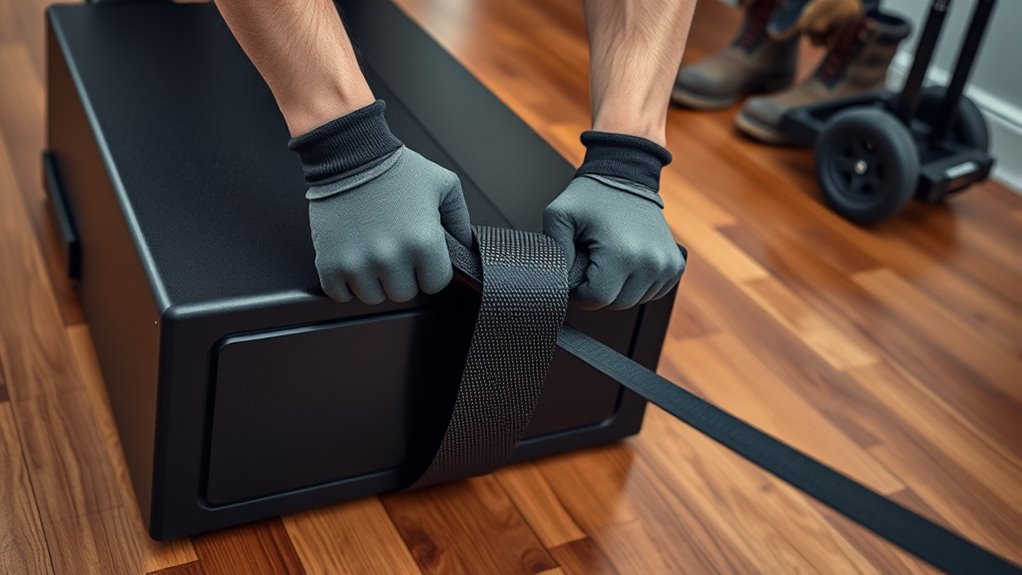
DIY Guide to Move a Gun Safe Yourself
Moving a gun safe yourself can seem like a daunting task, especially if you’re worried about the weight and size. Many people struggle with figuring out how to do it safely and efficiently. You’re not alone—it’s a common challenge, but with the right approach, you can get it done smoothly.
To move a gun safe yourself, start by evaluating its weight and dimensions, and clear a safe path for transport. Gather tools like dollies, straps, and padding, and plan your route to avoid obstacles.
Use proper lifting techniques, keeping your back straight and working with a team if possible. Secure the safe for transportation, and once at your new location, level it and bolt it down for safety.
For more detailed steps, keep going to learn how to do it smoothly.
Key Takeaways
- Measure the safe’s dimensions and weight, then clear a safe pathway free of obstacles.
- Gather necessary tools like dollies, straps, padding, and protective gear before starting.
- Plan the route carefully, considering doorways, stairs, and narrow spaces for safe passage.
- Use proper lifting techniques: bend at the knees, keep the safe close, and coordinate with helpers.
- Secure the safe in its new location, level it, and bolt it to the floor for stability and security.
How to Assess Your Gun Safe’s Weight and Size
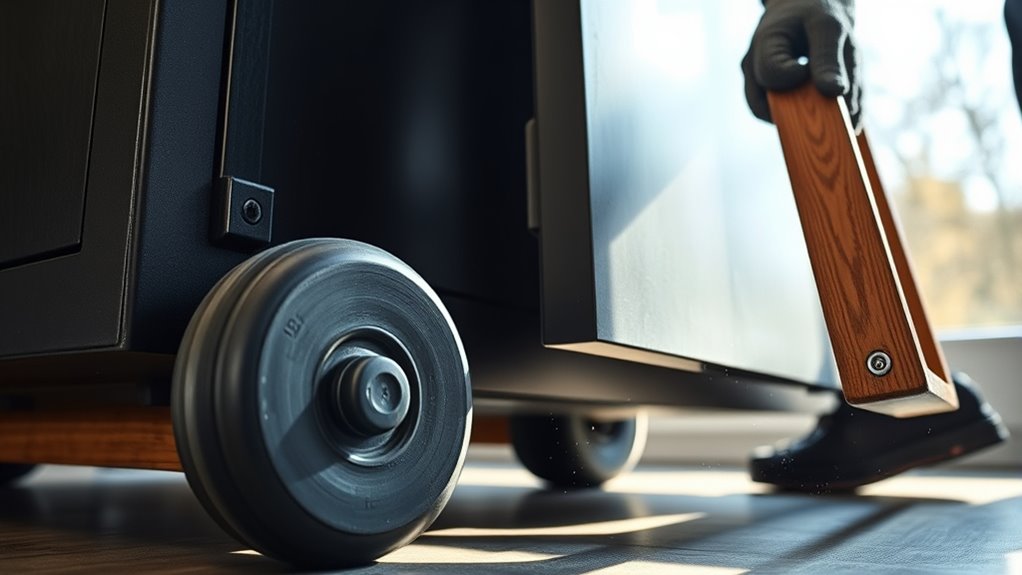
Before you start moving your gun safe, it’s important to know its weight and size. First, look for the manufacturer’s label or specs to find out how much it weighs.
If you can’t find that info, try estimating the weight by considering the safe’s material, thickness, and contents. Remember, a loaded safe will be heavier than an empty one.
Next, measure its height, width, and depth with a tape measure. These measurements will help you decide if you need extra equipment like a dolly or straps.
Measuring height, width, and depth helps determine if additional equipment is needed for safe moving.
Think about the shape too. A tall, narrow safe might be easier to move than a large, bulky one. Knowing your safe’s weight and size helps you plan the move safely and choose the right tools.
Prepare Your Space for Moving Safely
To move your gun safe safely, start by clearing the surrounding space. Remove any obstacles, furniture, or items that could trip you up or get damaged during the move.
Make sure the path is wide enough for the safe and any moving equipment you plan to use. Check for low-hanging ceilings, doorways, and narrow hallways that might block your way.
Marking the route helps prevent accidents and keeps you on track. It’s also a good idea to have your shoes or protective gear nearby so you can protect yourself during the move.
Use the following table to organize your preparations:
| Action | Purpose |
|---|---|
| Clear walkways | Prevent trips and falls |
| Remove furniture | Create enough space for safe movement |
| Check doorways | Verify safe passage |
| Mark the route | Guide safe navigation |
| Gather protective gear | Protect yourself during the move |
Gather Essential Tools and Equipment for Moving
Before you start moving your gun safe, make sure you’ve gathered the right tools and protective gear. You’ll want dollies, straps, and padding to help lift and secure the safe safely.
Don’t forget to wear gloves, sturdy shoes, and eye protection. Staying safe throughout the process is really important.
Necessary Moving Tools
Moving a gun safe requires the right tools to guarantee safety and efficiency. Without proper equipment, you risk injury or damaging your property. Make sure you have these essential tools on hand:
- Heavy-duty dollies or hand trucks to support the weight and make transportation easier
- Straps and ropes to secure the safe during movement, preventing slips and falls
- Moving blankets or padding to protect both the safe and your floors from scratches and dents
Using the right tools isn’t just about convenience. It’s about protecting yourself and your investment. Proper equipment helps you handle the weight safely and reduces the risk of accidents.
Prepare these tools beforehand and you’ll move your gun safe with confidence and peace of mind.
Protective Equipment Essentials
Equipping yourself with the right protective gear is essential for a safe and smooth move. Wear sturdy gloves to protect your hands from sharp edges and heavy objects. Safety goggles shield your eyes from dust, debris, or accidental impacts.
Steel-toed boots provide stability and protect your feet if the safe shifts or drops. A back brace can help prevent strain during lifting and moving. Use a dust mask to avoid inhaling dust or particles, especially in tight or dusty spaces.
Wearing long sleeves and durable clothing adds an extra layer of protection against scrapes and minor injuries. Always check that your gear fits well and is in good condition. Proper protective equipment minimizes injury risks, ensuring a safer, more efficient move.
Plan Your Route and Moving Strategy
Before you start moving your gun safe, check out your route carefully. Look at doorways, hallways, and stairs to make sure everything is accessible.
Pick the right moving gear, like dollies or straps, to make the job safer and easier.
Planning your path and strategy now will help prevent any damage and make the move smooth.
Assess Pathway Accessibility
Evaluating your pathway accessibility is a crucial first step in planning how to move a gun safe safely and efficiently. You want to spot potential obstacles and make sure the route is clear.
Check for narrow doorways, tight corners, or uneven floors that could make the move difficult. Measure doorways and hallways to confirm your safe can pass through without damage or trouble.
Think about the overall length and width of the path, and whether you’ll need to disassemble parts of the safe or use special equipment. Visualize the entire route to anticipate any challenges.
Choose Proper Moving Equipment
Choosing the right moving equipment is essential to guarantee your gun safe is transported safely and efficiently. You’ll need sturdy dollies designed for heavy loads, preferably with straps to secure the safe during movement.
Heavy-duty furniture sliders can help navigate tight corners without damaging floors. Moving straps or harnesses distribute the weight evenly and give you better control.
If the safe is particularly large or heavy, consider renting a hand truck or a moving dolly with extra support. Also, having lifting straps can reduce strain on your back.
Don’t forget to use moving blankets or padding to protect your safe and your home’s walls. Proper equipment minimizes the risk of injury and damage, making your move smoother and safer.
Use Proper Lifting and Moving Techniques to Stay Safe
Lifting and moving a gun safe needs careful technique to keep you safe and prevent damage. Always bend at your knees, not your waist, to keep your back straight and use your leg muscles to lift.
Keep the safe close to your body to reduce strain and help keep your balance. Talk to your team clearly and make sure everyone lifts at the same time.
Remember, rushing can cause accidents. Be aware of your surroundings to avoid obstacles and potential falls.
Stay safe by:
- Using your legs, not your back, for lifting
- Keeping the safe close and balanced
- Working with a team and lifting in unison
Following these tips helps protect you and your valuable item. Proper lifting reduces injuries and makes the move smoother.
Use Moving Aids Like Dolly or Hand Truck Carefully
Using moving aids like a dolly or hand truck can make transporting your gun safe much easier, but it’s important to use them carefully. Make sure the dolly or hand truck is rated to handle the weight of your safe.
Secure the safe firmly with straps or ropes to prevent shifting during transit. Keep your hands clear of pinch points and check that the load is balanced to avoid tipping.
Move slowly and steadily, especially around corners or uneven surfaces. Watch out for obstacles and don’t rush—sudden movements can cause accidents or damage.
Always lift with your legs, not your back, when placing the safe on or off the aid. Using proper technique and being cautious will help prevent injuries and protect your safe during the move.
Secure and Transport Your Safe in the Vehicle
Once you’ve secured your safe on the moving aid, the next step is to properly secure it inside your vehicle to prevent shifting or tipping during transit. You want to make sure it stays put to avoid damage to your vehicle and the safe itself.
Use heavy-duty straps or ropes to anchor the safe to the vehicle’s anchor points or floor. Double-check that the safe is tightly secured and cannot move with force. Feel confident knowing you’ve minimized the risk of accidents.
Keep the safe upright and avoid tilting it at sharp angles. Remember, a secure safe means a safer, smoother move.
Feel the weight of responsibility as you protect your belongings. Experience relief knowing you’ve taken every safety precaution. Enjoy peace of mind during your journey, confident in your effort.
Reassemble and Position Your Gun Safe in Its New Location
After securing the safe in your vehicle, it’s time to move it into its new spot and set it up properly. Carefully unload the safe and position it where you want it.
If it has adjustable feet or leveling mechanisms, make sure to level it to prevent tipping. Reattach any components you removed during disassembly, like shelves or doors, following the manufacturer’s instructions.
Use a dolly or lifting straps to help move the safe, especially if it’s heavy. Once it’s in place, check that it’s stable and level.
Secure the safe to the floor if needed, using bolts or anchors to prevent movement or theft. Finally, double-check all doors and locks to ensure everything works smoothly and securely.
Frequently Asked Questions
How Can I Prevent Damage to My Floors During the Move?
To prevent floor damage during the move, lay down thick moving blankets, cardboard, or plywood sheets under the safe. This creates a protective layer to keep your floors safe.
Use sturdy dollies with rubber wheels to reduce friction and avoid scratches. Having the right tools makes a big difference in protecting your floors.
Ask your helpers to carefully lift and slide the safe, making sure to distribute the weight evenly. Moving slowly and steadily also helps minimize impact.
Taking these precautions will help prevent dents, scratches, and other damage to your floors throughout the move.
What Should I Do if My Safe Gets Stuck or Doesn’T Fit Through Doorways?
When your safe gets stuck or doesn’t fit through doorways, don’t panic. Think of it as a puzzle waiting to be solved.
First, measure the safe and the doorway again to double-check the size.
Then consider tilting or disassembling parts if possible. Removing doors or trim might help, or you can ask friends to help rotate the safe.
Patience and careful maneuvering often free the obstacle, saving you from costly damage or injury.
Are There Specific Safety Precautions for Moving a Biometric or Electronic Lock Safe?
Yes, there are specific safety precautions for moving a biometric or electronic lock safe. You should disconnect the power source, remove batteries, and avoid forcing the lock to prevent damage.
Wear gloves to protect your hands from sharp edges and use proper lifting techniques to avoid injury. Handle the safe gently to prevent damaging sensitive electronic components.
If you’re unsure about the process, consider consulting the manufacturer’s guidelines or hiring professionals for help.
How Do I Ensure My Safe Is Securely Anchored After Reinstallation?
Securing your safe is like anchoring a ship in rough waters—you want it firmly in place. To ensure it’s secure, tighten all bolts and anchors into the floor or wall using a heavy-duty drill and the right hardware.
Double-check that the safe doesn’t wobble or shift. If needed, add extra brackets or straps for extra stability.
Regularly inspect these fixtures to keep your safe securely anchored over time.
What Are the Legal Considerations for Moving a Gun Safe Across State Lines?
When moving a gun safe across state lines, it’s important to look into federal and state laws because they can be different. Some states have strict rules about transporting firearms or safes, and you might need permits or have to send notifications.
Make sure to check if your destination state has specific rules for storage or transport too. It’s always a good idea to carry proof of ownership and ensure your safe is packed securely. This can help you avoid legal issues or delays while you’re moving.
Conclusion
Moving your gun safe is like guiding a mighty ship through treacherous waters. Careful planning, steady hands, and the right tools are key to navigating safely to your new home.
With patience and attention, you can turn this intimidating task into a smooth voyage. Securely anchoring your safe in its new spot makes all the difference.
Remember, each step is like a compass pointing you toward safety and success. By following these simple tips, you’ll make moving your gun safe a triumphant journey.