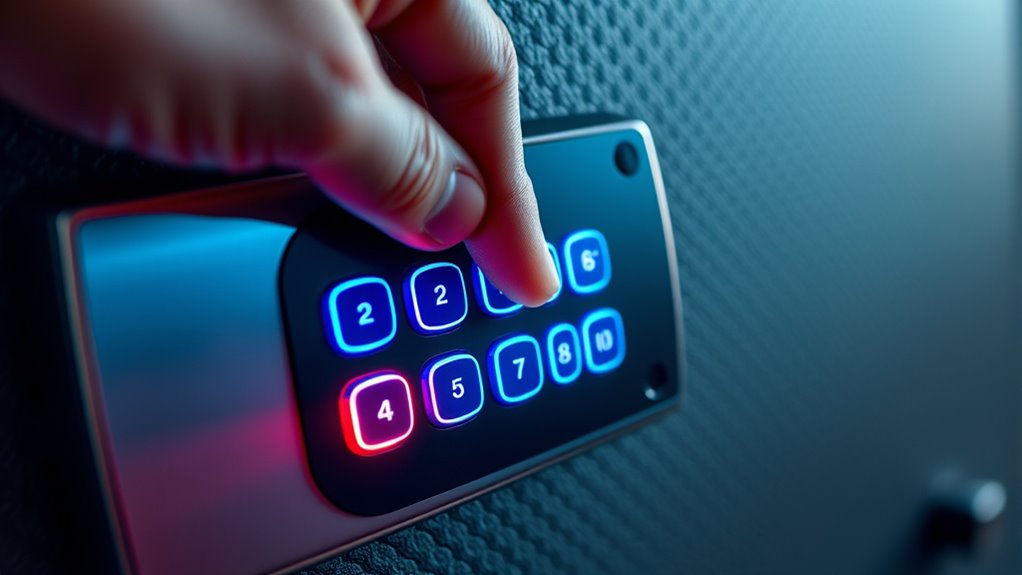
How to Reset Your Gun Safe Code Easily
Many gun safe owners know the frustration of forgetting or needing to reset their safe code. You’re not alone—this is a common issue, and luckily, it’s usually easy to fix.
To easily reset your gun safe code, first locate the keypad or control panel. Enter your current code, then press “program” or “settings.”
Some models need you to hold a specific button like “0” or “#” to activate programming mode. Input your new code, usually 4 to 8 digits, and confirm it.
Be sure to test the new code to verify it works smoothly. If you want more detailed steps and troubleshooting tips, keep going.
Key Takeaways
- Locate the control panel and follow the manufacturer’s reset instructions for your specific safe model.
- Enter the current code, then access programming mode by pressing designated buttons like “program” or “settings.”
- Input and confirm a new, secure code. Make sure to test it thoroughly to ensure it works properly.
- If you run into any problems, check the safe’s manual or visit the manufacturer’s website for guidance.
- Don’t forget to replace batteries regularly and perform routine maintenance. This helps keep the reset function working smoothly.
How to Reset Your Gun Safe Code Step-by-Step
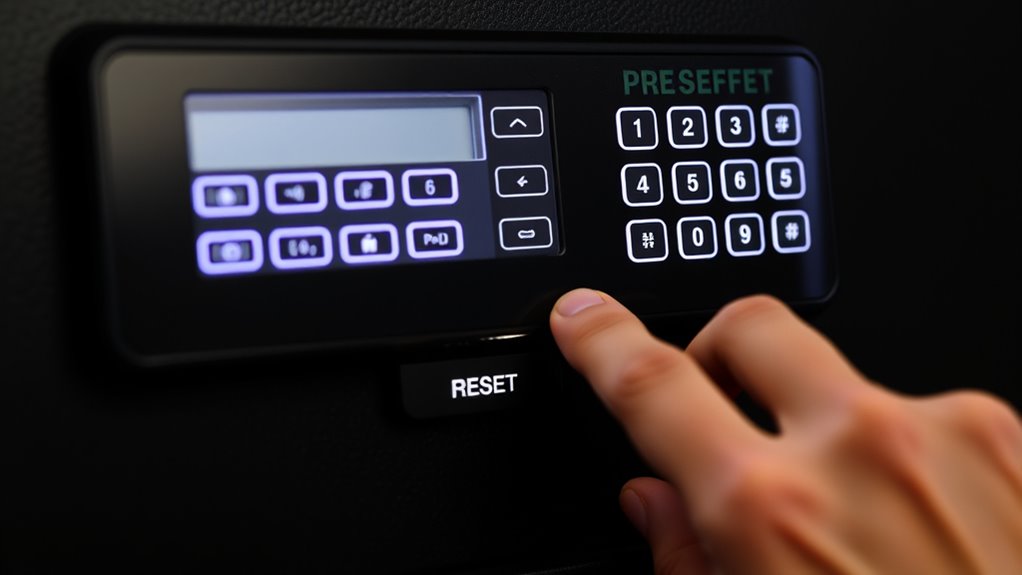
Resetting your gun safe code is pretty simple, but the steps can differ depending on your model. First, find the keypad or control panel on your safe.
Next, enter your current code if needed, then press the “program” or “settings” button. Some safes require you to hold down a specific button like “0” or “#” to get into programming mode.
Once you’re in programming mode, input your new code, which is usually between 4 and 8 digits. Confirm it by pressing the “enter” or “save” button.
If your safe has a reset button, press and hold it until the display shows that a reset has occurred.
Finally, test your new code to make sure it works properly. Always follow your safe’s specific instructions to avoid getting locked out.
How to Find Your Safe’s Manual and Manufacturer Instructions
To successfully reset your gun safe code, it’s important to have the right instructions for your specific model. Start by finding the safe’s manual, which usually comes with the safe when you buy it.
If you can’t find it, check the manufacturer’s website. Most sites offer downloadable PDF versions of the manual. Look for the model number, which is often inside the door, on the back, or on a label.
Once you have the model details, search online for the specific manual and instructions. If you bought the safe secondhand, you can also contact the manufacturer directly with your model number for guidance.
After identifying your model, search online or contact the manufacturer for specific reset instructions.
Having the correct manual ensures you follow the right steps. This helps reduce the risk of damaging the lock or voiding the warranty.
Troubleshooting Common Reset Problems
If you’re having trouble resetting your safe’s code, double-check that you’re entering the correct combination.
Lock mechanism malfunctions can also prevent the reset process from working properly.
Figuring out whether the issue is user error or a mechanical problem is key to solving the problem quickly.
Incorrect Code Entry
When you enter the wrong code multiple times, the safe might temporarily lock you out as a security measure. This is meant to prevent unauthorized access but can be frustrating if you’re unsure of the correct code.
To resolve this, wait for the lockout period to end before trying again. Some safes have a reset button or a specific sequence to clear the lockout; check your user manual for details.
If you’ve recently changed the code and can’t remember it, avoid guessing repeatedly, as this may trigger a longer lockout. Instead, look for backup options like a key or override code.
Patience is key. Rushing or forcing entry can cause more issues. Once the lockout is over, re-enter your code carefully.
Lock Mechanism Malfunctions
Lock mechanism malfunctions are a common cause of reset problems, especially if the safe’s internal components aren’t working properly. If the lock doesn’t respond when you enter the code, the internal wiring or electronic parts might be faulty or damaged.
Sometimes, dirt or debris can jam the lock, preventing it from resetting correctly. To troubleshoot, start by inspecting the keypad and lock for dirt or obstructions.
If cleaning doesn’t help, check the battery or power source, as low power can cause malfunctions. If the internal mechanism is jammed or broken, you might need to contact the manufacturer or a professional locksmith.
Avoid forcing the lock, as this can cause further damage and make the reset process more complicated.
What to Do If Your Safe Won’t Reset
Sometimes, despite following the reset instructions carefully, your safe refuses to reset its code. First, double-check the manual to make sure you’ve followed each step exactly. If it still won’t reset, consider these options:
| Possible Causes | Solutions |
|---|---|
| Battery issues | Replace batteries with fresh ones |
| Mechanical lock problems | Inspect and gently clean the lock mechanism |
| User error | Review instructions or watch tutorial videos |
| Faulty keypad or circuit | Contact the manufacturer or a professional repair |
If none of these work, avoid forcing the lock because you might cause damage. Sometimes, persistent issues need professional help, but try these troubleshooting steps first.
When to Call a Locksmith for Safe Lockouts
Knowing the right moment to call a locksmith can save you time, frustration, and potential damage to your safe.
If you’re locked out despite entering the correct code or the keypad isn’t responding, it’s time to seek professional help.
Also, if the safe’s lock mechanism is stuck or jammed after multiple unsuccessful attempts, a locksmith can safely open it without causing damage.
Avoid trying to force the door open, which might break the lock or safe.
If your safe’s battery is dead and you can’t access it, a locksmith can often replace or bypass the power source.
When you’re unsure about the cause of the lockout or lack the proper tools, calling a skilled locksmith guarantees a quick, safe resolution.
Security Tips After Changing Your Safe Code
After changing your safe code, it’s important to take steps to protect your new combination and keep your valuables secure.
First, avoid sharing your new code with others, especially anyone who doesn’t need access. Keep the combination in a secure spot, like a locked safe or a password manager, instead of writing it down openly.
It’s also a good idea to change your code regularly so unauthorized people can’t keep accessing your safe over time. Be careful of anyone watching you enter your code, and consider using a distraction to hide your actions.
Make sure to test the new code a few times to ensure it works properly and that you remember it. Finally, check your safe’s security features and confirm all locks and alarms are working well to protect your valuables.
Choosing a Strong New Gun Safe Combination
When choosing a new safe combination, consider using complex numbers and steer clear of any personal info. This makes it much harder for someone else to guess your code.
Try out your code several times before locking it in permanently. A strong, reliable combination keeps your valuables safe and gives you peace of mind.
Use Complex Numbers
Choosing a strong new combination for your gun safe involves using complex numbers that are difficult for others to guess. Instead of simple sequences like “1234” or “0000,” incorporate numbers that aren’t easily predictable.
Think about using prime numbers or mixing digits from different number sets. You can also combine numbers that have personal significance but aren’t obvious, like a favorite prime number or an important date in a less obvious format.
Avoid common patterns or repetitive sequences, which are easy for someone to guess. The goal is to select a combination that’s complex enough to thwart guessing attempts but still memorable for you.
Using complex numbers increases your security, making it harder for intruders to crack your safe code.
Avoid Personal Info
To guarantee your safe remains secure, it’s essential to avoid using personal information in your combination. Using birthdays, anniversaries, or easy-to-guess numbers puts your safe at risk. Instead, pick a combination that’s random and unique.
Avoid common sequences like “1234” or “0000,” which are easy for others to guess. Make your code complex but memorable by mixing numbers that don’t relate to you. Here’s an example to think about:
| Personal Info to Avoid | Better Alternative |
|---|---|
| Birthdate | Random 4-digit number |
| Anniversary | Unrelated number combination |
| Phone number | Unique, non-sequential code |
| Address | Random sequence |
| Family members’ names | Unrelated digits |
Choose wisely to keep your safe secure.
Test Before Locking
After choosing a strong, unique combination, it’s really important to test it thoroughly before locking it in. Don’t just assume it works—actually open and close the safe multiple times using the new code.
Make sure the keypad responds consistently and that the lock engages properly every time. If your safe has a manual override, test that too to ensure it works correctly in emergencies.
Pick a combination that’s easy for you to remember but hard for others to guess. Don’t rush this step—taking the time to verify everything now can save you from frustration or lockouts later.
Once you’re confident in the code’s reliability, you can lock it in knowing your safe is both secure and accessible when needed.
Tips to Remember or Store Your Safe Code Safely
Remembering or securely storing your safe code is crucial to prevent unauthorized access and the frustration of being locked out.
One way to do this is by writing your code down and keeping it in a secure spot, like a locked drawer or a safe deposit box. Avoid placing it somewhere obvious, like near the safe or on your phone.
Write your code down securely, avoiding obvious spots like near the safe or on your phone.
Using a password manager can help you store and recall your code safely whenever you need it. If you prefer memorizing, try creating a memorable pattern or phrase linked to your code to make it easier to remember.
Regularly reviewing or updating your code can also help keep it fresh in your mind. The main goal is to balance easy access with keeping your code secure from prying eyes.
Preventing Future Safe Lockouts and Access Issues
Preventing future safe lockouts means taking proactive steps to ensure you always have access.
Start by choosing a code that’s easy for you to remember but hard for others to guess. Avoid common combinations like birthdays or anniversaries.
Write your code down and store it securely, like in a locked drawer or separate safe. Make sure it’s in a place only you can access.
Regularly test your code to confirm it still works properly. This way, you won’t be caught off guard.
If your safe has a backup key, keep it somewhere trusted and check its condition now and then.
Consider setting up multiple access options if your safe supports it, such as biometric or fingerprint access.
Finally, change your code if you think it’s been compromised or if you’ve shared it with others.
Following these steps helps prevent lockouts and ensures quick access whenever you need it.
Types of Gun Safes and Their Reset Features
Different types of gun safes come with various reset features to meet different security needs and user preferences. Some safes let you reset the code directly on the keypad, often after entering a master code or following a reset procedure.
Others require a physical reset button hidden inside the safe, which you can access with a key or tool. Biometric safes usually have a quick reset option through their digital interface, making it easy to update fingerprints.
Mechanical safes, like dial locks, often need a combination change process, sometimes involving a reset tool or a locksmith. Safes with hidden reset buttons also fall into this category, providing an additional layer of security.
Regular Maintenance to Keep Your Gun Safe Secure
To keep your gun safe secure, you need to perform regular maintenance. Check your locking mechanisms often, lubricate moving parts, and replace batteries each year.
These simple steps help prevent malfunctions and guarantee your safe stays reliable.
Check Locking Mechanisms Regularly
Regularly inspecting your gun safe’s locking mechanisms is key to making sure they work properly when you need them most. Doing routine checks helps you catch issues early, so you’re not locked out or leaving your valuables vulnerable.
Look for signs of rust, corrosion, or any damage on the metal parts. It’s also a good idea to test the responsiveness of electronic components like keypads or biometric readers to ensure they respond promptly and accurately.
Make sure all the locking bolts move smoothly—both when locking and unlocking. Don’t forget to verify that backup keys or override options work properly in case of emergencies.
Staying proactive with these checks keeps your safe reliable and secure when it counts.
Lubricate Moving Parts Periodically
Applying lubricant to your gun safe’s moving parts is essential for smooth operation and longevity. Regular lubrication prevents rust and reduces friction, helping your safe work reliably when you need it most.
Use a light, high-quality lubricant designed for metal parts. Carefully apply it to hinges, bolts, and locking mechanisms to keep everything moving smoothly.
Neglecting this maintenance can cause stiffness, jams, or even lockouts in urgent situations. Imagine how frustrating it would be to be unable to access your firearms during an emergency.
Keep your safe dependable with consistent upkeep. A well-lubricated safe gives you peace of mind, confidence, and readiness when it matters most.
Replace Batteries Annually
Making sure your gun safe works smoothly isn’t just about maintaining the moving parts. It also means keeping the electronic components powered. Replacing the batteries every year is key to avoiding unexpected lockouts or malfunctions.
Set a reminder to check and swap out batteries before they get too low. This is especially important if your safe has electronic locks or a keypad. Regular replacement helps keep your safe accessible when you need it most.
You should also use high-quality batteries to prevent leaks or corrosion. Avoid mixing old and new batteries, as this can cause issues. Keep spare batteries nearby for quick replacements, and check for corrosion or signs of damage during each change.
Staying on top of battery maintenance makes your safe more reliable and secure.
Frequently Asked Questions
Can I Reset My Gun Safe Code Without the Original Code?
Yes, you can reset your gun safe code without the original code, but it depends on the type of lock you have.
For electronic safes, you’ll usually find a reset button or need to remove the battery to access a reset pinhole. Once you find it, follow the manufacturer’s instructions to reset the code.
Mechanical safes often require a specific override key. Check your safe’s user manual for detailed instructions or contact the manufacturer for guidance.
If you’re unsure about the process, it’s a good idea to consult a locksmith. They can help you reset your safe securely and without damage.
How Long Does It Typically Take to Reset the Safe Code?
Resetting your gun safe code usually takes just a few minutes, often around 5 to 10 minutes, depending on your safe’s model.
You’ll need to follow the manufacturer’s specific instructions, which usually involve entering a reset mode, pressing a reset button, or using a master key.
Make sure you have any necessary tools or keys ready beforehand to ensure a smooth process and avoid unnecessary delays.
Are There Risks of Damaging the Safe During the Reset Process?
There is a small risk of damaging your safe if you don’t follow the reset instructions carefully. You might accidentally break internal components or strip the lock mechanism if you force it.
To minimize risks, read the manufacturer’s manual thoroughly before starting. Handle the parts gently and avoid using excessive force.
If you’re unsure, consider consulting a professional locksmith. This can help ensure a safe and proper reset without causing damage.
Is It Possible to Change the Code Remotely or Digitally?
Yes, you can change your gun safe code digitally or remotely if your safe has smart features. Many modern safes come with mobile apps or keypad interfaces that let you update or reset the code easily.
Usually, you’ll need to authenticate with your current code or a master key first. Check your safe’s user manual or the manufacturer’s website for specific instructions, as features differ between models.
What Should I Do if the Keypad Is Unresponsive During Reset?
If the keypad becomes unresponsive during a reset, don’t panic—you’re not alone. About 15% of users face this issue.
First, check the batteries. Weak power often causes unresponsiveness. If that doesn’t work, disconnect the safe from power and reconnect after a minute.
If it’s still unresponsive, consult your safe’s manual or contact customer support. These steps usually resolve the problem and help you reset your code smoothly.
Conclusion
Resetting your gun safe code doesn’t have to be intimidating once you know the steps. Keep your manual handy and troubleshoot issues as they come. Regularly reviewing your access procedures can prevent lockouts and keep your safe secure.
Remember, if all else fails, calling a locksmith is a smart move. So, are you ready to confidently manage your safe’s security and avoid unnecessary stress?
Stay prepared, stay safe, and keep your gun safe code reset process simple and stress-free.