Understanding Ball Ammo – A Comprehensive Guide
Are you tired of second-guessing your choice of ammunition, wondering if you’re getting the right balance of reliability, accuracy, and affordability? You’re not alone—many gun enthusiasts struggle to find the perfect fit for their needs.
Understanding ball ammo can help you make smarter decisions and enhance your shooting experience.
Ball ammo, also called full metal jacket rounds, features a lead core encased in a hard metal shell, making it reliable, accurate, and cost-effective. It’s designed for consistent performance in targets, self-defense, and training scenarios, though it may overpenetrate and offer moderate stopping power.
Proper storage, safety, and maintenance are essential for safe use. If you want to understand how ball ammo works, its advantages, limitations, and best practices, there’s much more to uncover.
Key Takeaways
- Ball ammo, also known as FMJ, features a lead core coated with a hard metal jacket. This design helps with reliable feeding and penetration.
- It offers consistent performance and good accuracy at close ranges. Plus, it’s cost-effective, making it a popular choice for training and target practice.
- However, it can overpenetrate, which is a safety concern. It also has less stopping power compared to specialized rounds.
- Proper storage, maintenance, and safety practices are essential to keep the ammunition reliable and safe to use.
- This type of ammo is suitable for military, law enforcement, and shooting practice. But it’s less ideal for self-defense because of its tissue disruption profile.
What Is Ball Ammo and How Is It Made?
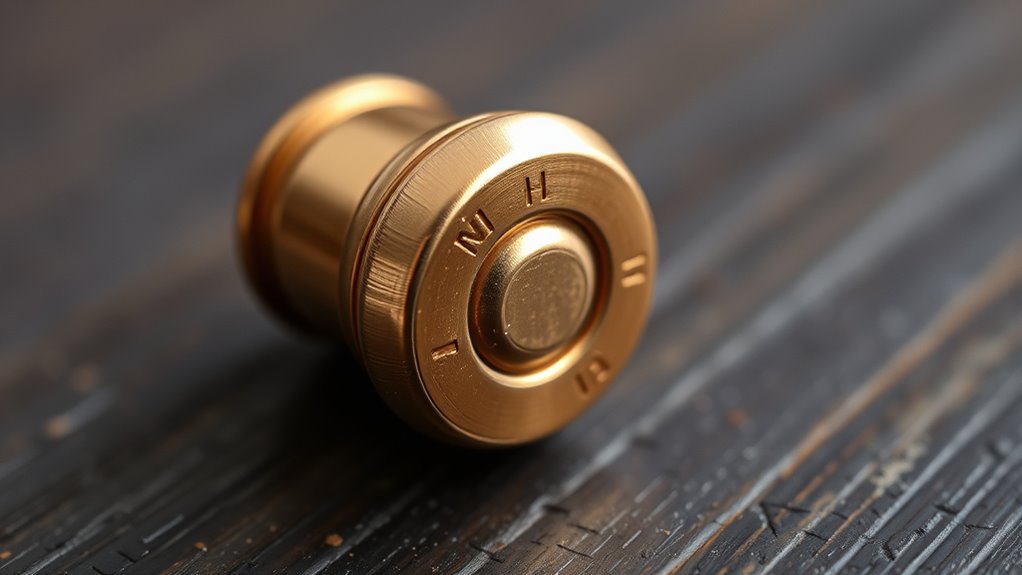
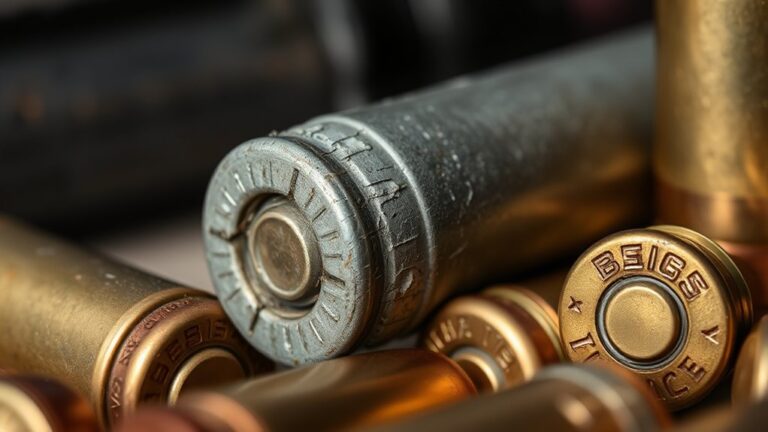
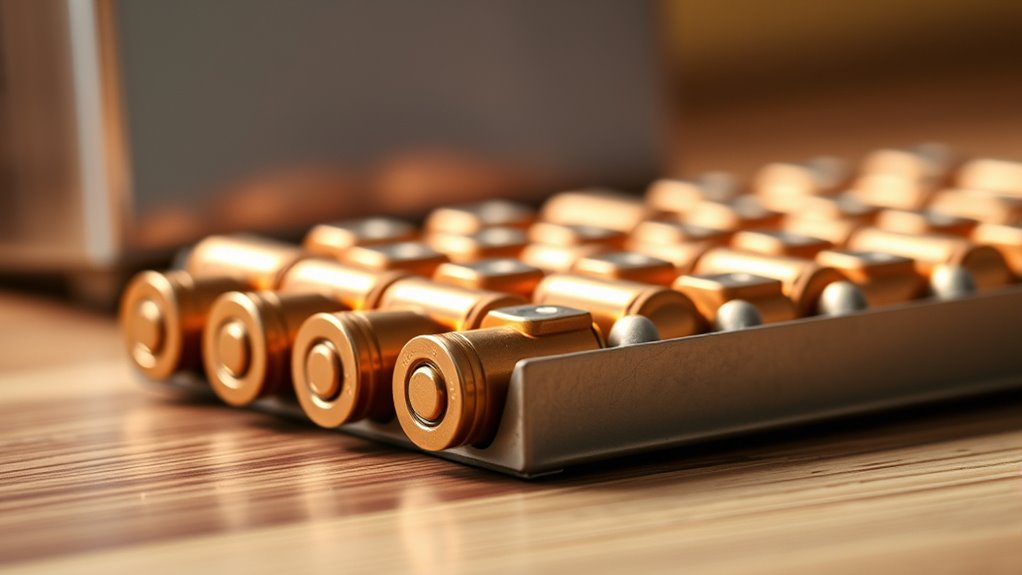
Ball ammo, also called full metal jacket (FMJ) rounds, is a type of ammunition with a lead core covered by a hard metal shell. You’ll see this design often because it helps the bullet keep its shape and feeds smoothly in guns.
The manufacturing process begins with shaping a lead core into the right bullet form. Then, a copper or steel jacket is formed around it using swaging or electrochemical deposition. The jacket is carefully fitted onto the core.
Sometimes, bullets get extra coatings to help reduce barrel fouling. This design makes ball ammo durable, reliable, and good at penetrating targets. That’s why it’s popular with the military, law enforcement, and civilian shooters.
How Does Ball Ammo Perform in Shooting Scenarios?
When you use ball ammo in a shooting scenario, you’ll notice how well it penetrates targets and delivers effective wounding power. It’s reliable for stopping threats and getting the job done.
Its accuracy and range depend on your firearm and the conditions you’re shooting in. So, staying consistent with your shots is really important.
Reliability is key here, making sure every shot performs predictably when it matters most. That way, you can trust your ammo to work when you need it.
Penetration and Wounding Power
Penetration and wounding power are key factors when evaluating how effectively a round can stop a threat or cause injury. With ball ammo, you’ll generally get reliable penetration, which means it can pass through clothing and light barriers easily.
Its ability to reach vital organs depends on the bullet’s velocity and design, making sure it can breach tissue effectively. Wounding power isn’t just about penetration; it also involves the damage caused when the round expands or destabilizes inside the target.
Ball ammo usually creates a straight path, resulting in less tissue disruption compared to specialized rounds. While it can reliably reach critical areas, its overall wounding potential is limited compared to hollow points designed to expand.
Understanding these traits helps you pick the right ammunition for your specific shooting scenario.
Accuracy and Range Performance
Accuracy and range performance are key factors to think about when using ball ammo. They help determine how well your shots hit their target at different distances.
Usually, ball ammo is pretty accurate at closer ranges, especially if you’re experienced. But it tends to lose some precision at longer distances because of its simple design and basic aerodynamics.
You might notice a small drop in accuracy beyond 50 yards, so it’s not the best choice for long-range shooting. Wind and environmental factors also impact accuracy more with ball ammo because of its flatter trajectory.
For the best results, practice often and get familiar with your firearm’s sights and zeroing. While ball ammo works well in many situations, it’s good to know its limits when shooting targets far away.
Reliability and Consistency
Ball ammo is known for its reliability in various shooting scenarios, making it a popular choice for both beginners and experienced shooters. Its consistent performance guarantees your shots are predictable, even under different conditions.
You’ll find that ball ammo feeds smoothly and fires reliably, helping to reduce misfires and jams. This consistency is especially important in critical situations like self-defense or competitive shooting, where dependability really matters.
To illustrate, here’s a quick comparison:
| Feature | Performance |
|---|---|
| Reliability | High, minimal jams or misfires |
| Consistency | Maintains accuracy shot-to-shot |
| Suitability | Great for training and everyday use |
This dependable performance helps you stay confident and focused, no matter the scenario.
What Are the Benefits and Limitations of Ball Ammo?
While ball ammunition is widely used for its simplicity and affordability, it also comes with certain limitations. Its straightforward design means it’s reliable and easy to produce, making it cost-effective for practice and general use.
You benefit from consistent performance and predictable ballistics, which helps with accuracy. However, ball ammo can lack stopping power compared to specialized rounds, making it less effective for hunting or self-defense situations where energy transfer is essential.
Consistent performance and accuracy, but limited stopping power for hunting or self-defense needs.
Furthermore, its tendency to overpenetrate can pose safety concerns, especially in confined spaces. While it’s great for training and target shooting, it might not be your best choice for tasks requiring maximum impact or specific ballistic performance.
Understanding these pros and cons helps you select the right ammunition for your needs.
How to Choose the Best Ball Ammo for Your Needs
Wondering how to pick the right ball ammo for your needs? Start by thinking about what you’ll mainly use it for—self-defense, target practice, or hunting.
For self-defense, go for ammo with reliable expansion and penetration, like hollow points, even if they aren’t technically ball ammo. For target shooting, standard full metal jacket (FMJ) rounds are budget-friendly and accurate.
Hunting calls for ammo that provides deep penetration and dependable performance. Some hunters prefer specific calibers or brands known for consistency. Make sure your chosen ammo is compatible with your firearm’s specifications.
Your budget matters too. Higher-quality ammo usually offers better accuracy and reliability but costs more. Do some research on reputable brands and read reviews to find options that match your needs and price range.
Tips for Storing and Maintaining Your Ball Ammo
To keep your ball ammo in top condition, store it in a cool, dry place away from moisture and extreme temperatures.
Check your ammo regularly for any signs of corrosion or damage, and handle it safely to avoid accidents.
Proper storage and maintenance will help preserve its reliability and extend its lifespan.
Proper Storage Conditions
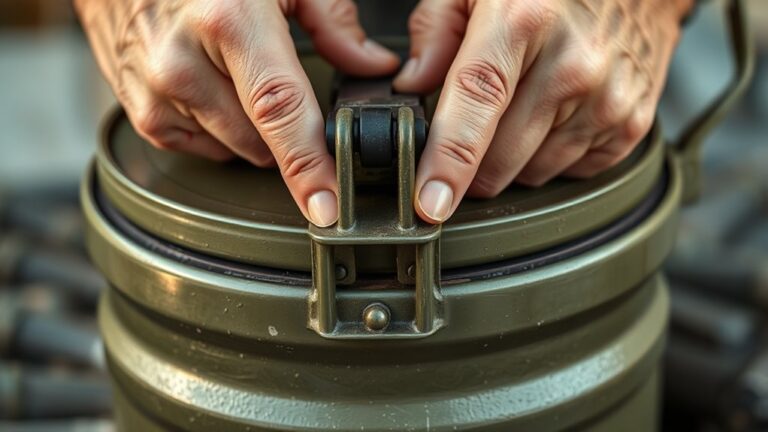
Proper storage is essential to keep your ball ammo in ideal condition and guarantee safety. When stored correctly, your ammunition remains reliable and safe to handle. Keep your ammo in a cool, dry place away from direct sunlight, which can degrade the materials. Use airtight containers to prevent moisture and dust from contaminating your rounds.
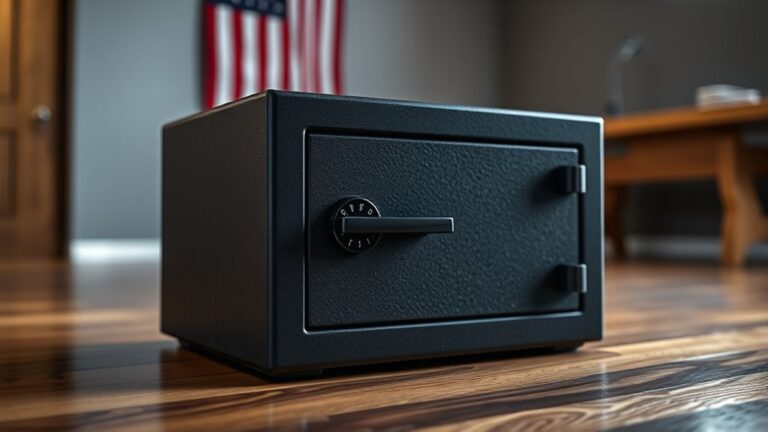
Store your ammo in a secure location, out of reach of children and unauthorized persons. Maintain a consistent temperature to avoid expansion or contraction of the metal components. Label containers clearly for easy identification. Regularly check your storage area for signs of corrosion or damage.
Proper storage not only extends your ammo’s lifespan but also ensures safe handling over time. Remember to keep ammo in a cool, dry environment, and use airtight containers. Store away from heat and sunlight, and keep it out of reach of children. Label your storage containers clearly so you can easily identify them.
Regular Inspection Practices
Regularly inspecting your stored ball ammo keeps it in top condition and assures safety. Check your storage containers for signs of moisture, corrosion, or damage. Look for rust spots or discoloration on the casings, which indicate deterioration. Confirm that seals on containers remain secure to prevent humidity from seeping in.
Rotate your stock by using older rounds first to prevent long-term degradation. Handle ammo carefully during inspections to avoid accidental discharge or damage. Keep an eye on temperature fluctuations because extreme heat can compromise the integrity of your ammo.
Maintaining a regular inspection routine helps catch potential issues early. This ensures your ammo stays reliable and safe to use when needed. Proper upkeep extends the life of your ammunition and preserves its performance.
Safe Handling Procedures
Handling your ball ammo safely starts with understanding how to store and maintain it properly. Proper storage prevents accidents, keeps your ammo in good condition, and guarantees safe handling. Store ammo in a cool, dry place away from heat sources and moisture to prevent corrosion and degradation. Use airtight containers or dedicated ammo boxes with secure lids. Keep ammo separate from other materials, especially flammable substances.
Regularly inspect your storage area for signs of damage or corrosion. Handle ammo with clean, dry hands to avoid transferring oils or moisture. Never carry loose rounds in pockets or bags. By following these tips, you minimize risk and preserve your ammo’s quality for safe shooting.
- Store in a cool, dry environment
- Use secure, labeled containers
- Keep away from heat and moisture
- Regularly inspect storage for damage
- Handle with clean, dry hands
Common Questions About Ball Ammo
Are you curious about how ball ammo performs in different shooting scenarios? Many shooters ask about its accuracy, stopping power, and reliability. Ball ammo is known for consistent performance but may vary depending on caliber and firearm.
Here’s a quick comparison:
| Scenario | Effectiveness | Best Use |
|---|---|---|
| Self-defense | Reliable with good stopping power | Personal protection |
| Target shooting | Accurate and consistent | Practice and competitions |
| Hunting | Moderate, depends on game | Small to medium game |
| Military/LEO | Standard issue and dependable | Law enforcement and military |
| Range practice | Cost-effective and durable | Training and skill-building |
Knowing these details can help you pick the right ammo for each situation.
Final Tips for Responsible Shooting With Ball Ammo
When shooting with ball ammo, practicing responsible firearm habits ensures safety and effectiveness. Always verify that your firearm is properly maintained and clean to prevent malfunctions.
Follow the basic rules of firearm safety: keep your finger off the trigger until you’re ready to shoot, and never point your gun at anything you don’t intend to fire. Be aware of your target and what’s beyond it.
Store your ammo securely, out of children’s reach. Stay informed about local laws and regulations to ensure you’re practicing safely and legally.
Remember to wear eye and ear protection at all times. Use the correct caliber for your firearm to avoid accidents.
Keep your shooting environment clear and secure, and regularly check your firearm’s condition. Practice shooting at designated ranges for safety and skill development.
Frequently Asked Questions
Is Ball Ammo Suitable for Hunting or Just Target Shooting?
Ball ammo is mainly designed for target shooting and military use, so it’s not the best choice for hunting. It provides consistent accuracy and good penetration, but it doesn’t have the controlled expansion needed to ethically take down game.
If you’re hunting, it’s better to use expanding or soft-point rounds. These deliver more energy transfer and help ensure a humane kill. For target practice, ball ammo works fine, but for hunting, pick ammo made specifically for that purpose.
How Does Ball Ammo Compare to Other Types Like Hollow Point?
Ball ammo is generally less effective for hunting compared to hollow points, which expand upon impact to cause more damage. Notably, over 70% of hunters prefer hollow points for this reason.
Ball ammo offers deeper penetration and is often more affordable, making it ideal for target shooting and military use. However, for ethical and effective hunting, hollow points outperform ball ammo by delivering quicker, more humane kills.
Can Ball Ammo Be Used in All Firearm Calibers?
Yes, ball ammo can be used in most firearm calibers, but it’s important to check your firearm’s specifications.
Not all calibers work with every type of ammunition, and some guns need specific rounds for safety and proper function.
Always make sure the ball ammo matches your gun’s caliber and intended use. Using the wrong ammo can cause malfunctions or even damage.
If you’re unsure, it’s best to consult your firearm’s manual or ask a professional.
What Safety Precautions Are Necessary When Handling Ball Ammo?
When handling ball ammo, you need to prioritize safety. Always keep your firearm pointed in a safe direction, and wear eye and ear protection.
Handle rounds carefully, avoiding dropping or mishandling to prevent accidental discharge or damage. Store ammunition in a cool, dry place, away from children and pets.
Always check your firearm’s chamber and magazine before loading, and follow manufacturer instructions for safe use.
Are There Legal Restrictions on Purchasing or Owning Ball Ammo?
Yes, there are legal restrictions on purchasing or owning ball ammo. In the U.S., federal law bans armor-piercing ammunition, and some states restrict or regulate certain calibers or quantities.
Surprisingly, over 20 states have specific laws governing ammo sales, requiring background checks or permits. You should always check your local laws before buying or storing ball ammo, as violations can lead to fines or criminal charges.
Conclusion
Understanding ball ammo helps you make smarter choices at the range. For example, if you’re into target shooting and want accuracy and affordability, ball ammo is a great choice.
Picture a beginner shooter starting out with reliable, plain-jacketed rounds. It’s a solid way to build confidence and skills without spending too much.
By knowing its benefits and limitations, you can choose and maintain your ammo responsibly. This ensures a safe and effective shooting experience every time, especially with ball ammo.