Which Glock Models Are Full Auto?
If you’ve ever wondered which Glock models can fire in full auto, you’re not alone. Many gun enthusiasts are curious about the capabilities and legalities of these firearms.
The idea of a Glock that can shoot continuously sounds exciting but can also be confusing and complicated.
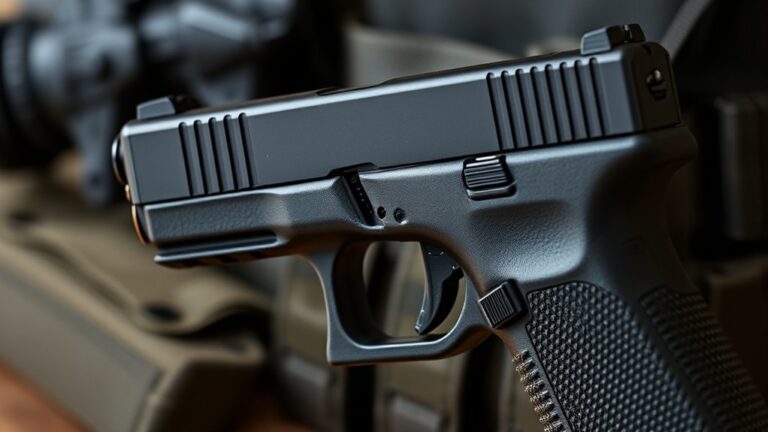
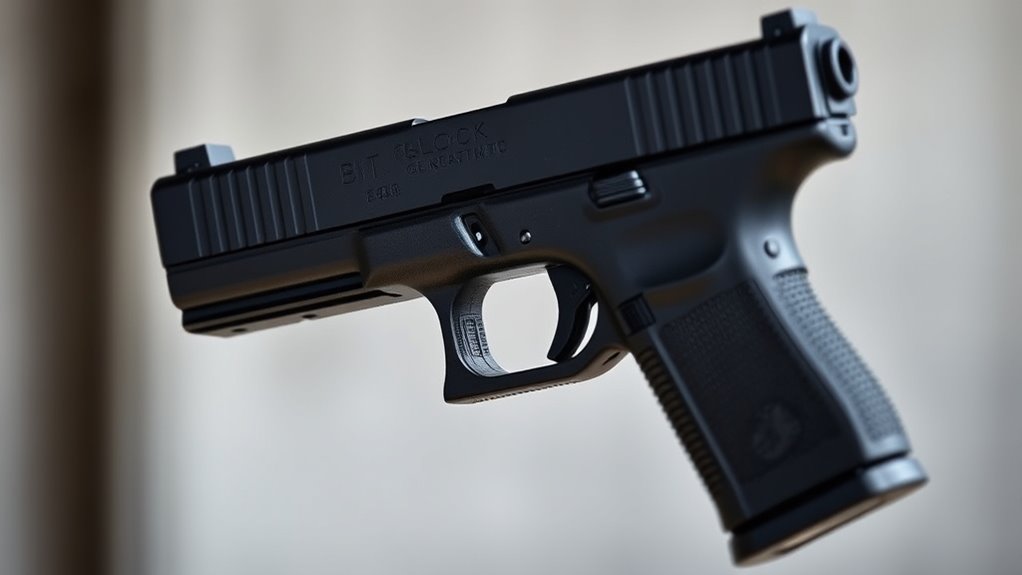
Only the Glock 18 is designed for full auto firing, making it the only Glock model capable of continuous automatic fire.
Most other Glock models, like the Glock 17 and Glock 19, are semi-automatic and cannot be converted legally.
Fully automatic Glocks are highly regulated, requiring special licensing and paperwork.
If you want to investigate more about full auto Glocks and the legal aspects, there’s important information you should know ahead.
Key Takeaways
- The Glock 18 is the only Glock model designed specifically for full auto firing.
- Other Glock models, like the Glock 17 and Glock 19, are strictly semi-automatic.
- Full auto Glocks require specialized fire control units and aren’t available for civilian purchase legally.
- Converting semi-auto Glocks to full auto is illegal without the proper licensing and registration.
- Full auto capability is mainly intended for military and law enforcement use.
Can Civilians Legally Own Full Auto Glocks?
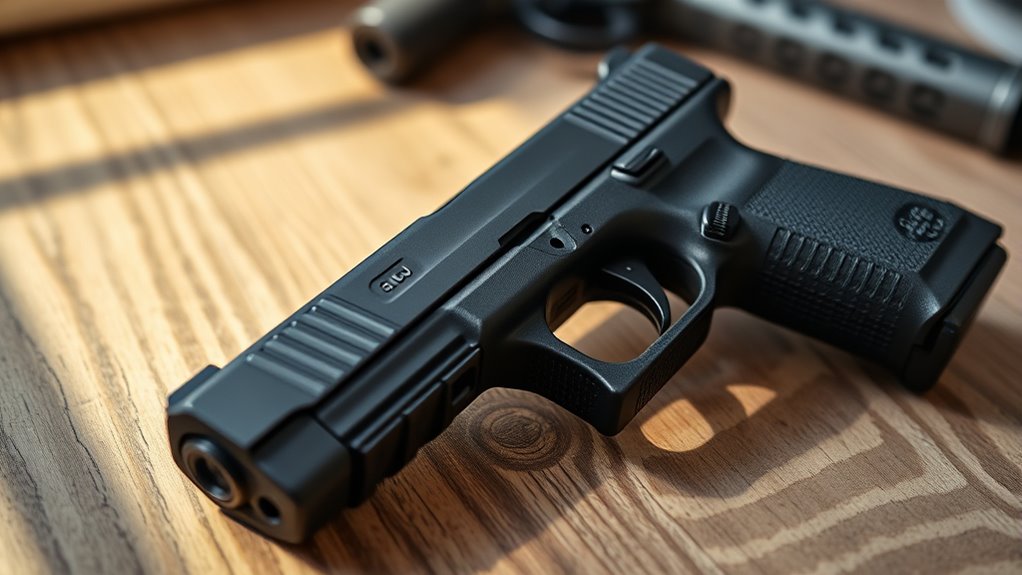
Can civilians legally own full auto Glocks? Generally, no. In the United States, fully automatic firearms are heavily regulated under the National Firearms Act (NFA).
To own a full auto Glock legally, you need to go through a tough process: pay a $200 tax stamp, submit detailed FBI background checks, and get approval from the ATF.
Even then, these firearms are rare and expensive. Most civilian gun laws don’t allow owning fully automatic weapons unless they were registered before the 1986 cutoff.
If you’re interested in owning a full auto Glock, you’ll face complex legal hurdles and need to comply with federal, state, and local laws. Without proper licensing, owning one is illegal and can lead to serious penalties.
Which Glock Models Are Capable of Full Auto Fire?
Many Glock models are designed solely for semi-automatic fire, but a few rare exceptions exist that can be converted or modified for full auto capability. Officially, Glock doesn’t produce factory full auto models for civilian markets. However, some select models, like the Glock 18, are designed by Glock for military and law enforcement use and can fire in full auto mode.
The Glock 18 features a specialized fire control unit that allows for automatic fire. Other models, such as the Glock 17 or Glock 19, are strictly semi-automatic but can potentially be converted into full auto by unauthorized modifications. These modifications are illegal in many jurisdictions.
What Are the Legal Restrictions on Full Auto Glocks?
The legality of owning or modifying full auto Glock firearms is strictly regulated across the United States and many other countries. In the U.S., you need a Federal Firearms License (FFL) and a $200 tax stamp.
Unauthorized full auto conversions are illegal and can lead to hefty fines and jail time. Regulations vary internationally—some countries ban full auto guns altogether, while others allow limited use for law enforcement or military.
To visualize these restrictions:
| Regulation Type | Description |
|---|---|
| Federal Licensing | Needed for ownership and modifications |
| Tax Stamp | $200 fee for legal possession |
| International Bans | Full auto guns banned in some countries |
| Storage & Transportation | Strict rules for safety and compliance |
| Penalties | Fines, jail time, or both |
How Do Full Auto Glocks Differ From Semi-Automatic Models?
Full auto Glocks differ greatly from semi-automatic models in how they fire rounds. When you pull the trigger on a full auto Glock, it keeps firing as long as you hold it down, releasing multiple rounds quickly. Semi-automatic models, on the other hand, fire just one shot per trigger pull.
The main differences include the firing mechanism. Full auto Glocks have a more complex internal system to keep firing continuously, while semi-autos reset after each shot. This makes them quite different in operation.
Full auto Glocks feature complex systems for continuous firing; semi-autos reset after each shot, changing how they operate.
Rate of fire is another big difference. Full autos can shoot hundreds of rounds per minute, which is way faster than semi-automatic models. This impacts how the gun performs in different situations.
Trigger action also varies. The trigger on a full auto is often heavier and more resistant, mainly to prevent accidental full auto firing in legal semi-auto versions. These differences greatly affect control, performance, and legal considerations.
How Can You Legally Obtain a Full Auto Glock?
Are you wondering how to legally get your hands on a full auto Glock? To do this, you’ll need to go through the Bureau of Alcohol, Tobacco, Firearms and Explosives (ATF).
First, you’ll have to submit a Form 4 application. This includes detailed personal info, your fingerprints, and a recent photograph. You also need to pay a $200 tax stamp fee for the transfer.
The ATF will then conduct a thorough background check to verify you’re eligible. Once you’re approved, you’ll receive a tax stamp that allows you to legally own and possess the full auto Glock.
Keep in mind, these firearms are tightly regulated, and possessing one without proper authorization can lead to serious legal consequences.
What Are the Risks and Safety Considerations of Full Auto Glocks?
Using a full auto Glock comes with serious risks, including legal consequences and increased liability if an accident occurs.
You need to understand that mishandling such a weapon can lead to dangerous accidents, especially without proper training.
Ensuring you follow safety protocols and get the right instruction is essential to prevent harm.
Legal Restrictions and Liability
While the allure of fully automatic Glocks is understandable for enthusiasts, it’s crucial to recognize the significant legal restrictions and liability concerns involved. Owning or trying to acquire a full auto Glock without proper authorization can lead to serious consequences. Here are three key points to reflect on:
- Legal Penalties: Possessing an unlicensed full auto firearm can result in hefty fines and lengthy prison sentences.
- Strict Regulations: The National Firearms Act (NFA) heavily restricts automatic weapons, requiring registration and approval from the ATF.
- Liability Risks: If a full auto Glock causes injury or damage, you’re liable for legal actions, financial damages, and loss of firearm privileges.
Understanding these risks helps you make informed decisions and avoid severe legal repercussions.
Increased Accident Risks
The rapid fire capability of full auto Glocks greatly increases the risk of accidents, especially if you aren’t highly trained. With full auto fire, you can quickly lose control of the weapon, leading to unintended discharges or target overshoot.
The high rate of fire makes it easier to miss your target and accidentally hit objects or people nearby. Plus, the gun’s recoil can become unpredictable, especially in stressful situations, which can cause mishandling.
Without proper training, you might struggle to manage sustained fire, increasing the chance of injury to yourself or others. These risks highlight the importance of understanding the firearm’s capabilities and limits before attempting to use a full auto Glock.
Safety awareness and control are critical to prevent potentially deadly accidents.
Proper Handling and Training
Handling a full auto Glock requires strict training and discipline because the risks of mishandling are significant. Without proper instruction, you might accidentally cause injury or damage. To stay safe, focus on these key areas:
- Learn proper grip and stance. This helps control recoil and keep your shots accurate.
- Practice trigger discipline. Only fire when you’re ready to shoot, which prevents accidental discharges.
- Understand legal restrictions. Full auto firearms are heavily regulated, so knowing the laws helps you avoid legal trouble.
Training with a qualified instructor ensures you develop safe handling habits. Regular practice builds muscle memory and reduces mistakes. Remember, full auto Glocks demand respect and responsibility to prevent accidents.
Frequently Asked Questions
Are There Any Glock Models Specifically Designed for Full Auto Conversion?
No Glock models are specifically designed for full auto conversion. Glock pistols are made mainly for semi-automatic use, and converting them to full auto is illegal in many places.
Some enthusiasts try modifications, but these aren’t officially supported by Glock. Plus, such conversions can be dangerous and illegal.
If you’re interested in full auto firearms, it’s better to look into legally owned machine guns or select fire rifles that are designed for automatic fire.
Can Aftermarket Parts Enable Full Auto Functionality on Standard Glocks?
No, aftermarket parts can’t legally enable full auto functionality on standard Glocks. Converting a semi-automatic Glock to full auto usually involves illegal modifications and can lead to serious legal consequences.
Manufacturers design Glocks for semi-automatic use only, and trying to modify them for automatic fire breaks federal laws. If you’re interested in full auto firearms, it’s best to purchase legally registered machine guns through proper channels.
What Is the Average Cost of a Full Auto Glock?
A full auto Glock is like a rare gem—costly and hard to find. On average, an officially licensed full auto Glock can cost anywhere from $15,000 to over $30,000, depending on the model and legality.
Keep in mind, these firearms require special licensing and are heavily regulated. If you’re interested, always check local laws and consider legal avenues for ownership rather than illegal modifications.
How Do Full Auto Glocks Perform in Terms of Reliability?
Full auto Glocks generally perform reliably when properly maintained and used with quality ammunition. You might notice some extra wear because of the higher firing rate, but they are built to handle continuous fire pretty well.
Regular cleaning and using the right magazines help keep things running smoothly and ensure consistent performance. Just keep in mind that full auto features often need specialized training and come with legal restrictions.
Always follow safety protocols, and make sure you’re aware of the laws in your area before using or owning a full auto Glock.
Are Full Auto Glock Conversions Legal in Military or Law Enforcement?
Full auto Glock conversions are generally illegal for civilian use and are tightly regulated.
In military or law enforcement, only authorized personnel with proper licensing can use full auto firearms, including conversions, under strict laws.
You can’t legally modify a Glock to full auto without special permits. If you’re considering such modifications, always check your local, state, and federal laws to stay compliant and avoid serious legal consequences.
Conclusion
While certain Glock models can be converted to full auto, owning one legally is nearly impossible for civilians without extensive legal hurdles. Are you willing to navigate the complex regulations and risks involved?
Remember, full auto Glocks aren’t just a matter of choosing the right model—they require careful legal compliance and safety precautions. If you’re considering this route, weigh the real dangers and legal consequences carefully before taking any action.
Specifically, Glock models like the Glock 18 are designed for full auto fire, but owning or converting them legally is highly restricted. Most civilian owners end up with semi-automatic versions due to strict laws and regulations.