What Makes Old Guns Safe to Shoot?
Many gun enthusiasts have a stash of old firearms that hold sentimental value or historical significance. But figuring out if those vintage guns are still safe to shoot can be nerve-wracking—you’re not alone in feeling cautious.
Ensuring your old gun is in good shape is essential for safe firing and peace of mind.
To guarantee your old gun is safe to shoot, you need to carefully inspect its physical and mechanical condition. Look for rust, cracks, dents, or excessive wear in the barrel and chamber, and test the action for smooth operation.
Check the firing pin, springs, and safety mechanisms for damage. Also, assess the age and integrity of vintage ammunition, discarding anything worn or compromised.
Staying vigilant about potential deterioration is essential—continue on to learn detailed steps to keep you safe.
Key Takeaways
– Regular professional inspections help spot hidden cracks, corrosion, and wear that could make the gun unsafe to shoot.
These checks are crucial because some damage isn’t visible to the naked eye.
Mechanical checks are also important. They ensure firing mechanisms, springs, and locking lugs are working properly.
This way, you can catch any issues before they become dangerous.
Barrel and chamber assessments are necessary too. They confirm there’s no obstruction, warping, or structural damage.
A clear barrel means rounds will fire safely and accurately.
When it comes to vintage ammunition, proper evaluation is key.
It guarantees that the rounds are safe to use and won’t cause failures or accidents.
Finally, keeping your firearm stored properly helps maintain its safety and longevity.
Good storage conditions reduce material deterioration and help prolong the gun’s integrity over time.
Is Your Old Gun Safe to Fire?
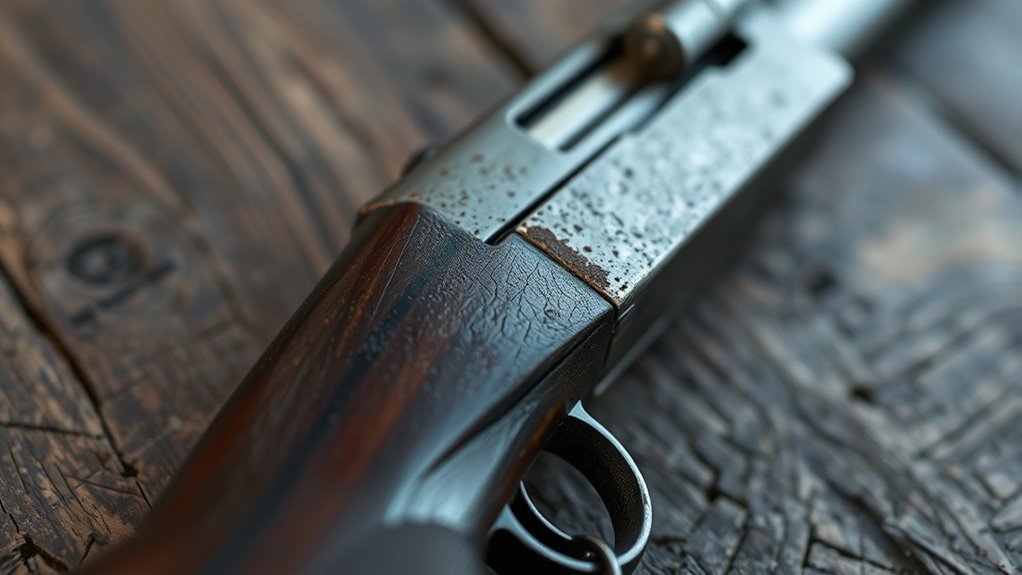
How can you tell if your old gun is safe to fire? First, take a close look at the barrel for rust, cracks, or pitting. Any corrosion or damage can weaken the metal and increase the risk of failure.
Next, check the stock for splits or signs of heavy wear that might affect its stability. It’s also important to examine the firing pin and action for corrosion or damage, making sure they move smoothly.
Inspect the stock for splits and ensure the firing pin and action move smoothly without corrosion or damage.
Look for worn or enlarged chambers and chambers that don’t hold cartridges properly. Don’t forget to verify that the locking lugs and springs are in good shape. If you spot rust, cracks, or any irregularities, don’t just assume it’s safe—have a professional gunsmith take a look.
Proper inspection is essential before you try to fire an old firearm. Better safe than sorry!
How Can You Tell if an Old Gun Is Safe to Fire?
To figure out if an old gun is safe to fire, start by doing a thorough visual check for cracks, rust, or worn parts.
Next, it’s a good idea to have a professional gun expert evaluate it. They can spot hidden issues that you might miss.
Taking these steps will help make sure your firearm is safe before you shoot.
Visual Inspection Checklist
A thorough visual inspection is essential to determine if an old gun is safe to fire. Start by examining the exterior for rust, corrosion, or cracks. Check the barrel for pitting or bulges, which can weaken it.
Look at the firing pin and hammer for damage or excessive wear. Inspect the stock for splits or signs of repair. Use this quick checklist to guide your inspection:
| Area | What to Look For | Why It Matters |
|---|---|---|
| Barrel | Rust, pitting, bulges | Structural integrity |
| Frame & Receiver | Cracks, corrosion | Strength and safety |
| Moving Parts | Wear, damage, proper fit | Functionality |
| Stock | Cracks, repairs, looseness | Stability and safety |
A careful visual check helps spot potential issues before firing.
Professional Gun Evaluation
While a visual inspection can show obvious issues, having a professional evaluate an old gun gives you the expertise needed to check its safety thoroughly. A qualified gunsmith or expert knows what to look for beyond just surface flaws.
They can check the internal metal for cracks or corrosion that might weaken the firearm. They also test the barrel and chamber for wear, bulges, or erosion that could cause problems.
Internally, they inspect the firing pin, springs, and other parts to make sure everything functions properly and is in good condition. These evaluations require special tools and knowledge that go beyond just looking at the gun.
Trusting a professional helps you find hidden risks and avoid dangerous situations when firing an old gun.
What Should You Look for When Inspecting the Barrel and Chamber?
When inspecting the barrel and chamber, look for visible cracks or warping that could weaken the structure.
Check for rust, corrosion, or any signs of damage that might compromise safety.
Also, verify there are no obstructions inside the barrel or chamber that could cause dangerous malfunctions.
Visible Cracks and Warping
Cracks and warping in the barrel or chamber can compromise the safety of an old gun, so a thorough inspection is essential. These flaws can cause dangerous failures when firing. To spot issues, focus on these key signs:
- Visible Cracks: Look closely along the barrel and chamber for any hairline or deep cracks. Even small cracks can grow under pressure.
- Warping or Bending: Check if the barrel or chamber is misaligned or bent. Warping can affect the bullet’s path and how it handles pressure.
- Uneven Surface or Deformations: Feel for irregularities, dents, or bulges that suggest structural damage. These distortions weaken the gun’s overall integrity.
If you notice any of these signs, don’t fire the gun and get it checked by a professional.
Rust and Corrosion Signs
Rust and corrosion can silently weaken an old gun’s barrel and chamber, making it unsafe to fire. When inspecting, look for reddish-brown or greenish deposits on the metal surface. These signs indicate rust, which eats away at the metal’s integrity.
Light surface rust may be cleaned, but deep corrosion can compromise the gun’s strength. Run your fingers gently over the barrel and chamber—any rough or flaky spots are red flags. Also, check for pitting or small holes caused by corrosion, as these severely weaken the structure.
If you notice significant rust or corrosion, it’s best to have a professional evaluate the firearm before firing. Ignoring these signs can lead to dangerous failures, so thorough inspection is essential for safety.
Barrel and Chamber Obstructions
Before firing an old gun, it’s really important to carefully check the barrel and chamber for obstructions. Blockages can cause dangerous malfunctions like excessive pressure, barrel damage, or even injuries.
Make sure to look for debris, dirt, rust, or residues that might block the passage. Also, examine the barrel for any cracks or bulges that could indicate damage or deformation.
Clear out any fouling or residue, such as carbon or lead deposits, which can restrict the bore. Use a clean bore light or a cleaning rod to inspect thoroughly.
Never shoot if you see any obstructions—they pose serious safety risks. Regular inspection helps keep you safe and your gun in good working condition.
How Do You Check the Mechanical Condition of a Vintage Firearm?
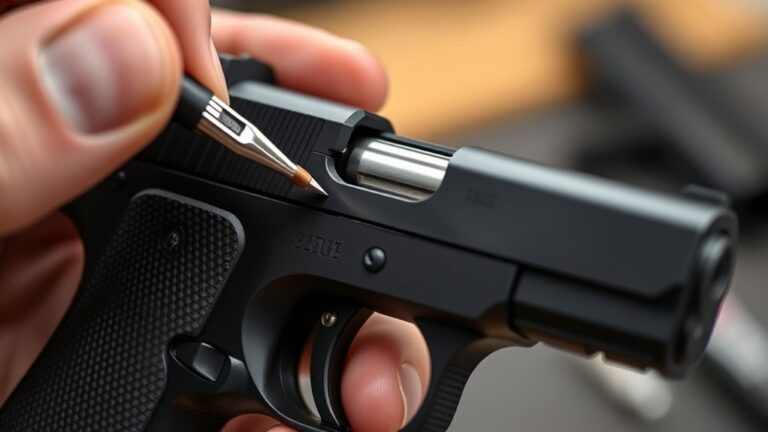
How can you determine if a vintage firearm is mechanically sound? First, take a close look for visible damage like cracks, rust, or corrosion. These signs can indicate underlying issues that might affect safety.
Next, check the action by cycling the bolt, lever, or slide. You want smooth movement without any sticking or resistance. This helps ensure the mechanism is functioning properly.
Make sure the firing pin is intact and not protruding prematurely. A damaged or weak firing pin can cause misfires or unsafe conditions.
Don’t forget to test the trigger and safety mechanisms. They should operate correctly and securely to prevent accidental discharges.
Here’s a quick overview:
| Mechanical Check | Purpose |
|---|---|
| Visual Inspection | Detects cracks, rust, corrosion |
| Function Testing | Guarantees smooth operation, safety |
| Internal Examination | Confirms no hidden damage or wear |
A thorough check involves both external and internal assessments. If you’re unsure, it’s best to consult a gunsmith. This way, you avoid risking unsafe firing conditions.
How to Assess the Age and Condition of Vintage Ammunition
To figure out if vintage ammunition is safe to use, start by inspecting its physical condition. Look for any corrosion, dents, or swelling that might indicate damage.
Next, check its age by examining the headstamps and packaging. Think about how it was stored over the years to get a better idea of its condition.
Finally, review its storage history. Pay attention to exposure to extreme temperatures or humidity, as these factors can affect the ammo’s safety and reliability.
Inspect Physical Condition Carefully
Examining vintage ammunition requires a careful eye for detail because the physical condition can reveal potential safety hazards. You want to look for signs of deterioration that could cause dangerous malfunctions.
Here are three key aspects to check:
- Corrosion or rust – These weaken the casing and primer, increasing the risk of failure.
- Cracks or dents – Damage to the brass or metal parts can lead to misfires or explosions.
- Deformation or bulges – These indicate internal pressure issues that could cause barrel damage or injury.
Always handle old ammunition gently. If something looks off, it’s safest to discard it. Proper inspection helps guarantee your safety before attempting to shoot vintage rounds.
Evaluate Ammunition Age
Determining the age of vintage ammunition is key to assessing its safety and reliability. Older rounds might have deteriorated parts or compromised primers, which can increase the risk of accidents.
To figure out the age, look at the packaging, headstamps, and box labels for manufacturing dates. Also, check for signs of corrosion, dents, or deformation on the cartridges.
| Indicator | What to Look For |
|---|---|
| Packaging | Original boxes, labels, or tins |
| Headstamp | Date stamps or manufacturing codes |
| Corrosion | Rust or discoloration |
| Physical Damage | Dents, cracks, or deformities |
| Primer Condition | Cracks, corrosion, or residue |
Check Storage History
Checking the storage history of vintage ammunition is key to understanding its age and condition. Knowing how it was stored can help you spot potential risks like deterioration or corrosion.
Look for signs of moisture or corrosion on the cartridges or packaging. Also, see if it was kept in a cool, dry place, away from extreme temperatures.
Check for any damage such as dents, cracks, or bulges, which could mean the ammo’s integrity is compromised.
Understanding how it was stored helps you decide if it’s safe to shoot. Proper storage keeps ammunition reliable, but poor storage can make it dangerous.
Always be cautious and consider professional advice if you’re unsure about its safety.
Why Are Professional Safety Inspections Important?
Have you ever wondered why professional safety inspections are essential before firing an old gun? These inspections spot hidden issues that you might not notice right away. Over time, parts can wear out or get damaged, which can lead to malfunctions or accidents.
A trained gunsmith knows what to look for—cracks, corrosion, or weakened components—that could cause dangerous failures. They also make sure the firearm’s parts fit and work properly, preventing misfires or worse problems.
Relying on an expert’s assessment helps you avoid dangerous surprises and makes sure the gun is safe to shoot. Skipping professional inspections might save time or money at first, but it puts your safety and the firearm’s integrity at risk.
Getting a proper inspection is your best safeguard before firing an old gun.
How Does Material Deterioration Affect Firearm Safety?
Material deterioration in old firearms can seriously compromise safety, even if the gun looks fine. Over time, metal parts can weaken or become brittle, increasing the chance of failure when you shoot.
Old firearms’ materials can weaken over time, posing safety risks despite appearing in good condition.
This deterioration can cause dangerous situations if you’re not aware of hidden issues. Here are three common effects to watch out for:
- Cracks or fractures Metal fatigue can create cracks that you might not see but could lead to catastrophic failure.
- Corrosion and rust These weaken the structure and can cause parts to seize or break unexpectedly.
- Loss of tensile strength Metal parts might no longer handle the pressure when firing, risking rupture or even explosion.
Regular inspections and professional evaluations are key to spotting these risks before you shoot.
What Signs Indicate Past Damage or Repairs?
When inspecting an old gun, look for obvious signs of past damage or repairs that might compromise its safety. Check for welds, overlays, or mismatched parts that seem out of place, indicating repairs.
Examine the metal for cracks, splits, or bulges, especially around the barrel and receiver. Look closely at the stock for cracks, splits, or replaced sections.
Pay attention to areas where paint, bluing, or finish appears uneven, which could hide repairs or damage. Feel for any looseness or wobbling in parts like the stock, grip, or trigger assembly.
Be cautious of signs like drilled or filled holes, which might suggest previous modifications. Recognizing these signs helps you evaluate whether the gun has been compromised and if it’s safe to shoot.
How to Maintain and Preserve Vintage Firearms Properly
Proper maintenance and preservation are essential to keep vintage firearms in safe and functional condition over the years. To do this effectively, focus on regular care and proper storage. Here are three key steps:
- Clean Thoroughly: After each use, remove dirt, powder residue, and moisture with appropriate cleaning solvents and brushes.
- Apply Protective Oil: Lightly oil metal parts to prevent rust, especially in humid environments.
- Store Properly: Keep guns in a dry, climate-controlled space, preferably in a gun safe or case, away from extreme temperatures and humidity.
What Safety Tests Should You Perform Before Shooting?
Before shooting a vintage firearm, you should do some safety checks to make sure it’s in good shape. Start by carefully inspecting the barrel for any signs of rust, corrosion, or obstructions.
Next, check the receiver and frame for cracks, rust, or any damage. Look at the firing pin and its channel for wear or debris that could cause issues.
Inspect the receiver, frame, and firing pin for cracks, rust, and debris to ensure safe operation.
Test the trigger to see if it moves smoothly without sticking. Make sure the safety mechanisms engage properly and can move freely.
Inspect your ammunition to ensure it’s appropriate for your gun and in good condition. Look for any corrosion or damage before loading.
Finally, do a function check by cycling the action and dry firing if it’s safe for your firearm. This confirms all parts work correctly.
These steps help ensure your vintage gun is safe to shoot.
Frequently Asked Questions
Can a Gun Be Safe Even if It Shows Signs of Rust?
A gun can be safe to shoot even if it shows signs of rust, but you need to be cautious. Rust can weaken the metal over time, so inspect the firearm thoroughly.
If the rust is superficial, cleaning it properly might restore safety. But if rust has penetrated deeply or caused pitting, it could compromise the gun’s integrity and make it unsafe.
When in doubt, consult a gunsmith before firing. It’s always better to be safe than sorry.
How Does Storage Environment Affect Old Gun Safety?
Is your storage environment impacting your old gun’s safety? It definitely does. Proper storage minimizes rust, corrosion, and deterioration, keeping the metal and internal parts intact.
If you store your gun in a damp or fluctuating temperature setting, you risk weakening the frame or damaging the barrel. Using a gun safe, desiccants, and climate control can preserve your firearm’s integrity.
This ensures your gun stays safe and reliable when you need it.
Are There Specific Tools Needed to Inspect Vintage Firearms?
You’ll need specific tools to inspect vintage firearms properly. A good bore brush and cleaning rod are essential for checking the barrel’s condition. A flashlight helps spot cracks or corrosion that might be hiding inside.
A magnifying glass is handy for identifying small flaws or rust spots. A chamber gauge can verify that the chamber’s size is safe for use. A corrosion tester is useful for assessing rust levels.
Always handle old guns carefully, and if you’re unsure about anything, it’s best to consult a gunsmith for a thorough inspection.
Can Antique Guns Be Safely Converted for Modern Use?
Yes, antique guns can be safely converted for modern use, but you need to treat them like fragile treasures.
You should consult a qualified gunsmith to assess their condition and perform any necessary repairs or modifications.
Think of it as giving a vintage car a gentle tune-up, preserving its soul while making sure it runs smoothly.
If done properly, your antique firearm can become a safe, functional piece that honors its storied past.
What Are the Legal Considerations for Shooting Old Firearms?
You need to check local, state, and federal laws before shooting old firearms. Some areas ban or restrict certain antique guns, especially if they’re considered collectibles or historical artifacts.
Make sure to see if you need any registration, permits, or inspections first. Not following these rules can get you into legal trouble.
Always talk to legal experts or authorities to make sure you’re shooting old firearms legally and safely. It’s better to be cautious and informed.
Conclusion
If you ignore these checks, your old gun could explode like a fireworks show gone wrong or turn into a dangerous paperweight!
By carefully inspecting the barrel, chamber, and mechanical parts, and testing with caution, you’ll unlock the secret to safe shooting.
Don’t let age turn your vintage firearm into a ticking time bomb. Treat it with respect, patience, and proper maintenance, and it’ll serve you faithfully for decades to come.