Step-by-Step Guide to Change Pistol Sights
Changing your pistol sights can seem tricky if you’re not sure where to start. Many gun owners struggle with ensuring proper alignment and safety during the process, which can be frustrating.
But don’t worry—you’re not alone, and with the right guidance, it’s easier than you think.
To change your pistol sights, first verify your firearm is unloaded and work in a clean, well-lit area with safety gear.
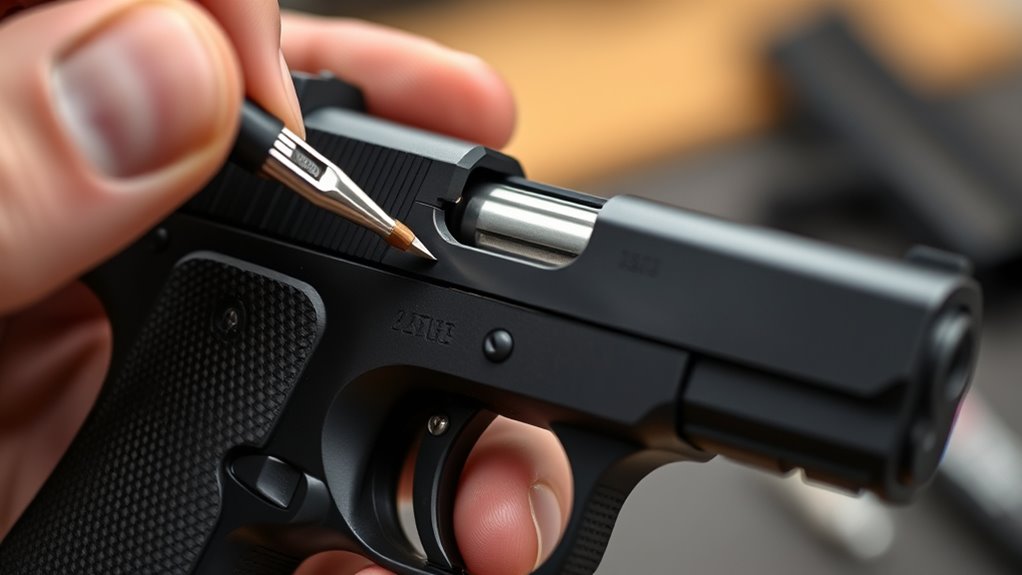
Identify the correct sights for your model, then carefully remove the old ones using a sight pusher or screwdriver, applying penetrating oil if needed.
Install the new sights, making sure they’re aligned and secure.
Regularly inspect and clean your sights for peak performance.
If you keep exploring, you’ll find exactly how to get the best accuracy.
Key Takeaways
- Ensure the pistol is unloaded and pointed in a safe direction. Don’t forget to wear eye protection before you start.
- Next, check that the sights are compatible with your specific pistol make and model. Gather all the tools you’ll need for the job.
- Carefully remove the old sights. You can use a sight pusher or a flat-head screwdriver for this. If the sights are stubborn, applying some penetrating oil can help loosen them.
- When installing the new sights, make sure they are aligned properly. Secure them until they sit flush with the slide.
- It’s a good idea to regularly inspect and clean your sights. Proper maintenance helps keep your aiming accurate and extends their lifespan.
Gather Tools and Follow Safety Tips for Changing Pistol Sights
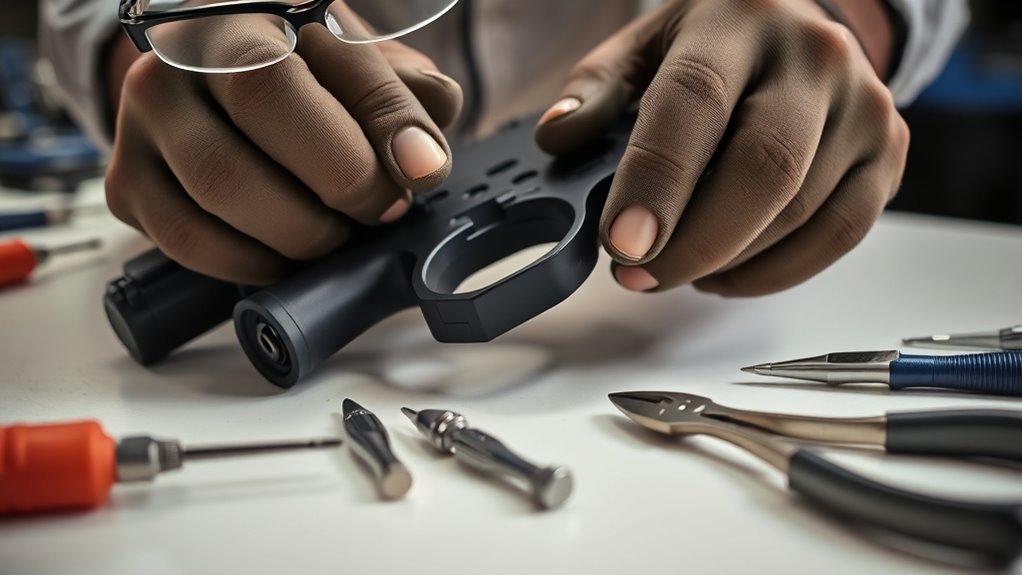
Before you start changing your pistol sights, gather all the tools you’ll need and review safety precautions. You’ll want a set of small screwdrivers or a sight pusher, depending on your pistol model.
Make sure your workspace is clean and well-lit so you don’t lose any tiny parts. Safety is really important—always point your pistol in a safe direction and confirm it’s unloaded before you begin.
Wear eye protection to guard against accidental spring releases or debris. Keep a container nearby for small parts like screws or sight inserts.
Check your firearm’s manual for specific instructions and safety tips. Following these steps helps prevent damage to your pistol and keeps you safe during the process.
Proper preparation ensures a smooth and safe sight replacement.
Identify the Right Sights for Your Pistol
To choose the right sights for your pistol, you need to consider compatibility with your firearm and your shooting needs.
Pay attention to the material and durability to make sure your sights can handle regular use and tough conditions.
Making smart choices here will boost your accuracy and help your sights last a long time.
Sight Compatibility Considerations
Choosing the right sights for your pistol means understanding compatibility because not all sights fit every model. First, check your pistol’s make, model, and year. Some sights are made specifically for certain frames or slide sizes.
Measure the width of your slide or sight mounting area to make sure it fits properly. Look for sight types that work with your firearm, like fixed, adjustable, or night sights. Be aware of mounting styles—some sights need dovetail cuts, while others require different methods.
Always check your pistol’s manual or the manufacturer’s website for recommended sight models. Using incompatible sights can cause improper installation or damage, so verifying compatibility before you buy is key for a secure, accurate fit.
Material and Durability Factors
Selecting sights made from durable materials ensures they can handle regular use and the stresses of shooting. Look for options crafted from stainless steel, titanium, or high-quality polymers, as these resist corrosion, impacts, and wear over time.
Metal sights usually last longer and stay stable, especially in tough conditions. Polymer sights are lightweight and resist corrosion but might wear faster or crack under extreme stress.
Think about your shooting environment—outdoor or competitive shooting calls for tougher, more resilient sights. Cheaper materials might save money upfront but could compromise accuracy and safety over time.
Investing in high-quality, durable sights guarantees consistent performance, reduces the need for replacements, and enhances your shooting experience.
Remove Your Old Pistol Sights Step-by-Step
Removing your old pistol sights requires careful attention to avoid damaging your firearm. Start by making sure the gun is unloaded and the chamber is clear.
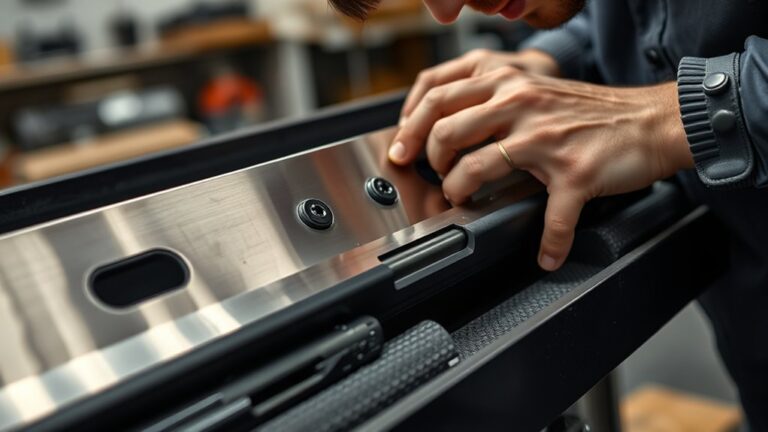
Use a sight removal tool or a small flat-head screwdriver, depending on your sights’ design. Gently pry or unscrew the sights, applying steady, even pressure.
Use a suitable tool and gentle, steady pressure to carefully remove your pistol sights.
If the sights are tight, don’t force them. Forcing could cause scratches or dents. Instead, use penetrating oil to loosen any corrosion or debris.
Take your time to avoid slipping and damaging the slide or frame. Once the sights are loosened, carefully lift them out.
Keep track of any small parts or springs that might come loose during removal. Proper patience prevents damage and prepares your firearm for the new sights.
Install New Sights Correctly and Safely
Before installing your new sights, gather all the necessary tools to make the process smooth.
Make sure the sights are properly aligned with your pistol’s slide for accuracy.
Finally, check that they are securely installed to prevent any movement during use.
Gather Necessary Tools
To install new pistol sights safely and accurately, gather the essential tools beforehand. You’ll need punch tools or a small flat-head screwdriver to remove the old sights.
A pair of tweezers or pliers can help handle tiny parts. Have a good quality hammer or mallet ready for gentle taps. You might also need a sight pusher tool, especially for more stubborn sights.
Safety glasses are important to protect your eyes from spring-loaded parts or accidental slips. Keep a cleaning cloth or solvent nearby to remove dirt or oil.
Having these tools prepared guarantees a smooth process and minimizes the risk of damaging your pistol or the new sights. Proper preparation saves time and keeps the task safe and efficient.
Ensure Proper Alignment
Ensuring proper alignment of your new sights is key for accurate aiming and safe shooting. You want the sights to sit perfectly aligned with each other and the barrel’s bore.
Carefully position the front sight in line with the rear sight, making sure they form a straight, level plane. Check that the sights are centered and not crooked.
You can use a sight alignment tool or a straight edge to confirm. Make minor adjustments if needed, ensuring the sights are flush and evenly aligned.
Remember, misaligned sights can lead to poor accuracy and unsafe shooting. Take your time to double-check the positioning before moving on.
Proper alignment is the foundation for precise shooting performance.
Confirm Secure Installation
Double-check that each sight is securely installed by gently tugging on them to confirm they don’t move or shift. If either sight wiggles, tighten the screws or mounting components carefully, but avoid over-tightening, which could damage the sight or the gun.
Use a small screwdriver to verify screws are snug but not stripped. Visually inspect to see if the sights sit flush with the slide and are aligned properly. Confirm that there’s no play or movement, as loose sights can affect accuracy and safety.
Once you’re sure everything is tight and stable, test the sights by gently pressing on them. This step verifies your installation is solid, giving you confidence that your sights won’t shift during use.
Adjust and Zero Your Pistol Sights for Better Accuracy
Adjusting and zeroing your pistol sights is key to improving your shooting accuracy. When your sights are properly zeroed, your shots will hit closer to where you’re aiming, which boosts your confidence and precision.
Properly zeroing your sights enhances accuracy, confidence, and precision with every shot.
Start by shooting a few rounds at a target from a consistent distance. Look at where the shots land compared to your point of aim. Then, make small adjustments:
- Use a sight adjustment tool or screwdriver
- Shift the front sight for horizontal corrections
- Adjust the rear sights for vertical corrections
- Make small, incremental changes to avoid overshooting
- Re-test after each adjustment to check for better accuracy
Troubleshoot Common Pistol Sight Alignment Issues
When your shots aren’t hitting the target as expected, it’s often due to common pistol sight alignment issues that can be quickly identified and corrected. First, check if the sights are properly centered in your line of sight. Misaligned sights will cause consistent off-target shots.
Make sure the front sight is level with the rear sight and not tilted. If the sights are loose or shifting, tighten or reattach them securely. Look for any damage, like dents or cracks, that could throw off your accuracy.
Also, verify that your grip and stance aren’t causing the misalignment. Addressing these issues promptly helps restore proper sight alignment, keeping your shots on target and improving your overall shooting accuracy.
Maintain and Care for Your Pistol Sights to Keep Them Sharp
Regular maintenance is essential to keep your pistol sights functioning accurately and looking their best. Proper care guarantees they stay clear, sharp, and reliable when you need them most.
To keep your sights in top shape, regularly inspect them for dirt, corrosion, or damage. Clean them gently with a soft brush or cloth, avoiding harsh chemicals that could cause corrosion.
Applying a light coat of gun oil helps protect metal parts from moisture. Store your firearm in a dry, cool place to prevent rust and corrosion.
Avoid touching the sight surfaces with your fingers, as oils and smudges can compromise visibility. Regularly check the alignment and tighten screws if needed.
Keep these tips in mind to preserve your sights’ precision and longevity. This way, you’ll ensure consistent performance every time you shoot.
Frequently Asked Questions
Can I Change Pistol Sights Myself or Should I See a Professional?
You can change pistol sights yourself if you’re comfortable with basic firearm maintenance and have the right tools.
But if you’re unsure or inexperienced, it’s better to see a professional. They can verify proper installation, safety, and accuracy.
Trying to do it yourself without the right knowledge might damage the sights or affect your firearm’s performance.
When in doubt, consulting a professional guarantees safety and makes sure your pistol works correctly.
Are There Different Types of Pistol Sights Suitable for Specific Shooting Styles?
Yes, there are different types of pistol sights designed for specific shooting styles. For example, fiber optic sights help you quickly pick up your target, making them great for fast-paced shooting.
Night sights are ideal for low-light conditions, so you can still aim accurately when it’s dark. Adjustable sights are perfect if you want to fine-tune your aim for precision shooting.
You should pick sights based on what you need—whether it’s for self-defense, target practice, or hunting. Matching the sight type to your style can really boost your accuracy and overall performance.
How Often Should I Replace or Upgrade My Pistol Sights?
You should replace or upgrade your pistol sights when they become worn, damaged, or less accurate. Don’t let them be a thorn in your side. Regular use, changing shooting conditions, or advancements in sight technology also call for upgrades.
Keep an eye on their condition, and if you notice any issues affecting your aim, it’s time to make a change. Staying proactive guarantees you stay sharp and ready for any situation.
Will Changing Sights Affect My Pistol’s Warranty?
Changing sights can affect your pistol’s warranty, but it depends on the manufacturer. Some warranties stay valid if you install aftermarket sights correctly, while others might be voided if the modification causes damage or is considered unauthorized.
To avoid any issues, it’s a good idea to check your pistol’s warranty policy first or contact the manufacturer before making any changes. Proper installation and using compatible sights can help keep your warranty intact.
Are There Legal Considerations When Modifying Pistol Sights?
Yes, there are legal considerations when modifying pistol sights. You should check local, state, and federal laws because some areas have restrictions on firearm modifications or require specific approvals.
If you’re in a regulated region, altering sights without proper authorization could lead to legal issues. Always research the laws that apply to your location and talk to a firearms attorney or local law enforcement to make sure you’re compliant before making any changes.
Conclusion
Changing your pistol sights can boost your accuracy and confidence. By following these steps carefully, you ensure a safe and effective upgrade.
Remember, proper maintenance keeps your sights sharp and reliable. Some believe that well-maintained sights can even improve shooting precision over time.
So, enjoy the process—think of it as fine-tuning your skill. With patience and care, shooting becomes more satisfying and accurate.
And ultimately, you’ll find that upgrading your sights helps make every shot count.