Top 12 Best Fire-EMS Scanners You Can’t Miss Today
Many who rely on the best fire-ems scanners know the frustration of missing critical communications due to weak signals or unclear audio. Cheap models often struggle in high-interference areas, which can delay response times and cost valuable minutes.
A reliable fire-ems scanner provides consistent reception, clear sound, and durability to withstand daily use in unpredictable environments.
The key factors that separate good fire-ems scanners from poor ones include range and reception quality, build materials, and ease of operation. Most sturdy scanners use metal or hard plastics to survive drops and rough handling without affecting performance.
A scanner covering at least VHF and UHF bands, with a sensitivity of -120 dBm or better, ensures access to important transmissions. Simple controls and easily readable displays are also crucial when speed and accuracy matter most.
Need a Quick Check?
| Image | Product | Price |
|---|---|---|
Our Top Picks 1  | Uniden Bearcat BC125AT | Check Price |
Our Top Picks 2  | Uniden BC365CRS Alarm Clock | Check Price |
Our Top Picks 3 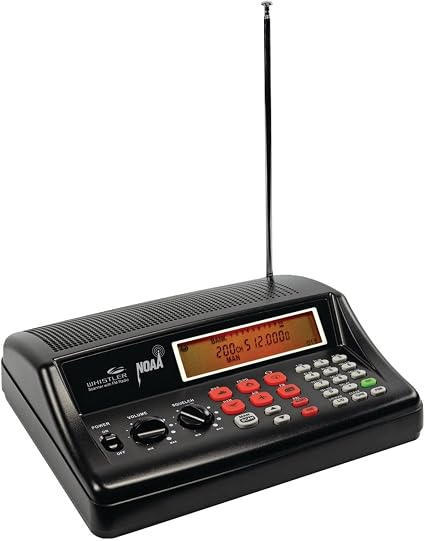 | Whistler WS1025 Desktop Scanner | Check Price |
Our Selected Top 12 Fire-Ems Scanners for Different Needs
This list features a carefully chosen selection of fire-ems scanners designed for various user needs and experience levels. Each review covers performance, suitability for different situations, and highlights key advantages and potential drawbacks to help you find the right scanner.
1. Uniden Bearcat BC125AT Handheld Scanner
Uniden Bearcat BC125AT is a handheld scanner tailored for those who want to monitor analog emergency and public safety channels. Its biggest strength lies in the Close Call RF capture technology that quickly detects nearby transmissions, making it ideal for users focused on staying aware of local broadcasts.
Setting up involves loading 2 AA batteries, which provide around 10 hours of use. Channels are clearly shown on the digital display, while the compact design makes it easy to carry around.
The Do Not Disturb mode helps prevent unwanted checks during active transmissions, useful when you want uninterrupted listening. Compatibility with personal computers adds versatility for programming or updates.
This scanner covers a wide frequency range from 25 up to 512 MHz, tuning mostly analog signals. The build feels light but practical, though it isn’t water-resistant. Reviews highlight how well Close Call technology picks up nearby signals quickly.
Most users point out its inability to scan digital systems as its main downside, especially as more emergency services switch to digital.
Close Call RF capture technology quickly tunes into local analog signals, which most appreciate for immediate awareness. The main complaint stems from the lack of digital trunking system support, limiting use in areas where emergency services rely on digital transmissions.
People focusing on analog monitoring in suburban or rural areas will find this scanner very practical. Those in cities with increasing digital system use might prefer options capable of handling digital signals to keep up with changing technology.
Pros
- Close Call RF capture for nearby transmissions
- 500 channels with easy alpha-tagging
- Digital display for clear reading
- Compatible with personal computer for programming
Cons
- Not capable of digital radio system monitoring
- Not water resistant
| Specification | Details |
|---|---|
| Number of Channels | 500 |
| Frequency Range | 25-54 MHz, 108-174 MHz, 225-380 MHz, 400-512 MHz (UHF) |
| Battery Average Life | 10 hours |
| Voltage | 3 volts |
| Batteries Required | 2 AA batteries (included) |
2. Uniden BC365CRS Scanner and Alarm Clock
Listening to emergency frequencies becomes straightforward with a simple, compact device that fits right on the desk. Ideal for those wanting an affordable scanner combined with an alarm clock and FM radio, it stands out for offering multiple functions without getting complicated or bulky.
Setting up involves plugging it into power and loading batteries for backup. The scanner arrives with 500 channels including pre-sets for police, fire, weather, and more, making it easy to tune in quickly. Switching between scanning, FM radio, and alarm clock features uses push buttons, which feel tactile and easy to operate daily.
Performance in picking up analog signals is reliable across various emergency and public service bands. The build feels solid for a tabletop device, although some mention the buttons could be more responsive.
Many appreciate the clear sound and simplicity, while others wish it supported digital broadcasts.
Many enjoy the convenience of scanning multiple analog emergency channels along with FM radio and alarm clock features all in one device. Common complaints focus on lack of digital coverage and occasional sluggishness with the push buttons. This keeps it limited for those needing more modern scanning capabilities.
Great choice for someone wanting an affordable, easy-to-use scanner with extra daily functions. Not suitable for users who require digital channel support or faster interaction with controls. This unit works best for those content with analog signals and simple desktop use.
Pros
- Combines scanner, FM radio, and alarm clock functions
- Includes 500 channels with popular pre-sets
- Clear sound quality for analog listening
- Simple push button controls
Cons
- Does not support digital broadcasting
- Buttons can feel a bit unresponsive
| Specification | Details |
|---|---|
| Channels | 500 |
| Power Source | Corded Electric |
| Battery Description | Alkaline (3 AA batteries required) |
| Control Method | Push Button |
| Audible Noise | 50 db |
| Mounting Type | Tabletop Mount |
3. Whistler WS1025 Analog Desktop Scanner
Perfect for experienced hobbyists, it stands out for checking priority channels every two seconds to catch important broadcasts quickly. It suits those who want detailed control over scanning and want to spot new frequencies on the go.
Its strength lies in the ability to fine-tune scanning and hear replies clearly without rushing.
Getting started involves setting up your preferred channels and choosing between priority scanning or scan delay, which pauses to catch replies for two seconds. The tune feature helps find unknown frequencies starting from any chosen point, making it a handy tool during daily use.
Bluetooth connectivity adds convenience, though this product is best appreciated by those comfortable managing desktop radio scanners.
Performance is solid, delivering consistent scanning with a clear reception thanks to its LED light source and CCD/CMOS optical sensors. The build feels sturdy and stable on a desk, but some users mention that this model is better suited for users already familiar with desktop scanners. Most praise the scanning accuracy and frequency find, while occasional frustrations come from its complexity and learning curve.
The scanner impresses with clear, reliable scanning and well-designed delay for catching transmissions. Users appreciate the frequency tuning starting point but note it takes time to master the detailed functions. Stability on a desktop and Bluetooth add to its usability while some find the learning curve a hurdle.
Fans of hands-on scanning and frequency exploration will find it rewarding. Those new to scanning or needing a simpler model might prefer an easier option to avoid the steeper setup process and complexity here.
Pros
- Priority channel scans every two seconds
- Scan delay feature to catch replies
- Tune function finds new frequencies
- Bluetooth connection for easy setup
Cons
- Best for experienced users, not beginners
- Complex setup may slow quick use
| Specification | Details |
|---|---|
| Scanner Type | Radio |
| Connection Type | Bluetooth |
| Resolution | 200 dpi |
| Standard Sheet Capacity | 300 |
| Optical Sensor Technology | CCD, CMOS |
| Light Source Type | LED |
4. Whistler WS1065 Digital Trunking Scanner

Constructed primarily as a radio scanner with Wi-Fi connectivity, the Whistler WS1065 Digital Trunking Scanner suits anyone needing reliable monitoring of digital systems. Its stand-out strength lies in adaptive digital tracking, which automatically adjusts to signal changes without manual input, making it great for following shifting emergency communications.
Setup is straightforward since it supports Wi-Fi, allowing remote access and control. The programmable audible alarms combined with a multi-color LED system ensure you stay alerted exactly how you prefer, with up to 8 user-defined colors.
Daily use involves minimal tweaking because the scanner adapts more than 50 times per second to signal fading, avoiding missed transmissions. It also manages low audio levels automatically and filters unwanted chatter with P25 NAC support, keeping what’s important clear.
Performance-wise, the scanner provides accurate real-time P25 decoding, making it dependable for digital feeds. The build is solid but uncomplicated, focusing on function over extra features.
Positive feedback highlights how well the adaptive tracking works, removing the need for constant adjustments. A frequent critique concerns limited display resolution, noted as 200, which might feel low for those wanting more detailed visual info.
Adaptive digital tracking is highly praised for maintaining clear communication without manual tuning. Many note that the display resolution feels limited, which can affect ease of viewing detailed scan information. The scanner excels at filtering and adjusting to signal shifts but misses out on a more modern display experience.
People wanting reliable, mostly hands-off monitoring of digital emergency channels will appreciate how this handles signal fluctuations. Those needing a high-resolution screen or support for digital media types beyond paper will want to look at other options that better fit those needs.
Pros
- Automatic signal tracking adapts rapidly
- Customizable multi-color LED alerts
- Digital AGC fixes low audio levels
- Wi-Fi for remote monitoring
Cons
- Low resolution display at 200
- Media type limited to paper
| Specification | Details |
|---|---|
| Scanner Type | Radio |
| Connection Type | Wi-Fi |
| Resolution | 200 |
| Media Type | paper |
5. Uniden BCD996P2 Digital Mobile Scanner

Uniden BCD996P2 Digital Mobile Scanner is a solid choice for those who want extensive channel access combined with strong weather alert features. It fits users looking for a reliable scanner that offers both detailed radio frequency monitoring and severe weather warnings.
Setting it up involves connecting to a 12-volt DC power source and configuring the 25,000 channels it supports. Day-to-day use focuses on the Close Call RF Capture Technology, which helps pick up nearby transmissions without interrupting active channels thanks to the Do-Not-Disturb feature.
The built-in TrunkTracker V technology simplifies following trunked radio systems, while NOAA weather alerts keep you informed about severe conditions nearby. You can also link it to a smartphone for enhanced interaction.
Performance-wise, it handles a wide frequency range with solid signal detection and clear stereo audio output. The LCD display makes navigation straightforward, though the device could be bulkier compared to simpler scanners. Positive remarks often highlight the accuracy of weather alerts and channel tracking.
A common drawback is that it is not water resistant, limiting outdoor use in wet conditions.
This scanner consistently delivers reliable weather alerts and effective channel monitoring. The Do-Not-Disturb feature helps prevent interruptions from Close Call transmissions during listening. However, its lack of water resistance limits use in outdoor environments prone to moisture.
People who need detailed monitoring of a large number of channels along with severe weather warnings will find this unit fitting. Those requiring ruggedness for outdoor, rain-prone settings might want to look for a more durable alternative with water resistance.
Pros
- Access to 25,000 channels
- Accurate severe weather alerts
- Close Call RF Capture finds nearby transmissions
- TrunkTracker V simplifies trunked radio tracking
Cons
- Not water resistant
- One-band frequency support only
| Specification | Details |
|---|---|
| Power Source | 12 volts Direct Current (DC) |
| Channels | 25,000 |
| Weather Alerts | S.A.M.E. weather alert, NOAA Access |
| Close Call Technology | Close Call RF Capture with Do-Not-Disturb |
| Connectivity | IR |
| Audio Output | Stereo |
6. Uniden Bearcat SR30C Handheld Scanner

Need a compact scanner that offers plenty of channels without breaking the bank? The Uniden Bearcat SR30C fits the bill with 500 channels and easy access to popular frequencies.
It suits anyone wanting a straightforward way to listen to emergency, weather, and other communications with no fuss.
Setting it up is simple, especially with preset banks sorted by service type like Police, Fire, Weather, and more. Day-to-day, its compact size makes it easy to carry around.
Programming it through a PC via USB adds convenience, while the Close Call RF Capture feature helps catch nearby signals automatically. It runs on AA batteries or USB power, giving options for power on the go.
Performance hits the mark with wide frequency support covering over 32,000 MHz, ensuring broad coverage for various channels. The handheld feels solid for its price, though some find the mono audio limiting. Most praise the extensive presets and signal searching; the main drawback people notice is the sound quality and the scanner being limited to one band.
The unit is praised for its broad preset coverage across multiple emergency and communication services, making it easy to start listening right away. Common feedback highlights that the audio output in mono and single-band limitation can feel restrictive for users wanting richer sound quality or more bands.
Someone wanting dependable scanning for emergency and weather frequencies without extra bells and whistles will find it satisfying. Those who need stereo sound or multiple bands might want to look for a different model better suited for advanced use.
Pros
- 500 channels with many preset service banks
- Compact and easy to carry around
- Supports both battery and USB power
- PC programming simplifies channel management
Cons
- Mono audio limits sound clarity
- Only supports a single radio band
| Specification | Details |
|---|---|
| Channels | 500 |
| Frequency | 32000 MHz |
| Power Source | USB, Battery-Powered |
| Programming | PC Programming via USB |
| Additional Features | Close Call RF Capture, Turbo Search |
7. Uniden BC355N Base/Mobile Scanner

Trying to listen in on local emergency frequencies without the need for a complicated digital setup? This scanner suits those wanting straightforward analog scanning in the 800 MHz range.
Its Clear Call RF Capture Technology makes tuning into nearby signals quick and easy, perfect for casual monitoring of fire, EMS, and police analog transmissions.
Setting it up involves plugging in the corded power source and tuning through one wide frequency band. The USB connectivity offers basic interfacing options. You interact with an LCD screen that’s clear and functional.
Close Call RF Capture Technology really helps pick up nearby emergency signals promptly without fiddling through frequencies all day.
It performs well with analog signals, consistently picking up local emergency broadcasts. The physical design is solid with a straightforward interface, though it’s limited to analog and cannot decode modern digital trunked systems.
Strongest praise is for its immediate RF capture feature, while the main complaint is the lack of digital radio compatibility.
Uniden BC355N captures nearby analog signals quickly thanks to Close Call RF Capture Technology. Many appreciate its ease of tuning and decent reception on traditional analog channels. However, it does not support digital signals, so it cannot monitor many modern police or emergency systems that switched to digital. This limits its usefulness in areas relying on those networks.
People wanting to listen to analog fire and EMS channels in smaller or rural locations will find the BC355N effective and simple to operate. Those in cities with mainly digital public safety communications should consider a digital-capable scanner instead, as the BC355N will miss many transmissions. It serves well as a basic analog scanner but falls short in digital environments.
Pros
- Instantly tunes to nearby signals
- Simple LCD display
- Wide frequency support for analog
- USB connectivity included
Cons
- Not compatible with digital trunking systems
- Single 1-band frequency only
| Specification | Details |
|---|---|
| Connectivity Technology | USB |
| Tuner Type | Radio Frequency |
| Power Source | Corded Electric |
| Radio Bands Supported | 1-Band |
| Frequency | 800 MHz |
| Display Type | LCD |
8. Uniden Bearcat BCD160DN Digital Scanner
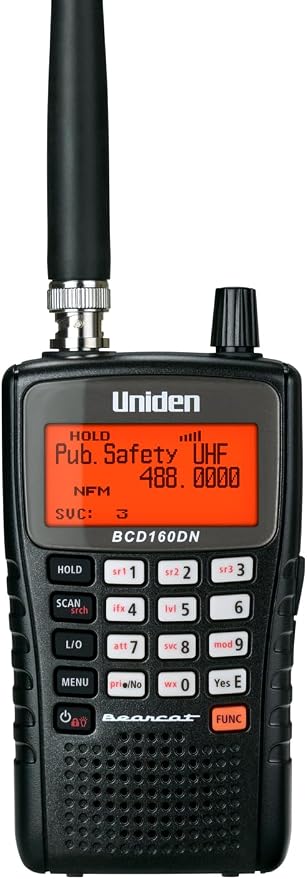
Rapid decoding of CTCSS tones and DCS codes stands out as the key feature, making it ideal for anyone serious about catching every signal without delay. The scanner is a great choice for anyone needing reliable digital decoding and quick system tagging to keep up with fire and EMS channels easily.
Setting it up is straightforward thanks to USB connectivity, and daily use highlights how Band Scope and rapid system/channel tagging cut down the time spent hunting signals. You can detect narrow-band transmissions quickly, and support for DMR and NXDN comes right out of the box.
Firmware updates add APCO P25 Phase 1 & 2 decoding, which keeps the scanner up to date with evolving signals.
Performance impresses by capturing conventional digital signals clearly, especially given the scanner’s specialized functions like rapid tone decoding. The build feels solid and functional without unnecessary extras.
Praise often centers on how efficiently it finds elusive signals. Common complaints involve its lack of trunking support and inability to decode encrypted transmissions.
Fast detection of hidden signals through rapid code decoding is highly valued in daily use. The most common drawback involves the scanner’s lack of trunking capabilities, which limits usage in networked digital radio systems. This affects those needing complete coverage of all signal types.
Those focused on conventional and certain digital formats will find this scanner well-suited for tuning into fire and EMS communications. Users requiring trunking or encrypted signal decoding should look toward other models that address those needs better.
Pros
- Instantly detects and displays CTCSS/DCS codes
- Supports multiple digital radio standards right away
- Comes with comprehensive search features
- USB connection eases programming and updates
Cons
- No trunking system support
- Cannot decode encrypted signals
| Specification | Details |
|---|---|
| Scanner Type | Radio Scanner |
| Connection Type | USB |
| Decoding Support | DMR, NXDN, APCO P25 Phase 1 & 2 (via firmware update) |
| Rapid Decode | DCS/CTCSS |
| Trunking Support | Not supported |
9. Uniden SDS100 Digital Handheld Scanner

Anyone involved in fire or EMS scanning will appreciate a tool that cuts through digital noise without frustration. The SDS100 fits perfectly for those who want a high-quality handheld scanner with powerful digital reception. Its clearest advantage lies in handling weak signals and simulcast transmissions better than most on the market.
Getting started is straightforward, largely thanks to the HomePatrol database where you simply enter your zip code and receive all known radio systems for your area. Day-to-day use benefits from the color display that you can customize to see just the information you need.
Updates happen weekly via Sentinel software, so keeping frequency data fresh is fairly hands-off. A USB connection and microSD card make managing data and charging reliable.
When scanning, the SDS100 picks up signals clearly even in tough environments that usually challenge radios. The solid build feels durable enough for regular field use without adding unnecessary weight.
Praise frequently notes its excellent digital performance in both simulcast and weak-signal areas. The most talked-about drawback is the complexity of advanced setup options if you want to go beyond basic programming.
The scanner’s clear advantage is its reliable digital performance in challenging RF conditions including simulcast areas. Most users find the setup simple when using the zip code entry, but those wanting more control encounter a steep learning curve with the advanced settings. Its durable handheld design supports practical field use.
Someone needing immediate, easy access to local radio systems and basic scanning will find this scanner well suited. Users seeking a straightforward interface with minimal setup will appreciate it most. Those requiring complex customization or looking for higher sheet capacity might want to explore alternatives.
Pros
- Strong digital performance in weak signal areas
- Simple zip code programming with HomePatrol database
- Customizable color display for tailored information
- Weekly database updates via Sentinel software
Cons
- Advanced programming can be complicated to figure out
Specification Details Scanner Type Digital Handheld Scanner Connection Type USB Resolution 24 Bits Color Depth 24 Media Type MicroSD Card 10. Uniden BCD325P2 Handheld TrunkTracker Scanner

Uniden’s BCD325P2 Handheld TrunkTracker stands out through its Close Call RF Capture Technology, perfect for those focused on monitoring local emergency frequencies. It suits users who want a scanner ready for modern APCO Project 25 Phase II systems.
Its biggest strength is automatically finding and tuning to nearby signals, keeping you seamlessly connected.
Setup is straightforward thanks to the Quick-Key System Access, letting you program 100 keys for the channels you use most often. Daily use involves scanning up to 25,000 channels, with GPS compatibility aiding precise location-based tracking.
Close Call technology means you don’t need to spend time manually searching; the scanner tunes in to any strong nearby signal with ease.
Performance-wise, it reliably captures a wide range of frequencies, particularly in current emergency communication systems. The handheld design is comfortable to hold and easy to carry around. Positive feedback highlights its quick response to local signals while the main criticism centers on the somewhat complex interface that takes a bit of patience to master.
The scanner reliably locks onto close signals quickly, making it great for local monitoring without extra searching. Many note that the interface requires some time to get comfortable with due to its numerous features. The handheld design is practical but might take patience during setup.
Anyone needing up-to-date police and emergency scanning with GPS support will find this model well suited. Those preferring simple, straightforward scanners without complex programming might want to look for less feature-heavy options.
Pros
- Automatically tunes to signals nearest you
- Supports up to 25,000 channels
- Quick-Key System for fast access
- Compatible with latest APCO Project 25 Phase II
Cons
- User interface can be complicated initially
- Black bits color depth limits screen vividness
Specification Details Scanner Type Radio Connection Type gps Wattage 20 watts Resolution 2400 dpi Media Type USB Optical Sensor Technology CCD 11. Uniden Bearcat BCD260DN Base/Mobile Scanner

Uniden Bearcat BCD260DN is a radio frequency scanner built for those who need quick access to emergency and public safety channels. Its standout feature is the pre-programmed service bands that cover everything from weather alerts to non-digital police and fire signals, making it ideal for hobbyists and professionals following fire-ems frequencies.
Setting it up involves connecting via USB and exploring its Band Scope feature to tag channels easily. Daily use is straightforward thanks to the rapid system scanning and a wide coverage of frequency bands. Access to 10,000 frequencies gives plenty of room to monitor various emergency and special event communications without constantly reprogramming.
Performance matches the demands of filtering through busy channels at good speed. The unit is solidly built and designed for base or mobile use, providing narrowband reception that improves difficult signal clarity. Most praise highlights its comprehensive coverage, while some note the interface can be a bit overwhelming at first glance.
Users appreciate the extensive coverage of emergency and service bands, along with the ability to quickly find and tag channels using the Band Scope feature. However, many find the interface complicated when first starting out, which may slow the initial setup process.
Anyone needing a versatile and well-rounded scanner for fire, EMS, and related signals will find this model reliable and comprehensive. Those looking for a simpler, more intuitive scanner might want to consider alternatives that prioritize ease of use over extensive functionality.
Pros
- Pre-programmed with important emergency bands
- Access to 10,000 frequencies
- Includes narrowband reception for clearer signals
- Band Scope and channel tagging speed up searches
Cons
- User interface can feel complex initially
- Setup may require some time for customization
Specification Details Scanner Type Radio Frequency scanner Connection Type USB Resolution 300 dpi 12. Uniden BCD436HP HomePatrol Digital Scanner

Uniden’s BCD436HP offers a user-friendly way to stay on top of emergency scanner communications. It suits anyone wanting quick access to public safety channels without complex setup.
The biggest strength lies in its smart scan system, making it easy to follow crucial fire, EMS, and police updates in real time.
Simply turning the unit on and entering your zip code gets everything running. It uses TrunkTracker V to catch the right traffic, so no manual programming is needed.
The Extra-Large Display helps read frequencies clearly, and GPS connectivity keeps your location accurate for scanning local channels. The Close Call RF Capture grabs nearby signals you might not have known about, great for staying informed on the move.
Performance is solid with a scan speed of 85 channels per second, catching emergency broadcasts reliably within its wide frequency range. It’s built well enough for regular handheld use but isn’t water resistant, so care is needed outdoors.
Praise often goes to its easy setup and clear display, while complaints mostly focus on the lack of water resistance for rough weather conditions.
Easy setup and a large display make monitoring public safety channels straightforward, while the absence of water resistance limits outdoor use during bad weather. The scanner performs well at catching signals quickly and stays manageable with its simple zip code start.
People wanting quick access to emergency channels with minimal fuss will appreciate this scanner. Those needing a rugged or waterproof model for outdoor fire or EMS work conditions might want to consider alternatives designed for rough environments.
Pros
- Easy to use with no programming needed
- Extra-large display for clear reading
- Efficient TrunkTracker V scanning
- Includes Weather Alert feature
Cons
- Not water resistant, risky in wet conditions
- Relies on AAA batteries, no rechargeable option
Specification Details Number of Channels 85 Frequency Range 25-512 MHz, 758-824 MHz, 849-869 MHz, 894-960 MHz, 1240-1300 MHz Scan Speed 85 channels per second Battery Average Life 8 hours Number of Batteries 3 AAA batteries required Connectivity Protocol GPS Comparison of Top Fire EMS Scanners Reviewed
Product Frequency Range Number of Channels Power Source Additional Features Uniden Bearcat BC125AT 25-54,108-174,225-380,400-512 MHz 500 2 AA batteries included Digital Display Uniden BC365CRS Alarm Clock – – Corded Electric, 3 AA Ultrasonic Sensor Whistler WS1025 Desktop Scanner – – – Bluetooth Connection Whistler WS1065 Digital Trunking – – – Wi-Fi Connection Uniden BCD996P2 Mobile Scanner 25 MHz – 12 volts DC Close Call RF, TrunkTracker Uniden Bearcat SR30C Handheld 32000 MHz – USB, Battery-Powered Close Call RF, Turbo Search Uniden BC355N Base Scanner 800 MHz – Corded Electric Close Call RF Capture Uniden Bearcat BCD160DN Digital – – USB – Uniden SDS100 Handheld Digital – – USB Digital Handheld Scanner Uniden BCD325P2 TrunkTracker – – gps TrunkTracker, 20 watts Uniden Bearcat BCD260DN Base/Mobile – – USB – Uniden BCD436HP HomePatrol 25-512,758-824,849-869 MHz 85 3 AAA batteries Weather Alert 1. Uniden Bearcat BC125AT- Frequency Range25-54,108-174,225-380,400-512 MHz
- Number of Channels500
- Power Source2 AA batteries included
- Additional FeaturesDigital Display
2. Uniden BC365CRS Alarm Clock- Frequency Range–
- Number of Channels–
- Power SourceCorded Electric, 3 AA
- Additional FeaturesUltrasonic Sensor
3. Whistler WS1025 Desktop Scanner- Frequency Range–
- Number of Channels–
- Power Source–
- Additional FeaturesBluetooth Connection
4. Whistler WS1065 Digital Trunking- Frequency Range–
- Number of Channels–
- Power Source–
- Additional FeaturesWi-Fi Connection
5. Uniden BCD996P2 Mobile Scanner- Frequency Range25 MHz
- Number of Channels–
- Power Source12 volts DC
- Additional FeaturesClose Call RF, TrunkTracker
6. Uniden Bearcat SR30C Handheld- Frequency Range32000 MHz
- Number of Channels–
- Power SourceUSB, Battery-Powered
- Additional FeaturesClose Call RF, Turbo Search
7. Uniden BC355N Base Scanner- Frequency Range800 MHz
- Number of Channels–
- Power SourceCorded Electric
- Additional FeaturesClose Call RF Capture
8. Uniden Bearcat BCD160DN Digital- Frequency Range–
- Number of Channels–
- Power SourceUSB
- Additional Features–
9. Uniden SDS100 Handheld Digital- Frequency Range–
- Number of Channels–
- Power SourceUSB
- Additional FeaturesDigital Handheld Scanner
10. Uniden BCD325P2 TrunkTracker- Frequency Range–
- Number of Channels–
- Power Sourcegps
- Additional FeaturesTrunkTracker, 20 watts
11. Uniden Bearcat BCD260DN Base/Mobile- Frequency Range–
- Number of Channels–
- Power SourceUSB
- Additional Features–
12. Uniden BCD436HP HomePatrol- Frequency Range25-512,758-824,849-869 MHz
- Number of Channels85
- Power Source3 AAA batteries
- Additional FeaturesWeather Alert
How to Choose the Right Fire EMS Scanner
Choosing the right fire EMS scanner depends on factors like frequency coverage, signal clarity, and ease of use, which ensure reliable communication in emergencies. Prioritizing these features helps avoid missing critical information, ultimately saving money and preventing frustrating technical issues.
Frequency Range and Signal Reception
In some urban areas, scanners that don’t cover all the local frequencies miss important transmissions. Having a device that supports both the common analog fire and EMS frequencies along with newer digital signals changes how much relevant information you actually hear.
This makes a big difference when emergency services switch to newer communication standards.
A model with strong frequency coverage often offers ranges from 25 MHz up to 1300 MHz or higher. Sensitivity matters too; a scanner struggling to pick up weak signals in buildings or wooded areas can be frustrating.
Look for a device with clear reception that handles interference well, so messages remain understandable across different environments.
Portability and Durability
Carrying a heavy or bulky scanner during an emergency response slows you down. Small, lightweight models fit comfortably in pockets or clipped to belts, making constant monitoring easier.
During rigorous activity, having a sturdy build is crucial. Plastic housings reinforced with rubber or metal parts stand up better to drops or water splashes.
Battery life is another factor experienced users quickly notice. Some scanners barely last a few hours, forcing frequent recharging or battery swaps.
Devices offering at least 8 to 12 hours of continuous use allow for full shifts without interruptions. Durable batteries combined with water and impact resistance make the most practical choices for field use.
User Interface and Controls
Tuning through channels should not slow down your response. Scanners with simple rotary knobs or clearly labeled buttons let you switch frequencies quickly.
Visibility is equally important. Screens that remain readable in bright sunlight or low light reduce eye strain during long monitoring periods.
Custom settings often improve usability by letting you mark priority channels or set specific alert tones. This way, important transmissions grab your attention without constant manual scanning. A clear, backlit display and straightforward menu navigation keep daily use efficient and less frustrating.
Compatibility and Connectivity
Local agencies may use a mix of communication protocols. Devices that support analog, digital, and trunked systems cover more bases so you don’t miss critical calls.
Being able to attach external antennas greatly improves reception, especially in remote or obstructed areas.
Certain scanners offer smartphone or tablet connectivity through apps or Bluetooth. This connection expands functionality by allowing remote control, logging, or playback of recorded transmissions. Choosing a unit compatible with common accessories and devices makes it easier to use in different situations.
Legal Compliance and Restrictions
Some regions have strict laws governing the use of scanners, especially regarding encrypted channels or listening to police radios. Using a scanner that complies with these legal limits prevents fines or other penalties.
Devices that disable illegal reception or functions help ensure you remain within the law.
Clear documentation is essential. Manuals that spell out permissible use cases and restrictions reduce confusion about what can be legally monitored. Choosing scanners designed with compliance in mind helps you avoid accidentally crossing legal boundaries and keeps you confident in your choice.
Tips for Optimal Reception and Signal Clarity with Fire-EMS Scanners
Placement of the scanner dramatically influences reception quality. Placing it near windows or higher up in the room reduces interference from walls and electronic devices. Antenna type and orientation also matter; the included antenna often works, but upgrading to a longer antenna can boost signal clarity, especially in areas with weak coverage.
Adjusting scanner settings is crucial. Many models allow you to fine-tune squelch levels to cut out background noise without missing transmissions.
Regularly updating your scanner’s frequency database ensures it can pick up the latest channels, avoiding static or silence on emergency transmissions.
- Keep power sources isolated to minimize electronic noise.
- Test reception at various locations in your home or vehicle for the best spot.
- Use external antennas when possible.
Monitoring calls during different times can also help identify when your area has the clearest signals, which aids in better scanner positioning and setting adjustments.
Common Mistakes to Avoid When Using Fire-EMS Scanners
One common error is neglecting to regularly update the scanner’s frequency database. Fire and EMS frequencies can change, so using outdated information results in missed or unclear transmissions.
Another frequent mistake is over-relying on the scanner’s built-in speakers in noisy environments, which makes it hard to hear important details.
Many users also overlook antenna placement. Stashing the scanner in a drawer or enclosed space without considering signal obstruction degrades reception.
Another issue is failing to disable duplicate or irrelevant channels, which causes the scanner to pause unnecessarily, missing critical moments.
- Avoid placing the scanner near other electronic devices that can cause interference.
- Don’t use the automatic scan mode without customizing frequency lists, as this can slow down response time.
- Pause scanning during active chatter on a channel to prevent missing parts of transmissions.
Proper maintenance, such as keeping antennas clean and connections secure, also prevents signal disruptions.
Comparing Dedicated Fire-EMS Scanners with General Police Scanner Alternatives
Dedicated fire-EMS scanners typically come pre-programmed with the specific frequency ranges used by emergency services, reducing setup time. They often have features tailored to emergency communication, such as priority scanning and fire tone alerts. This specialization makes them convenient for those primarily interested in fire and EMS activity.
General police scanners cover a wider range of frequencies and agencies, including fire and EMS, but they require more manual programming to isolate the channels of interest. These models can be more versatile if you want to listen to multiple types of public safety communications beyond just fire and EMS.
- Dedicated scanners simplify listening but may lack flexibility.
- General scanners need customization but can capture more varied communications.
- Price points vary, with dedicated units often priced for focused use and general scanners offering broader capabilities.
Choosing between them depends on whether ease of use or broader coverage is the priority for the listener.
People Also Asked
How Do I Properly Care for My Fire-Ems Scanner?
Regularly clean the scanner with a soft cloth and store it in a dry, dust-free place. Avoid exposing the device to extreme temperatures, as this can damage sensitive components. Keeping the device charged and performing routine software updates also ensures it stays reliable on calls.
What Size Fire-Ems Scanner Is Suitable for Emergency Responders?
A compact, handheld scanner is generally best for fire-EMS work due to its portability during emergencies. Scan range and ease of use matter more than large size or weight. Choose a model that fits comfortably in your hand or vest pocket without restricting movement.
Are Fire-Ems Scanners Compatible with Other Medical Equipment?
Some fire-EMS scanners have limited compatibility with other devices like defibrillators or monitors, mostly via Bluetooth or USB connections. Check the scanner’s specifications for supported protocols and software before attempting to integrate it. Practical compatibility varies by brand and model.
How Long Does a Typical Fire-Ems Scanner Battery Last?
Most fire-EMS scanner batteries last around 6 to 10 hours depending on usage and model. Carrying extra batteries or a portable charger is common practice to avoid downtime during long shifts. Battery life decreases over time, so consider replacement after a year or two.
What Are Common Problems with Fire-Ems Scanners and Solutions?
Common issues include weak signal reception and software glitches. Weak signals often happen in buildings; moving to a higher floor or open area can help. Resetting the scanner or updating its firmware frequently resolves software problems. Keeping spare parts like antennas also aids troubleshooting.
Conclusion
Choosing a fire-EMS scanner comes down to clear reception, the ability to cover the frequencies you need, and ease of use during urgent situations. It’s important the scanner responds quickly to nearby emergencies and allows simple tuning between channels without frustration. Portability can also be key if you plan to carry it around or use it in different locations.
Consider how often you will use the scanner and where it will mostly operate to decide on the range and features needed. Matching these factors with your budget helps avoid overspending on unnecessary extras or missing critical functions.
Refer back to the comparison table and detailed reviews above to find the scanner that fits your specific needs best.