8 Clever Tips to Hide a Gun Safe Effectively
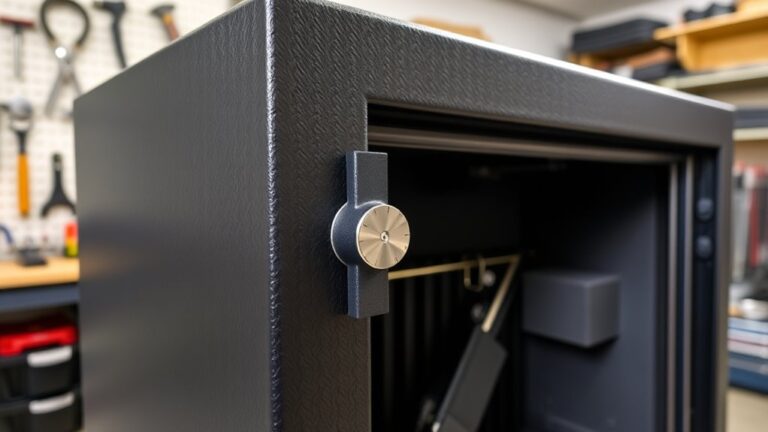
Many people struggle with keeping their guns safe and out of reach of curious eyes. If you’re looking for clever ways to hide your gun safe effectively, you’re not alone. Finding discreet spots that blend seamlessly into your home can be a challenge.
To hide your gun safe effectively, place it in discreet spots like behind furniture, inside false drawers, or within wall panels. Use furniture that matches your decor, or make custom compartments to blend seamlessly.
Consider hiding it behind removable panels or painting it to match walls. Secure it properly to prevent removal, and keep the key or combination away from prying eyes.
If you want smarter solutions and clever disguise ideas, stay with us for more expert tips.
Key Takeaways
- Choose concealed spots that blend seamlessly with your home decor, like inside furniture or behind false panels.
- Disguised furniture such as ottomans, bookshelves, or hollowed-out cabinets can provide natural hiding spots.
- Installing safes within walls or beneath floor panels keeps them hidden from plain sight.
- Make sure to anchor the safe securely to prevent removal. It’s also a good idea to store keys or combinations separately for extra security.
- Regularly check and update your hiding spots. This helps maintain their effectiveness and adapt to any changes in your home environment.
Why Concealing Your Gun Safe Matters for Security
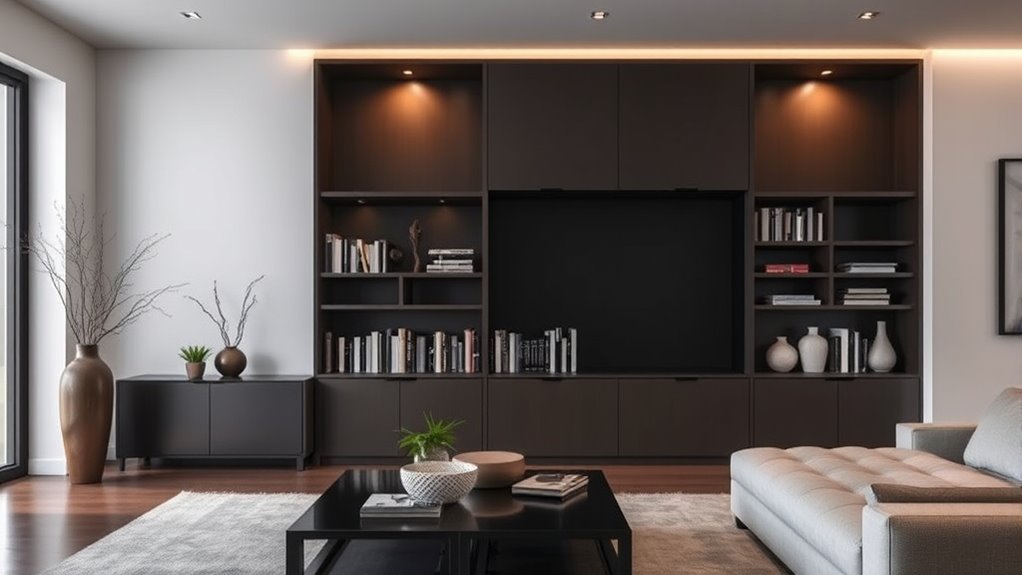
Concealing your gun safe is crucial because it stops unauthorized people from accessing it and lowers the chance of theft. When your safe is hidden, it’s less likely someone with bad intentions will find or target it.
Thieves often look for obvious hiding spots or safes that are easy to spot. Blending your safe into the environment makes a big difference in keeping it secure.
Plus, hiding your safe helps keep curious children or visitors who shouldn’t have access from getting to your firearms. Keeping it out of sight is a smart way to protect your belongings.
Choosing the Best Spot in Your Home to Hide Your Safe
Once you’ve decided to hide your safe, the next step is choosing the right spot in your home. Look for areas that blend seamlessly with your surroundings and aren’t obvious to visitors.
Choose discreet spots that blend seamlessly and aren’t obvious to visitors.
Hidden corners behind furniture, inside false drawers, or beneath floorboards work well. Avoid common hiding spots like closets or bedrooms since burglars often check those first.
Think about places where you naturally spend time, like the garage or basement. Consider hiding the safe behind or inside objects such as large bookshelves or hollowed-out furniture.
Keep accessibility in mind. Your safe should be easy for you to reach but difficult for others. The goal is to find a spot that’s discreet, secure, and unlikely to draw suspicion.
Disguise Your Gun Safe as Furniture or Home Decor
You can make your safe blend seamlessly with your home decor by choosing furniture that matches your style. Functional pieces like ottomans or bookshelves often hide compartments that disguise the safe’s true purpose.
Incorporating hidden compartments into everyday items keeps your safe discreet and easily accessible when needed. It’s a smart way to protect your valuables without sacrificing style.
Blend With Existing Decor
To effectively hide a gun safe, try disguising it as a piece of furniture or home decor that naturally fits into your space. Think about items like a decorative cabinet, a bookshelf, or a storage ottoman that matches your style.
Refinish or modify these pieces to hide the safe inside, making sure they look authentic. Use paint, fabric, or decorative hardware to match your decor, so it doesn’t stand out.
Placing the safe behind a false back or inside a hollowed-out piece adds an extra layer of disguise. The goal is for the safe to blend seamlessly with your surroundings.
This way, your valuables stay hidden while the overall look of your home remains intact.
Use Functional Furniture Pieces
Using functional furniture pieces is a smart way to hide your gun safe without sacrificing style. You can incorporate safes into everyday items like ottomans, coffee tables, or bookshelves, making them look natural in your home.
For example, a coffee table with a hidden compartment or a bookshelf with a false back can conceal your safe discreetly. These pieces blend seamlessly with your decor, so visitors won’t suspect anything unusual.
Choose furniture that matches your aesthetic and guarantees easy access when needed. Installing a safe inside a storage bench or under a false bottom in a dresser keeps it hidden yet accessible.
Using functional furniture transforms your storage needs into a clever hiding spot, combining practicality with security.
Incorporate Hidden Compartments
Disguising your gun safe as a piece of furniture or home decor can be really effective when done thoughtfully. Hidden compartments blend seamlessly into your environment, making it harder for intruders to spot the safe’s true location.
For example, a false bottom in a drawer or a hollowed-out book can serve as discreet hiding spots. Custom furniture with built-in compartments that look natural is a great way to maximize security.
Here’s a quick comparison:
| Feature | Disguise Method | Best Use |
|---|---|---|
| Furniture with hidden drawer | Hidden storage in furniture | Living room or bedroom |
| False cabinet panels | Concealed compartments | Kitchen or office |
| Hollowed-out decor items | Disguised as decor | Bookshelves or picture frames |
| Faux electrical outlets | Hidden safe behind outlet | Walls or behind furniture |
| Fake vents or vent covers | Concealed compartments | Walls or ceilings |
These options help keep your safe hidden in plain sight, blending into your space naturally.
Hide Your Safe Behind Walls and Floors
You can hide your safe behind wall structures or within floor installations to keep it discreet and protected. Camouflaging it with surrounding materials makes it less noticeable. Reinforcing the area also guarantees safety.
Proper concealment and strength are key to keeping your valuables secure.
Concealment Behind Wall Structures
Hiding a gun safe behind wall structures offers a discreet and secure option for concealment. You can install a false wall panel or create a hidden compartment within existing walls, making it nearly impossible for intruders to find.
Use drywall, paneling, or even decorative wall features to conceal the safe’s location. Make sure the access point blends seamlessly with the wall design, maybe behind a picture or a bookshelf with a removable back panel.
Reinforce the area to support the weight of the safe and avoid structural damage. Keep the safe small enough to fit comfortably within the wall cavity, and consider adding a lock or hidden latch for extra security.
This method keeps your weapon out of sight while still allowing quick and easy access when needed.
Camouflage Floor Installations
Integrating a gun safe into your floor can be a smart way to keep it out of sight and secure. You might install it beneath a removable floor panel or hidden hatch, blending seamlessly with your flooring.
To maximize effectiveness, consider these features:
| Feature | Benefit | Example |
|---|---|---|
| Concealed hatch | Disguises access point | Floor tile with trapdoor |
| Reinforced flooring | Ensures safety and stability | Steel-reinforced concrete |
| Camouflage materials | Blends with existing decor | Hardwood or carpet |
| Discreet placement | Reduces suspicion | Corner of a room |
This method keeps your safe protected and hidden, making it nearly impossible for intruders to find. Proper installation guarantees durability and discreetness.
Reinforce for Safety
Reinforcing your walls and floors is key to keeping your safe secure and hidden. Strong reinforcement helps prevent accidental damage and stops intruders from easily removing it.
To boost safety, consider a few simple steps. First, install your safe inside a reinforced wall cavity or behind a non-load-bearing section of the wall.
Use high-density materials like concrete or steel around the safe to add extra strength. Reinforcing the floor with steel plates or concrete can support heavy safes and prevent tunneling.
Finally, secure the safe with heavy-duty anchors into reinforced structures. This helps deter theft or forced entry, giving you peace of mind.
Use Hidden or Movable Panels for Concealment
Using hidden or movable panels can be a smart way to conceal a gun safe without making it obvious. You can install panels that blend seamlessly with your walls or furniture, making them hard to spot.
Hidden panels seamlessly blending with decor effectively conceal gun safes.
For example, create a false wall section or a panel that swings open when you push or lift it. You might also hide a compartment behind a large mirror or inside a bookcase panel.
These movable panels give you quick access when needed but keep the safe out of plain sight. Just make sure the panels are sturdy and match your decor so they don’t raise suspicion.
With some simple carpentry or clever design, you can turn everyday features into discreet hiding spots. This way, your gun safe stays secure while your space keeps its nice look.
Make Your Safe Disappear With Paint or Wallpaper
To make your safe blend seamlessly into your environment, consider disguising it with paint or wallpaper that matches the surrounding wall. This simple trick helps it hide in plain sight.
First, choose a color or pattern identical to your wall. Second, carefully paint or wallpaper over the safe, making sure edges align perfectly.
Third, use a low-gloss or matte finish to avoid reflections that could reveal its presence. Fourth, check your disguise regularly to keep it looking seamless.
This approach makes your safe less noticeable, especially when combined with other hiding techniques. With a little effort, your safe will become virtually invisible, blending naturally into your home decor.
How to Secure Your Hidden Safe for Maximum Safety
Even if your safe is well-hidden, it’s important to take extra steps to protect it from theft or tampering. Start by anchoring your safe to the floor or wall to prevent easy removal.
Use high-quality locks and think about adding a secondary lock for extra security. Keep the safe’s key or combination in a separate, secure spot away from the safe itself.
To make unauthorized access even tougher, install an alarm system that goes off if someone tries to tamper with it. This way, you’ll get alerted right away if something’s wrong.
| Security Measure | Benefit |
|---|---|
| Anchor to floor/wall | Prevents easy removal |
| Secondary lock | Adds an extra layer of protection |
| Alarm system | Alerts you of tampering or intrusion |
Factors to Consider Before Hiding Your Gun Safe
Before you decide where to hide your gun safe, think about how easy it is for you to access and how hard it is for others to find. You want a spot that’s convenient for you but tough for intruders to discover.
Consider how often you’ll need to get to your safe and whether the hiding spot is discreet enough. Avoid obvious places like closets or under the bed, since intruders might check those first.
Also, think about environmental risks like moisture, heat, or potential damage. You don’t want your safe exposed to elements that could harm it over time.
Here are four key factors to keep in mind:
- Accessibility — easy for you, hard for others
- Concealment — hidden from plain sight
- Environmental safety — avoid moisture or heat exposure
- Security — hard to tamper with or detect
Frequently Asked Questions
How Often Should I Change the Hiding Spot for My Gun Safe?
You should change your hiding spot every six months to a year, or whenever you notice signs of tampering or suspicion.
Regularly rotating the location makes your safe less predictable, which can help reduce the risk of theft or someone uncovering it.
Pay attention to your surroundings, and if you move or rearrange furniture, consider updating your hiding spot as well.
Staying vigilant helps ensure your firearm stays secure and concealed effectively over time.
Are There Legal Restrictions on Hiding Gun Safes in Certain Areas?
Yes, there are legal restrictions on hiding gun safes in certain areas. You can’t conceal a safe where it might block emergency access or break building codes, like in hallways or stairwells.
Some places also require safes to be securely anchored or even disclosed to authorities. Always check your local laws and regulations before hiding your gun safe. This way, you stay compliant and avoid any legal trouble.
What Tools Are Needed to Install Hidden Panels or Furniture Disguises?
You’ll need a few key tools to install hidden panels or furniture disguises. A power drill is essential for making precise holes, and a saw helps cut panels to size.
A screwdriver and a level guarantee everything stays in place and looks professional. Don’t forget a measuring tape and a pencil for accurate markings.
With these tools, you can turn any piece of furniture into a clever hideaway. Just don’t bite off more than you can chew!
Can Hiding a Safe Affect My Home Insurance Policy?
Hiding a safe can potentially affect your home insurance policy, especially if the insurer sees it as a risk or if you don’t tell them about it. It’s a good idea to let your insurer know about any major changes or security upgrades.
Not disclosing these changes might cause your claims to be denied or your coverage to be reduced. To stay on the safe side, review your policy and talk to your insurer before hiding your safe. That way, you can make sure you’re fully protected.
How Can I Ensure Quick Access in an Emergency Without Compromising Concealment?
You can find a balance by installing a hidden compartment or false panel that allows quick access but stays discreet.
Keep the key or combo nearby but out of sight, like in a disguised container or a secure spot only you know.
Practice opening it quickly so you’re ready in a pinch and don’t get caught off guard.
Conclusion
Hiding your gun safe isn’t just about concealment; it’s about creating a layered security system. Disguising your safe effectively can deter intruders, but it’s also essential to think about safety and easy access for yourself.
Some believe that hiding safes behind walls or furniture can make them more vulnerable if not done properly. It’s all about finding that balance—making your safe hard to find while still being accessible when you need it.
Remember, the key to effective hiding is balancing concealment with secure access. With the right approach, you can protect your belongings and ensure peace of mind by choosing smart hiding spots for your gun safe.