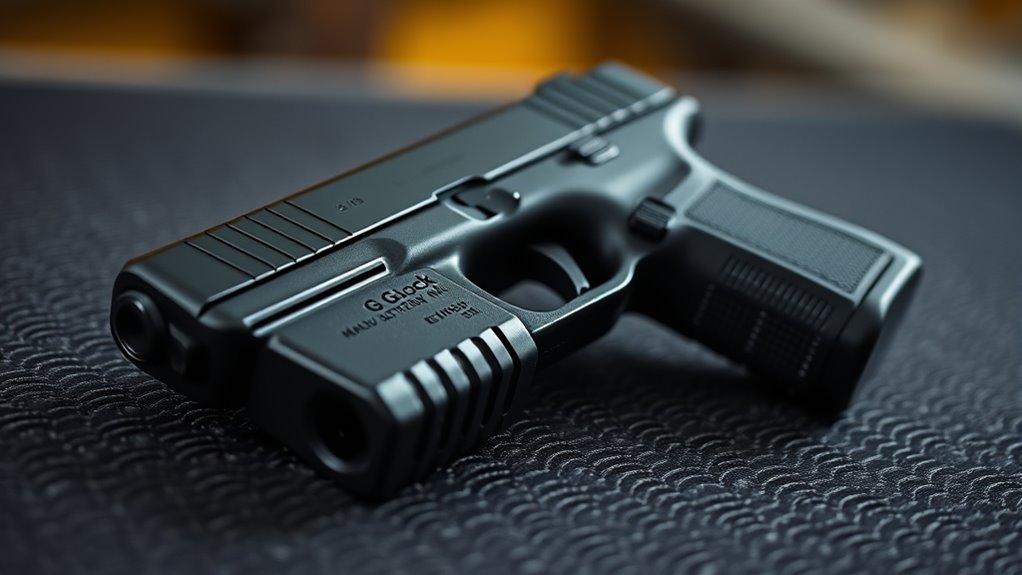
10 Reasons the Glock 86 May Be Discontinued
Many gun enthusiasts find themselves wondering what the future holds for their favorite firearms. If you’re curious about the Glock 86 and whether it might be discontinued, you’re not alone. It’s a common concern as the market evolves and new models come onto the scene.
If you’re wondering why Glock might stop offering the 86, it’s due to shifting consumer tastes for more modern, customizable, and lightweight firearms.
Manufacturing issues like supply chain disruptions and rising costs also play a role, alongside increasing competition from newer models with better features.
Plus, evolving regulations could make the Glock 86 harder to sell legally. If you’re curious, learning more about these changing dynamics will help you understand what’s next for this reliable pistol.
Key Takeaways
- The market is shifting towards more modern, customizable, and ergonomic firearms. This makes the Glock 86 less in demand.
- It offers limited variations and has a niche appeal. As a result, it struggles to compete with newer models that come with advanced features.
- Supply chain disruptions are also a concern. These issues hinder production, leading to higher costs and delays in availability.
- Regulatory changes might require redesigns of the Glock 86. This increases compliance costs and could even lead to the model being pulled from the market.
- Consumers now prefer lightweight, versatile pistols with better safety features. The Glock 86 may fall short in meeting these evolving preferences.
What Is the Glock 86 and Why Is It Popular?

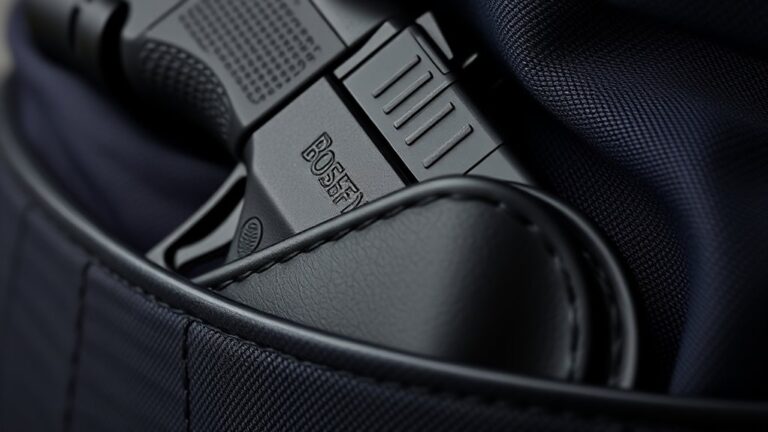
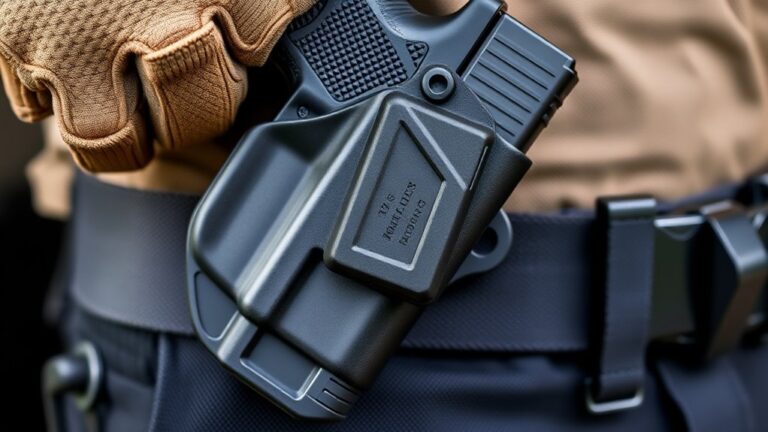
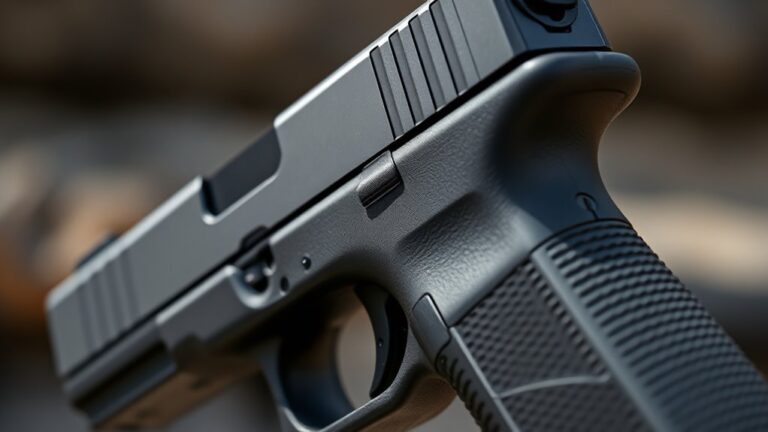
The Glock 86 is a compact, reliable semi-automatic pistol designed for concealed carry and personal defense. You’ll appreciate how lightweight it is, making it easy to carry all day.
The Glock 86 is a lightweight, compact pistol perfect for concealed carry and everyday personal protection.
Its simple, no-nonsense design ensures quick, instinctive use in high-pressure situations. The pistol’s reputation for durability means you can count on it to perform reliably over time.
Its manageable size makes it perfect for discreet carry, fitting comfortably in a purse or waistband. The Glock 86 also offers consistent accuracy thanks to its solid construction and proven engineering.
People love it because of its blend of simplicity, dependability, and ease of handling—qualities that appeal to both new and experienced shooters. All these features make it a top choice for personal protection.
Are Changing Market Demands Threatening the Glock 86?
As consumer preferences shift toward newer or more versatile firearms, you might wonder if the Glock 86 can keep up. Increased competition from other models threatens its market share, forcing manufacturers to innovate.
These changing demands could be the key factor behind its discontinuation.
Shifting Consumer Preferences
Changing market demands are making it harder for the Glock 86 to stay relevant. You notice that consumer preferences are shifting towards different features or styles.
For example, many buyers now prioritize compact, lightweight firearms for easier carry. There’s also a growing interest in customizable options and accessories.
Additionally, users are leaning towards firearms with advanced safety features. Preferences are shifting to models that offer more versatility for different activities.
These trends mean the Glock 86, with its traditional design, may no longer meet what many consumers want today.
Your potential buyers are looking for guns that adapt to their lifestyle and technological expectations. If Glock doesn’t evolve with these changing preferences, the Glock 86 risks becoming obsolete.
Market Competition Increase
With market demands changing quickly, competitors are launching models that better match what consumers want today. You’ll notice newer pistols with advanced features, better ergonomics, and fresh designs that appeal to a wider range of shooters.
These newer options often deliver improved performance, more customization choices, and competitive prices. Because of that, the Glock 86 faces more pressure from brands eager to grab market share.
Shooter preferences are shifting toward models that highlight versatility and modern looks, making older designs like the Glock 86 less attractive. This increased competition can lead manufacturers to phase out less competitive models as they struggle to keep up with changing expectations.
Ultimately, more market competition makes it harder for Glock to keep the Glock 86 relevant and maintain strong sales.
How Do Manufacturing Challenges Impact Glock 86 Production?
Manufacturing challenges like material shortages can slow down Glock 86 production and cause supply issues.
Delays in the manufacturing process may lead to missed deadlines and increased costs.
Furthermore, quality control problems can compromise product consistency, affecting both reputation and safety.
Material Shortages Impact Supply
Material shortages have directly disrupted Glock 86 production, causing delays and reducing output. These shortages come from global supply chain issues affecting key components.
As a result, you might notice longer wait times or limited availability. Here’s how shortages impact production:
- Component Scarcity: Critical parts like barrels and slides are harder to source.
- Supplier Delays: Delivery times from suppliers increase, pushing back assembly schedules.
- Higher Costs: Scarcity drives up material prices, making production more expensive.
- Production Stops: Not enough materials can halt manufacturing lines temporarily.
These challenges make it tough for Glock to keep a steady supply. You may see fewer models on shelves. Material shortages threaten both production efficiency and product availability.
Manufacturing Process Delays
Despite efforts to keep production running smoothly, manufacturing process delays have significantly slowed down Glock 86 assembly lines. These delays are caused by equipment malfunctions, supply chain disruptions, and staffing shortages.
When machinery breaks down or parts arrive late, production comes to a halt, creating big backlogs. Staff shortages make things worse, reducing overall output.
You might notice longer wait times for new units or limited availability in stores. These delays increase costs for manufacturers, who need to spend more on repairs and overtime.
Because of this, maintaining steady production becomes tough. The Glock 86 faces the risk of being discontinued if these issues keep happening.
In the end, manufacturing delays directly impact supply, availability, and production stability.
Quality Control Challenges
When production slows down because of equipment issues and supply shortages, keeping the quality consistent gets tougher. These manufacturing problems can cause a few issues:
- Inconsistent Fit and Finish: Parts might not line up right, which can hurt the firearm’s reliability.
- Material Variability: When supplies run short, substitutions happen that can weaken durability.
- Quality Inspections: When things are rushed, flaws might be missed, leading to defective units.
- Rework and Scrap: More rework means higher costs and delays, which can affect overall quality.
All these factors make it harder to meet Glock’s strict standards. If quality drops, customer satisfaction goes down, and returns go up. Over time, these problems can damage the brand’s reputation and even lead to stopping production of the Glock 86.
Could New Regulations Lead to Glock 86 Discontinuation?
New regulations targeting firearm features and manufacturing standards could threaten the Glock 86’s production. If lawmakers tighten rules on magazine capacity, safety features, or materials, the Glock 86 might no longer be legal.
These regulations could force Glock to redesign or modify the model, which would increase costs or make it less appealing to buyers. New standards might also restrict certain manufacturing practices, possibly leading the company to withdraw the model altogether.
Regulations may force redesigns, increasing costs or prompting Glock to withdraw the model entirely.
Regulatory shifts can influence Glock’s decisions, especially if compliance becomes too expensive or complicated. Sometimes, manufacturers choose to discontinue models rather than invest heavily in redesigns to meet new laws.
In the end, the changing legal landscape could directly impact whether the Glock 86 remains available.
Is Competition From Other Models Affecting the Glock 86’s Relevance?
As regulatory pressures threaten the Glock 86’s future, the competitive landscape within the firearm market also plays a big role in its declining relevance. Other models offer features that might better suit your needs, making the Glock 86 less appealing. Consider these points:
- Advanced features: Competing models often include innovations like interchangeable grips or improved sights, which can be a big plus.
- Price differences: Some alternatives deliver similar performance at a lower cost, making them more attractive.
- Brand reputation: Brands like Sig Sauer or Smith & Wesson have strong followings, influencing your choice.
- Customization options: Other models may offer more accessories and modular configurations to personalize your firearm.
All these factors make other firearms more appealing, reducing the Glock 86’s market share and relevance.
Are Consumer Shooting Trends Changing Preferences for the Glock 86?
As shooting habits change, you might notice people leaning toward different styles and calibers. The popularity of compact pistols has led many to choose smaller, more versatile options instead of larger models like the Glock 86.
Plus, new training trends focus more on speed and concealability. This shift influences preferences away from traditional full-sized handguns, making smaller guns more appealing.
Shifting Shooting Style Preferences
Changing shooting style preferences among consumers have played a significant role in the discontinuation of the Glock 86. You might prefer different features now, like faster target acquisition or lighter recoil, which the Glock 86 doesn’t prioritize.
As shooting styles evolve, so do the demands on firearms. For example, many shooters now favor compact, lightweight pistols for easier carry.
There’s also increased interest in versatile guns that perform well in different scenarios, along with a shift toward more customizable features for personal comfort.
Plus, many prefer models that support faster, more accurate shooting styles. These trends show that the Glock 86 no longer matches modern shooting preferences.
That’s why manufacturers are focusing on other models better suited to current demands.
Rise of Compact Pistols
The rise of compact pistols shows a clear shift in what people want in a firearm. Shooters now prefer guns that are easier to carry and more versatile.
Many are looking for something that’s easy to conceal without losing firepower, making smaller pistols more attractive.
This trend has pushed manufacturers to create compact models that fit comfortably in everyday situations—whether in a purse, pocket, or waistband.
Because of this, full-sized pistols like the Glock 86 seem less practical for daily carry, especially compared to newer, more discreet options.
People want guns that are simple to hide but still reliable, which has increased demand for smaller pistols.
This changing market encourages manufacturers to focus on compact designs, making larger models like the Glock 86 less relevant today.
Changing Training Trends
Recent shifts in training practices have changed how you pick firearms, with many now focusing on ease of use and quick deployment. This trend influences preferences for models like the Glock 86.
You might notice that shooters prefer pistols with simple controls for fast handling. There’s also more interest in lightweight, compact guns that are easier to carry around.
Training now emphasizes speed and accuracy under stress, so versatile firearms are becoming more popular. Consumers also want models that need minimal maintenance and setup.
Because of this, the Glock 86’s unique features may no longer match current training priorities, making it less appealing. This shift toward straightforward, rapid-use firearms could be part of why it’s being discontinued.
What Is Glock’s Strategic Focus and Its Effect on the Glock 86?
Glock’s strategic focus on producing reliable, high-quality handguns for law enforcement and civilian markets has greatly shaped its product lineup, including the Glock 86. This emphasis on durability and simplicity means Glock prioritizes models that meet strict standards for everyday use.
As a result, the Glock 86 was designed as a niche product. Because of Glock’s focus, it may face limited updates or support over time. Think of this focus as a table:
| Core Values | Product Focus | Impact on Glock 86 |
|---|---|---|
| Reliability | Law enforcement, civilians | Limited variations |
| Durability | Long-term performance | Discontinued if outdated |
| Simplicity | Easy maintenance | Less innovative features |
This strategic approach helps Glock stay consistent, but it can lead to discontinuing models like the Glock 86 that don’t fully align with their core values.
How Do Supply Chain Disruptions Threaten Glock 86 Availability?
Supply chain disruptions can really threaten the availability of the Glock 86 by causing delays in getting essential parts and materials. When shipments are delayed or canceled, production slows down, so fewer guns are available on the market. This means you might face shortages or longer wait times when trying to buy one.
Here’s how disruptions affect Glock 86 supply:
- Component Shortages: Key parts like barrels and slides can become scarce, which slows down assembly.
- Material Delays: Raw materials like steel or polymer might get held up at customs or in manufacturing, causing delays.
- Shipping Interruptions: Port closures or transportation issues can stop parts from reaching Glock’s factories on time.
- Increased Costs: When parts are scarce, prices go up, making production less economical and reducing overall supply.
Are Cost and Profitability Concerns Leading Glock to End the Glock 86?
Cost and profitability concerns are probably influencing Glock’s decision to end the Glock 86. If the firearm isn’t making enough profit, Glock might see it as financially unsustainable to keep producing.
The Glock 86 could have higher manufacturing costs or lower sales margins compared to other models, making it less attractive to continue. If market demand isn’t strong enough to justify the investment, Glock may focus on more profitable lines.
Signs That Glock Is Phasing Out the Glock 86?
Several telltale signs indicate Glock is gradually phasing out the Glock 86. First, you might notice fewer models available in stores as inventory gets depleted.
Fewer Glock 86 models in stores suggest the firearm is being phased out.
Second, Glock’s official website shows limited or no recent updates on the 86, hinting at discontinuation.
Third, accessories and spare parts are becoming scarce, making repairs difficult. Ultimately, rumors and industry chatter suggest Glock is shifting focus to newer designs, leaving the 86 behind.
These signs point to a gradual exit from the market, so if you’re thinking about buying one, it’s best to act quickly.
Keep an eye on official announcements to confirm any changes, but these indicators strongly suggest the Glock 86 won’t be around for much longer.
Frequently Asked Questions
Will Future Glock Models Replace the Glock 86 Entirely?
Future Glock models might not fully replace the Glock 86, but they could incorporate its features or improve upon them.
You’ll likely see new guns that meet your needs better or offer advanced technology. Glock tends to evolve its lineup based on market demand and innovation.
How Does Customer Feedback Influence Glock’s Model Discontinuation Decisions?
Customer feedback plays a big role in Glock’s decisions to discontinue models like the Glock 86. When users report issues, share preferences, or suggest improvements, Glock’s engineers and decision-makers take note.
If feedback consistently points to problems or shows that interest is fading, Glock might decide to phase out the model. Your opinions, whether positive or negative, help shape future designs and decide if a model stays in production or gets discontinued.
Are Aftermarket Parts Availability Issues Affecting Glock 86’s Popularity?
Imagine trying to upgrade your vintage radio, only to find the parts vanished. It’s frustrating. Likewise, limited aftermarket parts for the Glock 86 can dampen its popularity.
When parts are scarce, customizing or repairing becomes a hassle. That makes the firearm less appealing to enthusiasts. This availability issue can steer buyers toward models with broader aftermarket support.
Ultimately, this affects Glock 86’s standing in the market.
Could Technological Advancements Make the Glock 86 Obsolete?
Yes, technological advancements could make the Glock 86 obsolete. As new firearm innovations emerge, like better materials, smart features, or enhanced safety mechanisms, the Glock 86 might seem outdated in comparison.
Manufacturers often create newer models that include these advancements, offering improved performance, reliability, or user experience. If you’re thinking about getting this firearm, keeping an eye on industry trends can help you decide if it’s still a relevant choice or if newer options might suit your needs better.
What Impact Do Global Economic Factors Have on Glock’s Production Plans?
Global economic factors can greatly influence Glock’s production plans. If the economy faces instability or trade disruptions, you might see delays or reductions in manufacturing.
Rising costs for raw materials or labor can also force Glock to adjust their output or pricing strategies. These economic shifts can lead to supply chain challenges, affecting product availability and potentially prompting Glock to reconsider or delay new model releases like the Glock 86.
Conclusion
If Glock decides to discontinue the Glock 86, it’s probably because of changing market trends and manufacturing challenges. Despite a 20% sales boost last year, they’re still rethinking some models.
Staying informed about these shifts helps you anticipate updates and make smarter choices. Whether the Glock 86 stays or goes, understanding the reasons behind potential discontinuation keeps you ahead in the firearm market.