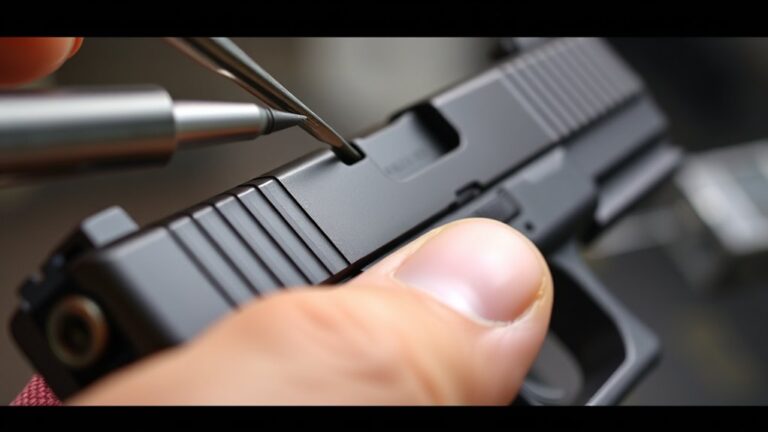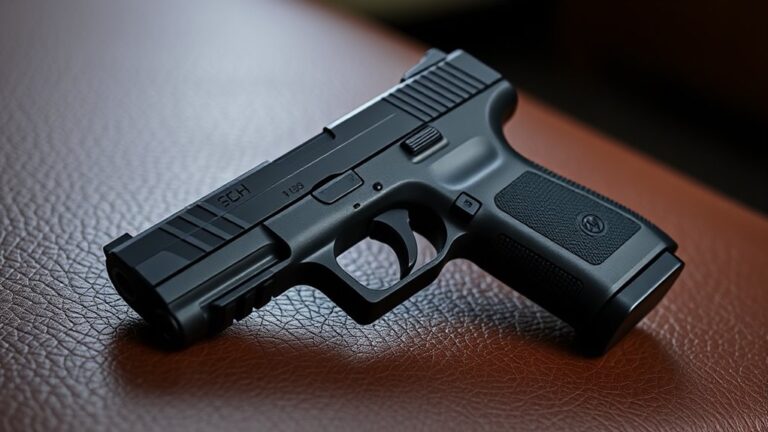
What Materials Are Glock Slides Made From?
Are you tired of worrying about your Glock’s performance in tough conditions? Many gun owners struggle with finding a slide that’s both durable and lightweight. Choosing the right material can make a big difference in reliability and handling, especially when it counts.
Glock slides are primarily made from high-grade steel alloys, like 416R stainless steel, which offer strength, durability, and corrosion resistance through special coatings like Tenifer or Melonite.
Some models feature polymer or aluminum slides for lighter weight and easier handling. The material choice impacts performance, handling, and longevity, especially in tough environments.
If you want to uncover how each material influences your Glock’s reliability and maintenance, keep exploring the details.
Key Takeaways
– Glock slides are mainly made from high-grade stainless steel alloys, like 416R, which gives them strength and durability.
They often get coated with finishes like Tenifer or Melonite. These coatings help protect against corrosion and make the surface more durable.
Some Glock slides also use aluminum alloys with special protective finishes. This helps reduce weight without sacrificing strength.
On certain models, you’ll find polymer slides. These are designed to be lightweight and absorb impacts better.
The coatings and finishes on Glock slides are key. They help resist wear, corrosion, and damage from the environment.
What Are Glock Slides and Why Material Matters?

Have you ever wondered what makes a Glock slide both reliable and durable? It’s all about the materials used in its construction. The slide is a critical part of your firearm, housing the firing pin, extractor, and other components.
Because it faces constant stress, heat, and friction, choosing the right material is vital. A high-quality slide needs to withstand repeated firing without warping or cracking. The material impacts not just durability but also weight, which affects handling and recoil control.
When you understand what the slide is made from, you’ll better appreciate its strength and longevity. This foundation guarantees your Glock performs reliably during every shot, regardless of how often or how aggressively you shoot.
Key Materials Used in Glock Slide Construction
You’ll want to understand the steel alloy compositions that give Glock slides strength and durability. Coatings and finish layers also play an essential role in resisting corrosion and wear over time.
Steel Alloy Composition
Glock slides are mainly made from specialized steel alloys that balance strength, durability, and weight. The most common alloy used is a high-grade stainless steel, like 416R or similar, chosen for its corrosion resistance and toughness.
These alloys contain elements like chromium and nickel, which boost corrosion resistance and overall strength. The steel is carefully heat-treated to improve its hardness and wear resistance, helping the slide handle repeated firing and handling.
The specific composition can vary slightly depending on the Glock model, but the goal stays the same: to create a resilient, reliable slide that performs well under demanding conditions. This steel alloy composition provides a durable, lightweight foundation, making it ideal for everyday carry and tough use.
Coating and Finish Layers
To improve durability and corrosion resistance, Glock slides are coated with special finish layers that protect the underlying steel. The most common coating is Tenifer, a nitriding process that hardens the surface and creates a corrosion-resistant barrier.
This treatment also reduces wear and extends the slide’s lifespan. Some Glock models feature a Melonite finish, which is similar to Tenifer and provides extra resistance to scratches and corrosion.
In certain models, you might find a Cerakote coating. It offers a variety of color options along with additional protection against environmental damage. These coatings not only boost durability but also give the slide a sleek look.
Why Steel Glock Slides Are Strong and Durable
Steel Glock slides stand out because of their exceptional strength and durability, making them a popular choice among firearm enthusiasts. Their robustness comes from the high-quality steel used in manufacturing, which resists wear and deformation over time.
You’ll benefit from:
- Corrosion Resistance. Steel slides are often treated to withstand rust and corrosion, making them great for tough environments.
- Enhanced Strength. They can handle higher pressures, reducing the risk of cracking or breaking.
- Longer Lifespan. Steel’s durability means your slide keeps its integrity even after heavy use.
- Better Heat Resistance. Steel absorbs and dissipates heat efficiently, preventing warping during rapid firing.
This combination of features guarantees steel Glock slides deliver reliability and longevity for serious shooters.
Benefits of Polymer Glock Slides for Everyday Use
Polymer Glock slides offer several advantages that make them great for everyday carry and regular use. They’re lightweight, which helps reduce fatigue during long shooting sessions or daily carry, so you stay comfortable without losing performance.
Polymer slides are also very resistant to corrosion and rust. This means your firearm stays reliable in different environments. Plus, they absorb impacts better than metal, helping prevent damage from drops or bumps.
Maintenance is easier too—polymer resists dirt and grime, making cleaning faster and simpler. The flexibility of polymer allows for more innovative designs and custom options, giving you a firearm that’s both durable and personalized.
How Aluminum Enhances Glock Slide Performance
Aluminum slides make your firearm lighter without sacrificing strength, so handling stays comfortable during extended use.
They also resist corrosion, helping your gun stay reliable in different environments.
This balance of durability and weight really boosts your overall shooting experience.
Lightweight Yet Durable
Although traditional materials like steel add weight and durability, aluminum offers a perfect balance by making Glock slides lighter without sacrificing strength. This makes your firearm easier to handle and carry, especially during extended use.
Aluminum’s key advantages include:
- Reduced overall weight, which improves comfort and maneuverability
- Maintained structural integrity for reliable performance
- Faster cycling due to decreased mass, which enhances shot accuracy
- Easier handling in various conditions without compromising durability
Corrosion Resistance Benefits
Because aluminum naturally forms a protective oxide layer, it offers excellent resistance to corrosion. This is key for keeping your Glock slide functioning well over time.
That layer stops moisture and other corrosive elements from reaching the metal underneath, helping the slide last longer. Aluminum’s corrosion resistance ensures your firearm stays reliable even in humid or tough environments.
Its durability means less frequent maintenance and fewer rust-related issues. Here’s a quick comparison:
| Material | Corrosion Resistance | Weight |
|---|---|---|
| Aluminum | High | Light |
| Steel | Moderate | Heavier |
| Titanium | Very High | Light |
Choosing aluminum boosts your Glock’s lifespan while keeping the slide lightweight and durable.
How Coatings and Finishes Protect Glock Slides
Coatings and finishes play a vital role in protecting Glock slides from wear and corrosion. They create a barrier that helps the firearm last longer and stay looking good. Here’s how they work:
Coatings protect Glock slides from wear, corrosion, and damage, ensuring durability and a long-lasting, good-looking firearm.
- Applying Hard Coatings: These coatings, like nitride or DLC, give a tough, scratch-resistant surface that handles daily use well.
- Corrosion Resistance: Finishes such as Melonite or parkerization stop rust from forming, especially in humid conditions.
- Reducing Friction: Some coatings help lower friction between moving parts, making the slide work smoother and cleaning easier.
- Enhancing Durability: Coatings protect against heat and impacts, reducing metal fatigue and deformation over time.
All these coatings work together to keep your Glock slide reliable, functional, and looking great for longer.
Comparing Steel and Polymer Glock Slides
When choosing between steel and polymer Glock slides, you’ll notice differences in durability and strength that affect your firearm’s longevity.
You’ll also feel how weight impacts handling, with polymer slides being lighter and steel offering a more robust feel.
Knowing these points can help you pick the slide that best fits your needs and shooting style.
Durability and Strength
Durability and strength are key factors when comparing steel and polymer Glock slides because they affect how long the firearm lasts and how well it performs under stress. Steel slides are great in tough environments because they are stronger and resist wear better.
Polymer slides are lighter and have improved durability thanks to advanced manufacturing. However, they can still crack over time, especially under extreme conditions. Steel resists deformation and impacts much better.
Steel can handle repeated firing without significant wear, making it more reliable long-term. On the other hand, the strength of polymer slides depends on the quality of the composite material used.
In the end, steel offers unmatched durability. But modern polymers are designed to meet many demanding needs, offering a good balance of strength and weight savings.
Weight and Handling
Steel slides tend to be heavier, which can make handling feel more substantial and stable during shooting. The added weight helps absorb recoil, giving you better control and accuracy. You’ll notice that steel slides feel more robust and provide a solid, confident grip when firing.
However, this increased weight can also lead to fatigue over extended shooting sessions, especially if you’re carrying the gun for long periods. Polymer slides are lighter, making them easier to carry and maneuver. But they may feel less stable when shooting rapidly or with high recoil.
The choice depends on your preference. If you want durability and stability, steel offers more weight and handling confidence. If you prioritize lighter carry and less fatigue, polymer might be the better option.
How Material Choices Affect Glock Slide Weight and Handling
Choosing the right material for a Glock slide really impacts its weight and handling. Lighter materials make your firearm easier to carry and quicker to maneuver, while heavier options often boost stability.
Here’s how your choices can affect performance:
Steel adds weight, which helps with recoil control and stability.
Polymer composites cut down on weight, making handling more agile and less tiring.
Aluminum alloys offer a middle ground, providing moderate weight and good durability.
Additionally, coatings and treatments can cause slight weight changes without altering the core material.
Coatings and treatments subtly affect weight, enhancing performance without changing the core material.
Your material choice influences how the gun feels during shooting and carrying. Lighter slides improve comfort and speed, but heavier slides can give you better control and accuracy.
How Material Affects Glock Slide Corrosion Resistance
Material selection not only affects the weight and handling of your Glock slide but also impacts how well it resists corrosion. Different materials react differently to rust and environmental damage.
Steel slides tend to be more prone to corrosion if they aren’t properly treated or coated, especially in humid or salty environments. Aluminum alloys resist corrosion better thanks to their natural oxide layer that shields against moisture.
Many Glock slides are also coated with corrosion-resistant finishes like Tenifer or DLC. These coatings boost durability regardless of the base material.
Choosing a slide made from rust-resistant materials or with protective coatings can help extend your firearm’s lifespan. It also keeps it looking good, especially if you carry or store your Glock in tough environments.
Future Innovations in Glock Slide Materials
Advances in material science are paving the way for lighter, stronger, and more corrosion-resistant Glock slide options. Expect upcoming innovations to focus on boosting performance and durability.
For example, composite materials might combine lightweight polymers with metal reinforcements to create the perfect balance of strength and weight.
Nanostructured alloys could provide increased resistance to wear and fatigue, making slides last longer under tough conditions.
Graphene coatings may be applied to reduce friction and protect against corrosion, keeping slides smoother and more reliable.
Additive manufacturing techniques will allow for custom, complex slide designs with tailored properties, opening up new possibilities for customization.
These developments aim to make Glock slides more dependable, easier to maintain, and better suited for different environments.
Keeping up with these innovations helps you choose the best materials for future firearm upgrades.
Tips for Maintaining Your Glock Slide Based on Material
Maintaining your Glock slide properly depends on understanding the specific materials it’s made from. For steel slides, regularly clean and inspect for corrosion, especially if you shoot in humid environments. Use a non-abrasive solvent and a soft brush to remove dirt and residue.
For polymer slides, avoid harsh chemicals that could degrade the material. Instead, opt for mild cleaning solutions. Keep the slide dry and lubricate moving parts with a light gun oil, focusing on areas prone to friction.
If your slide is made from aluminum, be cautious about scratching or denting. Gentle cleaning and avoiding abrasive pads are best. Always follow the manufacturer’s recommendations for maintenance and avoid over-lubrication, which can attract debris and impact performance.
Choosing the Right Glock Slide Material for Your Needs
Choosing the right Glock slide material depends on how you plan to use your firearm and what you value most—whether it’s durability, weight, or environmental resistance. To help you decide, here are some options:
Steel offers top strength and durability, making it a great choice for heavy-duty use or competitions.
Aluminum is lightweight and resists corrosion, which makes it ideal for everyday carry and extended shooting sessions.
Polymer is very light and doesn’t corrode, perfect if you want to keep weight down and don’t need extreme durability.
Titanium combines strength with lightness, making it a premium option for performance and longevity.
Your choice should match your shooting style, environment, and how much maintenance you’re willing to do.
Frequently Asked Questions
Are Glock Slides Made From Any Composite or Hybrid Materials?
Glock slides are mainly made from steel, but some models include composite or hybrid materials. These materials help cut down weight without losing durability or strength.
Glock uses polymer-based parts in certain areas to make the firearm lighter and easier to handle. While the slide itself is mostly steel, the addition of hybrid materials in some models boosts performance and comfort.
This combination gives you a reliable firearm with features that are optimized for everyday use.
How Do Glock Slide Materials Impact Overall Firearm Safety?
You’ll be glad to know that Glock slide materials greatly impact firearm safety. With slides made from durable steel alloys, they resist wear and withstand high pressures, reducing the risk of malfunctions.
This improves your safety by ensuring consistent performance and reducing accidental failures. A well-made slide with quality materials also minimizes the chance of cracks or breaks, giving you confidence in your firearm’s reliability during critical moments.
Can Glock Slide Materials Influence Firearm Accuracy?
Yes, Glock slide materials can influence firearm accuracy. If the material is lightweight and rigid, it helps reduce recoil and improve shot placement, making your shots more precise.
On the other hand, materials that aren’t as durable or that can deform may cause the slide to move inconsistently. This can negatively affect your accuracy.
Choosing a slide material that stays stable and can handle stress ensures your firearm performs reliably. This consistency helps you shoot more accurately.
Are There Environmentally Friendly Materials Used in Glock Slide Manufacturing?
Yes, Glock uses environmentally friendly materials in some slide manufacturing to help reduce their ecological impact. You might notice that their slides include recycled metals or coatings designed to be more sustainable.
This shows Glock’s commitment to eco-conscious practices, kind of like planting a seed for a greener future. By choosing these materials, you’re supporting environmentally responsible manufacturing without sacrificing the firearm’s durability and performance.
Do Different Glock Slide Materials Affect Customization Options?
Yes, different Glock slide materials can influence your customization options. For example, slides made from lightweight materials like polymer may limit certain modifications.
Metal slides, such as steel or aluminum, offer more possibilities for engraving, coating, or adding accessories. Your choice of slide material affects not just appearance but also how easily you can personalize your firearm.
Conclusion
Choosing the right Glock slide material depends on your priorities—whether durability, weight, or corrosion resistance. Steel offers strength, polymers are lightweight and affordable, and aluminum provides a good balance of both.
Remember, you get what you pay for, so pick the material that best fits your needs. With proper maintenance suited to your slide’s material, you can ensure reliable performance for years to come.
Always choose wisely and keep your Glock slide in top shape!