Understanding NATO Ammo: A Comprehensive Guide
Struggling to make sense of NATO ammo can be frustrating, especially with so many options and standards out there. You’re not alone—many gun enthusiasts and professionals find it confusing to navigate the world of military-grade ammunition.
Understanding NATO ammo means knowing it’s standardized for compatibility, safety, and reliability across member nations, making joint operations smoother. It includes common calibers like 5.56mm, 7.62mm, and 9mm, with strict guidelines for construction and markings.
These standards support global military interoperability and influence the worldwide arms market.
If you want to learn how to identify, choose, and stay ahead with future trends, keep exploring this extensive guide.
Key Takeaways
- NATO ammunition helps ensure compatibility, reliability, safety, and interoperability among the military forces of member nations.
- Standards like STANAG 2324 and 4172 play a big role in unifying calibers, case types, and propellants. This makes sure everything performs consistently across different countries.
- Common NATO calibers include 5.56×45mm, 7.62×51mm, and 9×19mm. These rounds are built with high-quality materials to ensure durability and dependable performance.
- To identify NATO ammo, you should check for official markings, headstamps, and packaging. This helps verify that the ammo is compliant and authentic.
- Looking ahead, future trends focus on eco-friendly, smart, and modular ammunition. These advancements aim to improve safety, accuracy, and adaptability for various missions.
What Is NATO Ammunition and Why Is It Important?
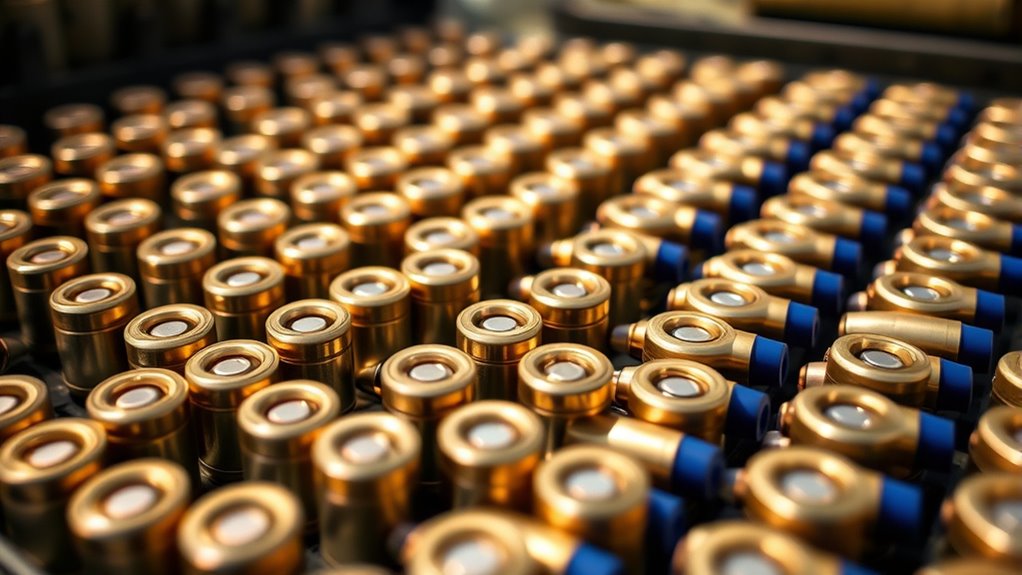
NATO ammunition refers to standardized cartridges and rounds designed to work across all member countries’ military forces. This means soldiers from different nations can share and exchange ammunition without any issues.
NATO ammunition is standardized for seamless sharing and compatibility across member nations’ military forces.
It makes logistics simpler, cuts costs, and improves cooperation during joint missions. When you use NATO ammo, you can trust it meets specific size, pressure, and performance standards, making it reliable and safe.
If you’re into military or civilian shooting, knowing about this compatibility helps you pick the right rounds for your firearm and mission. NATO ammunition’s main value is in streamlining supply chains and encouraging cooperation among allied forces.
It’s all about being efficient, safe, and making sure different nations’ equipment works smoothly together.
A Brief History of NATO Ammo Standards
You’ll see how NATO standards for ammunition started with efforts to unify equipment across member nations.
Key milestones shaped these standards, making them more consistent and reliable over time.
This evolution has significantly influenced global ammunition practices, setting benchmarks for quality and interoperability.
Origins of NATO Standards
The development of NATO ammo standards came from the need to ensure interoperability and smooth logistics among member nations’ armed forces. After World War II, NATO was created to promote cooperation, and standardizing ammunition became a key part of that.
In the late 1940s and early 1950s, representatives from different countries worked together to create uniform specs for cartridge sizes, propellants, and primers. The goal was to make supply chains simpler, cut costs, and make sure weapons and ammo could work across various military systems.
This process involved balancing each country’s unique needs while setting common benchmarks. Over time, these standards evolved through continuous cooperation and technical exchanges.
Today, they form the backbone of NATO’s ability to operate seamlessly. They help forces share weapons and ammunition efficiently during joint missions.
Standardization Milestones Achieved
Since the late 1940s, NATO has reached several key milestones in ammunition standardization. These steps have made it easier for member nations to work together and reduced logistical challenges.
In 1952, NATO adopted STANAG 2324, which set common caliber standards. This helped ensure that ammunition could be used across different countries without issues.
By 1970, the introduction of STANAG 4172 standardized cartridge cases. This made logistics and supply chains much simpler and more efficient.
In 1990, NATO unified propellant specifications. This move improved safety and boosted overall performance of ammunition.
Impact on Global Ammunition
NATO’s efforts to standardize ammunition have greatly influenced global arms markets and military logistics. By establishing common calibers and specifications, NATO streamlined supply chains, reduced costs, and improved interoperability among allies.
This standardization has also impacted non-member countries, who often adopt NATO standards to access broader markets or boost compatibility. As a result, you’ll find NATO-compatible ammunition worldwide, affecting both civilian and military sectors.
Key impacts include increased global trade in NATO-standard calibers, easier procurement for international peacekeeping missions, and improved interoperability among allied forces.
Lower manufacturing costs due to mass production are another benefit. These changes have made ammunition more accessible, reliable, and predictable, shaping the global arms landscape greatly.
Your understanding of NATO standards helps grasp how modern military logistics function across nations today.
How NATO Ammunition Differs From Commercial and Other Military Rounds
NATO ammunition is specifically designed for standardization and compatibility across allied forces, unlike commercial and other military rounds.
You’ll notice material and construction differences that affect performance and reliability, ensuring consistent operation in various conditions.
These design choices help NATO rounds meet strict performance standards that other types might not consistently achieve.
Standardization and Compatibility
Standardization and compatibility are crucial to ensure NATO ammunition works smoothly across all member nations’ armed forces. This uniformity helps with reliable interchangeability, simplifies logistics, and makes training easier.
NATO rounds follow strict specs for size, pressure, and performance, setting them apart from commercial or other military rounds. Key differences include consistent cartridge dimensions and case tolerances, standardized propellant loads and pressure levels, uniform primer types and ignition methods, and harmonized bullet weights and designs.
These standards make sure that weapons designed for NATO ammunition operate correctly and safely in different countries. By sticking to strict guidelines, NATO promotes interoperability, reduces malfunctions, and streamlines supply chains. All of this makes joint operations more efficient and effective.
Material and Construction Differences
Compared to commercial and other military rounds, NATO ammunition typically uses specialized materials and construction techniques designed for durability, safety, and consistent performance.
You’ll notice NATO rounds often have high-quality, standardized brass casings that resist corrosion and can handle repeated firing.
The projectiles are made from carefully chosen metals, sometimes with specific core materials like lead or steel, to meet strict regulations.
Propellant charges are precisely manufactured to ensure reliable ignition and ballistic consistency.
Additionally, NATO rounds use uniform sealing and crimping methods to prevent leaks and misfires.
These material and construction choices make NATO ammunition reliable in various operational conditions, giving you predictable performance and safety in the field.
Performance and Reliability Standards
Because of strict performance and reliability standards, NATO ammunition undergoes rigorous testing to confirm consistent accuracy, dependable ignition, and safe operation across diverse conditions. These standards set NATO rounds apart from commercial and other military rounds, ensuring top-tier performance when it really matters.
During testing, your ammunition must meet strict criteria such as:
- Uniform ballistic performance across batches
- Dependable ignition even in extreme weather
- Safe handling and storage under various conditions
- Resistance to corrosion and environmental factors
This extensive testing process proves NATO ammunition is reliable, reducing malfunctions and increasing soldier safety. Unlike commercial rounds, which may focus on cost, NATO standards emphasize precision and reliability, so your ammunition performs flawlessly when it matters most.
The Main Types of NATO Ammunition and Their Uses
NATO ammunition includes various types designed for specific military uses, making sure forces from different countries can work together smoothly. You’ll see different rounds made for rifles, machine guns, artillery, and specialized weapons.
For small arms, the most common rounds are 5.56x45mm NATO and 7.62x51mm NATO. They strike a good balance between range, accuracy, and firepower. Shotgun shells and less-lethal rounds are used mainly by law enforcement and for crowd control.
Larger weapons like artillery shells and tank ammunition are standardized so they can be used across allied forces. Each type is built for its particular purpose, whether that’s precise targeting, suppressing fire, or destroying armored vehicles.
What Are NATO Cartridge Sizes and How Do They Compatibility?
Understanding the specific cartridge sizes used by NATO forces is key to ensuring proper firearm and ammunition compatibility across allied nations. NATO standardizes certain cartridge dimensions to promote interoperability, but variations still exist. Recognizing these sizes helps you avoid misfires or equipment malfunctions.
NATO primarily uses these common cartridge sizes:
- 5.56×45mm NATO: The standard rifle round for most NATO rifles.
- 7.62×51mm NATO: Used for snipers and machine guns.
- 9×19mm Parabellum: A common pistol and submachine gun round.
- 12 Gauge: The standard shotgun ammunition.
Ensuring your firearm matches the correct NATO cartridge size guarantees safe operation and effective performance. Compatibility is essential whether you’re training, deployed, or collecting firearms. Always verify your firearm’s specifications before loading.
How NATO Standards Support Global Military Interoperability
Standardized ammunition specifications let different NATO forces work together smoothly. This means weapons and gear are compatible across countries.
This common standard makes logistics easier, so troops can share ammunition during joint missions or emergencies without worrying about mismatched calibers.
It also cuts down on inventory complexity since each country can produce or stockpile just one type of ammunition that meets NATO standards, saving money.
Interoperability gets a boost from uniform quality control, which guarantees consistent performance no matter where the ammunition comes from.
NATO standards also make training, maintenance, and supply chains more straightforward, helping multinational missions run more efficiently.
How to Identify and Verify NATO Ammunition
Knowing how to identify and verify NATO ammunition ensures that your weapons work reliably and safely during operations. Check for specific markings and labels on the cartridge or box.
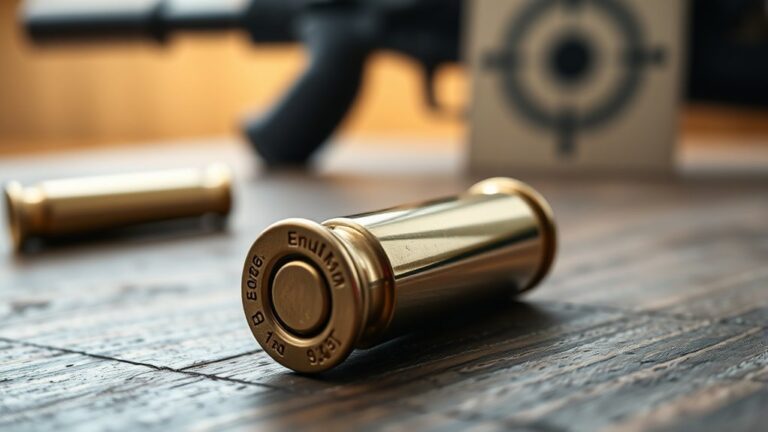
Look for the NATO stamp, which shows the ammo meets NATO standards. Verify the headstamp for details like country code, caliber, and manufacturer.
Make sure the packaging has clear, official markings and lot numbers. Also, check that the ammunition hasn’t been tampered with or damaged.
Key points to identify NATO ammo include the NATO stamp or symbol on the cartridge. Look for consistent headstamp markings indicating the country, caliber, and manufacturer.
Ensure the packaging is proper and sealed with official labels. Lastly, inspect for dents, corrosion, or signs of tampering.
Tips for Choosing the Right NATO Ammo for Your Needs
Are you selecting NATO ammunition for a specific purpose or operational need? First, figure out what you’ll mainly use it for—whether it’s target shooting, training, or combat.
Next, check that the ammo matches your firearm’s specifications for reliable performance. Pay attention to the caliber and bullet type because different tasks need different projectiles—like full-metal jacket for accuracy or hollow points for stopping power.
Ensure ammo matches your firearm’s specs, focusing on caliber and bullet type for optimal performance and safety.
Make sure the ammunition is compatible with your firearm’s chamber and feeding system. Quality really matters, so go for reputable brands that meet NATO standards for consistency and reliability.
Finally, think about cost and availability, but never sacrifice safety or performance. When you pick the right ammo for your needs, you’ll get better results and stay safe while at it.
Future Trends and Innovations in NATO Ammunition
Advancements in NATO ammunition are paving the way for more effective, safer, and environmentally friendly options. Researchers are focusing on reducing lead and toxic materials, developing biodegradable casings, and increasing the precision of projectiles.
Innovations like smart ammunition with embedded sensors aim to improve targeting accuracy and reduce collateral damage. Plus, new propellants offer cleaner combustion, lowering environmental impact.
You’ll also see the rise of modular ammunition systems, which allow for quick customization based on mission needs.
These include eco-friendly materials replacing traditional components, improved ballistic performance for greater range and accuracy, and smart technology for real-time targeting adjustments.
Modular designs make ammunition systems more versatile and adaptable, helping NATO stay ahead with cutting-edge solutions.
Frequently Asked Questions
How Does NATO Ammunition Impact Civilian Markets Worldwide?
NATO ammunition impacts civilian markets worldwide by establishing standards that often make rounds more available and affordable.
When NATO countries produce surplus or compatible rounds, civilians can access reliable, standardized ammunition for activities like hunting, sport shooting, and self-defense.
Plus, NATO’s quality controls ensure safety and consistency, which helps build consumer trust.
However, geopolitical tensions can limit exports, affecting civilian access and sometimes leading to higher prices in certain regions.
Are There Environmental Concerns With NATO Ammunition Production?
Yes, there are environmental concerns with NATO ammunition production. Manufacturing processes can release toxic chemicals and heavy metals, which can contaminate soil and water sources.
Additionally, extracting raw materials like lead and tungsten poses environmental risks. These impacts are worsened by the disposal of spent cartridges, which can leave lingering pollutants.
What Are the Safety Protocols for Handling NATO Ammunition?
You should always follow strict safety protocols when handling NATO ammunition, as mishandling can lead to serious injury or death. Approximately 85% of accidents happen because of human error, so it’s really important to be careful.
Always wear protective gear, keep ammunition away from heat sources, and store it in designated secure areas. Handle each round carefully, avoid sudden impacts, and follow established procedures to keep yourself and others safe.
How Does NATO Ensure Quality Control Across Member Nations?
NATO guarantees quality control across member nations through strict standards and regular inspections. All ammunition undergoes rigorous testing to meet NATO’s specifications, with member countries conducting audits and quality assessments.
NATO’s joint committees set uniform guidelines, and shared databases track production and safety data. This coordinated effort ensures that ammunition remains reliable, safe, and compatible across all member forces.
In the end, it helps maintain operational effectiveness worldwide.
Can NATO Ammunition Be Adapted for Non-Military Use?
Yes, NATO ammunition can be adapted for non-military use, like civilian shooting sports, hunting, and law enforcement. Manufacturers often change specifications to meet civilian safety standards and regulations.
You might find NATO-style rounds available for purchase, but it’s important to check if they comply with local laws. Adapting military-grade ammo for civilian use involves modifying components to ensure safety, reliability, and legality outside military settings.
Conclusion
Understanding NATO ammo keeps you ahead in the game, much like a seasoned knight wielding a well-forged sword. By knowing its standards, types, and compatibility, you guarantee reliable performance and safety.
Whether you’re a collector, shooter, or military enthusiast, staying informed helps you pick the right rounds for your needs. So, keep your knowledge sharp. Think of it as your Excalibur in a modern battlefield—ready to face whatever challenges lie ahead.
Knowing NATO ammo is essential to perform well and stay safe. It’s your key to making smart choices and ensuring your gear works when it counts.