Understanding Tracer Ammo: A Guide
Struggling to improve your shooting accuracy or quickly gauge where your bullets are landing? You’re not alone—many shooters find it challenging to keep track of their shots in real-time.
That’s where tracer ammo can make a real difference. Tracer ammo consists of special bullets that leave a glowing trail, helping you see your shots’ landing point and adjust your aim quickly.
They come in various types, like standard, incendiary, and suppressor tracers, each with unique uses in combat or training.
Proper handling, storage, and understanding legal restrictions are essential for safety.
If you want to master the essentials and avoid common pitfalls, you’ll find valuable details in the rest of this guide.
Key Takeaways
- Tracer rounds are bullets with a pyrotechnic charge that leave a visible glowing trail. This makes it easier to track targets and aim accurately.
- There are different types, including standard, incendiary, suppressor, and training tracers. They also come in various colors for easy identification.
- People use tracers for targeting, suppressing enemies, and training. They are especially helpful in low-light or rapid-fire situations.
- Safety is important. Make sure to store and handle them properly, follow legal rules, and avoid using them in crowded or dry areas.
- Regularly inspect your rounds, store them correctly, and learn about common myths. This helps keep performance reliable and usage safe.
What Are Tracer Rounds and How Do They Work?
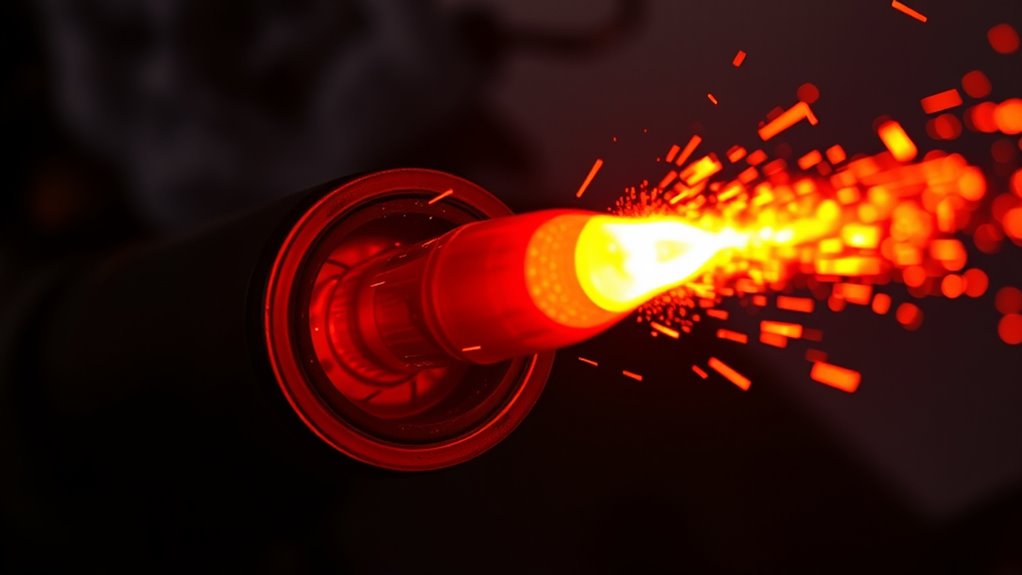
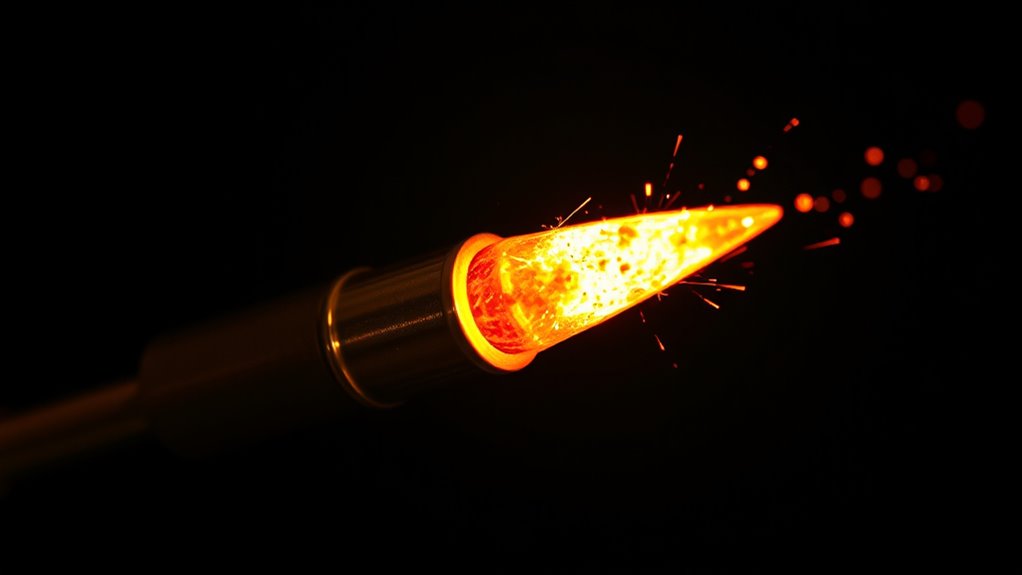
Tracer rounds are special bullets designed to make their path visible by leaving a glowing trail. When fired, a tiny pyrotechnic charge inside the bullet ignites as it leaves the barrel, producing a bright light.
This trail helps shooters see where their shots are landing, especially in low-light or combat situations. As the round moves through the air, the pyrotechnic material burns steadily, creating a visible path.
This visual trail guides aiming adjustments or signals to allies. It’s brief but effective, allowing you to quickly evaluate your shot’s accuracy and make corrections. Tracer rounds are mostly used in automatic weapons where rapid-fire adjustments are needed.
They combine visual feedback with firepower, improving both accuracy and coordination during engagements.
Types of Tracer Ammunition Explained
There are different types of tracer bullets designed for specific purposes, each with unique compositions and colors that make them easy to identify.
You’ll want to understand how their colors and materials impact their visibility and effectiveness in various situations.
Knowing their usage helps you choose the right tracer for your needs, whether for training, combat, or signaling.
Types of Tracer Bullets
Different types of tracer bullets serve specific purposes, and understanding their variations can help you pick the right ammunition for your needs. You’ll find several kinds, each designed for unique roles like marking targets, signaling, or training.
Some common types include standard tracer rounds, which glow during flight, and incendiary tracers, which ignite on impact. Others, such as suppressor tracers, reduce visibility to avoid detection.
Here’s a quick overview:
| Type | Purpose | Key Feature |
|---|---|---|
| Standard Tracer | Target marking | Bright, visible glow |
| Incendiary Tracer | Ignites on impact | Causes fire or damage |
| Suppressor Tracer | Stealth operations | Reduced visibility |
| Training Tracer | Practice shooting | Consistent, safe glow |
Knowing these types helps you choose the right ammo for your specific mission.
Composition and Colors
The composition and colors of tracer rounds are designed to make them easy to identify during flight and impact. The core of a tracer round usually contains a pyrotechnic compound that ignites when fired, creating a visible trail.
The projectile’s casing often includes a small amount of combustible material, which burns brightly when struck by the firing pin. The colors of the tracer tip change depending on the type and purpose: red is most common, but green, orange, and yellow are also used for different calibers or signaling.
These colors help shooters quickly identify their rounds, especially in low-light conditions. The bright hues, along with the burning pyrotechnics, make tracers stand out against the background, giving real-time visual feedback during shooting or combat.
Usage and Effectiveness
Tracer ammunition is mainly used to give you visual feedback when shooting, so you can see the trajectory of your rounds in real-time. This helps you adjust your aim quickly and improve your accuracy.
They’re especially useful in low-light conditions or during rapid-fire situations. Their effectiveness depends on the type and purpose of the tracers.
- Targeting and Marking: Tracers help you see where your shots land, making it easier to correct your aim.
- Suppressing Enemy Fire: They can signal your position or keep enemies engaged, giving you tactical advantages.
- Training and Drills: Tracers make shooting drills more effective by visually showing shot placement and recoil control.
Uses of Tracer Ammo: Military, Training, and More
Tracer ammo serves a variety of important roles beyond just firing bullets. In the military, soldiers use tracer rounds to mark targets, coordinate fire, and observe enemy movements during combat.
They help improve accuracy in low-light or chaotic conditions by visually confirming where shots land. Tracers are also essential in training exercises, letting shooters see their shot trajectories and adjust their aim.
Additionally, tracers are used in military demonstrations and display events to showcase firearm capabilities. Law enforcement may use tracer rounds for specific tactical operations, like marking locations.
Outside of military and law enforcement, enthusiasts enjoy tracer ammo for recreational shooting and competitions because of its visual effects. Overall, tracer rounds are a strategic tool for precision, coordination, and training across various fields.
Safety Tips and Legal Considerations for Tracer Rounds
When handling tracer rounds, you need to follow strict safety precautions to prevent accidents or fires. Make sure your firearm is compatible with tracer ammunition and always handle rounds carefully.
Furthermore, be aware of legal restrictions in your area, as laws regarding tracer ammo vary and could lead to penalties if not followed. Always stay informed and comply with local regulations to stay safe and legal.
Handling Precautions
Handling tracer rounds safely requires careful attention to their unique properties and legal regulations.
Tracer rounds contain incendiary compounds, which makes them prone to accidental fires or injuries if mishandled. To stay safe, keep these precautions in mind:
Store rounds in a cool, dry place away from heat sources or open flames.
Wear protective gear, like goggles and gloves, during handling and firing.
Follow local laws regarding possession, use, and transportation of tracer ammunition to avoid legal trouble.
Firearm Compatibility
Using tracer rounds safely also means verifying they’re compatible with your firearm. Not all guns can handle tracer ammunition, especially older or specialized models.
Check your firearm’s manufacturer guidelines to see if tracer rounds are suitable. Some barrels or chambers might get damaged by the incendiary components.
Using incompatible rounds can cause malfunctions or dangerous failures. Also, consider the firearm’s caliber—using the correct size helps prevent feeding or chambering issues.
Always verify that your ammunition matches your firearm’s specifications. If you’re unsure, consult a gunsmith or professional before firing tracer rounds.
Proper compatibility reduces the risk of accidents and ensures your firearm operates reliably. Remember, safety starts with understanding your equipment and using the right ammunition for your specific firearm.
Legal Restrictions
Because tracer rounds contain incendiary compounds that can pose safety and legal risks, it’s important to know the restrictions in your area. Laws vary depending on where you are, so always check local regulations before firing tracer ammo.
Here are some key points to keep in mind:
- Ownership Restrictions: Some places don’t allow private ownership of tracer rounds or may require special permits to own them.
- Usage Limitations: Firing tracer rounds in crowded areas or during droughts might be illegal because of fire hazards.
- Transport Regulations: Moving tracer rounds across borders often involves specific packaging and documentation requirements.
How to Choose Quality Tracer Ammunition
Choosing quality tracer ammunition starts with understanding the importance of reliability and consistency. You want ammo that fires accurately every time and produces a bright, visible trace.
Look for reputable brands known for manufacturing consistent rounds. Check reviews and seek recommendations from experienced shooters to find dependable options.
Pay attention to the specifications—make sure the tracer rounds match your firearm’s caliber and intended use. Inspect packaging for freshness and proper sealing, as old or damaged rounds can misfire or malfunction.
Consider the tracer’s brightness and burn duration. Brighter traces improve visibility, especially at night. Finally, buy from trusted suppliers to ensure you’re getting genuine, high-quality ammo.
Investing in well-made tracer rounds enhances your shooting experience and safety.
Common Myths and Troubleshooting for Tracer Ammo
Many shooters believe tracer rounds are always reliable and trouble-free, but that’s not the case. There are common myths that can lead to misconceptions and mistakes.
For example, some think tracers never cause malfunctions, but misfires can happen if rounds aren’t stored properly or if the firearm isn’t cleaned regularly.
Others believe tracer ammo works perfectly in all weather conditions. Yet, moisture or dirt can dampen their brightness or cause jams.
Many also assume they’re safe to use anywhere, but tracer rounds can pose fire hazards, especially in dry environments.
To troubleshoot, always inspect ammo for damage before use. Keep firearms and ammunition clean and dry.
And make sure to use tracers only in designated areas and follow safety guidelines.
Frequently Asked Questions
Are Tracer Rounds More Dangerous Than Standard Bullets?
Tracer rounds can be more dangerous than standard bullets because they contain pyrotechnic materials that ignite when fired. This makes them visible in flight, which can increase the risk of accidental fires or injuries.
This is especially true in dry or sensitive environments where a stray spark could start a fire. However, tracer rounds don’t necessarily cause more damage to targets than regular bullets.
You should handle them with extra caution, being aware of their fire risk. Always make sure to follow proper safety measures when using or storing them.
Can Tracer Ammunition Be Used in All Firearm Calibers?
Yes, tracer ammunition can be used in many firearm calibers, but not all. You might think it’s a simple switch, yet different guns require specific tracer rounds, and some calibers lack compatible options.
Using the wrong type can cause malfunctions or damage. So, before loading your firearm with tracer rounds, double-check compatibility.
It’s a risk you shouldn’t overlook because what seems straightforward could hide unseen dangers.
Do Tracers Affect the Accuracy of a Firearm?
Tracer ammo can slightly affect your firearm’s accuracy, but it really depends on factors like the quality of the rounds and your firearm.
The added weight of the tracer element and the burning material might influence shot consistency, especially at longer ranges.
That said, for most practical purposes, the impact is minimal. You might notice some minor differences, but with proper handling, your accuracy should stay effective during shooting.
How Long Do Tracer Rounds’ Visual Effects Last?
Tracer rounds’ visual effects usually last about 2 to 3 seconds after you fire. When you shoot them, you’ll see a bright, glowing trail that makes it easier to track your shot’s path.
That glow starts fading quickly because of air resistance and light dispersion, but during those few seconds, it helps you adjust your aim.
Keep in mind, environmental conditions can affect how long the visual trail stays visible.
Are There Environmental Impacts of Using Tracer Ammunition?
Yes, tracer ammunition can have environmental impacts. When fired, it releases chemicals and particles that can contaminate soil and water, especially if used in large amounts or in sensitive ecosystems.
The burning components produce smoke and residues that contribute to air pollution. Plus, spent tracer rounds can litter the environment, posing risks to wildlife.
You should consider these effects and use tracers responsibly to minimize environmental harm.
Conclusion
Now that you understand tracer ammo, you’re armed with knowledge like a seasoned marksman. Whether for training, military use, or fun at the range, choosing the right rounds guarantees you hit your mark safely and effectively.
Remember, safety and legality are your guiding stars. Tracer rounds are like fireflies in the night—bright, enchanting, but needing respect.
With your newfound insight, you’re ready to navigate the world of tracer ammunition confidently, like a pro in the dark.