Risks of Storing a Gun Safe in the Garage
Many gun owners worry about keeping their firearms safe and secure while also protecting them from environmental damage. You’re not alone—many people struggle with finding the right storage solution that balances safety, accessibility, and environmental protection.
Storing your gun safe in the garage can expose it to environmental hazards like humidity, temperature fluctuations, and chemical fumes, which can cause rust, corrosion, and damage to your firearms.
Security risks also increase because garages are more accessible and less secure, making your safe vulnerable to theft or accidental access, especially if not properly anchored.
By understanding these risks, you’ll learn how to better protect your firearms and improve safety measures.
Key Takeaways
– Exposure to humidity and temperature fluctuations can cause rust and structural damage to the safe and firearms.
This can lead to your guns deteriorating faster than you’d like.
Garages are often easy to access, which increases the risk of theft.
That makes safes more vulnerable to unauthorized entry.
Environmental factors like chemicals and moisture can speed up corrosion and mold growth on your stored items.
This can damage your firearms and other valuables over time.
Unsecured garage doors and weak locks also raise the chances of theft and accidental access.
It’s important to keep everything secure to prevent any mishaps.
Regular maintenance is a must.
It helps prevent damage from rust, mold, and structural wear, keeping your safe in good shape.
Why Garages Are a Common but Risky Place to Store Your Gun Safe

Many homeowners choose to store their gun safes in the garage because it offers convenient access and extra space. It’s easy to grab your firearm quickly when needed, especially during emergencies. Garages are often large, making it simple to hide the safe out of sight from visitors or potential intruders.
However, this convenience comes with risks. Garages aren’t designed for safe storage, so your safe could be exposed to environmental hazards like temperature fluctuations, humidity, and accidental damage.
Additionally, garages are more accessible to children or burglars, increasing the chance of theft or misuse. While the space and accessibility seem ideal, it’s important to consider the downsides and security issues before choosing the garage as your gun safe’s home.
Environmental Hazards in Garages That Can Damage Your Safe
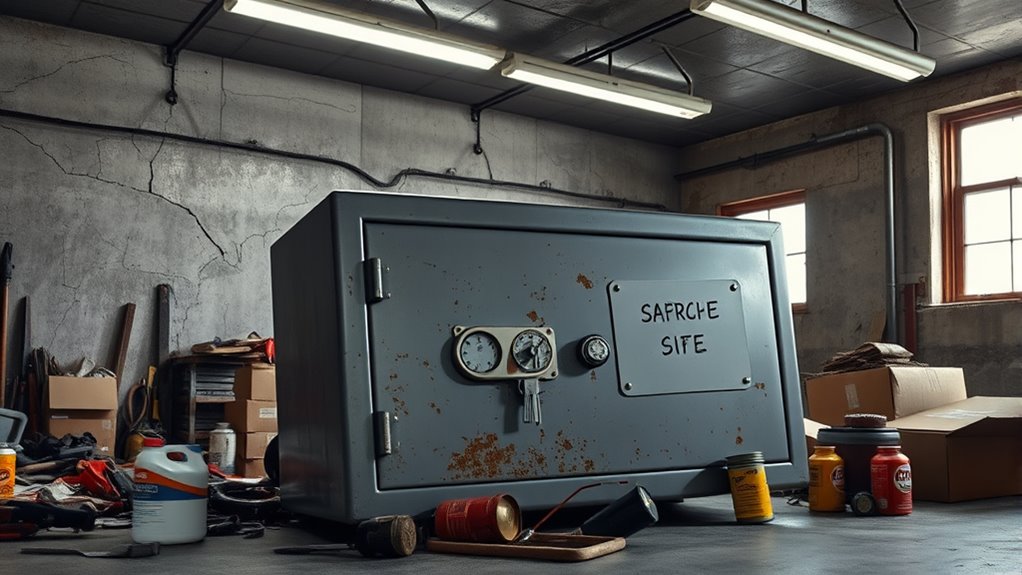
Garages expose your safe to humidity and temperature swings, which can cause rust and damage over time.
Chemical fumes and gases from nearby vehicles or storage can also harm the safe’s interior and locking mechanisms.
Understanding these environmental hazards helps you better protect your firearms.
Humidity and Rust Risks
Humidity levels in a garage can create serious risks for your gun safe, leading to rust and corrosion that can damage your firearms and valuables. Excess moisture seeps into the safe’s metal parts, speeding up deterioration over time.
High humidity also encourages mold growth on stored items and can weaken the safe’s structure. To keep your valuables safe, it’s important to be aware of these risks.
Increased moisture can cause metal to rust and corrode, and mold or mildew might grow on your belongings. It can also weaken the safe’s locking mechanisms, making it less secure.
Over time, firearms and documents can suffer from accelerated deterioration if moisture isn’t controlled.
Keeping humidity in check is key to protecting your safe’s integrity. Using dehumidifiers, silica gel packs, or proper ventilation can significantly reduce moisture buildup.
These steps will help extend the life of your safe and keep your valuables in good shape.
Temperature Fluctuations Impact
Temperature fluctuations in your garage can cause significant damage to your gun safe and its contents. When temperatures spike or drop rapidly, metal parts can expand and contract, weakening the safe’s structure over time.
This constant movement can lead to cracks or compromised seals, making it easier for moisture or pests to get in. Extreme cold can cause lubricants inside the lock to thicken, making it harder to operate.
Excessive heat, on the other hand, can degrade plastic components and damage sensitive items inside. Frequent temperature changes also encourage condensation, increasing the risk of rust and corrosion.
To protect your firearms and valuables, try to keep your garage as temperature-stable as possible or consider installing a climate-controlled safe.
Chemical and Gas Exposure
Chemical fumes and gases commonly found in garages, like gasoline vapors, automotive fluids, and cleaning chemicals, can seep into your gun safe and cause damage over time. These fumes can corrode metal parts, weaken locks, and degrade the integrity of your valuables.
Gasoline vapors are especially dangerous because they’re highly flammable and can create fire hazards. Automotive fluids such as brake fluid or antifreeze can seep through seals or cracks, leading to corrosion.
Cleaning chemicals, including acids and solvents, can also cause long-term damage if they reach your valuables. Over time, these chemicals can weaken the safe’s structure and harm sensitive firearms or documents stored inside.
How Humidity and Temperature Fluctuations Affect Safe Durability
Fluctuating humidity and temperature can cause your safe’s materials to expand and contract, weakening its structure over time.
This also increases the risk of corrosion, especially if moisture gets inside.
As a result, your safe’s durability and ability to protect its contents decrease considerably.
Corrosion Risk Increase
One of the main concerns with storing a gun safe in the garage is the increased risk of corrosion, which can weaken the safe’s structure and compromise your firearms’ safety. Fluctuating humidity and temperature create perfect conditions for rust to form on metal surfaces.
Over time, this corrosion can cause locks and hinges to become sticky or jammed, seals to deteriorate faster, and metal components to develop rust spots. This can make your safe less effective at protecting your guns and more vulnerable to water damage.
These issues can lead to costly repairs or replacements, and more importantly, they threaten the security of your firearms. To keep your safe in good shape, it’s crucial to control humidity and maintain a stable environment as much as possible.
Material Expansion Effects
When humidity and temperature levels change quickly in the garage, the materials inside your gun safe can expand and contract. This can weaken the safe’s structure over time.
These constant shifts put stress on the metal and seals, which might cause cracks, warping, or gaps. Over time, this could compromise the safe’s ability to protect your firearms and valuables.
The cycle of expansion and contraction can also loosen hinges and locking mechanisms. This makes the safe less secure as time goes on.
If your garage has extreme temperature swings or high humidity, these effects happen faster. That increases the risk of damage.
To keep your safe durable, it’s best to place it in a climate-controlled space or ensure proper insulation. This helps minimize material stress from temperature and humidity changes.
Recognizing Signs That Your Garage Storage Is Damaging Your Gun Safe
If your garage environment is harsh, you might notice signs that your gun safe isn’t holding up well over time. Exposure to temperature swings, humidity, or dust can cause visible issues.
Look for rust spots on the exterior or inside the lock mechanism. Warped or cracked panels indicate structural stress. You might also notice that the door doesn’t seal tightly, which can compromise your guns’ safety.
Furthermore, corrosion can develop on metal components, reducing the safe’s integrity.
Watch out for rust or corrosion on both exterior and interior surfaces. Warping, cracking, or peeling of the safe’s finish are also signs of damage.
Difficulty opening or closing the door smoothly can be a warning sign too. Moisture buildup or mold inside the safe indicates high humidity levels that could harm your firearms.
Security Risks of Storing a Gun Safe in the Garage
Storing your gun safe in the garage can expose your firearms to security threats you might not think about right away. Garages are often accessible to neighbors, visitors, or even burglars, which makes theft more likely.
If your garage isn’t well-secured, someone could easily break in and target your safe. Garage doors are sometimes easier to force open than main entrances, making them a tempting entry point.
Without strong locks or security systems, your safe becomes an easy target. Moving or accessing the safe in less controlled environments also raises the risk of accidental detection or theft.
How to Protect Your Gun Safe From Environmental Damage
Environmental factors like humidity, temperature fluctuations, and moisture can quickly damage your gun safe and the firearms inside if not properly protected. To prevent this, you should take specific steps to shield your safe from these elements.
First, place your safe in a climate-controlled area or add a dehumidifier nearby to reduce moisture buildup. Second, use silica gel packs or moisture absorbers inside the safe to keep humidity levels low.
Third, make certain the safe is sealed tightly to prevent drafts and air exchange. Finally, avoid placing the safe directly on the concrete floor, as cold surfaces can lead to condensation.
Common Security Threats When Storing Guns in the Garage
Storing your guns in the garage exposes them to several security risks, including unauthorized access by intruders or curious children.
Environmental factors like humidity and temperature fluctuations can also damage your firearms over time.
Plus, the garage’s open nature makes your safe more vulnerable to theft or tampering.
Unauthorized Access Risks
Because garages are often less secure than main living areas, they pose a significant risk of unauthorized access to your gun safe. Thieves or curious individuals can easily target this space, increasing the chance of someone gaining entry. If your safe isn’t well-hidden or reinforced, it becomes an attractive target.
Garage doors and windows are more vulnerable to break-ins, making it easier for intruders to access your firearms. Open or poorly secured garage doors can be an easy entry point. Visible or accessible safes also increase the risk.
Lack of surveillance cameras and easy access through windows or side doors can make your garage a target. Taking steps to secure these points can help keep your firearms safe from intruders.
Environmental Damage Threats
Garages are often exposed to fluctuating temperatures, high humidity, and other environmental elements that can harm your firearms over time. These conditions can cause rust, corrosion, and moisture buildup inside your gun safe, damaging your weapons and compromising their reliability. To understand the risks, consider this table:
| Environmental Threat | Effect on Guns | Prevention Tips |
|---|---|---|
| Humidity | Rust, corrosion | Use dehumidifiers, silica gel packs |
| Temperature Fluctuations | Metal warping, condensation | Keep in a climate-controlled area |
| Water Leaks | Corrosion, mold | Regularly check for leaks |
| Dust & Dirt | Mechanical issues | Seal safe tightly, clean regularly |
Protect your guns by controlling these environmental factors, ensuring they stay in good condition for years.
Theft Vulnerability Factors
While garages offer convenient storage space, they often lack strong security measures, making your firearms vulnerable to theft. Thieves know garages are easier targets because of weak locks, open doors, and limited surveillance.
If your gun safe isn’t secured properly, it can be an attractive prize for burglars. Think about how easily someone could bypass basic locks or pry open a poorly secured safe.
Garages are more accessible, which increases the risk of break-ins. To reduce vulnerability, pay attention to factors like weak or outdated locks, lack of security alarms or cameras, and easy access through open or unlatched doors.
Visible or exposed safes also attract attention, making them easier to steal. Taking these factors into account helps protect your firearms from theft.
Best Places in Your Home to Store a Gun Safe Safely
Finding the right spot to store your gun safe is essential for both safety and security. You want a location that’s discreet, making it less obvious to intruders, yet accessible enough for you when needed.
Consider placing it in a closet or a dedicated room with a lock, like a basement or a bedroom corner. Avoid obvious areas like near entrances or windows, which thieves might target first.
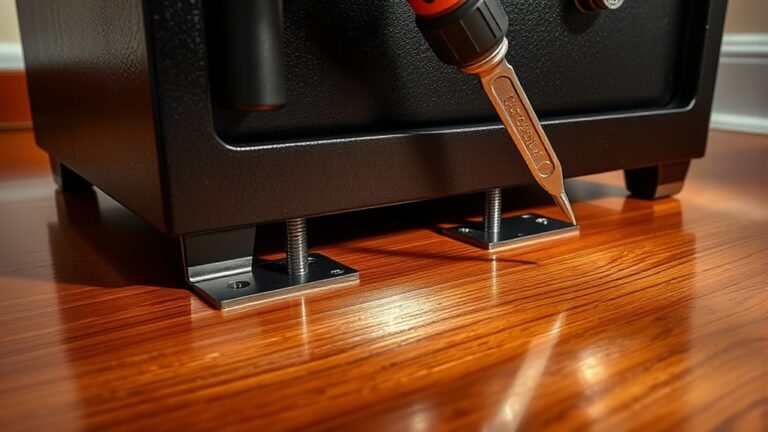
Mounting the safe to the floor or wall adds an extra layer of security, preventing easy removal. Keep it away from high-traffic areas to minimize accidental access, especially if you have children.
The goal is to choose a spot that balances concealment and accessibility while reducing the risk of theft or unauthorized use.
Tips for Securing Your Safe Outside the Garage
Securing your safe outside the garage takes some planning to prevent theft and unauthorized access.
Pick a discreet spot that isn’t obvious or easy for someone to find.
Make sure to anchor the safe securely to the ground or wall so thieves can’t carry it away easily.
Using weatherproof covers or enclosures helps protect it from the elements that could weaken the safe over time.
Thinking about security cameras or motion-activated lights nearby can really help scare off intruders.
And only share the combination or access info with trusted people to limit who can get in.
Following these steps helps keep your valuables safe and gives you peace of mind, no matter where you store your safe outside the garage.
Legal and Safety Tips for Home Gun Storage
Storing guns safely in your home isn’t just about convenience. It’s a legal obligation and a critical safety measure. You need to follow local, state, and federal laws regarding firearm storage.
Keep guns out of reach of children and unauthorized persons by using secure safes or lockboxes. Always verify firearms are unloaded before storing them, and if possible, remove ammunition separately.
Regularly review your storage methods to stay compliant with changing laws. Educate everyone in your household about gun safety and the importance of responsible handling.
Proper storage reduces the risk of accidental shootings and theft. Remember, safe storage isn’t just responsible. It’s essential for protecting your family and avoiding legal trouble.
Prioritize safety and legality in every aspect of firearm storage.
When to Consider Professional Security Solutions for Your Firearms
Even with proper home storage practices, there are times when professional security solutions become necessary to keep your firearms fully protected.
If you face frequent theft risks, live in high-crime areas, or own valuable or collector’s firearms, investing in advanced security measures is a smart move.
You might also consider professional options if you’re worried about unauthorized access, especially with children or visitors around.
Plus, if you have multiple firearms or expensive gear, standard safes might not be enough.
Security features like monitored alarm systems, biometric safes, or secure gun rooms offer extra protection.
These solutions provide peace of mind, knowing your firearms are safe from theft, unauthorized use, and environmental threats.
Is Your Garage a Safe Storage Option? How to Decide
Is your garage a safe place to store your firearms? Consider the environment first. Garages often face extreme temperature swings, high humidity, and possible water leaks, all of which can damage your guns and safes.
Think about security too. Garages are usually less secure than interior rooms and easier for burglars or curious kids to access. If your garage is cluttered or easy to reach, it’s probably not the best spot for firearm storage.
Garages are often less secure and more accessible to burglars or children, making them a risky storage spot.
On the flip side, if your garage is well-organized, climate-controlled, and has solid security measures, it might work. Ultimately, you need to balance the risks of environmental damage and security issues against how convenient it is to store there.
If you’re unsure, consider other options like a dedicated closet inside your home or a professional storage facility.
Frequently Asked Questions
How Can I Improve Garage Ventilation for Safe Gun Storage?
To improve garage ventilation for safe gun storage, install exhaust fans or vents that promote airflow and lower humidity. Keeping windows open when possible can also help with fresh air circulation.
Using dehumidifiers is a great way to control moisture levels and prevent rust. Regularly check your ventilation system to make sure it’s working properly.
Good airflow is key to preventing rust and corrosion, which helps keep your firearms in good condition over time.
Are There Specific Garage Materials That Better Protect Gun Safes?
Certain garage materials, like concrete or brick, offer nearly impenetrable protection and make your gun safe virtually invincible against environmental threats.
These dense surfaces help regulate temperature and humidity, which reduces rust and corrosion risks. Avoid flimsy materials like plywood or drywall that can warp or deteriorate over time.
Using a sturdy, moisture-resistant surface ensures your guns stay secure, dry, and ready for action, no matter what the garage throws at you.
What Are the Long-Term Effects of Garage Storage on Safe Locks?
Storing your gun safe in the garage can cause the locks to degrade over time because of temperature changes and humidity. These environmental shifts make the metal expand and contract, which can lead to locking mechanisms jamming or becoming less reliable.
Regular maintenance is key. Lubricating the locks and keeping humidity levels in check helps protect your safe’s lock system and ensures it works properly for years to come.
How Often Should I Inspect My Gun Safe Stored in the Garage?
A stitch in time saves nine, so you should inspect your garage-stored gun safe at least twice a year. Regular checks help you catch rust, wear, or lock issues early, so they don’t turn into costly problems later.
Make sure to clean the outside, test the lock, and check the contents. Doing this consistently keeps your safe secure and working properly.
It also gives you peace of mind knowing your firearms are protected and ready when you need them. Regular inspections are a simple way to stay on top of safety and security.
Can Garage Pests Damage the Interior of a Gun Safe?
Yes, garage pests can damage the interior of your gun safe. Mice, insects, and other pests might chew through fabric linings, wiring, or even paper documents stored inside.
To prevent this, keep your safe sealed tightly. Use pest repellents or traps nearby, and check the interior regularly.
Taking these steps helps protect your firearms and valuables from pest damage. It also keeps your safe in good condition over time.
Conclusion
Storing your gun safe in the garage might seem convenient, but hidden dangers could be lurking—hidden moisture, temperature swings, or security breaches.
Imagine the silent damage or, worse, a breach that puts your safety at risk. Before you decide, consider if your garage truly offers the protection your firearms deserve.
Because once disaster strikes, there’s no turning back. Are you prepared to face the consequences of overlooking these risks of storing a gun safe in the garage?