Safely Putting a Gun Safe Upstairs: Key Considerations
Moving a gun safe upstairs can feel overwhelming. Many people struggle with the heavy lifting and tricky navigation involved. You’re not alone—this is a common challenge for homeowners trying to keep their valuables secure.
To safely move a gun safe upstairs, start by measuring doorways, stairs, and hallways to guarantee clearance, and clear the path of obstacles.
Use sturdy dollies, straps, and proper lifting techniques to control the weight. Remove accessories and secure the safe’s doors before transport.
Protect walls and floors with padding or cardboard, and avoid rushing or lifting alone. When you finish, secure the safe properly in its new spot.
Keep going to learn more about each step.
Key Takeaways
- Measure doorways, stairways, and pathways to make sure the safe can be moved through without any issues. It’s better to double-check before you start to avoid surprises along the way.
- Use the right equipment like dollies, straps, and protective padding. These tools can make the whole process safer and much easier.
- Clear the route of any obstacles. Move furniture or trim out of the way to prevent damage or accidents during the move.
- Lift with proper technique, and don’t rush. Take your time and move slowly to avoid injuries or dropping the safe.
- When you get the safe to its new spot, secure it properly. Make sure it’s stable and anchored well so it won’t tip over or move around.
Assess Your Stairs and Doorways Before Moving
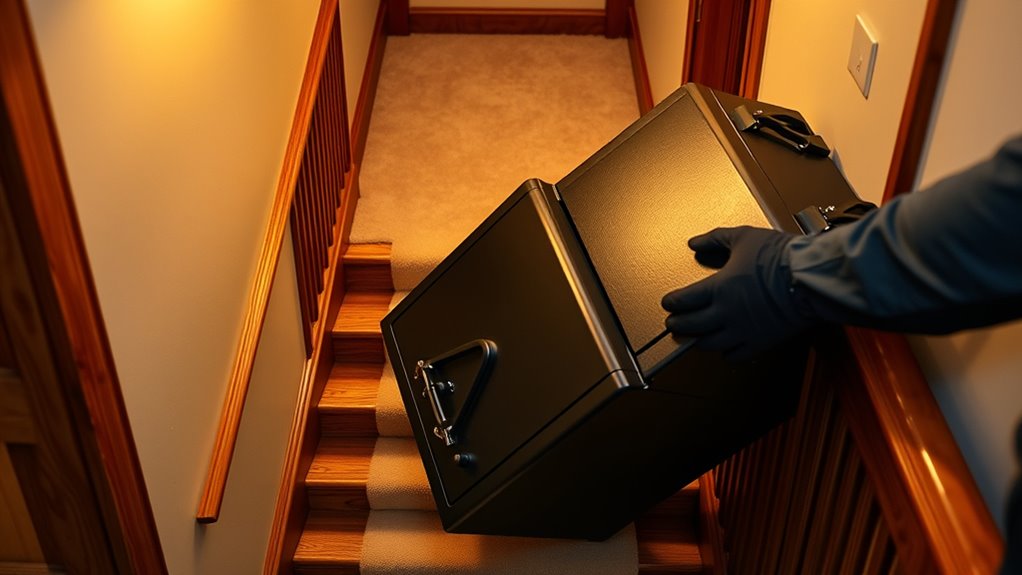
Before attempting to move a gun safe, you should carefully assess your stairs and doorways to confirm the safe will fit through without issues. Measure the width and height of doorways, hallways, and stair openings to make sure there’s enough clearance.
Check the overall dimensions of your safe and compare them to these measurements. Think about any turns or tight corners that could cause problems during the move.
Compare your safe’s dimensions with doorways and hallways to ensure a smooth, problem-free move.
Remove door frames, banisters, or furniture that might block the path. If you find tight spots, plan an alternative route or consider disassembling parts of the safe if possible.
Taking these precautions ahead of time helps prevent damage to your home or injury to yourself during the move. Proper planning makes the process smoother and safer.
Choose the Right Equipment for Safe Moving
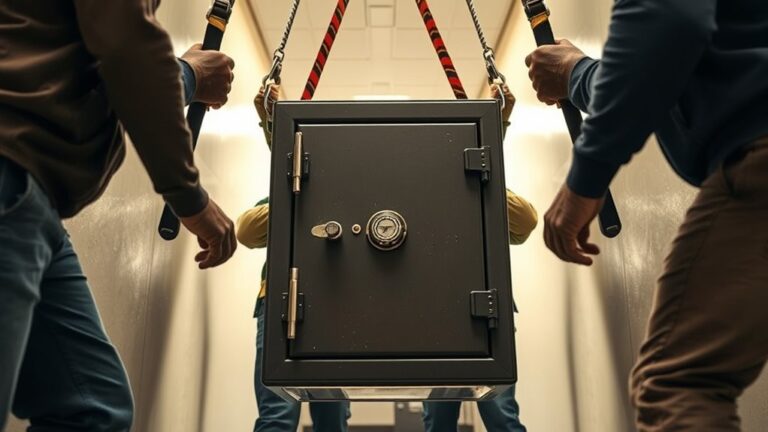
Selecting the appropriate equipment is essential to moving a gun safe safely and efficiently. You’ll want sturdy dollies, preferably with straps to secure the safe.
Heavy-duty furniture straps help keep the safe stable during transport. Consider using appliance dollies with thick, non-slip wheels to handle the weight and reduce strain.
Moving straps or harnesses can also help lift heavy safes, giving you better control and leverage. If stairs or narrow doorways are involved, moving straps help distribute the weight evenly.
Don’t forget gloves for grip and protection. Renting or investing in specialized equipment ensures safety for you and your safe.
Proper tools make the move smoother, minimize damage, and reduce injury risk. Always match your equipment to the safe’s size and weight for the best results.
Secure Your Gun Safe by Removing Accessories
Removing accessories from your gun safe before moving it helps prevent damage and ensures safety during transport. Accessories like shelves, drawers, or mounted locks can shift or break if left inside.
By taking these out, you reduce the risk of items falling or causing injury. Plus, emptying the safe makes it lighter and easier to handle, which decreases strain and the chance of accidents.
Removing accessories reduces injury risk and makes moving the safe easier and safer.
Make sure to store removed accessories separately in a secure spot so you don’t lose them. Double-check that all loose parts are accounted for before moving.
This simple step not only protects your belongings but also makes the whole moving process smoother and safer. Taking the time to remove accessories now will save you hassle and potential damage later.
Plan the Best Path Upstairs to Avoid Obstacles
Have you thought about the best route upstairs to keep things smooth and safe? Before lifting the safe, walk the path carefully to spot potential obstacles like low ceilings, narrow doorways, or tight corners.
Clear the hallway of clutter, rugs, or furniture that could cause tripping or make navigation tricky. Measure door frames and stair widths to make sure the safe fits without forcing or causing damage.
Think about the safest angle for lifting and turning the safe, especially around tight bends. If possible, remove or reposition furniture temporarily to make the move easier.
Planning your route ahead of time helps avoid surprises and reduces the risk of accidents or damage. Taking a few moments to strategize makes the entire process safer and more efficient for everyone involved.
Prepare Your Safe: Lock Doors and Secure Contents
Before moving your safe, make sure all doors are locked and the contents are secured. Double-check that the locking bolts are engaged and the door is fully closed to prevent accidental openings during transport.
Remove any loose or fragile items inside, like jewelry or documents, and store them separately. If your safe has internal shelves or compartments, secure or empty them to prevent shifting or damage.
Consider using tape or padding to hold smaller items in place. For added security, take photos of your contents for insurance purposes.
Ensuring your safe is locked and contents are secure minimizes the risk of damage or loss during the move, making the process safer and more efficient.
Learn How to Lift and Navigate Tight Spaces Safely
Before moving your gun safe through tight spaces, check its weight and size to make sure it’s doable. Knowing this ahead of time can save you a lot of trouble.
Use proper lifting techniques to avoid hurting yourself, like bending your knees and keeping your back straight. It’s all about staying safe while you move.
Plan your route carefully to steer clear of obstacles. Taking a moment to map out your path can make the whole process smoother and safer.
These steps help you move your safe safely and protect both yourself and your belongings.
Assess Weight and Dimensions
Understanding the weight and dimensions of your gun safe is key before trying to move it. Measure its height, width, and depth carefully to see if it will fit through doorways, stairwells, or tight spots.
If possible, weigh the safe or check the manufacturer’s specs to find out its exact weight. Knowing this helps you plan the best way to lift and navigate it, reducing the risk of accidents or damage.
Larger, heavier safes need extra care and help, while smaller ones are generally easier to handle. Keep in mind that handles or protruding features can affect clearance.
Taking accurate measurements and knowing the weight upfront makes sure you’re prepared for a safe, smooth move upstairs.
Use Proper Lifting Techniques
When lifting a gun safe, using proper techniques can help prevent injuries and keep the safe safe from damage. Always bend at your hips and knees, not your back, to keep your spine aligned.
Keep the safe close to your body to reduce strain and help you stay in control. Use your legs to lift, pushing through your heels instead of relying on your back.
Avoid twisting your torso while lifting or carrying. Instead, turn your feet to change direction. If the safe is heavy or awkward, ask for help or use lifting straps.
Move slowly and carefully, maintaining a firm grip throughout. Remember, rushing increases the risk of injury or dropping the safe.
Proper lifting techniques are essential for safety and making sure the safe arrives intact.
Plan Pathway and Obstacles
Planning your pathway and spotting obstacles before moving a gun safe can save you from accidents and damage. Walk the route and look out for tight corners, narrow doorways, or low ceilings that might block your way.
Measure doorframes, hallways, and stairwells to make sure the safe will fit through without forcing it. Clear the path of furniture, rugs, or other objects that could cause tripping or slipping.
Think about the weight distribution and how you’ll support the safe during transport. If stairs are involved, plan your lift points and decide if you need help.
Anticipating these obstacles helps you come up with a plan, like removing doors or using equipment such as dollies or sliders. Proper planning reduces risks and makes the process smoother and safer.
Use Moving Straps and Dollies for Better Control
Using moving straps and dollies can make relocating a gun safe much safer and easier. Moving straps give you a better grip and spread the weight evenly, which reduces strain on your back and arms.
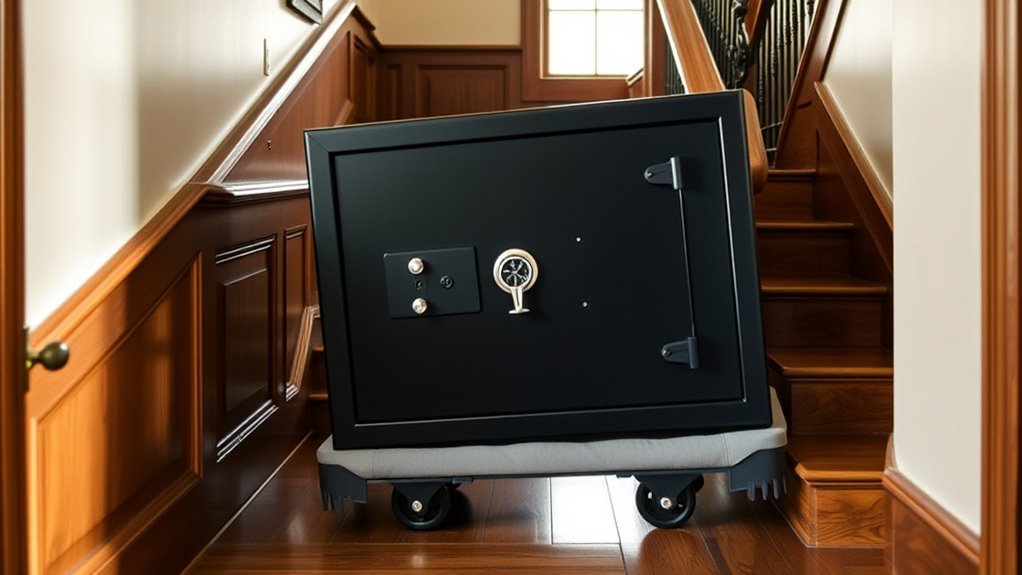
This helps prevent injuries and keeps the safe stable during lifts. Dollies let you roll the heavy safe smoothly across floors, cutting down the risk of dropping it or damaging walls.
Make sure to secure the safe tightly to the dolly with straps so it doesn’t shift during transport. Always keep a firm grip and go slow, especially when navigating stairs or tight corners.
These tools improve control and stability, making the move safer for you and protecting the safe from accidental drops or damage. Using straps and dollies properly makes the whole process much easier.
Protect Walls and Floors During the Move
Securing your walls and floors during the move helps prevent costly damage and keeps everything running smoothly. Use furniture blankets or moving pads to protect surfaces from scratches and dents.
Place plywood sheets or thick cardboard under the safe to spread out the weight and avoid floor gouges. Tape down protective coverings securely so they don’t slip during transport.
Clear the path of any obstacles to reduce the chance of accidental bumps. Consider adding corner protectors on door frames and wall edges to prevent scratches.
If you’re moving the safe through tight spaces, use extra padding to cushion against impacts. Taking these steps ensures your walls and floors stay intact, saving you time and money.
Proper protection makes your move safer and way more efficient.
Avoid Common Mistakes When Moving Your Safe Upstairs
When moving your safe upstairs, it’s easy to overlook mistakes that can cause injury or damage. First, don’t rush—taking your time helps prevent accidents.
Avoid trying to lift it alone. Instead, get help or use the right equipment to make the job safer.
Watch out for narrow or cluttered stairways, which can lead to slips or falls. Clear obstacles and measure the space first.
Always protect your walls and floors to avoid damage. Use blankets or padding where needed.
Use a sturdy dolly or hand truck designed for heavy loads, and make sure the safe is secured properly.
Here’s a quick guide to common pitfalls:
| Mistake | Why It’s a Problem | How to Avoid It |
|---|---|---|
| Lifting alone | Risk of injury | Get help or use equipment |
| Rushing | Causes accidents | Move slowly and carefully |
| Ignoring stairway clearance | Damage or falls | Clear obstacles and measure |
| Not securing the safe properly | Slips or drops | Use straps and padding |
| Skipping wall/floor protection | Damage to property | Use blankets or padding |
Secure and Check Your Safe in Its New Location
Once you’ve moved your safe into its new spot, it’s important to make sure it’s secure and stable. You don’t want any wobbling or shifting that could compromise its safety.
Start by checking that the safe is level and steady on the floor.
Next, secure it to the floor or wall if possible, using brackets or bolts. This helps prevent tipping or theft.
Finally, test the lock to ensure it opens smoothly, and check that the inside of the safe is clean and free of obstructions.
Here are the key steps to follow:
- Confirm the safe is level and stable.
- Secure it to the floor or wall for added stability.
- Test the lock and inspect the interior for readiness.
Frequently Asked Questions
How Do I Determine if My Stairs Can Support the Weight of the Safe?
To figure out if your stairs can handle the weight of the safe, start by checking the safe’s weight rating and your stairs’ load capacity. These details are often in the building’s structural plans or you can ask a professional to help.
Next, take a close look at the stair treads and handrails to see if they seem sturdy. Also, check for any signs of wear or damage that might make them weaker.
If you’re unsure about any of this, it’s a good idea to hire a structural engineer. They can assess your stairs’ strength and help you avoid potential problems when moving the safe upstairs.
What Are the Best Tools to Disassemble My Safe for Easier Transport?
You should use a power drill with various screwdriver bits to disassemble your safe, especially if it has bolts or panels. A socket wrench set helps remove larger bolts easily.
A pry bar can help gently separate components without damage. Furthermore, having gloves and safety goggles guarantees your safety during disassembly.
Always consult your safe’s manufacturer instructions beforehand to avoid voiding warranties or causing damage.
How Can I Prevent Damage to My Walls and Flooring During the Move?
To prevent damage during your move, use furniture sliders or thick blankets under the safe to protect your floors and walls. Enlist help to keep the safe steady and avoid sudden shifts.
Clear the path of obstacles and corners, and consider padding sharp edges. Carefully plan your route and communicate clearly with your helpers to minimize bumps and scratches throughout the process.
Should I Hire Professional Movers for Heavy Safes?
Yes, hiring professional movers is a smart choice for heavy safes. They have the experience, equipment, and techniques to handle the weight safely without damaging your walls or flooring.
Professionals can plan the best route, use proper lifting tools, and ensure the safe is transported securely. This reduces your risk of injury and property damage, saving you time and effort in the process.
What Safety Precautions Should I Take When Lifting the Safe Manually?
When lifting a safe manually, always bend at your knees and keep your back straight to avoid injury.
Get help from others to share the weight evenly, and use proper lifting tools like straps or dollies if you can.
Make sure the path is clear of obstacles, and ensure you have good footing before lifting.
Don’t rush the process, and communicate clearly with your helpers throughout.
Take breaks if you start feeling tired to stay safe all the way through.
Conclusion
By planning carefully and using the right tools, you’ll navigate the stairs like a pro, turning what seems like an intimidating mountain into a smooth ascent.
Remember, a well-moved gun safe is as safe as Fort Knox itself—no obstacle too big or wall too fragile. So take your time, stay cautious, and secure your safe flawlessly in its new home.
Before you know it, you’ll have moved mountains to protect what matters most with your gun safe.