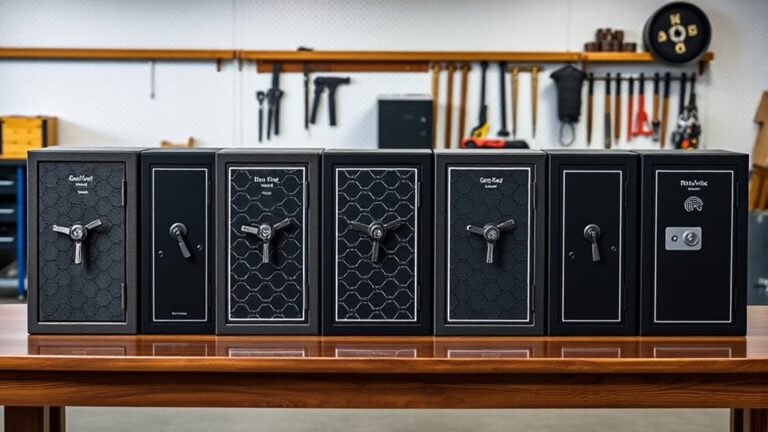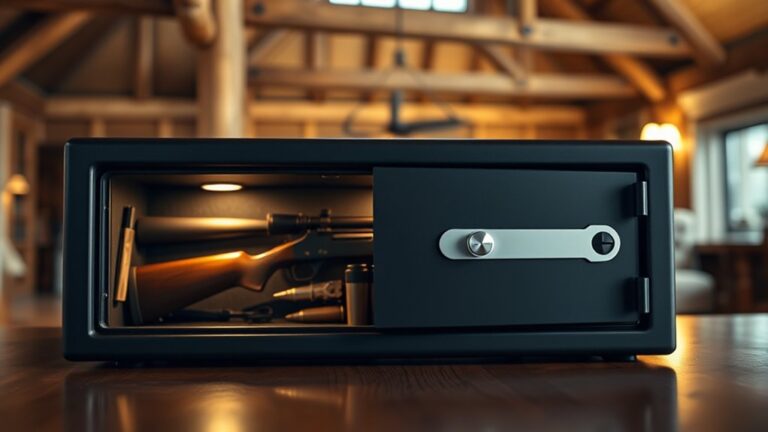
Unlocking Secrets on Opening a Gun Safe Without a Key
Locked out of your gun safe without a key? You’re not alone—many people struggle with this frustrating situation.
Whether you’ve misplaced the key or it’s simply not working, it can be stressful and tricky to resolve.
If you’re locked out of your gun safe without a key, don’t panic. You can attempt methods like manipulating the lock with tools or using an override if the safe has one.
Be patient and cautious—force can damage the safe. It’s also smart to locate spare or backup keys, or consider professional help if needed.
Want to master more trusted techniques? Keep exploring to reveal all the secrets.
Key Takeaways
- Use a paperclip or a similar tool to carefully manipulate the lock’s latch or override mechanisms.
- Try common default or factory reset codes if the electronic lock supports it.
- Apply gentle, controlled force with appropriate tools to pry open or bypass the lock without causing damage.
- Access internal reset or override buttons if available, following the safe’s manual instructions.
- If your initial attempts don’t work, consider professional locksmith help. They have the skills and tools to open the safe safely and legally.
Why Knowing How to Open a Gun Safe Without a Key Matters
Knowing how to open a gun safe without a key can be really important in emergencies when you need quick access to your firearms. Whether you’ve forgotten, lost, or broken your key, being able to open it fast could make a big difference.
This skill gives you peace of mind, knowing you’re prepared for unexpected situations. It can also save you from delays if your key gets damaged or you can’t find it when it matters most.
It’s especially useful if you share your safe with others or need access during an emergency. Learning these techniques ensures you’re not left helpless and helps you respond quickly to protect yourself and your loved ones.
Common Reasons You Might Need to Open Your Safe Without a Key
You might need to open your gun safe without a key if you’ve lost or misplaced it, making access impossible.
Emergency situations also call for quick entry when every second counts. Knowing how to do so can be a lifesaver in urgent moments.
Lost or Missing Key
Losing the key to your gun safe can happen unexpectedly, whether it’s misplaced, lost, or simply forgotten. When this happens, you need quick solutions to get back in.
First, check common spots like drawers, pockets, or bags. Second, look for any spare keys you might have stored safely elsewhere. Third, consider if a key duplication service can make a replacement quickly.
If those options don’t work, you might need to explore other methods like lock picking or calling in a professional. Remember, keeping your spare keys in a safe, accessible spot can help avoid this hassle in the future.
Knowing your options means you can act fast and stay responsible when faced with a lost key.
Emergency Access Needs
Emergency situations often demand immediate access to your gun safe, whether it’s to retrieve essential medication, respond to a threat, or help a loved one in distress. When seconds count, waiting for a locksmith or searching for a spare key isn’t an option.
You might need quick access to a firearm for self-defense or to save someone’s life. In such moments, knowing how to open your safe without a key becomes critical. It could also be necessary if a child accidentally locks themselves inside or if emergency technicians need access for rescue.
Being prepared with alternative methods ensures you can act swiftly and effectively, prioritizing safety and urgency over traditional procedures.
Legal and Safety Considerations Before Trying to Open Your Safe
Before trying to open your gun safe without a key, it’s important to think about the legal and safety issues involved. First, make sure you actually own the safe and have permission to open it. Tampering with someone else’s property can get you into legal trouble.
Next, consider safety risks like damaging the safe or hurting yourself while using tools. It’s also a good idea to check local laws, especially if minors or vulnerable people are involved.
Finally, think about calling a professional locksmith. They can help you open the safe without causing damage or legal issues. Ignoring these points could lead to serious problems, so it’s best to proceed carefully and responsibly.
How to Open a Gun Safe Without a Key
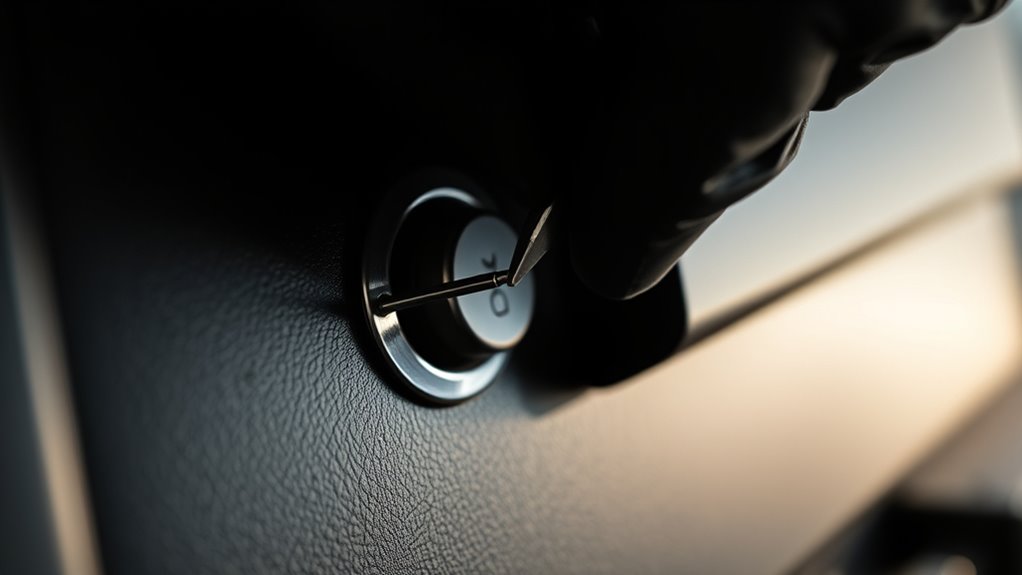
If you’ve misplaced your key or it’s no longer accessible, there are a few ways to open a gun safe without it. One option is to use a paperclip or similar tool to manipulate the lock’s latch, but this takes some skill and patience.
Alternatively, if your safe has a keypad or electronic lock, you might try a factory reset or default code if you haven’t changed it. Another method involves applying gentle force with a crowbar or flat tool to pry open the safe, though that risks damage.
Finally, some safes have a reset or override button inside the lock mechanism. Accessing it may require removing the safe’s panel. Remember, these methods should only be used on your own safe or with permission.
Using Spare Keys or Backup Methods to Open Your Safe
When you can’t find your primary key or it’s lost somewhere inaccessible, spare keys or backup methods can help you get into your safe quickly. First, check if you have a spare key stored securely nearby or with someone you trust.
Second, think about keeping a backup key hidden somewhere discreet on your property, like under a flower pot or inside a magnetic box. Third, if your safe supports electronic backups, use any related app or code stored somewhere safe.
Finally, if you’ve registered your safe with the manufacturer, reach out to them. They might be able to provide a replacement key or other ways to access your safe. These tips can help you open your safe fast without causing any damage.
Manual Lock Manipulation and Dial Guessing Techniques
To open a gun safe through manual lock manipulation, you need to understand how the lock mechanism works and what signals to look for.
Dial guessing strategies involve careful listening and feeling to identify the correct numbers. Manipulation tools can help turn the dial or lever without a key.
Mastering these techniques requires patience and a clear understanding of the safe’s internal components.
Understanding Lock Mechanisms
Understanding lock mechanisms is key if you’re trying to access a gun safe without a key. You need to understand how different locks work to have a better chance.
Mechanical locks often use tumblers or pins that line up when manipulated correctly. Dial combination locks depend on precise turns to align internal discs.
Electronic locks respond to specific keypad codes or biometric inputs. Some safes even combine both mechanical and electronic features for added security.
Recognizing these differences can help you choose the right approach, whether you’re manually manipulating a lock or using guessing techniques. Knowing how they work helps you spot vulnerabilities or ways to bypass security features safely.
Mastering lock mechanisms is the foundation for developing effective strategies to open safes without keys.
Dial Guessing Strategies
Dial guessing strategies involve systematically manipulating the dial to uncover the correct combination or open the lock through informed trial and error. You start by turning the dial slowly, listening for subtle clicks or feeling for resistance, which can indicate the correct numbers.
Begin with a full turn to clear the lock, then turn the dial in specific directions, carefully noting any unusual feedback. For example, if resistance increases or the dial feels different, it might signal a correct number.
Record your findings and adjust your guesses based on patterns or clues. Patience and methodical effort are key. While this approach doesn’t guarantee success, it can help narrow down possibilities, especially if you’re familiar with the typical configurations of the safe’s lock.
Manipulation Tools and Techniques
Manipulation tools and techniques involve physically interacting with the lock to bypass the need for a key or combination. You manipulate the dial or lock components directly, often feeling for subtle feedback to figure out the correct combination. To do this well, consider these methods:
- Raking: Use a tension wrench and a rake tool to simulate turning the dial, feeling for slight clicks or resistance changes.
- Gauging: Apply light tension and listen or feel for differences as you turn the dial, helping you pinpoint the combination numbers.
- Listening: Pay attention to subtle sounds or feedback from the lock as you rotate the dial to identify correct positions.
- Trial and Error: Systematically test combinations based on common patterns or previous attempts, narrowing down possibilities efficiently.
These techniques need patience and a delicate touch to succeed.
How to Deal With Electronic and Digital Safe Lockouts
When you’re locked out of an electronic or digital safe, it can be frustrating, but don’t worry—there are steps you can take to regain access without damaging the lock. First, double-check the power source—replace batteries or reconnect power if needed.
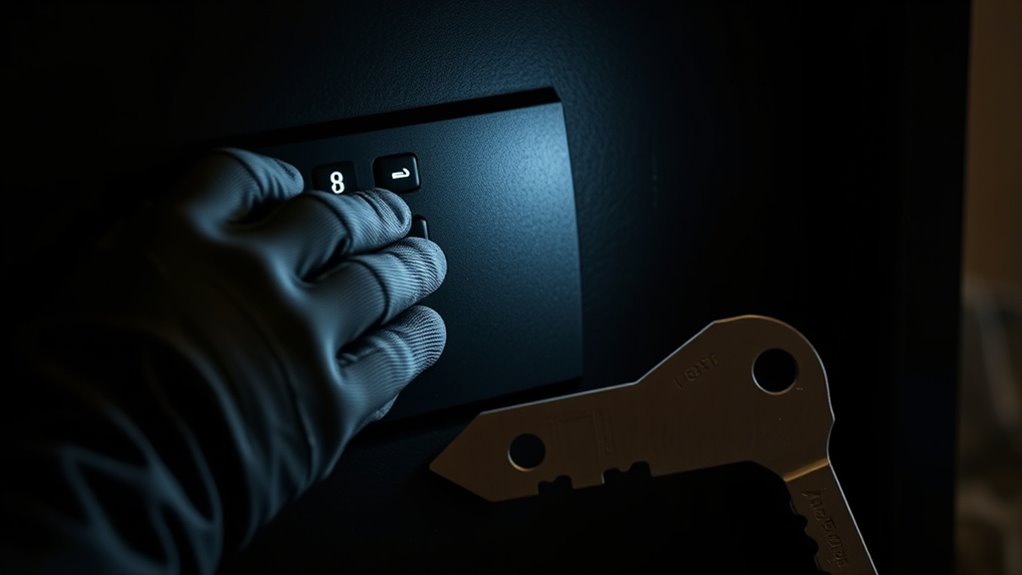
Many safes have a backup override key, so try to locate it if you can. If your safe offers a reset code or master password, give those a try. Check the user manual for specific reset procedures or troubleshooting tips.
Avoid forcing the keypad or tampering with the lock, as that can cause damage. If you’ve tried these options and still can’t open it, contact the manufacturer’s customer support for guidance.
When to Call a Locksmith for Safe Opening
Sometimes, trying to open a safe yourself isn’t worth risking damage or ruining the lock. If you find yourself in any of these situations, it’s time to call a locksmith:
- You’ve tried multiple methods but still can’t open it.
- The lock mechanism looks damaged or jammed.
- You’re unsure about the safe’s security features and worry about triggering an alarm.
- You need quick, guaranteed access to your firearm or valuables.
A professional locksmith has the right tools and expertise to open your safe safely and efficiently, with minimal damage. Don’t force the lock or risk compromising the safe’s integrity, especially if it’s a high-security or firearm safe. When in doubt, calling a locksmith is the smart and secure choice.
Tips to Prevent Future Lockouts and Secure Your Keys
To avoid future lockouts, it’s important to develop smart key storage habits. Keep a spare key in a secure, known location so you can easily access it when needed.
Regularly inspecting and maintaining your safe’s lock is also a good idea. This helps ensure it works smoothly whenever you need to open it.
Key Storage Strategies
Storing your keys securely is essential to prevent lockouts and ensure quick access when needed. Proper key management involves strategic placement and secure methods.
Consider these strategies: Use a lockbox with a combination lock hidden in a discreet spot. Keep spare keys with a trusted friend or family member. Attach a magnetic key holder to an inconspicuous place on your property.
Invest in a digital key safe with access codes, which reduces the risk of losing physical keys. These simple steps can save you from future headaches and keep your keys safe.
Regular Lock Maintenance
Regular lock maintenance is important to prevent unexpected lockouts and keep your keys secure.
Make sure to clean and lubricate your lock regularly so it works smoothly.
Use a graphite-based lubricant instead of oil because oil can attract dirt and cause buildup.
Check your lock for signs of wear or damage, like sticking or difficulty turning the key, and fix issues quickly.
Tighten any loose screws or parts to keep your lock strong.
Regular inspections help catch problems early, saving you from lockouts or needing a new lock.
Keeping your lock in good shape also makes it last longer and improves security.
Things to Avoid When Opening Your Safe Without a Key
Attempting to open your safe without a key might seem tempting, but some methods can cause serious damage or compromise security. It’s best to avoid these common mistakes.
- Using excessive force – Thinking brute force will work can backfire, damaging the lock or the safe’s body in the process.
- Drilling into the lock – While it might seem like a quick fix, drilling risks destroying the lock completely and can void your warranty.
- Applying quick, harsh methods – Rushing with tools like hacksaws or crowbars can cause irreversible damage to your safe’s structure.
- Ignoring manufacturer guidelines – Not following recommended procedures can make things worse and make future access even harder.
Stay away from these pitfalls to keep your safe secure and intact.
How to Verify Your Safe’s Security After Opening
Once you’ve successfully opened your safe, it’s important to check that its security is still intact. Start by inspecting the locking mechanism for any signs of damage or tampering.
Check the bolt work and locking bars to make sure they move smoothly and lock securely when closed. Test the door’s seal to ensure it fits snugly without gaps, which helps prevent unauthorized access or environmental damage.
Ensure bolt work moves smoothly and locks securely; check the door’s seal for a snug fit to prevent access and damage.
Verify that all hinges and latches are in good condition, with no rust or wear that could weaken security. If your safe has electronic components or alarms, test these systems to confirm they’re working properly.
Regularly doing these checks helps keep your safe reliable, protecting your valuables effectively and giving you peace of mind.
Best Practices for Responsible Safe Management
To ensure your safe remains a reliable safeguard for your valuables, responsible management practices are key. First, always keep your key or combination in a secure, separate location to prevent unauthorized access.
Second, regularly update your combination or access code to boost security. Third, limit access to trusted individuals and keep a record of who has the key or code.
Fourth, perform routine inspections to make sure the lock and hinges are in good shape and working properly. By following these steps, you reduce the risks of theft or accidental lockouts.
Maintaining strict control over access and staying vigilant about your safe’s condition helps ensure it continues to serve its purpose well, giving you peace of mind for your valuables and firearms.
Frequently Asked Questions
Are There Any DIY Methods to Open a Gun Safe Safely?
Yes, there are some DIY methods you can try to access a gun safe safely, but they come with risks. You might use a paperclip or a bobby pin to manipulate the lock if it’s a simple mechanism.
However, if the safe is more complex or valuable, it’s best to contact a professional locksmith. Attempting DIY methods on a high-security safe could damage it or make gaining entry more difficult.
What Tools Are Recommended for Emergency Safe Opening?
Tools for emergency safe opening include a tension wrench and a lock pick set, which help manipulate the lock’s pins carefully. A flashlight is also useful to improve visibility, so you can see what you’re doing clearly.
A shim might work on some safes by slipping between the door and lock. Just remember, safety and legality always come first. If you’re unsure, it’s best to contact a professional locksmith to do the job right without causing damage or risking safety.
How Can I Prevent Accidental Lockouts in the Future?
To prevent accidental lockouts, regularly check that your safe’s lock mechanism works smoothly and replace batteries before they die. Keeping a spare key or backup code in a secure, easy-to-remember spot can save you trouble later.
Try not to rush or force the lock, which could cause damage. Consider installing an electronic safe with an auto-unlock feature or setting up multiple access methods for added convenience and security.
Regular maintenance is key to ensuring you always have access when you need it. Taking these small steps can help you avoid unexpected lockouts in the future.
Can Opening a Safe Without a Key Damage the Lock?
Opening a safe without a key can potentially damage the lock if you use improper methods or force it.
For example, prying or drilling can harm internal parts, making the lock less secure or unusable.
If you’re unsure, it’s best to call a professional locksmith.
They have the right tools and know-how to open the safe safely, preventing damage and protecting your valuables.
What Are the Signs of a Compromised or Faulty Safe Lock?
A faulty safe lock is like a wilting flower—its movements become stiff or sluggish. You might notice the dial sticking or feeling loose, and the handle may refuse to turn smoothly.
Sometimes, the lock emits a faint click without releasing or it jams unexpectedly. These signs suggest the lock’s inner gears are slipping or its mechanism is compromised.
This could mean the safe’s security is weakening and needs attention.
Conclusion
Knowing how to open your gun safe without a key can be crucial in emergencies, like if you lose your key unexpectedly. For example, imagine you’re locked out during a home invasion—quick access could be lifesaving.
Always prioritize safety and legality, and consider backup methods to prevent future lockouts. Regular checks and responsible management help ensure your valuables stay secure.
Remember, staying prepared and handling your safe with care is key to protecting both your safety and your belongings.