How to Pick the Right Lock for Your Gun Safe
Finding the right lock for your gun safe can be overwhelming, especially with so many options out there. You’re not alone—many people struggle to balance quick access with strong security. The good news is, choosing the right lock doesn’t have to be complicated.
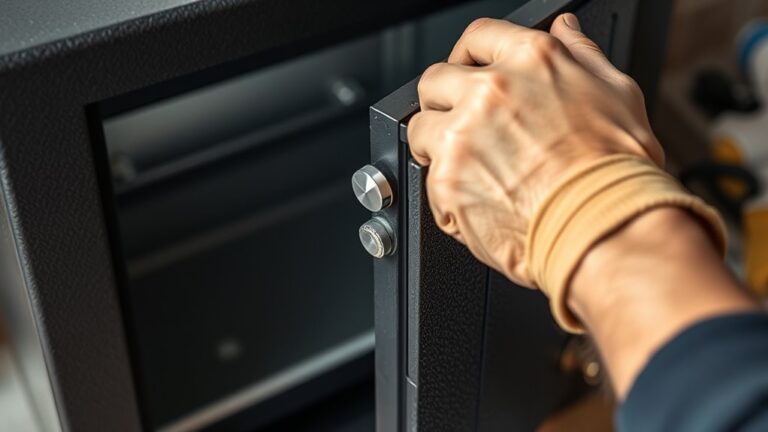
To pick the right lock for your gun safe, consider how quickly you need access and your security priorities. If you want reliability and no dependence on batteries, mechanical locks like dial combination or key locks are good choices.
For faster access, electronic or biometric locks work well but may cost more. Think about durability, ease of use, and your budget.
Keep these tips in mind, and you’ll find the perfect lock for your needs. More details can help you make an informed decision.
Key Takeaways
- Assess your security needs and think about how quickly you might need access in an emergency.
- Pick a lock type—mechanical, electronic, or biometric—that fits your lifestyle, budget, and how convenient it is for you.
- Look at the lock features like durability, anti-drill protection, and how well you can control the keys. These are important for long-term security.
- Find a good balance between ease of use and security so you can get to your safe quickly when you need it.
- Don’t forget to maintain your lock regularly and get familiar with how it works. This will help keep it reliable when it counts.
Why Choosing the Right Gun Safe Lock Matters
Choosing the right gun safe lock is essential because it directly affects the security and accessibility of your firearm. A secure lock keeps your guns out of unauthorized hands, protecting your family and preventing theft.
At the same time, it should allow quick access when needed, especially in emergencies. If the lock is too complicated or unreliable, you might struggle to open it when every second counts.
Quick access is crucial during emergencies; an unreliable lock can cost precious time when it matters most.
Conversely, a weak or easily bypassed lock compromises your safety. You need a lock that balances security with convenience, ensuring only trusted users can open it swiftly.
Picking a reliable lock means considering both how well it protects your firearms and how easily you can access them when it matters most.
Types of Locks for Gun Safes: Which Is Best?
Regarding securing your firearms, choosing the right lock is key because each type offers different levels of security and convenience.
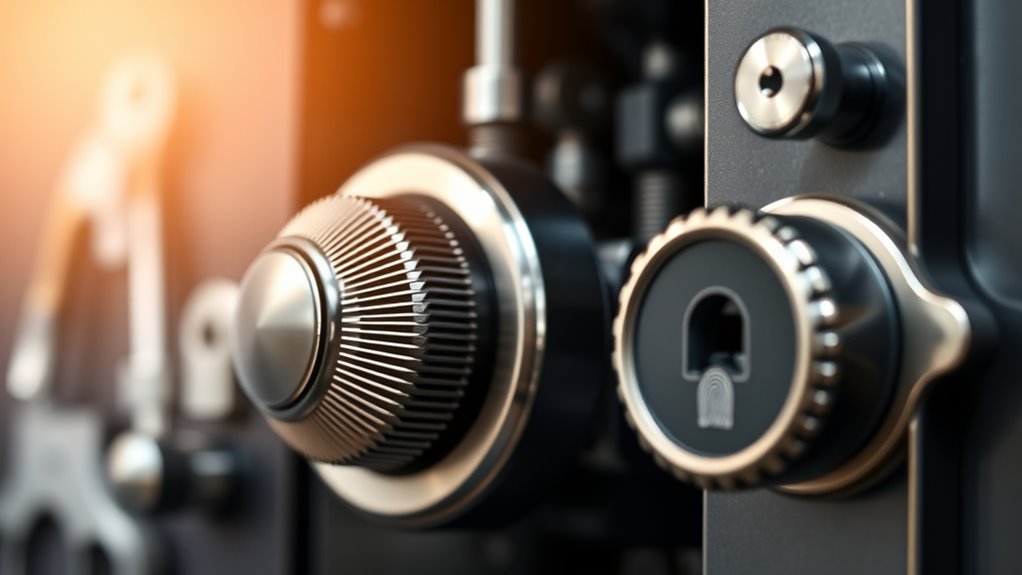
Dial combination locks are common and reliable. They give you a mechanical method that doesn’t rely on batteries.
Key locks are simple but can be vulnerable if keys are lost or stolen.
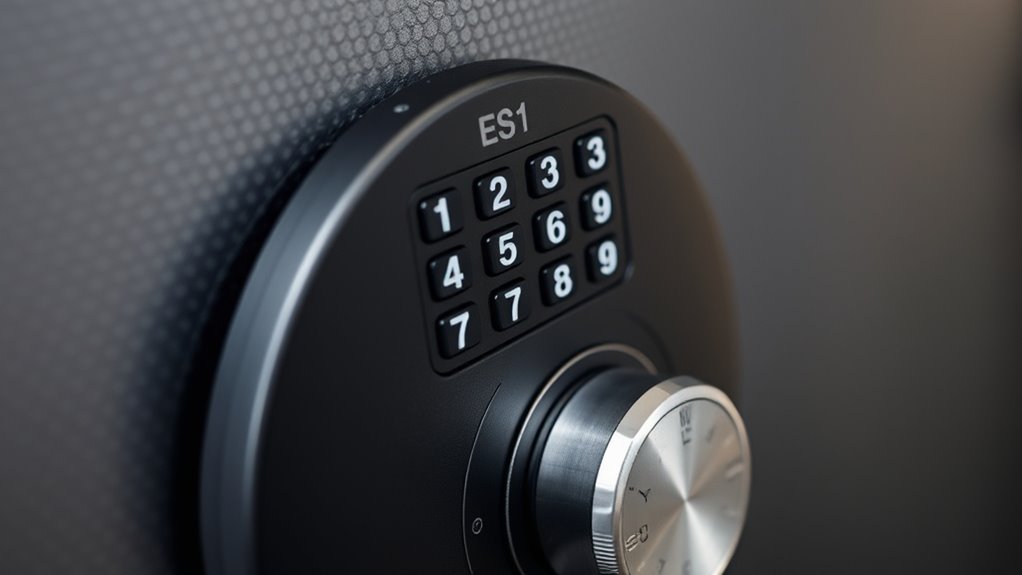
Electronic keypad locks offer quick access and often include backup options, but they depend on batteries and can be more vulnerable to hacking.
Biometric locks use fingerprint recognition, providing high security and fast access. However, they tend to be more expensive.
Think about your lifestyle, budget, and security needs when making your choice.
Each lock type has pros and cons, so weigh them carefully to find the best fit for your safe.
Key Features to Consider When Selecting a Lock
When choosing a lock for your gun safe, it’s important to focus on key features that ensure security and convenience. You want a lock that’s reliable, easy to operate, and resistant to tampering.
Look for features like durability, key control, and ease of access. Durability means the lock can withstand environmental factors, while key control prevents unauthorized duplication of keys. Ease of access helps balance quick entry with security.
Consider these options: reinforced steel casing for long-lasting durability, restricted key copies to prevent unauthorized duplication, and biometric or keypad entry for quick, straightforward access. Also, look for anti-drill features to deter forced entry and self-lubricating parts for low maintenance needs.
Electronic vs. Mechanical Locks: Pros and Cons
Electronic and mechanical locks each have their own advantages and drawbacks, so it’s important to consider your specific needs.
Electronic locks offer quick access with a keypad or biometric scanner, making it easy to open in emergencies. They often come with features like temporary codes and audit trails, which add extra security.
However, they rely on batteries, which can run out or fail, and they’re vulnerable to hacking or electronic malfunctions. Mechanical locks are simple and don’t depend on power, so they’re very reliable.
They resist electronic tampering but might take longer to open and require more effort if you want to change the combination. Your decision should reflect whether you value convenience and advanced features or durability and simplicity.
Think about your security needs and what users prefer before choosing between the two.
How Easy Is It to Access Your Gun Safe? Quick-Access Features Explained
Quick-access locks come in different types, like biometric scanners and manual keypad entries, each offering their own convenience. Biometric options open with your fingerprint, while manual methods use codes or keys.
The speed at which you can access your safe depends on the system you pick. This affects how quickly you’ll be able to reach your firearm in an emergency.
Types of Quick-Access Locks
Choosing the right quick-access lock is important because it affects how fast and easily you can get to your firearm in an emergency.
There are several types of quick-access locks to consider. Keypad locks use a numeric code, making it quick to open without a key.
Biometric locks scan your fingerprint for secure, instant access. Combination dial locks turn dials to a specific sequence, offering reliable security but taking a bit longer.
Electronic locks combine features like keypad entry and biometric options, giving you versatile use. Each type balances speed and security differently, so think about what matters most to you.
If speed is your top priority, keypad or biometric locks are your best options. For a good mix of security and convenience, electronic locks might be the way to go.
Biometric vs. Manual Entry
Biometric and manual entry methods offer very different experiences when it comes to accessing your gun safe quickly. With biometric locks, you just scan your fingerprint or handprint, making access fast and seamless once you’re registered.
They’re highly secure because only your unique biometric data can unlock the safe. Manual entry methods, like keypad combinations or key locks, require you to enter a code or use a physical key, which can take a few extra seconds.
While manual locks are often more straightforward and don’t rely on technology, biometric systems eliminate the need to remember codes or carry keys. Your choice depends on whether you prefer convenience or simplicity.
Both methods aim to give you quick access, but they do it in very different ways. This affects how easily you can reach your firearm when you need it most.
Speed of Access
When time is of the essence, how quickly you can access your gun safe is crucial. Quick-access features like keypad locks, biometric scanners, or RFID systems help you retrieve your firearm fast.
These options eliminate the need to fumble with keys or combo dials, saving you critical seconds in an emergency. Biometric locks recognize your fingerprint instantly, giving you fast, secure entry.
Keypad or electronic locks allow you to enter a code quickly, often with one hand. RFID or proximity sensors grant access as you approach the safe. Think about how fast and reliable these features are for your situation.
A safe with rapid access can make all the difference, ensuring you get to your firearm quickly and safely when every second counts.
Budgeting for a Quality Gun Safe Lock: What to Expect
Investing in a quality gun safe lock means balancing your budget with the level of security you need. Expect to pay anywhere from $50 to over $300, depending on the lock’s features and brand reputation.
Basic keypad or dial locks are more affordable but might lack advanced security features. Electronic locks with biometric options tend to be pricier, offering faster access and higher security.
Remember, a higher price usually means better durability, resistance to tampering, and longer-lasting performance. While saving money might seem tempting, investing in a reliable lock can prevent costly break-ins or lost firearms.
Higher-priced locks offer greater durability and security, preventing costly break-ins and safeguarding your firearms effectively.
Think about your security priorities and how often you’ll need access to the safe. This helps you pick a lock that fits your budget without compromising safety.
Ensuring Your Lock Meets Your Security and Accessibility Needs
Choosing a lock that fits your security and accessibility needs means thinking about how you plan to use your safe daily.
Consider how often you’ll access your firearms and who else might need to get in. If you want quick access, a biometric or electronic keypad lock can be fast, but make sure it’s reliable and easy to use.
For long-term security, a sturdy mechanical lock offers durability, though it may take a bit longer to open.
Think about your comfort with technology; if you’re not tech-savvy, steer clear of overly complicated systems.
Balance convenience with safety, and pick a lock you can operate confidently under stress.
Matching your lock type to your routine ensures both security and easy access, giving you peace of mind.
Frequently Asked Questions
How Do I Program or Change the Combination on a Mechanical Lock?
To change the combination on a mechanical lock, start by finding the change key or reset lever. It’s usually inside the lock or on the back.
Move or turn the lever to the reset position. Then set your new combination by rotating the dials to your preferred numbers.
Once you’ve set the new combination, return the lever or change key to its original position. Make sure the new combo is properly set.
Finally, test the lock several times to ensure it works correctly.
Are Biometric Locks Secure Enough for Gun Safes?
Biometric locks are incredibly secure, almost like having a personal bodyguard for your gun safe! They use fingerprint recognition, making it nearly impossible for intruders to crack the code.
While no lock is foolproof, biometric systems offer quick access with just a simple scan, blending convenience and security. Just make sure you register multiple authorized fingerprints.
That way, you can have peace of mind knowing your firearms are protected by the latest technology.
What Is the Typical Lifespan of Electronic Gun Safe Locks?
Electronic gun safe locks usually last around 5 to 10 years, but this can vary based on how often you use them and the quality of the lock.
The keypad and internal parts tend to wear out over time, especially with frequent use. Regular maintenance, like cleaning the keypad and changing batteries promptly, can help prolong the lock’s life.
Keep an eye on how well the lock is working. If you notice it acting up or responding slowly, it might be time to replace it.
Can I Upgrade My Lock Without Replacing the Entire Safe?
Yes, you can upgrade your lock without replacing the entire safe. Many safes are designed with modular locks, so you can swap out the old lock for a newer, more secure model.
First, check your safe’s manufacturer guidelines or talk to a locksmith to make sure the new lock is compatible. Then, carefully remove the existing lock and install the new one.
Make sure the new lock is properly secured and test it to ensure it’s working before you start using your safe.
How Do Environmental Factors Affect Lock Performance?
Environmental factors greatly impact lock performance. If you expose your safe to moisture, rust can develop, making locks sticky or difficult to turn.
Extreme temperatures can cause metal parts to expand or contract, affecting the lock’s mechanism. Dirt, dust, and debris can clog moving parts, leading to jams or malfunctions.
To keep your lock working smoothly, regularly clean and lubricate it. Consider climate control measures if your environment is harsh.
Conclusion
Choosing the right lock isn’t just about security; it’s about peace of mind. Think of your gun safe lock as the guardian of your safety and your valuables.
By considering your needs, budget, and the lock’s features, you ensure easy access when it matters most. The right lock should fit your lifestyle and security requirements seamlessly.
Remember, the right lock isn’t just a choice — it’s a commitment to protecting what’s precious. So, make your decision wisely; your safety depends on it. Picking the right lock for your gun safe is essential for keeping your valuables secure and accessible.