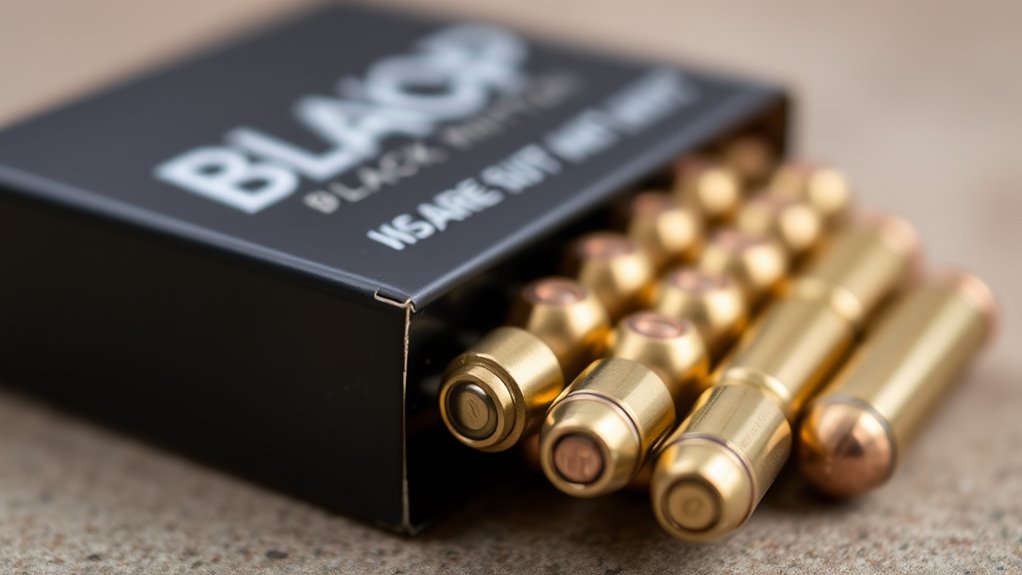
Understanding Black Tip Ammo: A Comprehensive Guide
Are you often confused about black tip ammo and how to identify it? You’re not alone—many gun enthusiasts and hunters struggle with understanding its features and proper use.
Black tip ammo is easily recognized by its dark-painted tip, indicating armor-piercing and high-velocity capabilities designed for tough targets like body armor.
Originally developed during WWII, it has become essential for military, tactical, and hunting applications.
Its steel or tungsten core improves penetration, but it comes with legal restrictions and higher costs.
If you want to understand how to identify, safely handle, or use black tip ammo effectively, this guide offers all the details you need to know.
Key Takeaways
- Black tip ammo has a dark-painted tip that shows it’s armor-piercing or high-velocity. It’s mainly used by military and law enforcement units.
- The design started in WWII to help bullets penetrate armor better. Over time, it evolved with stronger materials like tungsten cores to improve performance.
- People use black tip ammo for combat, tactical training, hunting, and self-defense against armored threats. It offers increased penetration power, making it effective in tough situations.
- Safety is really important with black tip ammo. Always store it securely, wear protective gear, and be aware of legal restrictions in your area.
- To identify authentic black tip ammo, look for the black tip itself, along with markings and manufacturer details. These details help ensure you’re handling the real deal properly.
What Is Black Tip Ammo and Why Is It Different?
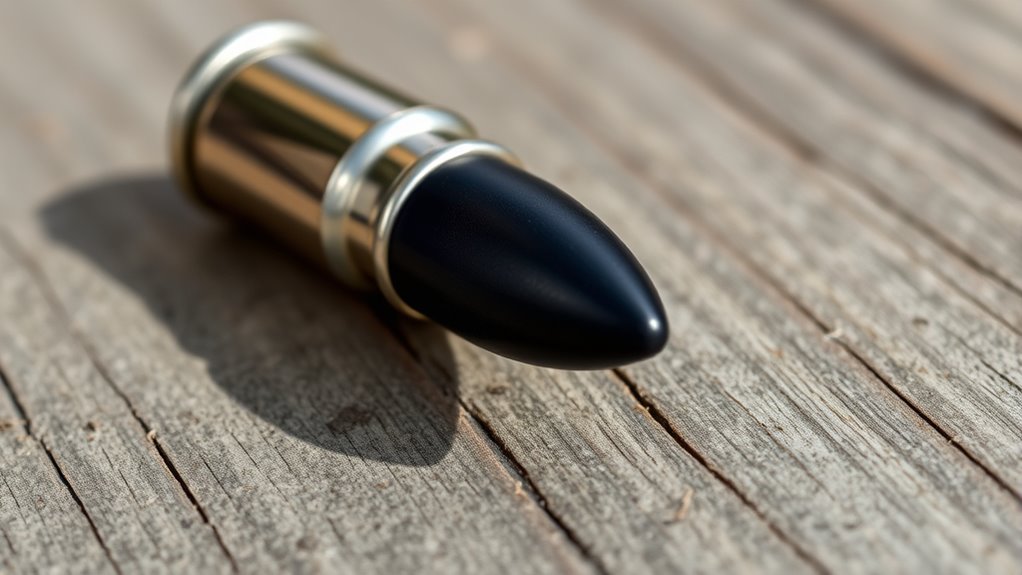
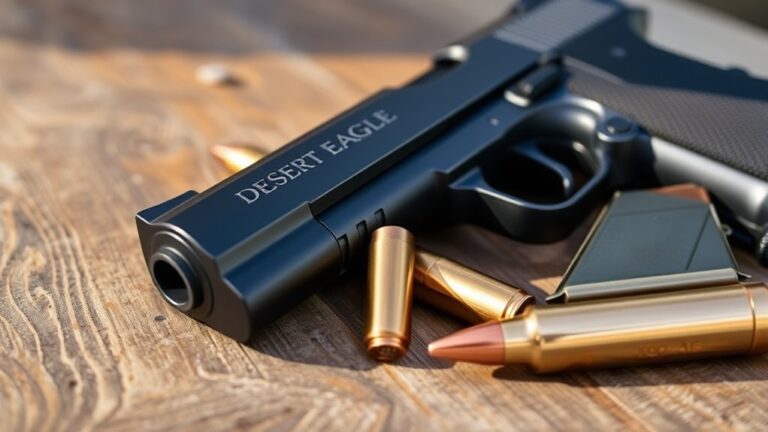
Black tip ammo is a type of ammunition marked by a dark, often painted or coated tip on the bullet. This visual cue helps shooters quickly identify the round among others.
Usually, the dark tip signals special characteristics, often related to its purpose or design. Most commonly, it indicates armor-piercing capabilities, meaning it can penetrate tough materials like body armor or heavy steel.
The dark tip usually indicates armor-piercing capabilities for tough material penetration.
These rounds are made with special cores or materials that boost their penetrating power. Because of this, they’re generally used by military or law enforcement, not civilians.
Knowing what the black tip looks like helps you recognize its function and handle it safely.
A Quick History of Black Tip Ammo
Black tip ammo has a notable history rooted in military innovation, starting with its development during the early 20th century.
You’ll learn how it was adopted by armed forces to improve combat effectiveness and why it became a standard.
This quick overview highlights its evolution from initial design to widespread military use.
Origin and Development
During World War II, military researchers aimed to improve armor penetration, which led to the creation of specialized ammunition. Black tip ammo emerged as a solution, with a distinctive black-painted tip to show its armor-piercing design.
Its development involved refining core materials and manufacturing techniques to boost performance. Initially, it was used mainly in anti-armor roles, but soon it became popular among various armed forces for its ability to penetrate armor.
Over time, black tip ammo was modified for different calibers and uses, aiming to balance power and safety. The table below highlights key milestones in its evolution:
| Year | Development Focus | Key Feature |
|---|---|---|
| 1940s | Armor penetration efficiency | Black-painted tip for identification |
| 1950s | Material improvements | Tungsten cores |
| 1960s | Standardization in military | Broader caliber adoption |
Military Adoption History
Following its initial development for specialized anti-armor purposes, black tip ammo quickly caught the attention of military forces worldwide. Its armor-piercing capabilities made it highly valuable in combat scenarios involving hardened targets.
During World War II, the U.S. military adopted black tip rounds for use in armor-piercing rifle ammunition, recognizing their effectiveness against tanks and fortified positions. Over the decades, various armed forces integrated black tip ammo into their standard arsenals, especially for snipers and anti-materiel units.
Its reputation grew as a reliable round capable of penetrating advanced armor. Today, black tip ammunition remains a symbol of military precision and firepower, with modern designs maintaining its legacy of armor penetration and battlefield dominance.
What Are the Key Features of Black Tip Ammo?
Black tip ammo is easily recognized by its distinctive black tip, which usually indicates a specific type of projectile or purpose. These cartridges often have a pointed or armor-piercing tip, designed to penetrate armor or tough targets.
The black tip signals that the ammo has specialized features like higher velocity or better armor penetration. You’ll often see it used in military settings or by enthusiasts who want high-performance rounds.
Here’s a quick overview:
| Feature | Purpose | Common Use |
|---|---|---|
| Black Tip | Armor-piercing or high velocity | Military, tactical scenarios |
| Steel Core | Better penetration | Combat situations |
| Projectile Type | Designed for specific targets | Military, specialized shooting |
| Markings | Helps identify the ammo | Ammunition identification |
How Can You Spot Real Black Tip Ammo?
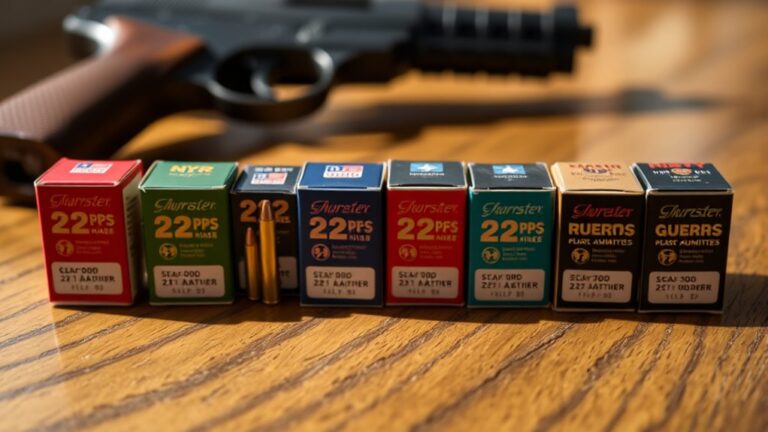
To identify real black tip ammo, start by checking the tip color. Authentic rounds have a distinctive black tip that sets them apart.
Next, verify the proper ammunition markings and labels from the manufacturer to confirm that it’s genuine.
Finally, examine the packaging for clear, legitimate manufacturer information. This helps you distinguish real black tip ammo from fakes.
Distinctive Tip Color
The distinctive tip color of black tip ammo makes it easy to identify among other cartridges. Typically, these rounds feature a black-painted tip, setting them apart from standard ammunition. The black tip signals that the bullet is armor-piercing and designed to penetrate tough materials.
When you handle your ammunition, look closely at the tip’s coloring. If it’s solid black, chances are it’s black tip ammo. This visual cue helps you quickly distinguish these rounds from others, especially in a mixed batch.
Keep in mind, color alone isn’t enough to confirm authenticity. It’s a reliable initial indicator, but always verify markings and consult official references if you’re unsure. Recognizing the black tip color guarantees you handle and store these specialized rounds properly and safely.
Proper Ammunition Markings
Authenticating black tip ammo isn’t just about noticing the tip color. You need to look closely at the markings on the cartridge itself.
Check the casing for key indicators like the headstamp, which shows the manufacturer and caliber details stamped on the base. Also, find the lot number—this confirms the batch consistency.
Look for proof marks that indicate testing and approval standards. And of course, verify the color coding — the black tip should be present along with any additional markings.
These markings are what help you tell real military-grade black tip ammo apart from counterfeits. Genuine cartridges will have precise and consistent markings that match official specs.
Always cross-reference these details with trusted sources to make sure you’re handling authentic ammunition.
Authentic Manufacturer Labels
When examining black tip ammo, paying close attention to the manufacturer labels is key for verifying authenticity. Genuine labels should be clear, well-printed, and free of spelling errors or smudges.
Check for consistent font styles and sizes, as counterfeit labels often have irregularities. Look for official markings, like logos, lot numbers, and manufacturing dates, which should match known standards from reputable producers.
Authentic labels also include specific details about the caliber, weight, and packaging. If any information appears faded, altered, or inconsistent with known genuine labels, that’s a red flag.
Always compare the label with official images from trusted sources or manufacturers’ websites. Spotting authentic labels helps ensure you’re handling real black tip ammo and not counterfeit or altered rounds.
When and Why Do People Use Black Tip Ammo?
Ever wondered why black tip ammo is favored in certain situations? People typically use it when they need increased penetration and reliability. It’s often chosen for specific tasks like:
- Military operations where armor-piercing capabilities are essential.
- Tactical training to simulate real combat scenarios.
- Hunting in tough environments to ensure the bullet gets through thick hides or bone.
- Self-defense against armored threats where standard rounds might fall short.
This ammo is selected for its ability to penetrate barriers and perform well under demanding conditions. Its distinct look also helps users quickly identify it in their arsenal, making sure they’re prepared for situations that need maximum firepower.
Pros and Cons of Using Black Tip Ammo
Black tip ammo offers some clear advantages, but it also has drawbacks you should keep in mind. Its armor-piercing ability helps you get through tough targets, making it great for military or tactical situations.
That said, this strength can be a double-edrier, increasing the chance of unintended damage or running into legal restrictions. Plus, black tip rounds tend to cost more and aren’t as easy to find.
Safety Tips for Handling Black Tip Ammo
Handling black tip ammo requires extra caution because its armor-piercing capabilities make it more dangerous if not managed properly. To stay safe, follow these tips:
- Store securely in a locked, dry container away from children and unauthorized users.
- Wear protective gear like gloves and eye protection when handling or loading it.
- Keep away from heat sources and open flames, as the material can be sensitive to high temperatures.
- Inspect regularly for damage or corrosion before use to prevent misfires or accidents.
Always treat black tip ammo with respect, knowing its intensified power demands careful handling. Never rush or take shortcuts—your safety depends on it.
FAQs About Black Tip Ammo: Everything You Need to Know?
Are you curious about the key facts and common questions surrounding black tip ammo? Black tip ammunition is often associated with military-grade rounds, but what exactly makes it special? It’s primarily distinguished by the black-painted tip, indicating armor-piercing capabilities.
You might wonder if it’s legal for civilian use; regulations vary by location, so always check local laws before purchasing. Black tip ammo is designed to penetrate armor or tough materials, making it effective for certain tactical situations.
However, it’s not suitable for all firearms and can be dangerous if mishandled. Expect higher costs compared to regular rounds. Always handle black tip ammo responsibly, and verify you’re aware of its purpose and restrictions before buying or using it.
Frequently Asked Questions
Are There Legal Restrictions on Purchasing Black Tip Ammunition?
Yes, there are legal restrictions on purchasing black tip ammunition. You might need to pass background checks or get special permits, depending on where you live.
In some areas, this type of ammo is completely banned for civilian use. So, it’s really important to check your local laws before trying to buy or possess black tip ammo.
Ignoring these laws could lead to serious legal consequences, so make sure you’re informed and compliant.
How Does Black Tip Ammo Perform in Different Weather Conditions?
Black tip ammo cuts through rain, snow, and mud like a hot knife through butter, keeping reliable performance no matter the weather.
Its steel core resists corrosion better than traditional lead, so it stays accurate even when things are damp.
In cold weather, it stays stable, and in humid conditions, it’s less prone to rust.
You’ll find black tip ammo a dependable companion, weathering the storm as fiercely as you do in the field.
Can Black Tip Ammo Be Used in All Firearm Types?
Yes, black tip ammo can be used in most firearm types, including rifles and some machine guns.
However, you should check your firearm’s specifications because not all guns are compatible with this ammo.
Black tip rounds often have specific calibers, so make sure your firearm matches those.
Always follow the manufacturer’s guidelines to prevent damage or safety issues.
If you’re unsure about compatibility, it’s a good idea to consult a professional.
Is Black Tip Ammo Suitable for Hunting or Self-Defense?
Black tip ammo isn’t your best bet for hunting or self-defense. It’s designed for military use, with armor-piercing capabilities that can cause unintended damage or legal issues.
You need rounds that prioritize stopping power and safety, not armor penetration. For hunting or self-defense, stick to appropriate, law-abiding ammunition—your safety and legal standing depend on it.
Black tip ammo isn’t just overkill; it’s downright dangerous for everyday use.
What Are the Environmental Impacts of Black Tip Ammunition?
Black tip ammunition can have significant environmental impacts. The steel or nickel used in the tips may introduce heavy metals into soil and water, which can harm wildlife and ecosystems.
When fired, these bullets can break apart, spreading particles that stick around in the environment. If you use black tip ammo, it’s worth thinking about these effects, especially in sensitive areas.
Choosing environmentally friendly alternatives can help reduce ecological harm and protect the environment.
Conclusion
Understanding black tip ammo helps you make informed choices, whether for collection, training, or defense.
For instance, imagine you’re at the range and spot a rare, authentic black tip round. You’ll know its history and significance.
Just remember to handle it safely and follow regulations.
With the right knowledge, you’ll confidently navigate the world of black tip ammo.
This ensures safe and responsible use every time.