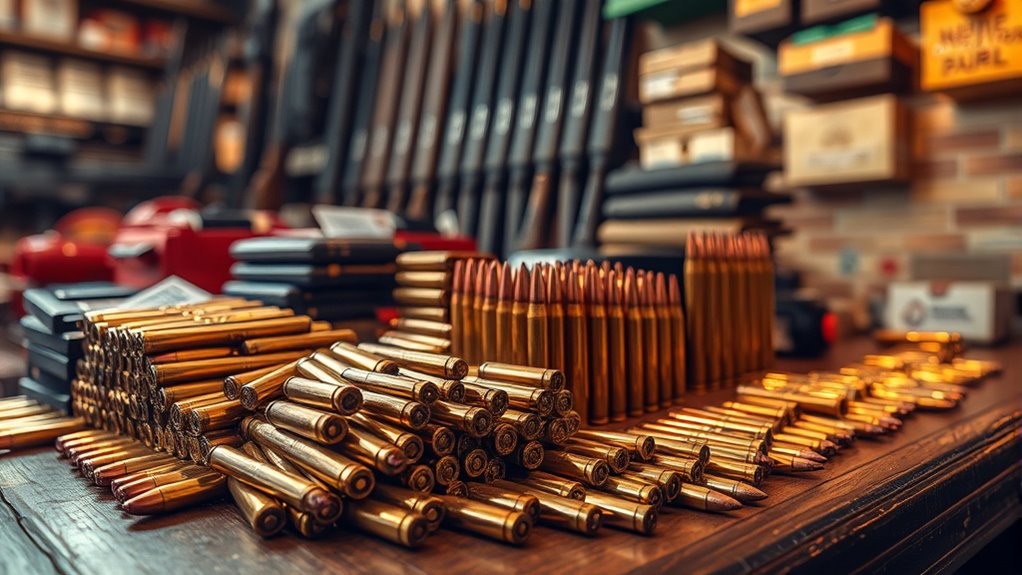
What Drives Ammo Prices to Be so Expensive?
If you’re into shooting, hunting, or self-defense, you’ve probably noticed ammo prices soaring lately. Many people struggle with how expensive ammo has become, and you’re not alone in feeling this pinch.
Ammo prices rise due to increased demand from gun owners, hunters, and self-defense enthusiasts, often spurred by social or political events.
Supply chain disruptions, raw material costs, and import tariffs also push prices higher.
Hoarding, market speculation, and rumors create a sense of scarcity, driving prices even more.
Regulations and restrictions add costs for manufacturers.
If you want to understand how these factors combine and what you can do about it, keep exploring.
Key Takeaways
- Sudden demand spikes from gun owners, panic buying, and seasonal hunting can cause prices to jump quickly.
- When everyone rushes to buy ammo at once, supplies get tight, and prices go up fast.
- Supply chain disruptions and rising raw material costs, like lead and copper, also push prices higher.
- Things like factory delays or shortages make it even harder to keep up with demand.
- Regulatory restrictions and import tariffs add to manufacturing and shipping costs.
- These extra expenses get passed down to consumers, making ammo more expensive.
- Market speculation, rumors, and hoarding by consumers create volatility and artificial scarcity.
- When people start stockpiling ammo, it drives prices up even more due to limited supply.
- To save money, some folks buy in bulk, reload their own rounds, or choose less popular calibers.
What Causes Ammo Prices to Skyrocket?

When demand for ammunition suddenly spikes, prices tend to skyrocket, and several factors can trigger this surge. One major cause is increased interest from gun owners, hunters, or shooting enthusiasts, often driven by political or social events.
When a crisis or legislation sparks fear of gun restrictions, more people stock up, pushing prices higher. Plus, media coverage of violence or threats can lead to panic buying, further increasing demand.
Seasonal spikes, like hunting season, also contribute. During these times, manufacturers and retailers struggle to keep up, and supply doesn’t immediately match the heightened demand.
As a result, prices climb sharply, making ammo more expensive for everyone during these periods.
How Supply Chain Disruptions Push Up Ammo Costs
Supply chain disruptions can significantly drive up ammo costs by creating bottlenecks in manufacturing and distribution. When raw materials like lead, copper, or primers become scarce or delayed, manufacturers struggle to meet demand, leading to less production.
Shipping delays caused by port congestion, labor shortages, or transportation issues further slow down the movement of finished products to stores. These disruptions raise costs for manufacturers, who then pass those expenses onto consumers.
Shipping delays from congestion and labor shortages increase costs, leading manufacturers to raise prices on finished ammo products.
Limited availability of packaging and processing supplies adds to the problem. As supplies dwindle and delays lengthen, ammo becomes scarcer and more expensive.
You might notice prices rising even if demand stays steady, simply because the supply chain can’t keep pace with the market’s needs. This ongoing disruption keeps prices high and unpredictable.
Regulations and Policies That Affect Ammo Pricing
Regulations and policies play a key role in shaping ammo prices by setting the rules that manufacturers and sellers must follow. Government restrictions like licensing and background checks can increase costs and limit supply, which pushes prices higher.
Import bans and tariffs on ammunition or important materials also raise costs. Plus, policies that treat ammo as a controlled substance or impose strict storage and transport rules add logistical expenses.
These regulations often lead to less competition or shortages, which can drive prices up even more. As a consumer, you might see costs go up during times when regulations tighten or policies change to restrict ammo.
In the end, government policies impact both how available ammo is and how much it costs in the market.
The Role of Raw Material Prices in Shaping Ammo Costs
Raw material prices directly influence the cost of producing ammunition, as key components like lead, copper, and brass fluctuate in value. When lead prices rise, the cost of bullets increases because lead is the primary material for core projectiles.
Rising raw material costs, like lead, copper, and brass, directly increase ammunition production expenses.
Copper, used in primers and wiring, also affects costs. Higher copper prices mean primers and casings become more expensive. Brass, an alloy of copper and zinc, is essential for cartridge casings, so when brass prices climb, manufacturing costs go up.
These raw materials are traded globally, so any supply disruptions or increased demand can cause prices to spike. As a result, manufacturers face higher expenses, which they often pass on to consumers.
Understanding these raw material fluctuations helps explain why ammo prices can shift unexpectedly and remain volatile.
Why Demand for Ammo Is Increasing and How It Affects Prices
As more people get into shooting sports, self-defense, and hunting, the demand for ammo has shot up significantly. When more folks want ammo, it puts a lot of pressure on supply chains and manufacturers to keep up.
This surge in demand often pushes prices higher because limited supplies mean consumers are willing to pay more to secure what they need. You might notice ammo selling out faster or prices climbing at gun stores and online shops.
Seasonal spikes or political events can make things even worse, making ammo harder to find and more expensive. When many buyers compete for limited stock, manufacturers and retailers respond by raising prices to balance things out.
This cycle keeps ammo prices high, especially during times of increased interest or uncertainty.
Manufacturing Challenges That Limit Ammo Supply
The surge in demand for ammo has highlighted several manufacturing hurdles that limit supply. Producing ammunition isn’t simple — it involves precise processes and specialized equipment.
Raw material shortages, like primer and powder scarcity, slow down production lines. Manufacturing plants also face capacity constraints, making it hard to quickly ramp up output.
Regulatory compliance adds delays and costs, further restricting supply. Skilled labor shortages and safety protocols reduce workforce efficiency.
Here’s a quick overview:
| Challenge | Impact | Cause |
|---|---|---|
| Raw Material Shortages | Delays in production | Supply chain disruptions |
| Capacity Constraints | Limits volume produced | Facility limitations |
| Regulatory Compliance | Slows down manufacturing process | Safety and legal standards |
| Skilled Labor Shortage | Reduces production efficiency | Workforce gaps |
How Import Restrictions and Tariffs Impact Ammo Prices
Import restrictions and tariffs directly raise the cost of bringing foreign ammunition into the country, which in turn drives up overall prices. When tariffs go up, importers pay more to bring in foreign-made ammo, and they often pass those costs onto consumers.
Higher import tariffs increase costs, leading to more expensive ammunition for consumers.
Restrictions like licensing requirements or import bans limit supply by making it harder or more expensive to get foreign ammunition. This reduced supply, combined with steady or rising demand, pushes prices higher.
Trade tensions and policy changes can cause sudden spikes in tariffs or restrictions, leading to unpredictable price hikes. As a result, shoppers often face higher costs at the gun store or online, reflecting the added expenses of navigating import policies.
These factors make imported ammunition more expensive and contribute significantly to overall price increases.
Hoarding and Stockpiling: Why Prices Keep Rising
When more people start hoarding and stockpiling ammunition, prices tend to climb even higher. This creates a sense of scarcity, which makes others buy more out of fear they won’t find ammo later.
As demand spikes, sellers see the opportunity to raise prices, knowing many buyers are willing to pay a premium to secure their supplies. Your impulse to stockpile can unintentionally contribute to this cycle, making ammo less available for everyone else.
The more people buy in bulk, the tighter the market gets, and prices keep rising. This panic-driven cycle feeds on itself, with increased hoarding fueling even higher prices.
Ultimately, your actions and others’ collective hoarding push ammo prices upward, making it harder and more expensive for everyone to get what they need.
How Market Rumors and Speculation Drive Ammo Price Volatility
Market rumors and speculation can cause ammo prices to swing wildly, often without any real connection to supply and demand. When people start talking about shortages or new regulations, prices can jump as buyers rush to buy up stockpiles.
Market rumors and speculation can cause ammo prices to fluctuate wildly, often disconnected from actual supply and demand.
On the flip side, false reports of excess supply can lead to sudden price drops. Speculators buy and sell based on what they think will happen in the future, which makes prices fluctuate even more.
Social media and online forums spread rumors fast, creating panic or excitement that fuels quick buying or selling. This emotional trading disconnects prices from actual market conditions, making them hard to predict.
Even if supply stays stable, rumors and speculation can push prices up or down sharply. This adds an unpredictable layer to an already volatile market.
Smart Strategies to Save Money on Ammo in a High-Price Market
To save money on ammo when prices are high, consider buying in bulk to get better deals per round.
Exploring alternative ammunition types can also reduce costs without sacrificing performance.
These strategies help you stay prepared without breaking the bank.
Bulk Purchasing Benefits
Buying ammo in bulk can really save you money, especially when prices are high. When you buy larger quantities, you usually pay less per round, making the most of your budget.
Retailers and online stores often have discounts on bulk orders, so you can save a good bit compared to buying smaller amounts. Plus, buying in bulk means fewer purchases and shipping fees, which cuts down overall costs.
To get the best deal, compare prices at different vendors and look out for sales or promotions on bulk ammo. Just keep in mind, you’ll need enough storage space and proper organization to keep your ammo safe and in good condition.
Alternative Ammunition Types
Investigating alternative ammunition types can be a smart way to cut costs while maintaining your shooting readiness. Instead of sticking solely to traditional rounds, consider options like reloaded or remanufactured ammo, which can be significantly cheaper without sacrificing performance.
You might also look into different calibers or brands that offer more affordable prices, especially during sales or bulk deals. Specialty rounds, like frangible or reduced-recoil ammunition, can sometimes provide savings depending on your shooting needs.
Moreover, some shooters find that switching to less popular calibers helps cut costs because supply is higher and prices are lower. Just make sure to verify compatibility with your firearm and follow safety standards.
This approach can stretch your budget without compromising your practice or preparedness.
Frequently Asked Questions
How Do Seasonal Changes Influence Ammo Prices?
Seasonal changes can really impact ammo prices, especially during busy shooting seasons like summer and fall. When more folks are buying guns and ammo for hunting, sport shooting, or outdoor fun, demand jumps, and prices tend to go up.
On the flip side, during colder months or off-seasons, demand usually drops, which often means prices are lower. You might notice prices climbing before hunting seasons and then dropping after they end, reflecting these seasonal patterns.
What Impact Do Technological Advancements Have on Ammo Costs?
Imagine a blacksmith forging new tools. Technological advancements in ammo production do the same for cost. These innovations, like better manufacturing methods and new materials, often lower production costs, making ammo cheaper over time.
But early on or with cutting-edge tech, prices can go up temporarily because of research and equipment costs. Overall, technology boosts efficiency, which can help keep ammo prices stable or even lower them in the long run.
How Do Geopolitical Tensions Affect Ammo Supply and Pricing?
When geopolitical tensions rise, ammo prices tend to go up, and supply becomes tighter. Conflicts and instability can disrupt manufacturing and transportation, making it harder to get ammunition.
Governments might also start stockpiling ammo, which reduces what’s available on the market. These factors lead to higher demand and less supply, pushing prices even higher.
Because of this, you might experience longer wait times and pay more when buying ammo, especially during times of international unrest or political upheaval.
Are There Specific Calibers More Prone to Price Increases?
Certain calibers, like 9mm, .223, and .308, tend to see more price increases because they’re really popular and in high demand. Limited production runs also play a role in driving up prices for these calibers.
You’ll often notice shortages, higher prices, and market fluctuations with these calibers. When demand surges, supply can’t always keep up, which pushes prices higher.
If you’re stocking up, expect these calibers to be more expensive and to experience more price swings over time.
How Do Resale Markets Influence Overall Ammo Pricing Trends?
Resale markets greatly influence overall ammo pricing trends by creating fluctuating demand and supply. When prices go up in these markets, sellers often raise prices everywhere, affecting retail prices too.
Your buying decisions in resale markets can signal demand spikes, causing manufacturers and retailers to adjust their prices accordingly. This dynamic can lead to quick price jumps, especially during shortages or periods of high demand.
Conclusion
As you wander through the gun shop aisles, remember that soaring ammo prices are like a storm on the horizon—threatening but manageable.
Understanding the causes—supply chain snarls, rising raw material costs, and surging demand—can help you navigate the situation better.
Stay sharp, explore smart buying strategies, and keep your sights steady.
With patience and knowledge, you’ll find your way through the fog, making sure you’re ready when the shot counts the most.
Main keyword: ammo prices